Notice of Lien on Real Estate for Criminal Bond
Overview of this form
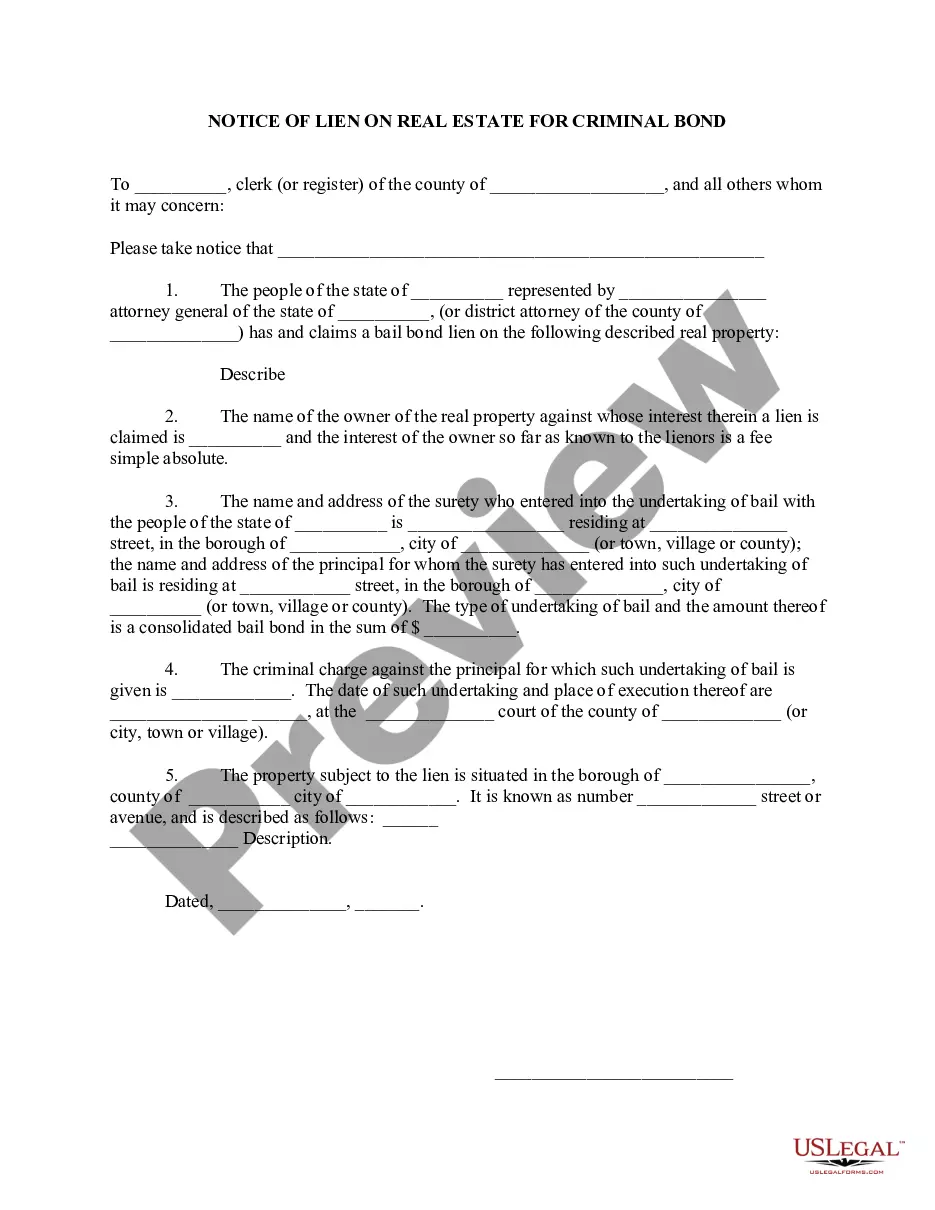
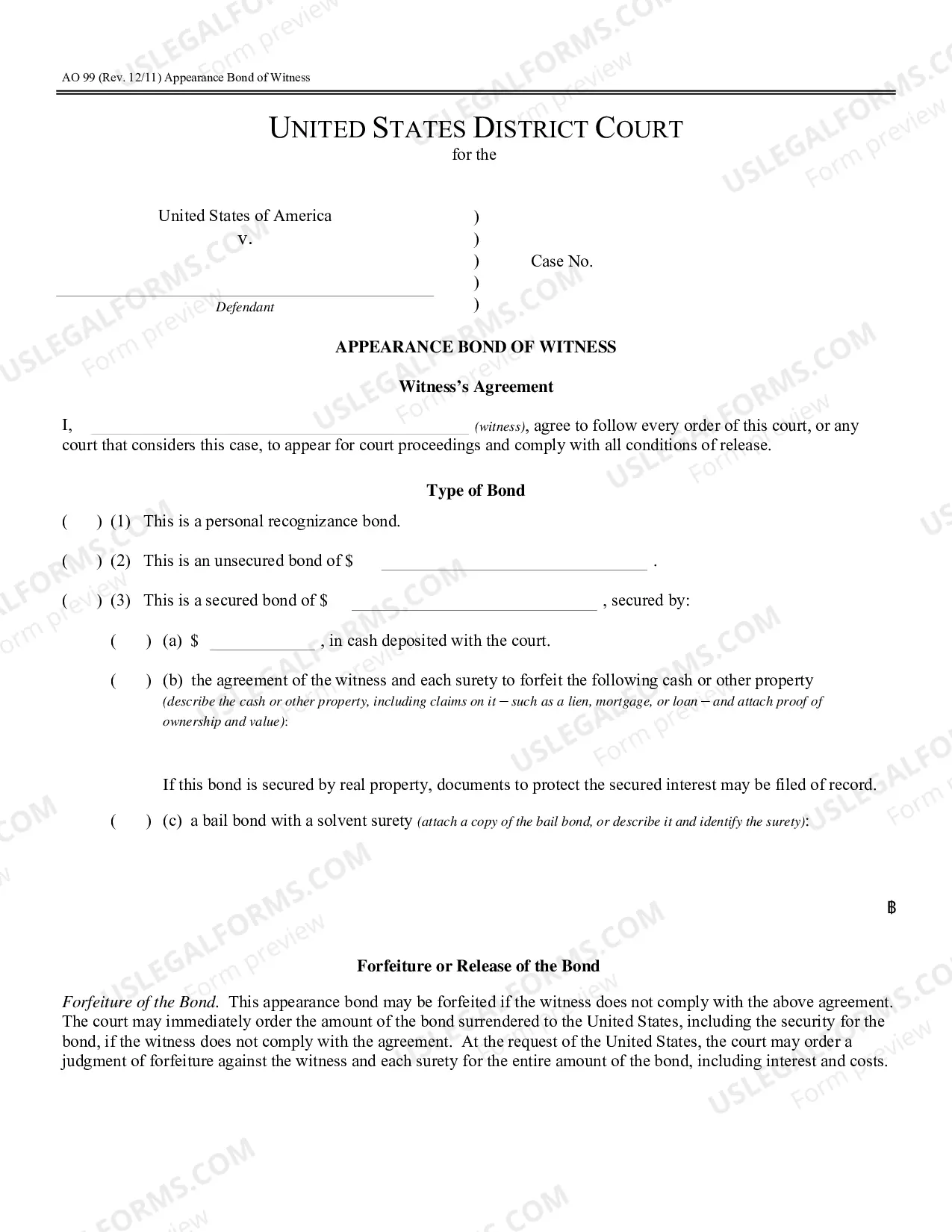
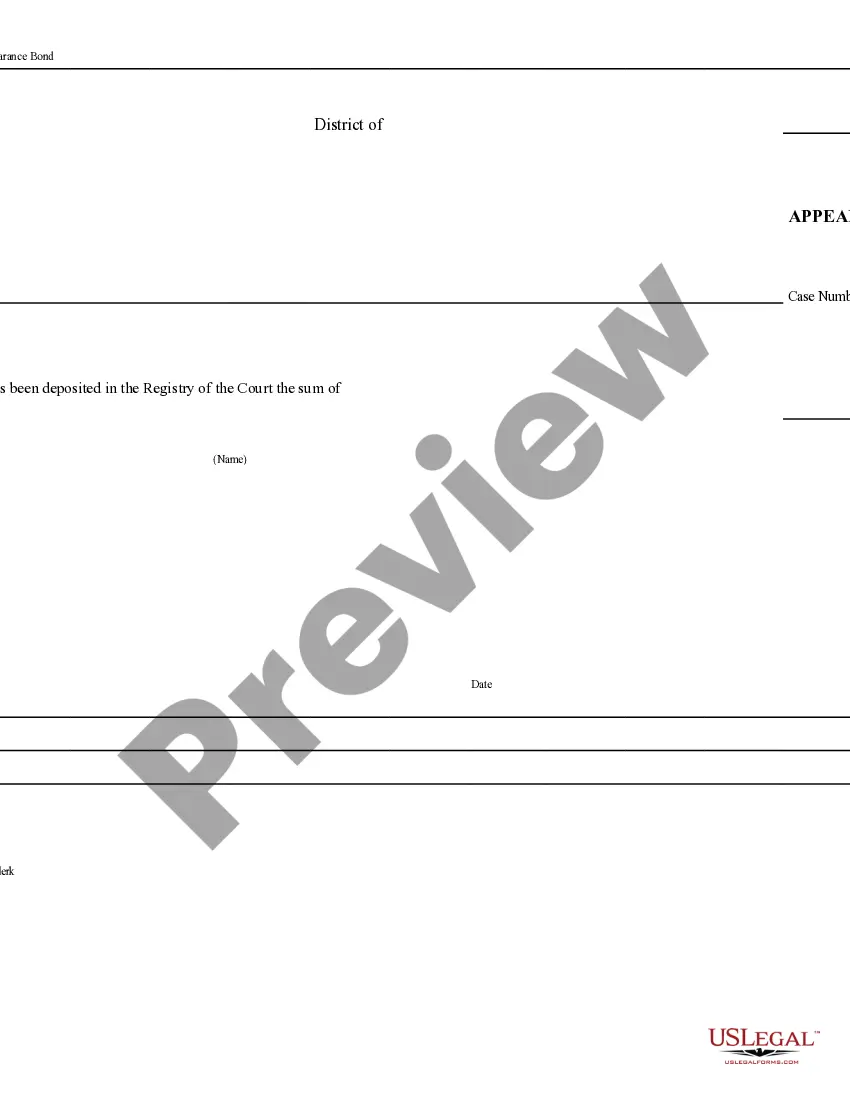
The Notice of Lien on Real Estate for Criminal Bond is a legal document that serves as a formal notice of a lien placed on real estate as security for a bail bond. This form is essential when the state claims a lien on a property related to a criminal case, differentiating it from general property liens by its specific application to bail bonds. Users may need this form when the state seeks to secure the bond against real property of the accused.
Main sections of this form
- The name and address of the property clerk or register where the notice is filed.
- The identity of the state or county's representative (attorney general or district attorney) filing the lien.
- A description of the property against which the lien is being claimed.
- Information about the surety who has entered the bail bond, including their address.
- The criminal charge for which the bail bond was issued.
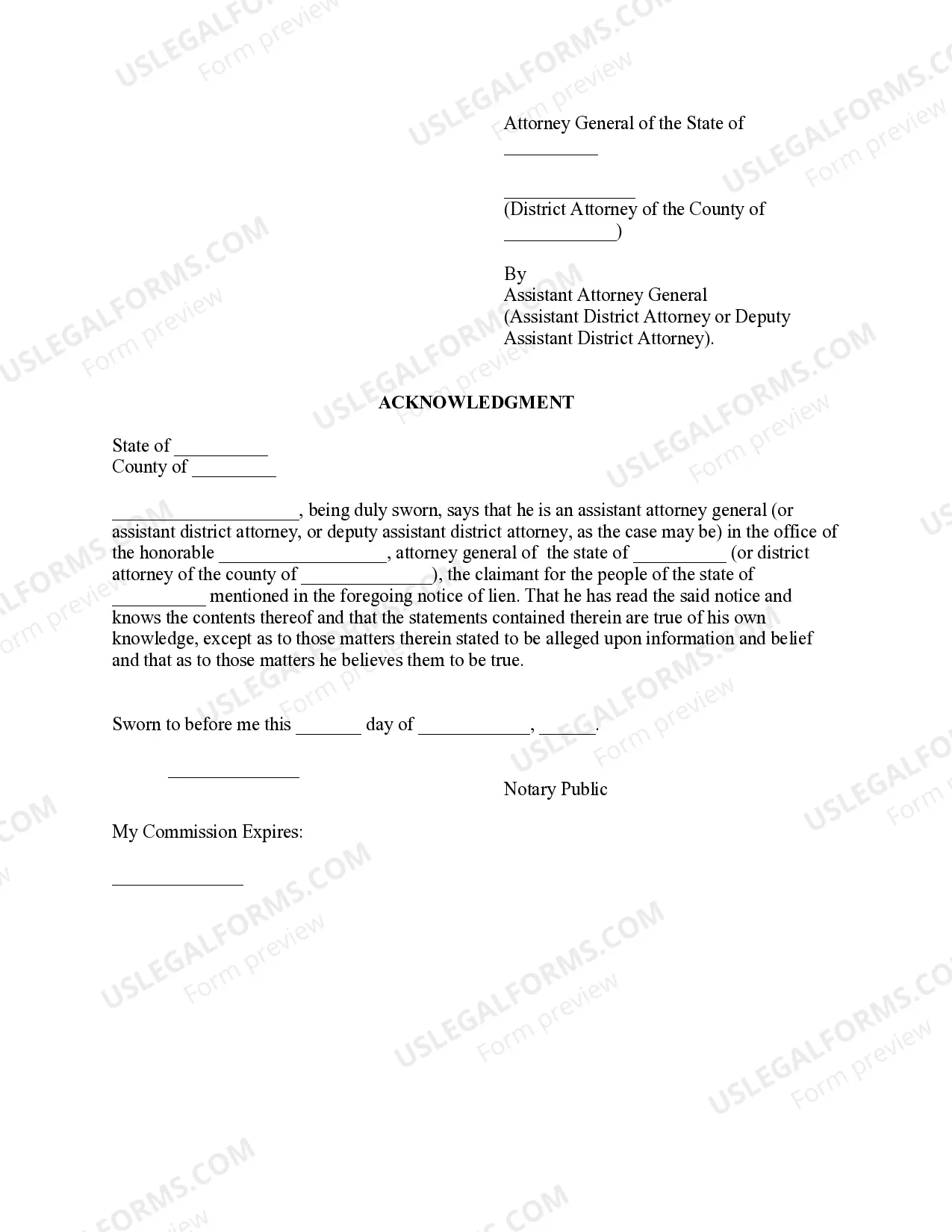
- The signature of the attorney filing the notice, along with the acknowledgment section for notarization.

Situations where this form applies
This form is needed in situations where an individual has been accused of a crime and has secured a bail bond. If the state intends to place a lien on the accused's real property as collateral for the bond, the Notice of Lien must be filed. It can also be necessary during legal proceedings that involve the release of a defendant under bail conditions.
Who should use this form
- State attorneys or district attorneys representing the state in criminal cases.
- Bail bond sureties who need to formally document liens on real estate.
- Property owners who have been involved in criminal cases where a bail bond is utilized.
How to prepare this document
- Identify the parties involved, including the property clerk and the state representative.
- Specify the property details, including its address and legal description.
- Enter the names and addresses of the surety and the principal involved in the bail bond.
- Document the criminal charges associated with the bail bond.
- Include the date and location of the undertakings related to the bail.
- Obtain signatures and complete the notarization section as required.
Notarization requirements for this form
Yes, this form must be notarized to be legally valid. Notarization ensures that the identities of the signers are verified and adds credibility to the document. US Legal Forms offers integrated online notarization services, allowing you to complete this process securely via video call without the need to travel.
Get your form ready online
Our built-in tools help you complete, sign, share, and store your documents in one place.
Make edits, fill in missing information, and update formatting in US Legal Forms—just like you would in MS Word.
Download a copy, print it, send it by email, or mail it via USPS—whatever works best for your next step.
Sign and collect signatures with our SignNow integration. Send to multiple recipients, set reminders, and more. Go Premium to unlock E-Sign.
If this form requires notarization, complete it online through a secure video call—no need to meet a notary in person or wait for an appointment.
We protect your documents and personal data by following strict security and privacy standards.

Make edits, fill in missing information, and update formatting in US Legal Forms—just like you would in MS Word.

Download a copy, print it, send it by email, or mail it via USPS—whatever works best for your next step.

Sign and collect signatures with our SignNow integration. Send to multiple recipients, set reminders, and more. Go Premium to unlock E-Sign.

If this form requires notarization, complete it online through a secure video call—no need to meet a notary in person or wait for an appointment.

We protect your documents and personal data by following strict security and privacy standards.
Mistakes to watch out for
- Failing to include all required parties' names and addresses.
- Omitting the necessary description of the real property.
- Not properly notarizing the document before filing.
- Forgetting to check local requirements that may necessitate additional information.
Why complete this form online
- Convenience of instant access and download capability.
- Editability allows for easy customization according to individual circumstances.
- Reliability as the templates are drafted by licensed attorneys to ensure legal compliance.
Legal use & context
- The lien can serve as a mechanism for the state to reclaim amounts owed if the bail is forfeited.
- Properly filed liens can prevent the sale or refinancing of the property until obligations are met.
- Failure to file correctly may result in unenforceable claims against the property.
Main things to remember
- The Notice of Lien on Real Estate for Criminal Bond is vital for securing bail obligations.
- Attention to detail is crucial in completing and filing this form accurately.
- Consult state-specific rules to ensure compliance with local requirements.
Looking for another form?


Form popularity
FAQ
Putting up your house means that you are acting as a bond agent basically. You are putting up your house and promising that he will appear. If he skips and bond is revoked you could lose your house.
If you are offering your house, car or other large property item as collateral, the court or bail agent will typically have you place the deed or pink slip in their trust. If it is a smaller item such as jewelry, they will take physical possession and keep it in a secure location until the case is resolved.
When defendants use a bail bond agent, they pay the agent a fee and the agent acts as a surety, telling the court that they (the bond agents) will pay the full bond amount should the defendant fail to appear at court. Bail bond agents make money by collecting a fee from those who want to be bailed out.
Property bond In some cases, a defendant or a co-signer will put up a piece of property to cover the cost of bail. The land must be located in the state and the court will record a mortgage against the property after receiving the title and ensuring there is sufficient equity to pay the bond, if necessary.
A property bond is an undertaking constituted as a lien on the real property given as security for the amount of the bail.
A property bond is when a person pledges their property - meaning that in exchange for their release they encumber their property. In order to do this the person has to have warranty deed or current tax statement showing the properties current fair market value.
If you can't pay the bail the court has set, you won't be able to get released from jail. Therefore, you will have to remain in jail until the date the court has set for your trial.Therefore, this is the reason people turn to bail bonds as a means to be released from jail.
If you paid cash bail to the court, meaning you paid the full bail amount, you will have that money returned to you after the defendant makes all required court appearances. If the person does not show up in court, that money will be forfeited and you will not see it again.
Posting a property bond means you pledge the value of real property to the court to guarantee the defendant will appear in court.At the hearing, the court will determine who is the legal owner of the property and how much it is worth.