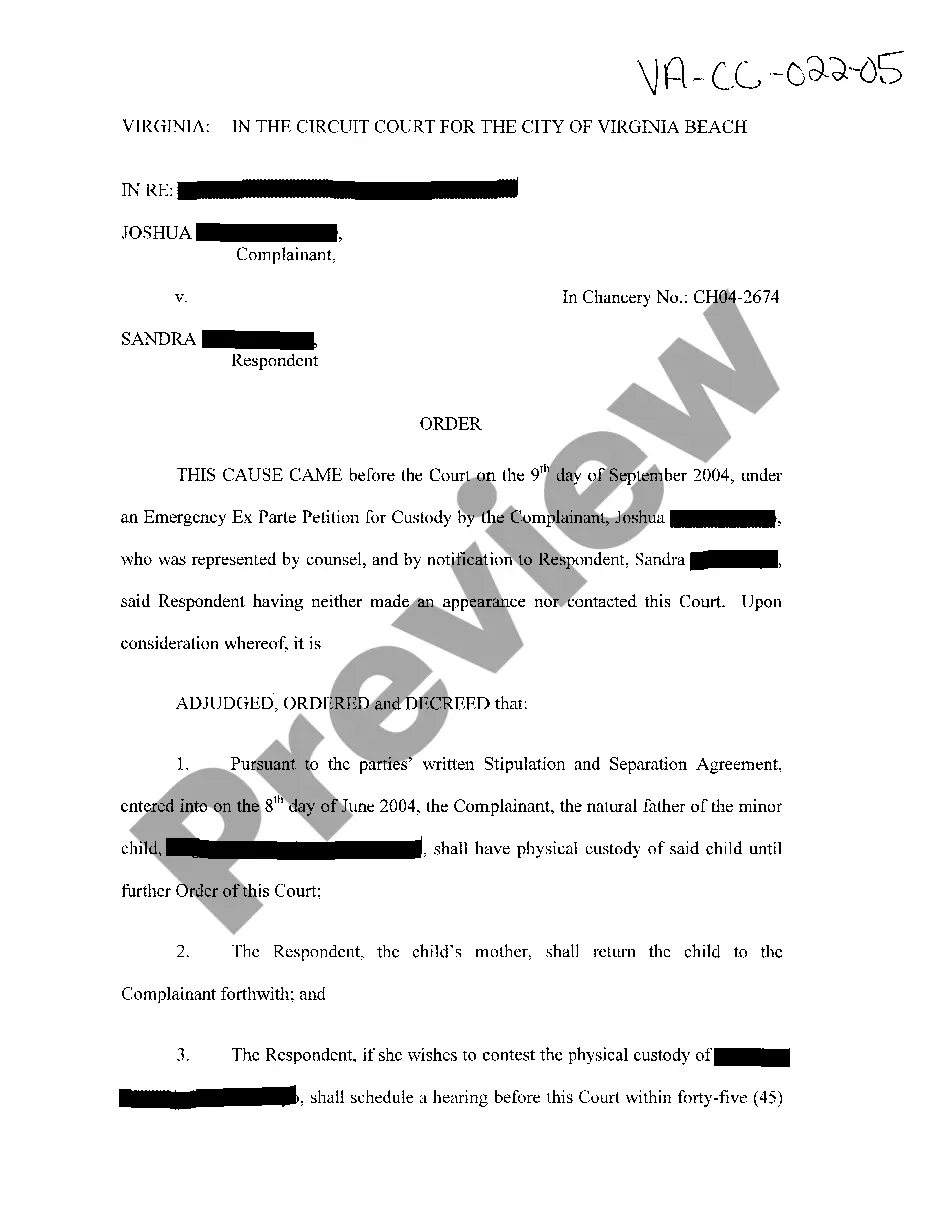
Complaint or Petition to Recover Possession of Leased Premises after Expiration of the Term of the Lease
What this document covers
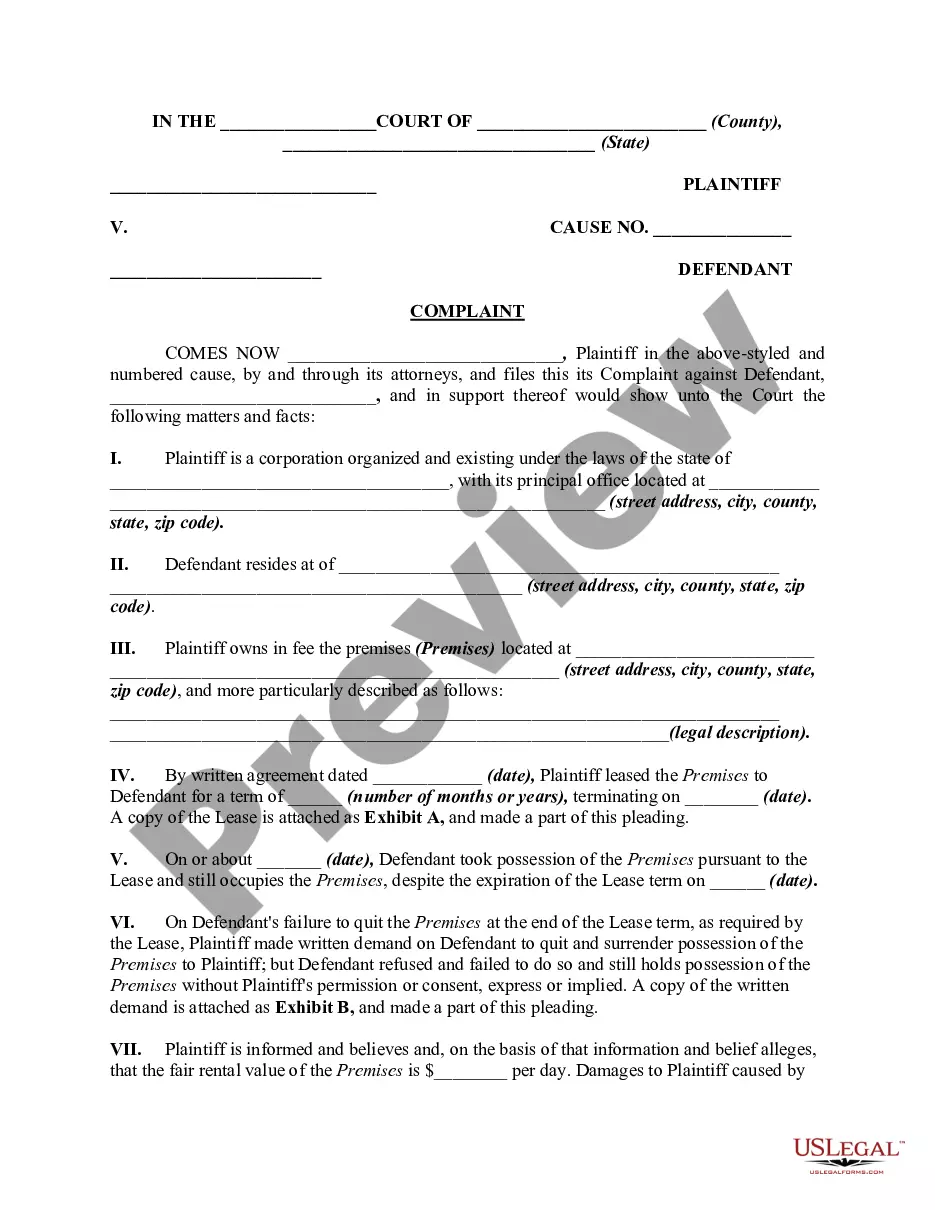
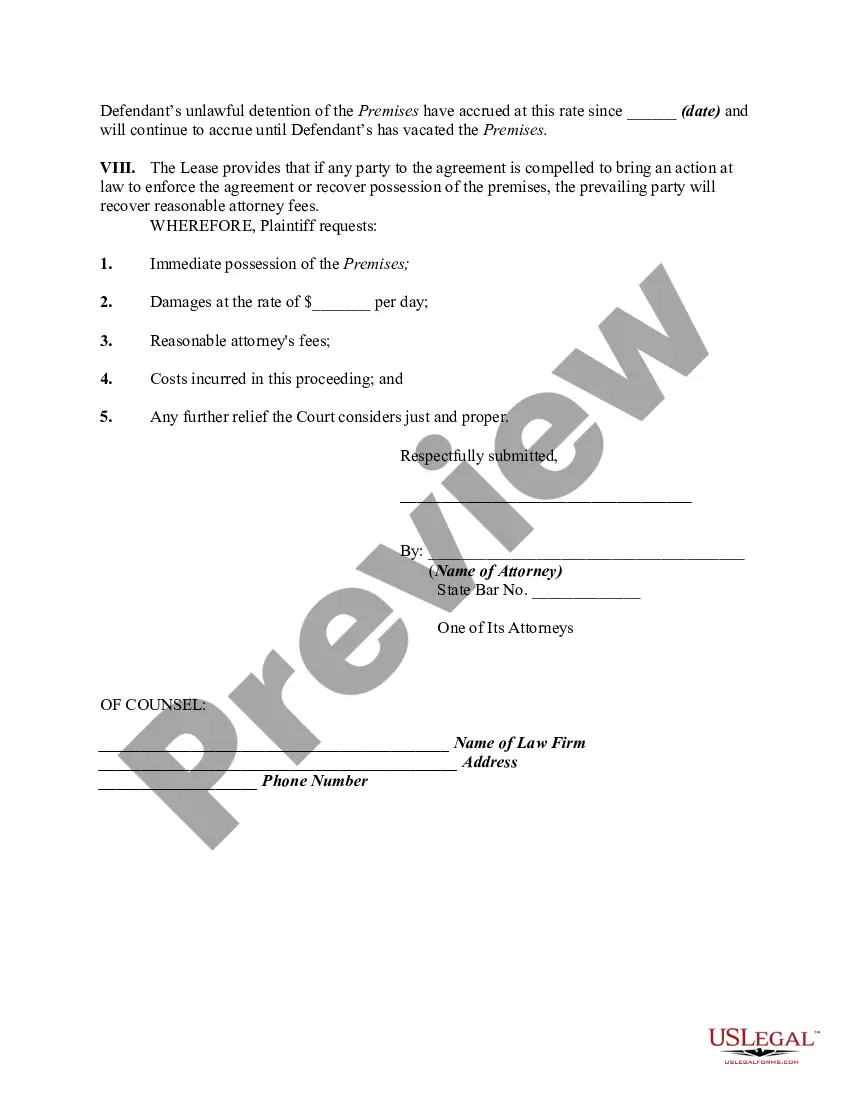
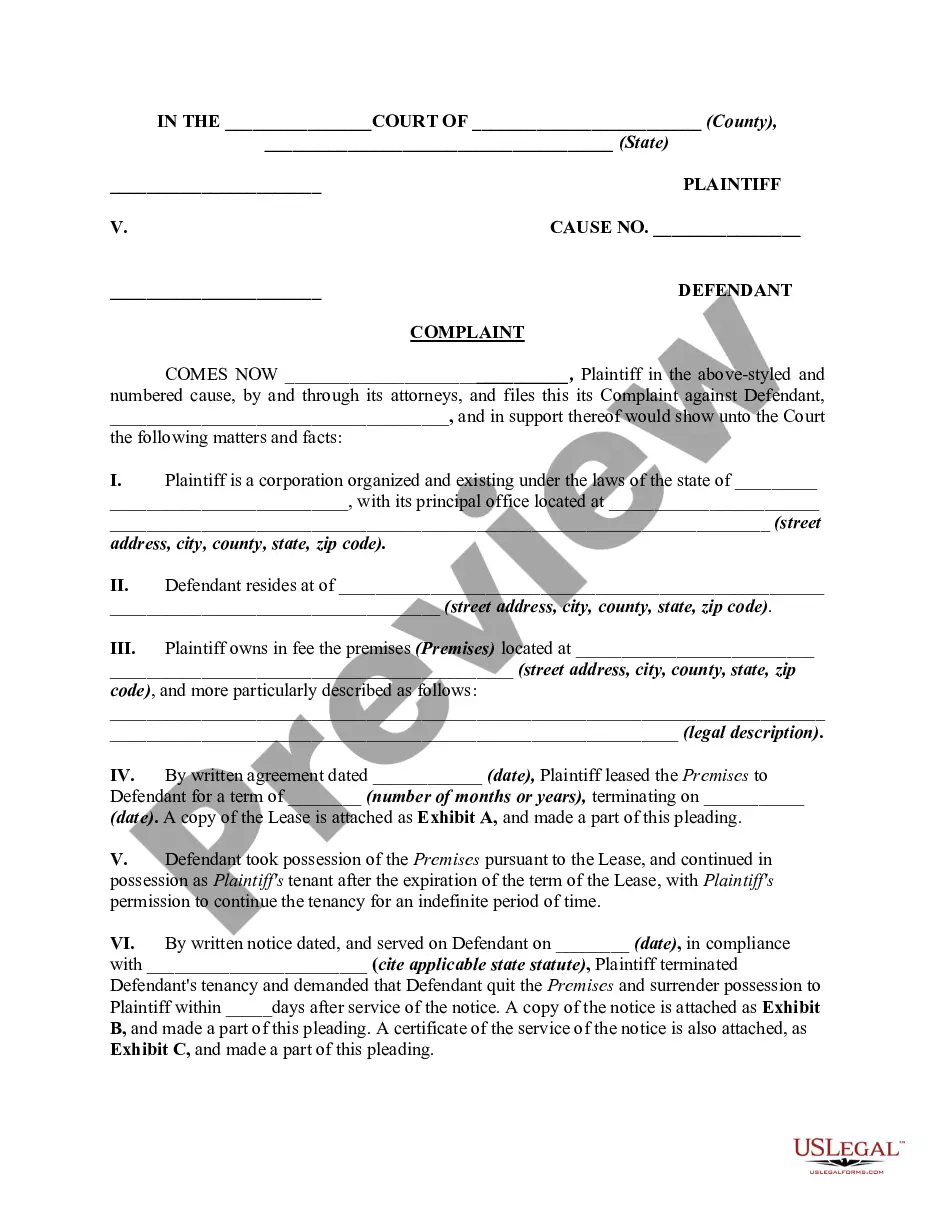
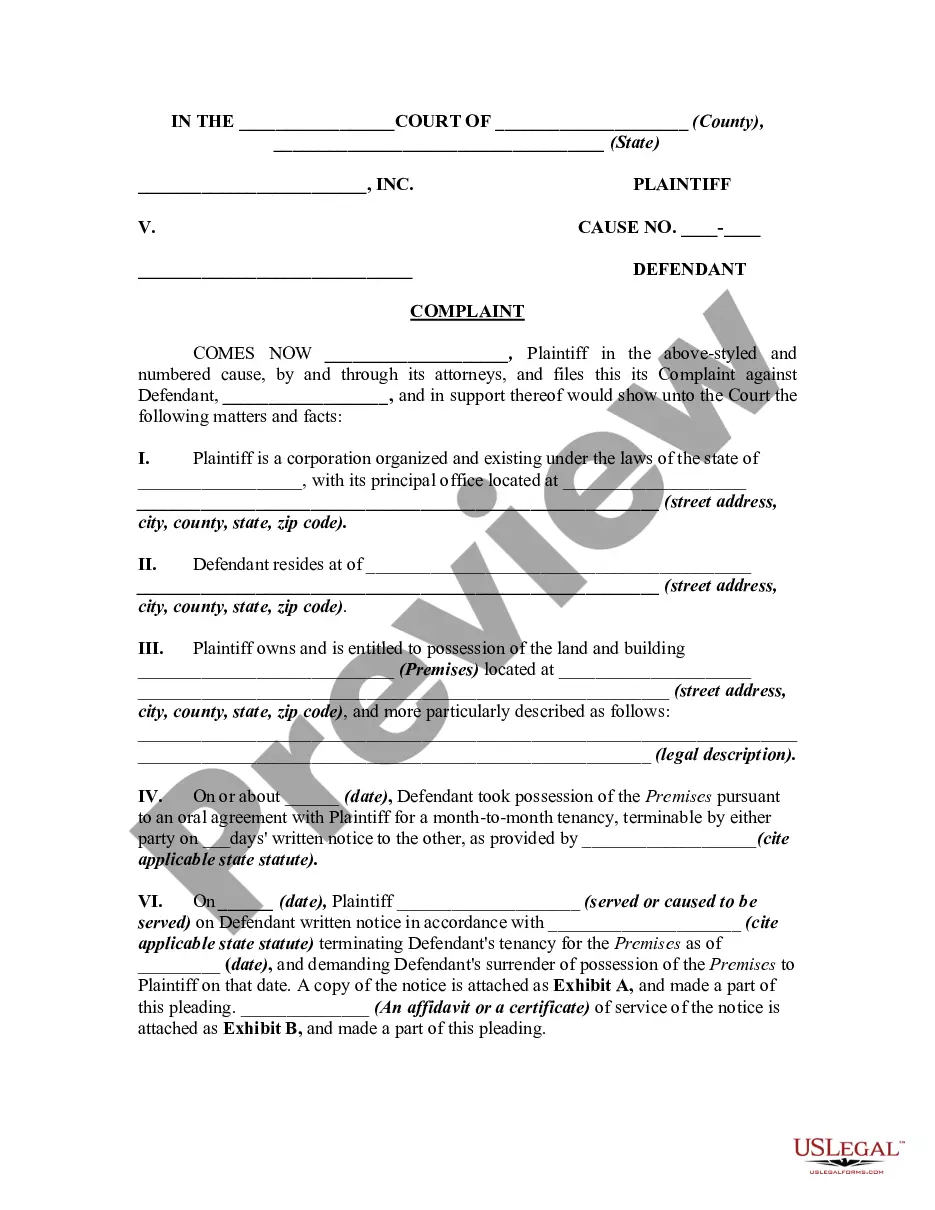
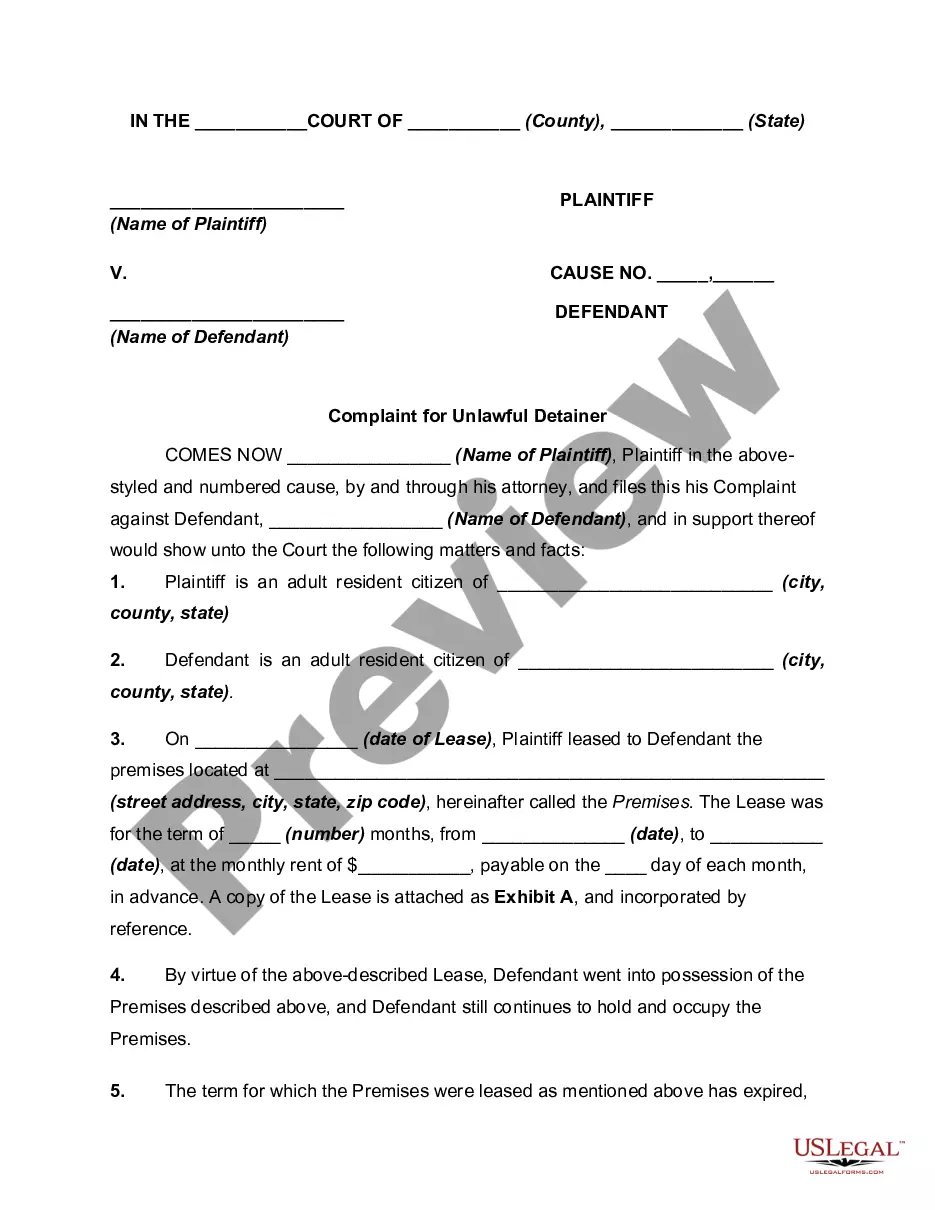
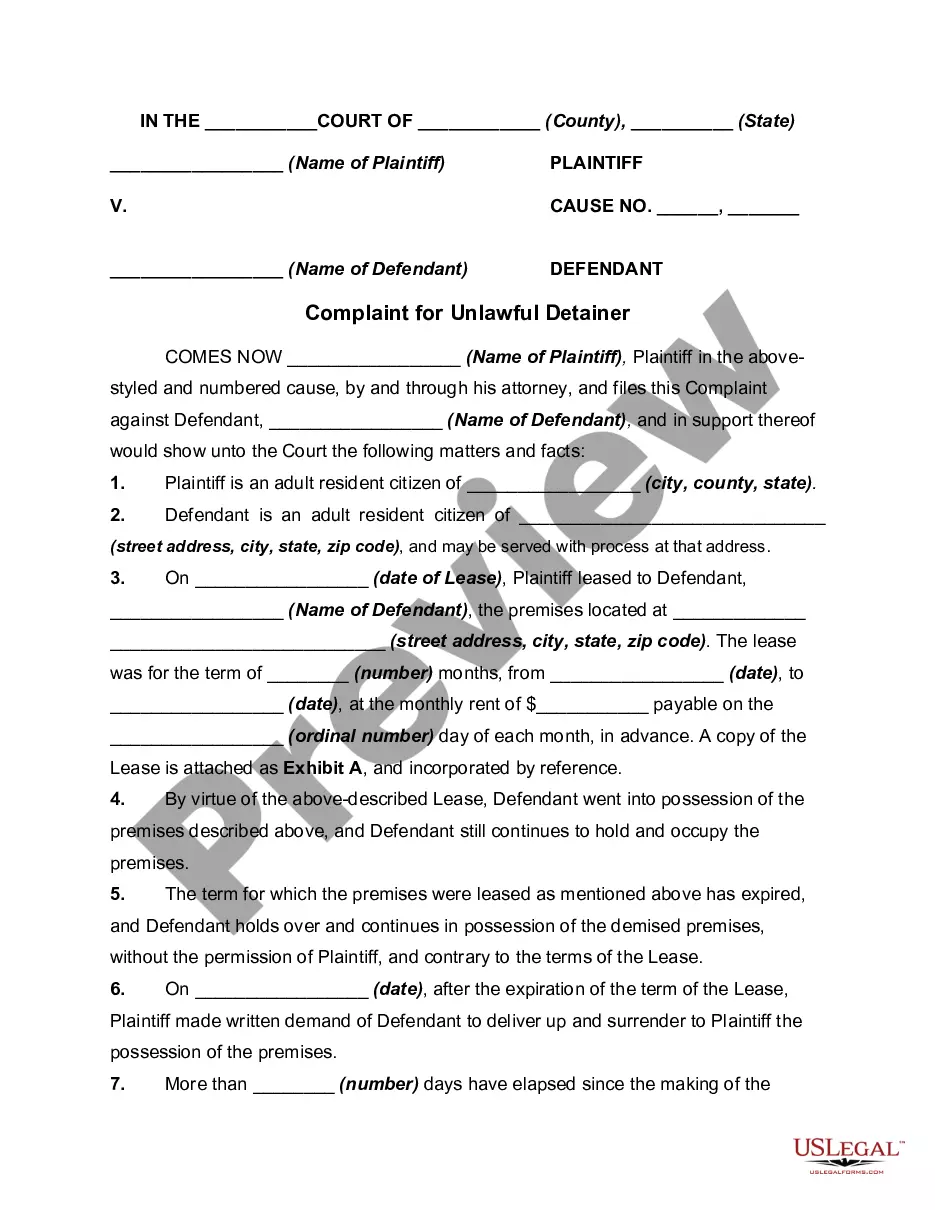
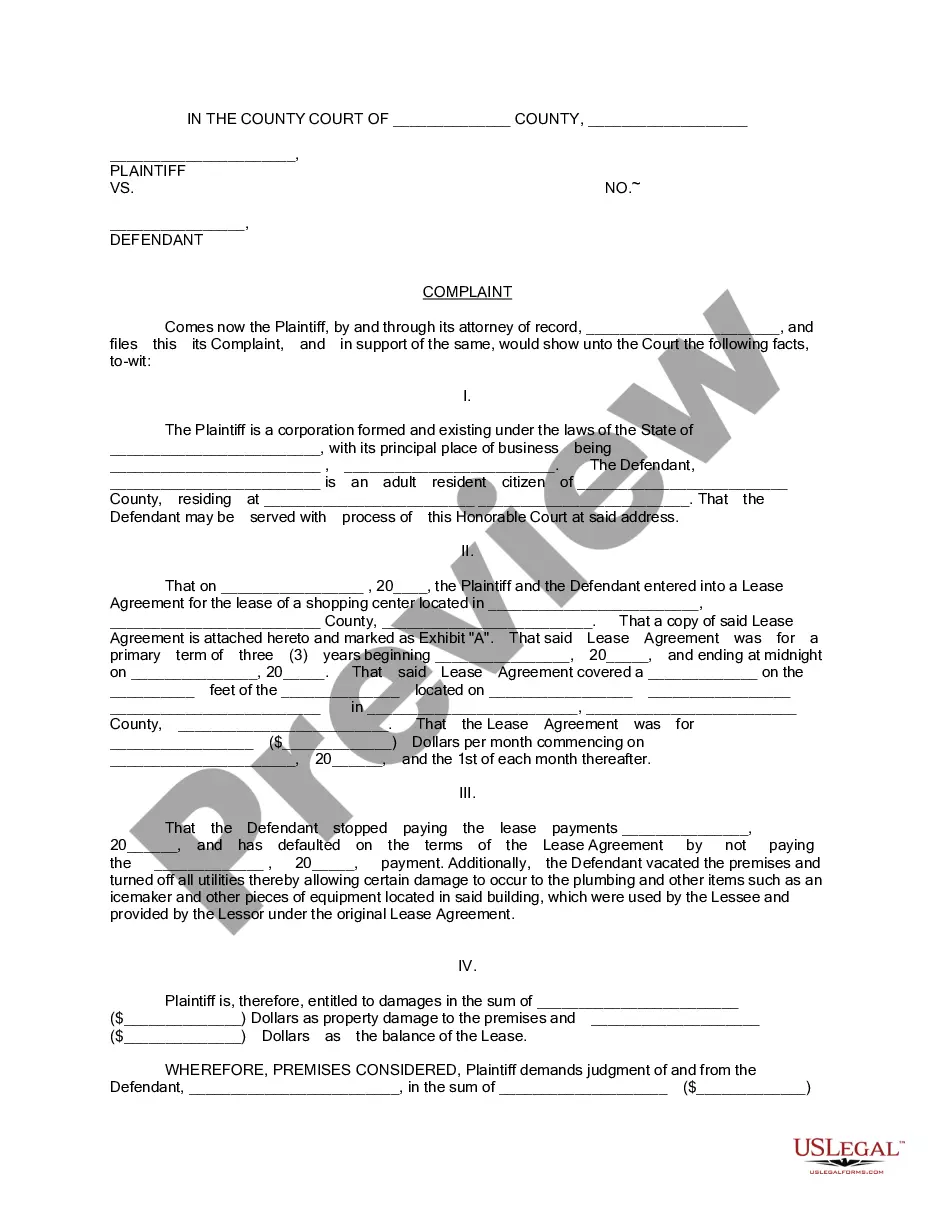
This form, titled Complaint or Petition to Recover Possession of Leased Premises after Expiration of the Term of the Lease, is used to initiate legal proceedings for recovering possession of a rental property from a tenant who has overstayed their lease agreement. Unlike other eviction forms, this document specifically addresses situations where the lease has expired, rather than instances of non-payment or breaches during the lease term. This form lays out the necessary legal grounds for the landlord to reclaim the property and outlines the damages they may seek as a result of the tenant's unlawful retention of the premises.
Key parts of this document
- Identification of the plaintiff and defendant, including addresses.
- Description of the leased premises and the details of the lease agreement.
- Statement of tenant's failure to vacate the premises after lease expiration.
- Written demand for the tenant to surrender possession of the premises.
- Claim for damages incurred due to the tenant's unlawful occupation.
- Request for attorney fees and any other equitable relief from the court.
When to use this form
This form is necessary when a tenant has remained in a leased property beyond the agreed lease term without permission. It is typically used when the landlord has already made attempts to regain possession through written demand and the tenant refuses to leave. Common scenarios include residential leases, commercial properties, or situations where a lease renewal has not been executed.
Who this form is for
- Landlords seeking to regain possession of their leased property.
- Property management companies representing landlords in eviction proceedings.
- Attorneys handling landlord-tenant disputes on behalf of landlords.
- Individuals who have leased property and need to file a complaint for unlawful detainer.
How to prepare this document
- Identify the parties involved: fill in the names and addresses of both the landlord and the tenant.
- Specify the property: include the complete address and a legal description of the leased premises.
- Enter lease details: document the lease dates, term length, and any relevant attachments such as the original lease agreement.
- Outline the demand made to the tenant to vacate the premises and include the date it was made.
- State the damages incurred due to the tenant's unlawful occupation, including the daily rental value.
- Sign and date the form to validate the complaint.
Notarization guidance
This form does not typically require notarization to be legally valid. However, some jurisdictions or document types may still require it. US Legal Forms provides secure online notarization powered by Notarize, available 24/7 for added convenience.
Get your form ready online
Our built-in tools help you complete, sign, share, and store your documents in one place.
Make edits, fill in missing information, and update formatting in US Legal Forms—just like you would in MS Word.
Download a copy, print it, send it by email, or mail it via USPS—whatever works best for your next step.
Sign and collect signatures with our SignNow integration. Send to multiple recipients, set reminders, and more. Go Premium to unlock E-Sign.
If this form requires notarization, complete it online through a secure video call—no need to meet a notary in person or wait for an appointment.
We protect your documents and personal data by following strict security and privacy standards.

Make edits, fill in missing information, and update formatting in US Legal Forms—just like you would in MS Word.

Download a copy, print it, send it by email, or mail it via USPS—whatever works best for your next step.

Sign and collect signatures with our SignNow integration. Send to multiple recipients, set reminders, and more. Go Premium to unlock E-Sign.

If this form requires notarization, complete it online through a secure video call—no need to meet a notary in person or wait for an appointment.

We protect your documents and personal data by following strict security and privacy standards.
Avoid these common issues
- Failing to include accurate addresses for both parties.
- Not attaching supporting documents, such as the lease agreement or written demands.
- Omitting the legal description of the property.
- Neglecting to specify the dates related to the lease agreement.
Advantages of online completion
- Convenience of downloading the form anytime, anywhere.
- Editable templates that allow for customization to your specific situation.
- Reliability of attorney-drafted content designed to meet legal standards in your jurisdiction.
Looking for another form?
Form popularity
FAQ
If the lease expired and the tenant won't leave you'll need to either file an eviction or let the tenant be. If you do nothing than the tenant will become a holdover tenant as discussed earlier in this post. If you're going to proceed forward with an eviction be sure to follow all the proper legal procedures.
You can immediately file an eviction if the tenant refuses to leave the property.If you took a rental payment from the tenant after their lease expired, you'll need to provide all the normal notices. When your tenant overstays their lease, you will still, however, be required to go through the normal eviction process.
Month to Month Agreements: For month to month agreements, it is generally accepted for the tenant to notify the landlord at least 30 days in advance of their desire to move. For example, if the lease ends on October 31, then the tenant should let the landlord know they want to move by October 1, at the latest.
You can immediately file an eviction if the tenant refuses to leave the property. However, this is likely only the case if you did not accept any additional payments. If you took a rental payment from the tenant after their lease expired, you'll need to provide all the normal notices.
When a lease ends, a tenant may choose to move, continue to pay rent as a month-to-month tenant, or sign a new lease.The landlord can change the terms of the lease and increase the rent. If the tenant agrees to the new terms, the new lease governs the tenancy.
When a lease ends, a tenant may choose to move, continue to pay rent as a month-to-month tenant, or sign a new lease. If a tenant continues to pay rent after a lease ends, in most states the terms of the expired lease carry over into a month-to-month tenancy.
What is/are a landlord's option(s) when a tenant holds over after a lease expiration date?the lease term. rent.
A termination notice has to give the tenant 14 clear days before the tenant has to leave the residential premises. The day the notice is served on the tenant and the day the tenant moves out do not count as part of the 14 days.
The unauthorized departure of a roommate gives the landlord the option of ending the tenancy altogethereven if the remaining cotenants can still pay the rent. That's because even one roommate's leaving early violates the lease: All cotenants named in the lease agreed to stay in the rental for a certain amount of time.