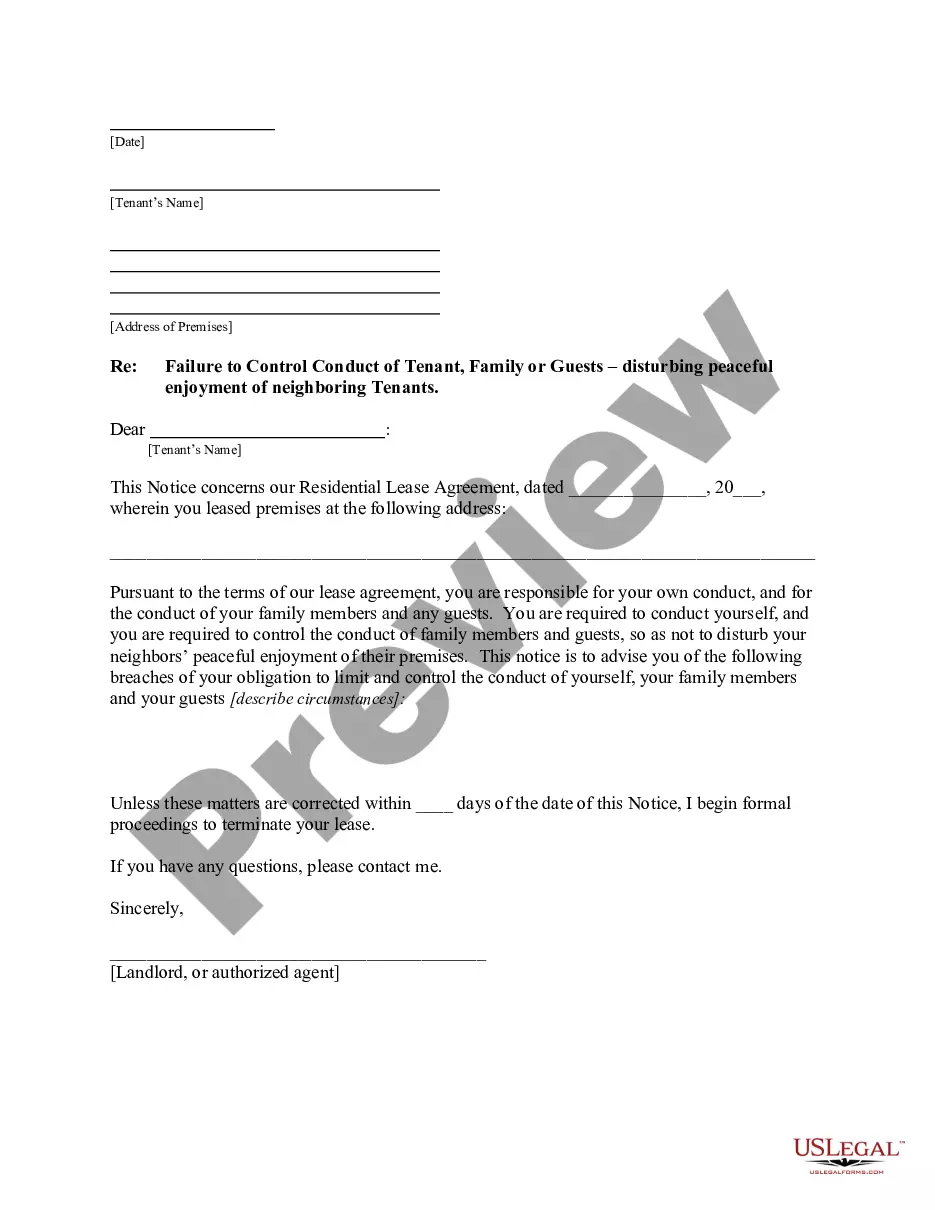
Contract with Driver to Drive an Automobile from one State to Another
What this document covers
This form is a contractual agreement between an automobile owner and a driver for transporting a vehicle from one state to another for compensation. It outlines the responsibilities and liabilities of both parties, ensuring clarity on payment, delivery, and the terms of the driving service. This form is essential for legally documenting the arrangement and protecting the interests of both the owner and the driver.
Form components explained
- Agreement date and parties: Identifies the owner and driver, including their addresses.
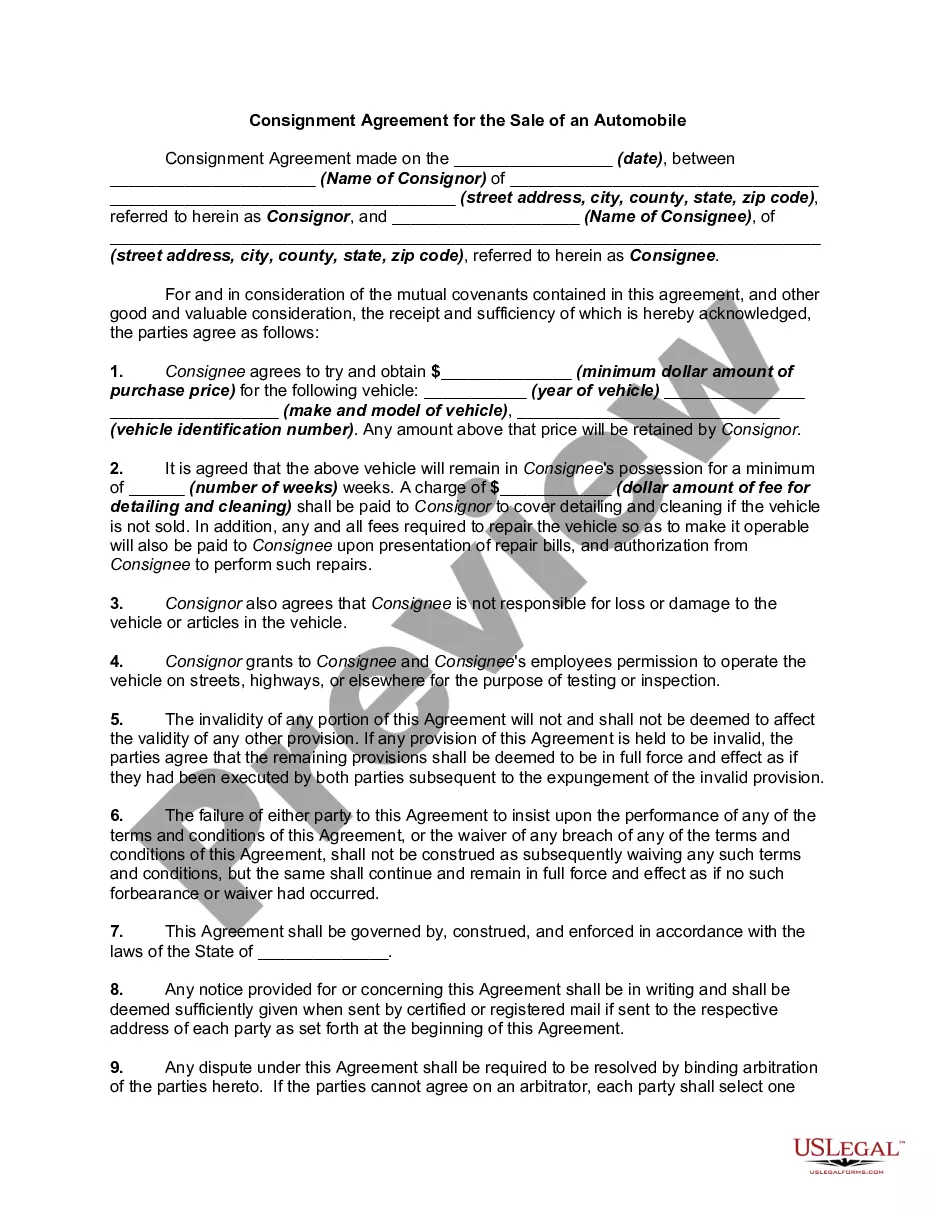
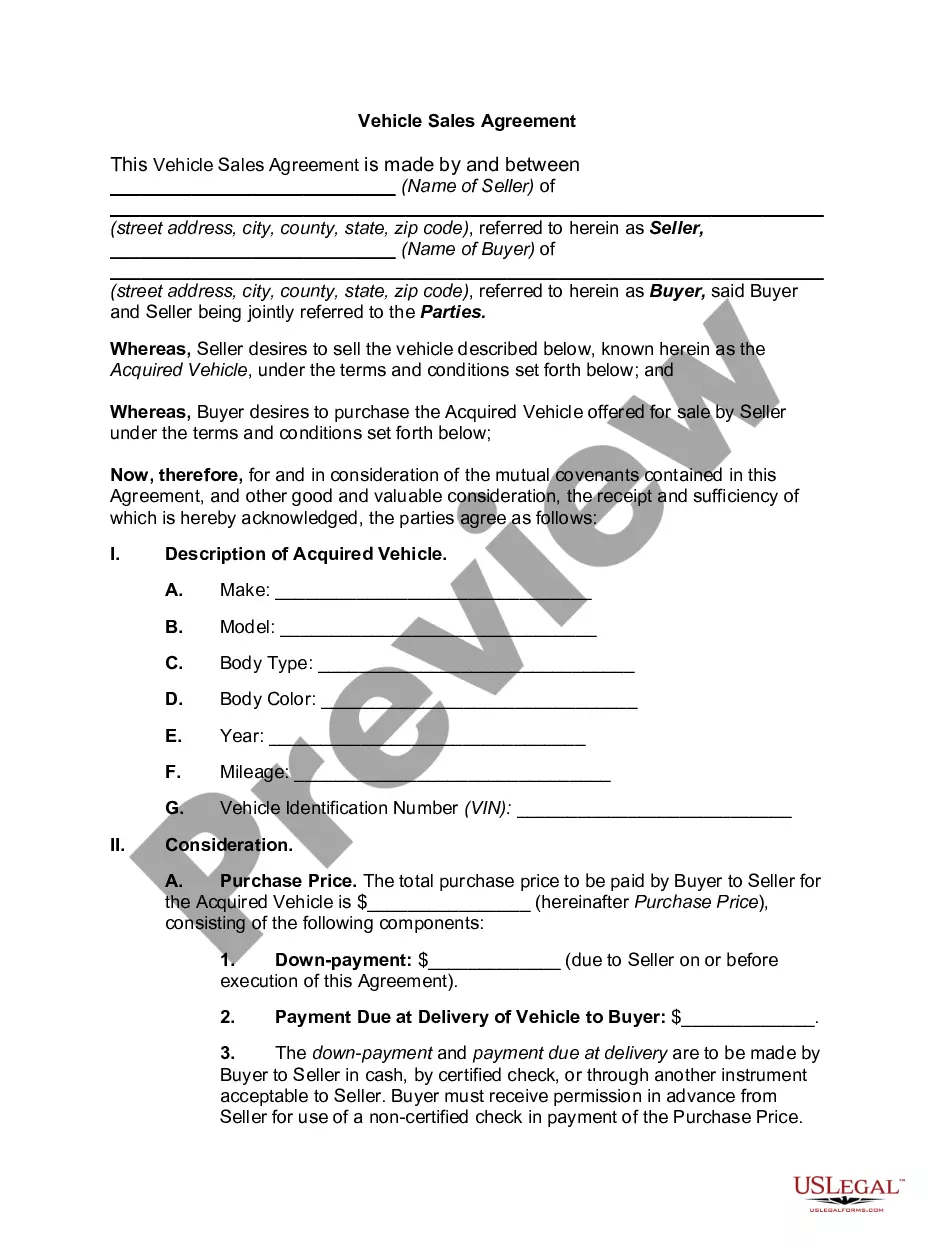
- Vehicle description: Details about the automobile being driven, including make, model, year, and VIN.
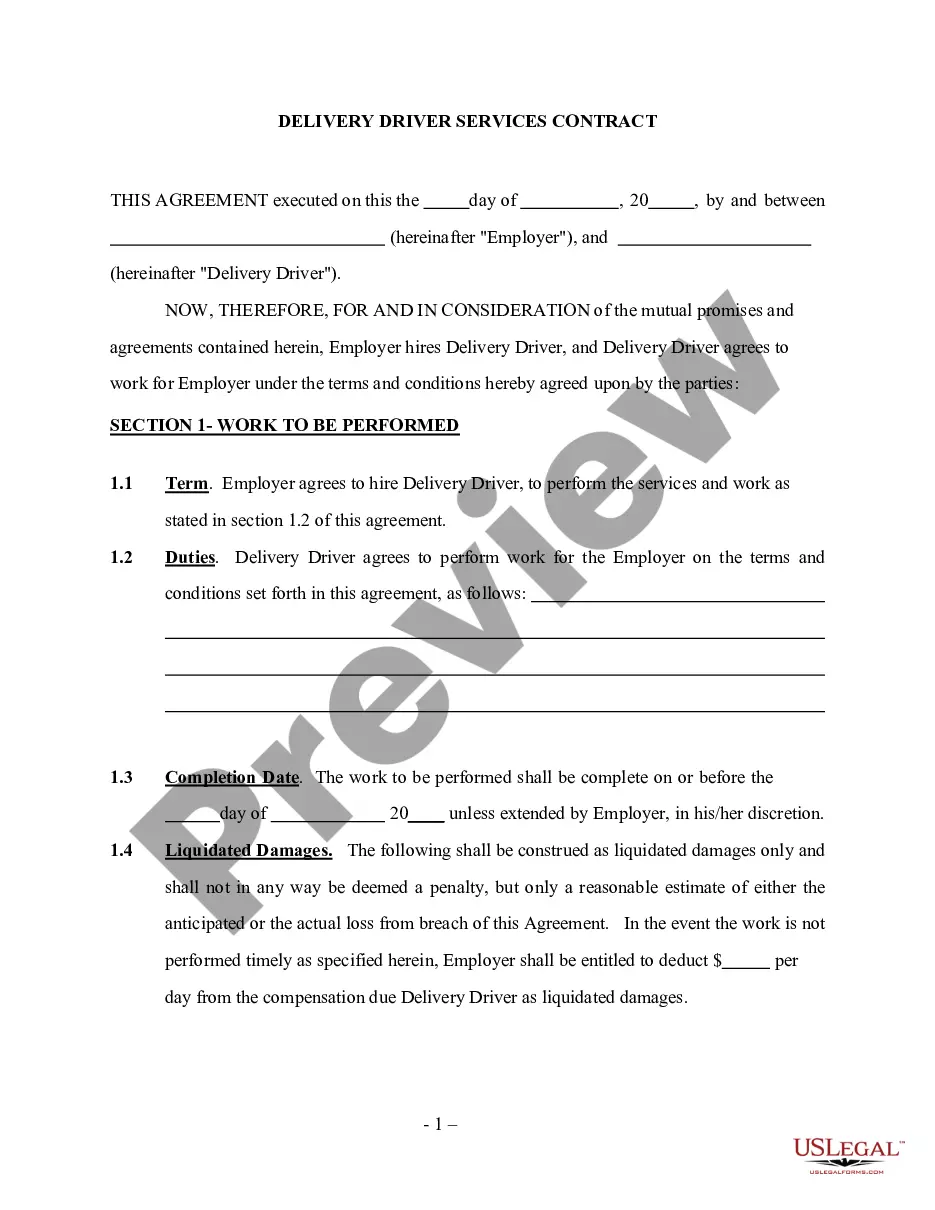
- Payment terms: Specifies the agreed compensation for the driver.
- Delivery and return details: Outlines where and when the automobile will be picked up and returned.
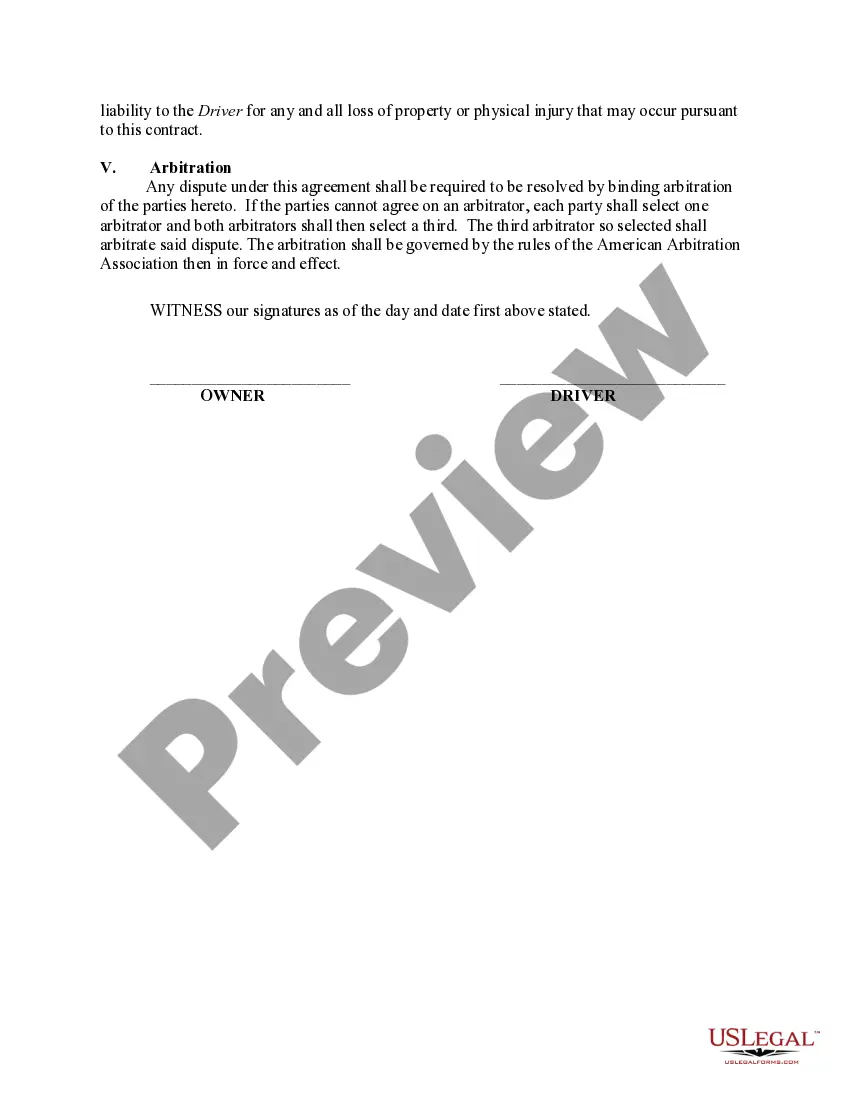
- Liability clauses: Defines liability for damages or loss during the transport.
- Arbitration clause: Establishes a method for resolving any disputes between parties.
Situations where this form applies
This form should be used when an automobile owner needs to hire someone to drive their vehicle across state lines. Common scenarios include relocating for a job, purchasing a car from a distant seller, or transporting a vehicle for seasonal use. This contract ensures both parties understand their obligations and reduces the risk of misunderstandings.
Who this form is for
Eligible Users
- Automobile owners who require a driver for long-distance transport.
- Individuals or companies looking to hire drivers for transporting vehicles.
- Drivers seeking a clear understanding of their responsibilities and compensation.
Steps to complete this form
Steps to Complete the Form
- Identify the parties: Fill in the names and addresses of the automobile owner and the driver.
- Describe the vehicle: Enter the make, model, year, and VIN of the automobile.
- Specify the transport details: Indicate the starting and ending locations, along with the date of transport.
- Outline payment terms: Fill in the agreed payment amount and due date.
- Finalize with signatures: Both parties must sign and date the agreement to make it legally binding.
Does this form need to be notarized?
This form does not typically require notarization unless specified by local law. It is advised to check specific jurisdictional requirements for any additional authentication needed.
Get your form ready online
Our built-in tools help you complete, sign, share, and store your documents in one place.
Make edits, fill in missing information, and update formatting in US Legal Forms—just like you would in MS Word.
Download a copy, print it, send it by email, or mail it via USPS—whatever works best for your next step.
Sign and collect signatures with our SignNow integration. Send to multiple recipients, set reminders, and more. Go Premium to unlock E-Sign.
If this form requires notarization, complete it online through a secure video call—no need to meet a notary in person or wait for an appointment.
We protect your documents and personal data by following strict security and privacy standards.

Make edits, fill in missing information, and update formatting in US Legal Forms—just like you would in MS Word.

Download a copy, print it, send it by email, or mail it via USPS—whatever works best for your next step.

Sign and collect signatures with our SignNow integration. Send to multiple recipients, set reminders, and more. Go Premium to unlock E-Sign.

If this form requires notarization, complete it online through a secure video call—no need to meet a notary in person or wait for an appointment.

We protect your documents and personal data by following strict security and privacy standards.
Common mistakes to avoid
- Not including clear transport dates and locations.
- Failing to detail the vehicle's information, such as VIN.
- Omitting signatures from both parties after agreement.
- Not specifying payment terms clearly.
- Overlooking the liability clauses which protect both parties.
Why use this form online
- Convenient: Easily download and customize the form to suit your needs.
- Editability: Tailor the agreement to reflect specific terms of the transport arrangement.
- Legal reliability: The form is drafted by licensed attorneys to ensure it meets legal standards.
- Accessible: Available for immediate download, allowing for quick use.
Legal use & context
- This contract is legally binding when completed correctly and signed by both parties.
- It is crucial for the Driver to understand their liability regarding the vehicle's condition during transportation.
- The arbitration clause provides a defined process for dispute resolution, which may avoid lengthy court proceedings.
Summary of main points
- The form establishes a clear and enforceable agreement between the Owner and Driver.
- Both parties must understand their obligations regarding payment, liability, and the vehicle's care.
- Always check local laws for specific requirements that may affect the use of this form.
Looking for another form?



Form popularity
FAQ
Proof of identity. Proof of Social Security number. Proof of residential address. Proof of completion of a Traffic Law & Substance Abuse Education Course or license from another state, country, or jurisdiction.
Driver's License/ID Cards The fee for an initial Florida Class E license (including learner's permit) is $48.00, a commercial driver license (Class A) license is $75.00 and endorsements are $7.00 each. The fee for an ID Card is $25.00. Most local Tax Collector offices also charge a $6.25 service fee.
Usually, yes your car insurance coverage should extend to anyone else driving your car.So if you lend your car to your best friend, your sister or even your second cousin, your insurance is most often the insurance that will pay in the event of an accident.
You can't live in one state and buy car insurance in another. In general, your car insurance should correspond with your state of residencywhere you actually live. So if you haven't moved houses, you can probably keep the same car insurance.
Proof of identity. Proof of Social Security number. Proof of residential address (List of acceptable documents) Out-of-state driver's license. $48 for Class E driver's license fee.
Residential address documents include, but are not limited to: Deed, mortgage, monthly mortgage statement, mortgage payment booklet or residential rental/lease agreement; Florida voter registration card; Florida vehicle registration or title (print a duplicate registration at www.GoRenew.com);
The following persons may drive in Florida without having a Florida driver license if they have a valid license from another state or country: Any non-resident who is at least 16 years old.Persons who drive only vehicles like farm tractors or road machines temporarily on the highway may drive without a license.
Most car insurance policies will cover drivers you've listed on the policy, or anyone whom you give permission to drive your car, says Nolo.com. This means your insurance will likely cover another driver in the event of an accident, as long as they had your permission to drive your vehicle.
If a friend or a family member has an accident and isn't insured, then you will have to use your insurance. Unless you have expressly denied that driver permission to use your vehicle.