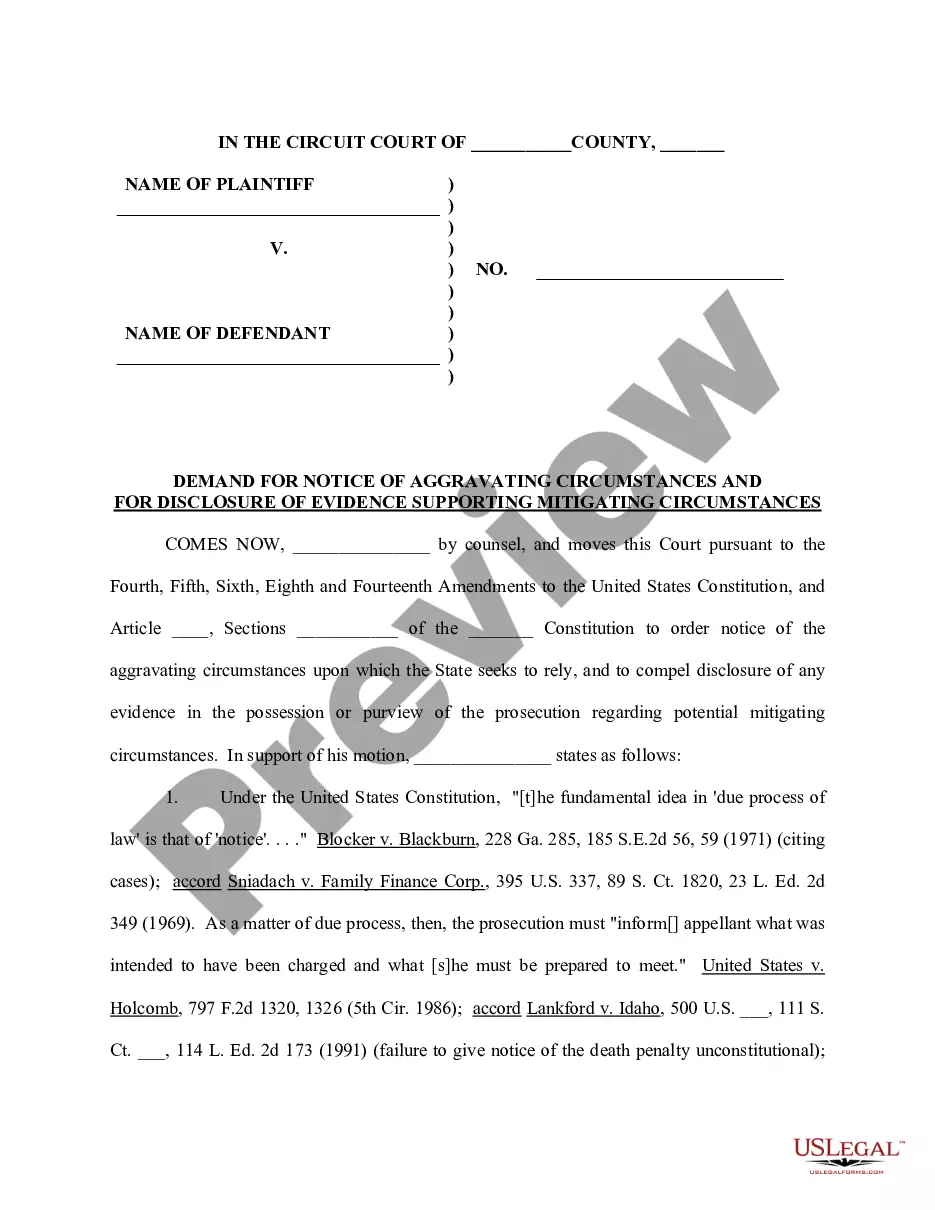
Demand for Notice of Aggravating and for Disclosure of Evidence Supporting Mitigating Circumstances
Overview of this form
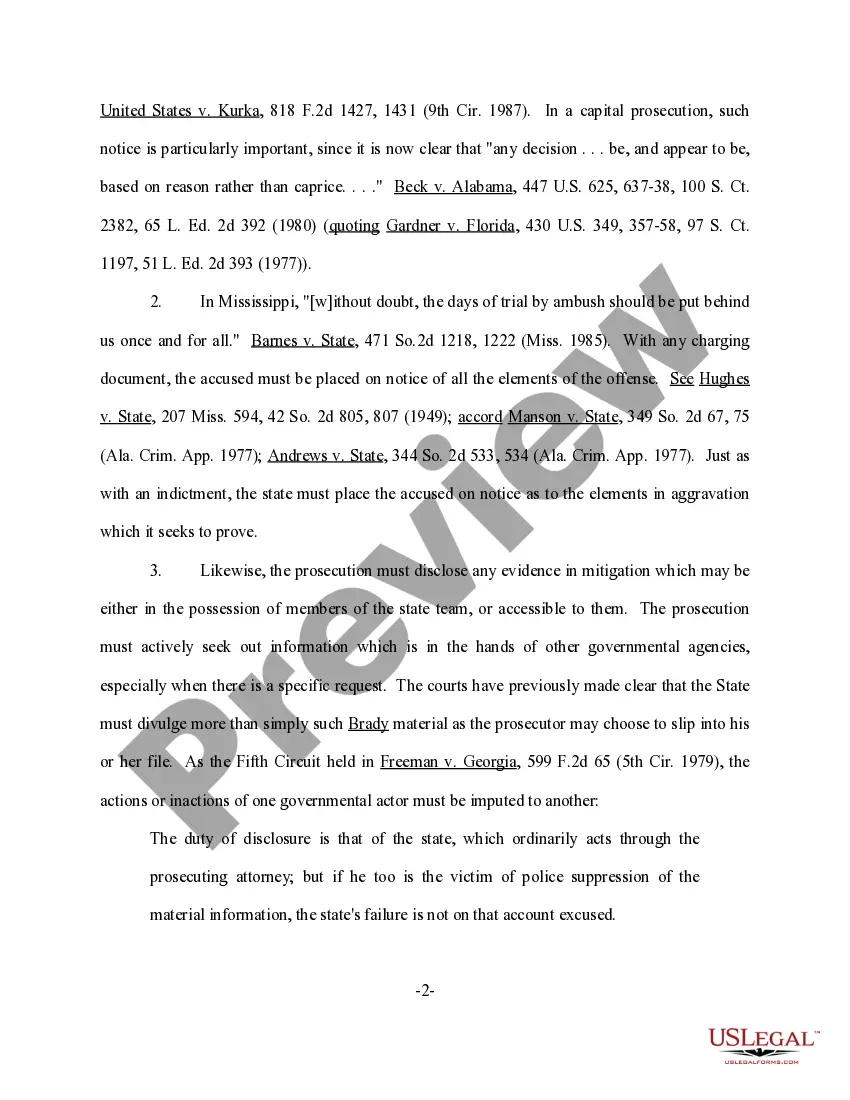
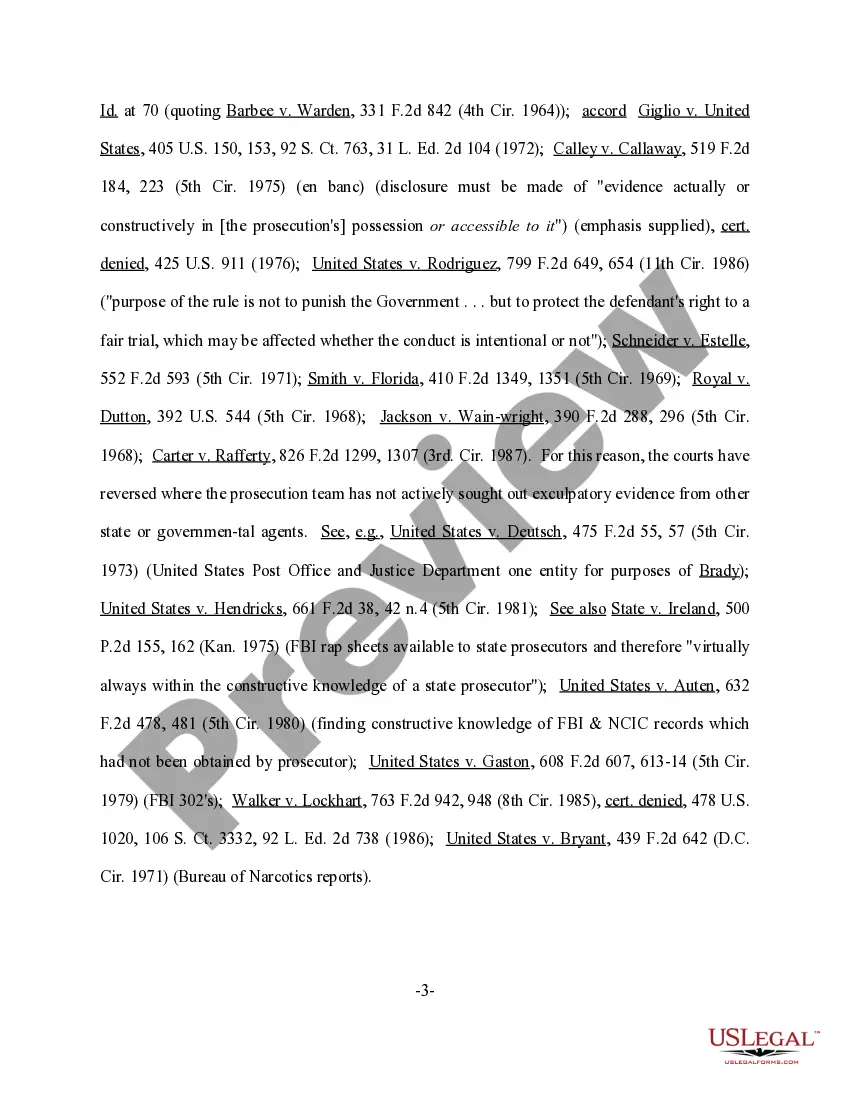
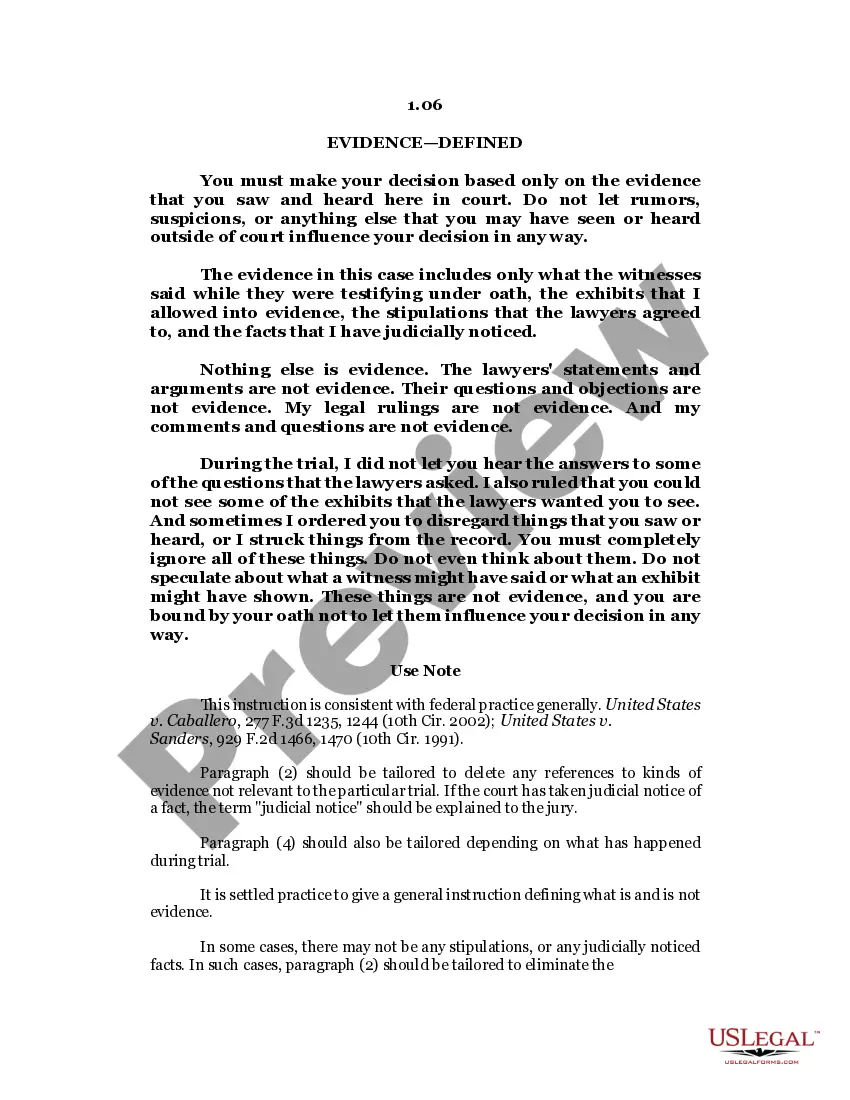
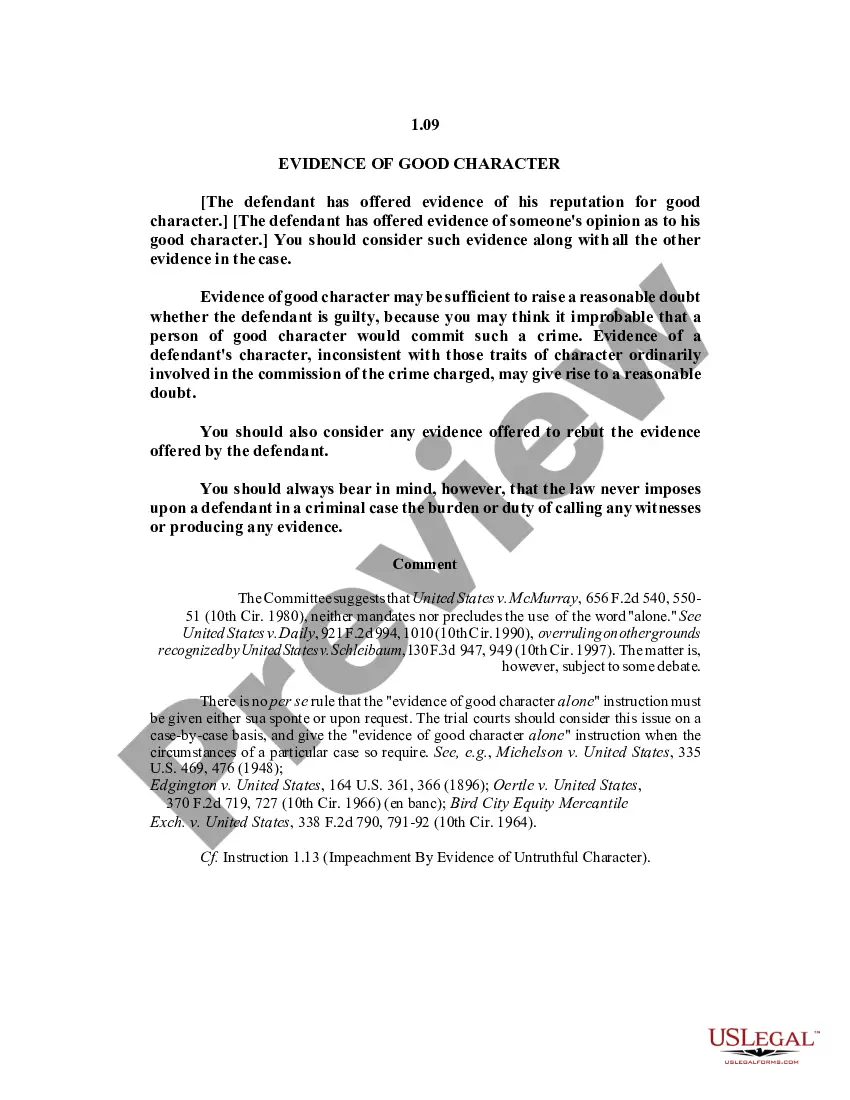
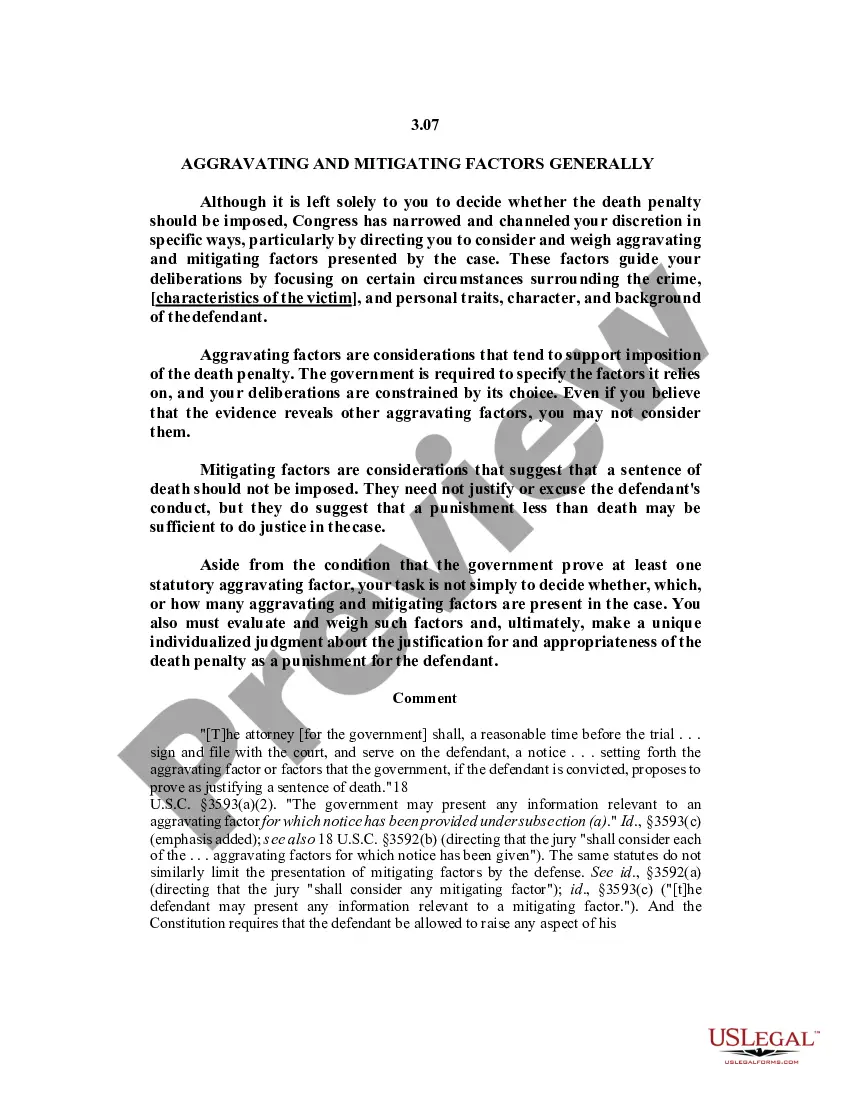
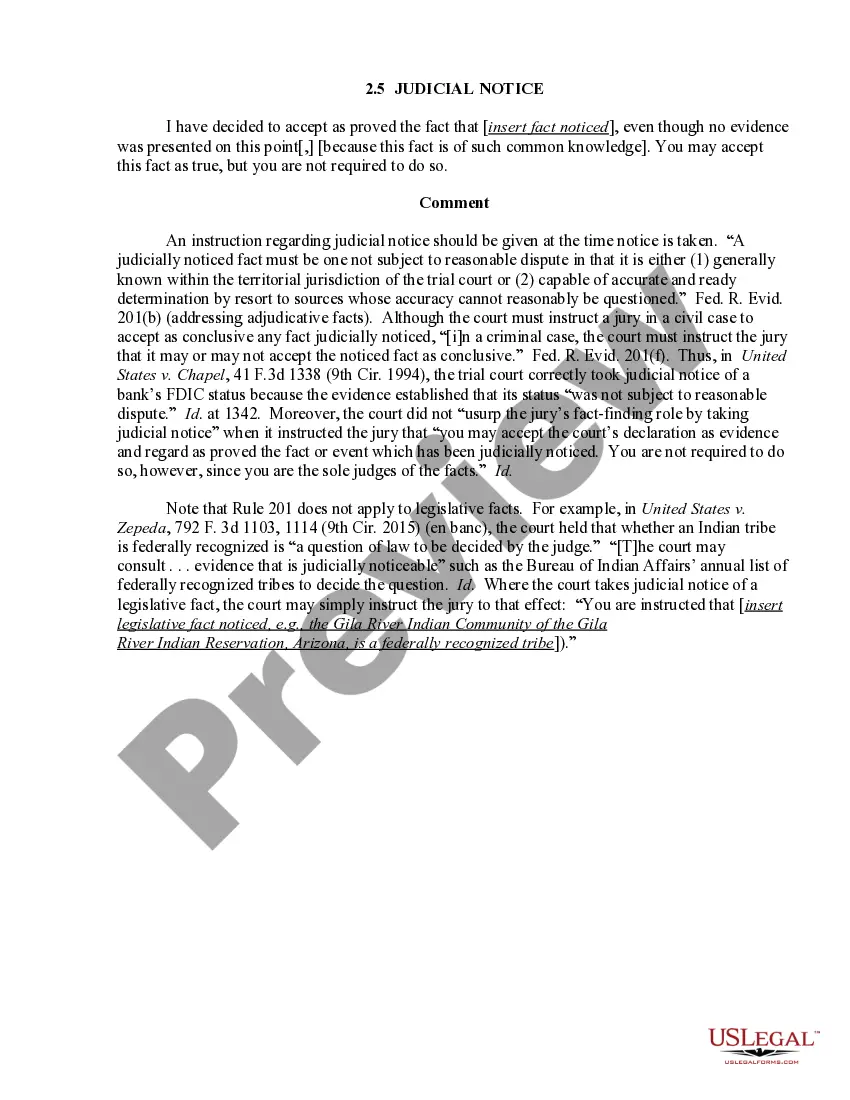
The Demand for Notice of Aggravating and for Disclosure of Evidence Supporting Mitigating Circumstances is a legal document used primarily in capital cases. It ensures that a defendant is informed of the aggravating circumstances the prosecution intends to use against them and compels the disclosure of any mitigating evidence. This crucial form helps maintain the defendantâs right to a fair trial by ensuring transparency in the prosecution's case. Unlike general courtroom motions, this specific demand addresses both aggravating factors and potential mitigating circumstances, making it vital for defendants seeking to challenge severe charges such as those that could lead to the death penalty.
What’s included in this form
- Identification of the defendant and attorney.
- The legal basis for the motion, citing constitutional amendments.
- Specific requests for notice of aggravating circumstances.
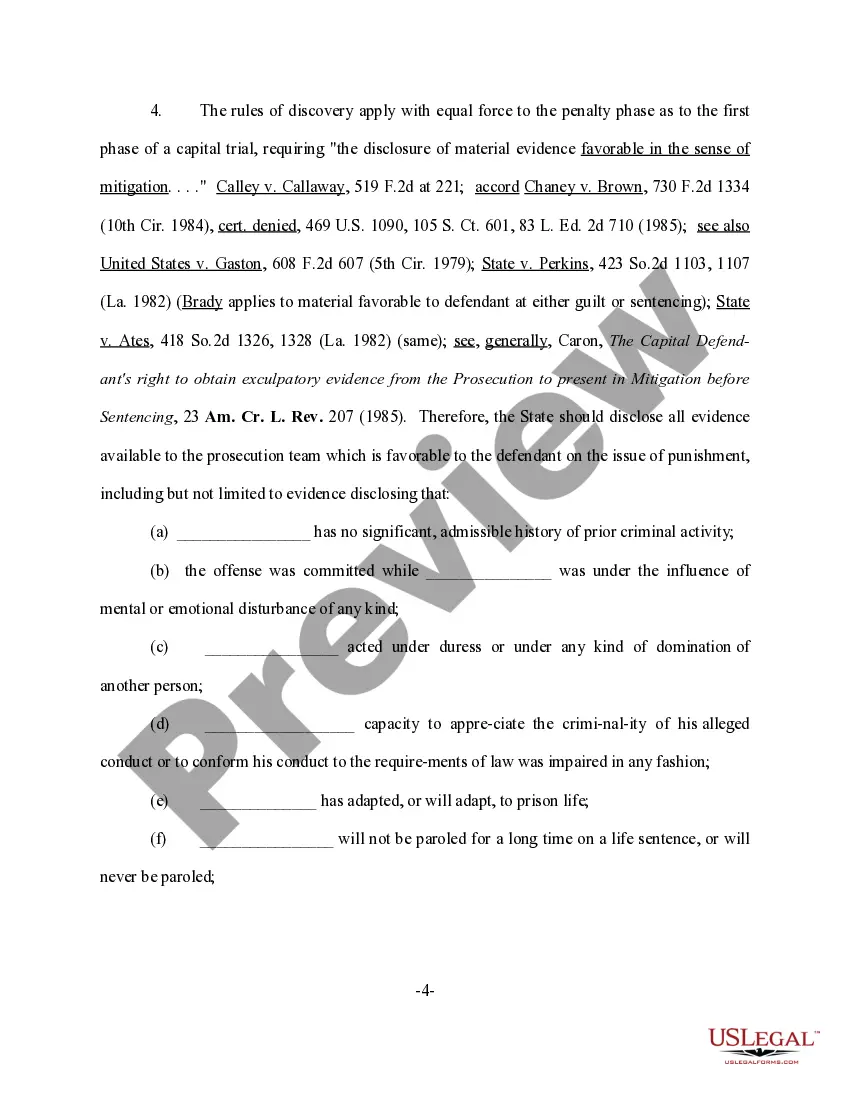
- Requests for disclosure of mitigating evidence held by the prosecution.
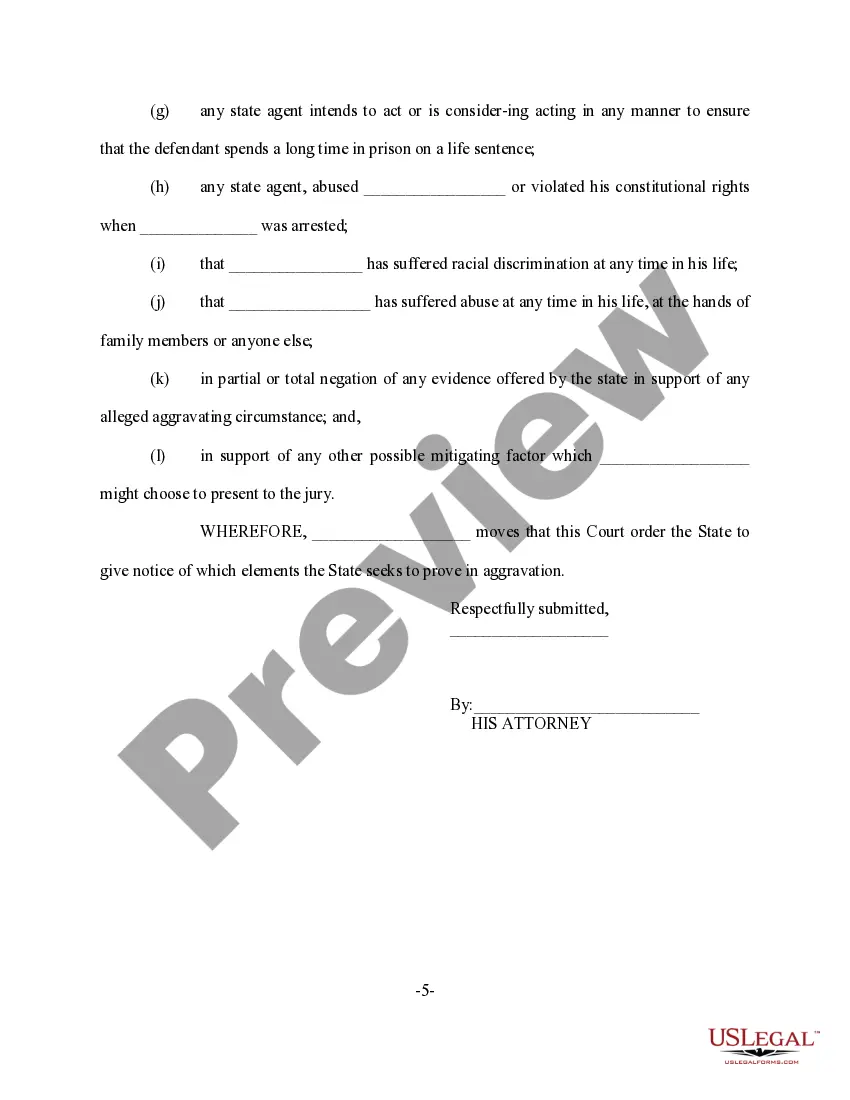
- Details of the factors that may support mitigation.
- Certificate of service to indicate that it has been filed with the court.
Situations where this form applies
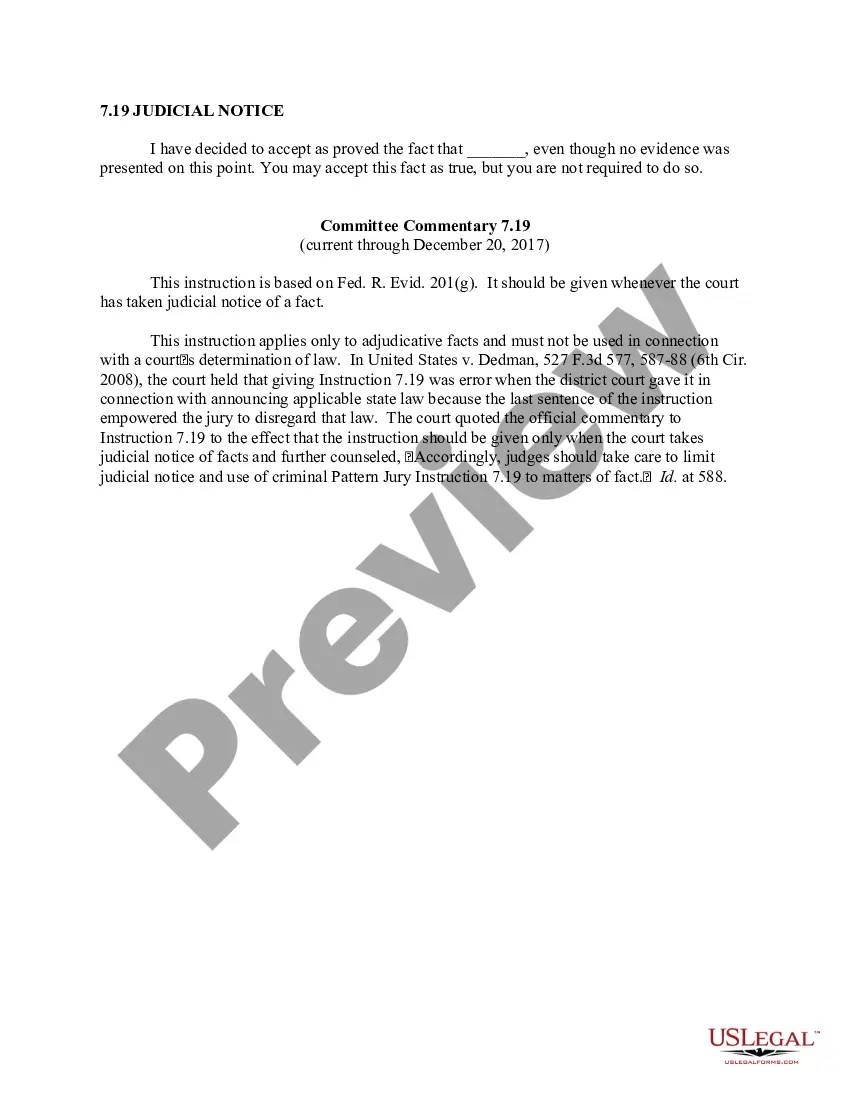
This form should be used when a defendant faces serious criminal charges that may include the possibility of capital punishment. It is particularly relevant during the pre-trial phase when the prosecution must reveal the evidence they intend to present. Utilizing this form can help ensure that the defendant is adequately prepared to respond to these charges and can present any mitigating evidence that could influence sentencing.
Who needs this form
- Defendants in capital cases facing possible death penalty charges.
- Attorneys representing clients in severe criminal trials.
- Legal representatives seeking to ensure their client's rights are protected.
- Individuals wanting to understand aggravating and mitigating circumstances in their cases.
How to complete this form
- Identify the parties involved by filling in the name of the defendant and their attorney.
- Specify the constitutional amendments and articles pertinent to the motion.
- Clearly state the request for notice of aggravating circumstances from the prosecution.
- Detail any evidence that could serve as mitigating circumstances in the defendant's favor.
- Sign the form to validate the request and include the date of submission.
- Serve a copy to the prosecution and the court to complete the filing process.
Does this document require notarization?
This form does not typically require notarization unless specified by local law. However, it is always a good practice to check the local requirements where the form will be filed to ensure compliance.
Get your form ready online
Our built-in tools help you complete, sign, share, and store your documents in one place.
Make edits, fill in missing information, and update formatting in US Legal Forms—just like you would in MS Word.
Download a copy, print it, send it by email, or mail it via USPS—whatever works best for your next step.
Sign and collect signatures with our SignNow integration. Send to multiple recipients, set reminders, and more. Go Premium to unlock E-Sign.
If this form requires notarization, complete it online through a secure video call—no need to meet a notary in person or wait for an appointment.
We protect your documents and personal data by following strict security and privacy standards.

Make edits, fill in missing information, and update formatting in US Legal Forms—just like you would in MS Word.

Download a copy, print it, send it by email, or mail it via USPS—whatever works best for your next step.

Sign and collect signatures with our SignNow integration. Send to multiple recipients, set reminders, and more. Go Premium to unlock E-Sign.

If this form requires notarization, complete it online through a secure video call—no need to meet a notary in person or wait for an appointment.

We protect your documents and personal data by following strict security and privacy standards.
Common mistakes
- Failing to include all required parties' information accurately.
- Not referencing the correct constitutional provisions.
- Omitting critical details regarding mitigating evidence.
- Neglecting to serve copies of the demand properly to the court and prosecution.
Benefits of using this form online
- Immediate access to legal templates ensures timely filing of important documents.
- Customization options allow users to tailor the form to their specific circumstances.
- Reliable content drafted by licensed attorneys provides peace of mind during the legal process.
- Ease of downloading the form for use in various jurisdictions without hassle.
- This form is enforceable as it is based on constitutional rights related to due process.
- It is crucial in capital cases where the prosecution's case may involve significant penalties.
Main things to remember
- The form is essential for defendants in capital cases to ensure their rights are protected.
- Accurate completion is necessary to compel the prosecution to disclose vital evidence.
- Legal representation is recommended to navigate the complexities of capital defense cases.
Looking for another form?
Form popularity
FAQ
Any fact or circumstance that increases the severity or culpability of a criminal act. Aggravating factors include recidivism, lack of remorse, amount of harm to the victim, or committing the crime in front of a child, among many others.
Mitigating circumstances are any serious circumstances beyond your control which may have adversely affected your academic performance. These include but are not limited to: Medical conditions. Personal and domestic circumstances.
Examples of mitigating circumstances in capital cases include the defendant's: lack of a prior criminal record. extreme mental or emotional disturbance at the time of the crime. belief that the crime was justified. role as a minor participant in the crime.
Mitigating factors are extenuating circumstances that might lead to a reduced sentence. Aggravating factors are circumstances that increase the defendant's culpability and could lead to an enhanced or maximum sentence.
In criminal law, a mitigating factor, also known as extenuating circumstances, is any information or evidence presented to the court regarding the defendant or the circumstances of the crime that might result in reduced charges or a lesser sentence.
Any fact or circumstance that increases the severity or culpability of a criminal act. Aggravating factors include recidivism, lack of remorse, amount of harm to the victim, or committing the crime in front of a child, among many others.
A defendant who has faced life with physical or emotional handicaps may be deemed less fully responsible for his criminal actions.If the aggravating circumstances are stronger, jurors may choose a death sentence, but if the mitigating circumstances are more compelling, they must choose a life sentence.
Lack of a prior criminal record. Minor role in the offense; Culpability of the victim; Past circumstances, such as abuse that resulted in criminal activity; Circumstances at the time of the offense, such as provocation, stress, or emotional problems that might not excuse the crime but might offer an explanation;