Letter to Other Entities Notifying Them of Identity Theft
Understanding this form
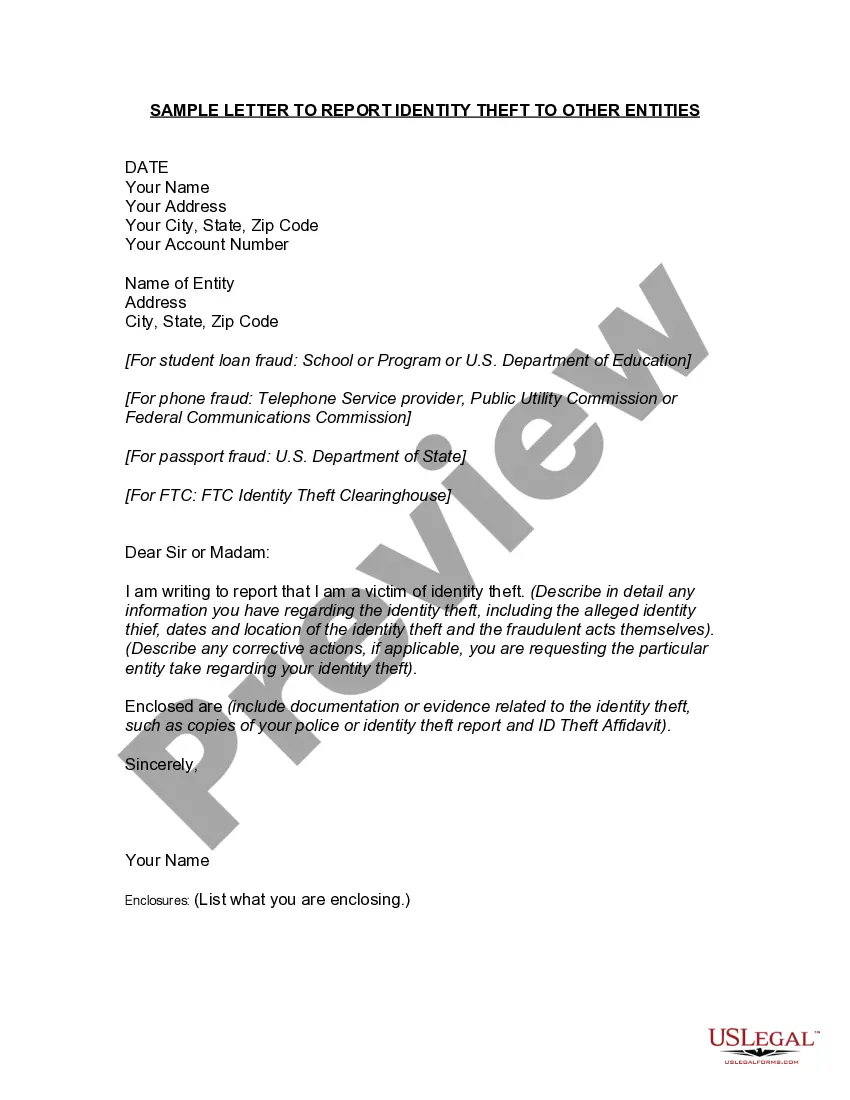
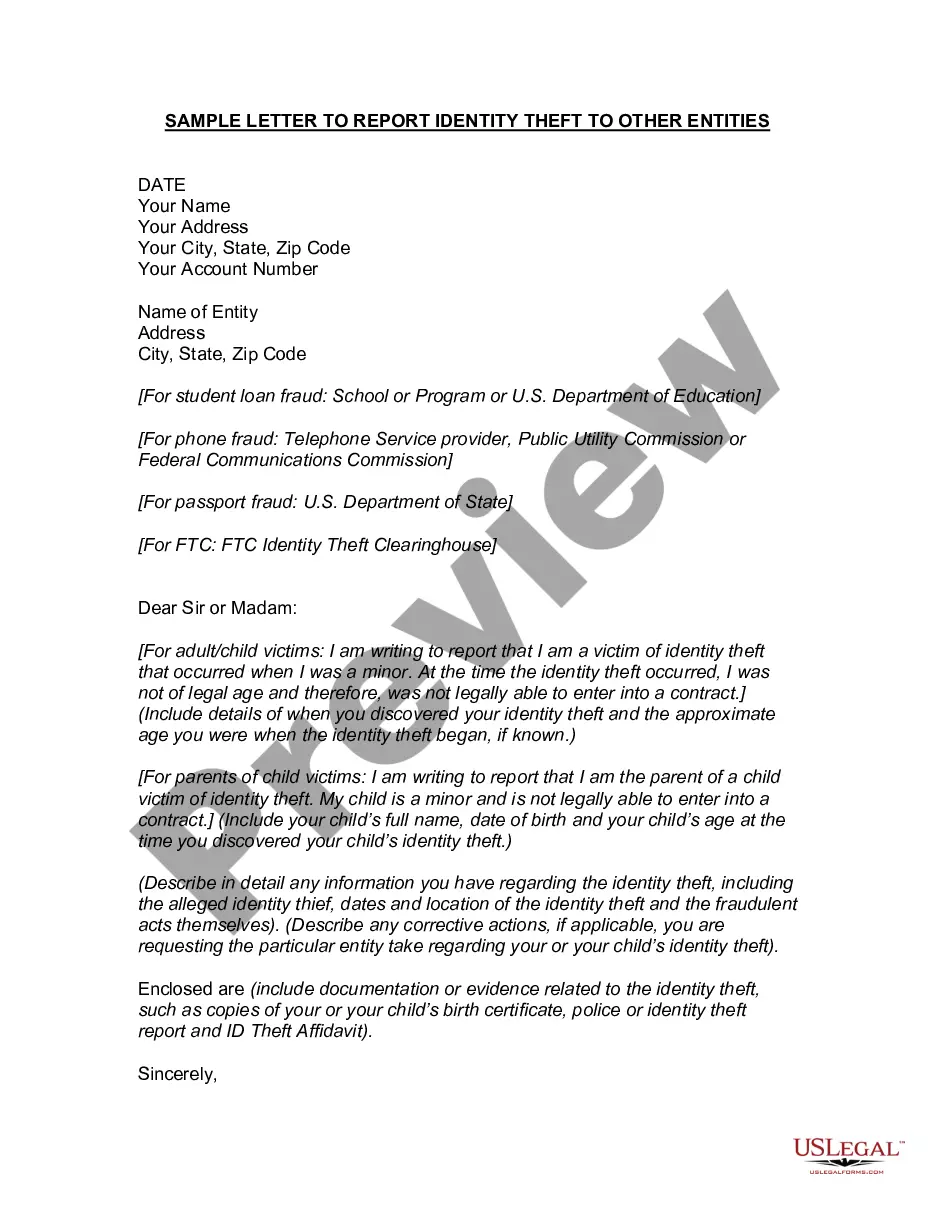
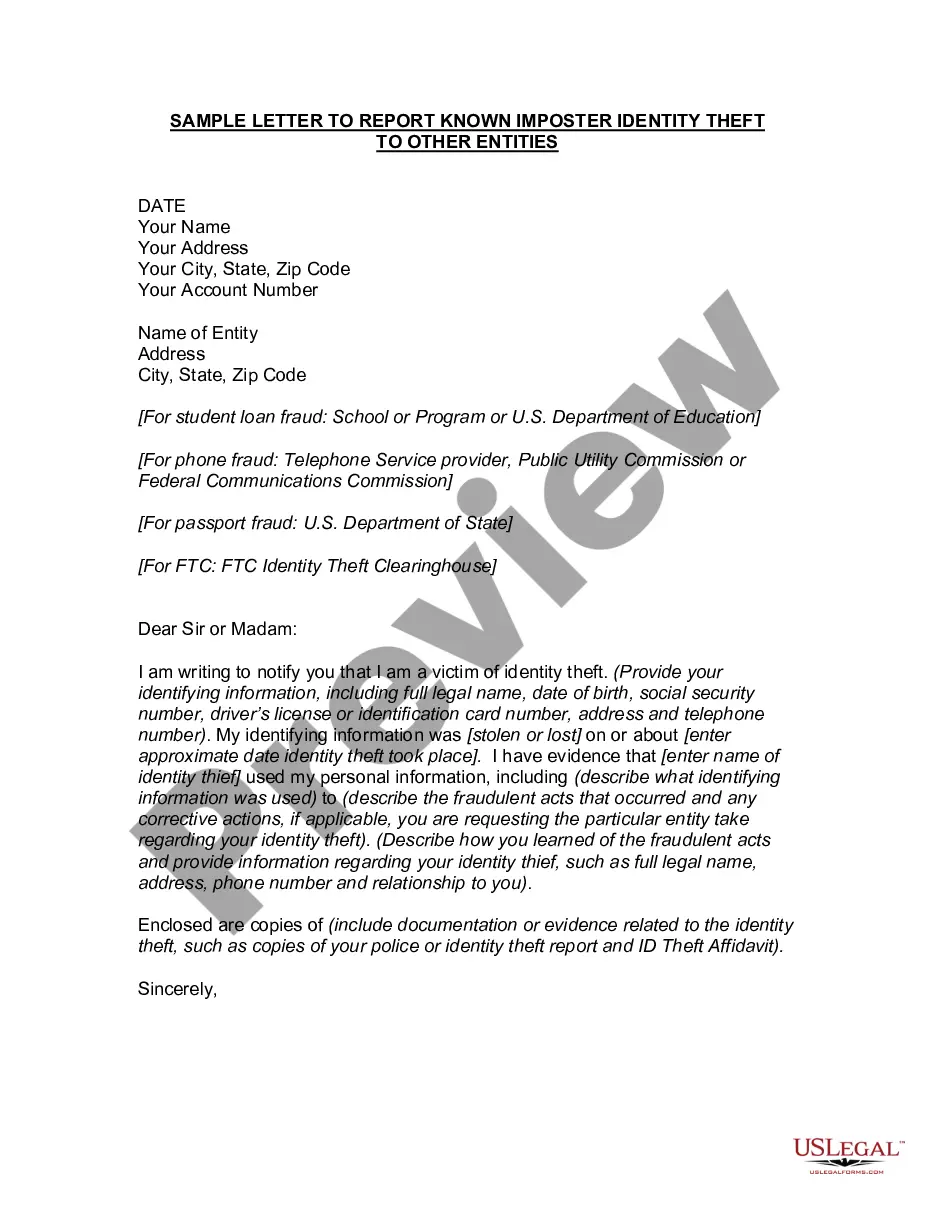
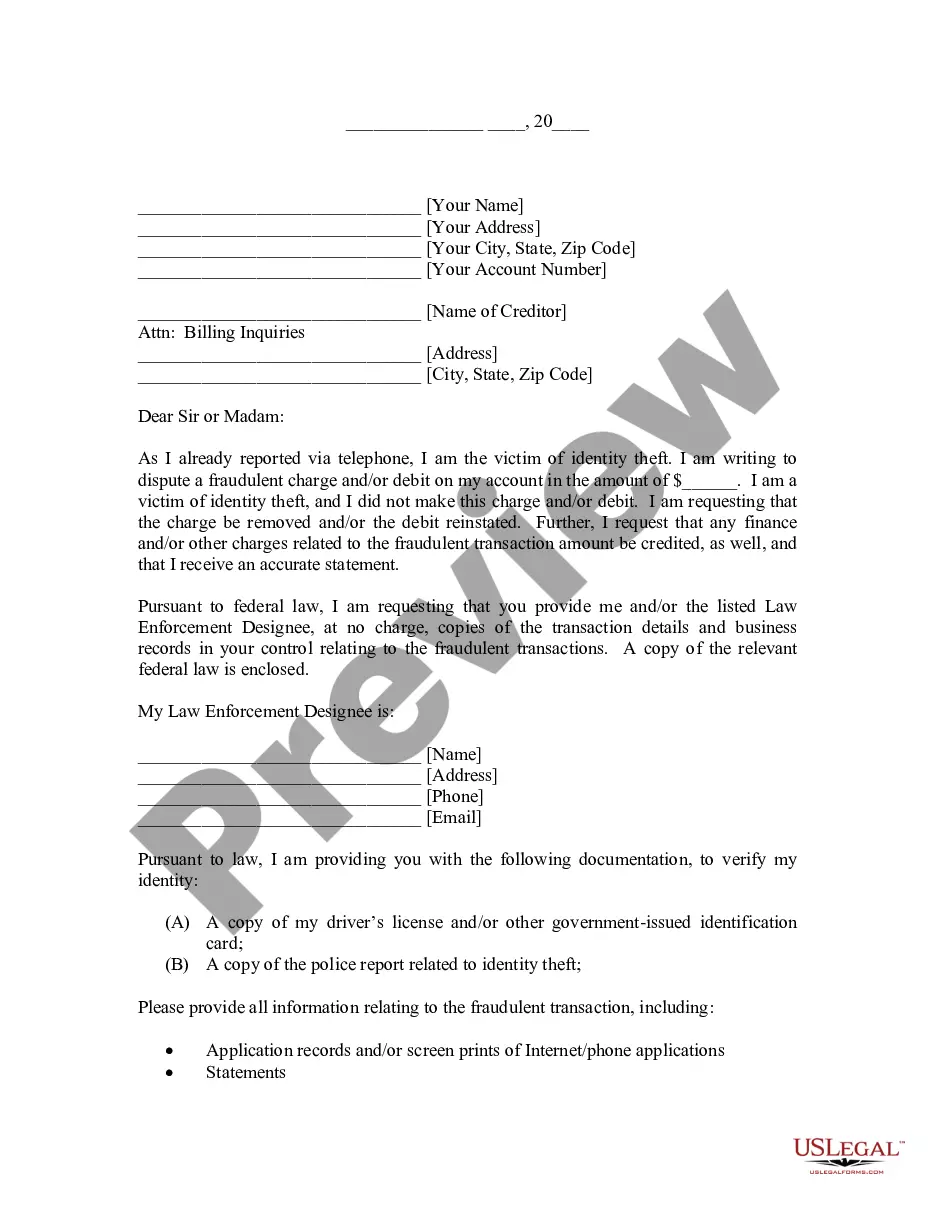
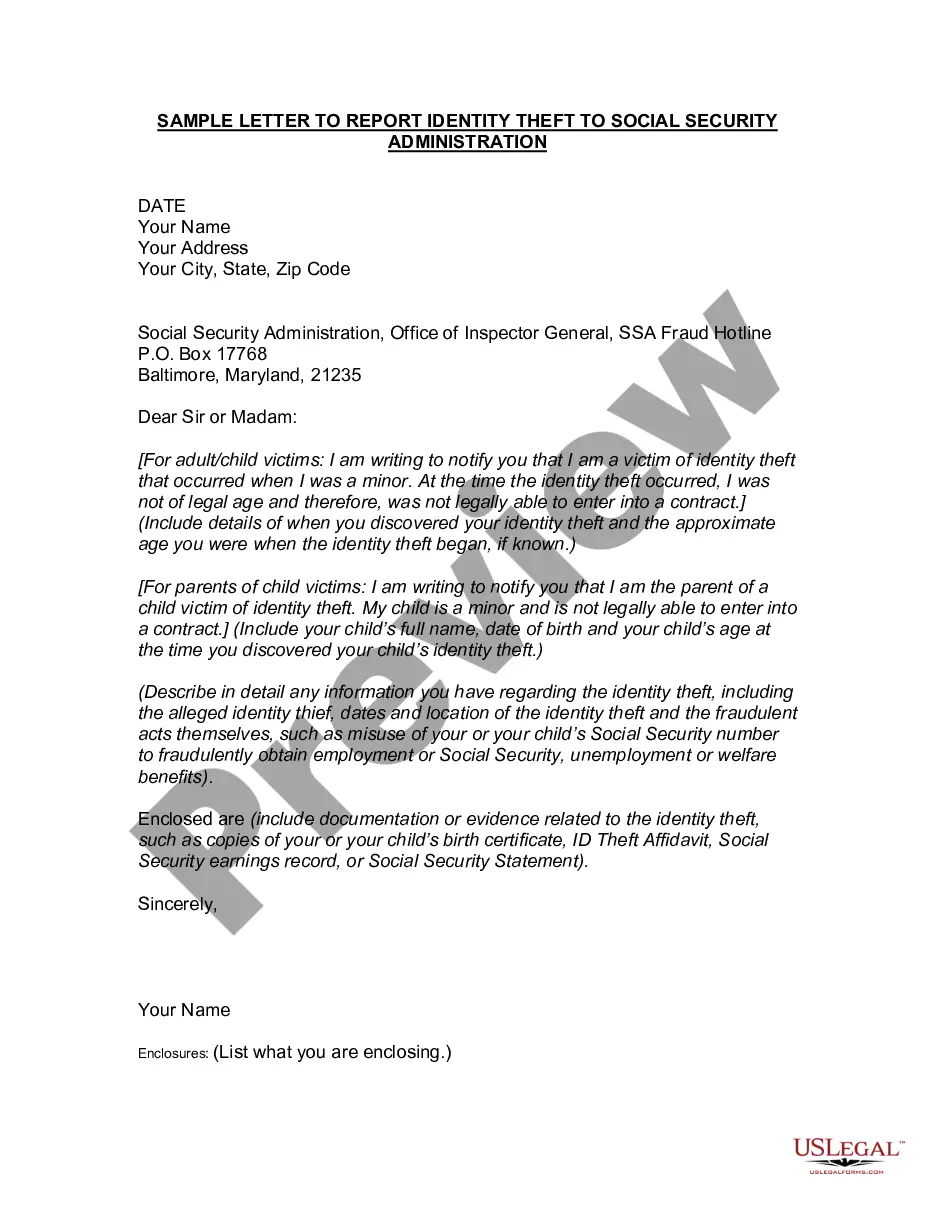
The Letter to Other Entities Notifying Them of Identity Theft is a formal document designed for individuals who have fallen victim to identity theft. This form allows victims to report fraudulent activities to various organizations, including educational institutions, phone service providers, and government agencies, safeguarding their personal and financial information. Unlike general identity theft reports, this specific letter targets multiple entities to ensure comprehensive notification and protection.
Key parts of this document
- Date of the letter
- Your contact information
- Account number related to the fraud
- Name and address of the entity being notified
- Detailed description of the identity theft incident
- Request for corrective actions from the notified entity
- List of enclosed documentation, such as police reports
When to use this form
This form should be used when you suspect that your identity has been stolen and need to notify various entities of fraudulent activities. For example, use this letter if unauthorized student loans were taken out in your name, if your phone or utility accounts show fraudulent charges, or if your passport was misused. Timely notification can help mitigate damage and aid in the recovery process.
Who needs this form
- Individuals who are victims of identity theft
- People needing to report fraud to multiple entities
- Those who want to ensure their personal information is secured
Instructions for completing this form
- Enter the current date at the top of the letter.
- Fill in your name and complete the address section with your contact information.
- Specify the account number related to the fraudulent activity.
- Identify the entity you are notifying and provide its contact information.
- Describe the identity theft situation, including details of the fraudulent activities.
- List any corrective actions you request from the entity and mention any attached documents.
Notarization requirements for this form
This form does not typically require notarization unless specified by local law. However, keeping a notarized copy may provide additional legal backing in disputes related to the identity theft.
Get your form ready online
Our built-in tools help you complete, sign, share, and store your documents in one place.
Make edits, fill in missing information, and update formatting in US Legal Forms—just like you would in MS Word.
Download a copy, print it, send it by email, or mail it via USPS—whatever works best for your next step.
Sign and collect signatures with our SignNow integration. Send to multiple recipients, set reminders, and more. Go Premium to unlock E-Sign.
If this form requires notarization, complete it online through a secure video call—no need to meet a notary in person or wait for an appointment.
We protect your documents and personal data by following strict security and privacy standards.

Make edits, fill in missing information, and update formatting in US Legal Forms—just like you would in MS Word.

Download a copy, print it, send it by email, or mail it via USPS—whatever works best for your next step.

Sign and collect signatures with our SignNow integration. Send to multiple recipients, set reminders, and more. Go Premium to unlock E-Sign.

If this form requires notarization, complete it online through a secure video call—no need to meet a notary in person or wait for an appointment.

We protect your documents and personal data by following strict security and privacy standards.
Typical mistakes to avoid
- Failing to provide specific details about the identity theft
- Not including necessary documentation, such as police reports
- Omitting any follow-up requests for corrective action
Why complete this form online
- Convenience of immediate access to the form
- Editability allows you to customize the letter easily
- Forms are legally vetted for reliability
Looking for another form?

Form popularity
FAQ
Contact one credit bureau. Ask it to put a fraud alert on your credit report. The credit bureau will explain that you can get a free credit report and other rights you have. Mark your calendar. The fraud alert stays on your report for one year.
How to Freeze Your Credit for Free. You'll want to place a free credit freeze on all three of your credit reports, including from Experian, Equifax and TransUnion. That said, the process can vary from agency to agency. With Experian, you can visit the Experian Freeze Center and request it online or call 888-397-3742.
Identity theft often occurs when a person gains access to sensitive personal information from printed records you get in the mail that reveal your full name, address, phone number, or Social Security number. It's enough to open a new account or take over an existing one.
Ask it to put a fraud alert on your credit report. The credit bureau you contact will then contact the other two credit bureaus. Placing a fraud alert is free. Be sure the credit bureaus have your current contact information so they can get in touch with you.
Contact one of the three credit reporting agencies (Transunion, Equifax, or Experian). After a few days, check with the other two credit bureaus to verify that they've received the fraud alert as well.
Under California law, you can report identity theft to your local police department. Ask the police to issue a police report of identity theft. Give the police as much information on the theft as possible. One way to do this is to provide copies of your credit reports showing the items related to identity theft.
Identity theft and identity fraud are terms used to refer to all types of crime in which someone wrongfully obtains and uses another person's personal data in some way that involves fraud or deception, typically for economic gain.
Police departments can do very little to investigate and prosecute identity theft.You can use the Identity Theft Report to help get false information taken off your credit reports, stop a company from collecting debts and place an extended fraud alert on your credit reports.
Under California law, you can report identity theft to your local police department. Ask the police to issue a police report of identity theft. Give the police as much information on the theft as possible. One way to do this is to provide copies of your credit reports showing the items related to identity theft.