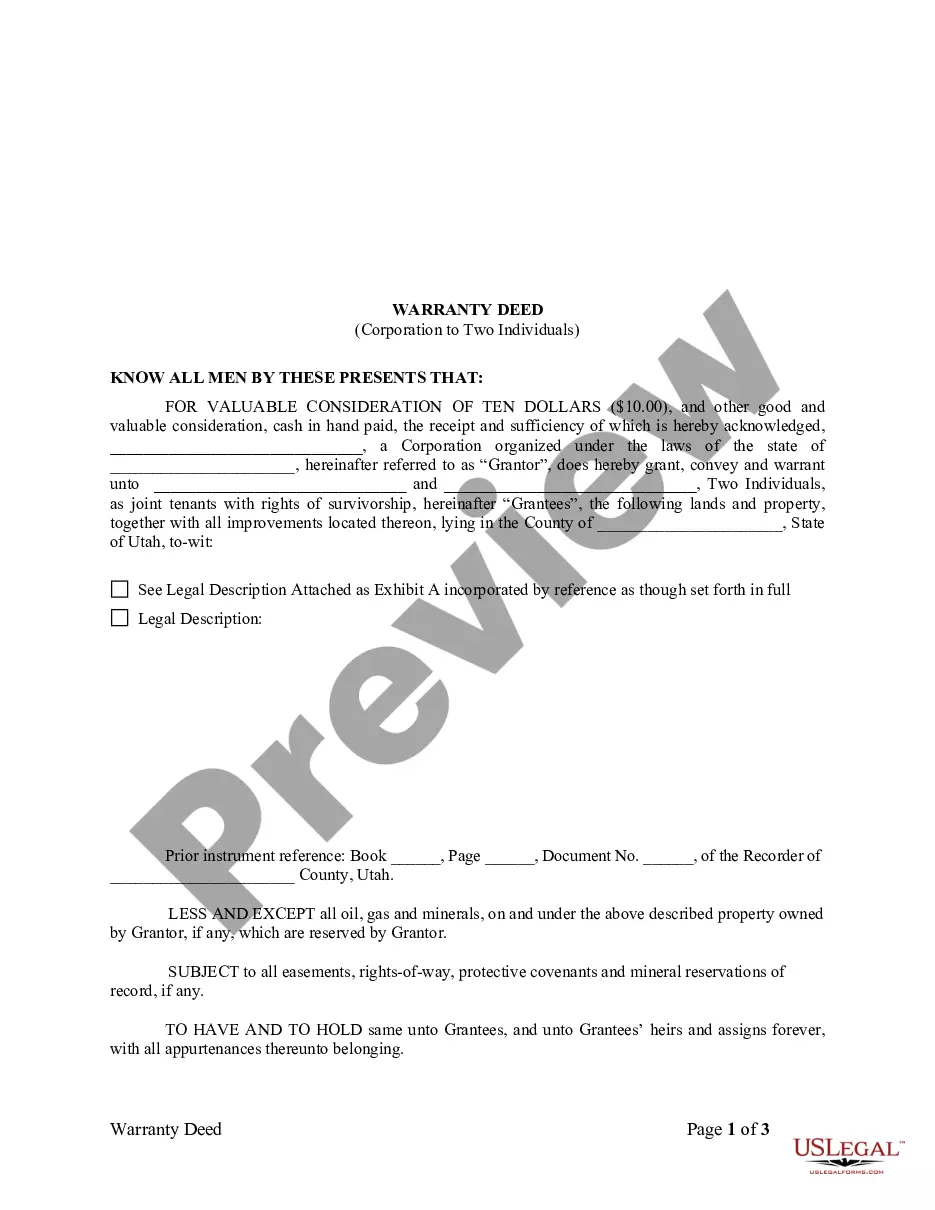
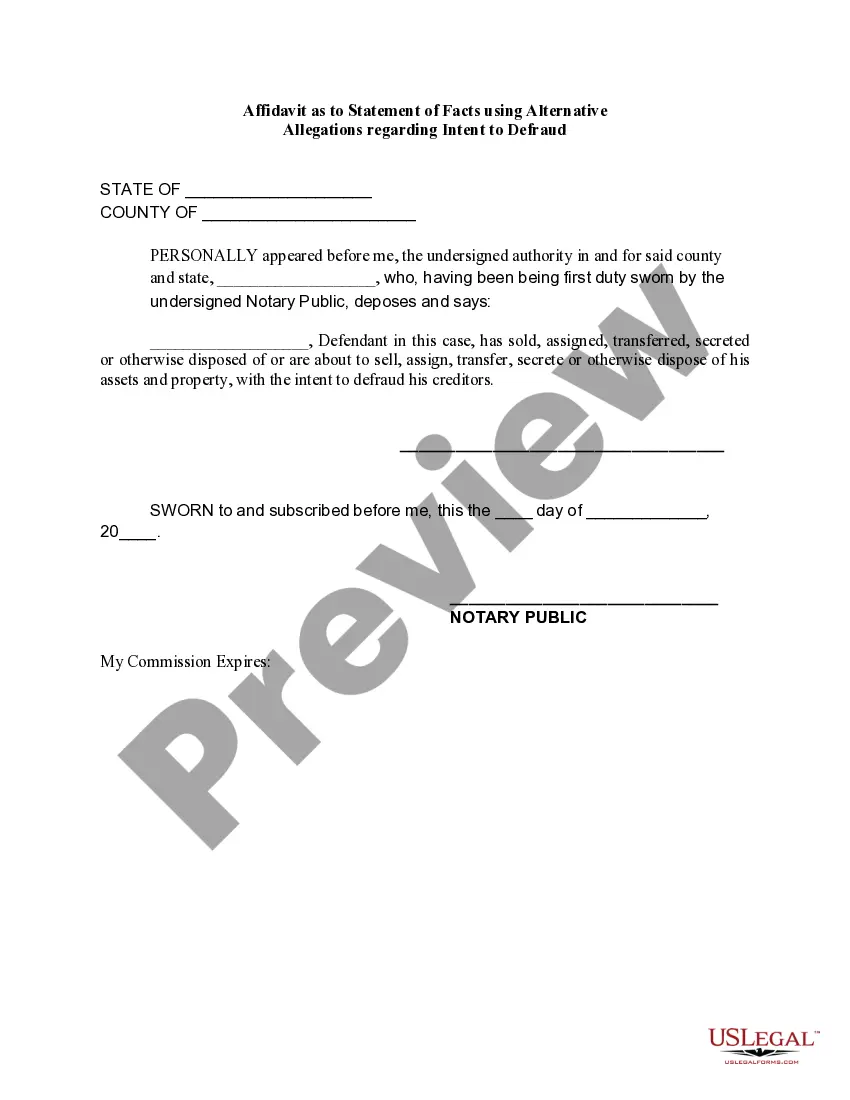
Affidavit as to Statement of Facts using Alternative
Understanding this form
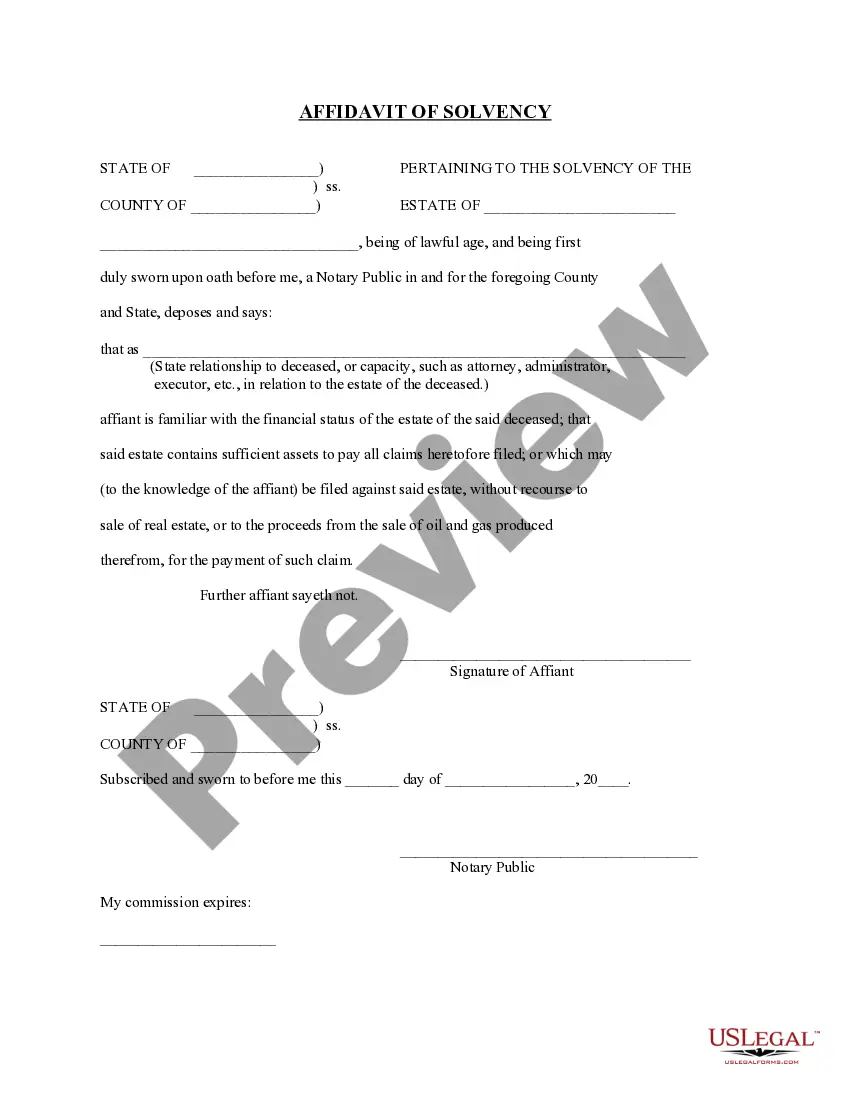
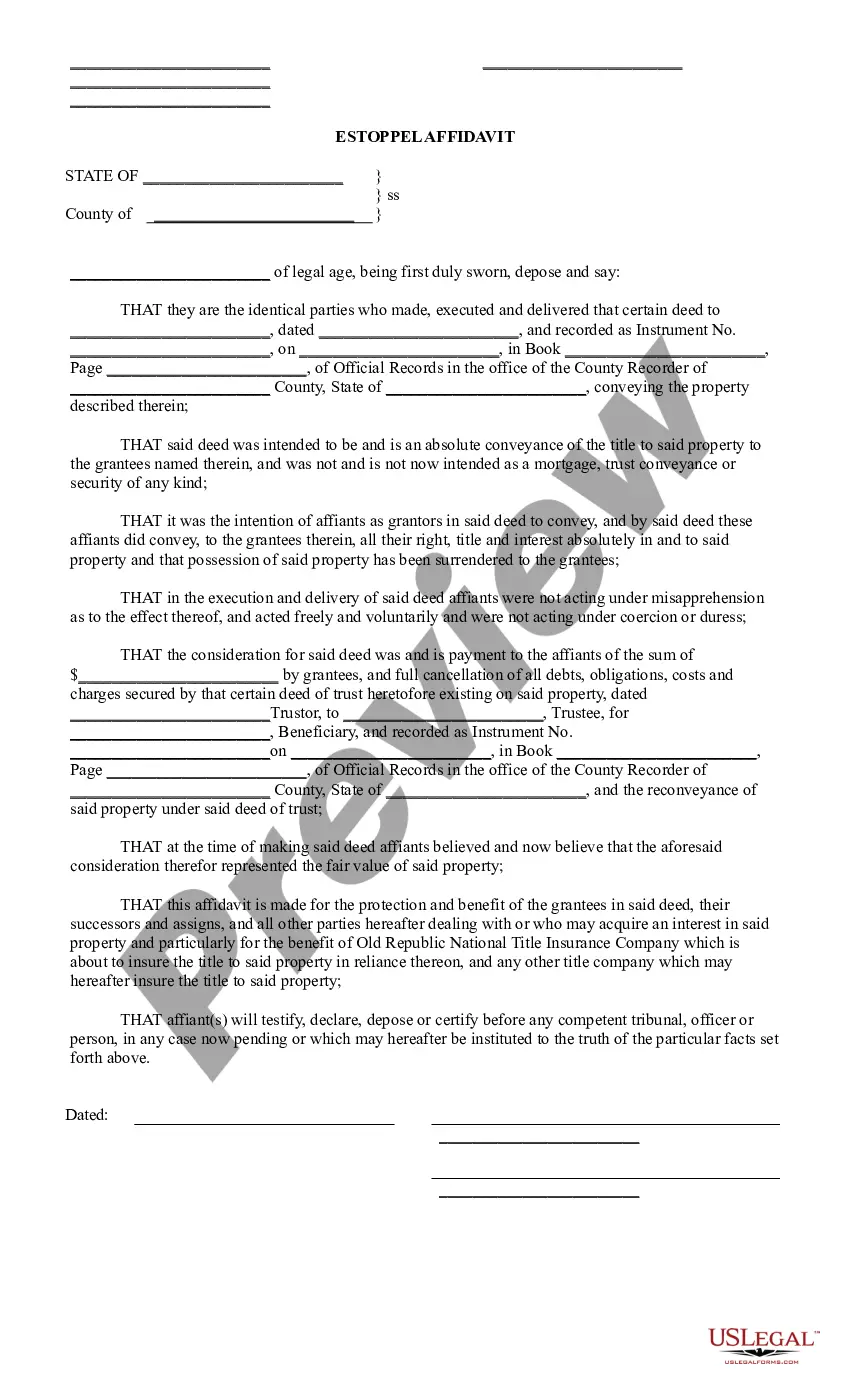
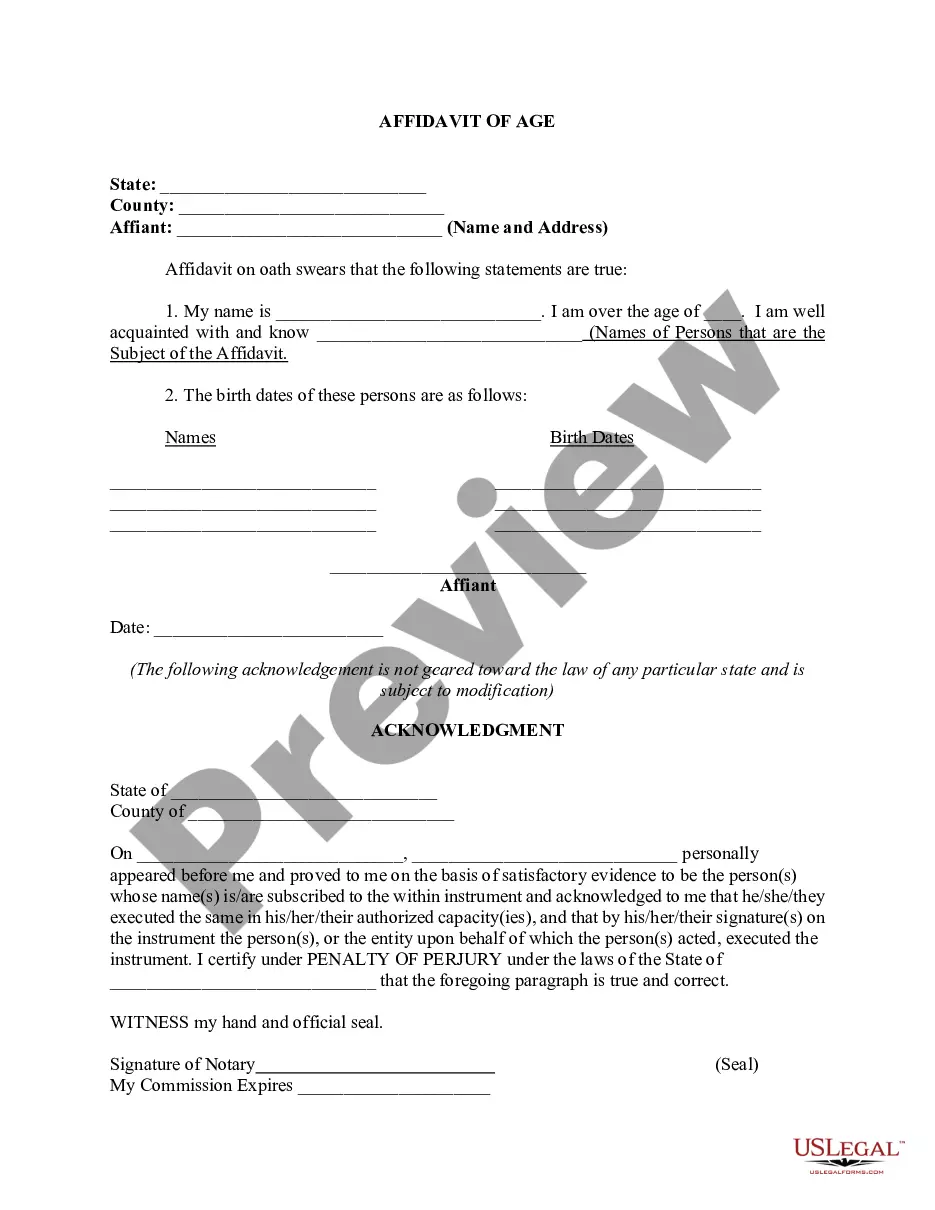
The Affidavit as to Statement of Facts using Alternative is a legal document where the affiant swears to specific facts concerning a person's alleged intent to defraud creditors. This form is significant as it provides alternative allegations which can be crucial in legal proceedings regarding fraudulent transfers. Unlike other affidavits, this form specifically addresses claims related to creditor fraud, making it essential in financial disputes.
Main sections of this form
- Affiant's personal details and declaration of facts.
- Allegations regarding the defendant's intent to defraud creditors.
- Signature and acknowledgment by a Notary Public.
- Jurisdiction details including state and county.
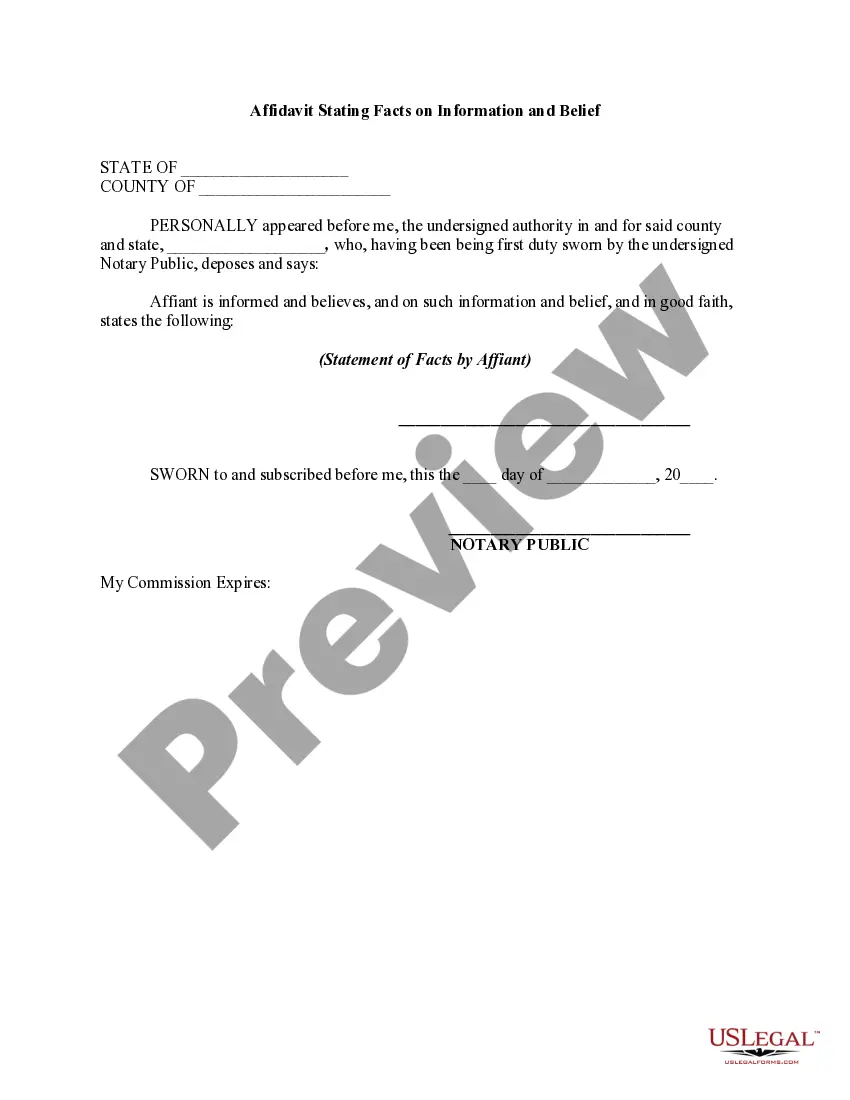
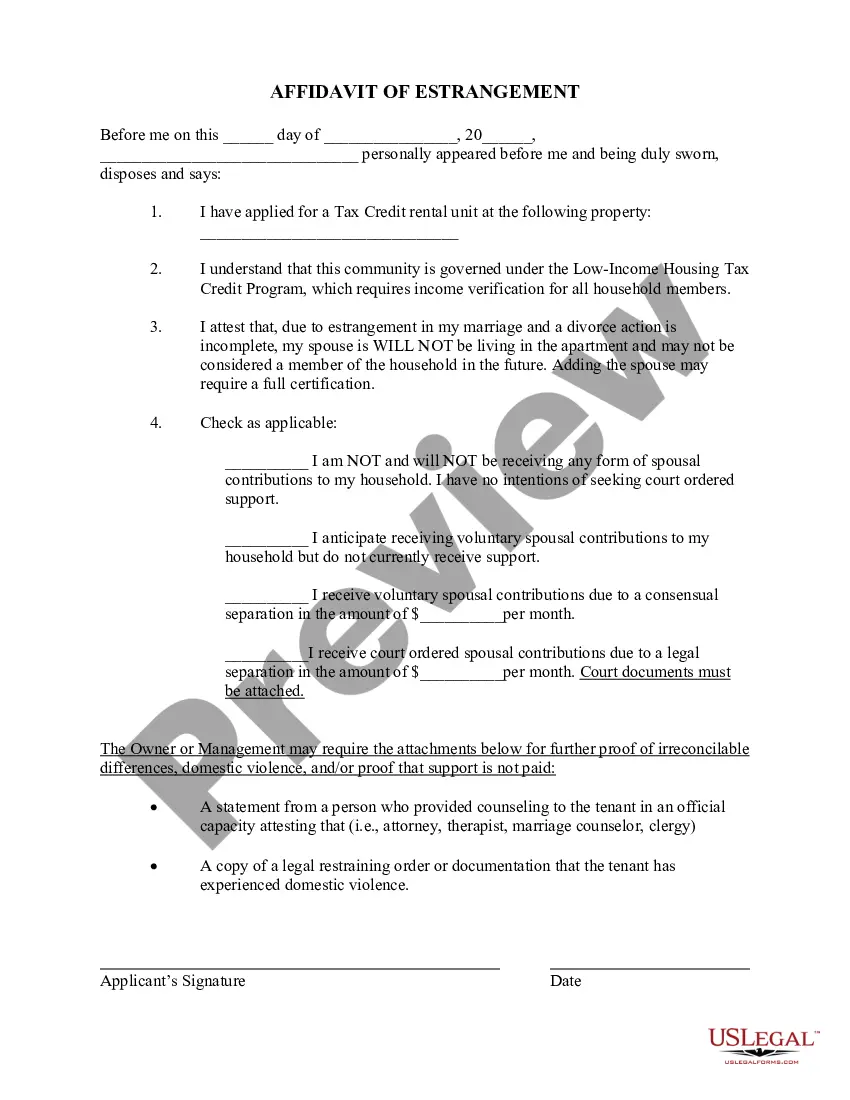
When to use this document
This affidavit is used in scenarios where there is concern that a debtor may be attempting to hide, transfer, or dispose of assets to avoid paying creditors. It is often used in bankruptcy cases, creditor lawsuits, or other legal actions where fraudulent intent may significantly impact the outcome.
Who can use this document
- Creditors involved in legal disputes regarding unpaid debts.
- Attorneys representing clients in bankruptcy or fraud cases.
- Individuals suspecting that a debtor is hiding assets.
How to complete this form
- Identify the parties involved, including the affiant and the defendant.
- Clearly state the allegations regarding the defendant's intent to defraud creditors, using precise language.
- Fill out the jurisdiction information, including the state and county.
- Sign the affidavit in the presence of a Notary Public to validate it.
- Complete the notary section, including the date and notary's signature.
Does this document require notarization?
Yes, this form must be notarized to be legally valid. Ensure that you sign the affidavit in the presence of a Notary Public, who will verify your identity and witness your signature. US Legal Forms offers integrated online notarization services, allowing you to securely notarize your documents via a video call, making the process efficient and reliable.
Get your form ready online
Our built-in tools help you complete, sign, share, and store your documents in one place.
Make edits, fill in missing information, and update formatting in US Legal Forms—just like you would in MS Word.
Download a copy, print it, send it by email, or mail it via USPS—whatever works best for your next step.
Sign and collect signatures with our SignNow integration. Send to multiple recipients, set reminders, and more. Go Premium to unlock E-Sign.
If this form requires notarization, complete it online through a secure video call—no need to meet a notary in person or wait for an appointment.
We protect your documents and personal data by following strict security and privacy standards.

Make edits, fill in missing information, and update formatting in US Legal Forms—just like you would in MS Word.

Download a copy, print it, send it by email, or mail it via USPS—whatever works best for your next step.

Sign and collect signatures with our SignNow integration. Send to multiple recipients, set reminders, and more. Go Premium to unlock E-Sign.

If this form requires notarization, complete it online through a secure video call—no need to meet a notary in person or wait for an appointment.

We protect your documents and personal data by following strict security and privacy standards.
Mistakes to watch out for
- Failing to accurately state the specific fraudulent intent.
- Leaving out the required jurisdiction information.
- Not having the affidavit notarized, if required by state law.
Benefits of completing this form online
- Access to professionally drafted legal documents reviewed by licensed attorneys.
- Convenience of downloading and completing the form at your own pace.
- Ability to retain a digital copy for your records, ensuring easy access.
Looking for another form?

Form popularity
FAQ
An affidavit is a written statement that is notarized.The information in an affidavit must be first-hand information. It cannot be second-hand information or speculation. Affidavits can be written in your own handwriting or typed.
Step 1: Name Your Document. Step 2: Identify the Deponent / Affiant. Step 3: Write a Statement of Truth. Step 4: State the Facts. Step 5: Sample Notary Public Statements for an Affidavit.
In the sentence, the person writing the statement must state that he or she is stating that the information is accurate. (Example: I, Jane Doe, solemnly swear that the contents of this document are true and correct, and that I agree to abide by the terms in this affidavit.)
Create a title for the affidavit. The initial step for writing a sworn testimony is crafting a relevant title. Write a state of identity. Design a statement of truth. Outline the facts. Restate the statement of truth.
Title the affidavit. First, you'll need to title your affidavit. Craft a statement of identity. The very next section of your affidavit is what's known as a statement of identity. Write a statement of truth. State the facts. Reiterate your statement of truth. Sign and notarize.
Full name of the deponent and their signature. Statement indicating whether the affidavit has been sworn or not. Date and place where the affidavit is being signed. Designation and full name of the Notary or Magistrate (person attesting the affidavit)
I am _____ and my name _______, appearing on the enclosed ID proof, is single name.Both names denote one and the same person. I solemnly state that the contents of this affidavit are true to the best of my knowledge and belief and that it conceals nothing and that no part of it is false.
Step 2: Write the purpose of the Affidavit or the Heading. Step 3: Write the name of the parties in case of an affidavit being filled in Court or Write the name of the Deponent in case of other affidavits. Step 4: Write the complete address of the deponent.