Agreement for Prepaid Repair Services for Residential Property
What is this form?
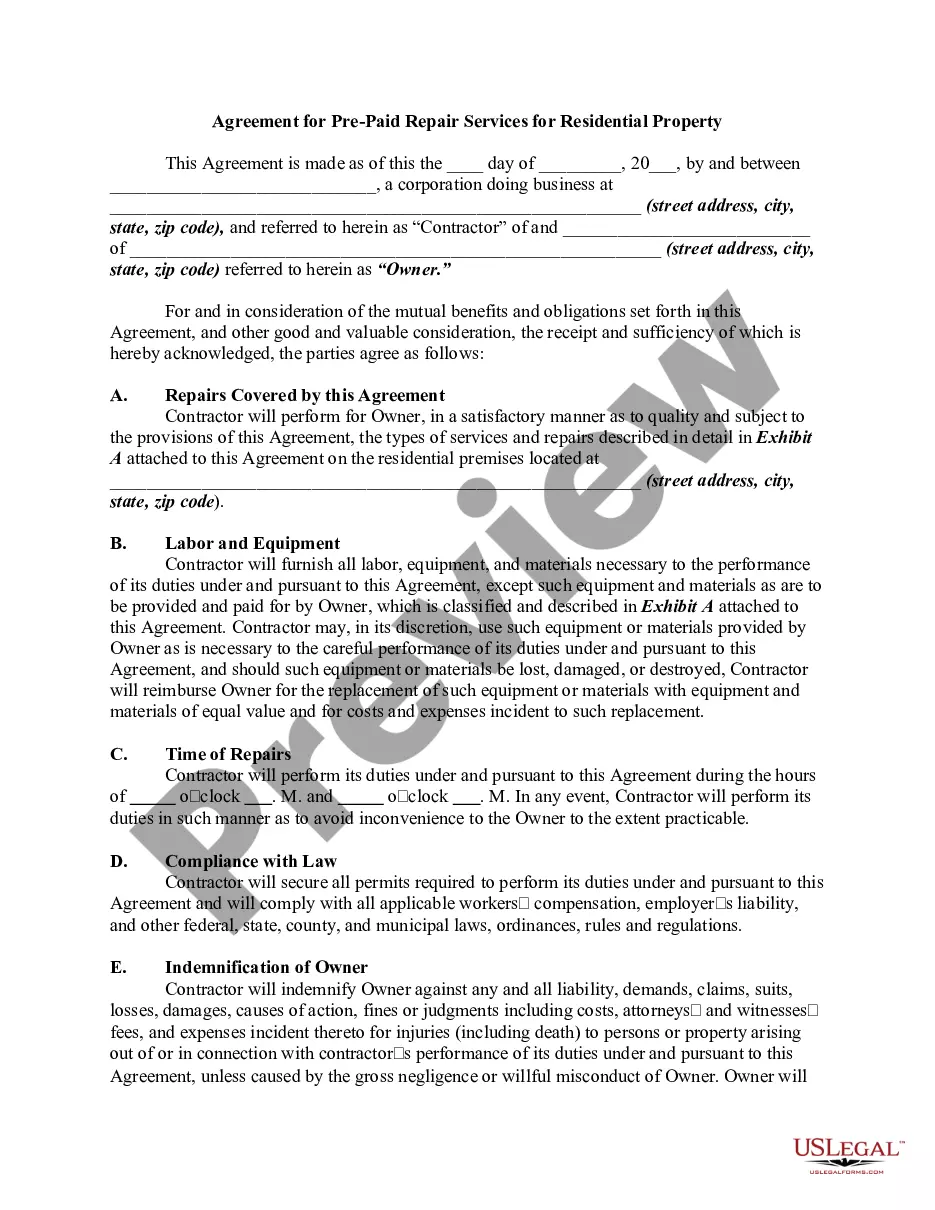
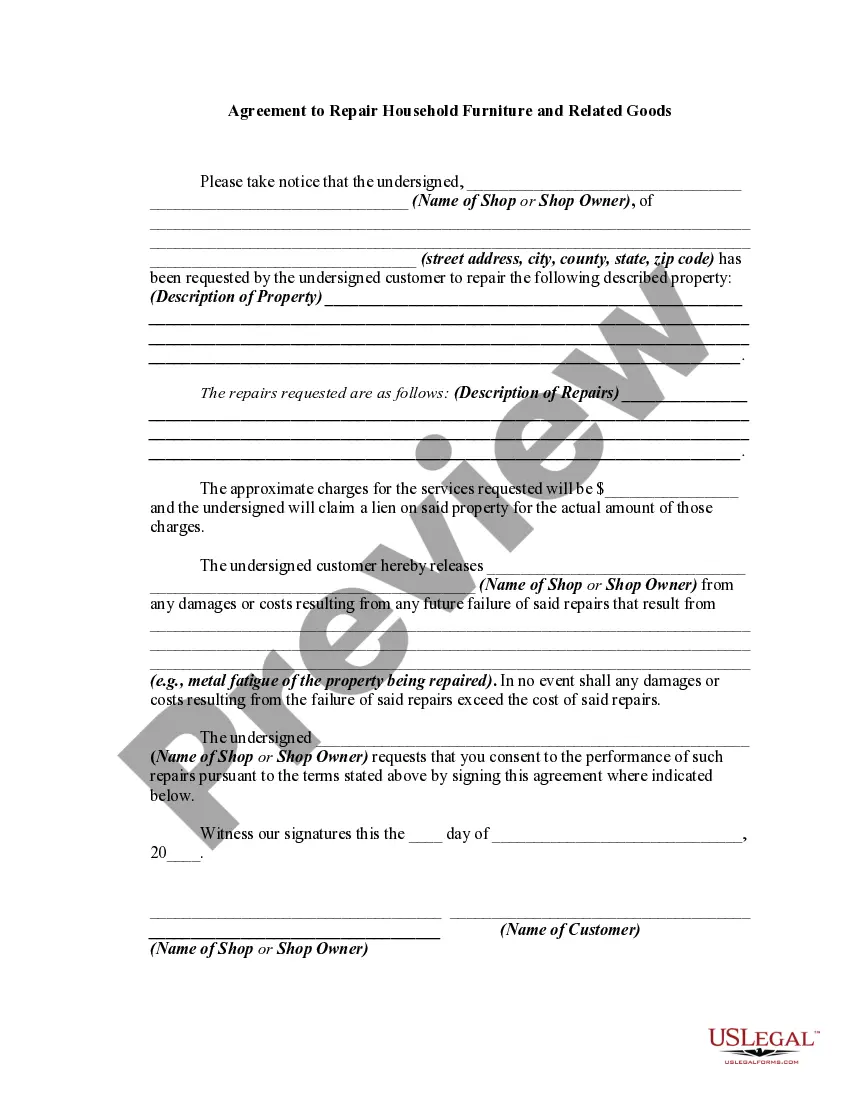
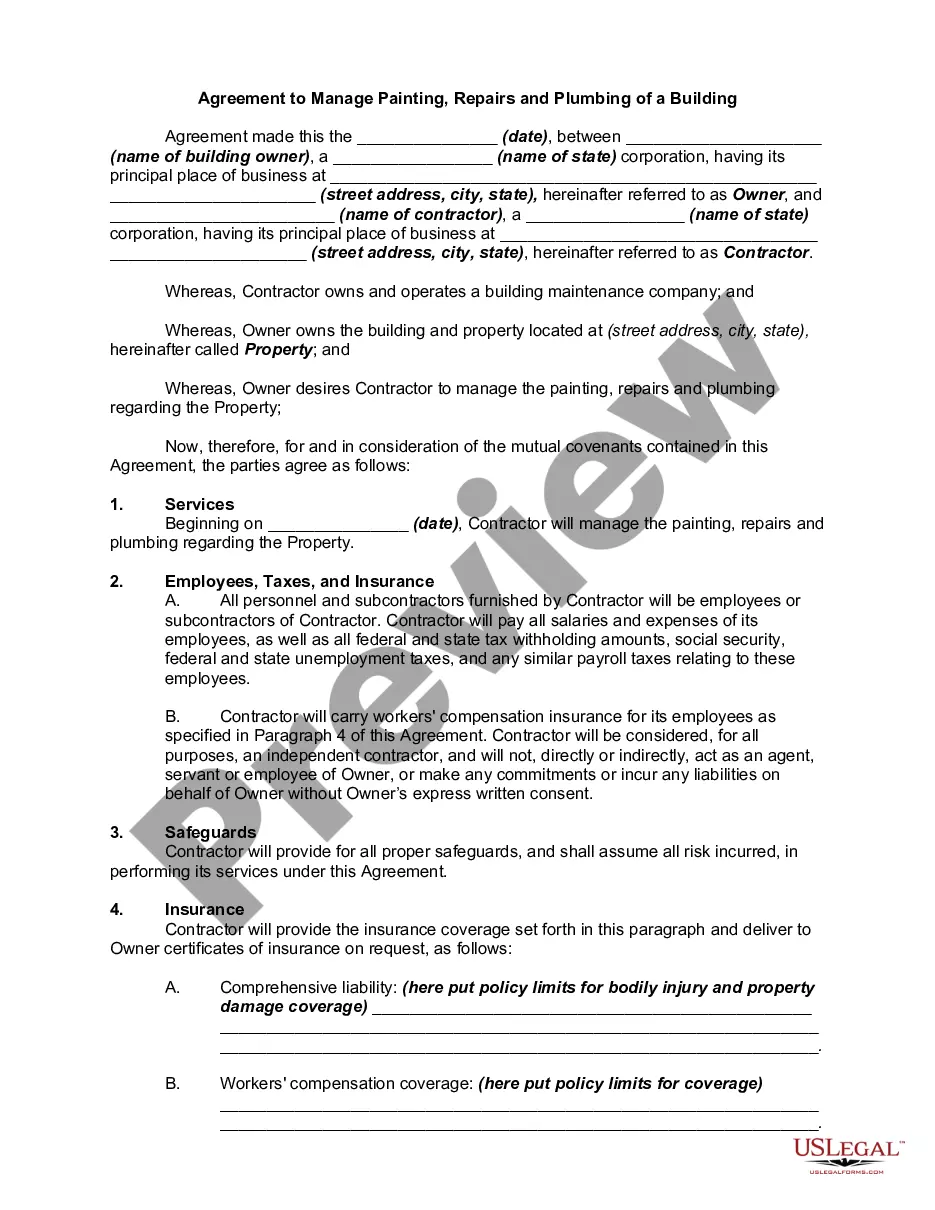
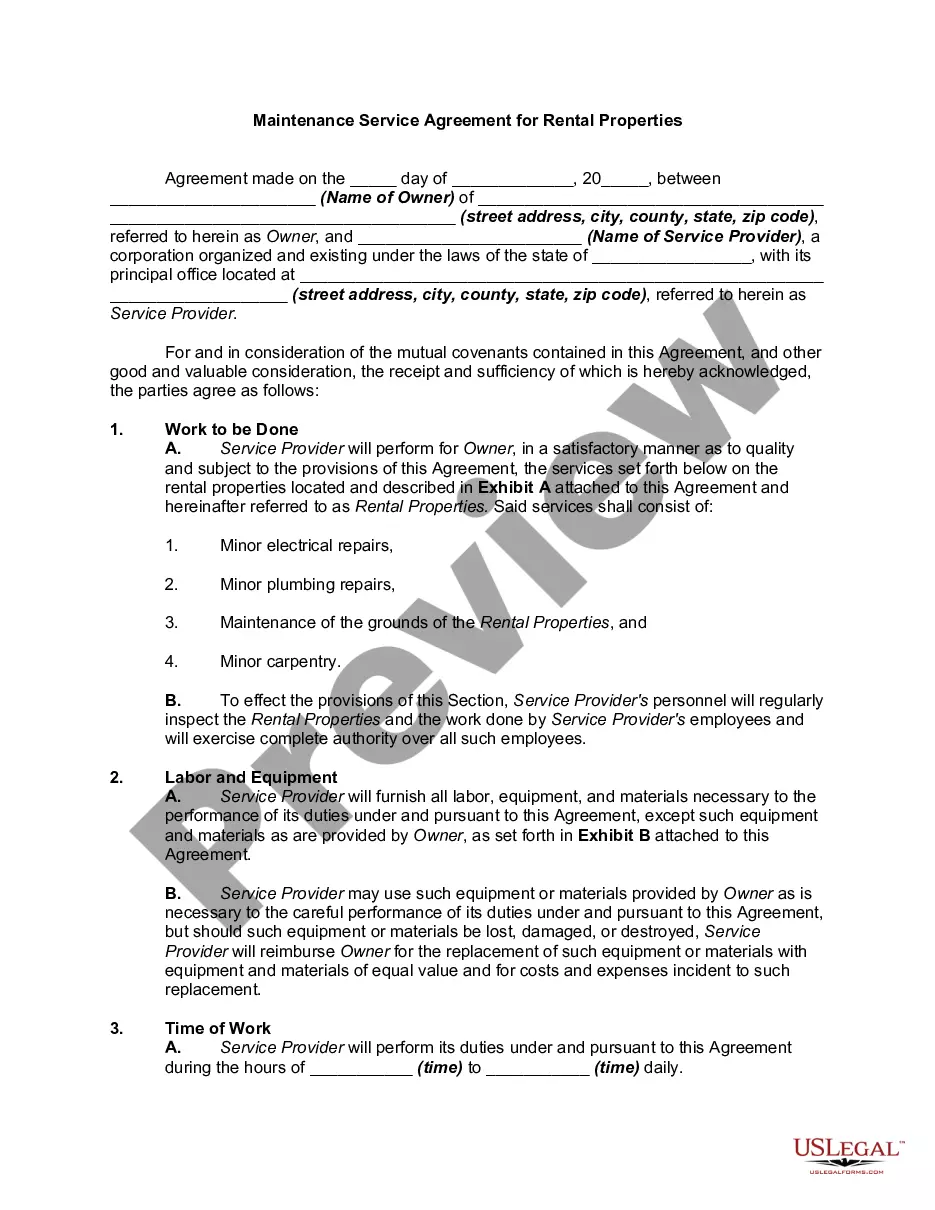
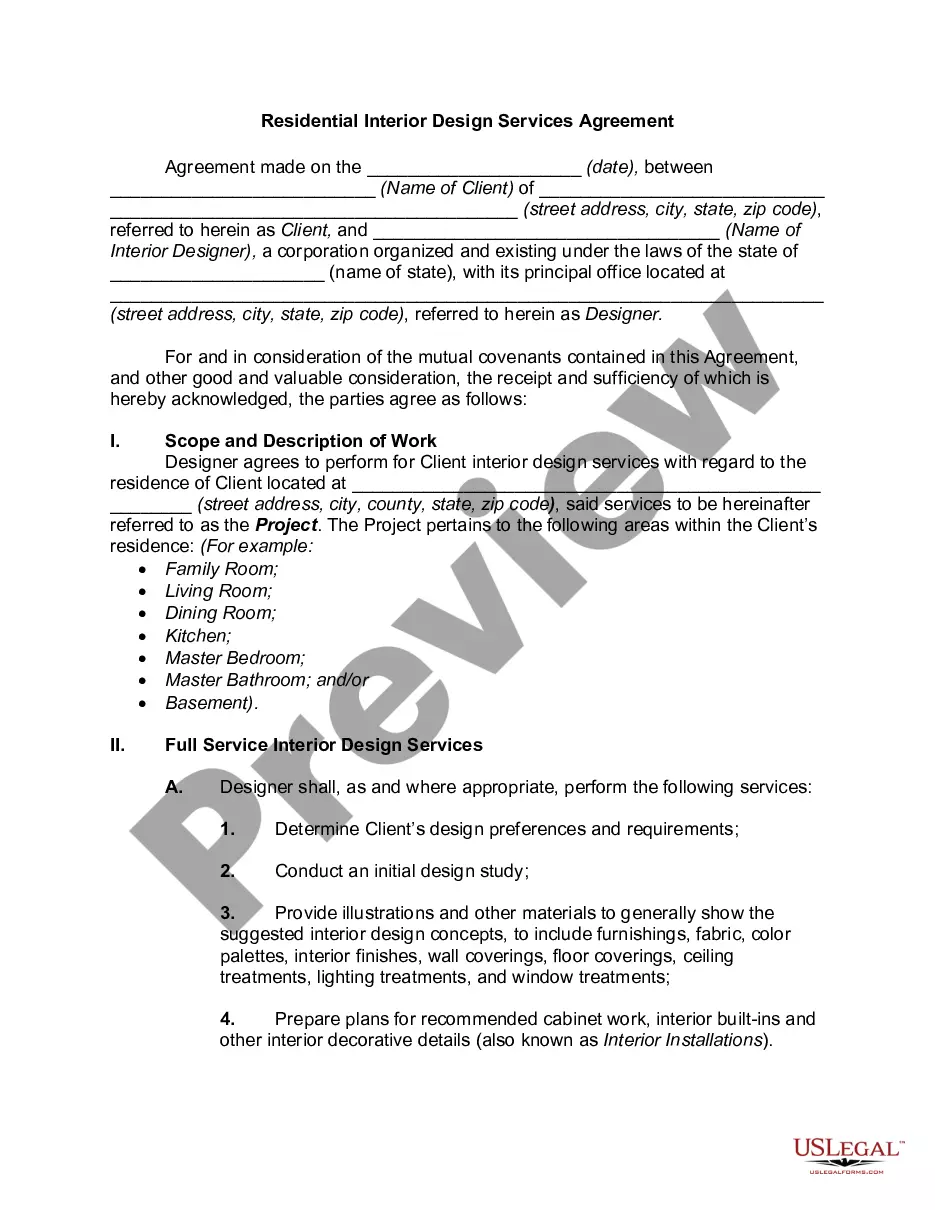
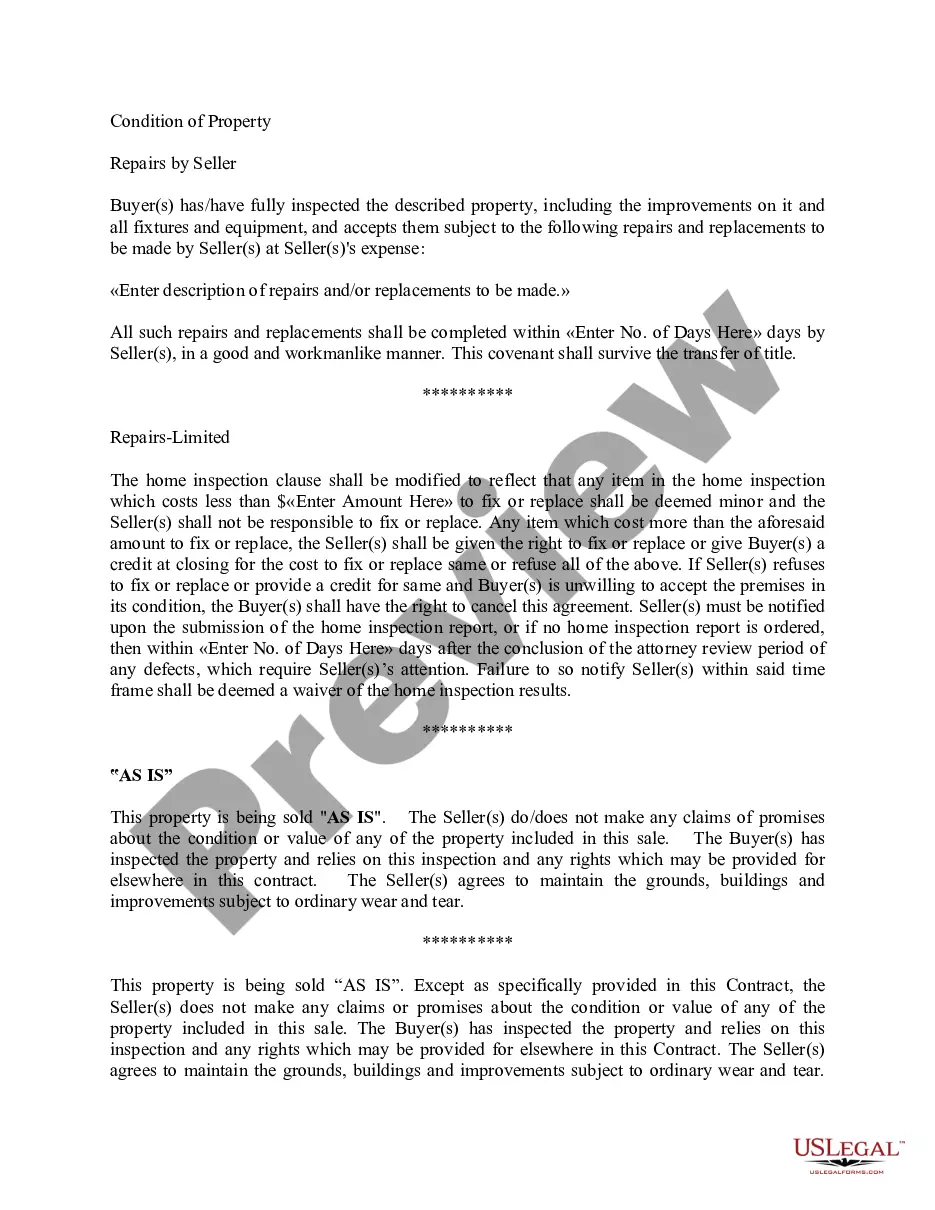
The Agreement for Prepaid Repair Services for Residential Property is a legal document that outlines the terms and conditions under which a contractor provides repair services to a property owner, with payment made in advance. This agreement ensures both parties understand their obligations and rights, which helps prevent disputes. Unlike standard rental agreements or repair requests, this form specifically addresses prepaid services for home repair, setting clear expectations for performance and payment.
Form components explained
- Identification of parties: Clearly specifies the contractor and owner involved in the agreement.
- Scope of services: Details the types of repairs and services provided by the contractor.
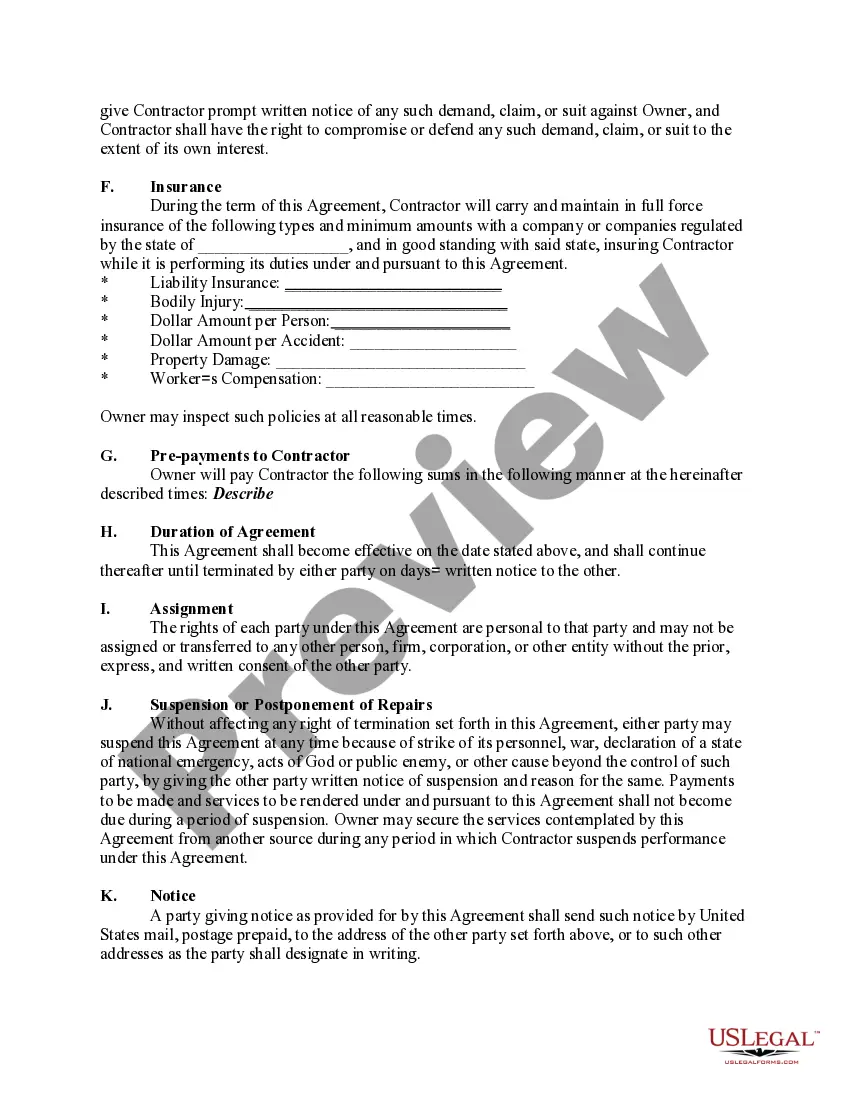
- Payment terms: Outlines the payment amount and schedule for the repairs.
- Indemnification clause: Protects the owner from liability related to the contractor's performance.
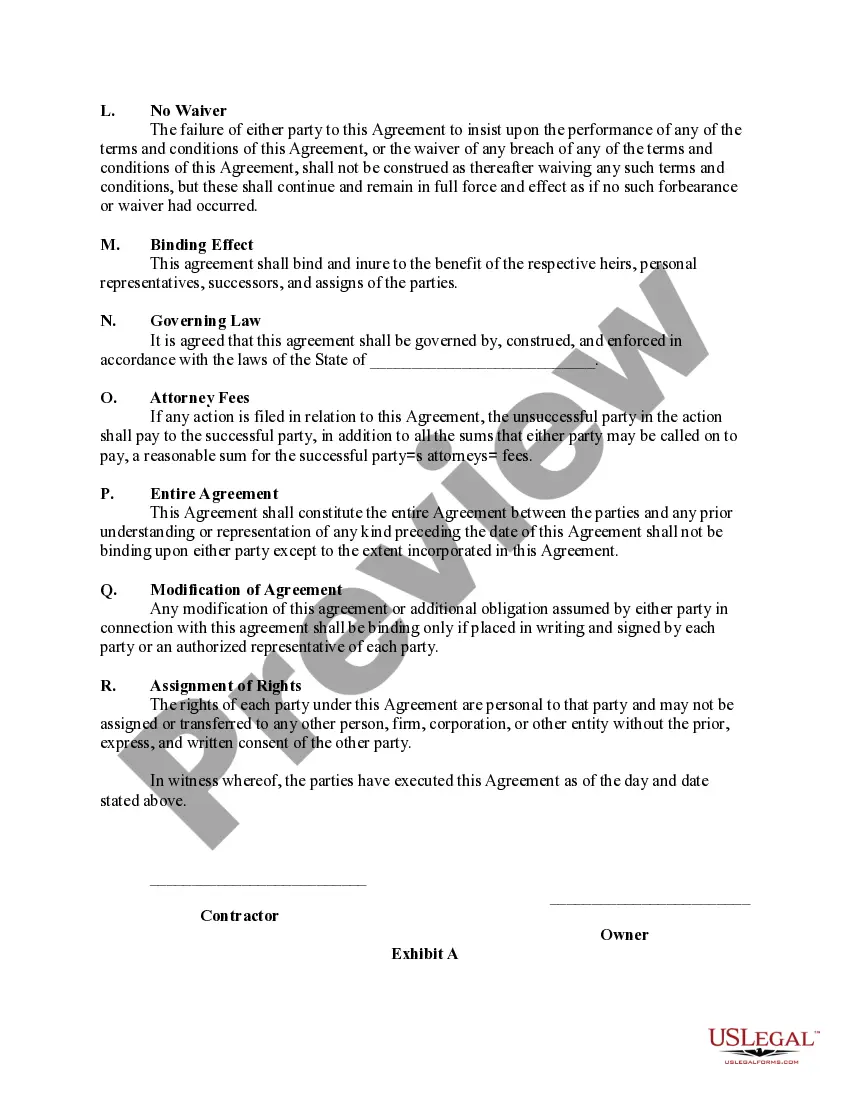
- Duration of the agreement: States how long the agreement is effective and terms for termination.
Common use cases
This agreement should be used when a property owner wishes to hire a contractor for specific repair services that will be paid for in advance. Common scenarios include situations where a homeowner wants to ensure repairs are completed ahead of significant events (e.g., selling a home or seasonal preparations) or when they prefer to budget and pay upfront for maintenance services.
Who should use this form
Eligible users include:
- Homeowners who need repairs done on their residential property.
- Contractors offering prepaid repair services to homeowners.
- Real estate investors managing multiple residential properties.
- Property management companies needing to ensure repair compliance.
Completing this form step by step
Steps to complete the form:
- Identify the parties involved: Fill in the names and addresses of the contractor and the property owner.
- Specify the property: Include the address of the residential property where repairs will be conducted.
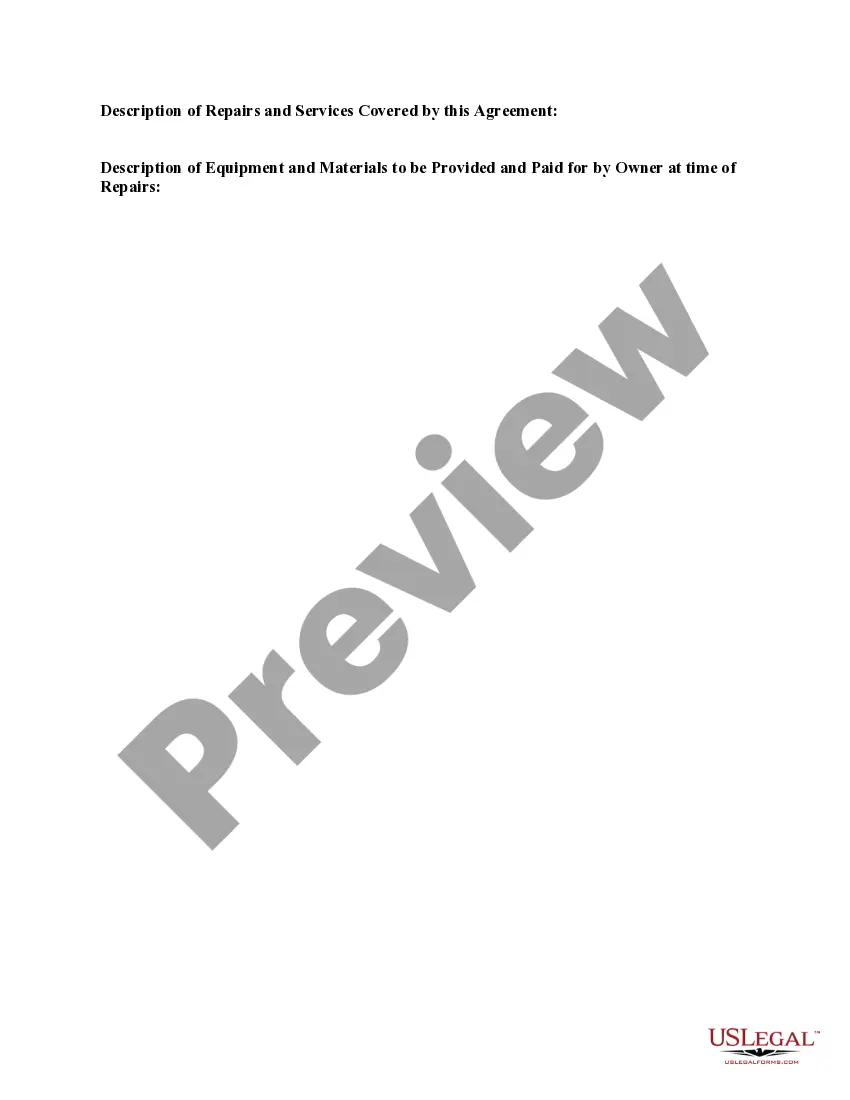
- Detail the services: Clearly describe the types of repairs to be performed in the attached Exhibit A.
- Fill in payment details: State the amounts and terms for prepaid services.
- Sign and date the agreement: Have both parties sign to make the agreement legally binding.
Does this document require notarization?
This form does not typically require notarization unless specified by local law. However, having the agreement notarized can add an extra layer of authenticity and protection for both parties.
Get your form ready online
Our built-in tools help you complete, sign, share, and store your documents in one place.
Make edits, fill in missing information, and update formatting in US Legal Forms—just like you would in MS Word.
Download a copy, print it, send it by email, or mail it via USPS—whatever works best for your next step.
Sign and collect signatures with our SignNow integration. Send to multiple recipients, set reminders, and more. Go Premium to unlock E-Sign.
If this form requires notarization, complete it online through a secure video call—no need to meet a notary in person or wait for an appointment.
We protect your documents and personal data by following strict security and privacy standards.

Make edits, fill in missing information, and update formatting in US Legal Forms—just like you would in MS Word.

Download a copy, print it, send it by email, or mail it via USPS—whatever works best for your next step.

Sign and collect signatures with our SignNow integration. Send to multiple recipients, set reminders, and more. Go Premium to unlock E-Sign.

If this form requires notarization, complete it online through a secure video call—no need to meet a notary in person or wait for an appointment.

We protect your documents and personal data by following strict security and privacy standards.
Mistakes to watch out for
Common mistakes to avoid:
- Failing to specify all repairs required in Exhibit A.
- Not detailing payment terms, leading to potential disputes.
- Leaving out signatures or dates, making the agreement unenforceable.
- Not verifying that all parties understand their obligations under the agreement.
Advantages of online completion
Benefits of using this form online:
- Convenience: Access and download the form anytime, eliminating the need for in-person visits.
- Editability: Customize the form to meet specific repair needs quickly.
- Reliability: Ensures that the document is drafted using the latest legal standards.
Summary of main points
Key takeaways:
- This agreement clearly outlines the responsibilities of both the contractor and the owner.
- Prepaying for repair services can streamline home maintenance processes.
- It is crucial to provide detailed descriptions of services to avoid future disputes.
Looking for another form?






Form popularity
FAQ
There are general things that most landlords pay for like property maintenance, repairs and taxes and there are other items that may be more specific to a certain landlord, such as a property management fees or security costs.
Your name and your landlord's name and the address of the property which is being let. the date the tenancy began. details of whether other people are allowed the use of the property and, if so, which rooms.
It's good practice for a written tenancy agreement to include the following details: your name and your landlord's name and the address of the property which is being let. the date the tenancy began. details of whether other people are allowed the use of the property and, if so, which rooms.
A fixed-term tenancy agreement lasts for a set amount of time eg, one year. You must include the length on the tenancy agreement. You should make sure a fixed-term is right for you before you sign the agreement.Once the term ends, the tenancy will become periodic.
Terms. The lease should state the length of the agreement. Rent. The amount of rent and when it is due. Deposits and fees. The names of all tenants. Occupancy limits. Restrictions on disruptive activity. Pets. Maintenance and repairs.
What is a Lease? Why You Need an Ironclad Lease Agreement. Before You Write the Lease. Step 1: Title & Format Your Document. Step 2: Make a List of Lease Provisions. Step 3: Flesh Out Each Clause. Step 4: Check Local Laws. Step 5: Create a Signature Section.
Your landlord is always responsible for repairs to: the property's structure and exterior. basins, sinks, baths and other sanitary fittings including pipes and drains. heating and hot water.
Property Needs to Meet Local Health and Building Codes. Visible Mold. Pests. Changing Locks. Heat, Electric, Hot and Cold Water. Structural Integrity and Weather Protected. Regularly Discarding Trash. Damage Caused by the Tenant or Their Guests.