Boat Rental Agreement with Personal Injury Waiver and Release of Personal or Property Damage and Indemnification of Lessor for Damage to Boat or Equipment
What is this form?
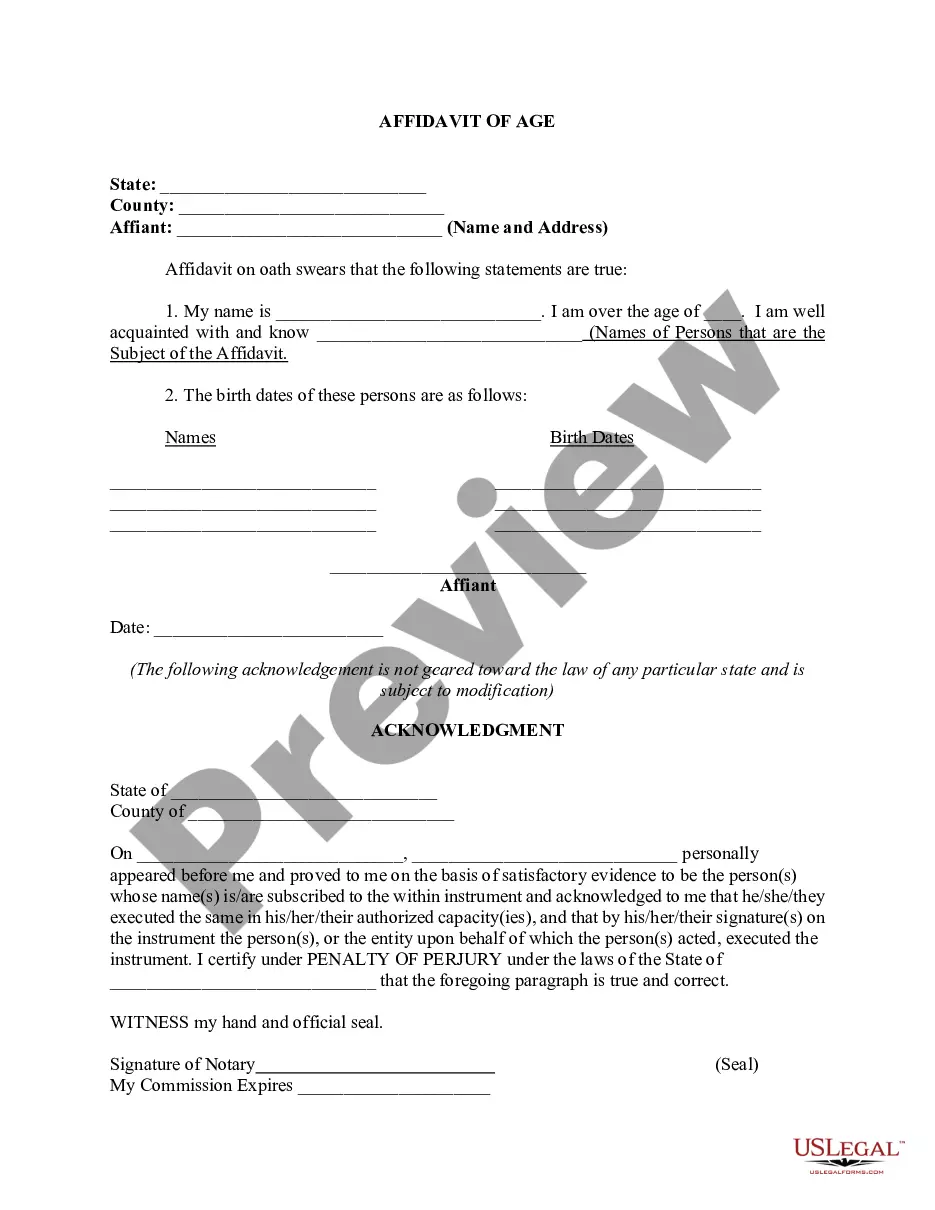
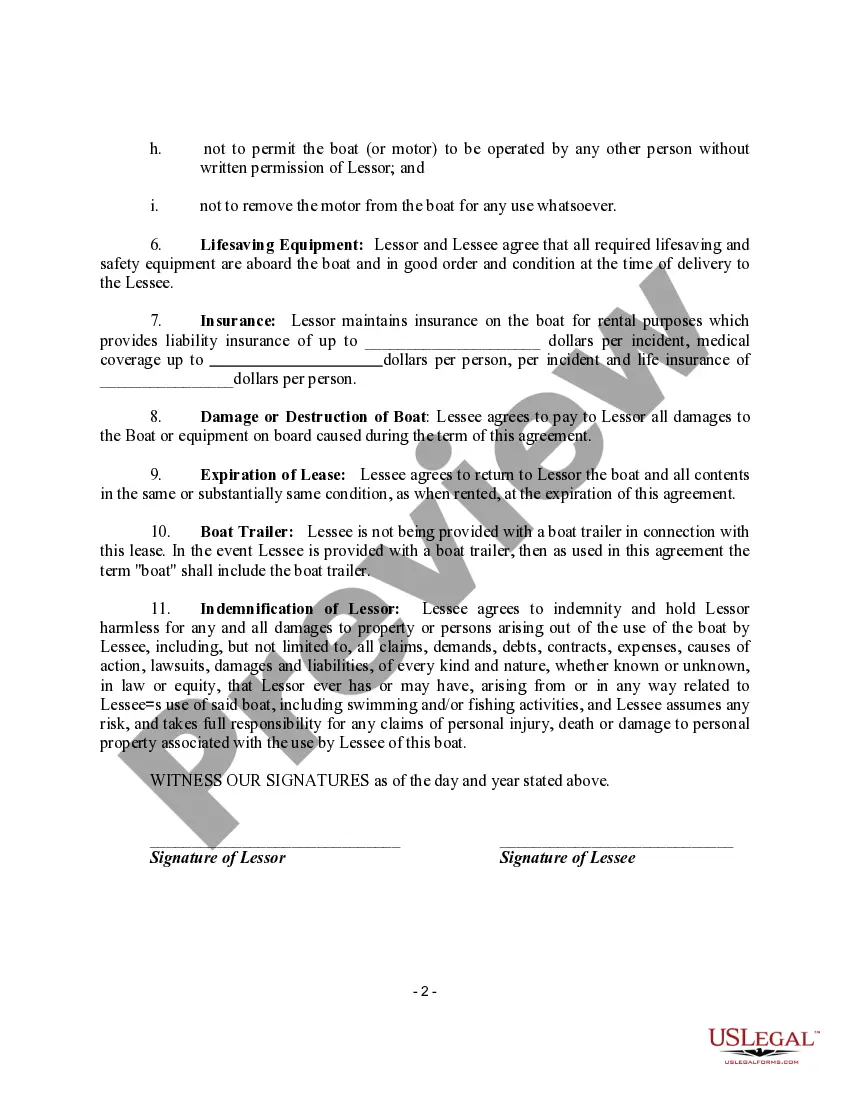
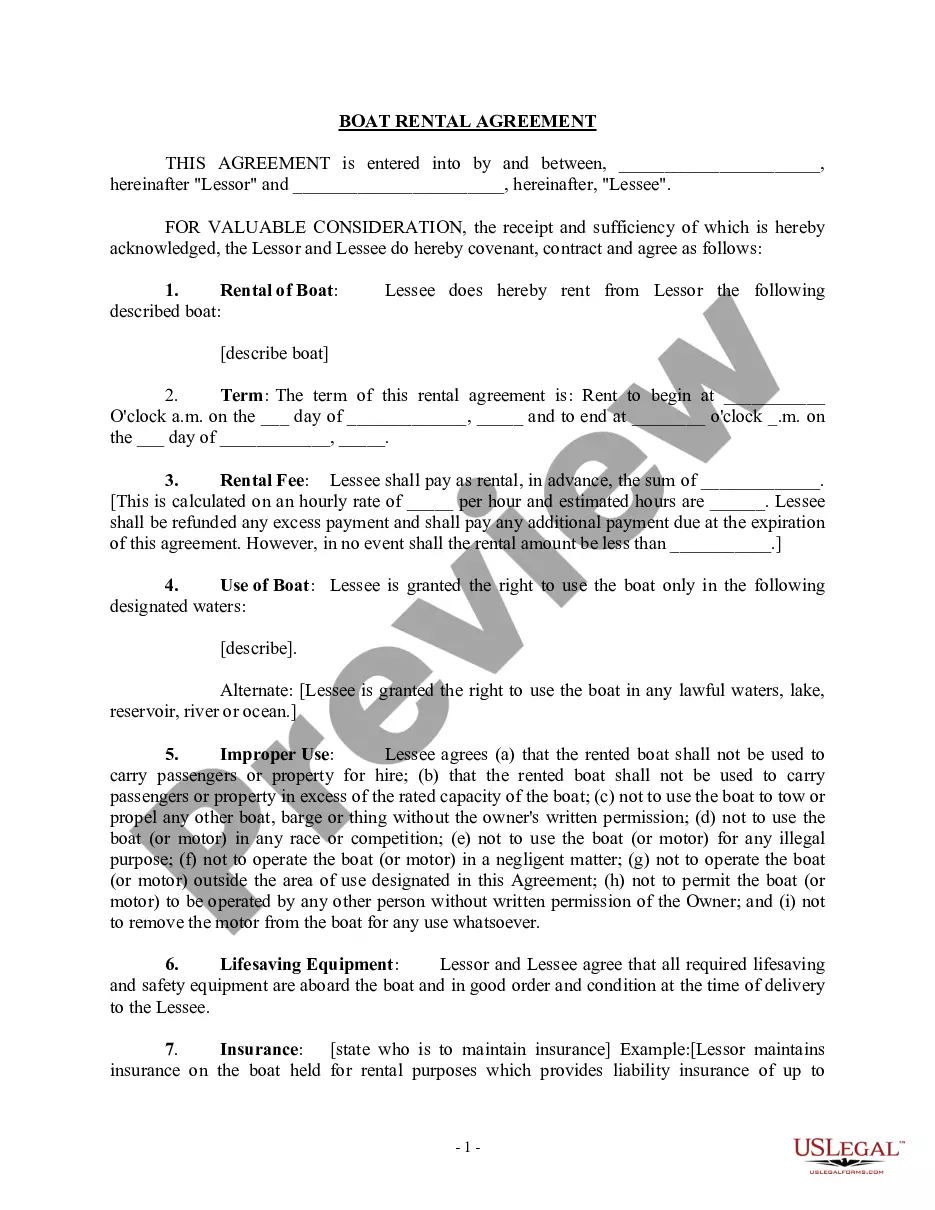
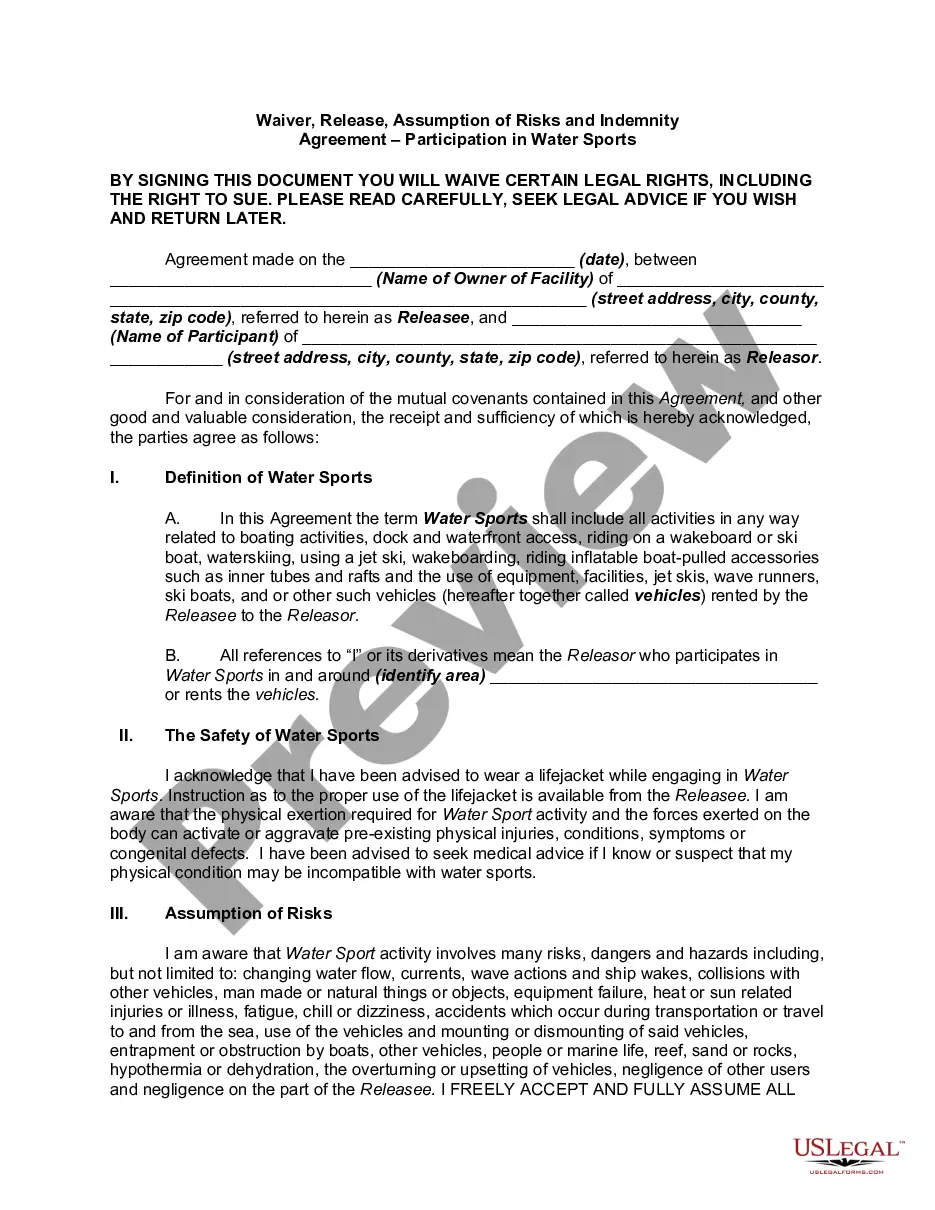
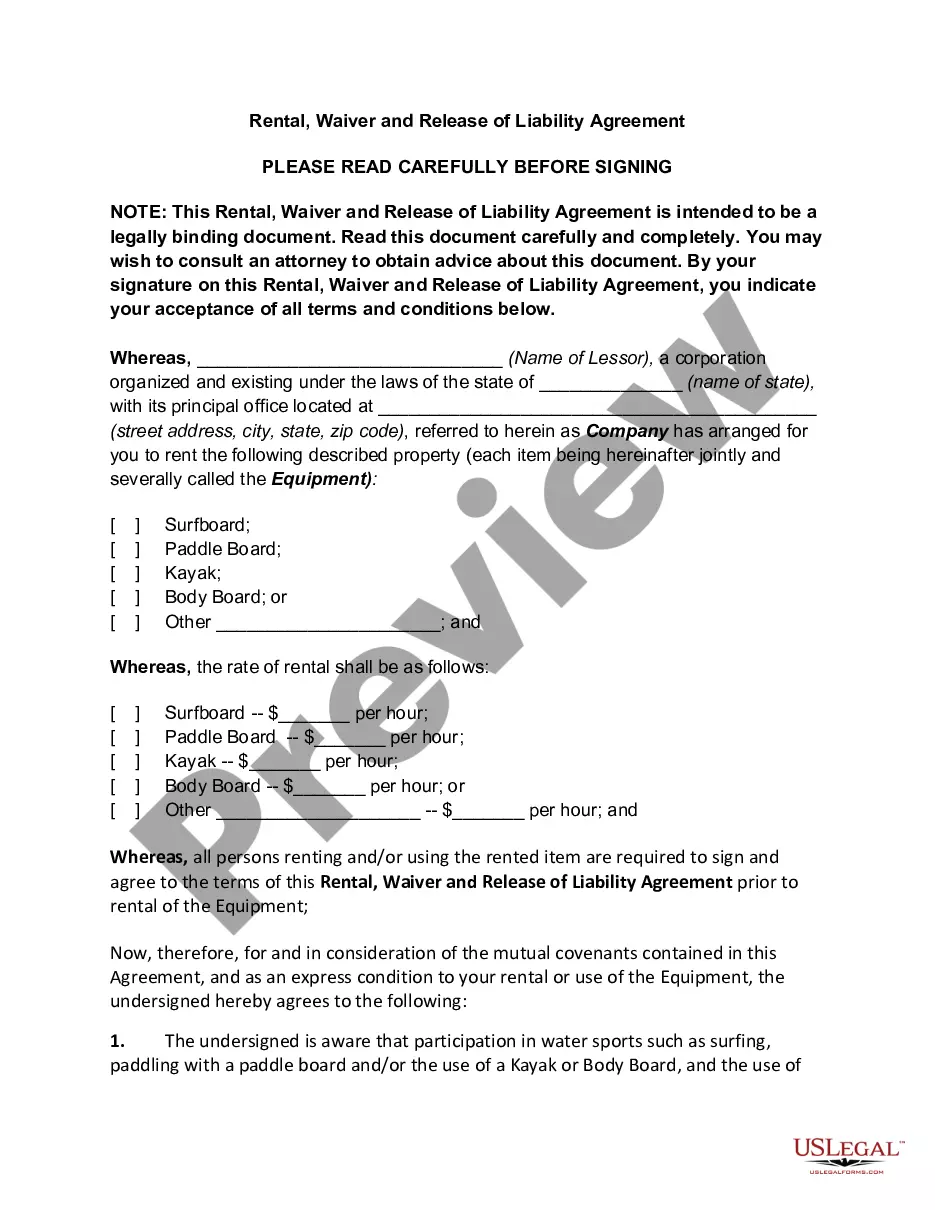
The Boat Rental Agreement with Personal Injury Waiver and Release of Personal or Property Damage and Indemnification of Lessor for Damage to Boat or Equipment is a legally binding contract between the boat owner (Lessor) and the person renting the boat (Lessee). This document outlines the terms under which the boat is rented, including rental fees, responsibilities for damage, use restrictions, and a waiver of liability for personal injury or property damage that may occur during the rental period. This form is essential for protecting both parties and ensuring clarity regarding their responsibilities, which sets it apart from general rental agreements.
Key parts of this document
- Rental agreement details: Specifies the parties involved, rental term, and boat description.
- Rental fee: Outlines the cost of renting the boat.
- Use restrictions: Defines where and how the boat can be used, including prohibited activities.
- Damage responsibility: Details Lessee's obligation to cover any damages or loss incurred during the rental.
- Indemnification clause: Protects the Lessor from claims arising from Lessee's use of the boat.
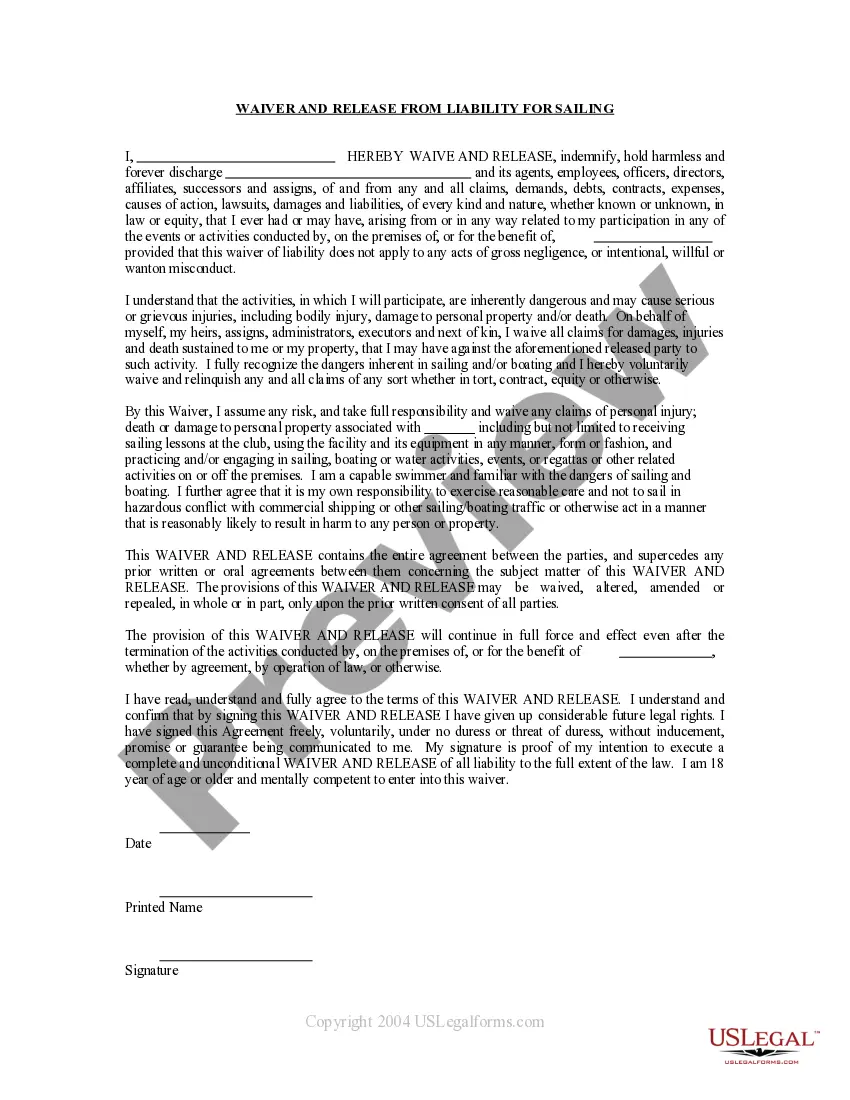
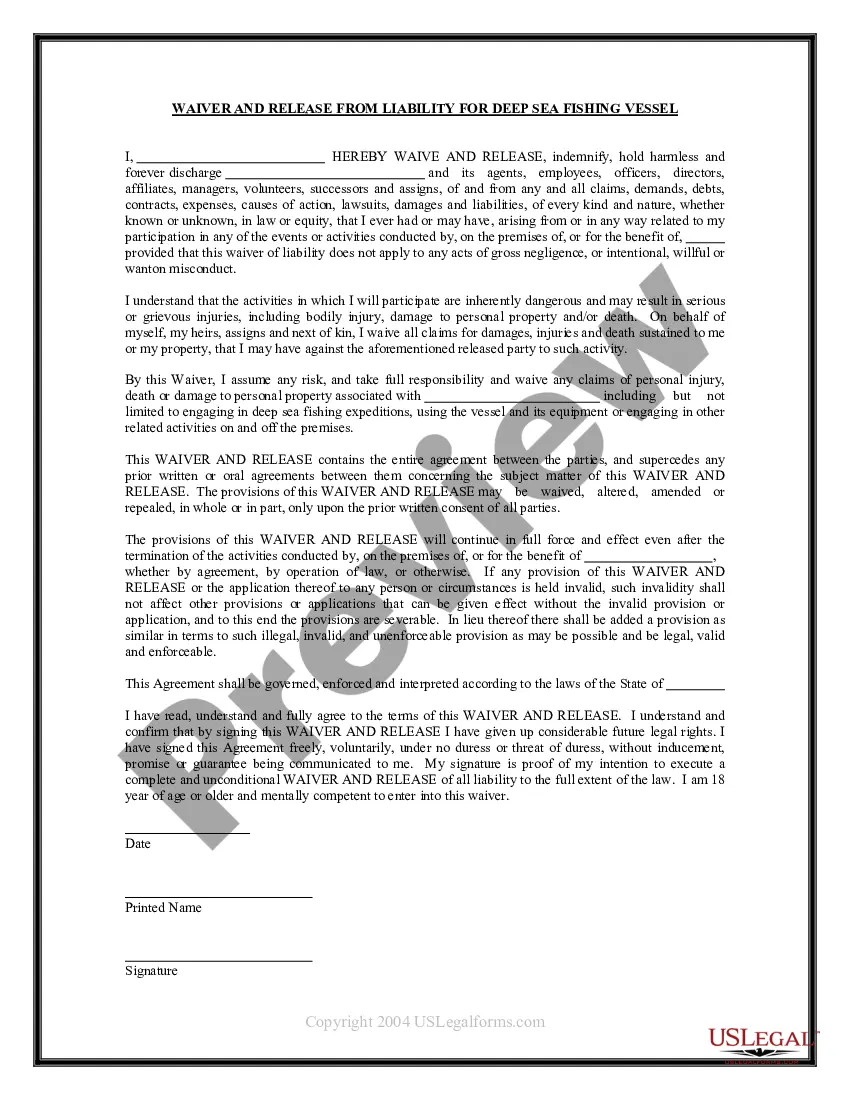
- Waiver and release: Informs Lessee about the liability coverage and their acceptance of risks associated with boating activities.

When to use this form
This form is useful when renting a boat for recreational purposes. Whether you are planning a day out on the water for fishing, swimming, or leisure activities, this agreement ensures that all parties are aware of the terms of the rental and their responsibilities. It's particularly important to use this form if you wish to limit liability and clearly establish financial responsibilities concerning damage to the boat or equipment.
Who can use this document
This agreement should be used by:
- Boat owners (Lessors) who rent out their boats to individuals.
- Individuals (Lessees) planning to rent a boat for recreational activities.
- Businesses that offer boat rentals and require a clear contract with liability waivers.
Steps to complete this form
- Identify the parties involved by entering the names of the Lessor and Lessee.
- Describe the boat being rented, including make, model, and any identifying information.
- Specify the rental term by entering start and end dates and times for the rental period.
- Enter the rental fee amount and any applicable use restrictions for the boat.
- Have both parties sign and date the agreement to make it legally binding.
Does this form need to be notarized?
Notarization is not commonly needed for this form. However, certain documents or local rules may make it necessary. Our notarization service, powered by Notarize, allows you to finalize it securely online anytime, day or night.
Get your form ready online
Our built-in tools help you complete, sign, share, and store your documents in one place.
Make edits, fill in missing information, and update formatting in US Legal Forms—just like you would in MS Word.
Download a copy, print it, send it by email, or mail it via USPS—whatever works best for your next step.
Sign and collect signatures with our SignNow integration. Send to multiple recipients, set reminders, and more. Go Premium to unlock E-Sign.
If this form requires notarization, complete it online through a secure video call—no need to meet a notary in person or wait for an appointment.
We protect your documents and personal data by following strict security and privacy standards.

Make edits, fill in missing information, and update formatting in US Legal Forms—just like you would in MS Word.

Download a copy, print it, send it by email, or mail it via USPS—whatever works best for your next step.

Sign and collect signatures with our SignNow integration. Send to multiple recipients, set reminders, and more. Go Premium to unlock E-Sign.

If this form requires notarization, complete it online through a secure video call—no need to meet a notary in person or wait for an appointment.

We protect your documents and personal data by following strict security and privacy standards.
Common mistakes to avoid
- Failing to clearly describe the boat, leading to potential disputes.
- Not specifying the designated waters where the boat can be used.
- Overlooking to include rental fees or payment terms.
- Not checking for signatures from both parties, which can render the agreement unenforceable.
- Ignoring local laws that may affect the terms of the agreement.
Why complete this form online
- Convenience of immediate access and downloadable format for easy completion.
- Editable sections allow for customization to fit specific rental situations.
- Reliable and compliant templates drafted by licensed attorneys, ensuring legal validity.
Looking for another form?









Form popularity
FAQ
A liability waiver, or release waiver, is a legal document that a company or organization requires members of the public to sign in order to protect their organization from being sued if you sustain an injury.Depending on the facts of your case, you may still be able to file a lawsuit and recover damages.
If you've been injured due to negligent actions, you can sue even if you signed a waiver. Winning a lawsuit concerning negligence is not uncommon. Many celebrities have sued for negligence even though they signed documents stating they understood the risks.
A liability waiver, or release of liability, is a legal document that a company or organization has you sign in order to protect them from being sued in the event that you are injured.
Release Versus Waiver The main difference between releases and waivers is the transferring of ownership. When rights are released, they are transferred to another party. When rights are waived, they are gone altogether.In the case of the skydiver, they might be asked to sign a release form rather than a waiver.
200bStart the letter off with a clear explanation regarding your request. For instance, explain that you're requesting certain fees or charges to be waived or to be released from a previous engagement. Communicate any supporting or relative dates, names of parties, monetary figures, or venues as facts.
NOTICE TO RESIDENTS: THE PROPERTY DAMAGE LIABILITY WAIVER ONLY WAIVES YOUR OBLIGATION TO INDEMNIFY THE OWNER FOR ACCIDENTAL DAMAGES CAUSED BY YOUR NEGLIGENT ACTS OR OMISSIONS AS DESCRIBED HEREIN.
A release and waiver agreement is an enforceable promise not to pursue legal action in exchange for compensation. The releasee gives money or some other form of compensation to the releasor, who then agrees not to press charges, sue, or take any other legal action against the releasee.
Get help. Writing a waiver should not be complicated. Use the correct structure. Proper formatting. Include a subject line. Include a caution! Talk about the activity risks. Do not forget an assumption of risk. Hold harmless.
In California, a liability waiver must be clear, unambiguous, and explicit. In other words, waivers cannot be printed in faded ink, in small font, on the back of a paper, or in an otherwise ambiguous form. If the waiver that you sign is not represented clearly, it may not hold up in the event of a lawsuit.