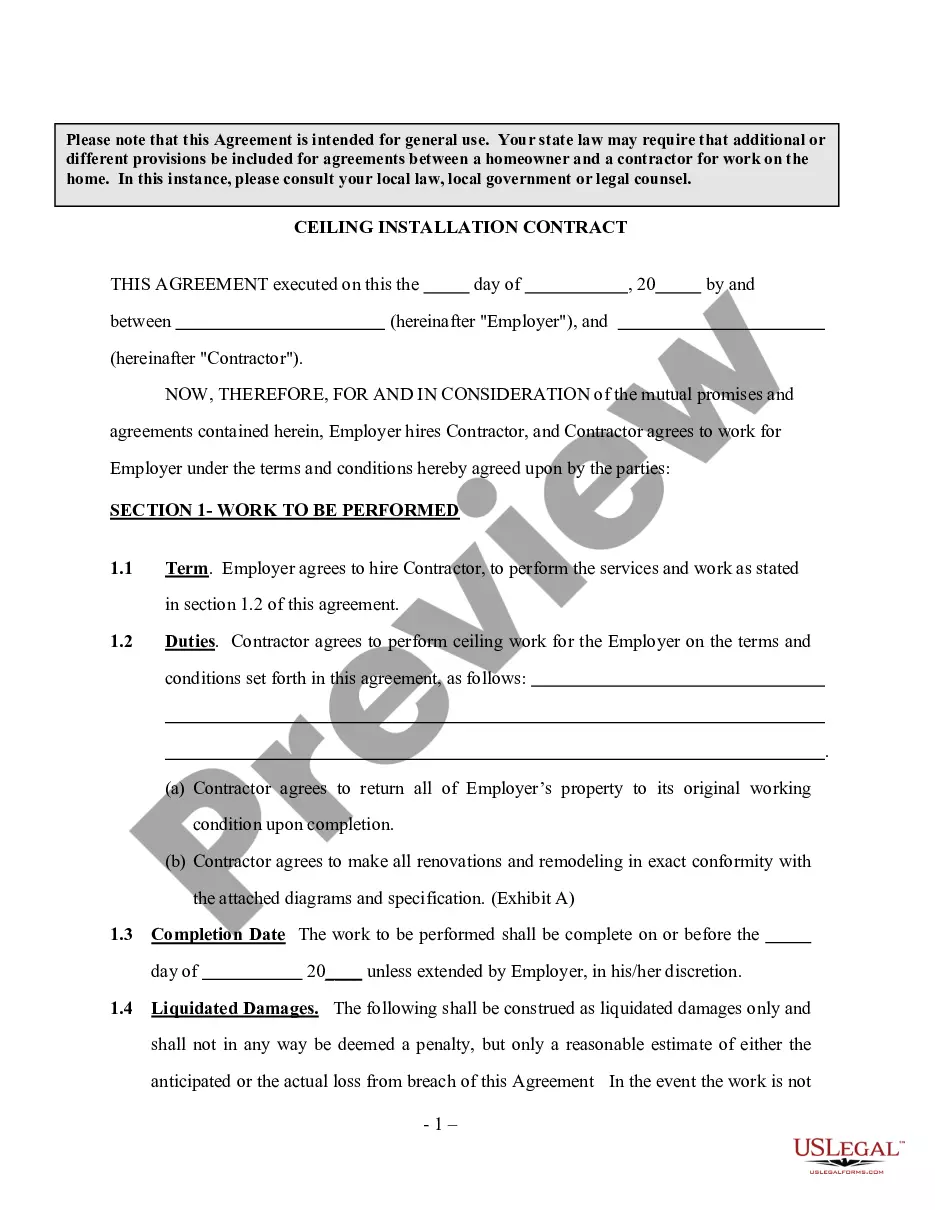
Petition to Set Aside Conveyance of Cemetery
Understanding this form
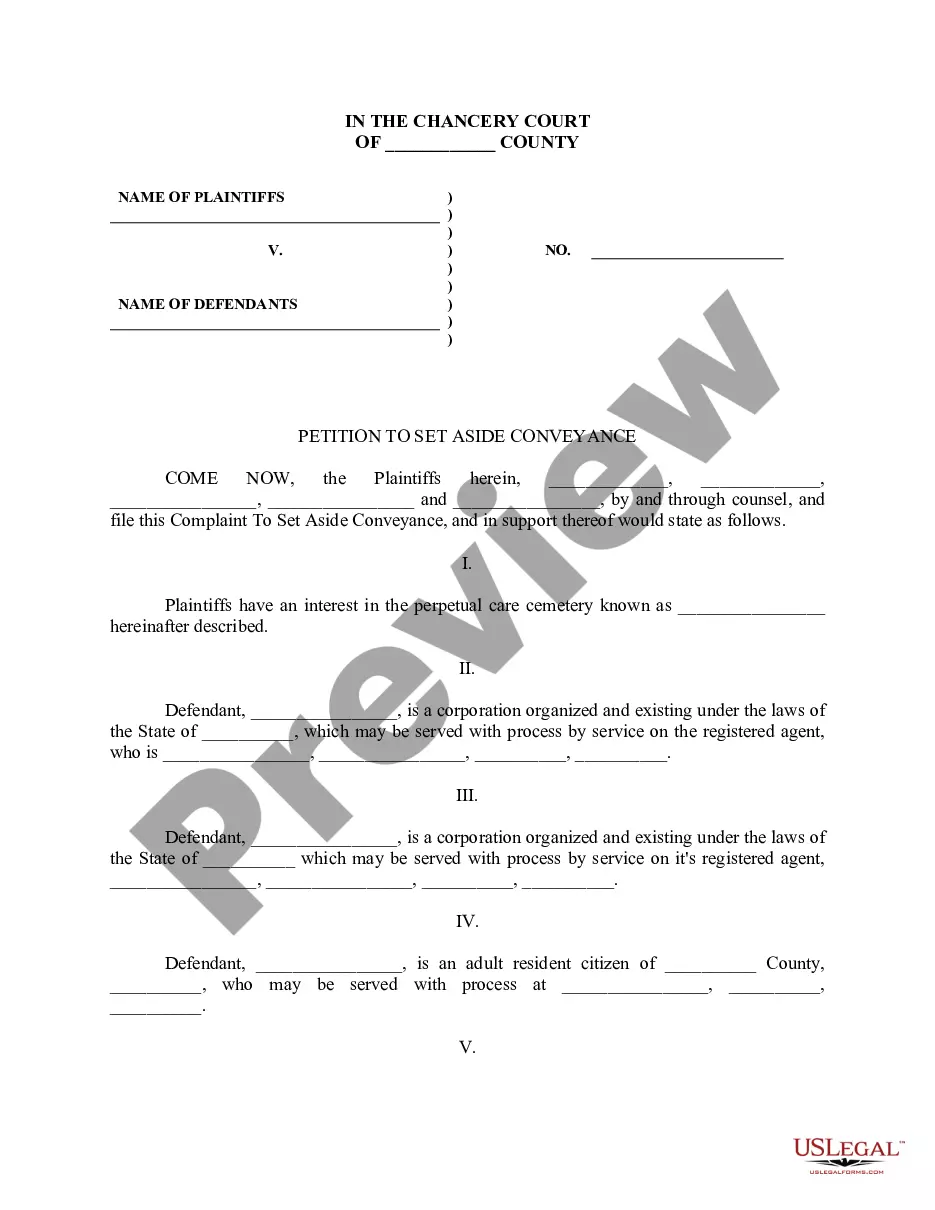
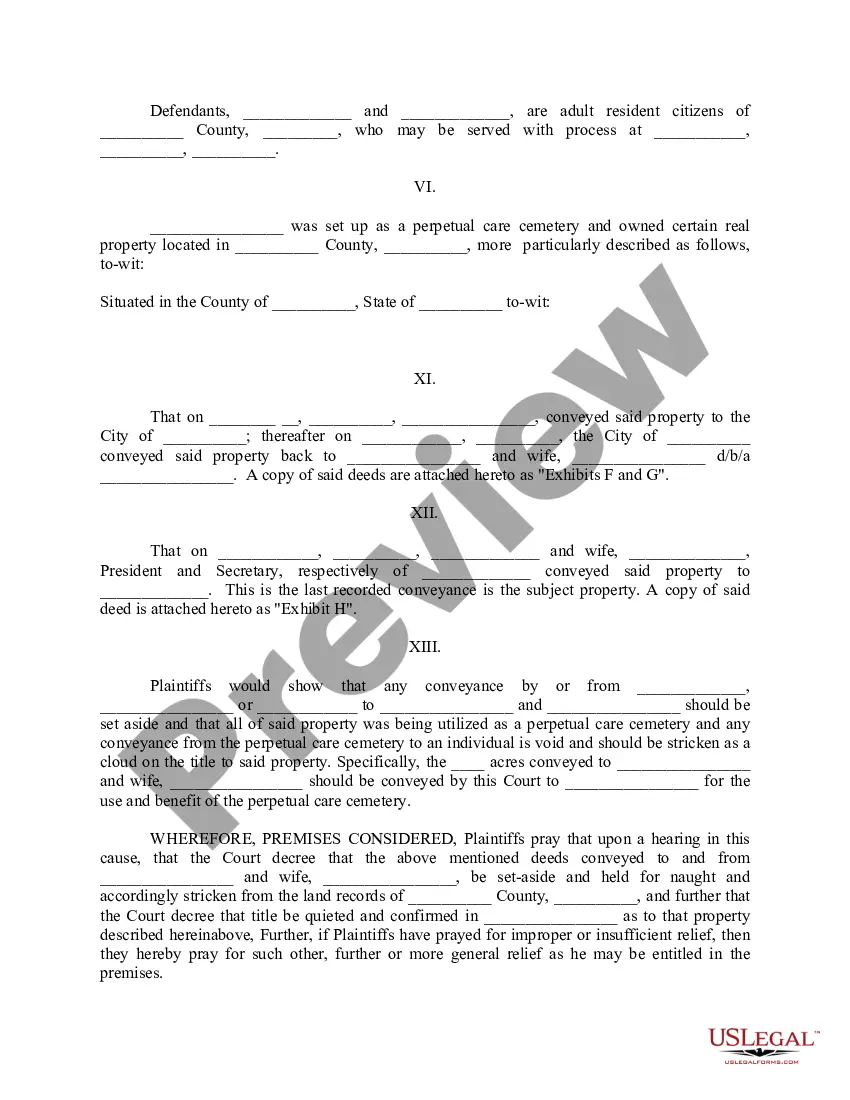
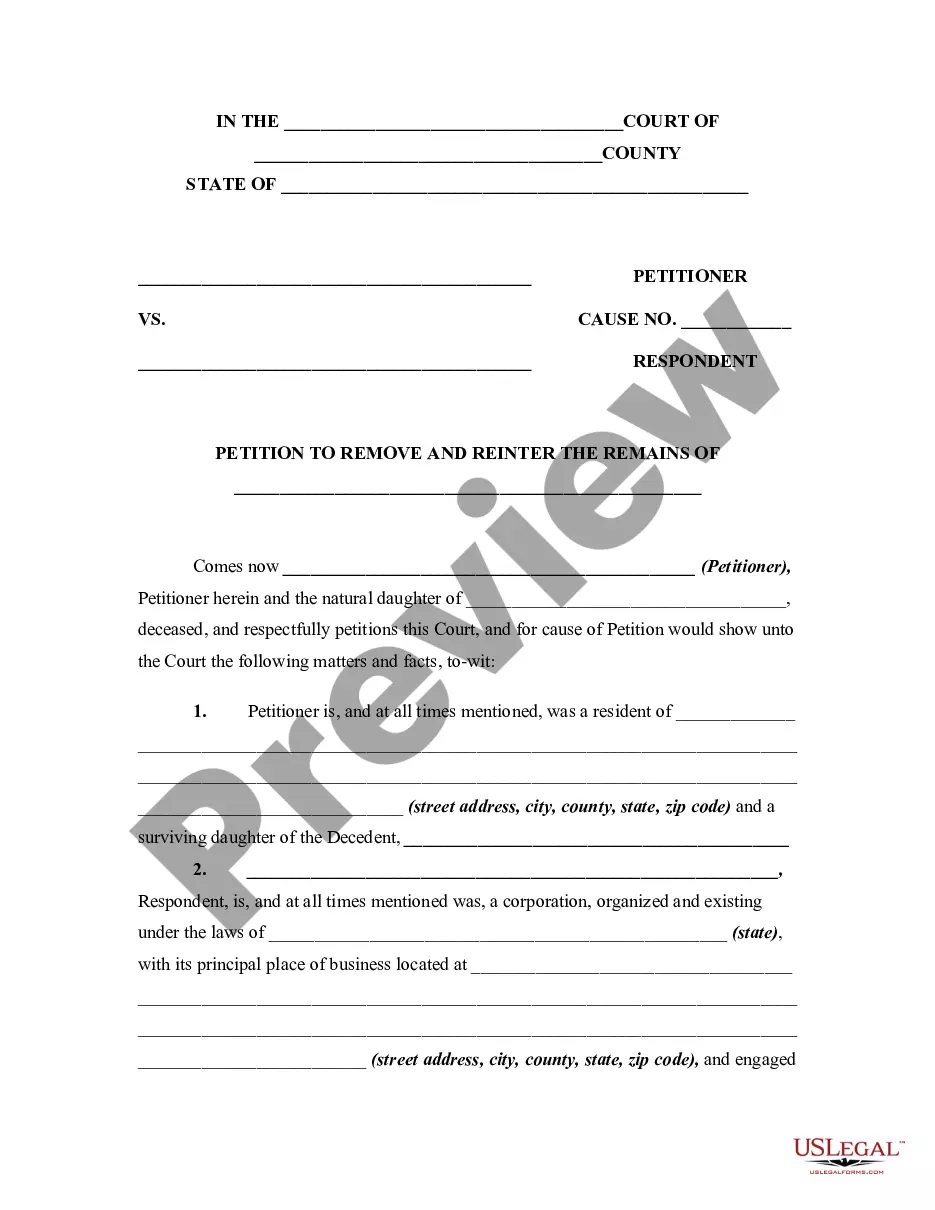
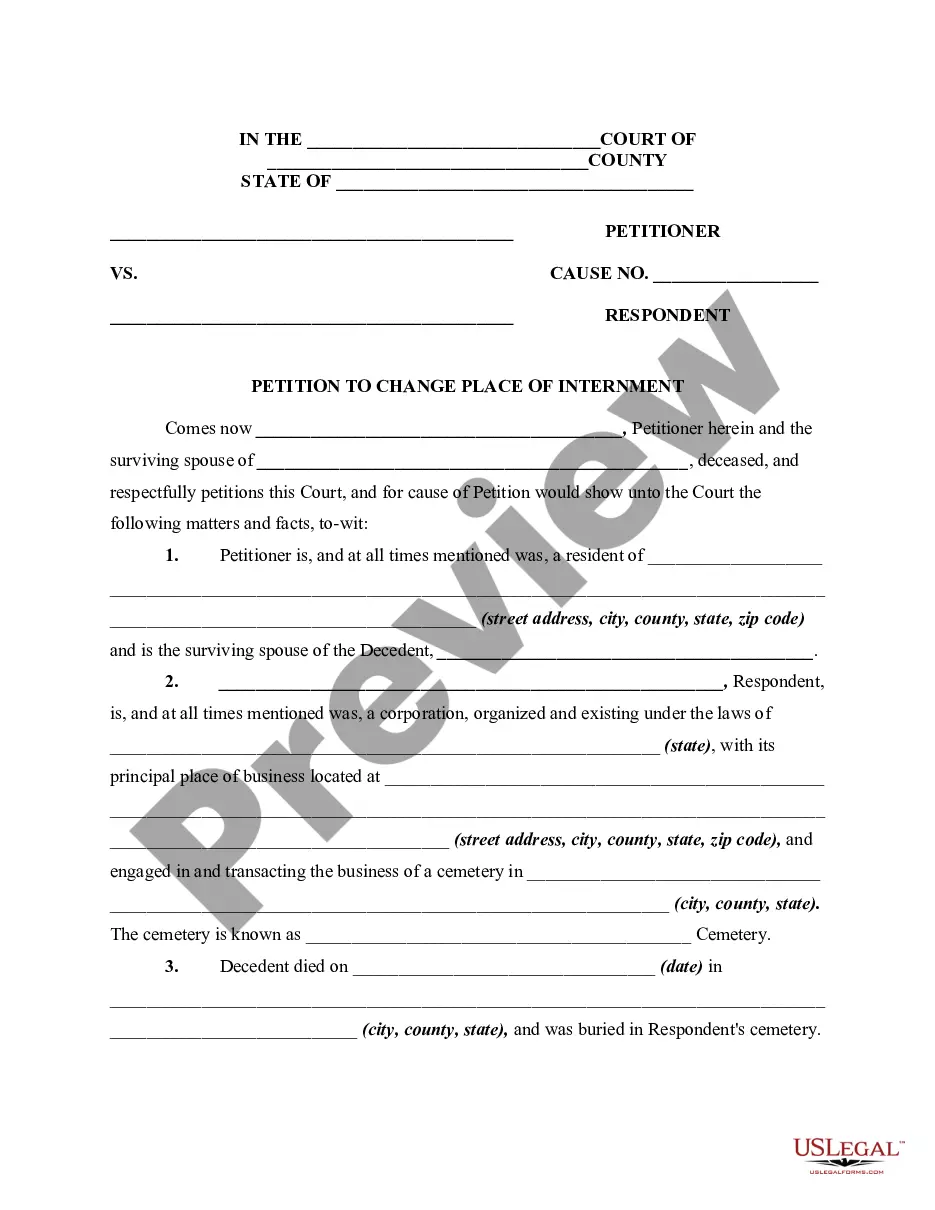
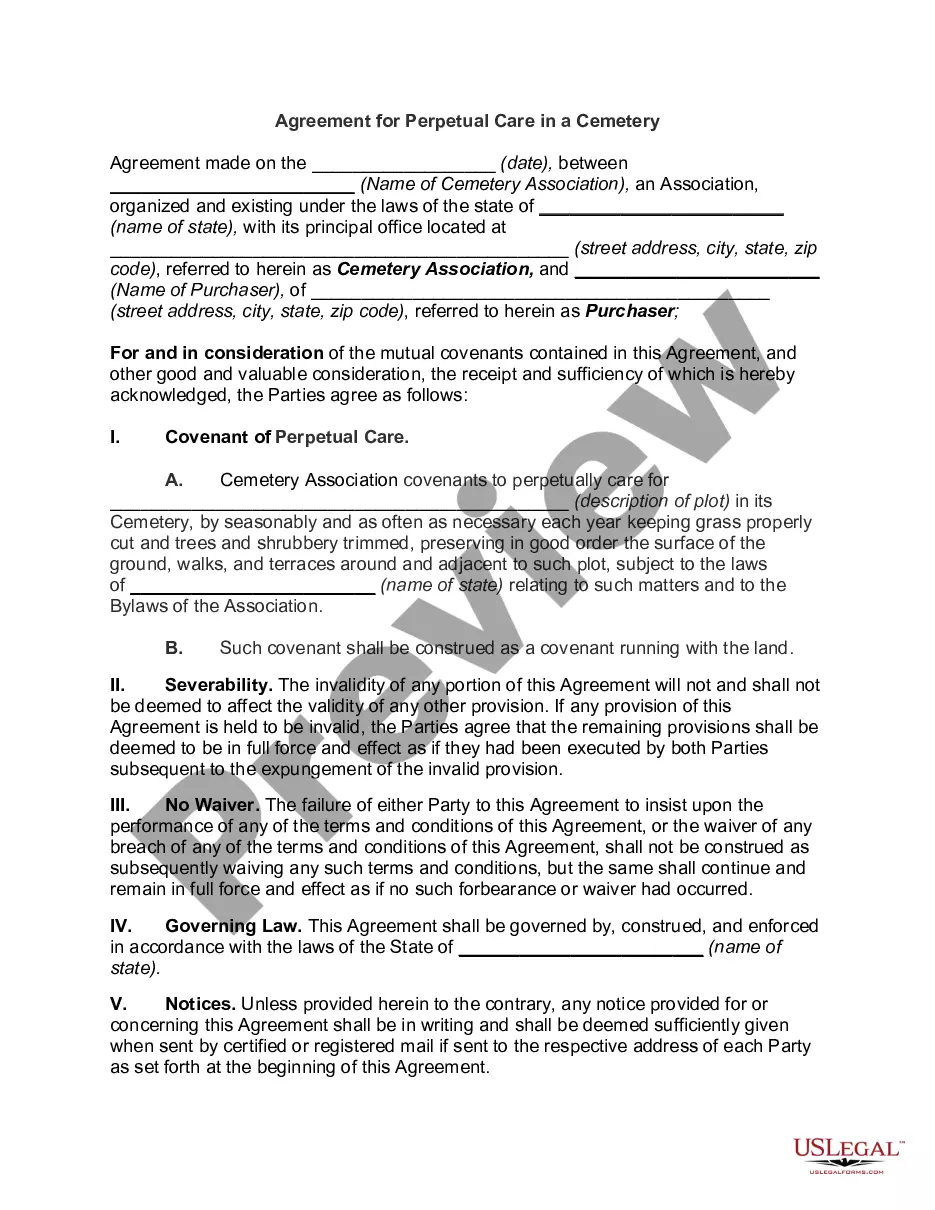
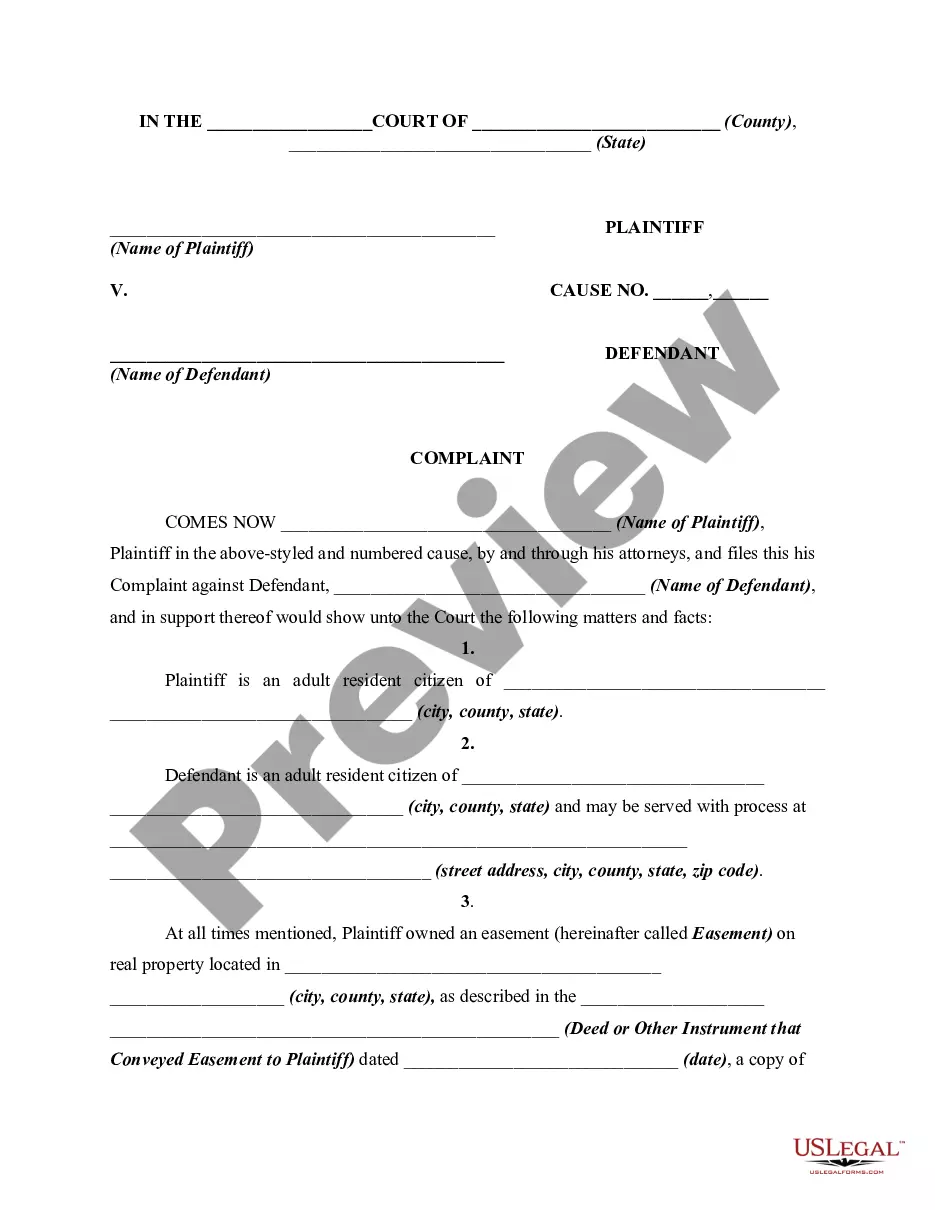
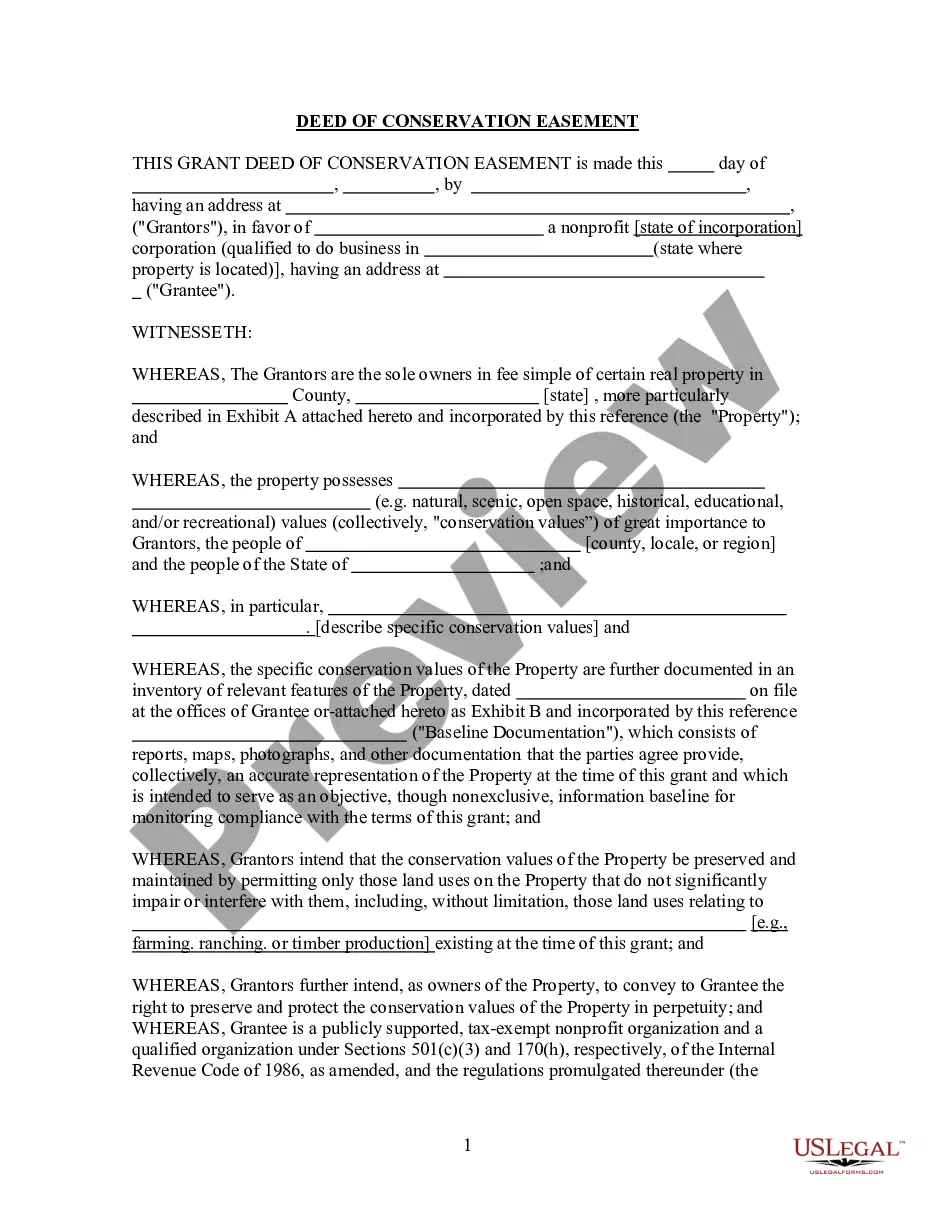
The Petition to Set Aside Conveyance of Cemetery is a legal document used to challenge the validity of property transfers related to cemetery lands. This form enables plaintiffs to request a court ruling to nullify certain property conveyances, particularly those involving perpetual care cemeteries. Unlike general property forms, this petition specifically addresses the unique circumstances surrounding cemetery property management and ownership rights.
What’s included in this form
- Identification of plaintiffs and defendants involved in the case.
- Detailed description of the cemetery property in question.
- History of property conveyances, including specific dates and parties involved.
- Request for court intervention to nullify certain conveyances and affirm property title.
- Signature lines for all relevant parties to submit the petition.

Common use cases
This form should be used when individuals or entities believe that property transfers involving cemetery land were conducted improperly or without legal authority. Typical scenarios for use include disputes over ownership rights, challenges to dubious conveyances, and situations where the cemetery property is essential for perpetual care and maintenance.
Who should use this form
- Individuals or organizations asserting a legal interest in a cemetery property.
- Legal representatives of a perpetual care cemetery looking to protect its assets.
- Parties involved in a dispute regarding the conveyance of cemetery land.
Completing this form step by step
- Identify the plaintiffs and defendants, including full legal names and addresses.
- Describe the cemetery property, providing its location and any relevant legal descriptions.
- Enter the dates of previous conveyances and the parties involved in those transfers.
- Clearly state the reasons for requesting to set aside the conveyances.
- Review the completed form for accuracy, sign, and date before filing.
Notarization guidance
This form needs to be notarized to ensure legal validity. US Legal Forms provides secure online notarization powered by Notarize, allowing you to complete the process through a verified video call, available anytime.
Get your form ready online
Our built-in tools help you complete, sign, share, and store your documents in one place.
Make edits, fill in missing information, and update formatting in US Legal Forms—just like you would in MS Word.
Download a copy, print it, send it by email, or mail it via USPS—whatever works best for your next step.
Sign and collect signatures with our SignNow integration. Send to multiple recipients, set reminders, and more. Go Premium to unlock E-Sign.
If this form requires notarization, complete it online through a secure video call—no need to meet a notary in person or wait for an appointment.
We protect your documents and personal data by following strict security and privacy standards.

Make edits, fill in missing information, and update formatting in US Legal Forms—just like you would in MS Word.

Download a copy, print it, send it by email, or mail it via USPS—whatever works best for your next step.

Sign and collect signatures with our SignNow integration. Send to multiple recipients, set reminders, and more. Go Premium to unlock E-Sign.

If this form requires notarization, complete it online through a secure video call—no need to meet a notary in person or wait for an appointment.

We protect your documents and personal data by following strict security and privacy standards.
Typical mistakes to avoid
- Failing to include all necessary parties involved in the property conveyance.
- Not providing a complete and accurate legal description of the cemetery property.
- Omitting critical dates related to the conveyances being challenged.
Benefits of using this form online
- Convenience of completing the form at your own pace, from anywhere.
- Editability allows for tailored adjustments to meet your specific situation.
- Access to templates drafted by licensed attorneys ensures legal compliance.
Legal use & context
- This petition serves as a formal request to the court, establishing the necessity to resolve ownership disputes over cemetery property.
- It is important to understand the limitations of this form, as it primarily addresses specific legal claims regarding property intended for perpetual care.
Key takeaways
- The Petition to Set Aside Conveyance of Cemetery is crucial for preserving the integrity of cemetery land.
- Accurate details of all involved parties and conveyances are essential for a successful petition.
- Understanding state-specific requirements is vital to ensure legality and compliance.
Looking for another form?

Form popularity
FAQ
What happens when the lease expires, on a new grave for 50 or 75 years? When you buy a grave you purchase the rights of burial in that grave for a set period of time. If the lease is not renewed, the burial rights will run out. No further internments may then be allowed in the grave.
The Registered Owner of the Deed of Exclusive Right of Burial has the automatic right to be buried in the grave; they may also allow others to be buried in the grave (space permitting). They do not, however, own the land itself. The ownership of the cemetery land remains with the Council.
What is the average cost to move a grave from one cemetery to a different cemetery? Wow, Chaz. That's quite the question. Short answer, you would be looking at anywhere from $8,000 $20,000, possibly more, depending on a variety of factors.
There are no laws that prohibit home burial, but you must check local zoning laws before establishing a home cemetery or burying on private land. It is also legally required to use a funeral director, even if you are burying on private land. Embalming is only required if a person died of a contagious disease.
To repatriate exhumed remains you will be required to provide an exhumation license application, a letter from the airline or shipping company that would be transporting the remains confirming their role in the repatriation, and a letter from the cemetery that the deceased will be reinterred in.
The original headstones are either saved and placed above the new graves or buried alongside the boxes. Cemetery relocations are not at all uncommon, since developers often need to clear out graveyards from valuable tracts of land.The final authority to move a cemetery generally comes from a town or city council.
You will need to contact the current cemetery and the new cemetery to coordinate plans for the transfer of the body. When having a body disinterred and moved, you may need to purchase a new casket for the transportation and reburial.
Burial laws differ from state to state. For most states, the answer is Yes, you can be buried on your property. Only three states have outlawed home burial. They are Indiana, California, and Washington.
Decide if you will be present for the exhumation. You do not need to be present for the exhumation but you do need to make sure the proper officials are present. Moving a grave is a potential public health hazard, so you should make sure there is an environmental health officer present during the exhumation.