Texas Last Will and Testament for Married Person with Adult Children
Overview of this form
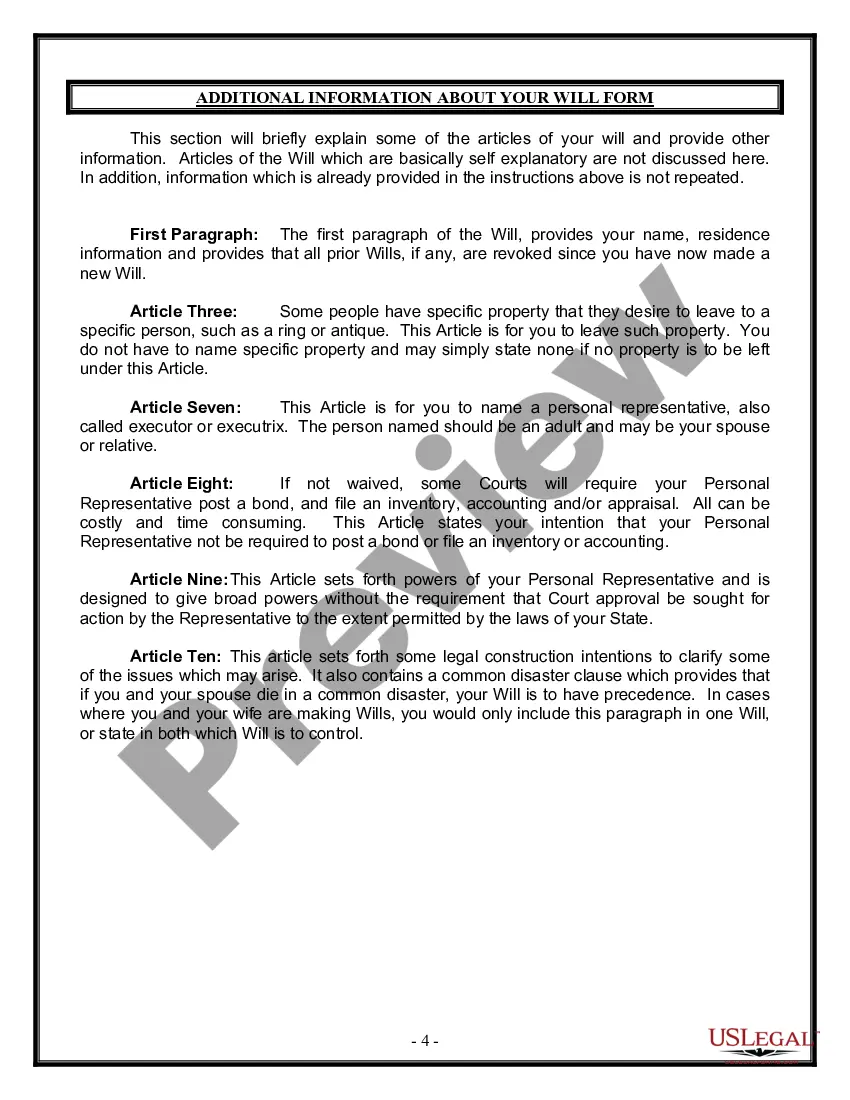
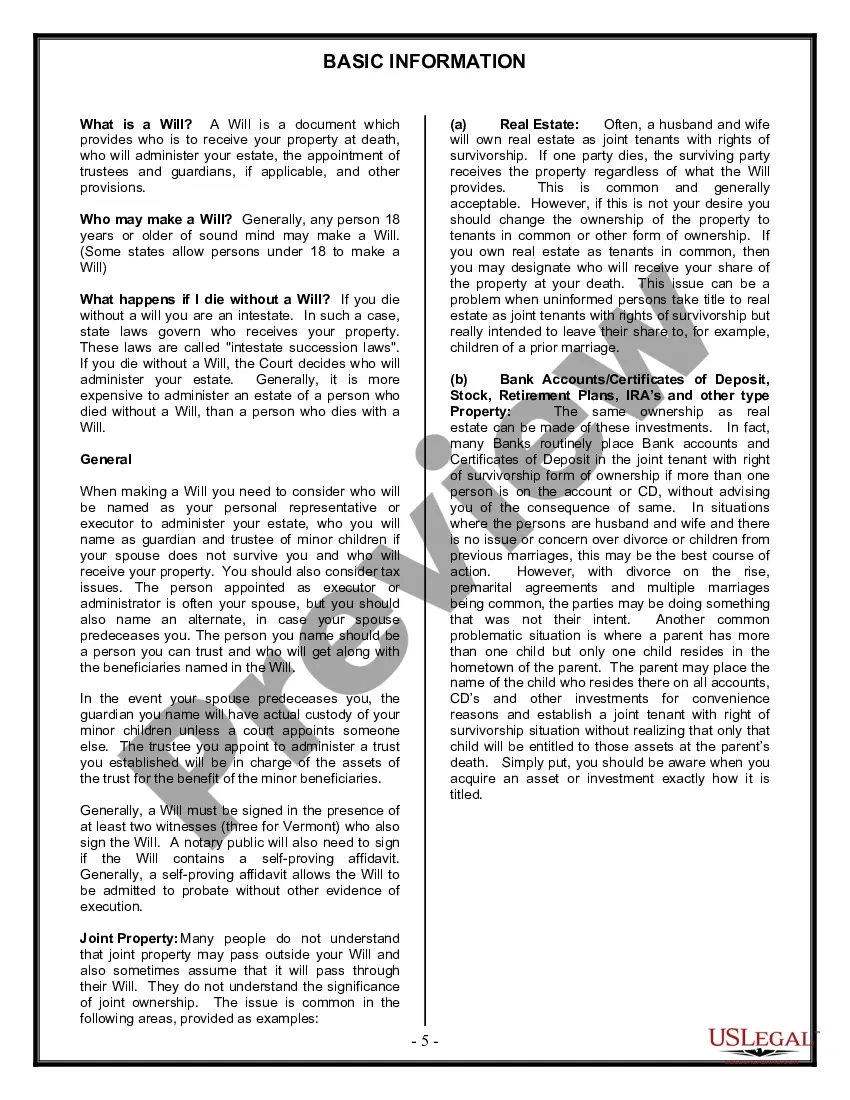
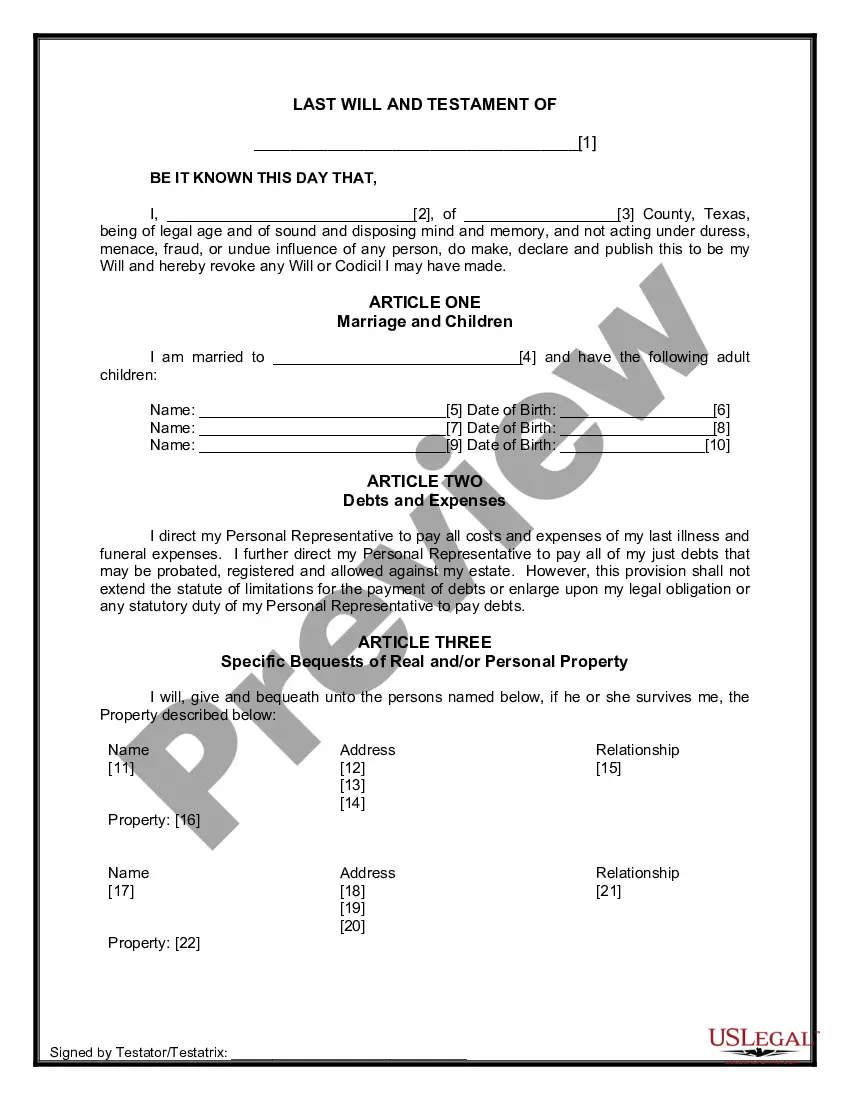
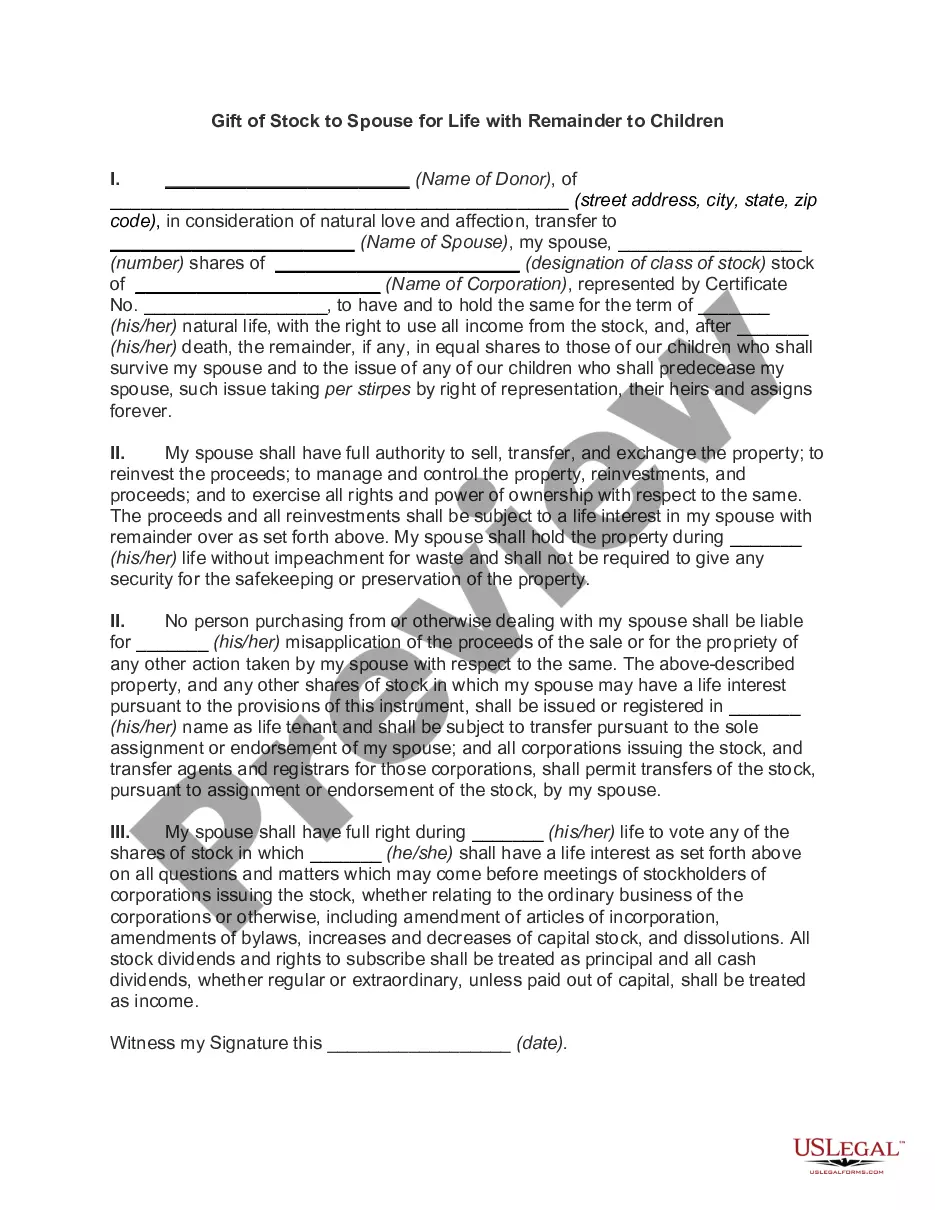
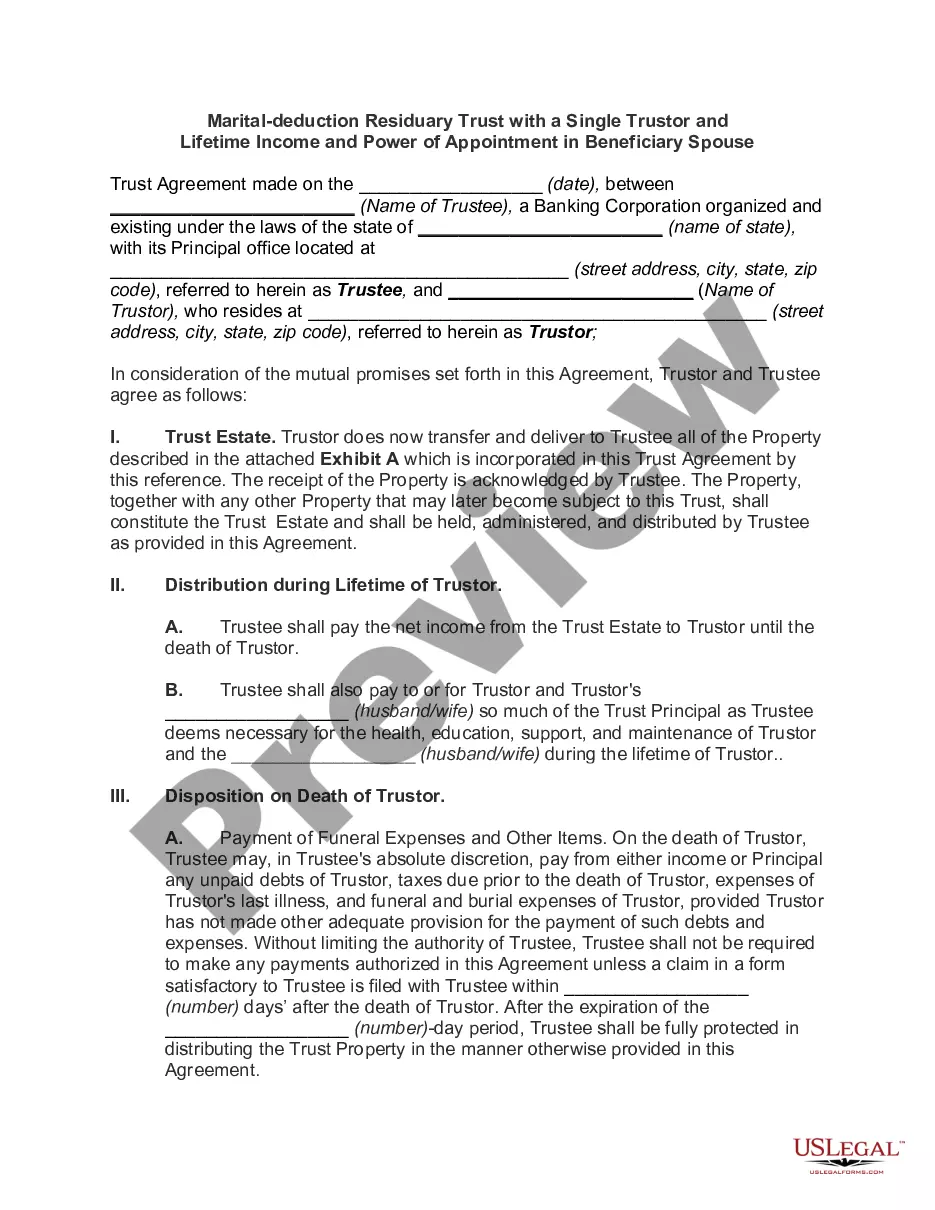
The Last Will and Testament for Married Person with Adult Children is a legal document that outlines how a married individual with adult children wishes to distribute their property and assets after death. This form allows the testator (the person creating the will) to appoint a personal representative, specify beneficiaries, and outline other important provisions. It differs from other wills by considering the unique dynamics of a married person with adult children, ensuring that both the spouse and children are addressed in the distribution of assets.
Key components of this form
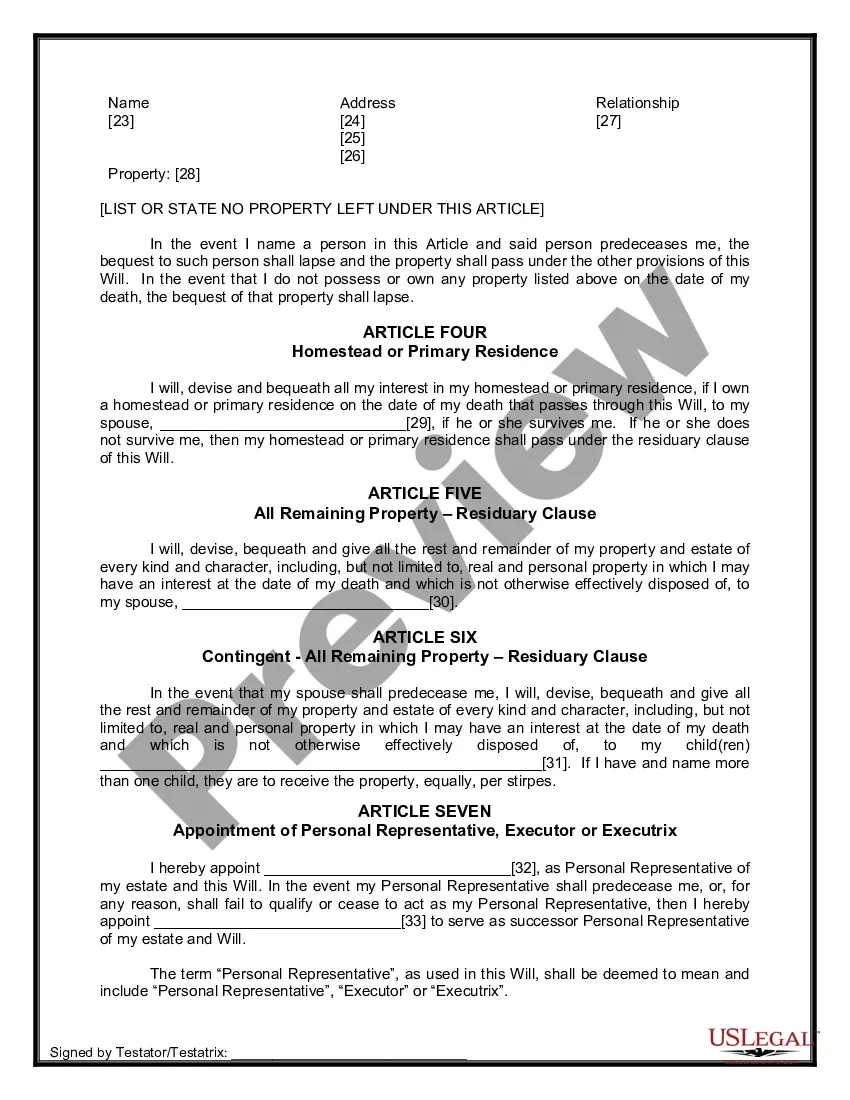
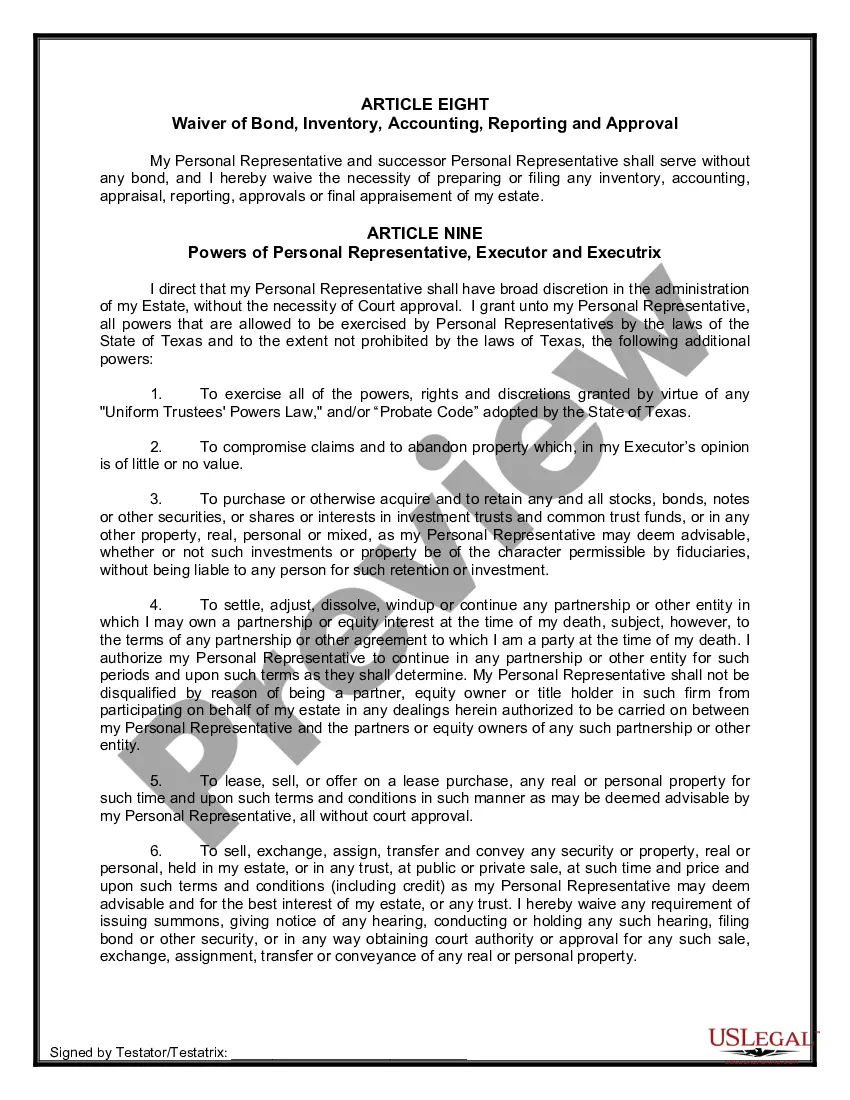
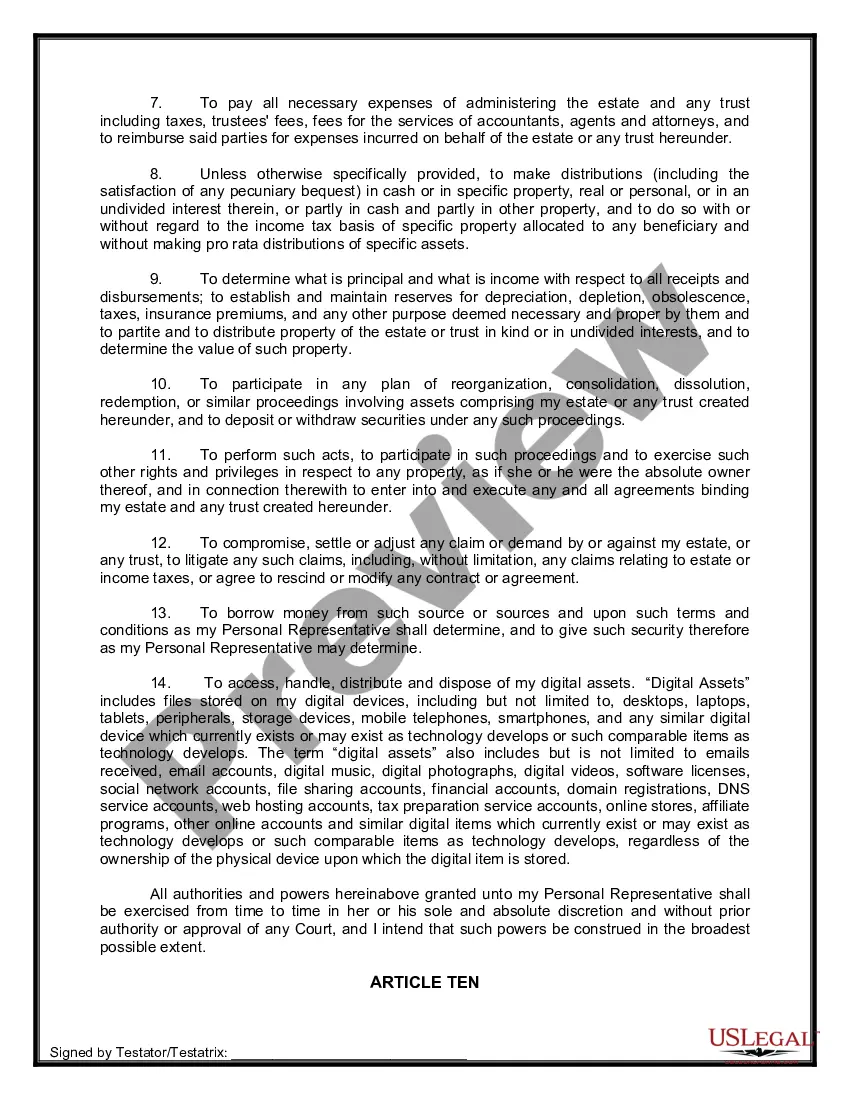
- Appointment of a personal representative or executor to manage the estate.
- Specification of beneficiaries, including spouse and adult children.
- Provisions for specific bequests of property to named individuals.
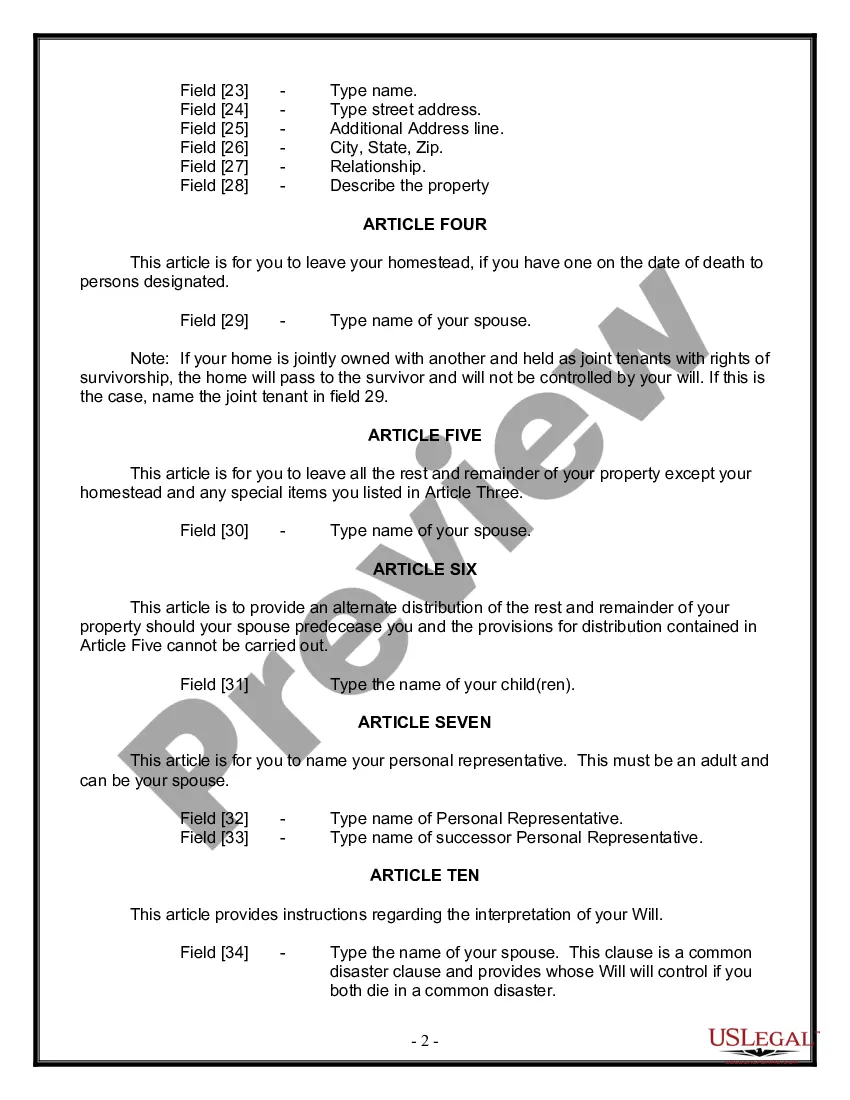
- Instructions regarding homestead or primary residence.
- Residuary clause covering all remaining property not specifically bequeathed.
- Legal provisions for modifications and jurisdiction-specific interpretations.




When to use this document
This form should be used when a married individual with adult children wants to create a legally binding last will and testament. It is especially important when individuals wish to ensure that their spouse and children are provided for after their death, and when they want to avoid complications that could arise from dying without a will. This will also be beneficial if the testator has specific items of value they wish to leave to particular individuals.
Who should use this form
- Married individuals with adult children who want to legally document their estate distribution wishes.
- Individuals seeking a clear and structured way to manage their assets after death.
- Anyone who has specific bequests or wishes regarding property that is not subject to general distribution.
Instructions for completing this form
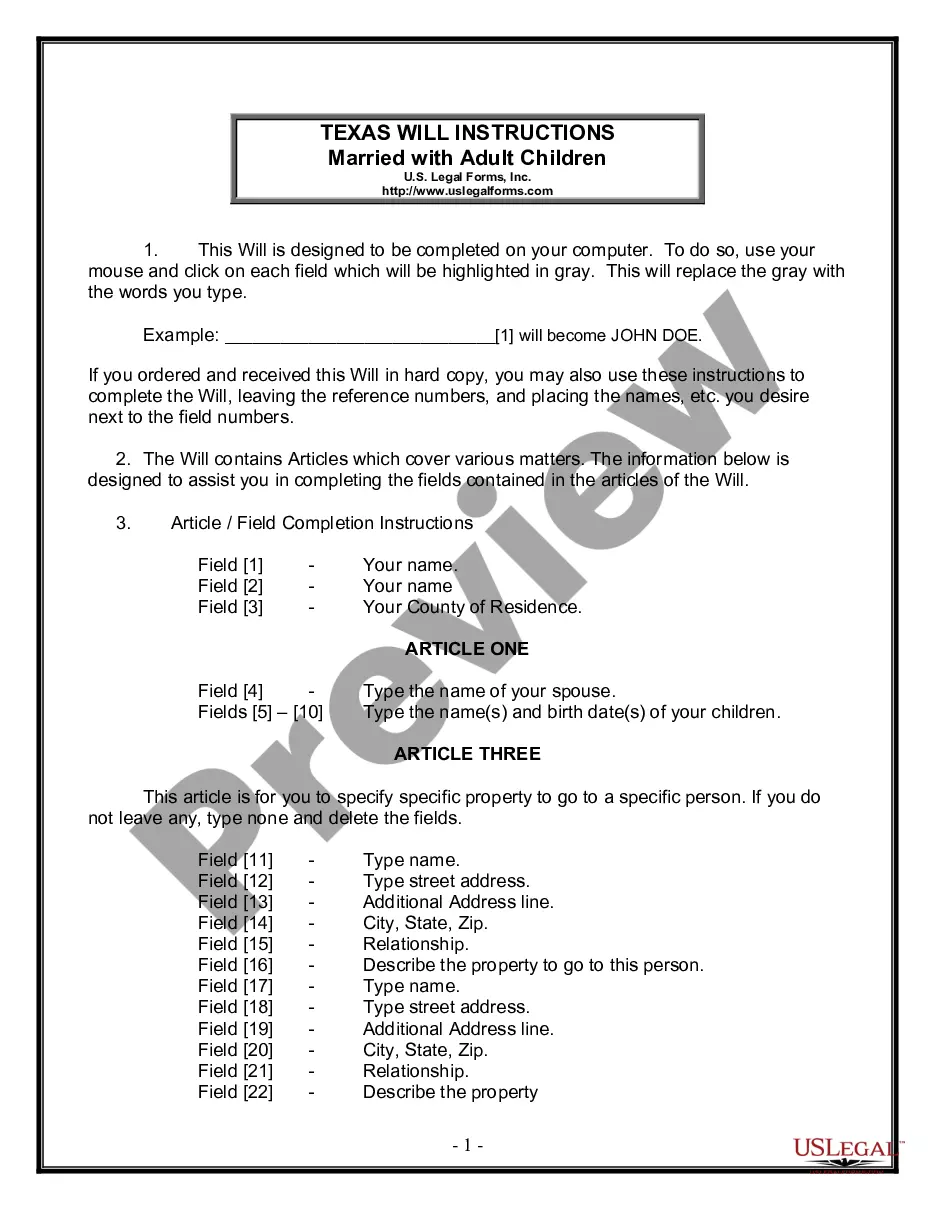
- Identify yourself by entering your full name and county of residence.
- Specify your spouse's name and the names and birthdates of your adult children.
- List specific bequests of property by providing names, addresses, relationships, and descriptions of the property.
- Designate your personal representative and, if desired, a successor representative.
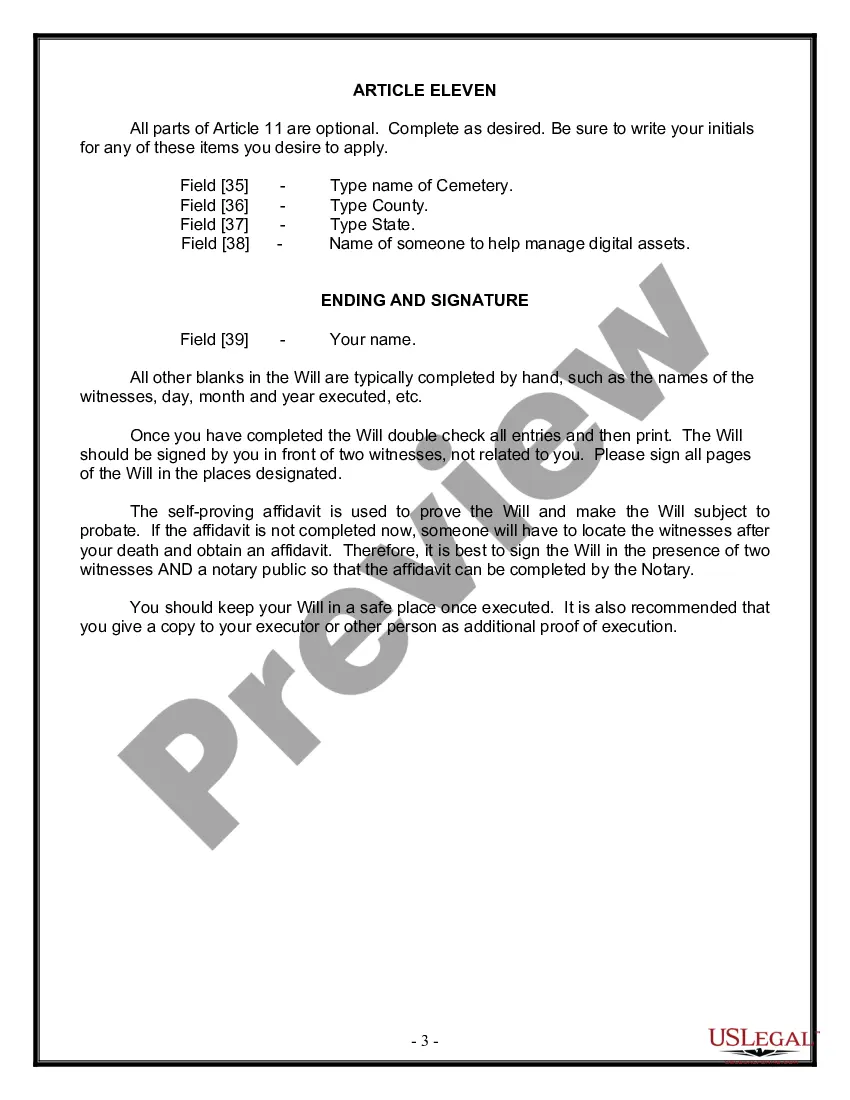
- Review the entire completed will, ensuring accuracy and clarity before printing for signatures.
Does this form need to be notarized?
Yes, this form must be notarized to be legally valid. It requires the presence of a notary public when the will is signed. US Legal Forms offers integrated online notarization services, so you can complete this process securely and conveniently.
Get your form ready online
Our built-in tools help you complete, sign, share, and store your documents in one place.
Make edits, fill in missing information, and update formatting in US Legal Forms—just like you would in MS Word.
Download a copy, print it, send it by email, or mail it via USPS—whatever works best for your next step.
Sign and collect signatures with our SignNow integration. Send to multiple recipients, set reminders, and more. Go Premium to unlock E-Sign.
If this form requires notarization, complete it online through a secure video call—no need to meet a notary in person or wait for an appointment.
We protect your documents and personal data by following strict security and privacy standards.

Make edits, fill in missing information, and update formatting in US Legal Forms—just like you would in MS Word.

Download a copy, print it, send it by email, or mail it via USPS—whatever works best for your next step.

Sign and collect signatures with our SignNow integration. Send to multiple recipients, set reminders, and more. Go Premium to unlock E-Sign.

If this form requires notarization, complete it online through a secure video call—no need to meet a notary in person or wait for an appointment.

We protect your documents and personal data by following strict security and privacy standards.
Common mistakes to avoid
- Failing to properly sign the will in the presence of required witnesses.
- Leaving out important provisions regarding debts and expenses.
- Not specifying alternate beneficiaries in case the primary ones pass away before the testator.
- Neglecting to keep the will in a safe place or informing the executor where it is stored.
Advantages of online completion
- Convenience of completing the form from home at your own pace.
- Editable fields that allow for personalized entries while reducing errors.
- Access to attorney-drafted templates that comply with legal standards.
- Option to print or save electronically for easy organization and distribution.
Summary of main points
- This Will is specifically for married individuals with adult children, addressing unique family dynamics.
- It provides clear guidelines for the distribution of assets, reducing potential family conflicts after death.
- Following state-specific requirements is crucial for legal enforceability.
Looking for another form?
Form popularity
FAQ
No, in Texas, you do not need to notarize your will to make it legal. However, Texas allows you to make your will "self-proving" and you'll need to go to a notary if you want to do that. A self-proving will speeds up probate because the court can accept the will without contacting the witnesses who signed it.
An adult can make a valid will without notifying their wife or husband. Not telling a spouse would be unusual, but not illegal.
Making one will for two people is usually not advisable because it's irrevocable after the first spouse's death.Even though married couples often have the same goals in mind when making their estate plan, most attorneys advise against joint wills.
It is a customary estate planning practice for each spouse to have his or her own will. While some practitioners may draft a joint will for a married couple, it is not recommended. Here are a few reasons why.
If each spouse has their own Will, California law allows them to make new Wills after the divorce has been filed and creating the new Will does not violate the Automatic Temporary Restraining Order (ATRO) against changing beneficiaries, selling assets, etc.
Are 18 years of age or older, have been lawfully married, or. are a member of the armed forces of the United States.
No, in Texas, you do not need to notarize your will to make it legal. However, Texas allows you to make your will "self-proving" and you'll need to go to a notary if you want to do that. A self-proving will speeds up probate because the court can accept the will without contacting the witnesses who signed it.
For many people, creating a will can be a difficult process. Some couples think that they can have one joint will together, but this is not a sound approach.Even if the majority of the information in your wills is nearly identical, you still need to each have your own.