Texas Last Will and Testament for Single Person with Adult Children
What this document covers
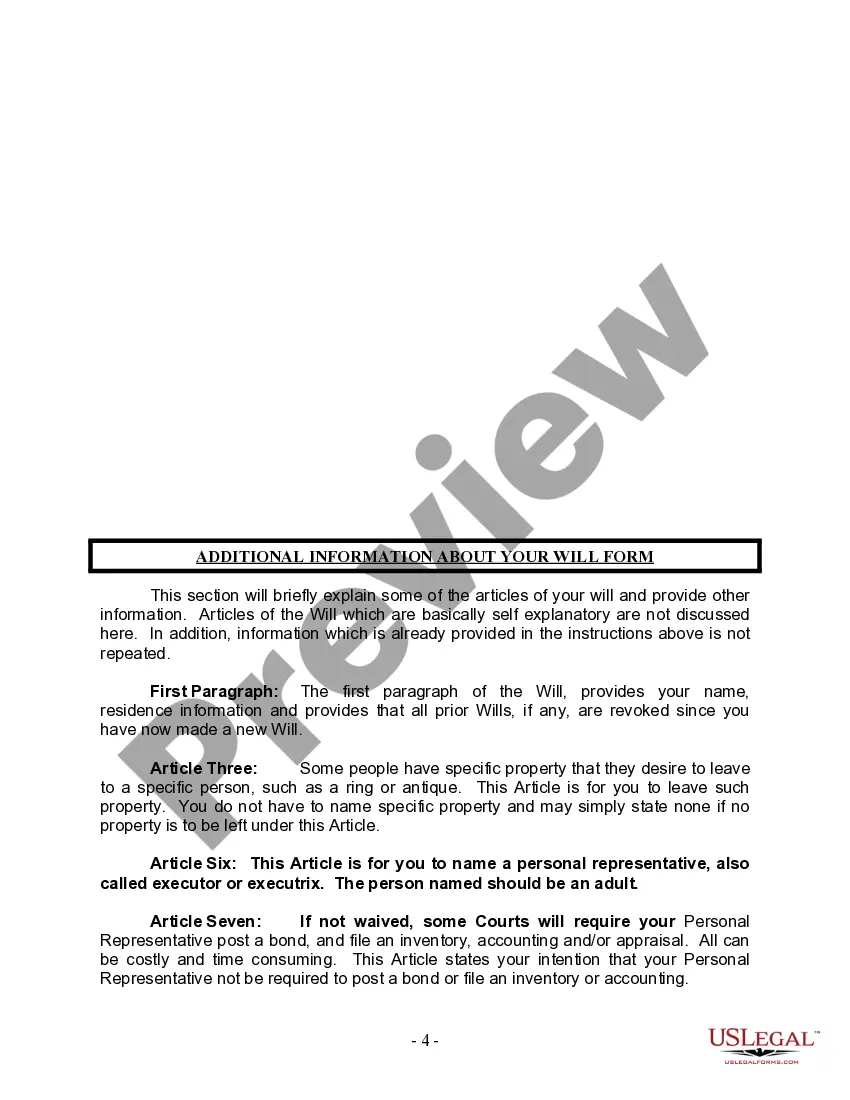
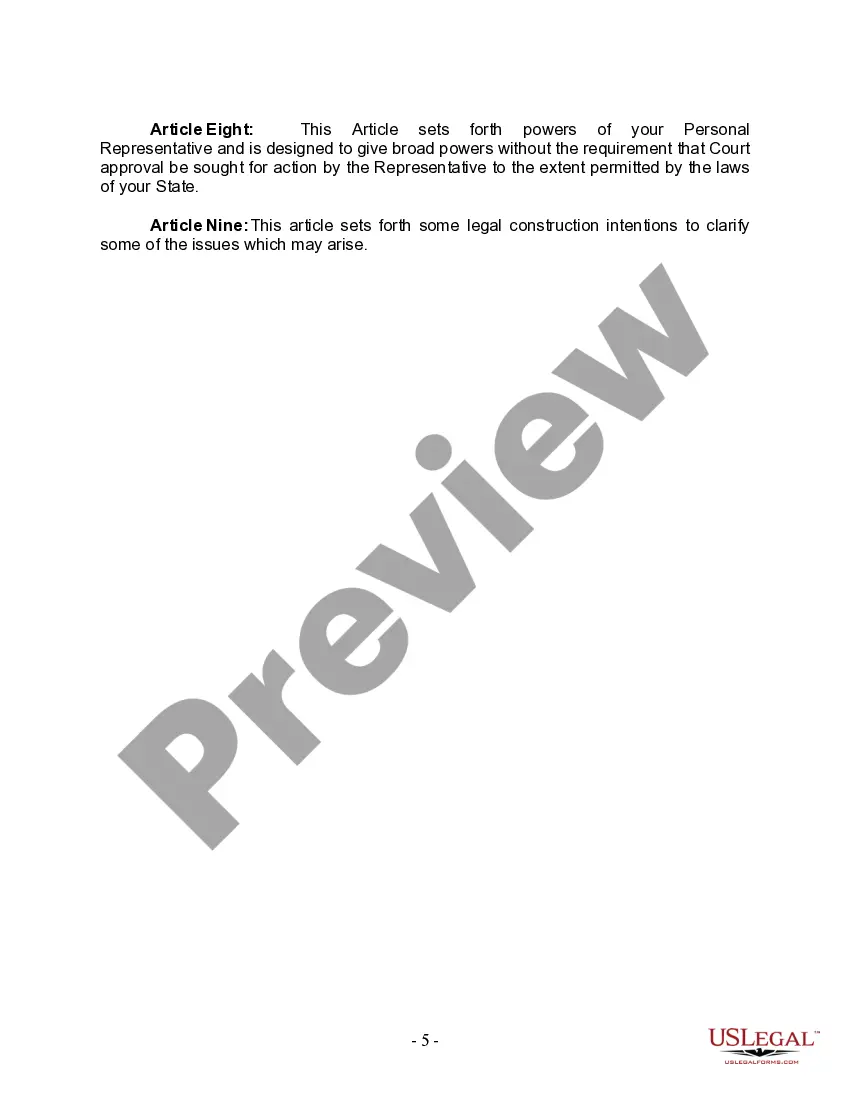
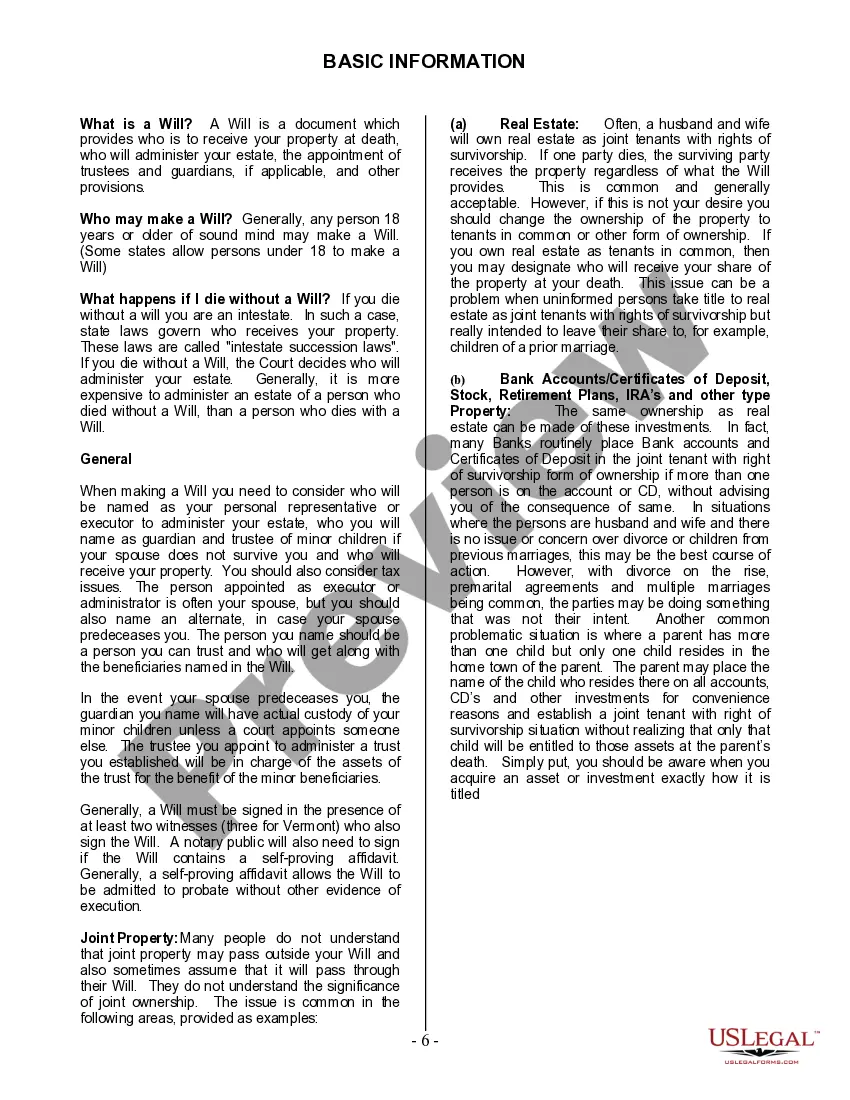
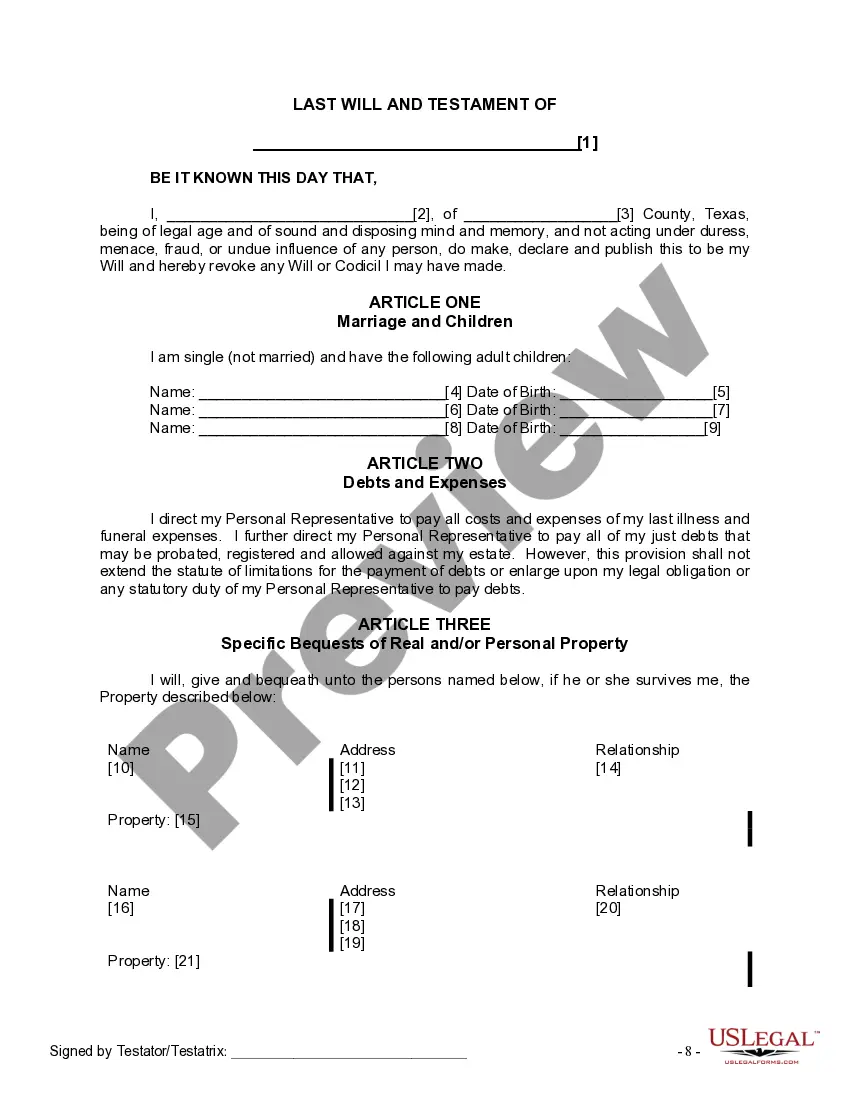
The Last Will and Testament for a Single Person with Adult Children is a legal document that outlines how a single individualâs assets and property will be distributed upon their death. This form is specifically designed for individuals who have never been married and have adult children. It differs from similar forms by providing provisions tailored for this particular family circumstance and ensures the testator's wishes are clearly documented. This will allows for the appointment of a personal representative, the designation of beneficiaries for assets, and other essential provisions to address potential estate-related matters.
Key parts of this document
- Article detailing the testator's personal details and revocation of previous wills.
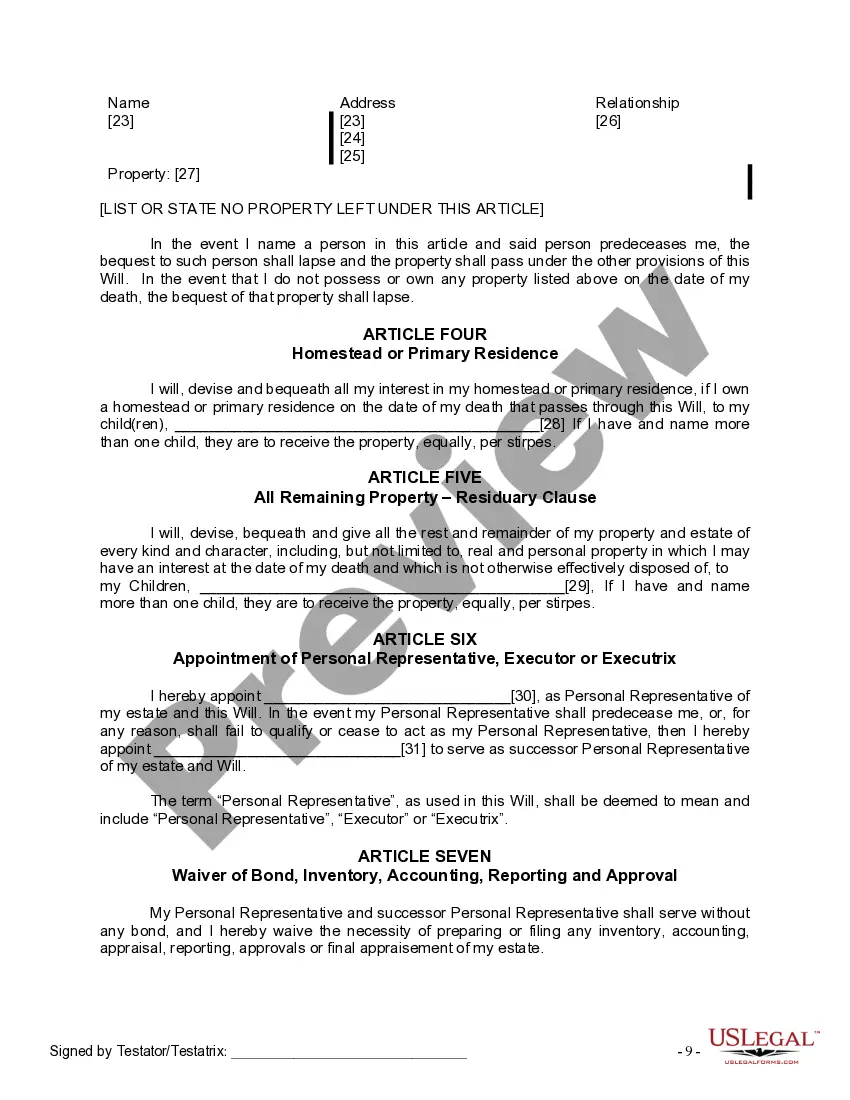
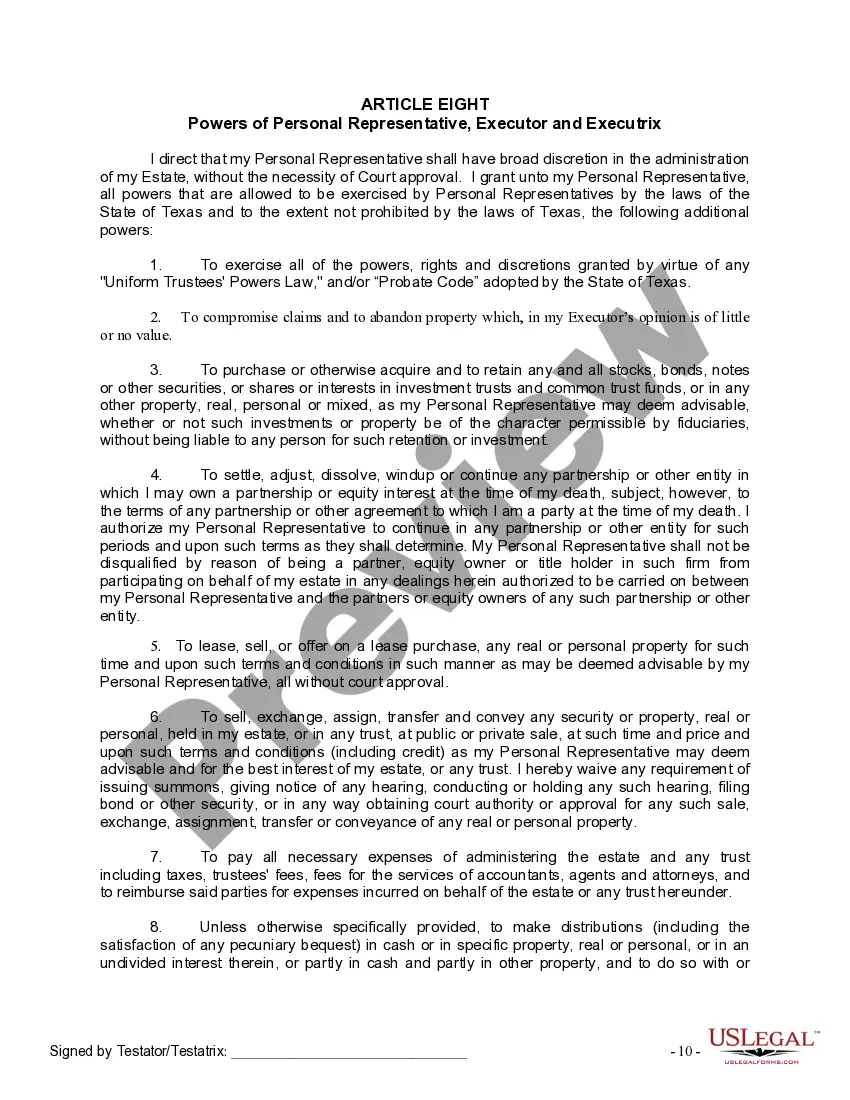
- Provisions for appointment of a personal representative to manage the estate.
- Instructions for designating beneficiaries and specific property bequests.
- Clauses that address the distribution of the testator's homestead or primary residence.
- Specification of how remaining property is to be divided among beneficiaries.
- Witness and notarization requirements essential for validity.





Common use cases
This form should be used when a single person with adult children wishes to specify how their property and assets will be distributed after their death. It is suitable in situations such as planning for retirement, ensuring children receive specific possessions, or preparing for unexpected circumstances to avoid intestacy issues, thereby reducing potential disputes and stress for survivors.
Who should use this form
- Individuals who are single and have no marriage or domestic partnership status.
- Parents with adult children wanting to allocate their assets specifically.
- Anyone seeking to ensure their last wishes regarding asset distribution are legally documented.
Completing this form step by step
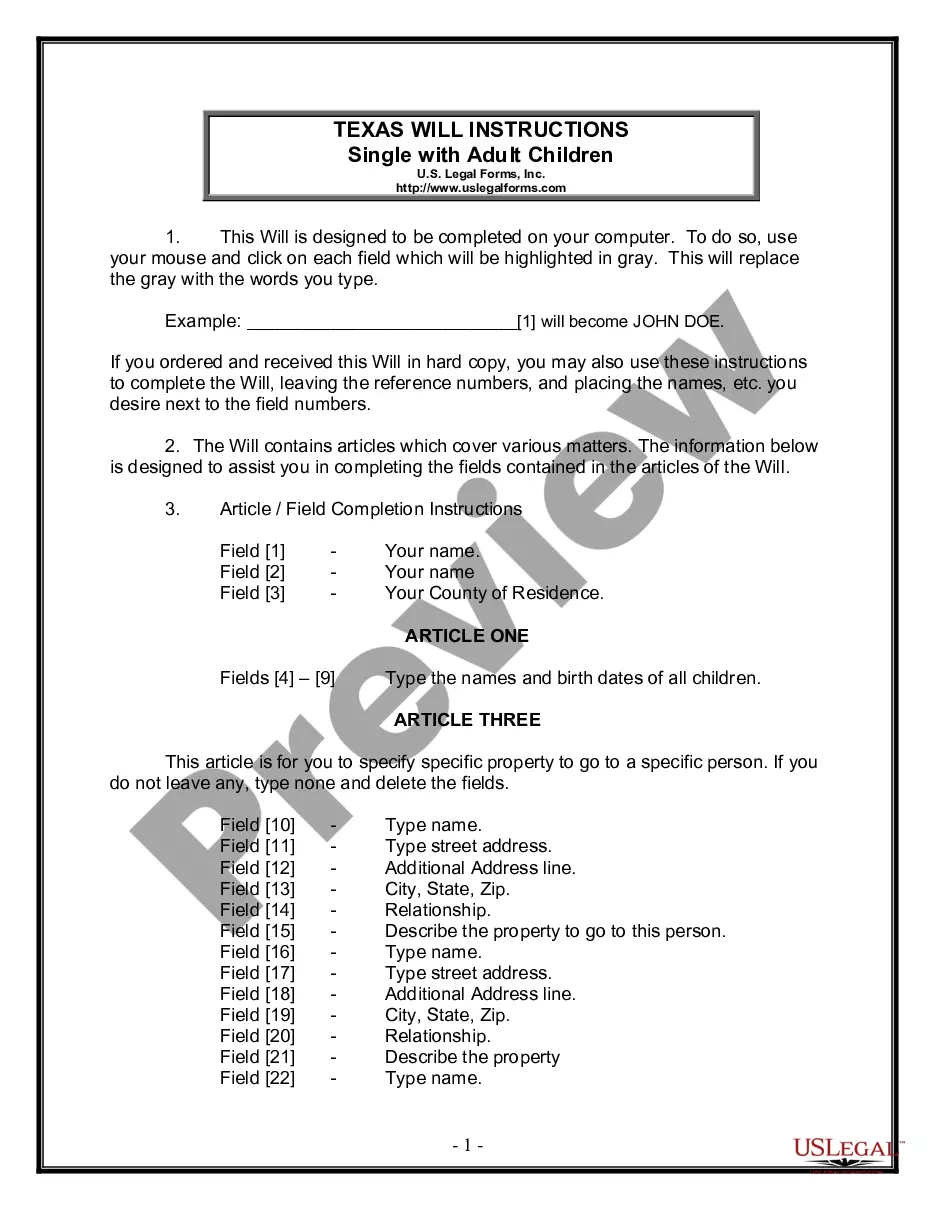
- Input your full name and county of residence at the top of the form.
- List the names and birth dates of your adult children in the specified fields.
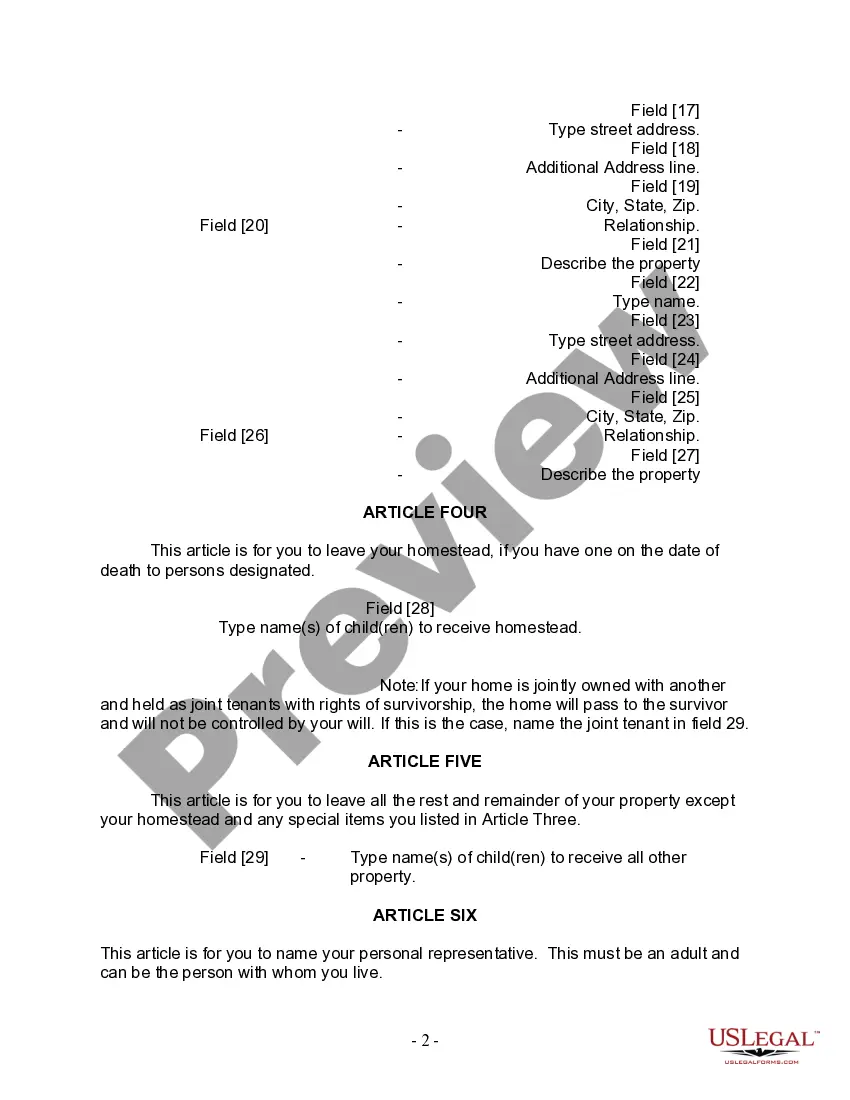
- Designate specific bequests of property by identifying items and their recipients.
- Appoint a personal representative to manage your estate, ensuring they are an adult you trust.
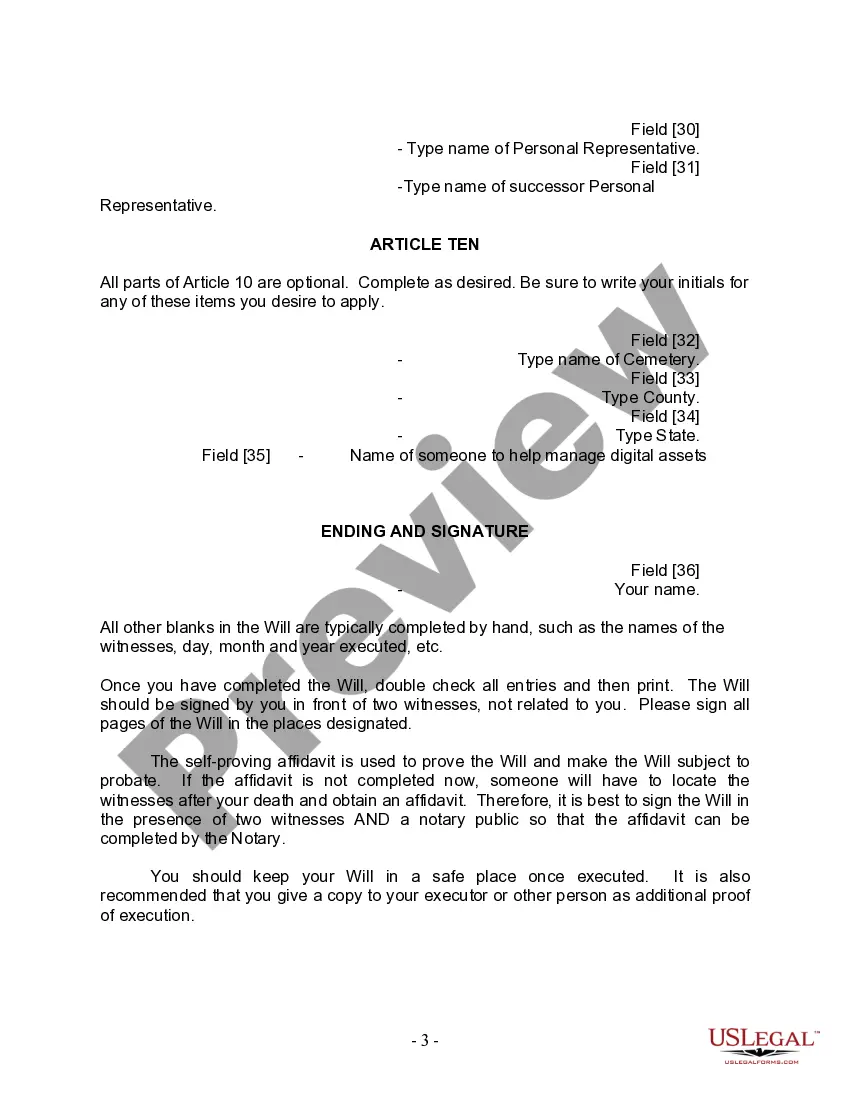
- Review and sign the will in the presence of two witnesses, ensuring all pages are signed where indicated.
Is notarization required?
Yes, this form must be notarized to be legally valid. This is especially important if you decide to use a self-proving affidavit, as a notary public needs to sign the will to affirm its validity. US Legal Forms offers integrated online notarization services to facilitate this process securely.
Get your form ready online
Our built-in tools help you complete, sign, share, and store your documents in one place.
Make edits, fill in missing information, and update formatting in US Legal Forms—just like you would in MS Word.
Download a copy, print it, send it by email, or mail it via USPS—whatever works best for your next step.
Sign and collect signatures with our SignNow integration. Send to multiple recipients, set reminders, and more. Go Premium to unlock E-Sign.
If this form requires notarization, complete it online through a secure video call—no need to meet a notary in person or wait for an appointment.
We protect your documents and personal data by following strict security and privacy standards.

Make edits, fill in missing information, and update formatting in US Legal Forms—just like you would in MS Word.

Download a copy, print it, send it by email, or mail it via USPS—whatever works best for your next step.

Sign and collect signatures with our SignNow integration. Send to multiple recipients, set reminders, and more. Go Premium to unlock E-Sign.

If this form requires notarization, complete it online through a secure video call—no need to meet a notary in person or wait for an appointment.

We protect your documents and personal data by following strict security and privacy standards.
Avoid these common issues
- Failing to have the will signed in front of the required witnesses.
- Not appointing a successor personal representative in case the primary cannot fulfill their duties.
- Leaving fields blank or improperly identifying beneficiaries or property.
Advantages of online completion
- Convenient access to legal forms that can be downloaded and completed from home.
- Editability allows for easy updates to ensure your wishes are accurately recorded.
- Reliability, as forms are drafted by licensed attorneys to meet legal standards.
Summary of main points
- This form is specifically designed for single individuals with adult children.
- Legal requirements include witness signatures, and potentially notarization depending on state law.
- Completing this will allows for clear communication of your wishes regarding asset distribution.
Looking for another form?









Form popularity
FAQ
A holographic will is simply a will that is entirely in your own handwriting. If done correctly, it is valid and can be legally enforced. In order to make a valid handwritten will in Texas, the entire document must be in your own handwriting.
In Texas, wills are not filed with the public records office. They're filed with the probate court when its creator, called the testator, passes away.
No, in Texas, you do not need to notarize your will to make it legal. However, Texas allows you to make your will "self-proving" and you'll need to go to a notary if you want to do that. A self-proving will speeds up probate because the court can accept the will without contacting the witnesses who signed it.
In order to make a valid handwritten will in Texas, the entire document must be in your own handwriting. No one can write any part of it except for you and no part of it can be typed. You can write in cursive or print, but the entire will must be in your handwriting only.
Are 18 years of age or older, have been lawfully married, or. are a member of the armed forces of the United States.
No, in Texas, you do not need to notarize your will to make it legal. However, Texas allows you to make your will "self-proving" and you'll need to go to a notary if you want to do that. A self-proving will speeds up probate because the court can accept the will without contacting the witnesses who signed it.
Texas will forms are documents that will help guide a user through the process of both, division of their estate as well as preparation of a living will. A last will and testament is a document that a Testator would use to establish division of their estate, by an executor (representative) between their
A notarized will does not need to be probated.When a person dies leaving behind a will that is not notarized, the law requires that its validity be ascertained by a notary or by a court. Similarly, any non-notarized modification made to a will must be probated, whether the will is notarized or not.