Texas Quitclaim Deed from Corporation to Corporation
What this document covers
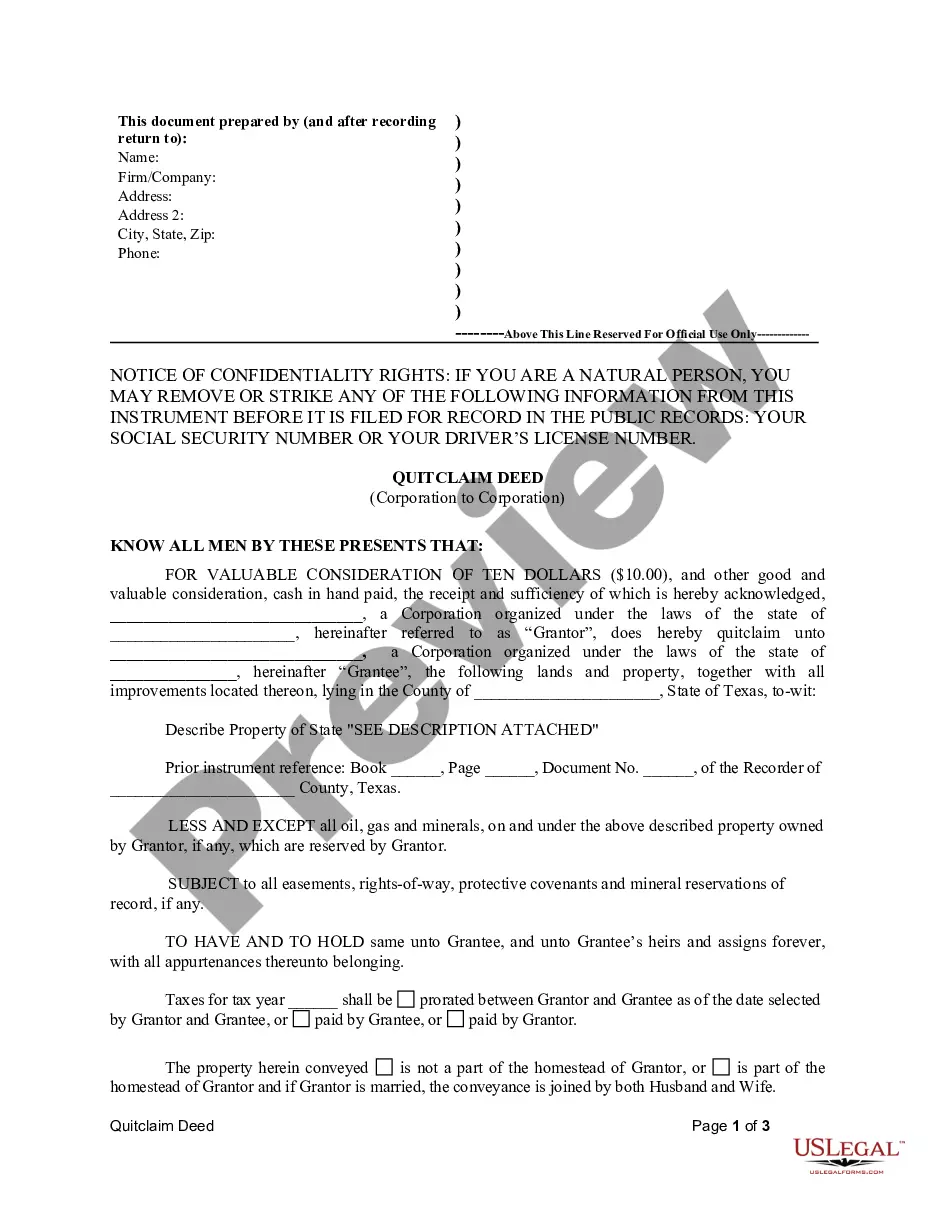
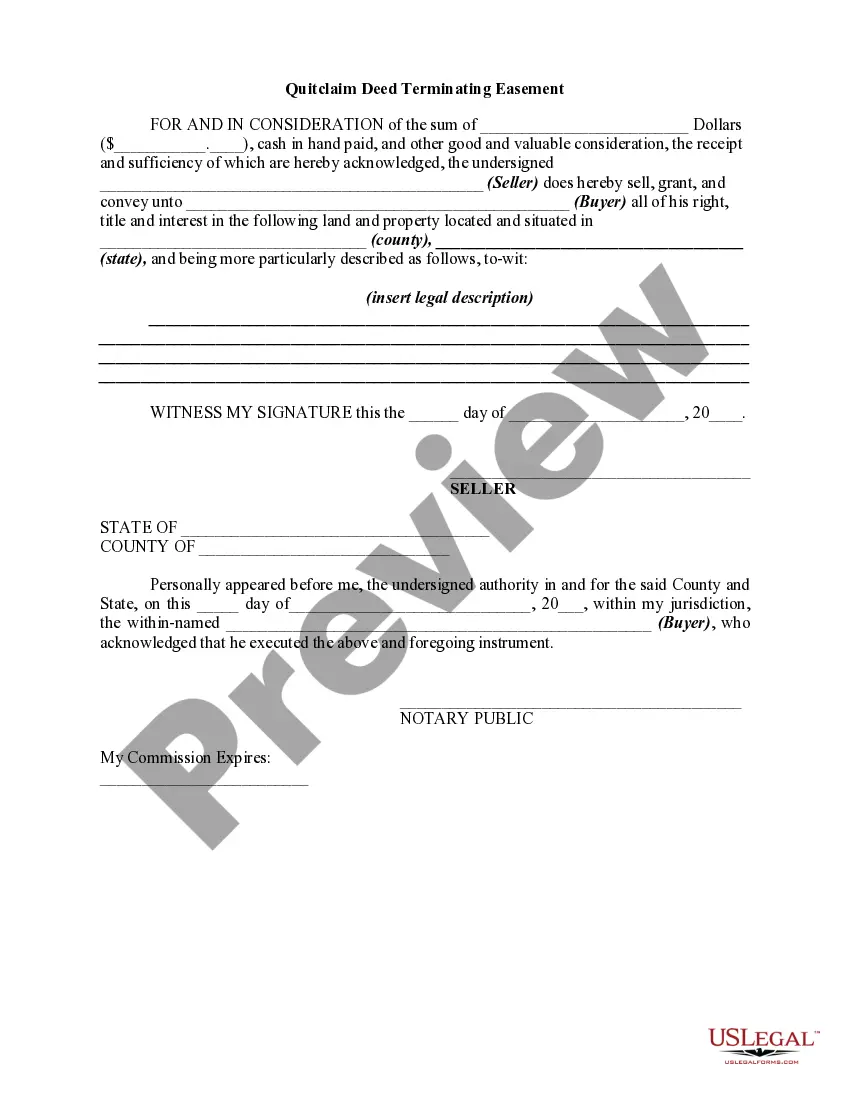
This Quitclaim Deed from Corporation to Corporation is a legal document used when one corporation (the Grantor) transfers ownership of property to another corporation (the Grantee). It conveys the property without guarantees regarding the title, meaning the Grantee receives whatever interest the Grantor has. This document is essential for corporate transactions involving real estate and is compliant with state statutory laws, distinguishing it from other types of deeds that offer more extensive warranties.
Key parts of this document
- Identifies the parties involved: Grantor and Grantee corporations.
- Includes a description of the property being conveyed.
- States the consideration paid, typically a nominal amount.
- Mentions the reservation of oil, gas, and minerals, if applicable.
- Specifies any easements or rights associated with the property.
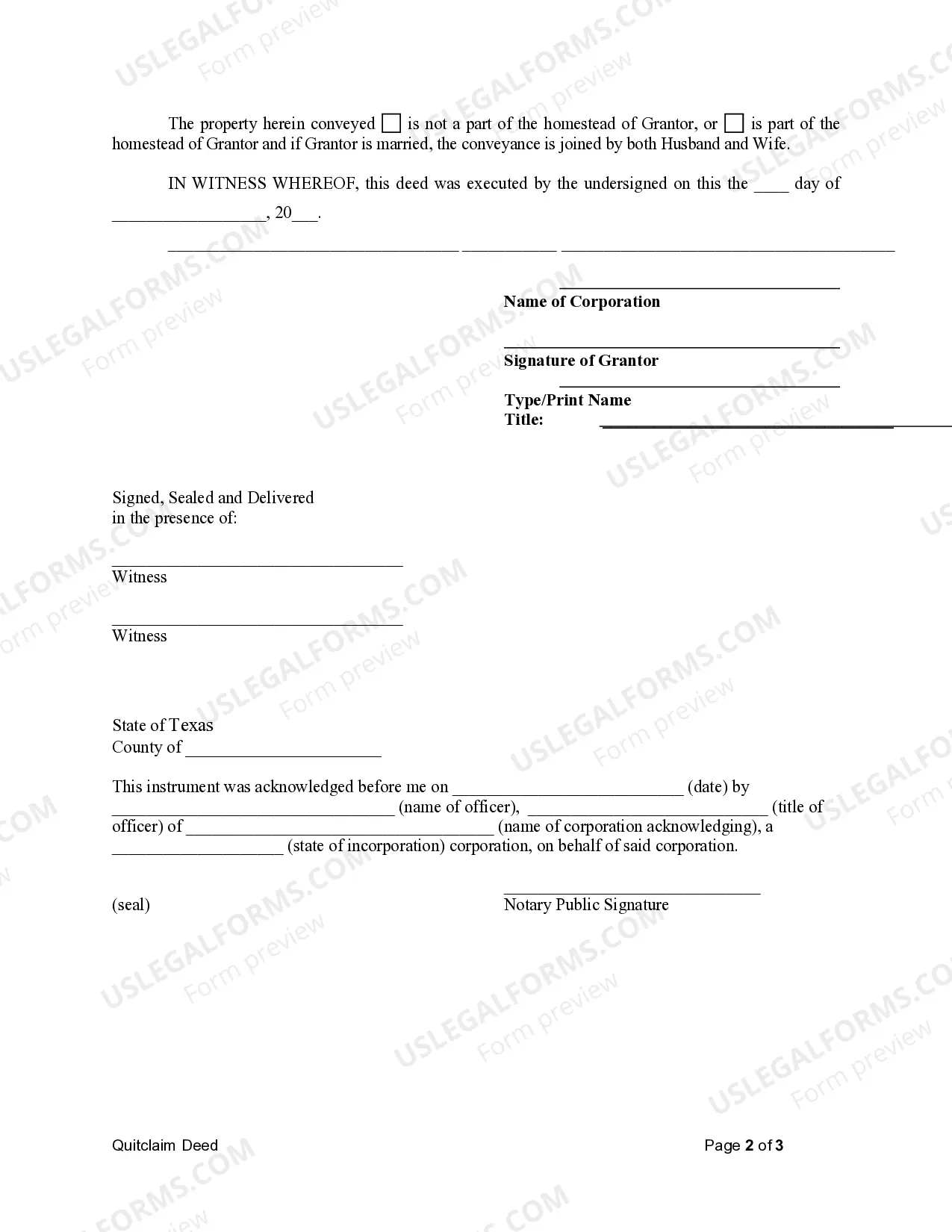
- Requires a notarized acknowledgment for legal validation.

When to use this form
This Quitclaim Deed from Corporation to Corporation is necessary when one corporation wants to transfer property ownership to another corporation without the usual warranties of title. Common scenarios include business mergers, property sales between corporations, or transferring assets in a corporate reorganization. It ensures a clear transfer of property interests between legal entities.
Who needs this form
- Corporations involved in real estate transactions.
- Legal representatives or officers of the corporations making the transfer.
- Corporate entities looking to clarify property ownership without warranties.
How to complete this form
- Identify the Grantor and Grantee corporations by their legal names.
- Provide a description of the property to be conveyed.
- Specify the consideration amount being exchanged.
- Indicate any rights or mineral reservations associated with the property.
- Ensure the form is signed and notarized by an authorized officer of the Grantor corporation.
- File the executed deed with the appropriate local recording office, if required.
Is notarization required?
Yes, this form must be notarized to be legally valid. This ensures that the signatures are verified and that the document adheres to legal standards. US Legal Forms offers integrated online notarization, allowing you to complete the notarization process securely through a video call, available 24/7, without any need for travel.
Get your form ready online
Our built-in tools help you complete, sign, share, and store your documents in one place.
Make edits, fill in missing information, and update formatting in US Legal Forms—just like you would in MS Word.
Download a copy, print it, send it by email, or mail it via USPS—whatever works best for your next step.
Sign and collect signatures with our SignNow integration. Send to multiple recipients, set reminders, and more. Go Premium to unlock E-Sign.
If this form requires notarization, complete it online through a secure video call—no need to meet a notary in person or wait for an appointment.
We protect your documents and personal data by following strict security and privacy standards.

Make edits, fill in missing information, and update formatting in US Legal Forms—just like you would in MS Word.

Download a copy, print it, send it by email, or mail it via USPS—whatever works best for your next step.

Sign and collect signatures with our SignNow integration. Send to multiple recipients, set reminders, and more. Go Premium to unlock E-Sign.

If this form requires notarization, complete it online through a secure video call—no need to meet a notary in person or wait for an appointment.

We protect your documents and personal data by following strict security and privacy standards.
Common mistakes to avoid
- Failing to provide a detailed property description.
- Not including both corporate names precisely as registered.
- Neglecting to notarize the document, which is essential for validity.
- Incorrectly stating the consideration amount or omitting it altogether.
Why use this form online
- Convenience of accessing the form at any time from anywhere.
- Ability to edit and customize the document to fit specific needs.
- Reliable templates drafted by licensed attorneys, ensuring legal compliance.
Quick recap
- This Quitclaim Deed facilitates property transfer between corporations without warranties.
- It is crucial to correctly identify all parties and property details.
- Notarization is a necessary step for valid execution.
Looking for another form?

Form popularity
FAQ
Laws Section 13.002. Recording This form must be filed at the Recorder's Office in the County Clerk's Office. Signing (Section 11.002(c)) The Grantor(s) has the choice of authorizing this form in the presence of Two (2) Witnesses or a Notary Public.
A quitclaim deed is quick and easy because it transfers all of one person's interest in the property to another.The deed transfers all claims the seller has to the property, if any. If the seller has no interest in the real estate, no interest is transferred.
But you might be wondering if an owner can transfer a deed to another person without a real estate lawyer. The answer is yes. Parties to a transaction are always free to prepare their own deeds.A quitclaim deed, for example, is far simpler than a warranty deed.
Contesting A Quitclaim Deed Contesting the validity of a quitclaim deed must prove that one of the stipulations described above is invalid, that the deed was filed under false pretenses (e.g., the grantor's signature was forged) or that the grantor signed the deed under duress.
A quitclaim deed is a legal instrument that is used to transfer interest in real property.The owner/grantor terminates (quits) any right and claim to the property, thereby allowing the right or claim to transfer to the recipient/grantee.
Rates vary by state and law office but typically fall in the range of $200 to $400 per hour. Title companies routinely prepare quitclaim deeds in many states.
A quitclaim deed transfers title but makes no promises at all about the owner's title.A person who signs a quitclaim deed to transfer property they do not own results in no title at all being transferred since there is no actual ownership interest. The quitclaim deed only transfers the type of title you own.
It does not convey muniment of title. Instead, unlike a warranty deed, which conveys property, a quitclaim deed only conveys whatever interest the grantor has at the time of the transfer.Despite all of this, quitclaim deeds are still a valid, if unreliable, means of transferring title to real property in Texas.