South Dakota Mutual Wills Package with Last Wills and Testaments for Married Couple with Adult Children
What is this form?
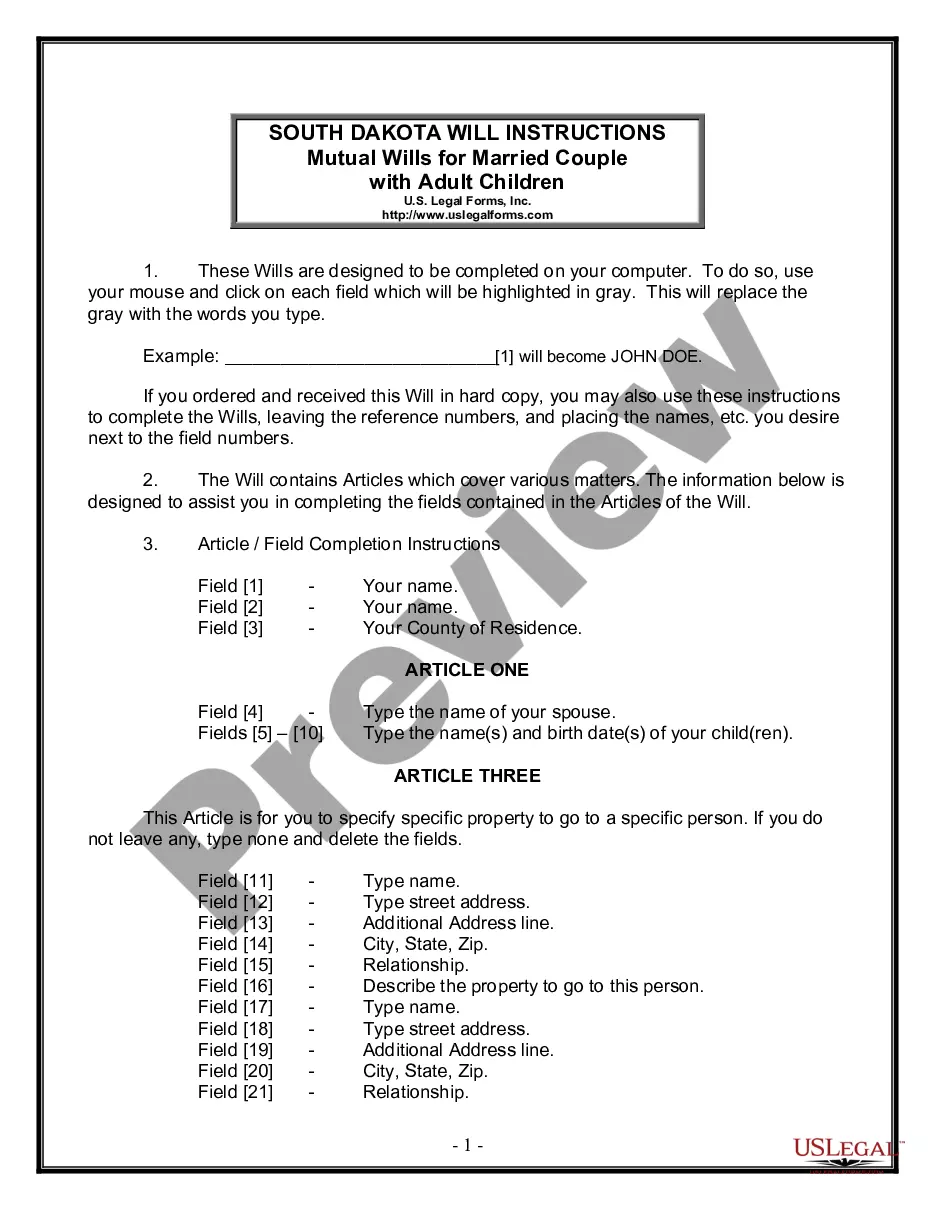
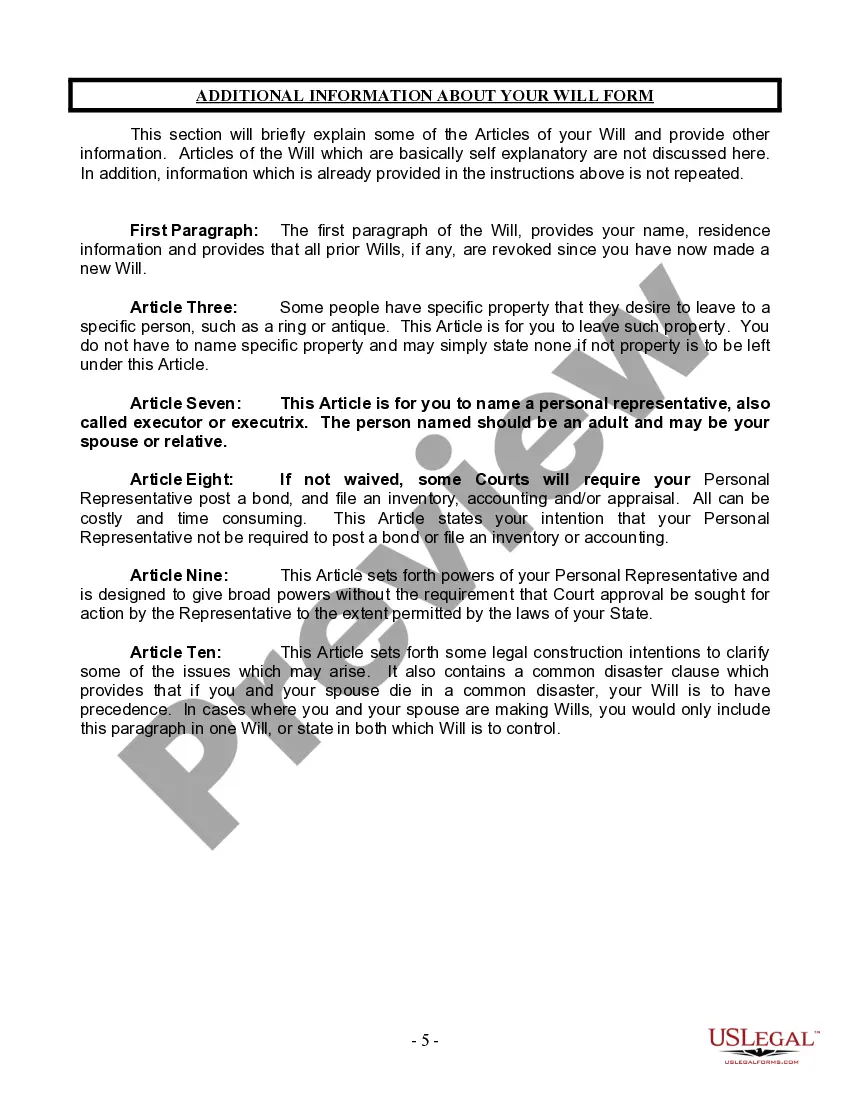
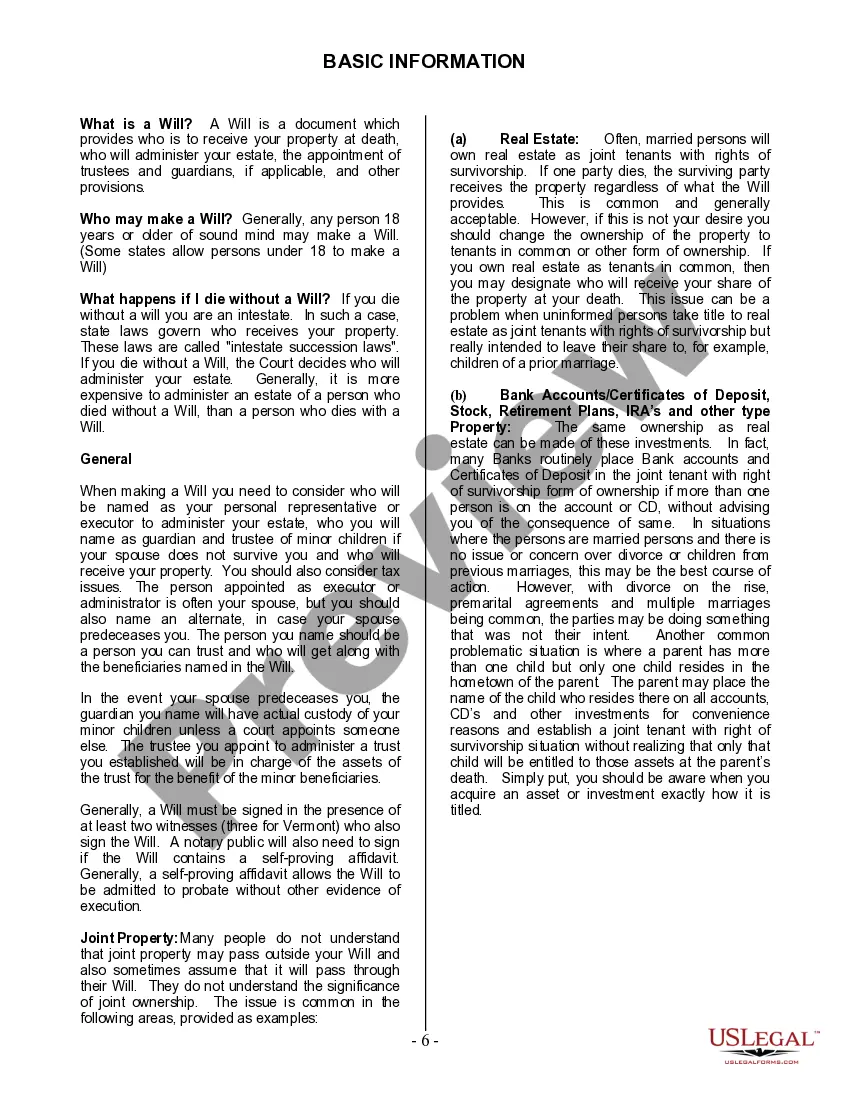
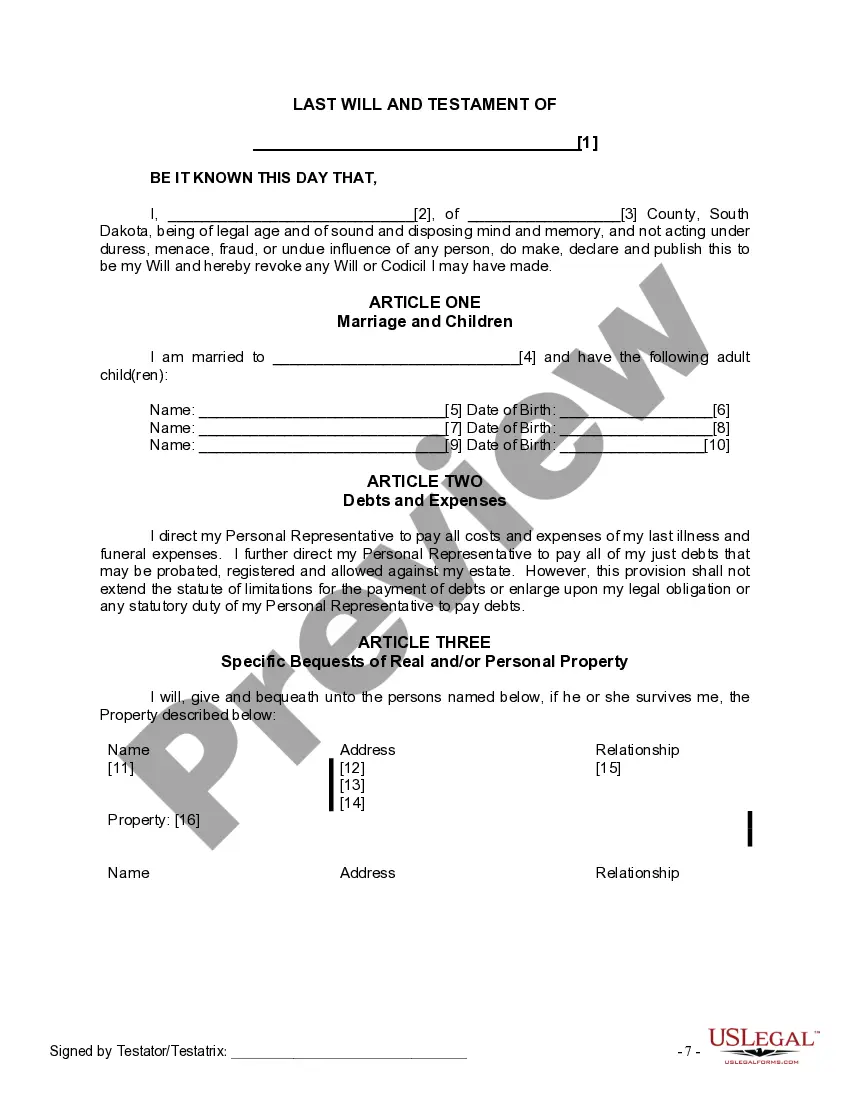
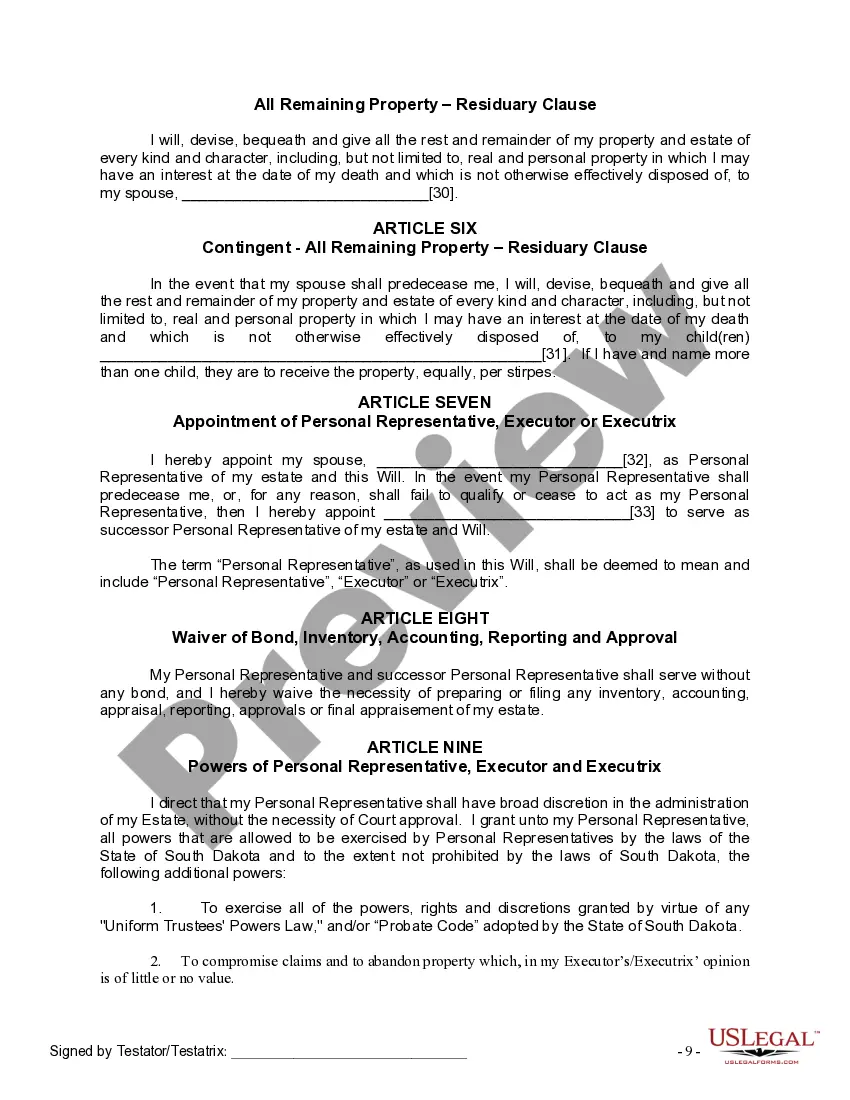
The Mutual Wills Package with Last Wills and Testaments is a legal document designed specifically for a married couple with adult children. This package includes two wills, outlining how each spouse wishes to distribute their assets upon death. Unlike standard wills, mutual wills are legally binding agreements that help ensure both spouses' wishes are honored, especially in cases involving shared properties and dependents. The package also provides clear instructions on completion and signing, making it straightforward for users to create their wills.
Main sections of this form
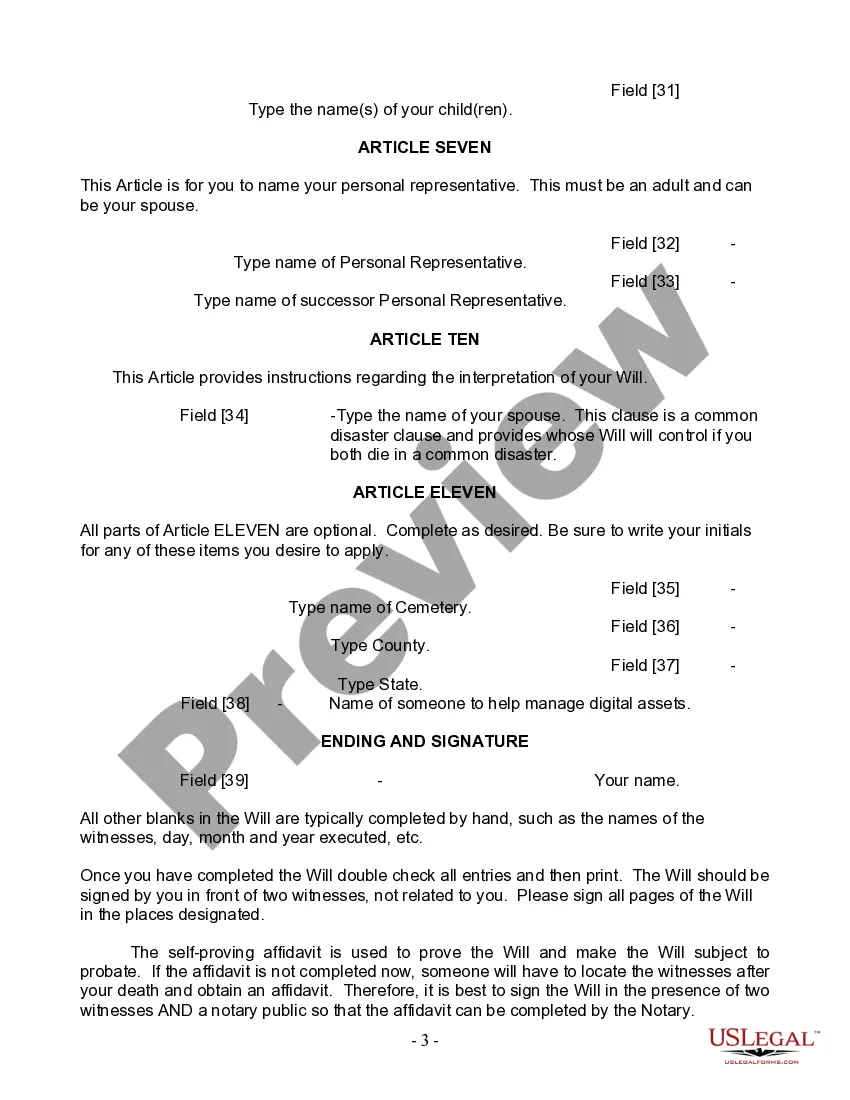
- Appointment of Personal Representative: Designates an executor to manage the estate.
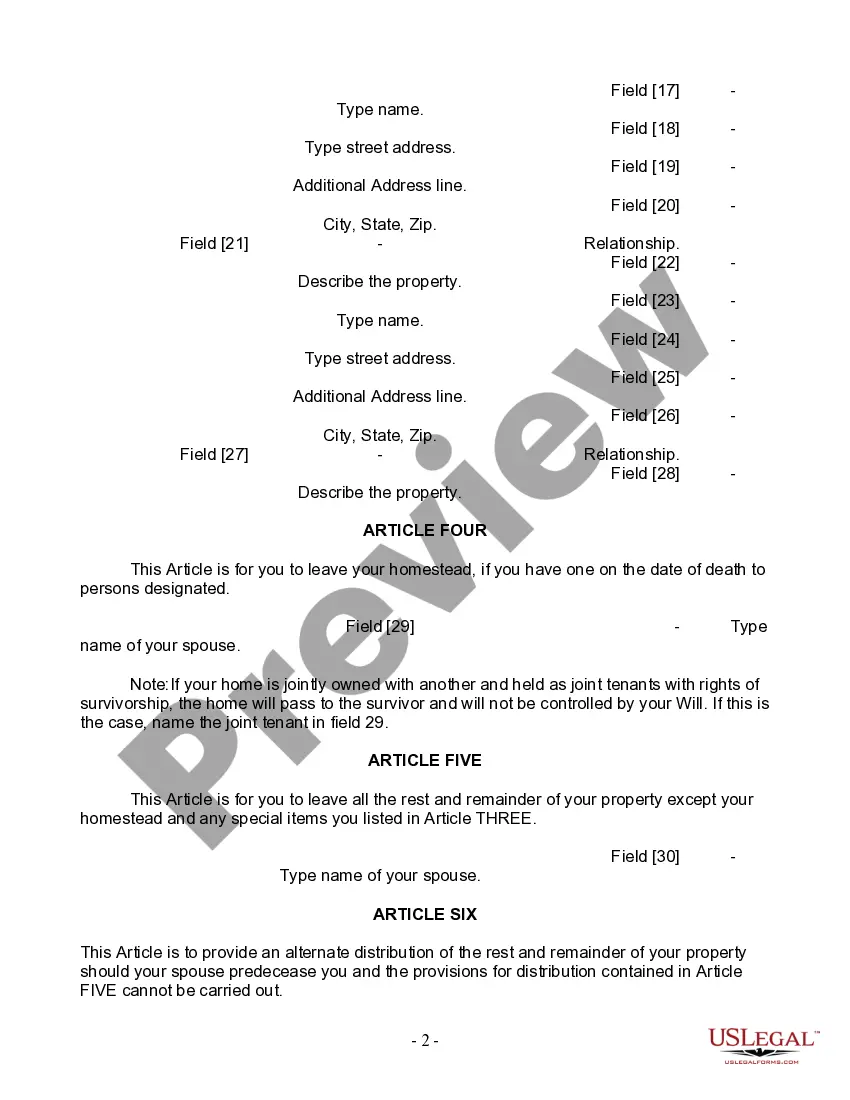
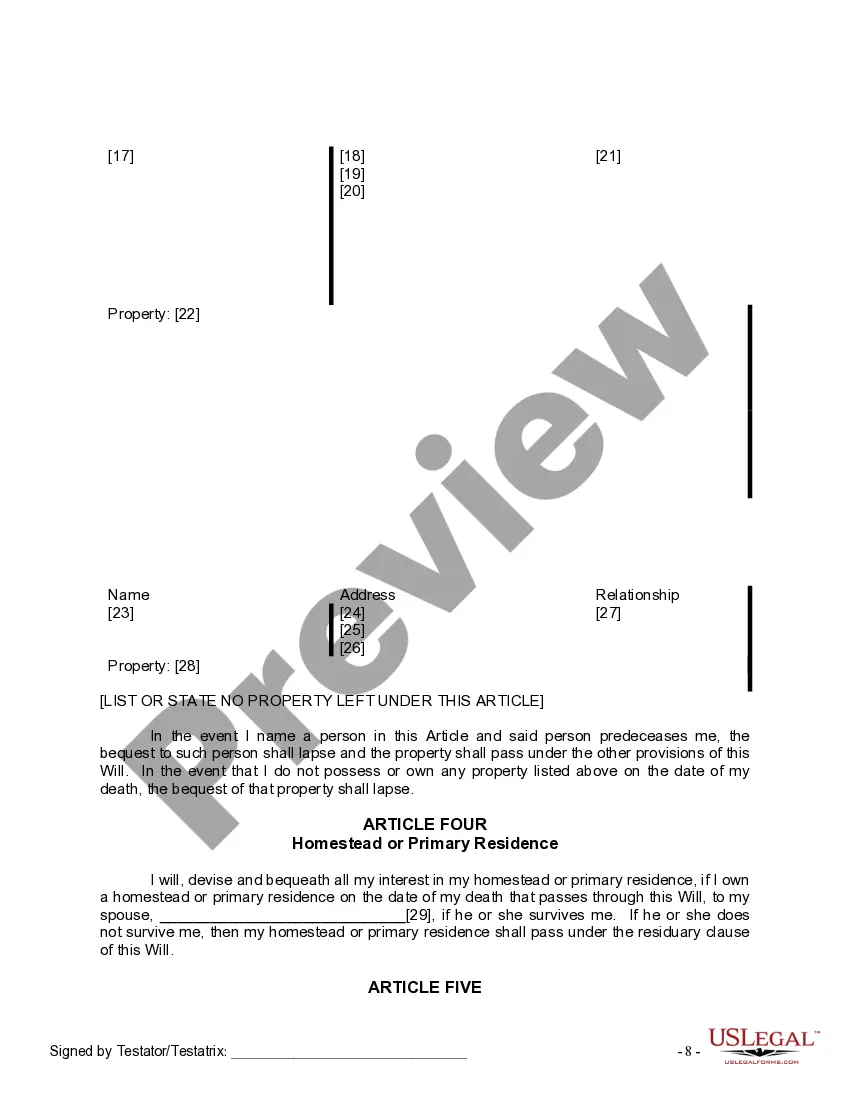
- Specific Bequests: Allows for the designation of specific gifts to individuals.
- Residuary Clause: Allocates all remaining estate assets to the surviving spouse or children.
- Homestead Provisions: Specifies the passing of the primary residence to the spouse.
- Debts and Expenses: Directs the payment of debts and funeral expenses from the estate.
- Self-Proving Affidavit: Provides a legal affirmation of the wills' execution to simplify probate.





When this form is needed
Use this Mutual Wills Package when you and your spouse want to ensure that your combined assets are distributed according to your specific wishes after your passing. It is especially suitable if you have adult children and want to clearly outline their inheritance and any care for your spouse. This form provides peace of mind and clarity, reducing potential disputes among heirs.
Who should use this form
This form is intended for:
- Married couples with adult children.
- Couples who wish to establish a legally binding agreement on asset distribution.
- Individuals looking to simplify the probate process for their estates.
How to complete this form
Steps to complete this form:
- Identify the parties: Enter the names of both spouses and their adult children.
- Designate the Personal Representative: Choose an executor who will be responsible for administering the estate.
- Outline specific bequests: Specify any special gifts or properties you wish to leave to individuals.
- Sign the wills: Ensure both spouses sign their respective wills in the presence of two witnesses.
- Notarize if required: If using the self-proving affidavit option, have it notarized to enhance its legal acceptance.
Notarization guidance
Yes, this form must be notarized to be legally valid if you choose to include the self-proving affidavit. This affidavit simplifies the probate process and may eliminate the need for witnesses to testify in court about the wills' execution.
Get your form ready online
Our built-in tools help you complete, sign, share, and store your documents in one place.
Make edits, fill in missing information, and update formatting in US Legal Forms—just like you would in MS Word.
Download a copy, print it, send it by email, or mail it via USPS—whatever works best for your next step.
Sign and collect signatures with our SignNow integration. Send to multiple recipients, set reminders, and more. Go Premium to unlock E-Sign.
If this form requires notarization, complete it online through a secure video call—no need to meet a notary in person or wait for an appointment.
We protect your documents and personal data by following strict security and privacy standards.

Make edits, fill in missing information, and update formatting in US Legal Forms—just like you would in MS Word.

Download a copy, print it, send it by email, or mail it via USPS—whatever works best for your next step.

Sign and collect signatures with our SignNow integration. Send to multiple recipients, set reminders, and more. Go Premium to unlock E-Sign.

If this form requires notarization, complete it online through a secure video call—no need to meet a notary in person or wait for an appointment.

We protect your documents and personal data by following strict security and privacy standards.
Common mistakes
Common mistakes to avoid:
- Not having the wills signed by required witnesses.
- Failing to name an alternate Personal Representative.
- Leaving out specific bequests, which can lead to confusion.
- Assuming verbal agreements are sufficient; always document agreements in the wills.
Benefits of completing this form online
Benefits of using this form online:
- Convenience: Download the forms immediately without waiting for processing.
- Editability: Customize the wills to fit your specific family situation and preferences.
- Reliability: Forms are drafted by licensed attorneys, ensuring legal compliance and clarity.
Key takeaways
Key takeaways:
- The Mutual Wills Package is tailored for married couples with adult children.
- Includes essential clauses for asset distribution, including a residuary clause.
- Signing and notarizing the wills are critical steps for legal validation.
- Clear instructions provided to ensure proper completion and execution of the documents.
Looking for another form?



Form popularity
FAQ
The reality is, however, that both you and your spouse should each have your own will, and it should be planned as soon as possible. Some couples think that they can have one joint will together, but this is not a sound approach.
Here are our top 5 reasons why it is better to have a separate Will for each spouse. When someone dies, their Will becomes locked in since they can no longer express a change to their wishes. This means that if one spouse passes away, the joint Will would become locked and difficult to update for the surviving spouse.
Like most wills, a joint will lets the will-makers name who will get their property and assets after they die. Joint wills are usually created by married couples.After one spouse has died, all the couple's property will be left to the surviving spouse; and.
It is a customary estate planning practice for each spouse to have his or her own will. While some practitioners may draft a joint will for a married couple, it is not recommended.
It is a customary estate planning practice for each spouse to have his or her own will. While some practitioners may draft a joint will for a married couple, it is not recommended.
A joint will is one that two people, typically a married couple, sign together.Most joint wills are written such that when one spouse dies, their portion of the estate passes to the other. Then the entire estate goes to their children when the second spouse passes away.
Can a spouse ever change his or her will? Yes, under some circumstances. If no consideration is provided for the mutual wills, except the mutual agreement of the spouses, either spouse can change the will prior to the death of the first spouse. However, the change cannot be done in secret.
A joint will is one that two people, typically a married couple, sign together. Instead of each spouse having a separate will, they have one document that they've both agreed to. Most joint wills are written such that when one spouse dies, their portion of the estate passes to the other.
(And that includes youso be sure you get that done right away if you haven't already.) But did you know that if you're married, your spouse needs a will too? That's right. This is a case where one will isn't enoughyou each need your own.