South Dakota Fiduciary Deed for use by Executors, Trustees, Trustors, Administrators and other Fiduciaries
Understanding this form
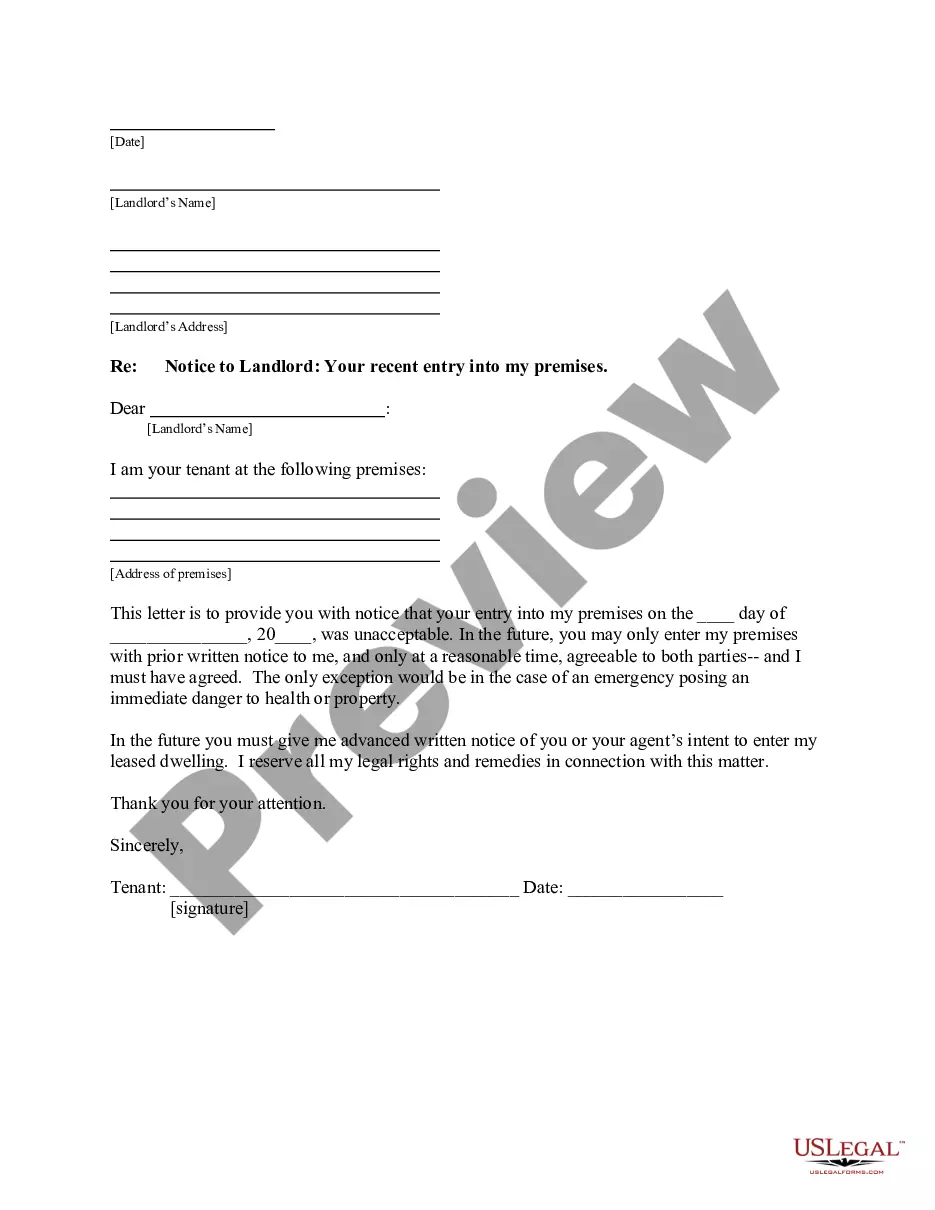
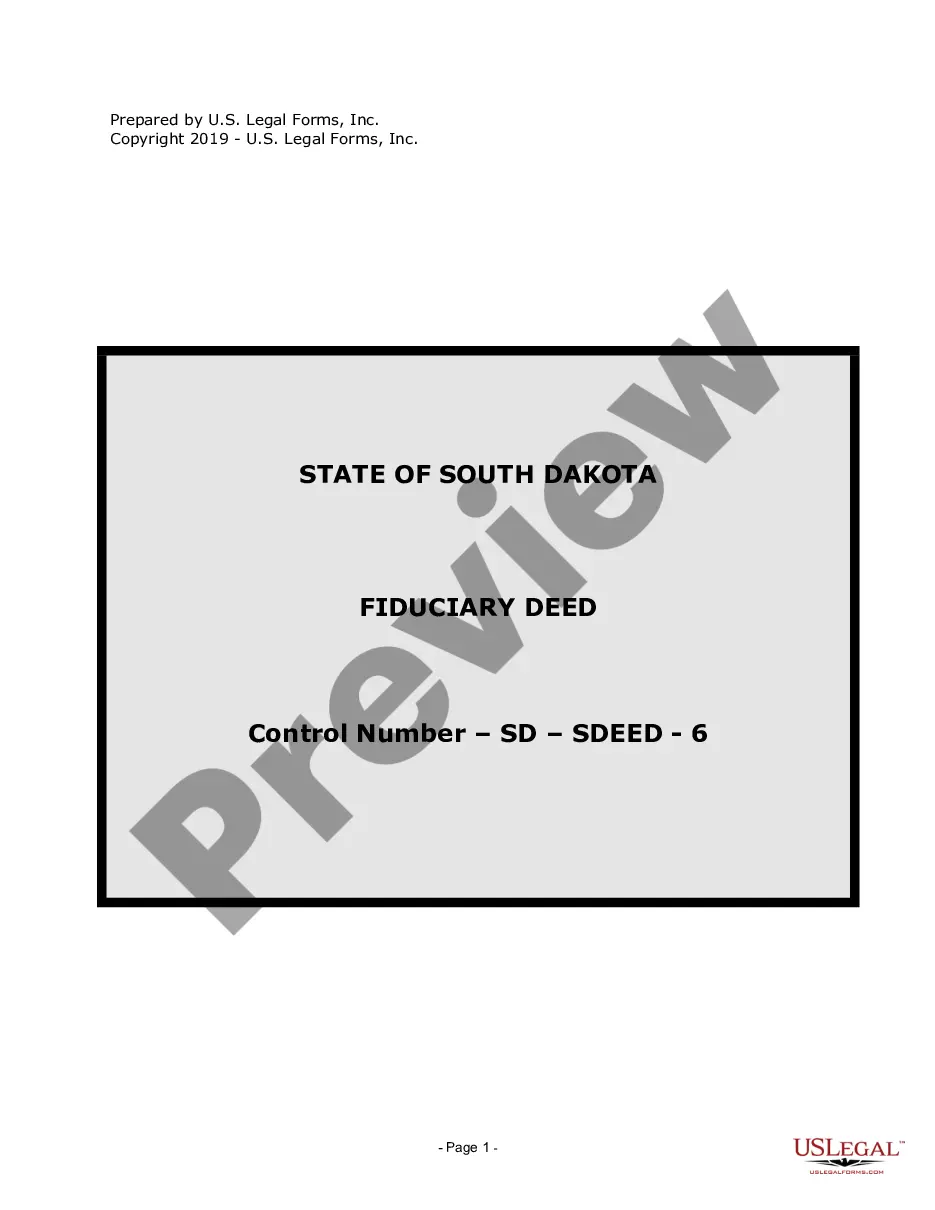
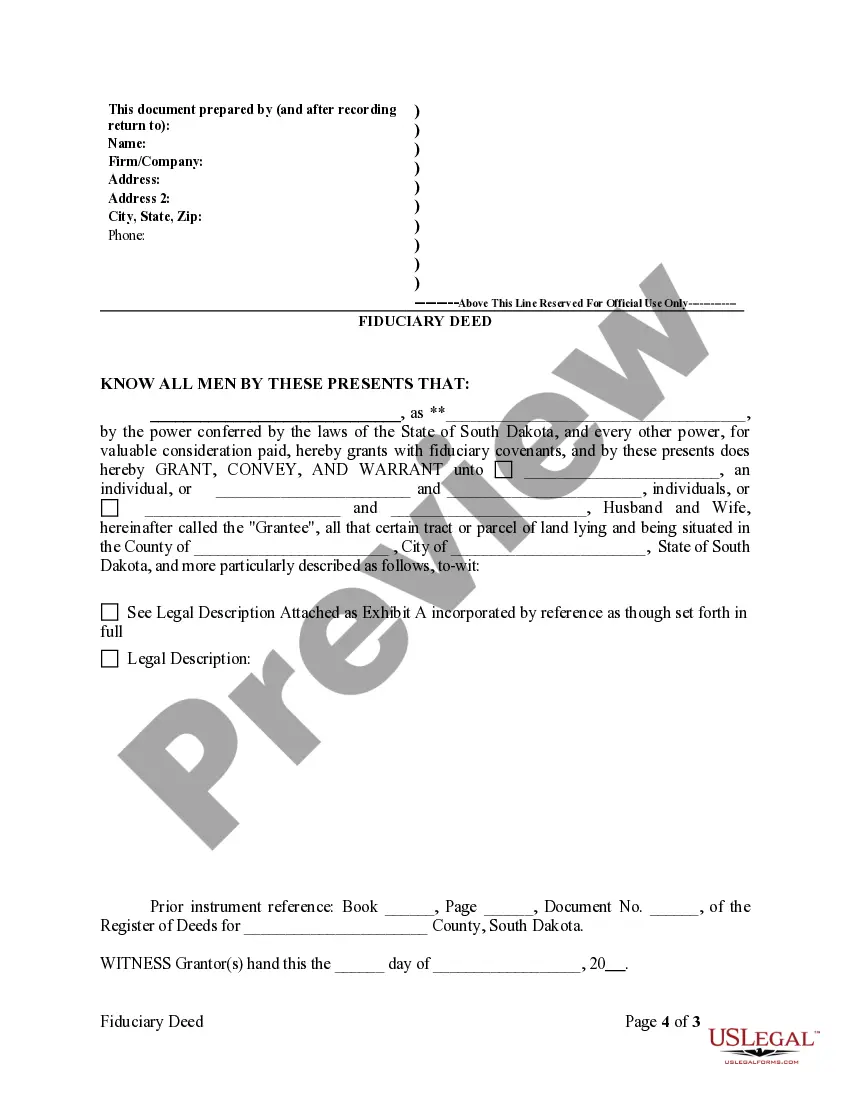
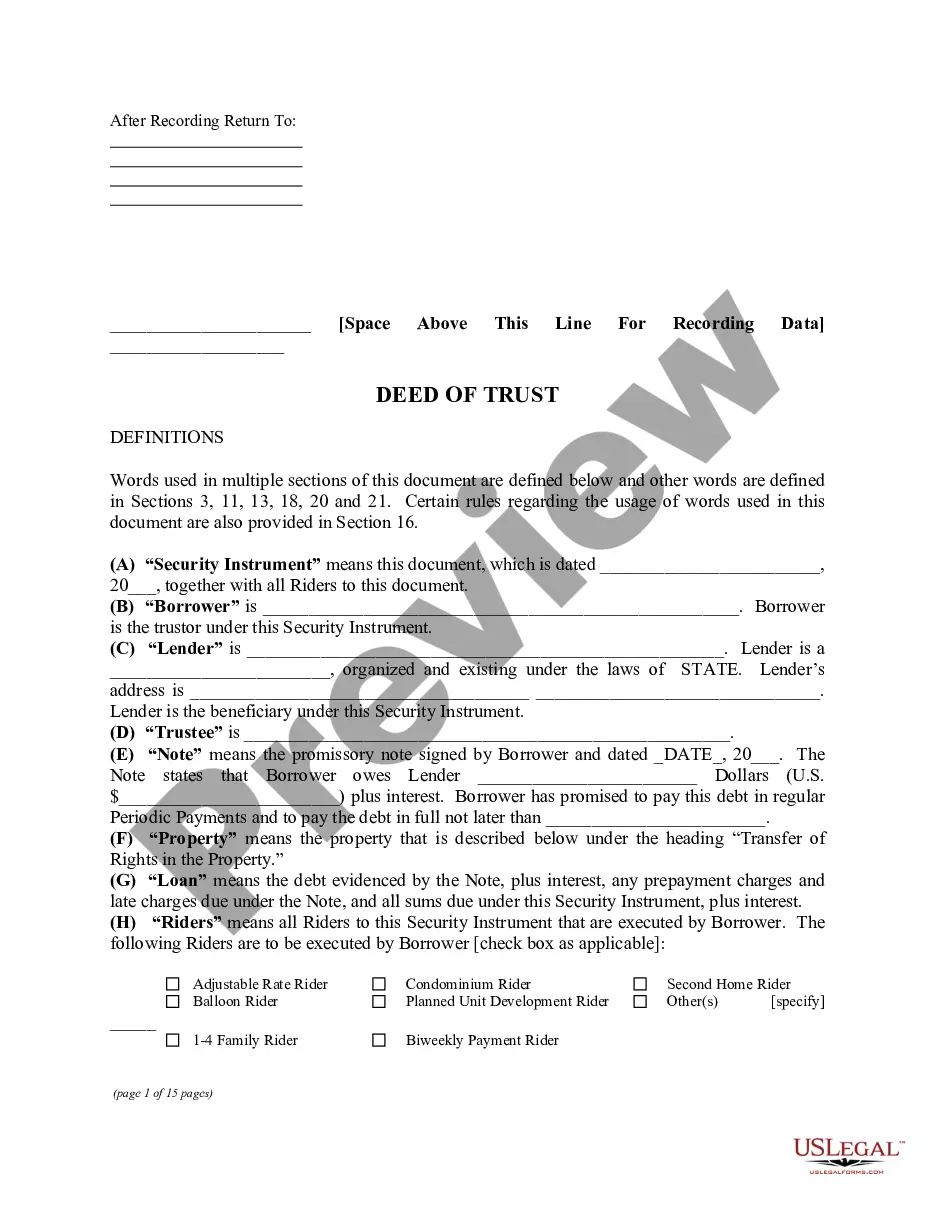
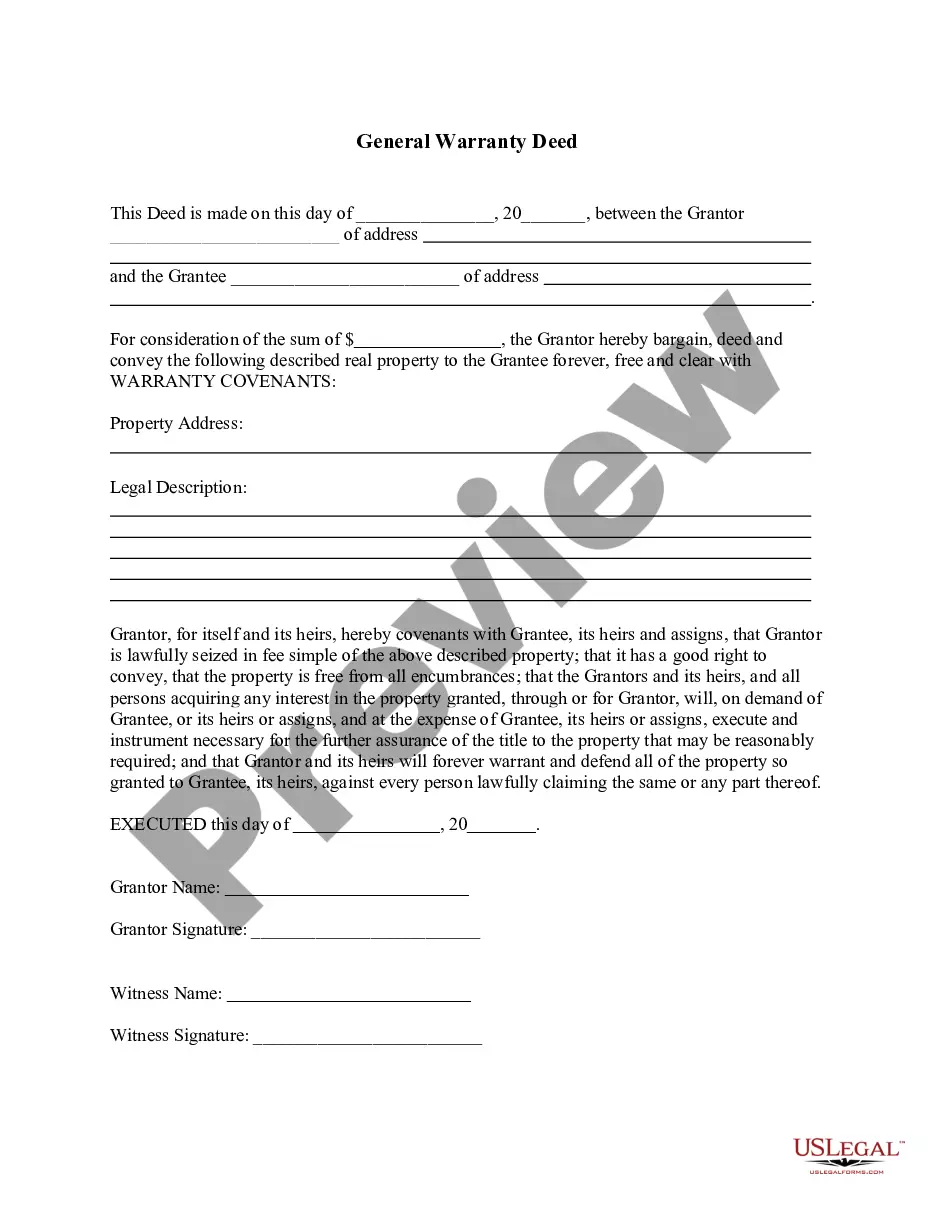
The Fiduciary Deed is a legal document used by executors, trustees, trustors, administrators, and other fiduciaries to transfer real estate property. It is distinct from other property transfer forms as it specifically authorizes a fiduciary to act on behalf of another party in accordance with a will, trust, or court order. This deed is essential for ensuring proper handling of property during estate or trust administration.
What’s included in this form
- Identification of the grantor and grantee, including their addresses and phone numbers.
- Description of the property being transferred, which may include legal descriptions and boundaries.
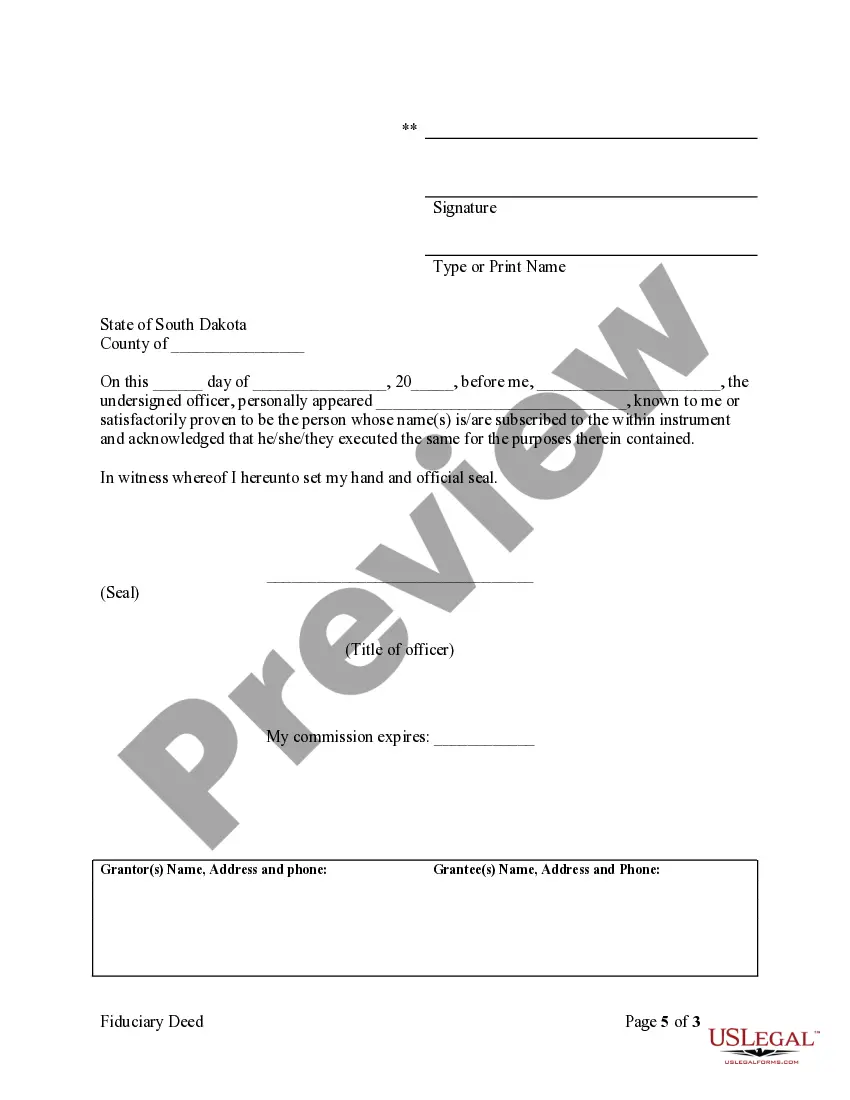
- Signature of the grantor and acknowledgment of the document by a notary public.
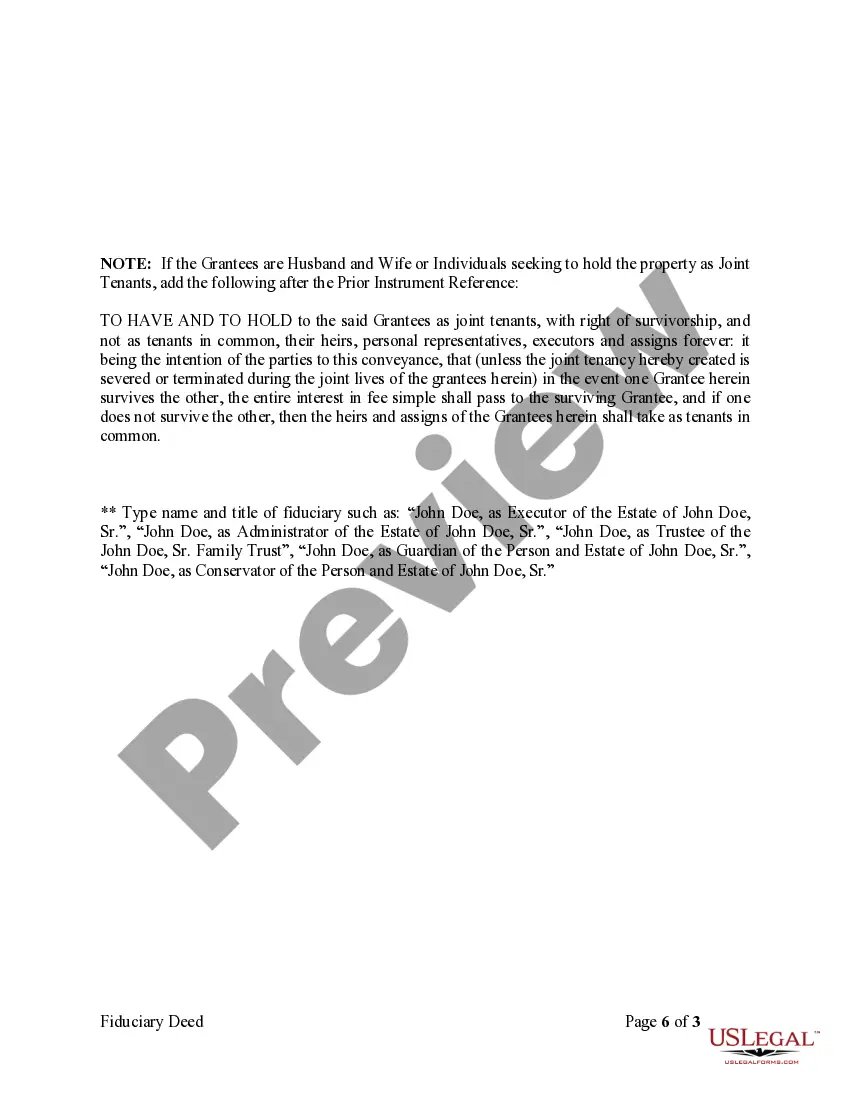
- Details regarding the fiduciary's authority to act, such as being an executor of a will or a trustee of a trust.
- Inclusion of the Certificate of Real Estate Value if necessary for property tax purposes.



When this form is needed
This form is needed when a fiduciary must transfer property ownership as part of their duties. Common scenarios include the sale or transfer of real estate from an estate being probated, property being managed under a trust, or assets that are part of a guardianship. It is essential whenever legal authority needs to be clearly documented to avoid disputes or complications in property transactions.
Who can use this document
- Executors of a will managing the deceased's estate.
- Trustees administering a trust and transferring assets to beneficiaries.
- Administrators assigned by the court to handle estates without a will.
- Guardians or conservators overseeing assets for minors or incapacitated persons.
How to prepare this document
- Identify the parties involved by entering the full names and addresses of the grantor and grantee.
- Specify the property details, including legal descriptions to define the property accurately.
- Enter the dates and signatures where required, ensuring all signatories are present.
- Complete any additional requirements such as the Certificate of Real Estate Value if applicable.
- Have the completed form notarized to ensure its legal validity.
Does this document require notarization?
Yes, this form must be notarized to be legally valid. The signature of the grantor must be acknowledged by a notary public to confirm their identity and the authenticity of their consent. Using U.S. Legal Formsâ online notarization service allows you to complete this step securely via video call at any time.
Get your form ready online
Our built-in tools help you complete, sign, share, and store your documents in one place.
Make edits, fill in missing information, and update formatting in US Legal Forms—just like you would in MS Word.
Download a copy, print it, send it by email, or mail it via USPS—whatever works best for your next step.
Sign and collect signatures with our SignNow integration. Send to multiple recipients, set reminders, and more. Go Premium to unlock E-Sign.
If this form requires notarization, complete it online through a secure video call—no need to meet a notary in person or wait for an appointment.
We protect your documents and personal data by following strict security and privacy standards.

Make edits, fill in missing information, and update formatting in US Legal Forms—just like you would in MS Word.

Download a copy, print it, send it by email, or mail it via USPS—whatever works best for your next step.

Sign and collect signatures with our SignNow integration. Send to multiple recipients, set reminders, and more. Go Premium to unlock E-Sign.

If this form requires notarization, complete it online through a secure video call—no need to meet a notary in person or wait for an appointment.

We protect your documents and personal data by following strict security and privacy standards.
Typical mistakes to avoid
- Not providing complete property descriptions, leading to ambiguity.
- Failing to sign the document or having it notarized.
- Incorrectly identifying the fiduciary's authority, which may cause legal challenges.
- Not submitting the Certificate of Real Estate Value when required, leading to processing delays.
Advantages of online completion
- Convenient access to the form allows for easy completion from home.
- Editable fields enable users to fill in specific details without printing.
- Instant downloads save time, allowing for quick submission.
- Reliable templates designed by licensed attorneys ensure legal compliance.
Legal use & context
- The Fiduciary Deed is enforceable in South Dakota when completed correctly and signed.
- It serves to protect all parties involved by documenting property transfers executed under fiduciary authority.
- Ensure the form is filled out accurately to avoid disputes or legal challenges to the property transfer.
Summary of main points
- The Fiduciary Deed is essential for transferring property managed by a fiduciary.
- Complete the form carefully and ensure all necessary signatures are obtained.
- Familiarize yourself with South Dakota regulations regarding property transfers.
- Consult with a legal expert if unsure about specific requirements or procedures.
Looking for another form?
Form popularity
FAQ
The court will force the executor to return the property to the estate or pay restitution to the beneficiaries of the estate.The executor cannot transfer estate property to himself because the property belongs to someone else unless he pays the full price for it.
When a property owner dies, the person who is listed as an executor of their estate assumes responsibility for the property. That is, everything the deceased owned. This includes their homes, pensions, bank accounts and other assets.
As an Executor, what you cannot do is go against the terms of the Will, Breach Fiduciary duty, fail to act, self-deal, embezzle, intentionally or unintentionally through neglect harm the estate, and cannot do threats to beneficiaries and heirs.
In most states, an executor's deed must be signed by a witness and notarized. An executor's deed should be recorded in the real estate records of the county in which the property being conveyed is located.
Again, the Executors of the Estate have overall authority, so can accept an offer from a potential buyer. But again, the Executors must act in the Beneficiaries' best interests, and so have a duty to sell the property for a reasonable sum.
Once the COURT appoints you as executor, you will record an affidavit of death of joint tenant to get your mother's name of the property. Then, when you get an order for final distribution, you will record a certified copy to get the property into the names of the beneficiaries under the will.
Executor's Deed: This may be used when a person dies testate (with a will). The estate's executor will dispose of the decedent's assets and an executor's deed may be used to convey the title or real property to the grantee.
The terms of the Independent Administration of Estates Act do not avoid probate, but they do allow an executor to sell an estate's real estate without probate court approval under some circumstances.