South Dakota Letter from Landlord to Tenant about Tenant engaging in illegal activity in premises as documented by law enforcement and if repeated, lease terminates
What is this form?
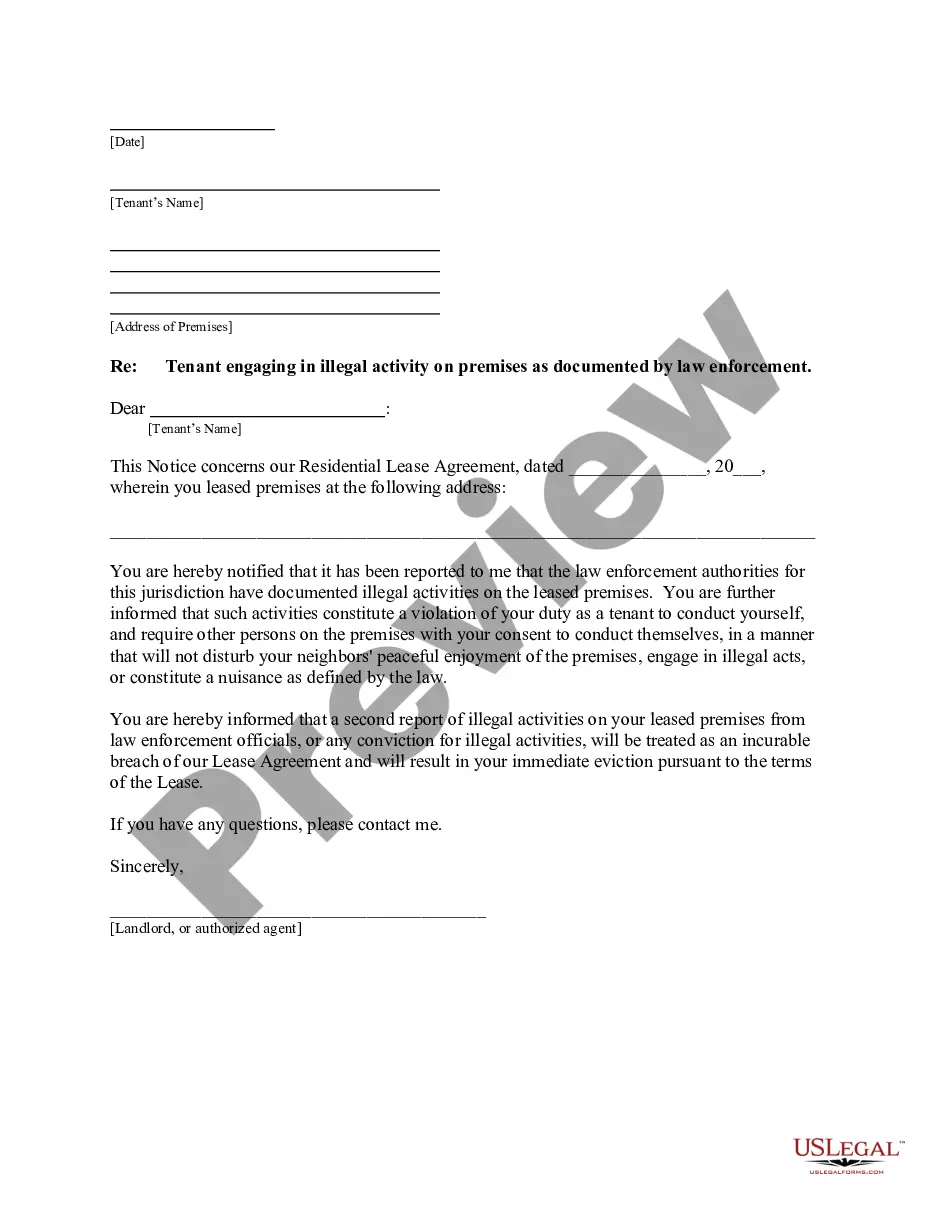
This is a letter from the landlord to the tenant addressing illegal activities occurring on the leased premises, as reported by law enforcement. The letter demands that the tenant cease all illegal activities and warns that repeated violations can lead to the termination of the lease. This form serves to formally communicate serious lease violations, differentiating it from general notices as it specifically involves legal misconduct documented by authorities.
Key components of this form
- Notification of illegal activities reported by law enforcement.
- Explanation of the tenant's responsibilities regarding conduct.
- Consequences of repeated illegal activities, including potential eviction.
- Contact information for the landlord for any questions.

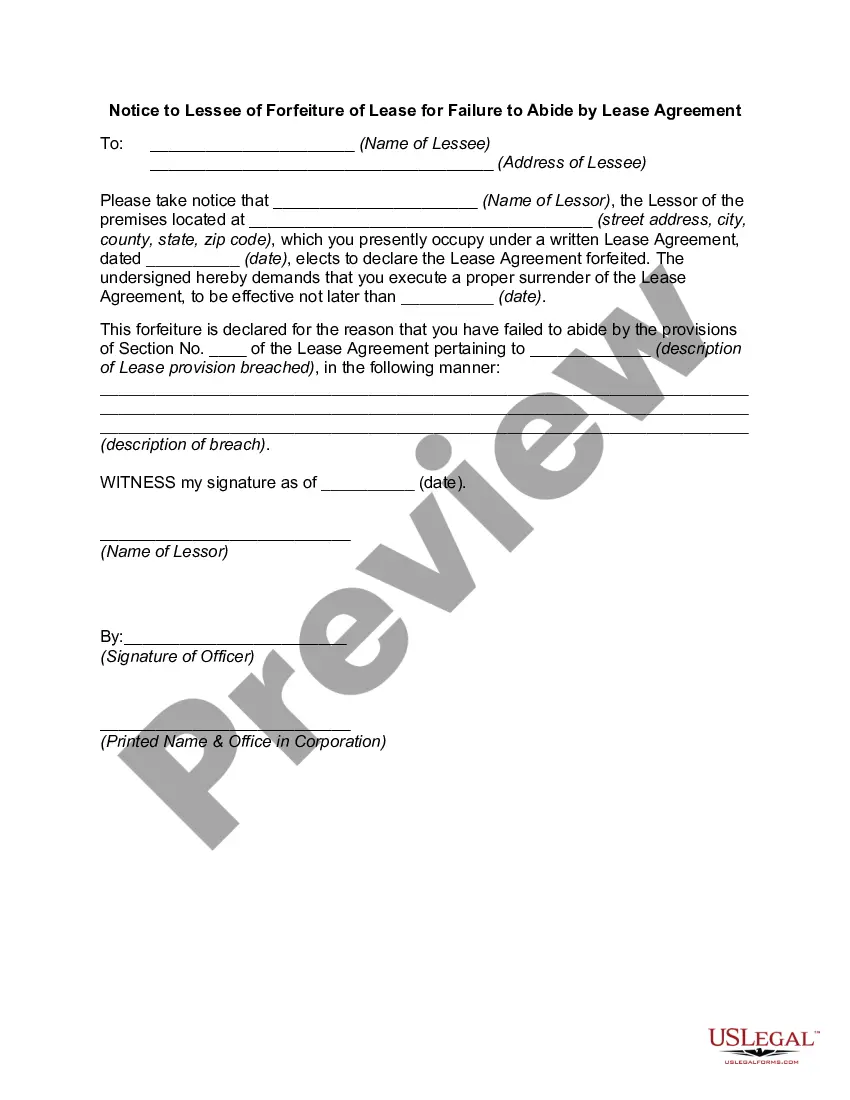
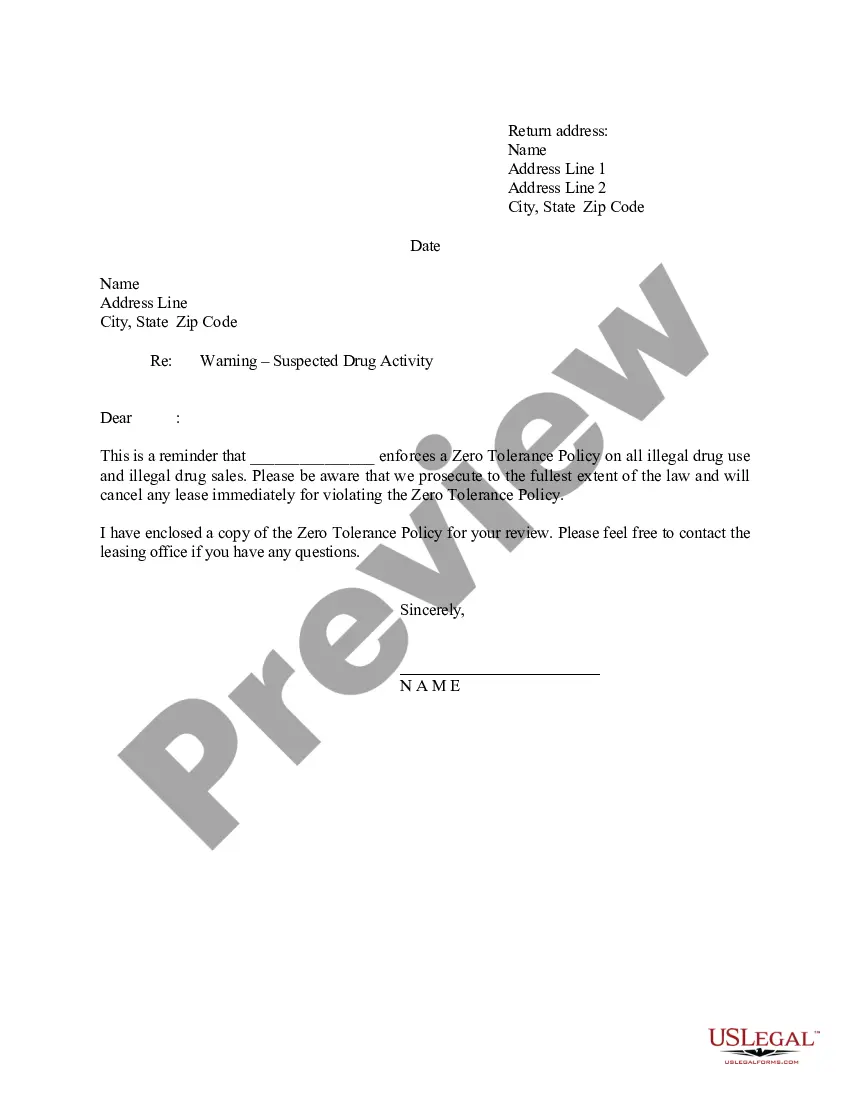
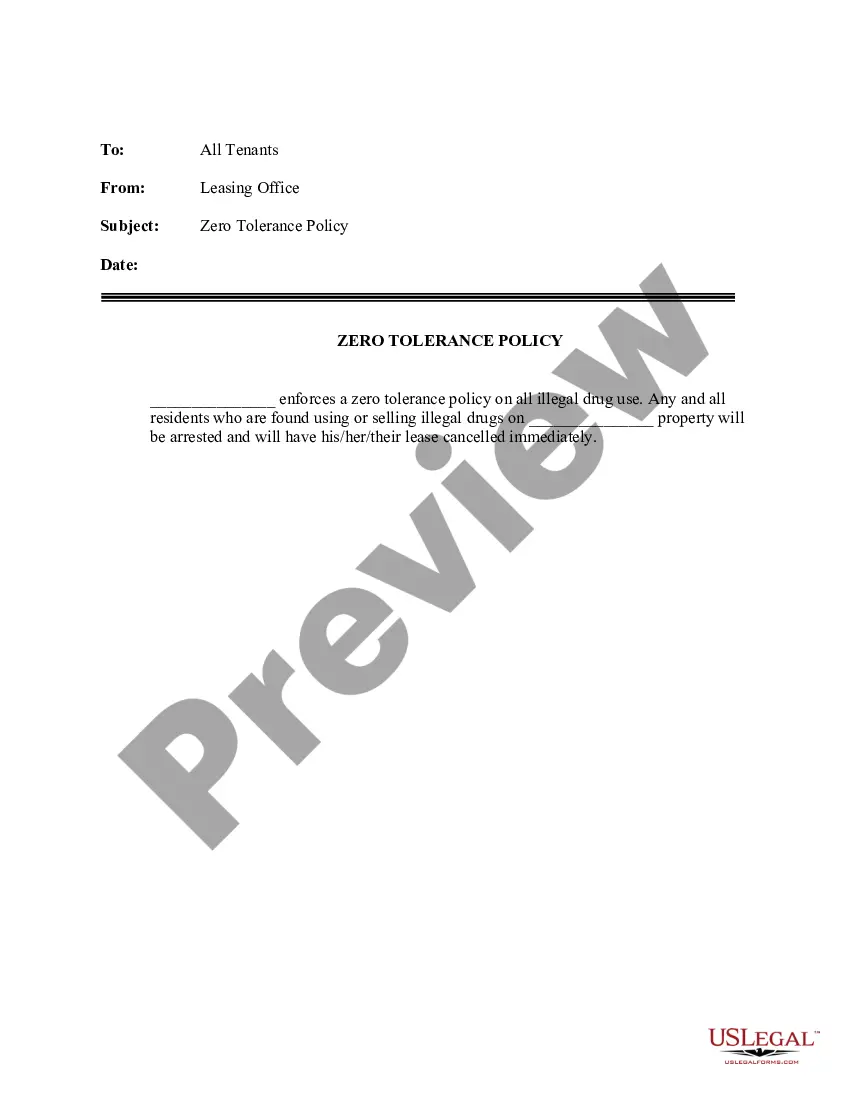
When this form is needed
This form should be used when a landlord receives reports or evidence from law enforcement of illegal activities occurring on the leased property. It serves as an official notice to the tenant to stop these activities immediately and informs them of the serious consequences, including eviction, if the behavior continues. It is important for landlords to document such occurrences to protect their rights and the rights of other tenants.
Who needs this form
- Landlords who have tenants engaging in illegal activities on their premises.
- Property managers representing landlords in residential leasing situations.
- Real estate professionals needing to enforce lease agreements.
Completing this form step by step
- Identify the landlord and tenant by entering their names and addresses at the top of the letter.
- Clearly state the specific illegal activities reported by law enforcement.
- Include the date of the report and any relevant law enforcement case numbers.
- Outline the consequences of ongoing illegal activity, specifically noting eviction terms.
- Sign the letter with your name and include contact information for inquiries.
Notarization guidance
This form does not typically require notarization unless specified by local law. Always check local regulations to ensure compliance and validity.
Get your form ready online
Our built-in tools help you complete, sign, share, and store your documents in one place.
Make edits, fill in missing information, and update formatting in US Legal Forms—just like you would in MS Word.
Download a copy, print it, send it by email, or mail it via USPS—whatever works best for your next step.
Sign and collect signatures with our SignNow integration. Send to multiple recipients, set reminders, and more. Go Premium to unlock E-Sign.
If this form requires notarization, complete it online through a secure video call—no need to meet a notary in person or wait for an appointment.
We protect your documents and personal data by following strict security and privacy standards.

Make edits, fill in missing information, and update formatting in US Legal Forms—just like you would in MS Word.

Download a copy, print it, send it by email, or mail it via USPS—whatever works best for your next step.

Sign and collect signatures with our SignNow integration. Send to multiple recipients, set reminders, and more. Go Premium to unlock E-Sign.

If this form requires notarization, complete it online through a secure video call—no need to meet a notary in person or wait for an appointment.

We protect your documents and personal data by following strict security and privacy standards.
Common mistakes
- Failing to provide specific details about the reported illegal activities.
- Not including a clear warning of the consequences for continued violations.
- Missing or incorrect contact information for the landlord.
Why complete this form online
- Convenient access to customizable legal templates from licensed attorneys.
- Ability to download and use the form immediately upon completion.
- Easy editing to suit specific circumstances and state requirements.
- This form helps establish a formal record of tenant violations.
- Documentation can be critical in legal proceedings regarding eviction.
- Addressing illegal behaviors promptly can protect the landlord's property and other tenants' rights.
Main things to remember
- This letter serves to formally address illegal activities by a tenant.
- Failure to comply may lead to eviction and lease termination.
- Landlords should ensure compliance with local laws when using this form.
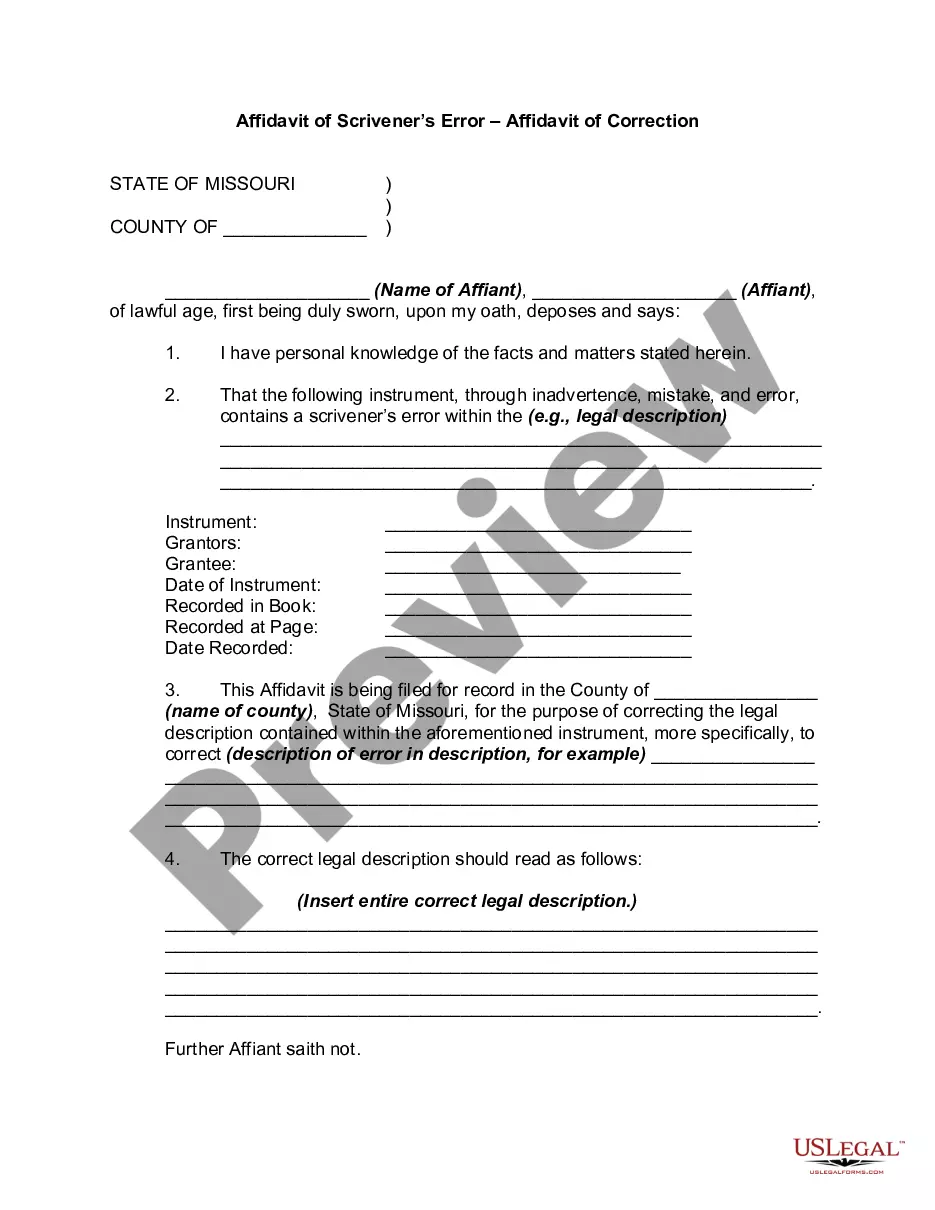
Looking for another form?
Form popularity
FAQ
Notice to terminate a week-to-week lease. If no end date is specified in the agreement, then a one-week notice required to terminate. Notice to terminate a month-to-month lease. Notice to terminate a yearly lease with no end date.
An eviction notice must state a reason why you are being evicted, otherwise it is invalid.For tenants who lived in the property for more than 12 months, the landlord must provide at least 60 days prior notice to vacate, under California Civil Code 1946.
The California eviction process can be long, frustrating and expensive. Landlords often feel like they get the short end of the stick. So, how long does it take to evict someone in California? Short answer: It can take anywhere between 45 to 75 days to evict someone in California, on average.
The only legal way to evict a tenant in California is with a Three-Day Notice to Pay Rent or Quit followed by an unlawful detainer hearing. If a landlord improperly serves a tenant with a Three-Day Notice, the tenant can move for dismissal of the case.
In California, a landlord may be able to evict a tenant if the tenant: Fails to pay the rent on time; Breaks the lease or rental agreement and will not fix the problem (like keeping your cat when pets are not allowed); Damages the property bringing down the value (commits "waste");
Notice for Termination With Cause. A landlord can terminate a California tenancy early and evict the tenant for a variety of reasons, including failure to pay rent, violating the lease or rental agreement, or committing an illegal act. Before terminating the tenancy, the landlord must give the tenant written notice.
Once a notice to quit expires, there is no longer a landlord and tenancy relationship. By law, even though he is no longer regarded as a tenant to the landlord, the tenant is still expected to pay the rent he owes to the landlord whether he has been given a notice to quit or not.
Yes, South Dakota is a very landlord-friendly state because landlords have broad leverage over tenants and do not have many habitability requirements.
Unconditional quit notices require the tenant to vacate the premises without giving them any chance to pay the rent owing or correct their bad behavior. Many states will only permit the use of unconditional quit notices in certain, specific situations, such as: Being late with the rent more than once.