South Dakota Letter from Tenant to Landlord about Landlord's failure to make repairs
Understanding this form
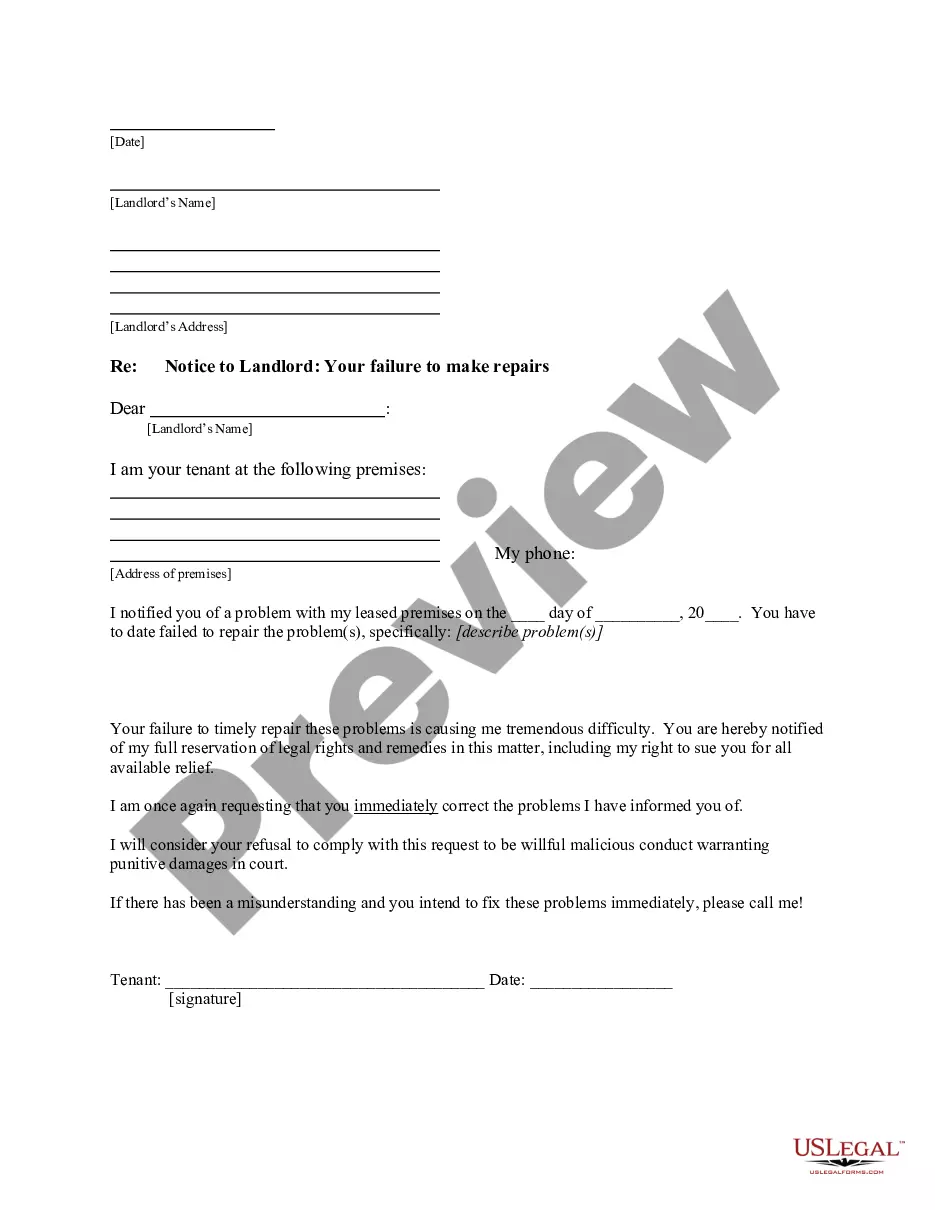
This form is a Letter from Tenant to Landlord regarding the landlord's failure to make necessary repairs to a rental property. It serves as a formal request for the landlord to address issues that have been previously reported. Unlike other forms of communication, this letter highlights the tenant's right to pursue legal action if the landlord neglects these responsibilities.
What’s included in this form
- Tenant's name and contact information
- Details of the requested repairs
- Statement regarding potential legal action
- Date of the request
- Signature of the tenant
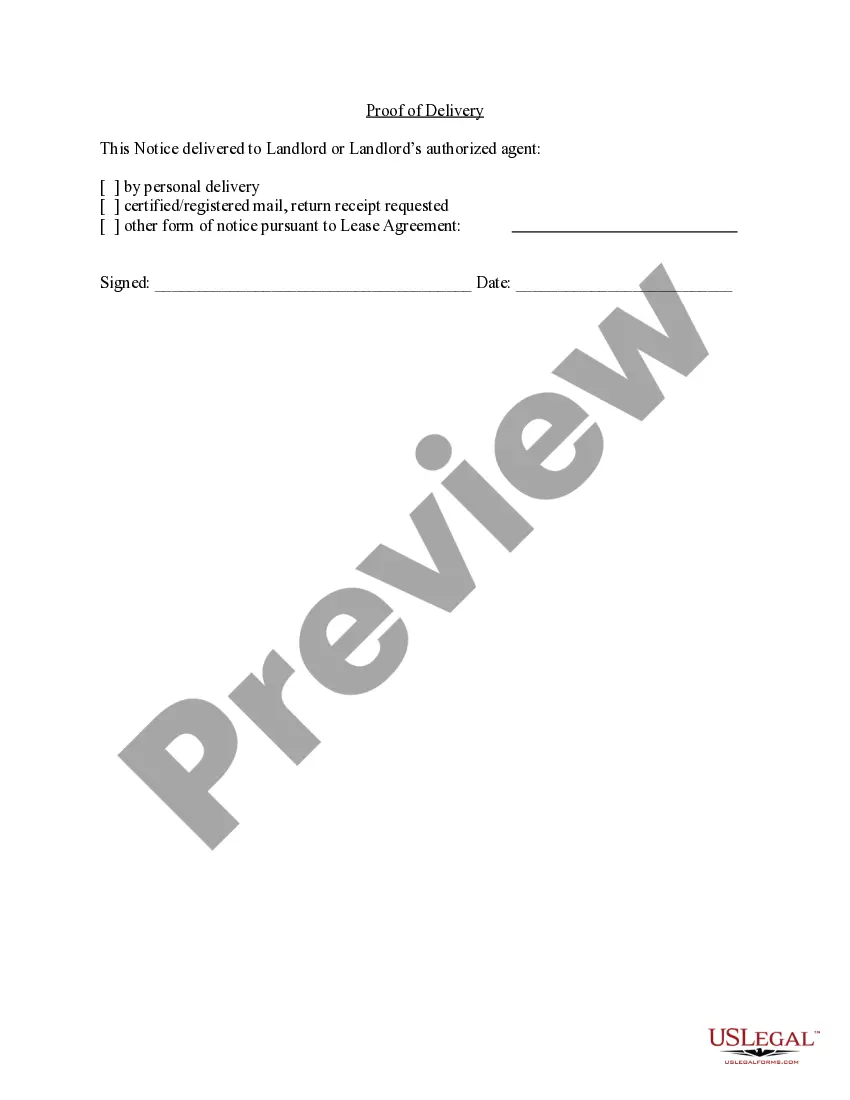
- Proof of delivery options (e.g., personal delivery, certified mail)

When to use this document
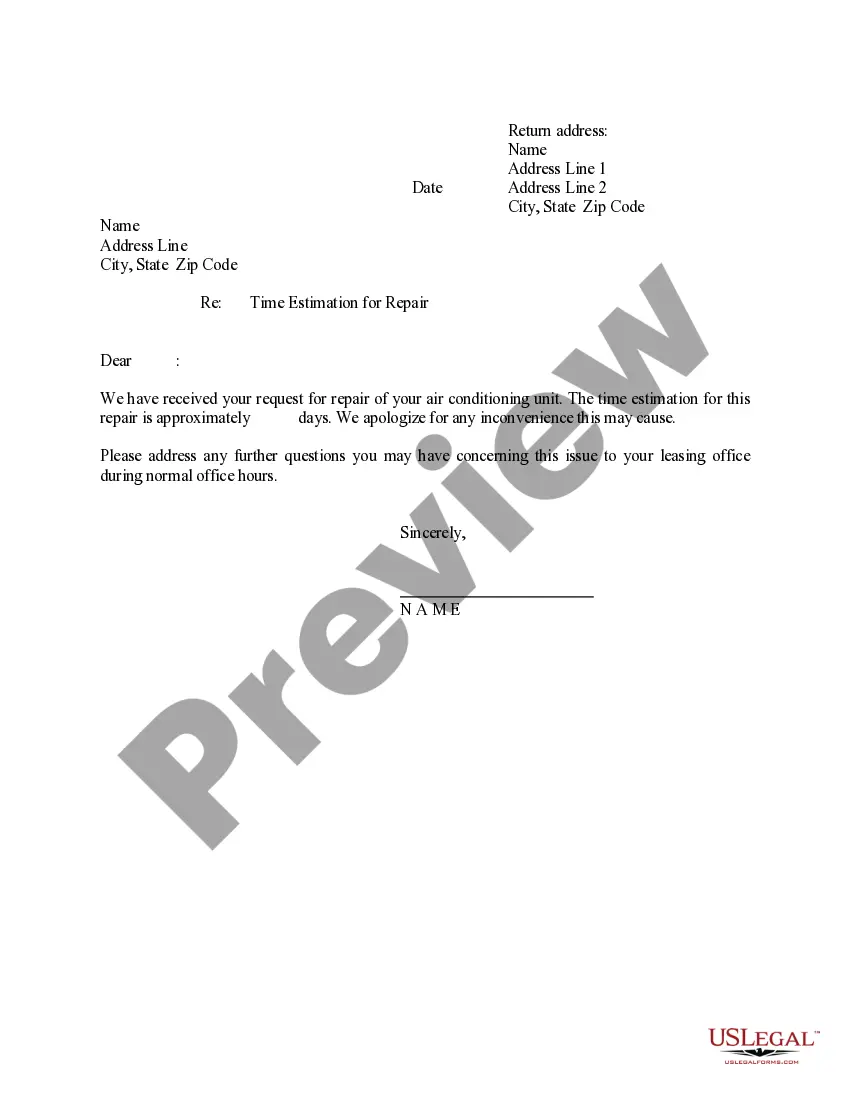
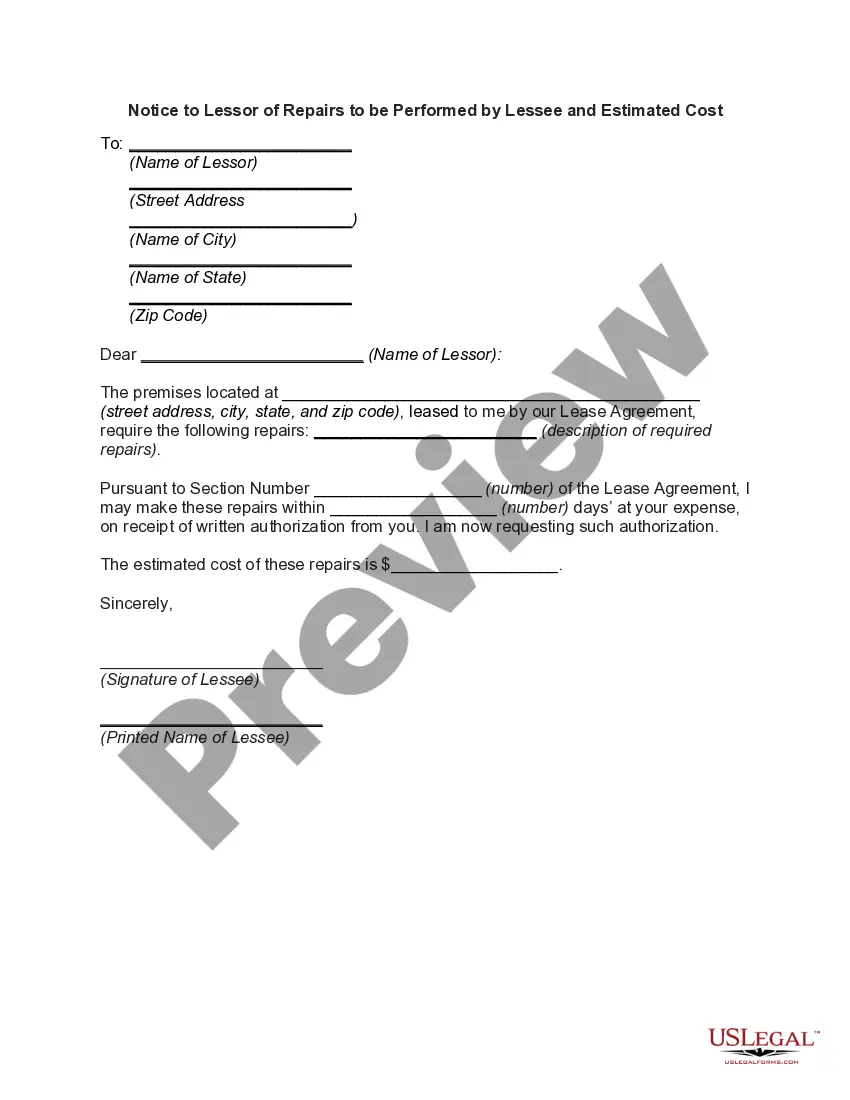
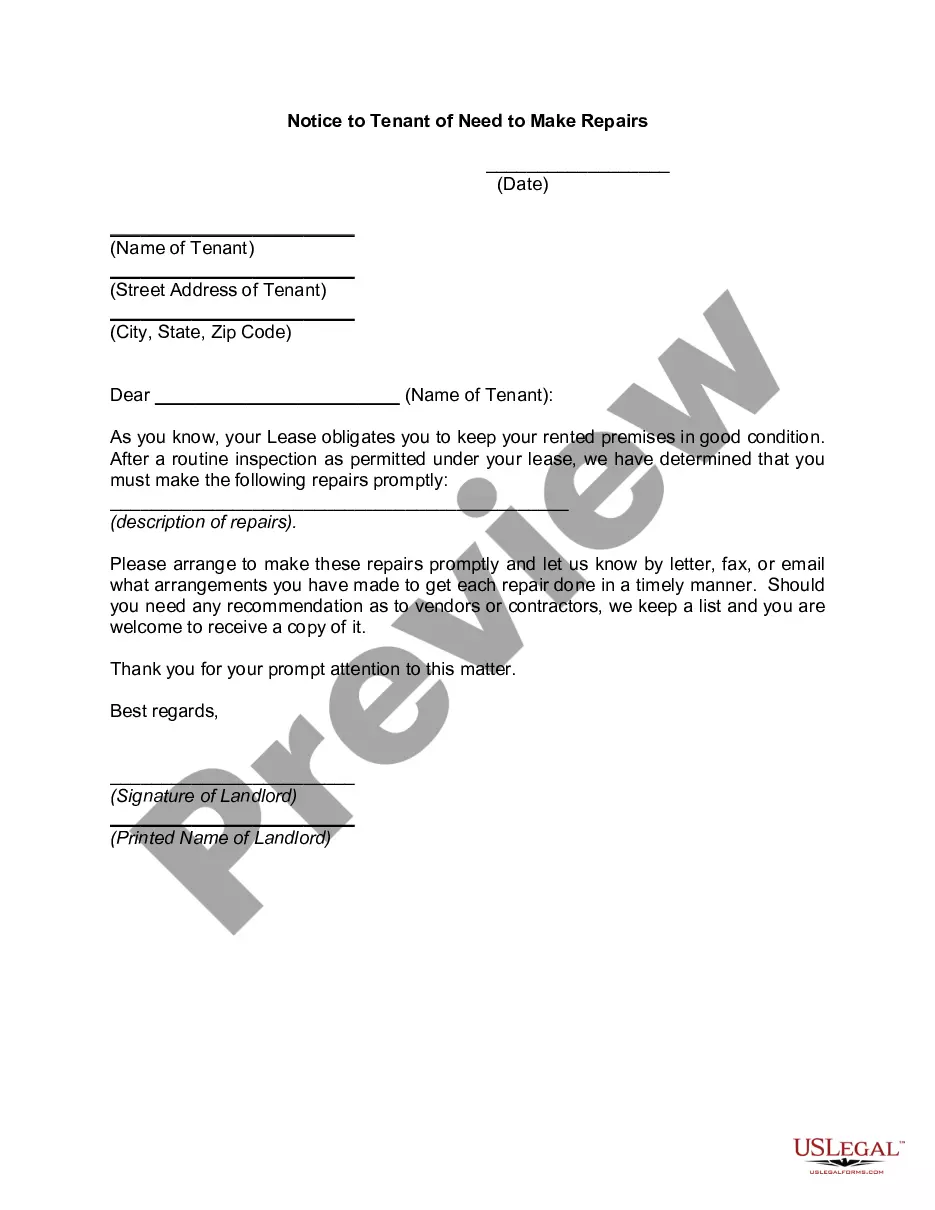
Use this form when you, as a tenant, have previously informed your landlord of specific repairs needed in your rental unit, and the landlord has failed to address these issues in a timely manner. This letter serves as a reminder and formal request for action, allowing you to clearly document your communications about the repairs.
Who can use this document
- Tenants living in rental properties who have outstanding repair requests
- Individuals seeking to document their communications with their landlords
- Those who may consider pursuing legal action for unaddressed repairs
Steps to complete this form
- Identify the parties involved by filling in your name and address at the top of the letter.
- Clearly state the specific repairs that need to be addressed.
- Introduce the legal implications by mentioning your rights regarding potential legal action.
- Sign and date the letter to validate your request.
- Select your proof of delivery method, ensuring the landlord receives the notice.
Is notarization required?
Notarization is not commonly needed for this form. However, certain documents or local rules may make it necessary. Our notarization service, powered by Notarize, allows you to finalize it securely online anytime, day or night.
Get your form ready online
Our built-in tools help you complete, sign, share, and store your documents in one place.
Make edits, fill in missing information, and update formatting in US Legal Forms—just like you would in MS Word.
Download a copy, print it, send it by email, or mail it via USPS—whatever works best for your next step.
Sign and collect signatures with our SignNow integration. Send to multiple recipients, set reminders, and more. Go Premium to unlock E-Sign.
If this form requires notarization, complete it online through a secure video call—no need to meet a notary in person or wait for an appointment.
We protect your documents and personal data by following strict security and privacy standards.

Make edits, fill in missing information, and update formatting in US Legal Forms—just like you would in MS Word.

Download a copy, print it, send it by email, or mail it via USPS—whatever works best for your next step.

Sign and collect signatures with our SignNow integration. Send to multiple recipients, set reminders, and more. Go Premium to unlock E-Sign.

If this form requires notarization, complete it online through a secure video call—no need to meet a notary in person or wait for an appointment.

We protect your documents and personal data by following strict security and privacy standards.
Typical mistakes to avoid
- Failing to keep a copy of the letter for your records.
- Not providing sufficient details about the repairs needed.
- Overlooking specific state laws that may influence your rights as a tenant.
Benefits of completing this form online
- Convenient access to legally vetted templates from licensed attorneys.
- Easy customization to meet your specific circumstances.
- Immediate availability for urgent situations, allowing quick action.
Legal use & context
- This letter can help establish a timeline of communication regarding repairs.
- It may serve as evidence in court to support a tenant's claims regarding landlord neglect.
- Using this letter may prevent escalation to a more serious legal dispute.
Main things to remember
- The form is essential for documenting repair requests to a landlord.
- It outlines potential legal action if repairs are not made.
- Adhere to state-specific requirements to ensure compliance.
Looking for another form?
Form popularity
FAQ
Know your state's landlord/tenant laws. Read and respond to the court summons. Try to work out a settlement. Consider legal counsel. Show up for court. Look sharp and provide evidence.
Uninhabitable conditions can include dangerous ones, such as holes in the floor, unsafe or exposed wiring, or non-working air conditioning in dangerously hot summer months. Gross infestations of roaches, fleas or other pests are also uninhabitable conditions.
Tenants can all agree to withhold rent until the landlord makes repairs. A group of tenants can ask a judge to order the landlord to make repairs. If the landlord absolutely refuses to fix the bad conditions, tenants can ask a court to appoint a temporary landlord called a receiver in order to make repairs.
Your landlord has to keep your home in a good condition and do repairs if you need them. They can't make you leave your home just for asking for repairs to be done - your landlord has to follow a proper eviction process if they want you to leave.
The landlord had a duty to reasonably maintain the property; The landlord knew or should have known of the dangerous condition; The landlord breached their duty by failing to repair/fix the dangerous condition;
Make sure the repair is actually your landlord's responsibility. Document the problem thoroughly. Ask your landlord in writing to make the repair. Send your landlord a letter with return receipt requested.
Calling state or local building or health inspectors. withholding the rent. repairing the problem, or having it repaired by a professional, and deducting the cost from your rent (called repair-and-deduct) moving out, or.
If you think your landlord is violating the Fair Housing Act, you can get that landlord in trouble by filing a complaint at HUD.gov. Your remedy for breach of quiet enjoyment is to terminate the lease and move or sue in small claims court.
Uninhabitable conditions can include dangerous ones, such as holes in the floor, unsafe or exposed wiring, or non-working air conditioning in dangerously hot summer months. Gross infestations of roaches, fleas or other pests are also uninhabitable conditions.