South Dakota Buyer's Home Inspection Checklist
What is this form?
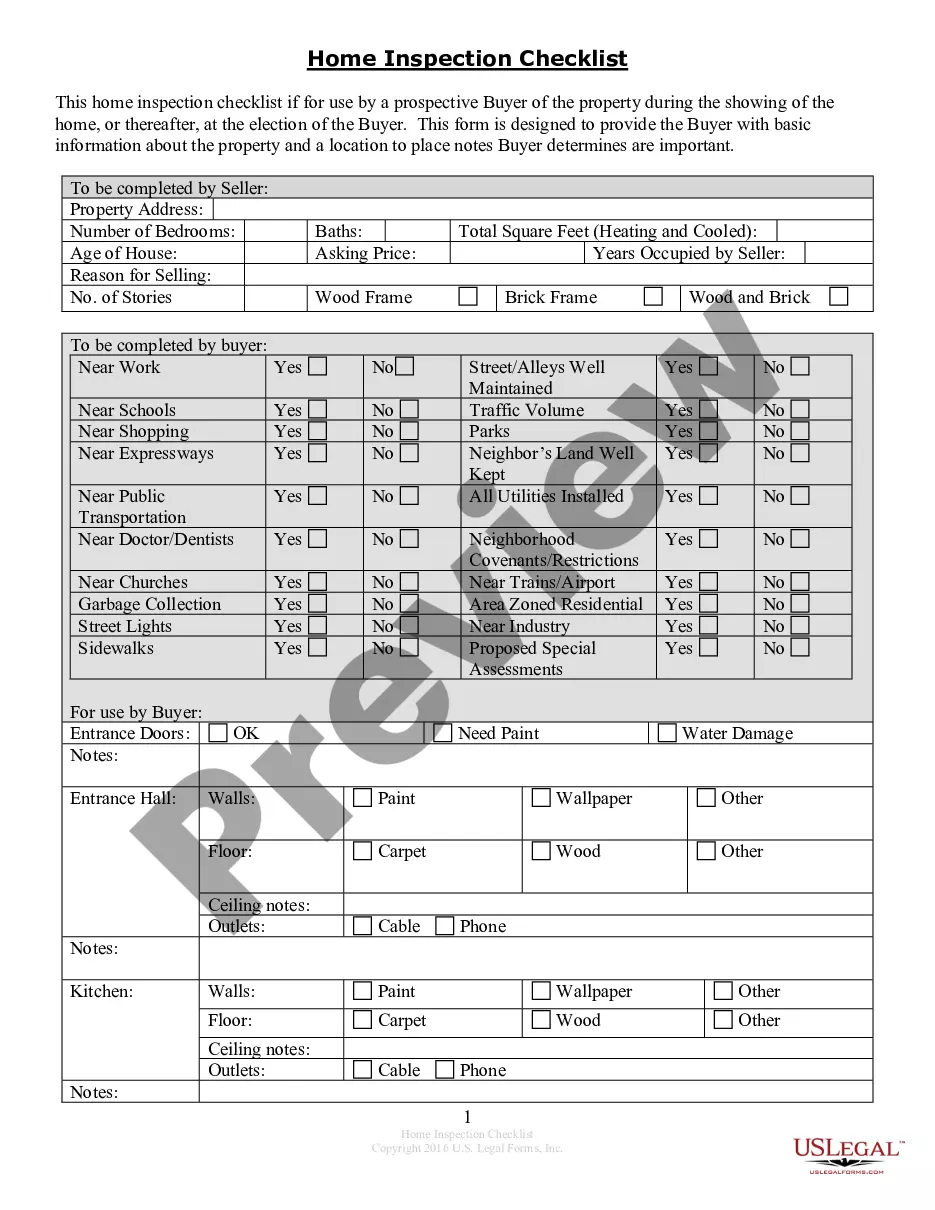
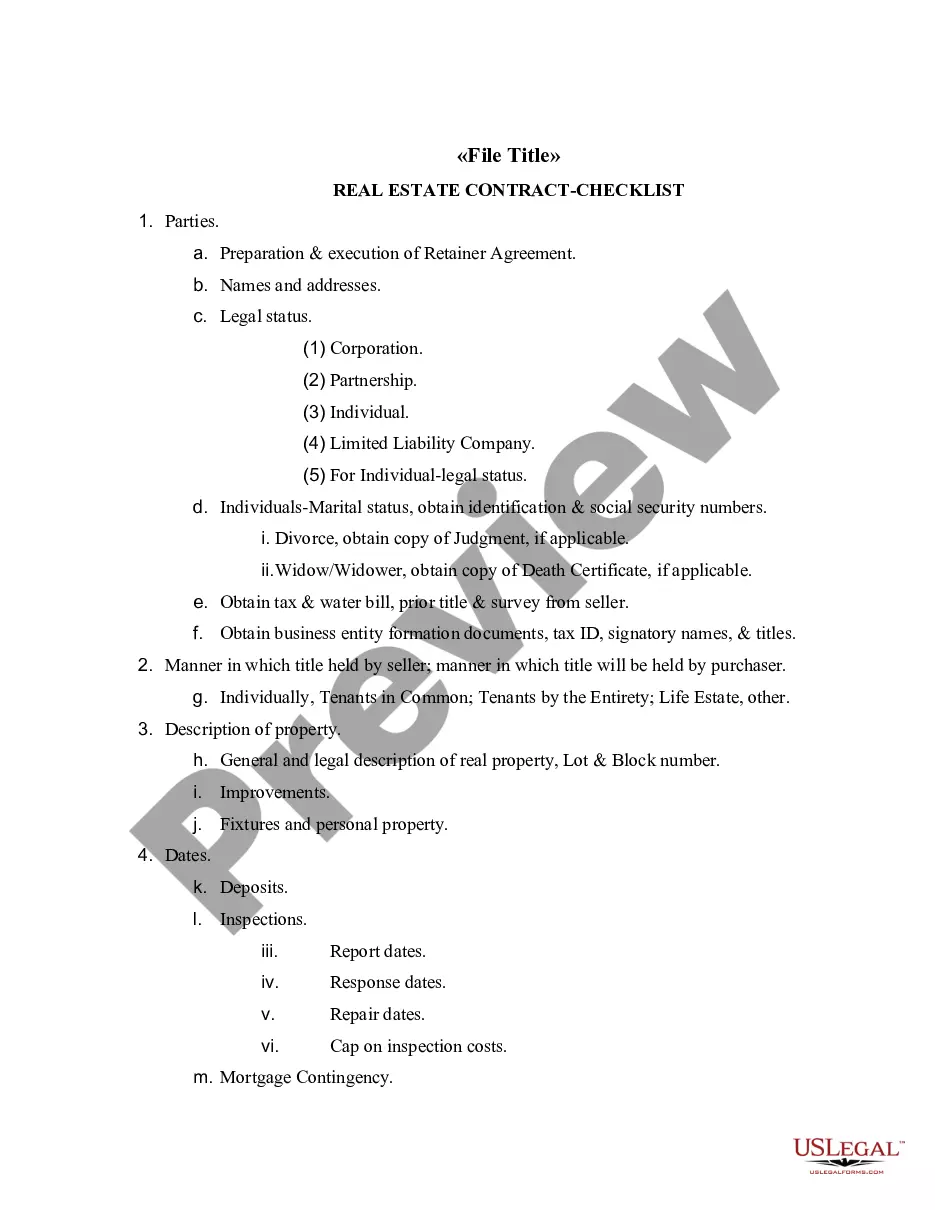
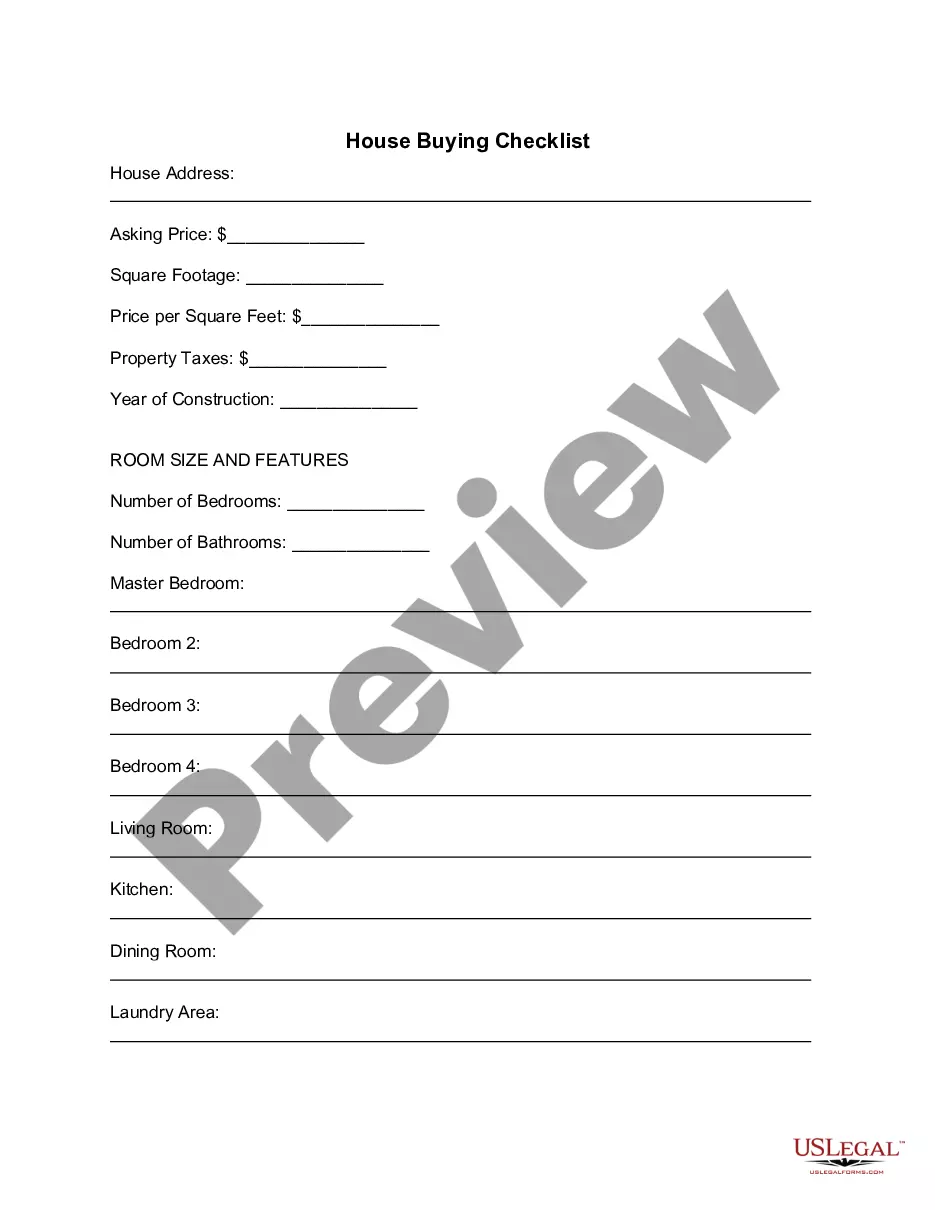
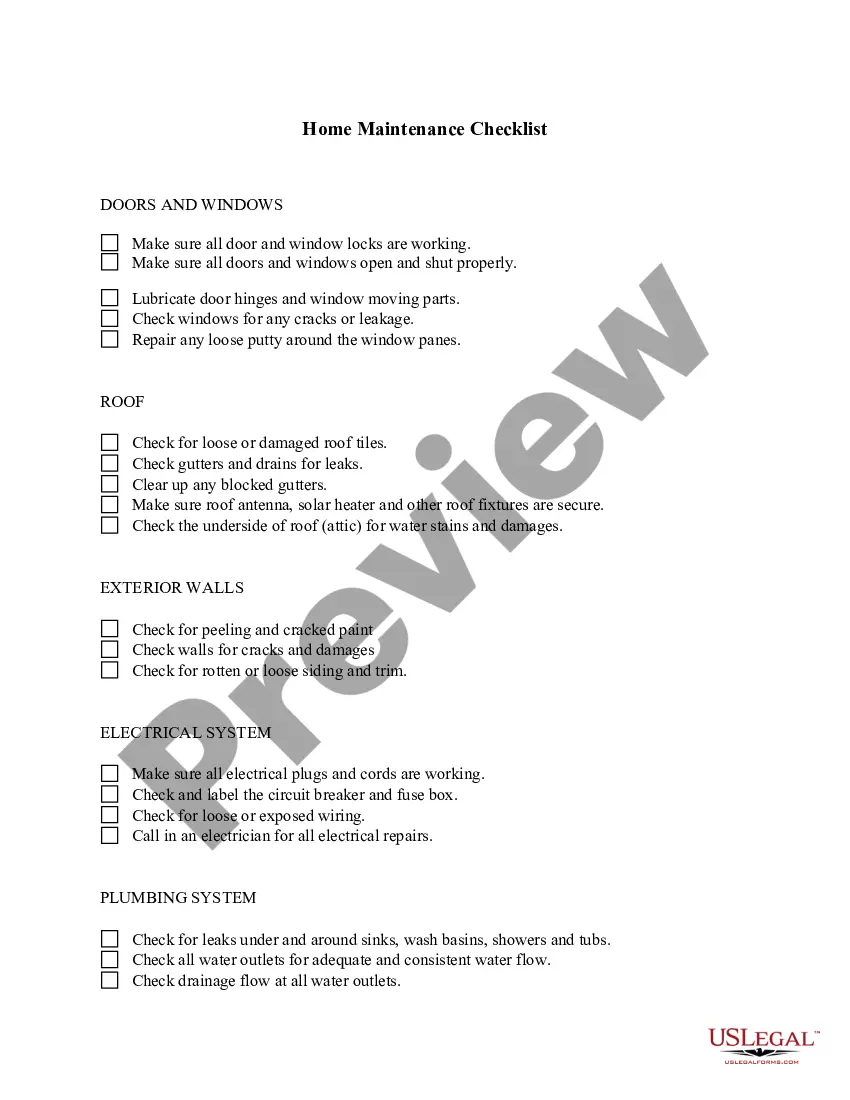
The Buyer's Home Inspection Checklist is a critical document for prospective home buyers in South Dakota. It serves as a tool to help buyers evaluate a property during their initial viewing or later, enabling them to ask informed questions about the home before making an offer. This checklist is comprehensive, covering various aspects of the property that may impact the buying decision, and differs from standard inspection reports by focusing specifically on visual checks and initial inquiries rather than detailed inspections performed by professionals.
Form components explained
- Property location details such as street and neighborhood characteristics.
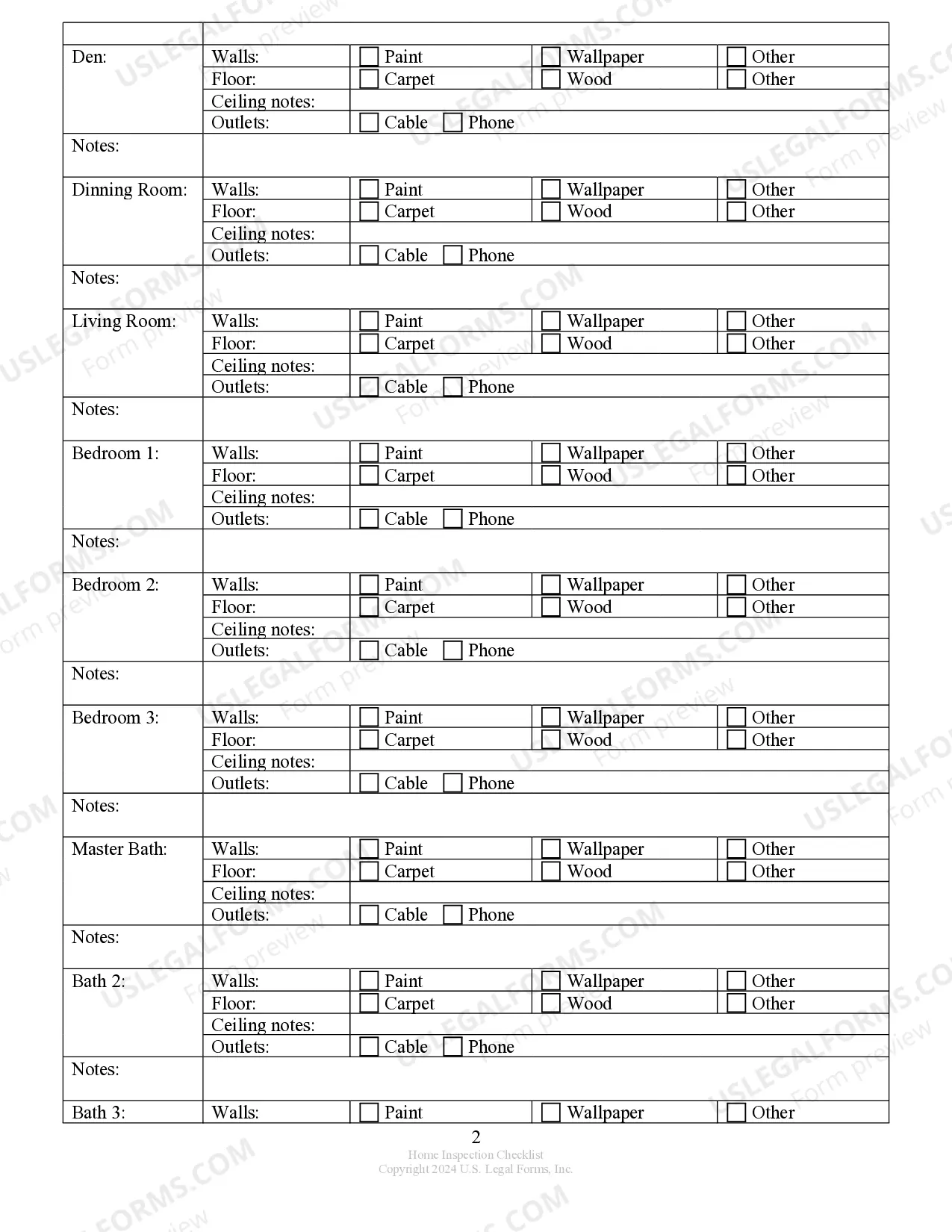
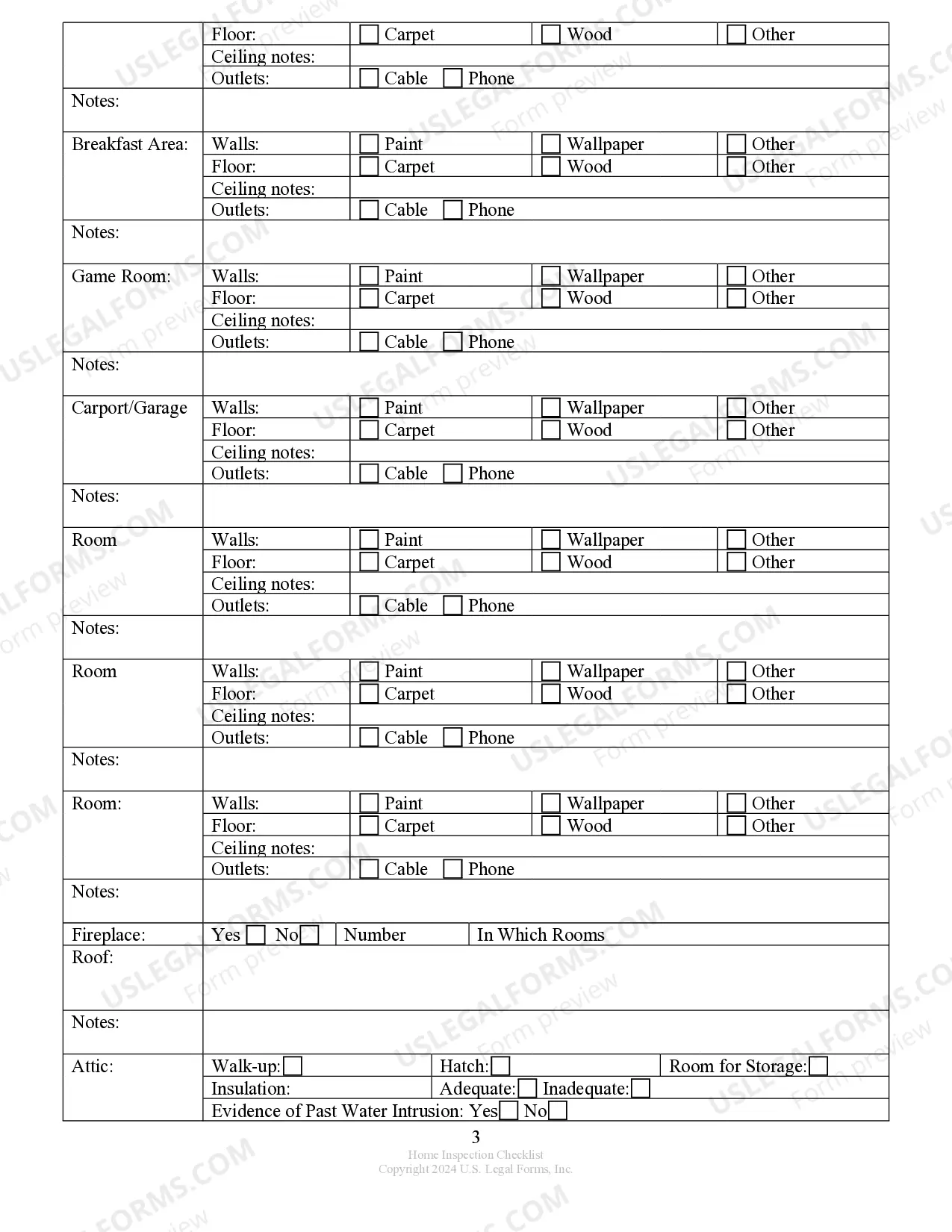
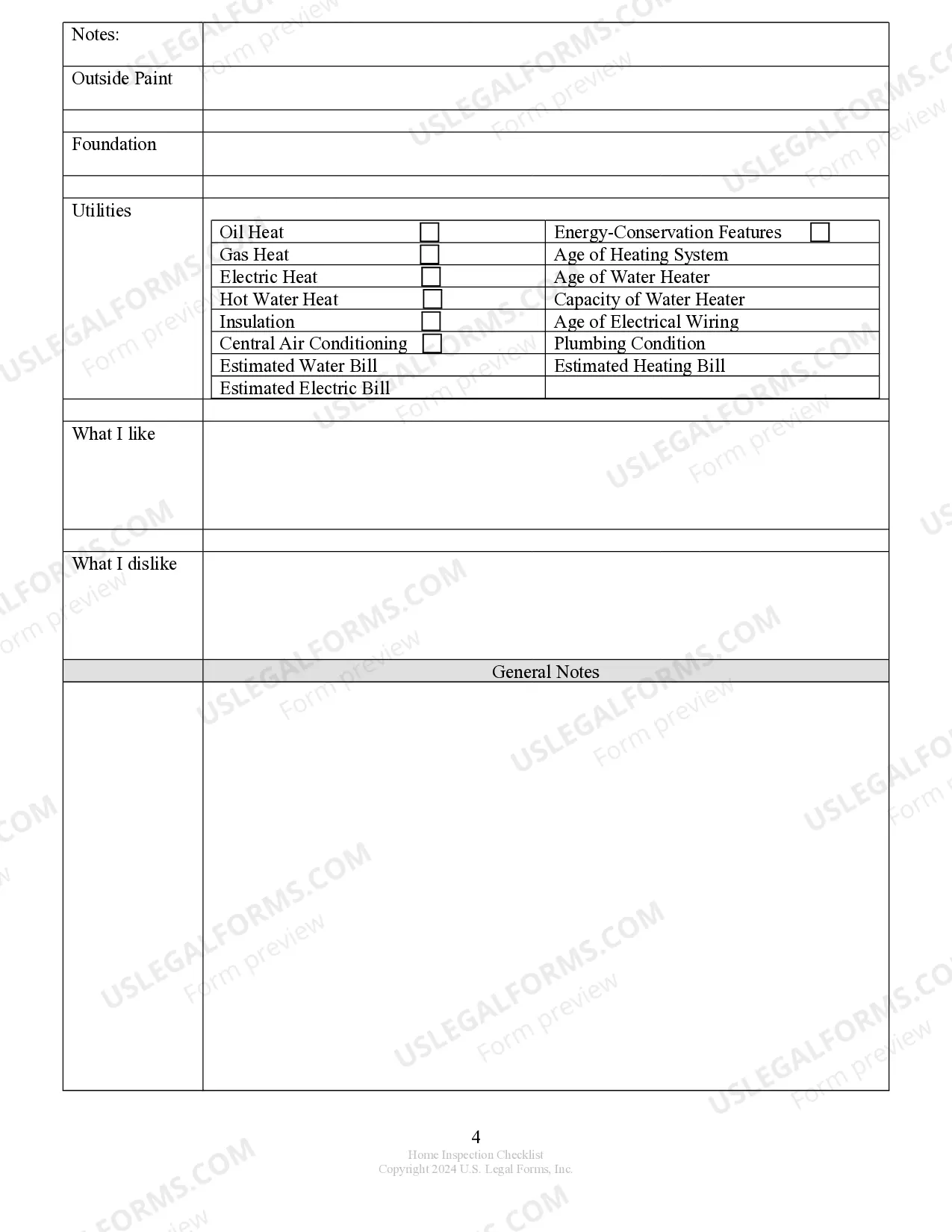
- Checklist items including maintenance of the area, proximity to essential services, and general property observations.
- Space for buyer notes to document observations and queries.
- Sections addressing utilities, zoning, and neighborhood restrictions.
- Visual checkboxes for easy assessment of various property features.
When to use this document
Use the Buyer's Home Inspection Checklist when you're considering purchasing a home. It is beneficial during property showings, allowing you to methodically assess both the house and surrounding area. This checklist helps you identify potential concerns early in the buying process, ensuring you have all necessary information before making a formal offer.
Who this form is for
This form is intended for:
- Prospective home buyers in South Dakota.
- Individuals or families planning to evaluate multiple properties.
- Real estate agents assisting buyers in the home purchasing process.
Steps to complete this form
- Begin by entering the property address at the top of the form.
- Review each checklist item carefully, marking 'Yes' or 'No' based on your observations.
- Use the notes section to write down any queries or remarks about specific features.
- Identify crucial aspects such as utility installations and neighborhood conveniences.
- Keep this checklist handy for discussions with your real estate agent or seller.
Is notarization required?
This form does not typically require notarization to be legally valid. However, some jurisdictions or document types may still require it. US Legal Forms provides secure online notarization powered by Notarize, available 24/7 for added convenience.
Get your form ready online
Our built-in tools help you complete, sign, share, and store your documents in one place.
Make edits, fill in missing information, and update formatting in US Legal Forms—just like you would in MS Word.
Download a copy, print it, send it by email, or mail it via USPS—whatever works best for your next step.
Sign and collect signatures with our SignNow integration. Send to multiple recipients, set reminders, and more. Go Premium to unlock E-Sign.
If this form requires notarization, complete it online through a secure video call—no need to meet a notary in person or wait for an appointment.
We protect your documents and personal data by following strict security and privacy standards.

Make edits, fill in missing information, and update formatting in US Legal Forms—just like you would in MS Word.

Download a copy, print it, send it by email, or mail it via USPS—whatever works best for your next step.

Sign and collect signatures with our SignNow integration. Send to multiple recipients, set reminders, and more. Go Premium to unlock E-Sign.

If this form requires notarization, complete it online through a secure video call—no need to meet a notary in person or wait for an appointment.

We protect your documents and personal data by following strict security and privacy standards.
Common mistakes to avoid
- Overlooking critical checklist items which can affect the buying decision.
- Failing to take notes during the property viewing, leading to forgetfulness about specific features.
- Not discussing observations with the seller or agent to clarify any concerns.
- Using the checklist without adapting it to specific property nuances.
Advantages of online completion
- Instant access to a reliable, attorney-drafted checklist tailored for South Dakota.
- Easy customization; you can edit and adjust the checklist as needed.
- Convenience of downloading and printing the form at your own pace.
- Secure and efficient, saving time compared to traditional methods of obtaining legal forms.
Legal use & context
- The checklist can provide a basis for negotiation if issues are identified prior to purchase.
- While not a formal inspection report, the checklist is a valuable preliminary assessment tool.
- Using this checklist may demonstrate due diligence during the home buying process, which can be favorable in any legal discussions.
Quick recap
- The Buyer's Home Inspection Checklist is essential for anyone looking to purchase a home in South Dakota.
- It aids in identifying important property details before making an offer.
- Buyers should actively use notes to capture observations which can influence their buying decision.
- This checklist is designed for ease of use, allowing buyers to assess essential features in a structured way.
Looking for another form?
Form popularity
FAQ
The standard home inspector's report will cover the condition of the home's heating system; central air conditioning system (temperature permitting); interior plumbing system; electrical system; the roof, attic and visible insulation; walls, ceilings, floors, windows and doors; and the foundation, basement and
The risks of waiving a home inspectionHome inspections can uncover potentially hazardous items in a homesuch as bad wiring, unsafe heating or cooling equipment, or even structural issuesthat the average person won't likely notice with a quick look around.
A home inspector will look at things like a home's foundation, structural components, roof, HVAC, plumbing, and electrical systems, then provide a written home inspection report with results. A home inspection generally takes two to four hours, but may take more time depending on the size of the house.
Provide open access to areas that need to be checked. Clear the perimeter. Check the roof. Keep a clean house. Replace any bulbs that are out. Make sure your toilets are functioning properly. Put in a fresh furnace return filter.
One of the most frequent questions our Realtors get asked is "should the seller be present for the home inspection?" The short answer to that is, "Usually, no." If it is a pre-listing inspection ordered by the seller, they are absolutely okay to be there and should be.
What Does it Mean to Waive the Inspection Contingency?When you waive the inspection contingency you are agreeing to accept the property in as is condition. You agree to own whatever problems come with the property.
Home inspections will be thorough and cover all parts of a house. While basements, roofs, plumbing, and wiring are primary areas for concern, they are not the only areas worth attention. Inspectors will check heating and cooling systems, making sure they work and commenting on their efficiency.
Rather, if the Seller fails to respond to the Purchaser's Home Inspection Contingency Removal Addendum with proposed repairs, then the Purchaser chooses to either take the house without any repairs or void the contract. The Seller can no longer automatically force cancellation of the contract.
Sellers tend to like these offers because it essentially means they are selling the home 'as is' and are not responsible for any thing that is not immediately visible. Without a licensed inspector viewing the property, the buyer can only comment on the things that they see that are potentially wrong with the home.