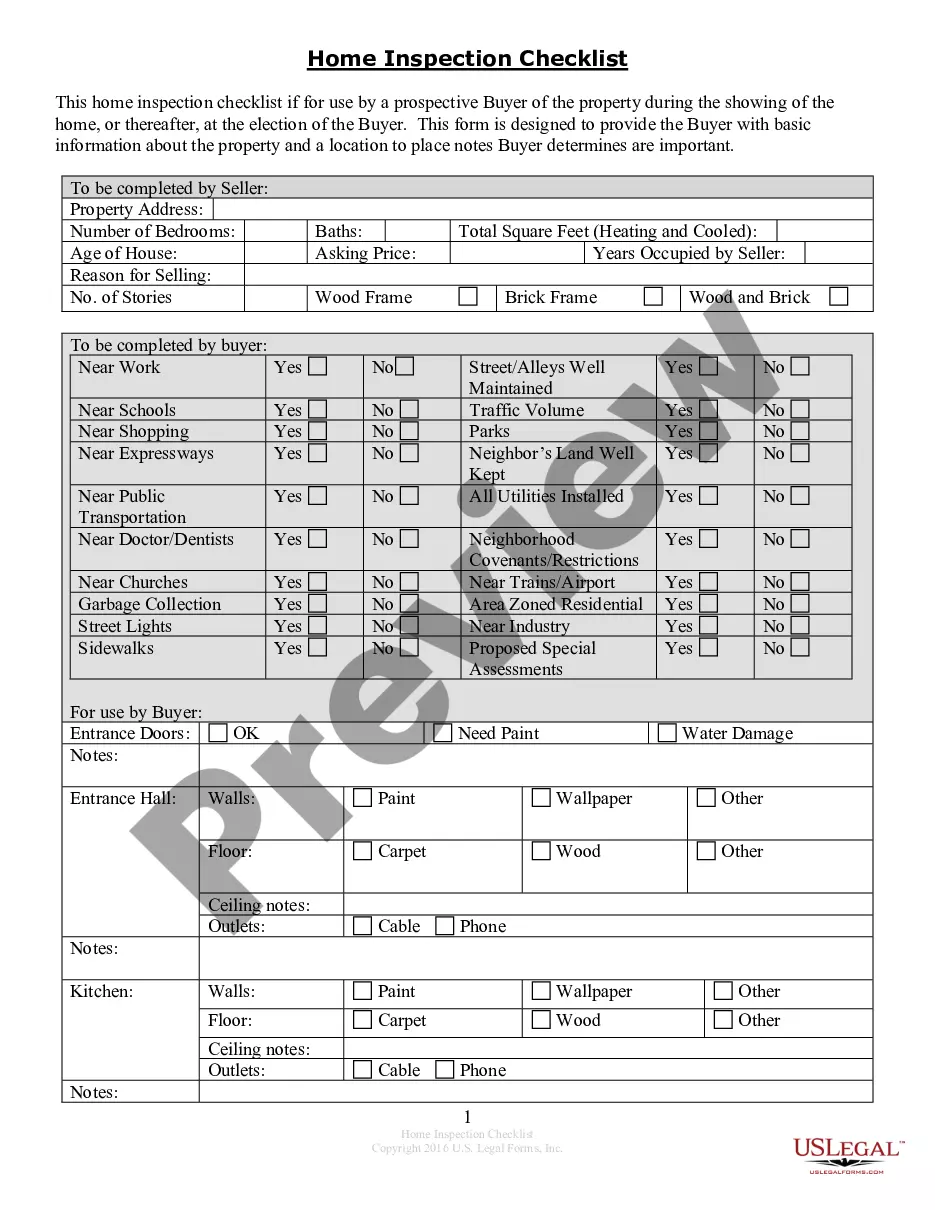
South Carolina Warranty Deed from Corporation to Corporation
About this form
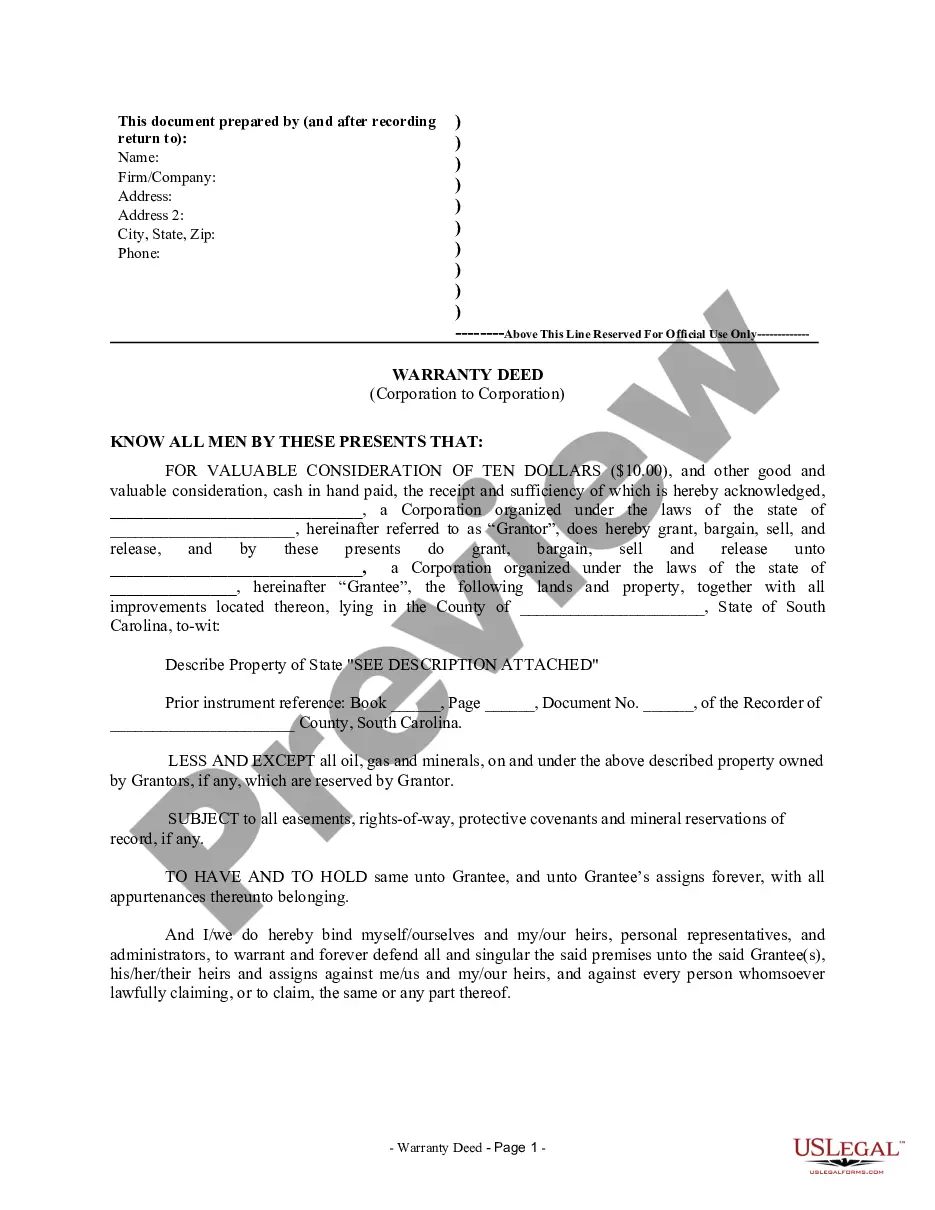
The Warranty Deed from Corporation to Corporation is a legal document used to transfer ownership of property between two corporations. This form serves the purpose of ensuring that the grantor (the corporation that conveys the property) provides a warranty to the grantee (the corporation receiving the property), promising that the title to the property is clear of any encumbrances, except for certain reserved rights like minerals. This deed is essential for formalizing the transfer and is distinct from other types of deeds as it specifically involves corporate entities as both grantor and grantee.
Key components of this form
- Description of the property being transferred.
- Reference to prior instrument and recorder information.
- Reservation of oil, gas, and mineral rights by the grantor.
- Warranting of the property to the grantee.
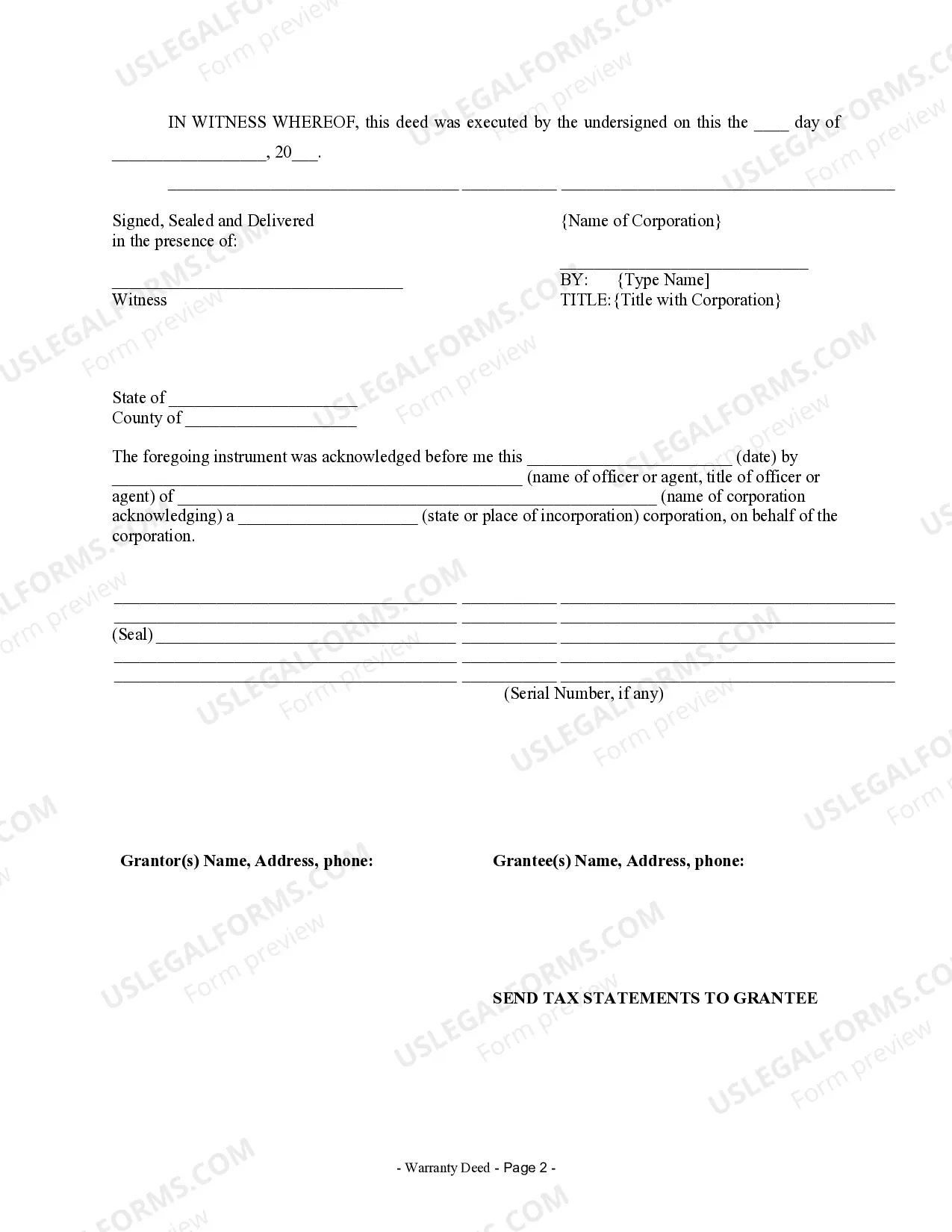
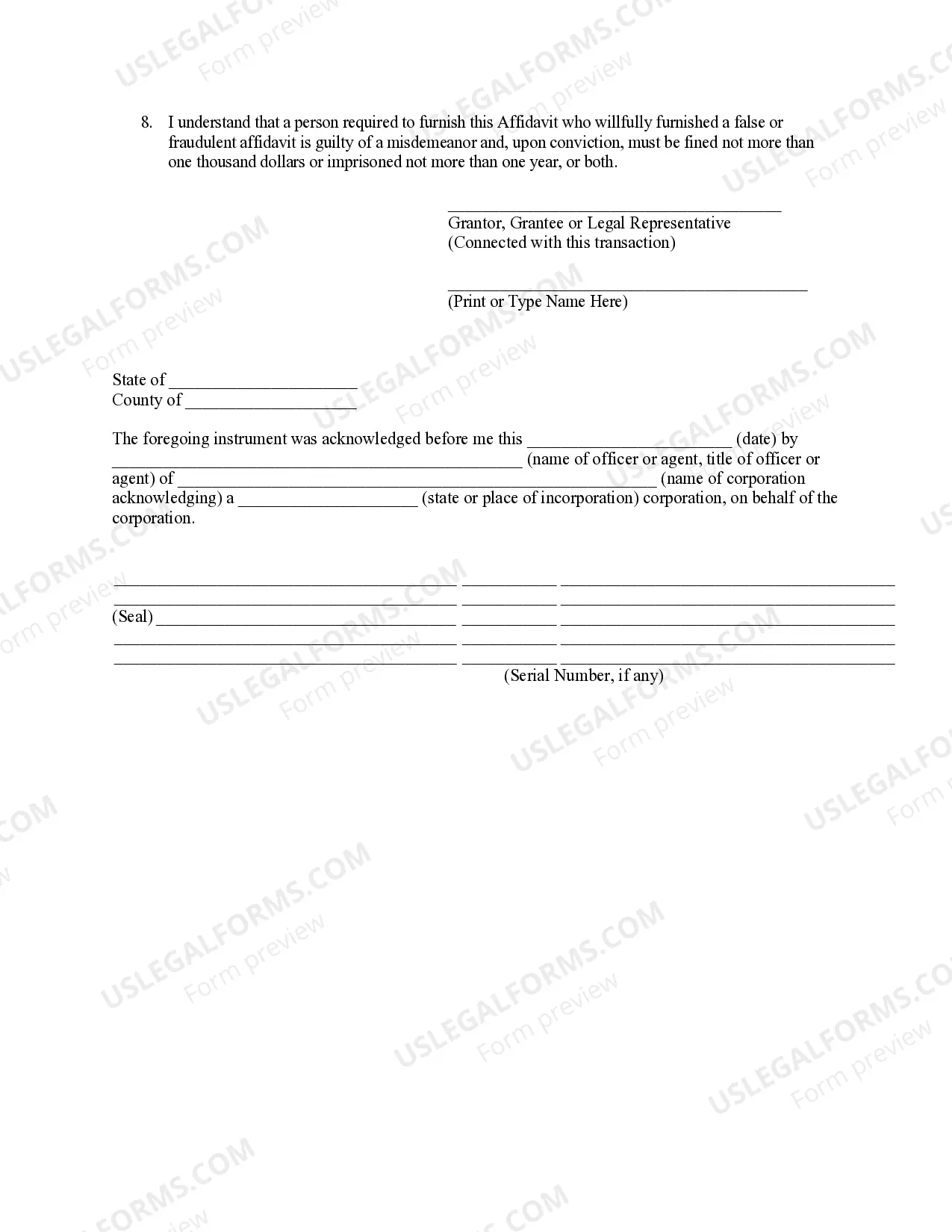
- Spaces for signatures, including corporate representative and notary acknowledgements.
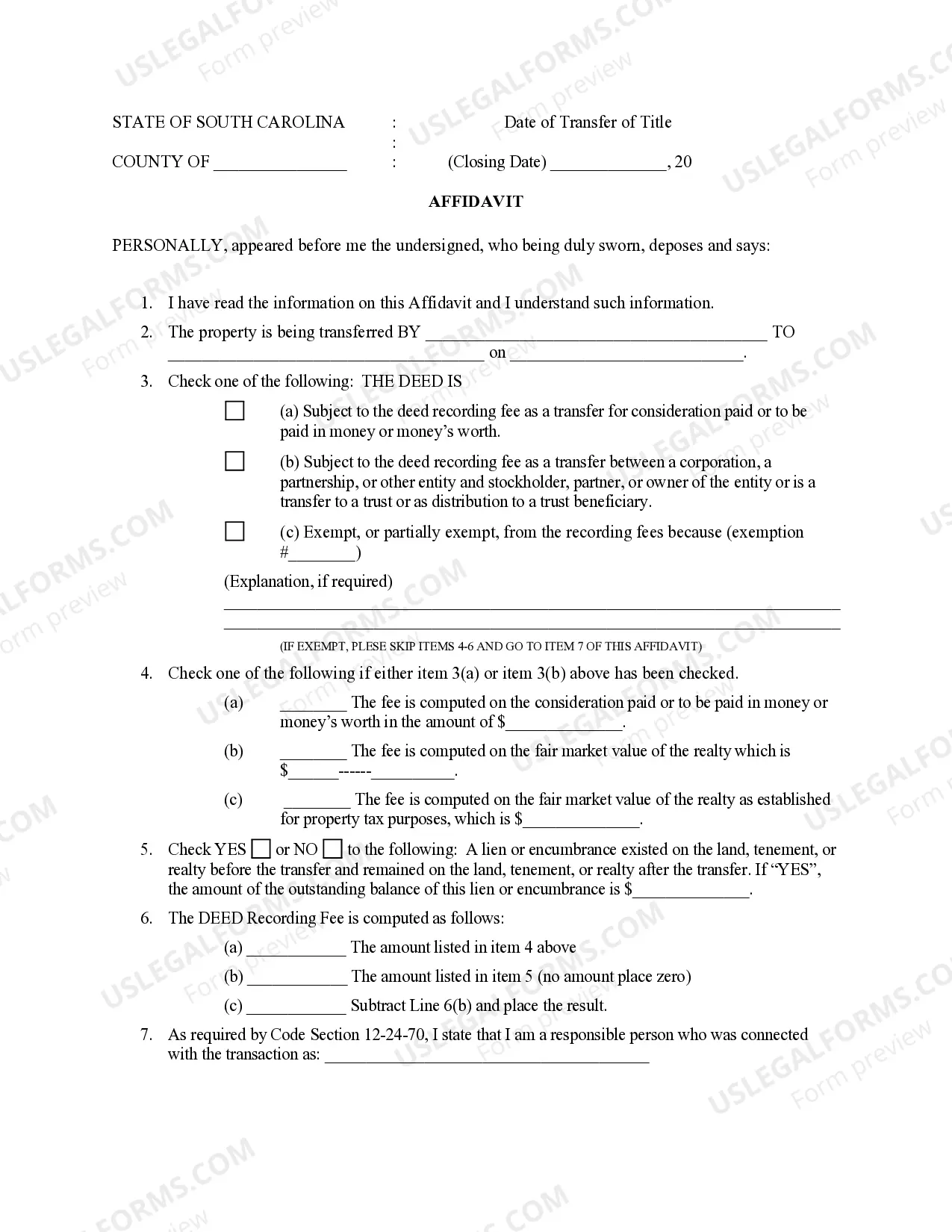
- Information regarding possible deed recording fees.


When to use this document
This form is necessary when a corporation wishes to sell, transfer, or convey real estate to another corporation. It is particularly relevant in business transactions where corporate property is involved, such as mergers, acquisitions, or divestitures. The warranty deed serves to provide legal assurance that the transferring corporation is conveying clear title to the property, thus protecting the receiving corporation's investment.
Intended users of this form
- Corporations involved in property transactions.
- Corporate legal representatives or attorneys managing the transaction.
- Business entities looking to formalize real estate transfers.
Instructions for completing this form
- Identify the parties: Fill in the names of the grantor corporation and the grantee corporation.
- Describe the property: Add a detailed description of the property being transferred.
- Provide prior instrument references: Include the necessary book, page, and document numbers of prior deeds.
- Complete the witness and notary sections: Ensure that the document is signed by authorized representatives and duly notarized.
- Indicate the nature of fee payment: Select whether the deed is subject to recording fees and provide the amounts where applicable.
Does this form need to be notarized?
This form must be notarized to be legally valid. US Legal Forms provides secure online notarization powered by Notarize, allowing you to complete the process through a verified video call.
Get your form ready online
Our built-in tools help you complete, sign, share, and store your documents in one place.
Make edits, fill in missing information, and update formatting in US Legal Forms—just like you would in MS Word.
Download a copy, print it, send it by email, or mail it via USPS—whatever works best for your next step.
Sign and collect signatures with our SignNow integration. Send to multiple recipients, set reminders, and more. Go Premium to unlock E-Sign.
If this form requires notarization, complete it online through a secure video call—no need to meet a notary in person or wait for an appointment.
We protect your documents and personal data by following strict security and privacy standards.

Make edits, fill in missing information, and update formatting in US Legal Forms—just like you would in MS Word.

Download a copy, print it, send it by email, or mail it via USPS—whatever works best for your next step.

Sign and collect signatures with our SignNow integration. Send to multiple recipients, set reminders, and more. Go Premium to unlock E-Sign.

If this form requires notarization, complete it online through a secure video call—no need to meet a notary in person or wait for an appointment.

We protect your documents and personal data by following strict security and privacy standards.
Common mistakes to avoid
- Failing to accurately describe the property being transferred.
- Omitting prior instrument references which can lead to issues with title searches.
- Not obtaining the necessary witness signatures or notarization.
- Incorrectly indicating the nature of recording fee exemptions.
Why use this form online
- Easy access to legal templates drafted by licensed attorneys.
- Convenience of downloading and editing the document to fit your needs.
- Time-saving as the form can be completed and filed without delays.
Legal use & context
- The warranty deed is legally enforceable and provides certainty of title to the grantee.
- This document protects against claims from third parties regarding the property.
- Corporate entities must follow specific statutory requirements for the deed to be valid.
Summary of main points
- The Warranty Deed from Corporation to Corporation is essential for transferring property ownership between corporations.
- Proper completion and notarization of the form are crucial for legal validity.
- Understanding local state requirements is important for compliance and enforceability.
Looking for another form?


Form popularity
FAQ
Laws § 27-7-20. Recording All forms must be filed at the County Recorders of Deeds. Signing (A§ 30-5-30) A quit claim deed in South Carolina is required to be authorized by a notary public and two (2) subscribing witnesses.
In South Carolina, the grantor must sign the deed in front of two witnesses and in the presence of an individual authorized by the state to administer an oath. Record the completed deed at the local county Recorder's office, along with an Affidavit of True Consideration (S.C. Code Ann.
To sign over property ownership to another person, you'll use one of two deeds: a quitclaim deed or a warranty deed.
The original deed is returned to the owner of the property from the office of the recorder after proper entry. The office of the Recorder of Deeds maintains a set of indexes about each deed recorded, for an easy search. Almost all states have a grantor-grantee index including a reference to all documents recorded.
A general warranty deed is not a contract of saleit does not include a price for the property or include any transfer of funds. Instead, it is the legal document that completes the sale by transferring the property from the grantor to the grantee.
Identify the donee or recipient. Discuss terms and conditions with that person. Complete a change of ownership form. Change the title on the deed. Hire a real estate attorney to prepare the deed. Notarize and file the deed.
Corporate warranty deeds offer the seller's guarantee to the buyer in regards to the validity of the chain of title. Generally, special warranty deeds only protect against problems occurring since the seller purchased the property.
Typically, the lender will provide you with a copy of the deed of trust after the closing. The original warranty deeds are often mailed to the grantee after they are recorded. These are your original copies and should be kept in a safe place, such as a fireproof lockbox or a safe deposit box at a financial institution.
Review the property title to see who is officially listed on it. Sign the title over to the new owner in the place that is noted. Complete a general warranty deed to show the transfer of ownership from you to another. Pay the real estate transfer tax as levied in South Carolina.