Rhode Island Letter from Tenant to Landlord about Insufficient Notice of Change in Rental Agreement for other than rent increase
About this form
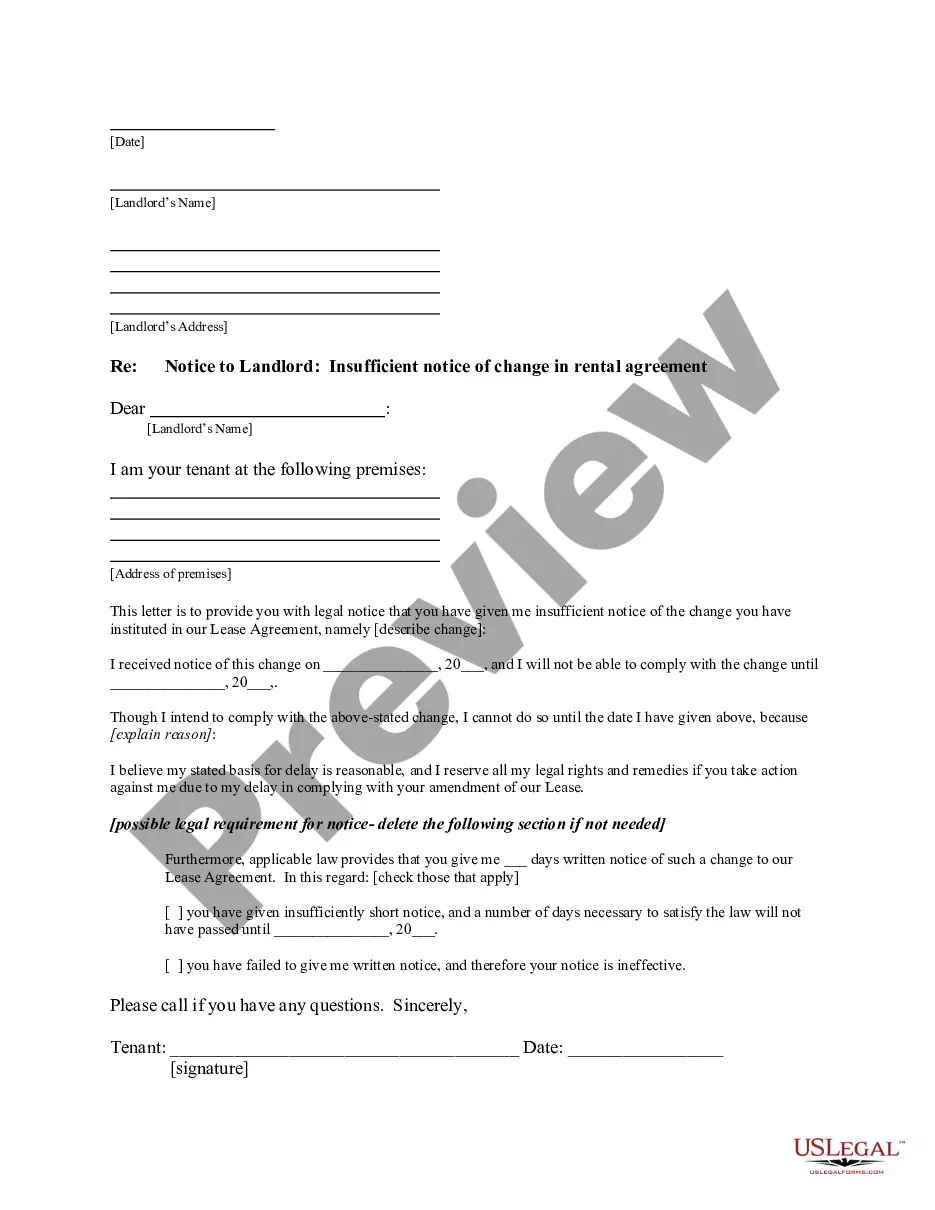
This form is a letter from a tenant to a landlord that addresses insufficient notice regarding changes in a rental agreement, other than a rent increase. It serves to formally notify the landlord that they have failed to provide adequate notice of changes, and the tenant will not comply with the changes until a specified date. This letter is crucial in protecting tenant rights and ensuring landlords adhere to legal notification requirements.
What’s included in this form
- Identification of tenant and landlord.
- Statement of insufficient notice regarding rental agreement changes.
- Notification of the specified date for compliance.
- Legal basis for required notice period.
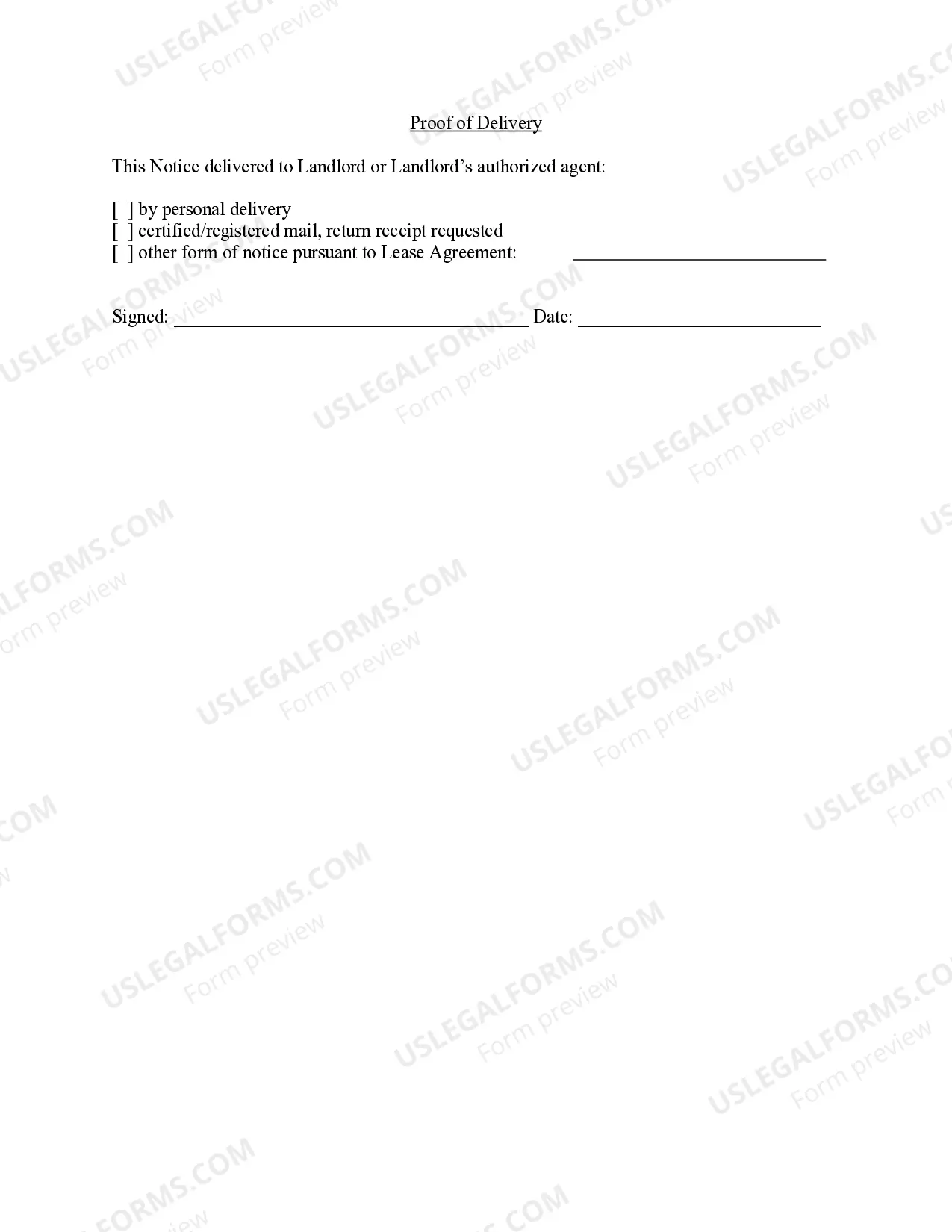
- Proof of delivery options.

Situations where this form applies
This form should be used when a landlord makes changes to a rental agreement without providing the legally required notice period. If a tenant receives such notice and believes it does not meet the necessary legal requirements, this letter allows them to formally communicate this issue to the landlord.
Who can use this document
This letter is intended for:
- Tenants who have received insufficient notice of changes to their lease.
- Individuals who wish to document their communication with their landlord.
- People seeking to assert their rights under a rental agreement.
How to complete this form
Follow these steps to complete the form:
- Identify the parties involved by entering the names and addresses of both tenant and landlord.
- Clearly state the changes to the rental agreement that you are contesting.
- Specify the date by which you believe you should have been notified.
- Provide your signature and the date you are sending the letter.
- Choose a method of delivery, ensuring proof of delivery is documented.
Is notarization required?
This form does not typically require notarization unless specified by local law. Ensure your delivery method provides proof of receipt to maintain a record of communication with the landlord.
Get your form ready online
Our built-in tools help you complete, sign, share, and store your documents in one place.
Make edits, fill in missing information, and update formatting in US Legal Forms—just like you would in MS Word.
Download a copy, print it, send it by email, or mail it via USPS—whatever works best for your next step.
Sign and collect signatures with our SignNow integration. Send to multiple recipients, set reminders, and more. Go Premium to unlock E-Sign.
If this form requires notarization, complete it online through a secure video call—no need to meet a notary in person or wait for an appointment.
We protect your documents and personal data by following strict security and privacy standards.

Make edits, fill in missing information, and update formatting in US Legal Forms—just like you would in MS Word.

Download a copy, print it, send it by email, or mail it via USPS—whatever works best for your next step.

Sign and collect signatures with our SignNow integration. Send to multiple recipients, set reminders, and more. Go Premium to unlock E-Sign.

If this form requires notarization, complete it online through a secure video call—no need to meet a notary in person or wait for an appointment.

We protect your documents and personal data by following strict security and privacy standards.
Avoid these common issues
- Failing to include your contact information for follow-up.
- Not stating the specific changes being contested.
- Omitting the expected date for compliance based on local laws.
- Not keeping a copy of the letter for personal records.
Advantages of online completion
- Easy access to legally drafted forms ensures compliance with state laws.
- Editable templates allow customization to suit individual circumstances.
- Immediate download and use save time compared to traditional methods.
- This letter serves as formal notification to the landlord, reinforcing compliance with lease and notification laws.
- It can support a tenant's case if disputes arise regarding rental agreement terms.
Key takeaways
- Use this letter to formally address insufficient notice regarding rental agreement changes.
- Clearly state the reasons your landlordâs notice is inadequate.
- Document and keep records of all communication with your landlord.
Looking for another form?


Form popularity
FAQ
Rhode Island is a partially landlord-friendly state. There are no rent control policies and landlords are not limited in the kinds of fees they charge. However, tenants normally require a substantial amount of notice before eviction.
Tenant's name. Property address. Landlord name and contact information. Date the letter is written. Date the rent increase will take effect. Amount of rent increase. Current cost of rent.
Remember you're a business. Do your research. Raise the rent all at once or incrementally. Don't negotiate or ask tenants what they think a fair rent increase would be. Be courteous and firm. Find a template you like. Send a formal letter by certified mail. Give the tenant notice.
The full names of both landlord and tenant. The type of property you are leasing. The location of the property. The type of tenancy (fixed term or periodic) Details about the rent (current rent vs. new rent and effective dates) Details about the lease (start date and signing date)
In Rhode Island, your landlord can only require the first month's rent and a security deposit equal to 1-month's rent. (Demanding 'first, last and security deposit' is common, but illegal, in Rhode Island.)If the landlord had a real estate agent, or made you deal with an agency, you do NOT have to pay their fee.
Tenant's name. Property address. Landlord name and contact information. Date the letter is written. Date the rent increase will take effect. Amount of rent increase. Current cost of rent.
Under Rhode Island law, the rental agreement between a tenant and a landlord is a contract. A landlord is permitted to attempt to increase a tenant's rent by any amount for any reason, as long as the increase was not done for an illegal reason, and as long as the increase was done by proper procedures.
Under Rhode Island law, the rental agreement between a tenant and a landlord is a contract. A landlord is permitted to attempt to increase a tenant's rent by any amount for any reason, as long as the increase was not done for an illegal reason, and as long as the increase was done by proper procedures.
Indiana. Indiana laws allow landlords to hold on to security deposits for 45 days to give them time to determine any damages caused by tenants. Colorado. Colorado is one of few states that allow landlords to access the rental property without an advance notice requirement. Georgia.