Category
Choose forms Please choose forms
Choose forms

Real Estate

Real estate is a form of real property, meaning that it is something you own that is attached to a piece of land. It can be used for residential, commercial or industrial purposes, and typically includes any natural resources on the land, such as minerals or water.

intro Real Estate
Form preview

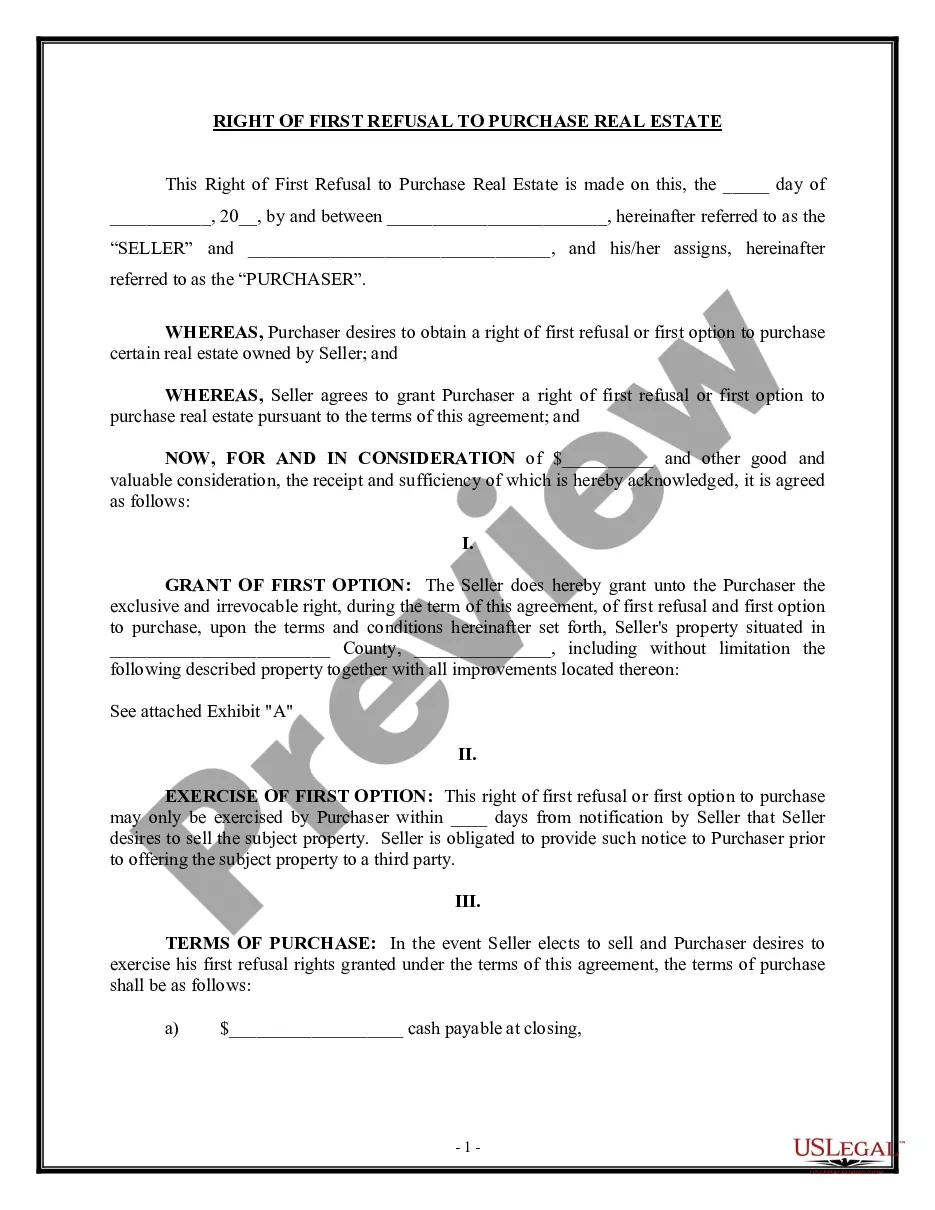
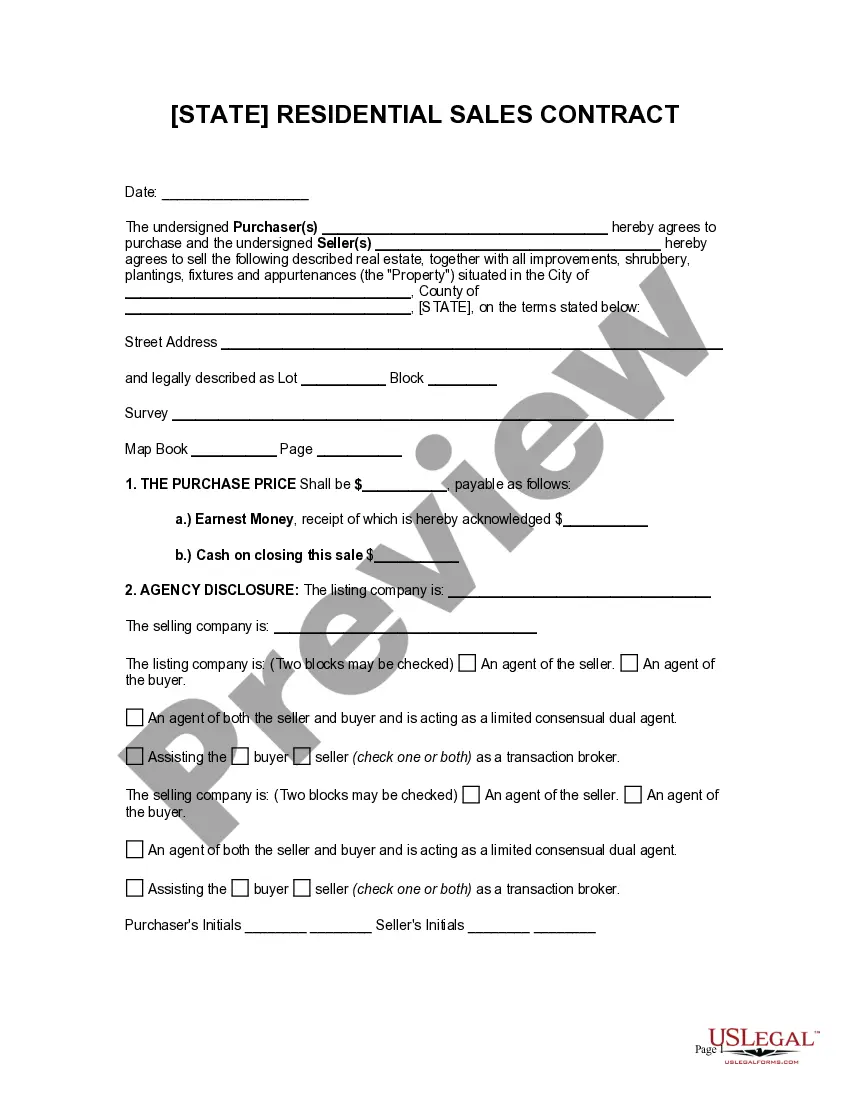
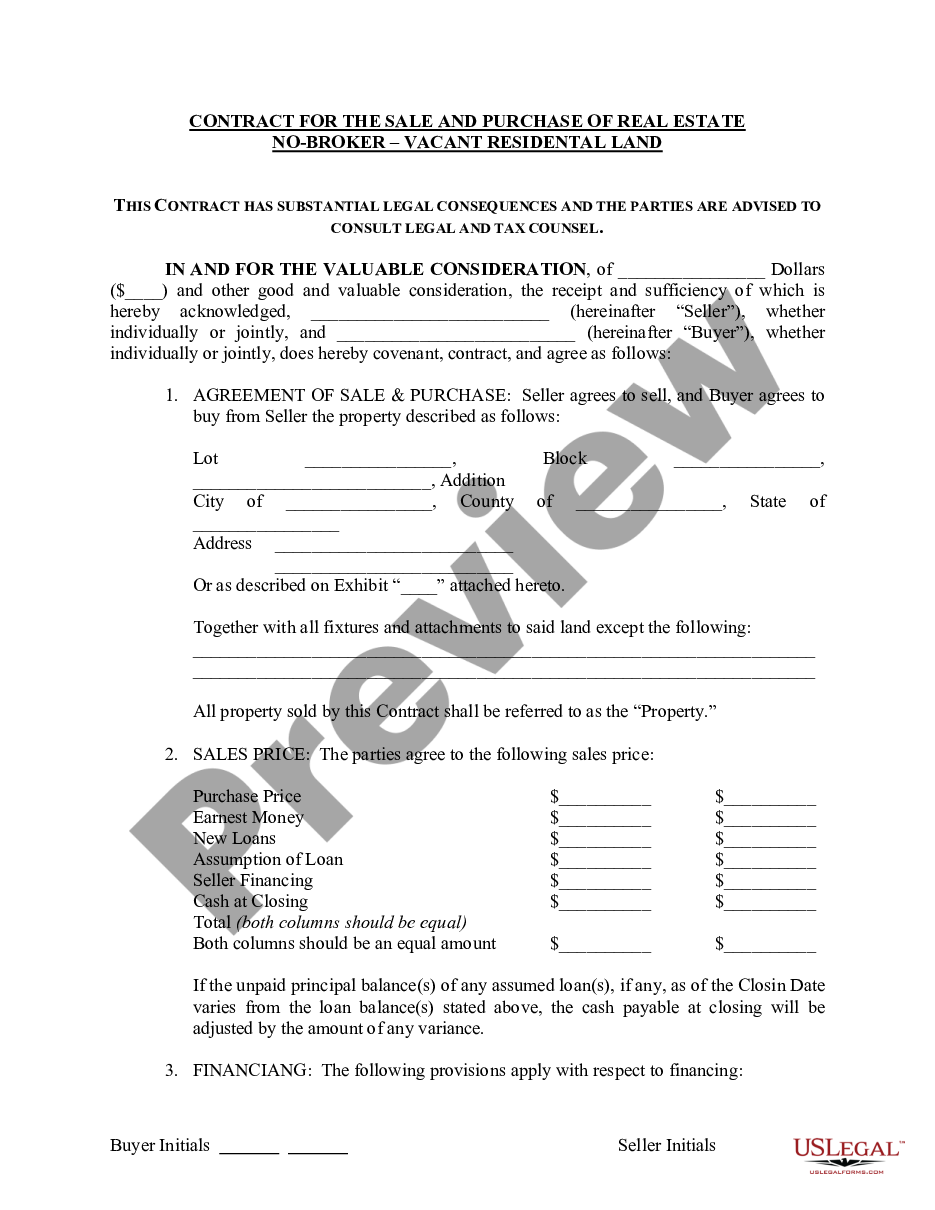
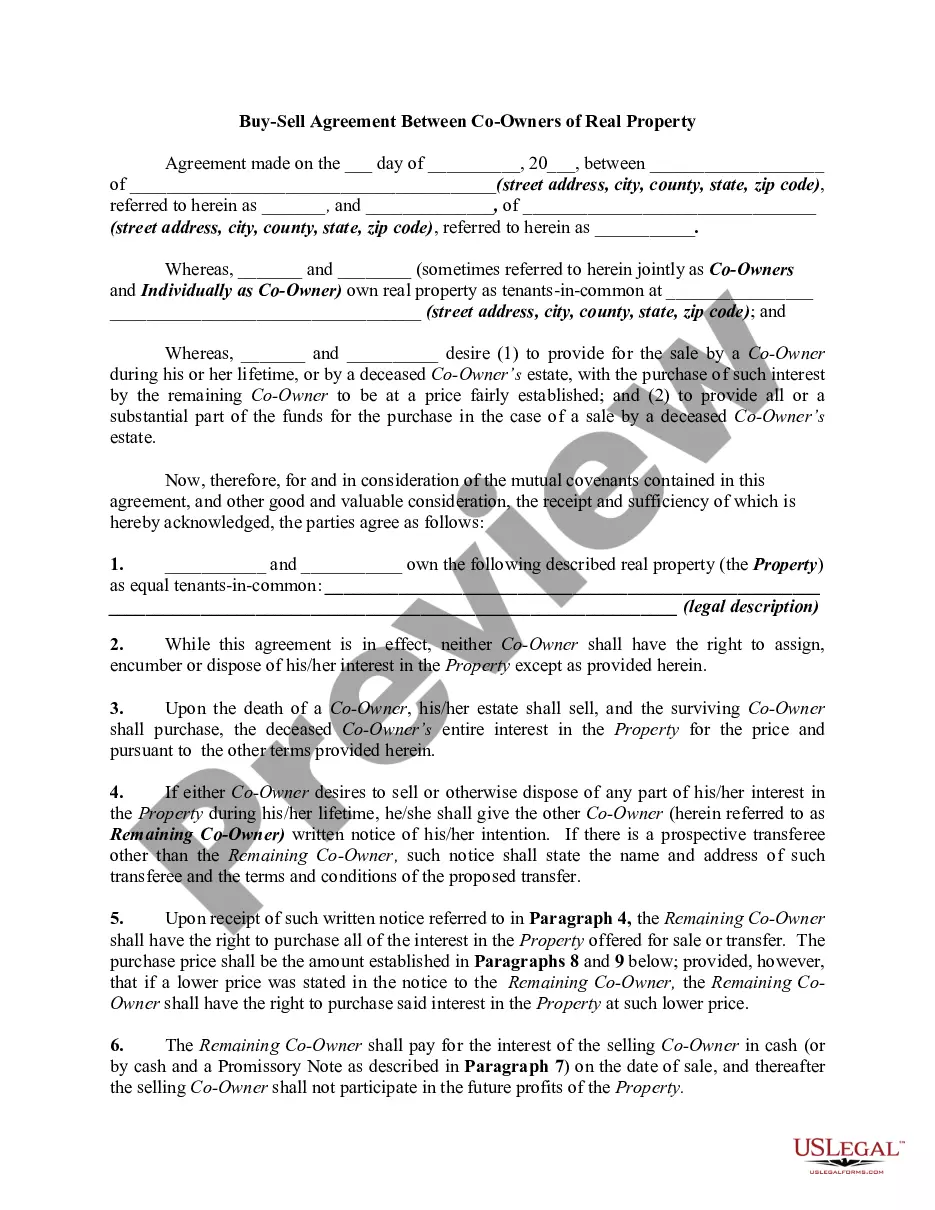
Real Estate Home Sales Package with Offer to Purchase, Contract of Sale, Disclosure Statements and more for Residential House

This package includes essential forms required for selling a home, providing everything you need in one place.

Select your state Please select your state
Select state
Get form

Common Real Estate documents

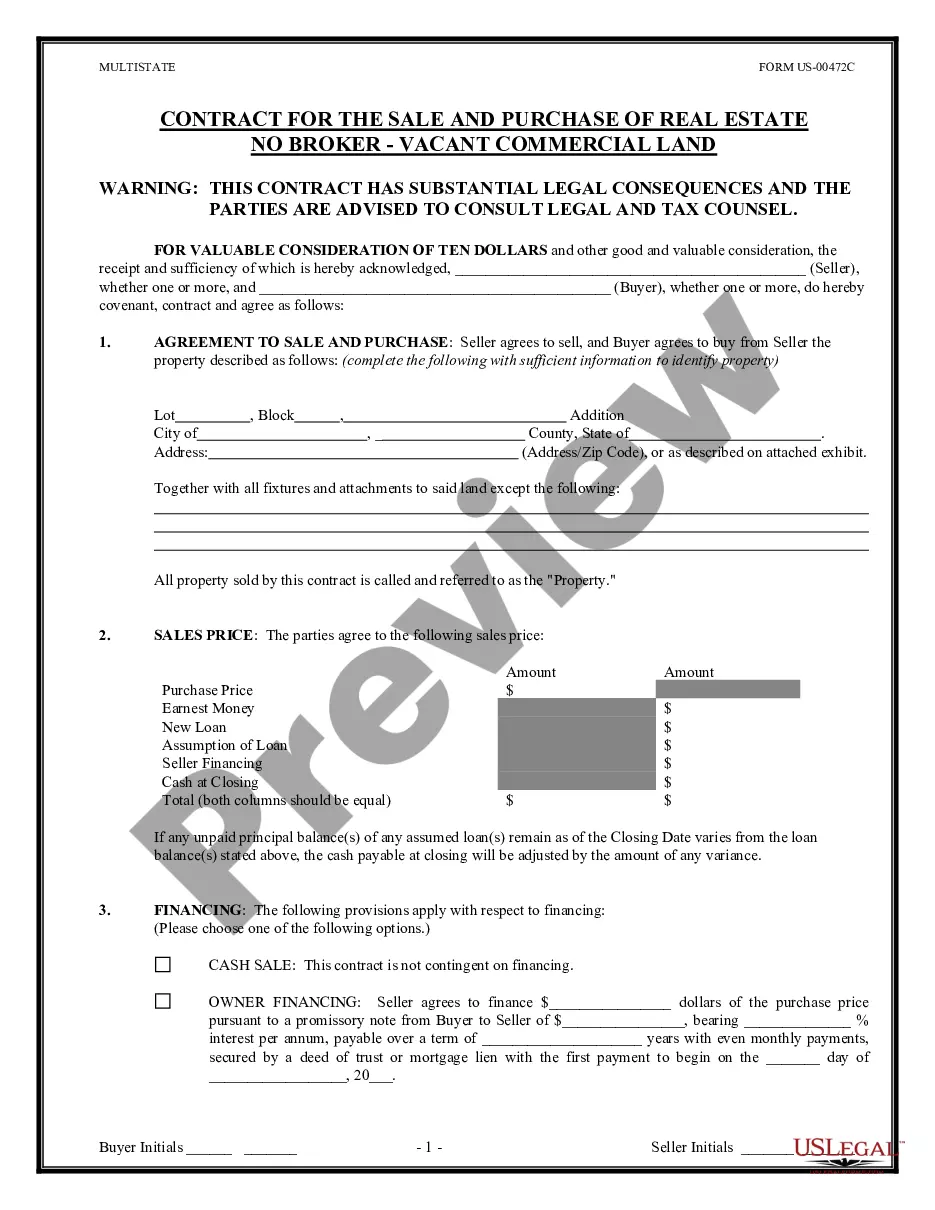
  • Purchase and Sale Agreement — sets price, contingencies, and timelines for a home sale.
  • Residential Lease Agreement — outlines rent, term, deposits, and duties for a dwelling.
  • Deed (e.g., warranty, quitclaim) — transfers an estate in land from grantor to grantee.
  • Disclosure Statement — provides known property facts that affect value or safety.
  • Lease Termination or Renewal — ends a tenancy early or extends it on new terms.
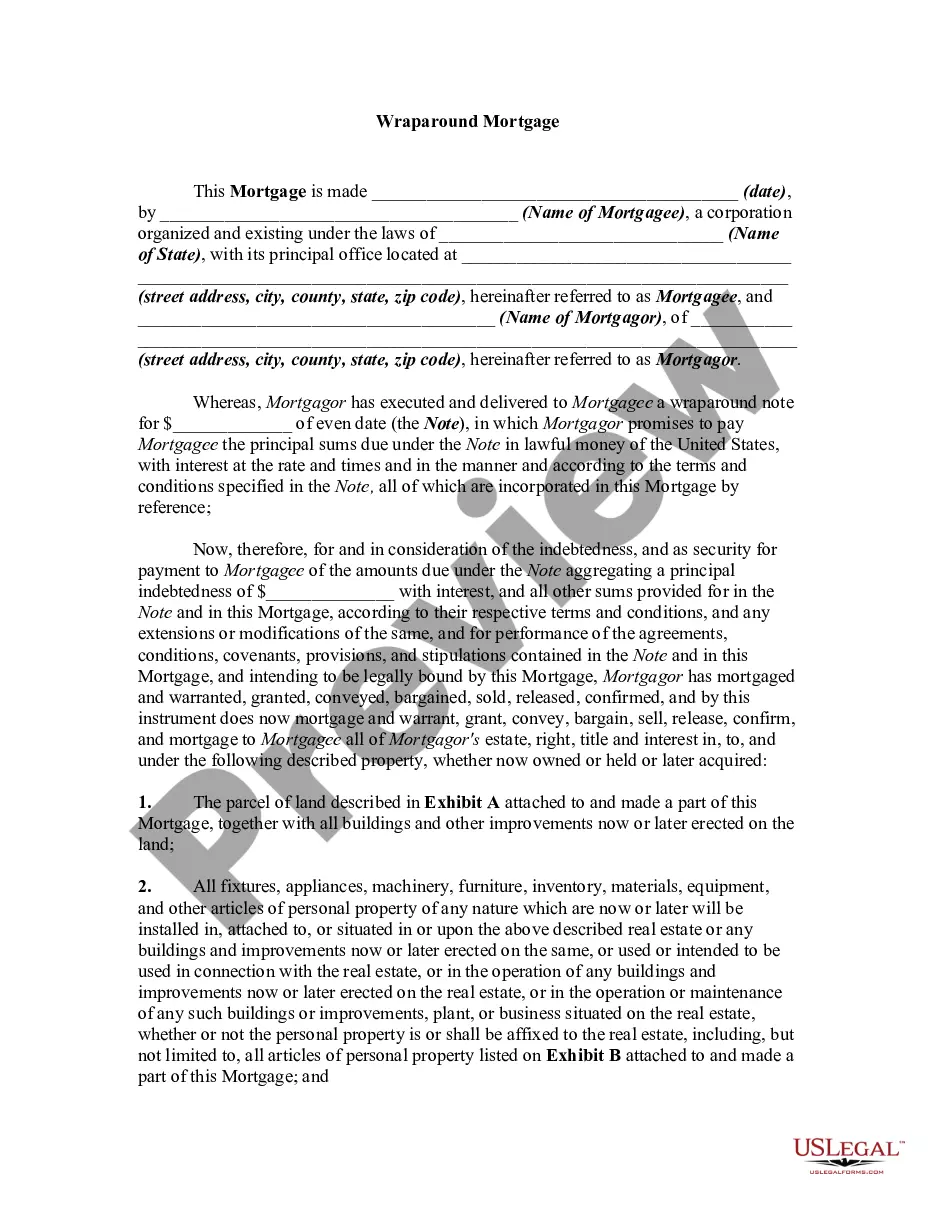
  • Mortgage or Deed of Trust — secures a loan with the property as collateral.

Similar documents: key differences

  • Warranty Deed vs. Quitclaim Deed — warranty includes title assurances; quitclaim conveys whatever interest exists, with no promises.
  • Mortgage vs. Deed of Trust — both create rights in a lender to secure repayment of funds loaned to a borrower; deed of trust adds a trustee who may handle sale on default.
  • Lease vs. Lease-Purchase Agreement — lease is tenancy only; lease-purchase adds an agreed path to buy.
  • Addendum vs. Amendment — addendum adds new terms; amendment changes existing terms.
  • Earnest Money Deposit vs. Down Payment — earnest money shows buyer intent now; down payment funds the closing.
  • Lady Bird Deed vs. Enhanced Life Estate Deed — the same document; “Lady Bird” is a nickname for the enhanced life estate deed. Another synonym is “beneficiary deed.”

How to get started

Start in minutes with these steps.

  • Find a template or package that fits your situation in Real Estate, realty, or land matters.
  • Review the description, preview, and any signing or notarization notes.
  • Get full access with a subscription for complete editing and downloads.
  • Complete the document in the online editor using guided fields.
  • Export or send: download, email, USPS mail, notarize online, or send for e-signature (Premium).

FAQs

Land, buildings, and rights attached to land, also called premises or realty.

Yes. Title moves by a signed, properly executed deed that complies with recording rules.

A policy that protects against certain past title defects; it does not replace clear drafting.

Longer terms often require a written lease. A written agreement prevents disputes.

Funds placed by the buyer to show good faith, applied at closing or refunded under terms.

Glossary

  • Real property — Land and permanently attached improvements.
  • Estate in land — Ownership interest in real property.
  • Premises — The land and structures described.
  • Grantor — Person transferring title.
  • Grantee — Person receiving title.
  • Encumbrance — Claim or lien affecting title.
  • Consideration — Value exchanged in a contract.
  • Fixtures — Items attached and treated as realty.
  • Recording — Filing documents in public land records.
  • Contingency — Condition that must occur before closing.
  • Lessor — person who owns or manages rental property
  • Lessee — person who occupies rental property

Trusted by over 3 million people of the world’s leading companies