Expungement Handbook - Procedures and Law
What this document covers
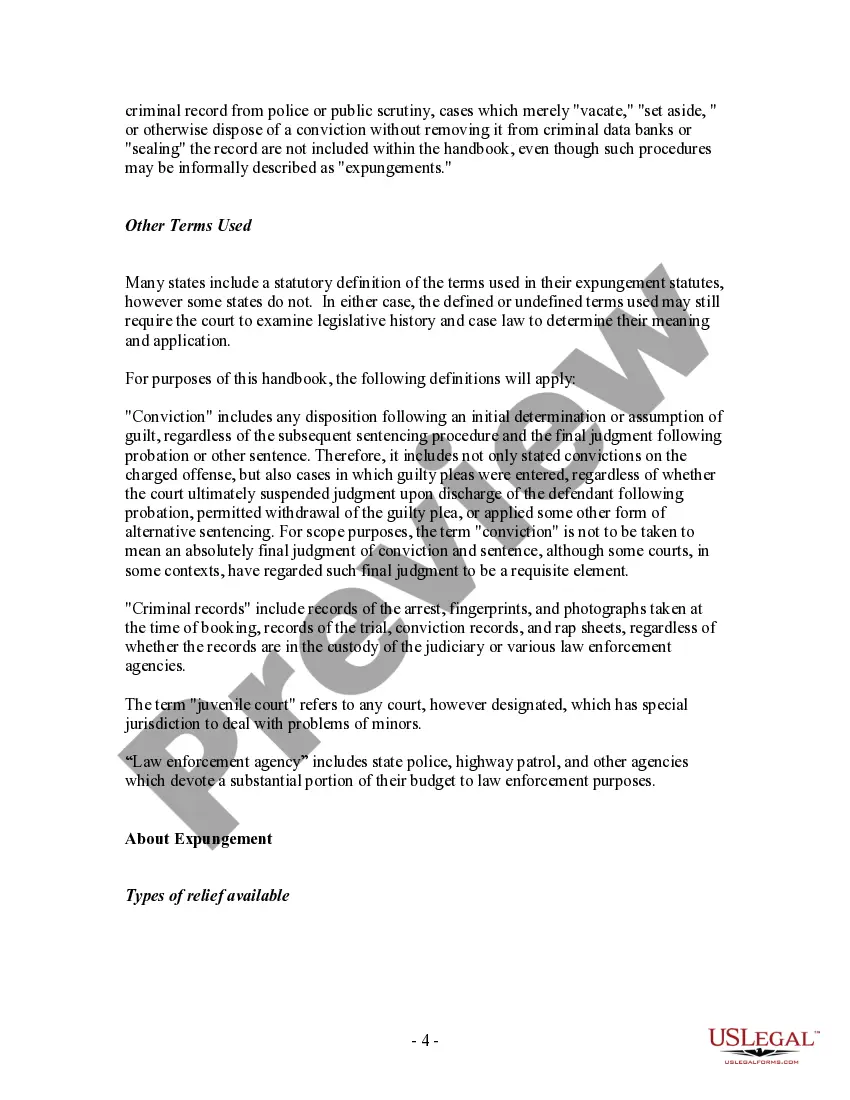
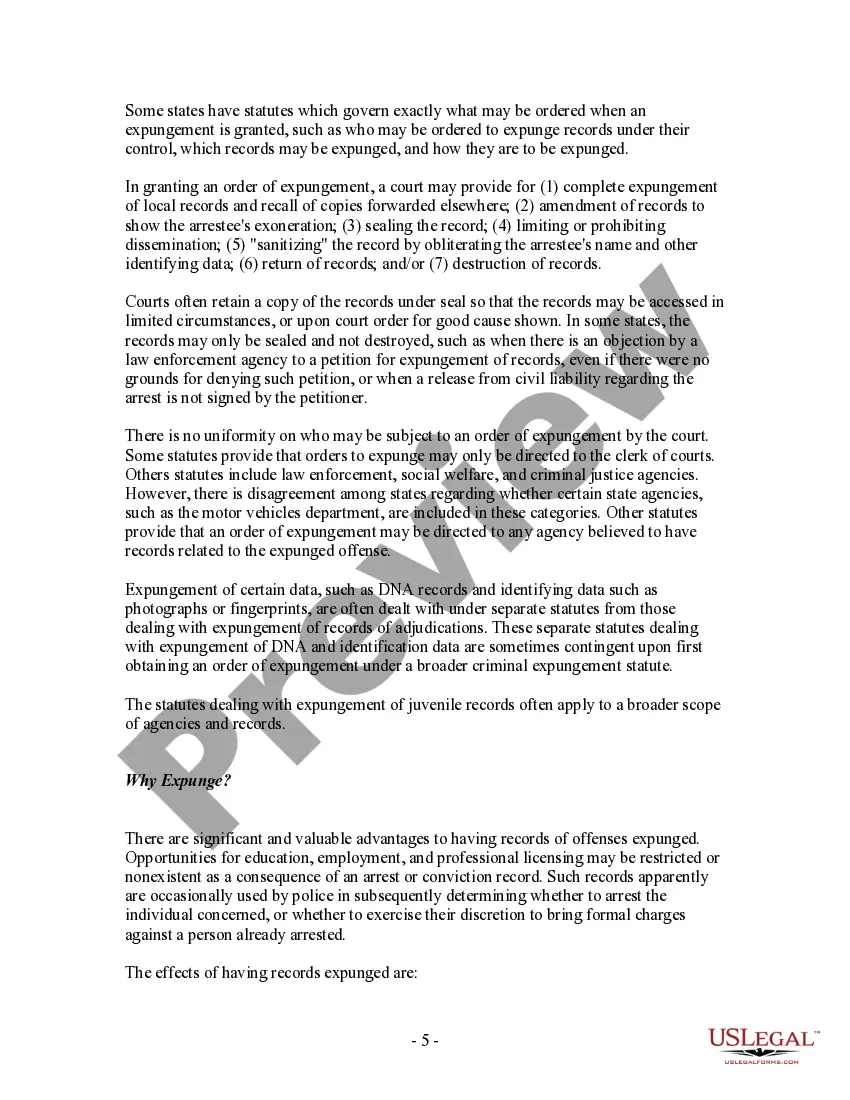
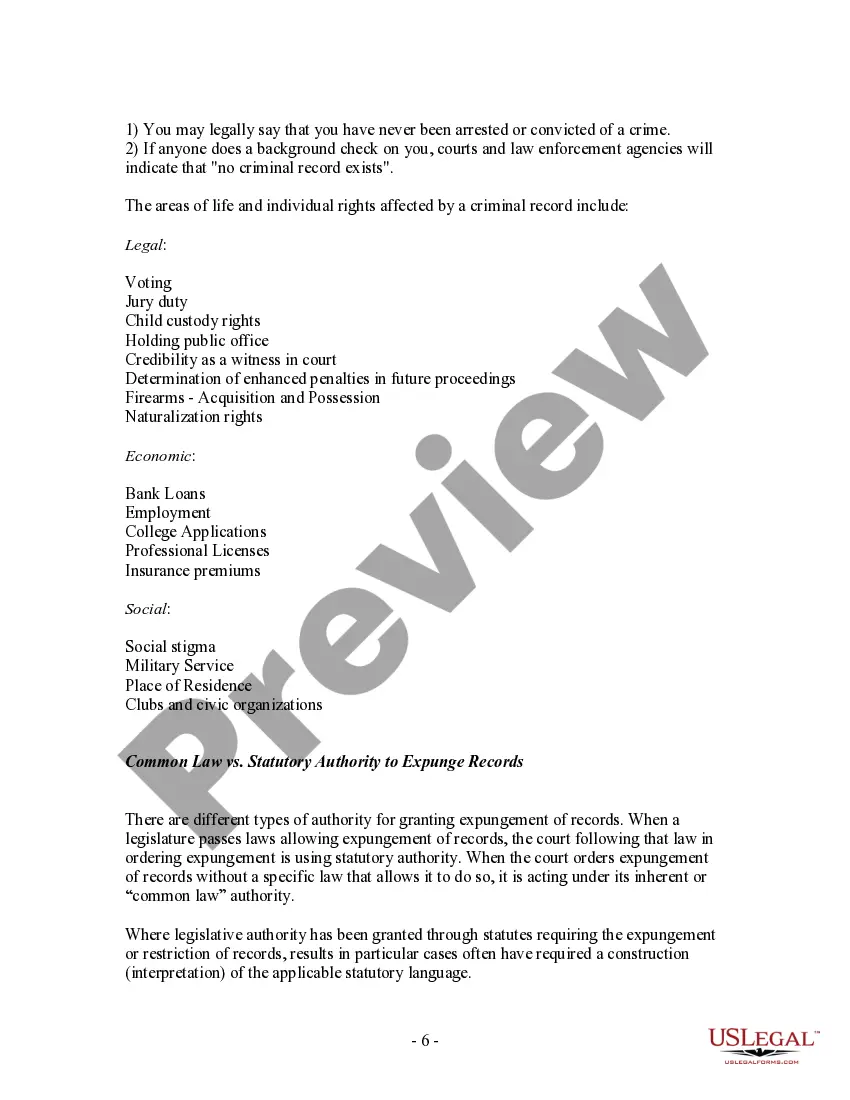
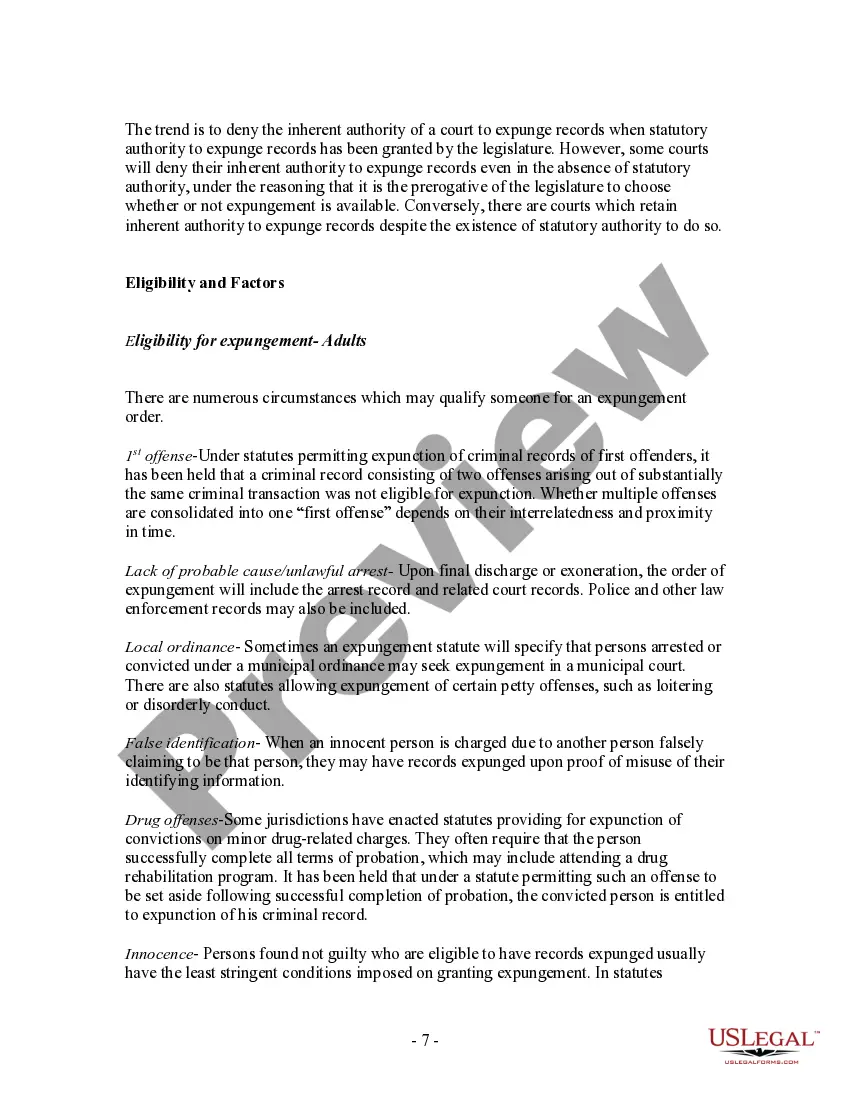
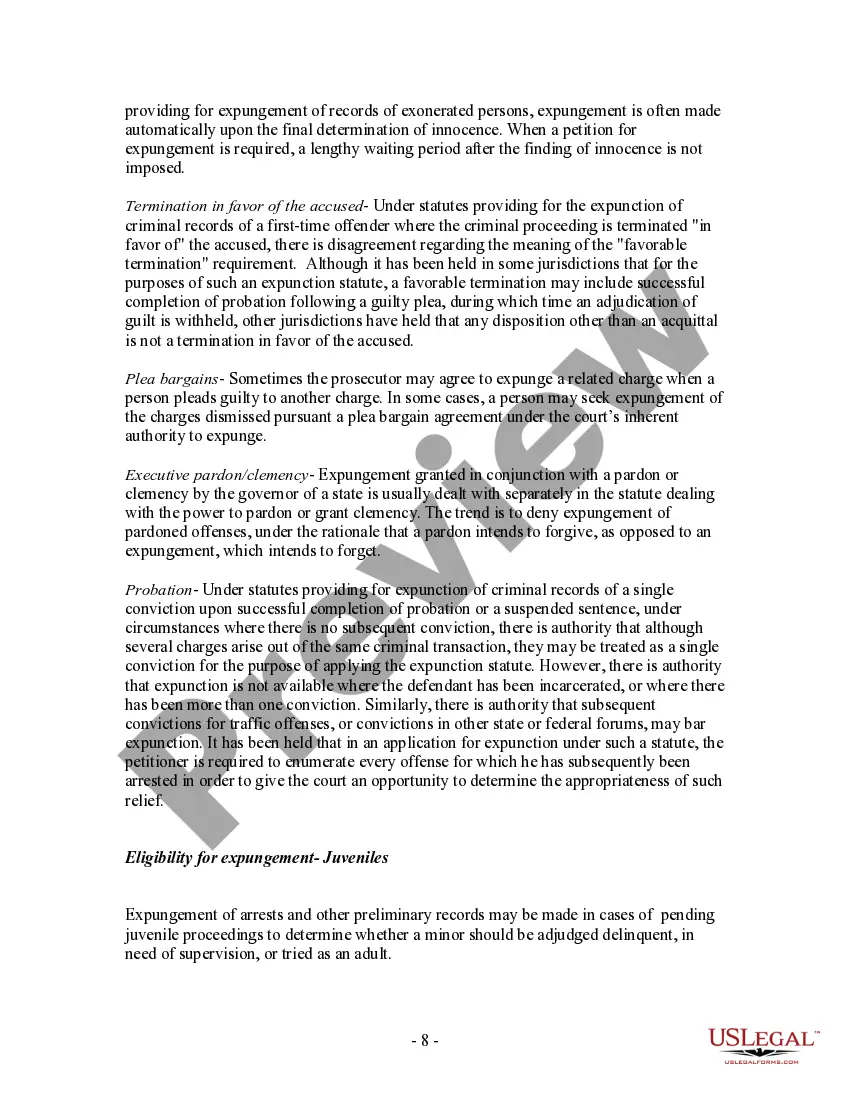
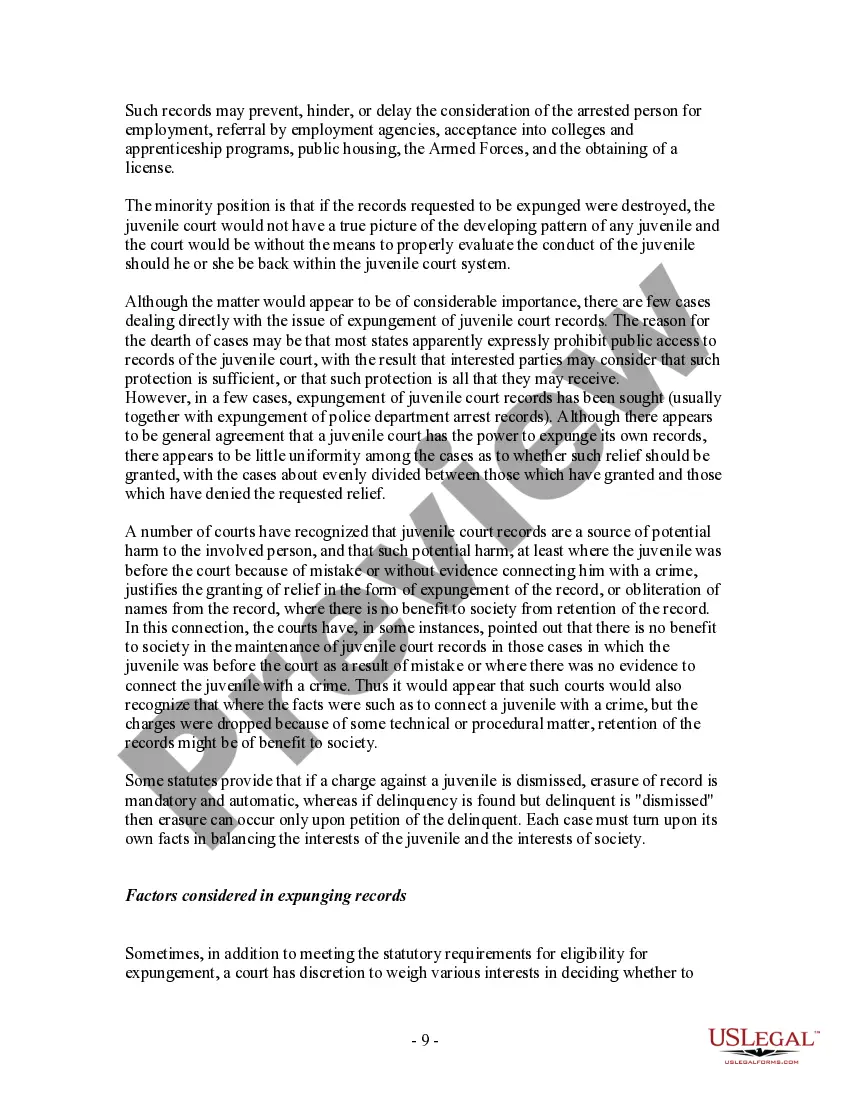
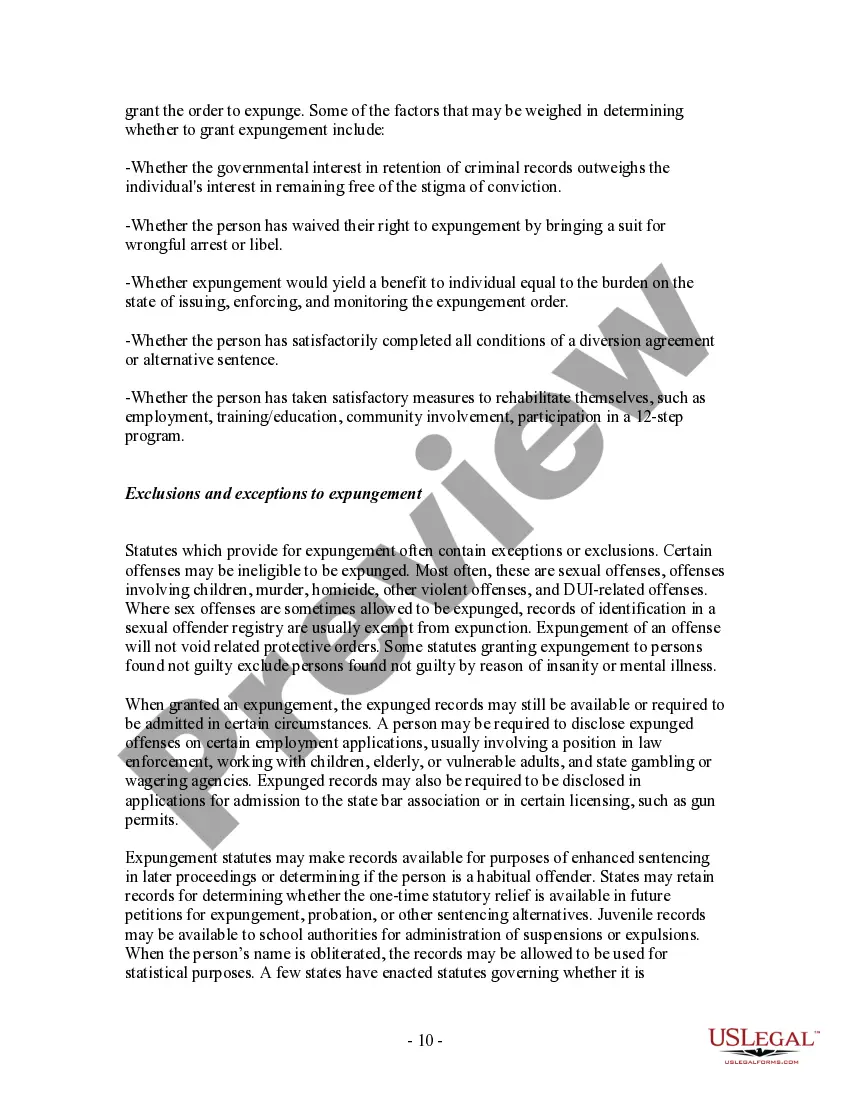
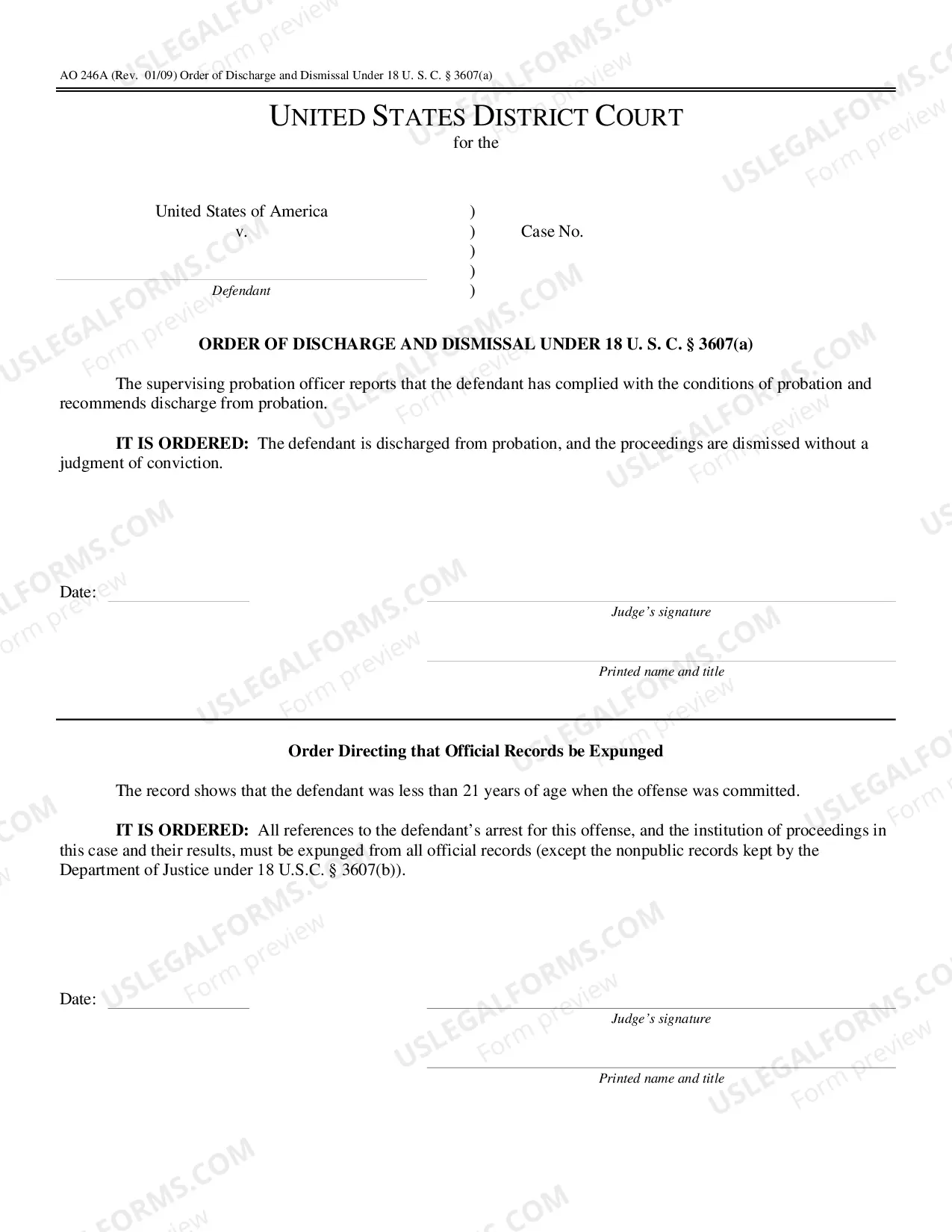
The Expungement Handbook - Procedures and Law is a comprehensive guide designed to provide valuable insight into expungement laws and procedures. Unlike other forms that focus solely on petitions to expunge specific criminal records, this handbook offers a detailed overview of the process, eligibility, and related legal frameworks. It equips both attorneys and clients with the necessary knowledge to navigate the complexities of expungement effectively.
Form components explained
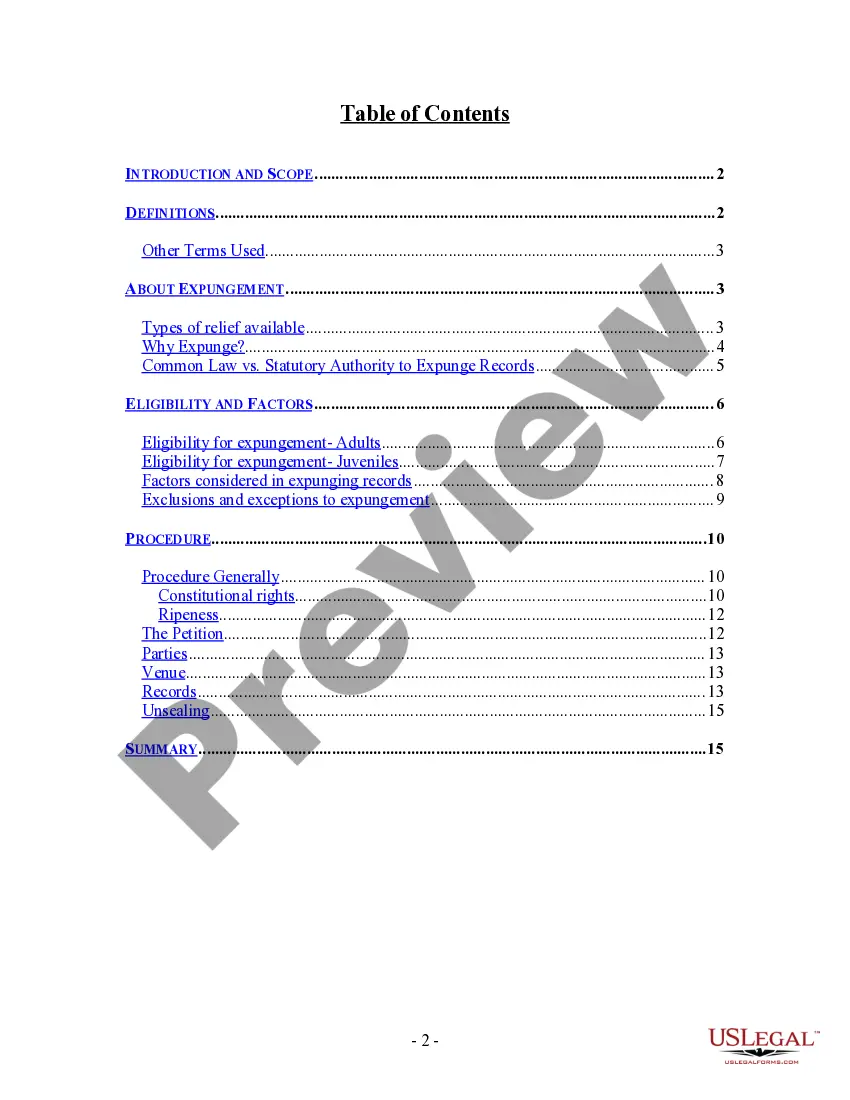
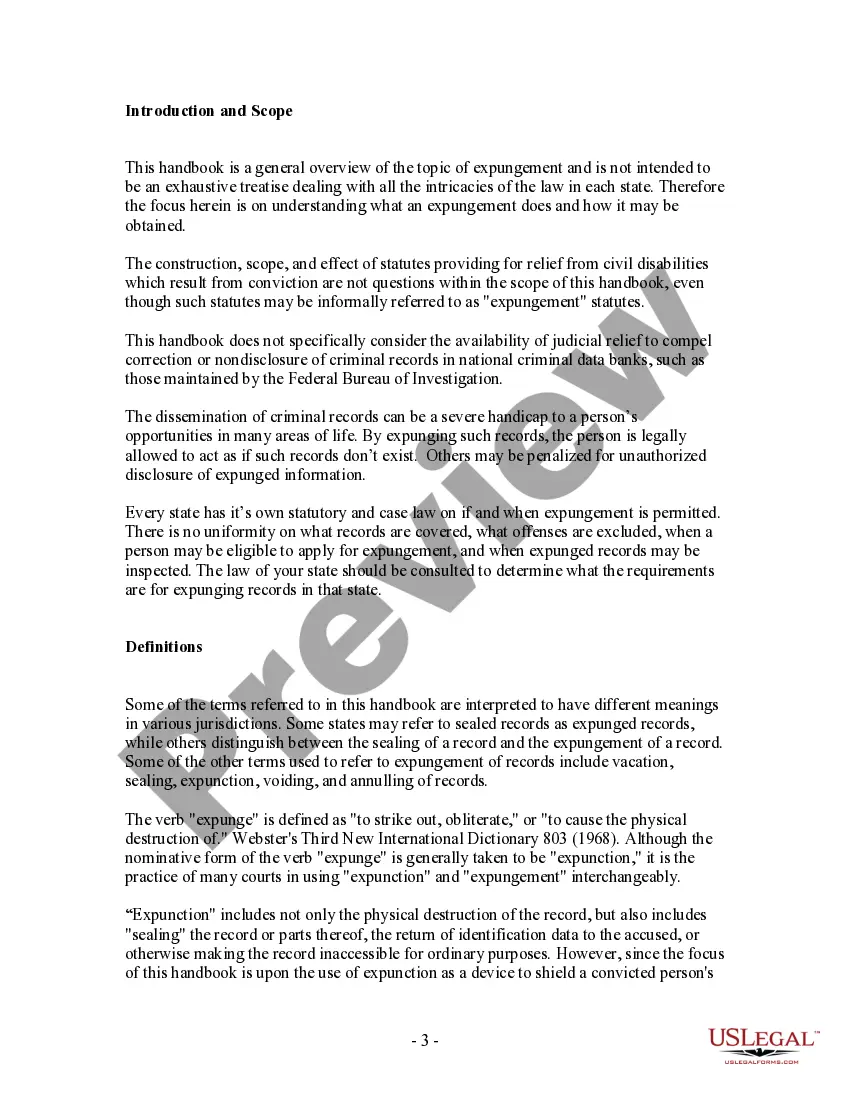
- Introduction to expungement definitions and scope
- Types of relief available under expungement law
- Eligibility criteria for adults and juveniles
- Detailed expungement procedures
- Rights and obligations following expungement

Situations where this form applies
This handbook is useful when individuals or their attorneys need guidance on how to approach the expungement process. It should be referred to when determining eligibility and the steps required to file an expungement petition, as well as understanding the potential consequences of having records expunged.
Who this form is for
Individuals and attorneys who can benefit from this handbook include:
- Individuals seeking to expunge their criminal records
- Legal professionals advising clients on expungement matters
- Students or researchers studying expungement law
Instructions for completing this form
- Read through the entire handbook to understand the expungement process thoroughly.
- Identify whether you or your client meets the eligibility criteria for expungement.
- Gather necessary documents that support the expungement petition.
- Follow the outlined procedures specific to your state for filing the petition.
- Be prepared to attend any hearings if required by the court for objection resolutions.
Does this document require notarization?
This document requires notarization to meet legal standards. US Legal Forms provides secure online notarization powered by Notarize, allowing you to complete the process through a verified video call, available 24/7.
Get your form ready online
Our built-in tools help you complete, sign, share, and store your documents in one place.
Make edits, fill in missing information, and update formatting in US Legal Forms—just like you would in MS Word.
Download a copy, print it, send it by email, or mail it via USPS—whatever works best for your next step.
Sign and collect signatures with our SignNow integration. Send to multiple recipients, set reminders, and more. Go Premium to unlock E-Sign.
If this form requires notarization, complete it online through a secure video call—no need to meet a notary in person or wait for an appointment.
We protect your documents and personal data by following strict security and privacy standards.

Make edits, fill in missing information, and update formatting in US Legal Forms—just like you would in MS Word.

Download a copy, print it, send it by email, or mail it via USPS—whatever works best for your next step.

Sign and collect signatures with our SignNow integration. Send to multiple recipients, set reminders, and more. Go Premium to unlock E-Sign.

If this form requires notarization, complete it online through a secure video call—no need to meet a notary in person or wait for an appointment.

We protect your documents and personal data by following strict security and privacy standards.
Mistakes to watch out for
- Failing to verify eligibility requirements specific to the state.
- Missing deadlines for filing petitions or submitting required documents.
- Overlooking necessary hearings related to the expungement process.
Advantages of online completion
- Immediate access to critical information without time delays.
- Editable format allows for easier customization to meet specific needs.
- Reliability from using resources drafted by licensed attorneys.
Legal use & context
- The handbook outlines the expungement process without providing specific legal advice.
- Expungement procedures can vary widely based on local laws, requiring careful adherence to jurisdiction-specific guidelines.
- Consultation with a qualified attorney is recommended to ensure compliance and proper filing.
Looking for another form?



Form popularity
FAQ
If you have successfully gotten a 1203.4 dismissal ("expungement"), it does NOT mean that the conviction is wiped away, sealed, purged or destroyed! The arrest is still there, charges are still there, but technically the conviction is "set aside and dismissed".
Most people can file and successfully process their own Texas expungement forms without the assistance of a lawyer.If you have successfully completed deferred adjudication for a misdemeanor or felony, you may be eligible for a Texas expungement or Order for Nondisclosure.
An expungement can be denied for statutory reasons, such as not meeting the required timeframe for a class B misdemeanor DUI, which is 10 years, or for a class B misdemeanor theft offense, which would be three years.Another reason to be denied an expungement would be the judge, who may not want to grant the petition.
A person seeking to have an arrest or criminal conviction expunged from their record must usually fill out an application or petition, and submit the paperwork to the proper criminal court for a judge's review and decision. In most jurisdictions, a fee must be paid in conjunction with the filing of the application.
Online expungement is only available through Maryland expungement.com and not offered by a State or government website. This legal expungement service is particularly convenient for individuals who don't want to have to travel to the courthouse, obtain all the paperwork, drive home.
An expungement removes arrests and/or convictions from a person's criminal record entirely as if they never happened. Even a court or prosecutor cannot view a person's expunged record. In contrast, sealing removes a person's criminal record from public view, but it can still be accessed through a court order.
Always begin the letter with a formal greeting, such as "Dear Judge...", before composing the rest of the letter. Then, write the first paragraph of your letter by explaining why you are writing, what charge you wish to have expunged, and a short description of why you feel it should be expunged.
Expect to pay $100 to $600 in document processing and filing fees. If you feel you may have trouble coming up with the money to pay those fees, some states do offer free expungement services to indigent clients.