What is Probate?
Probate is the legal process of settling an estate after someone passes away. This includes validating wills, distributing assets, and addressing debts. Explore templates specific to your state.
Probate involves managing a deceased person's estate. Our attorney-drafted templates simplify this process, making it quick and easy.

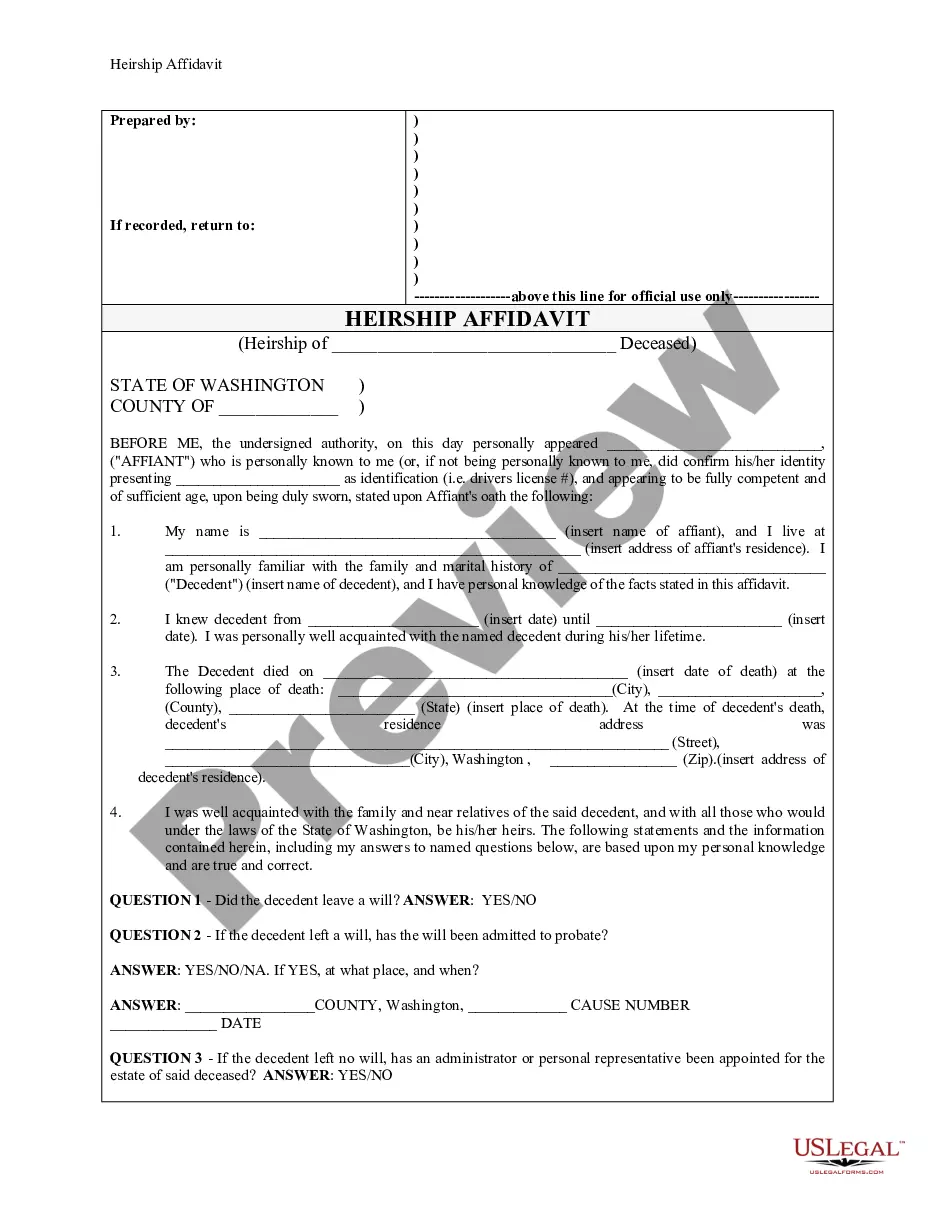
Use this affidavit to prove someone’s heirs after their death, which is essential for settling their estate and distributing assets.
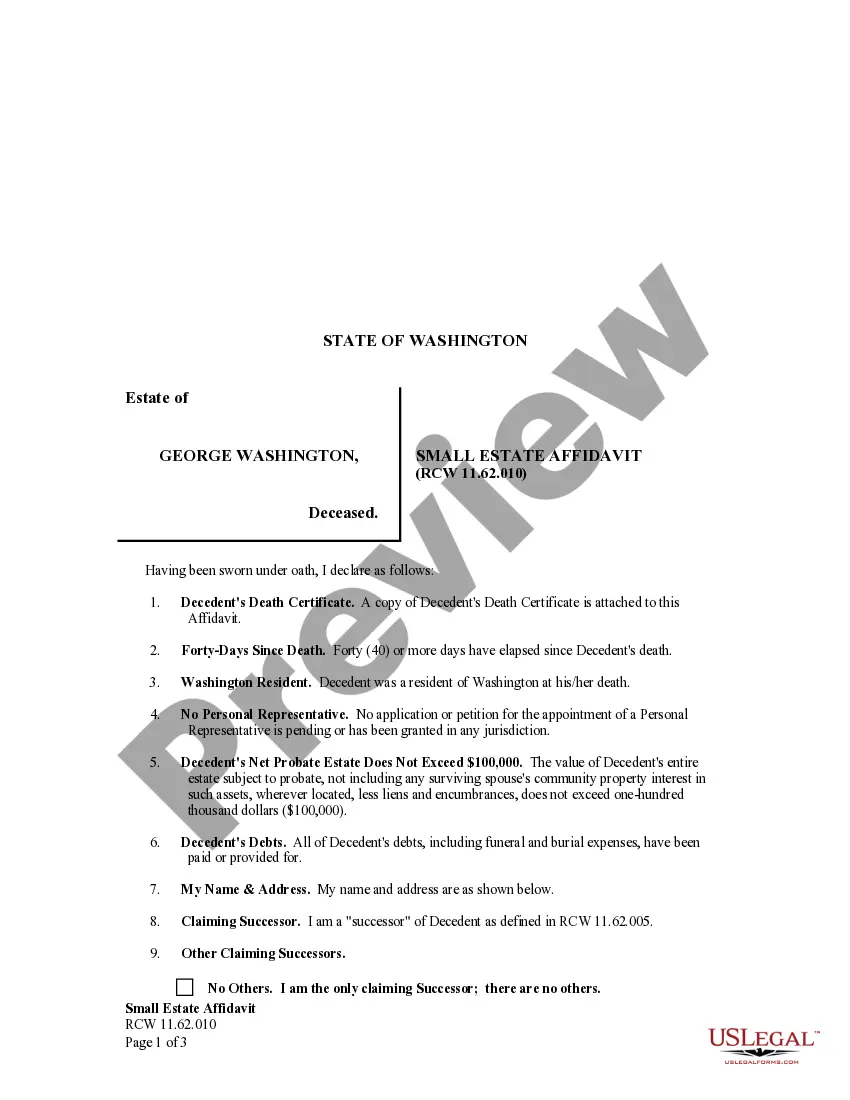
Perfect for settling small estates under $100,000 efficiently, this affidavit simplifies the probate process for eligible successors.
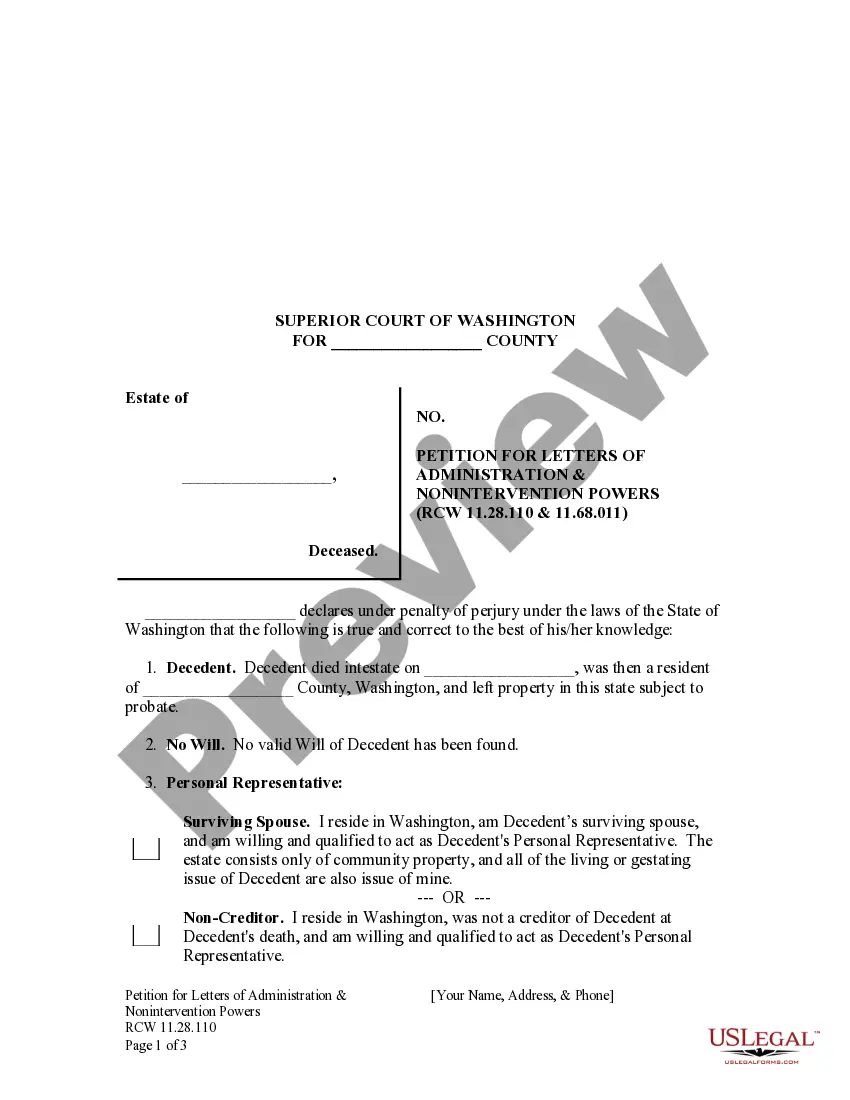
Use this form to appoint a personal representative and gain nonintervention powers over an estate without a will in Washington.
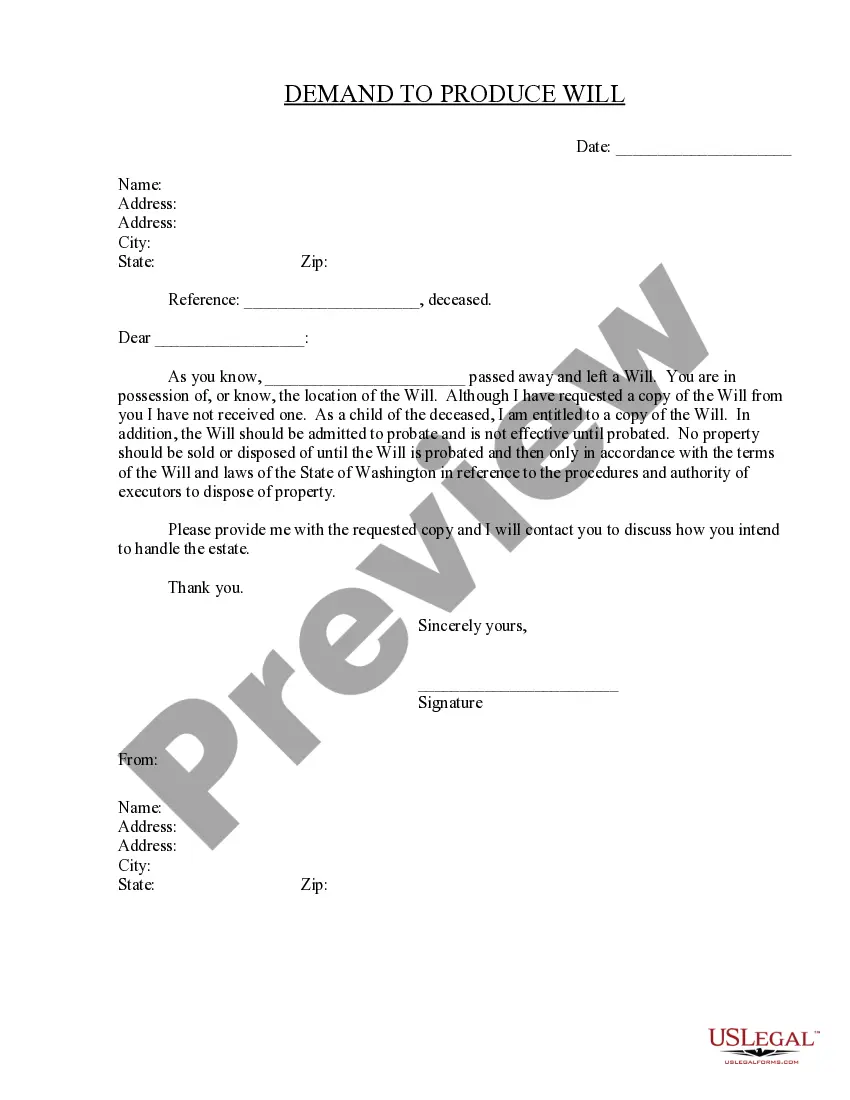
Obtain a copy of a deceased person's will to ensure your rights as an heir are protected during estate administration.
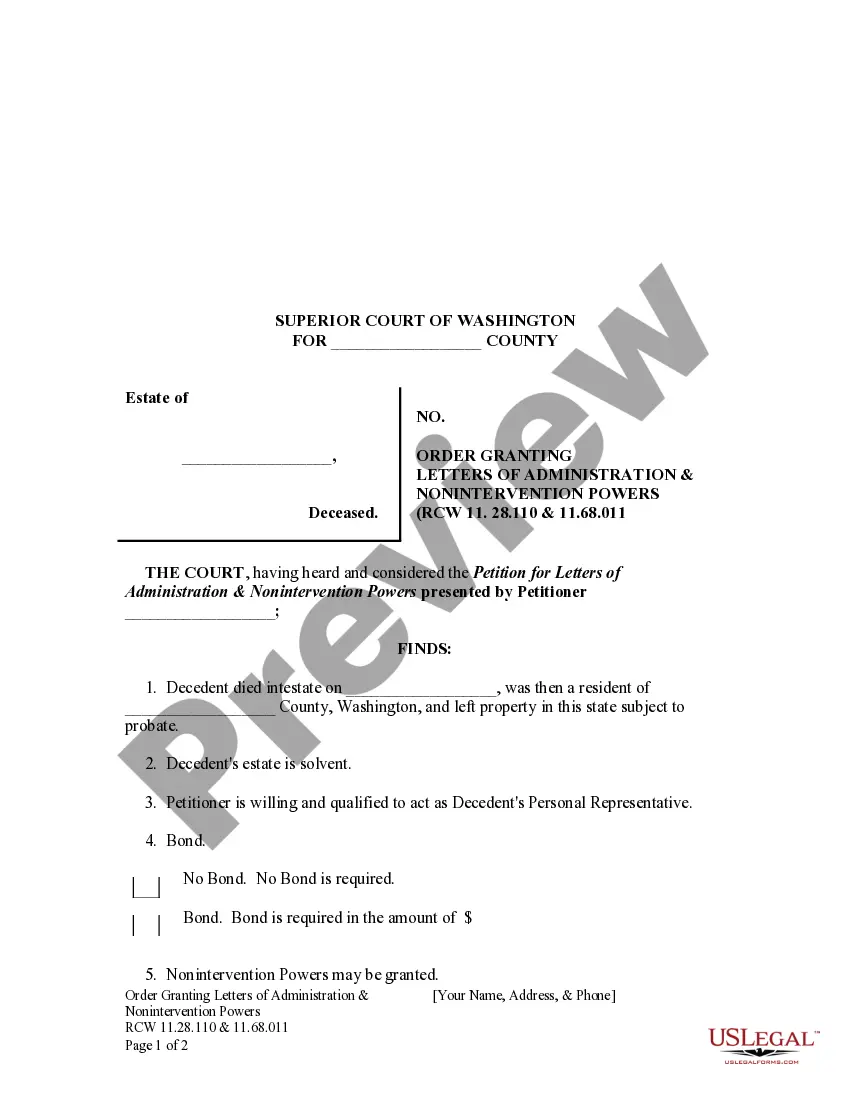
Secure authorization to manage an estate for someone who died without a will in Washington state.
Secure authority to manage a deceased's estate without court intervention, streamlining the probate process.
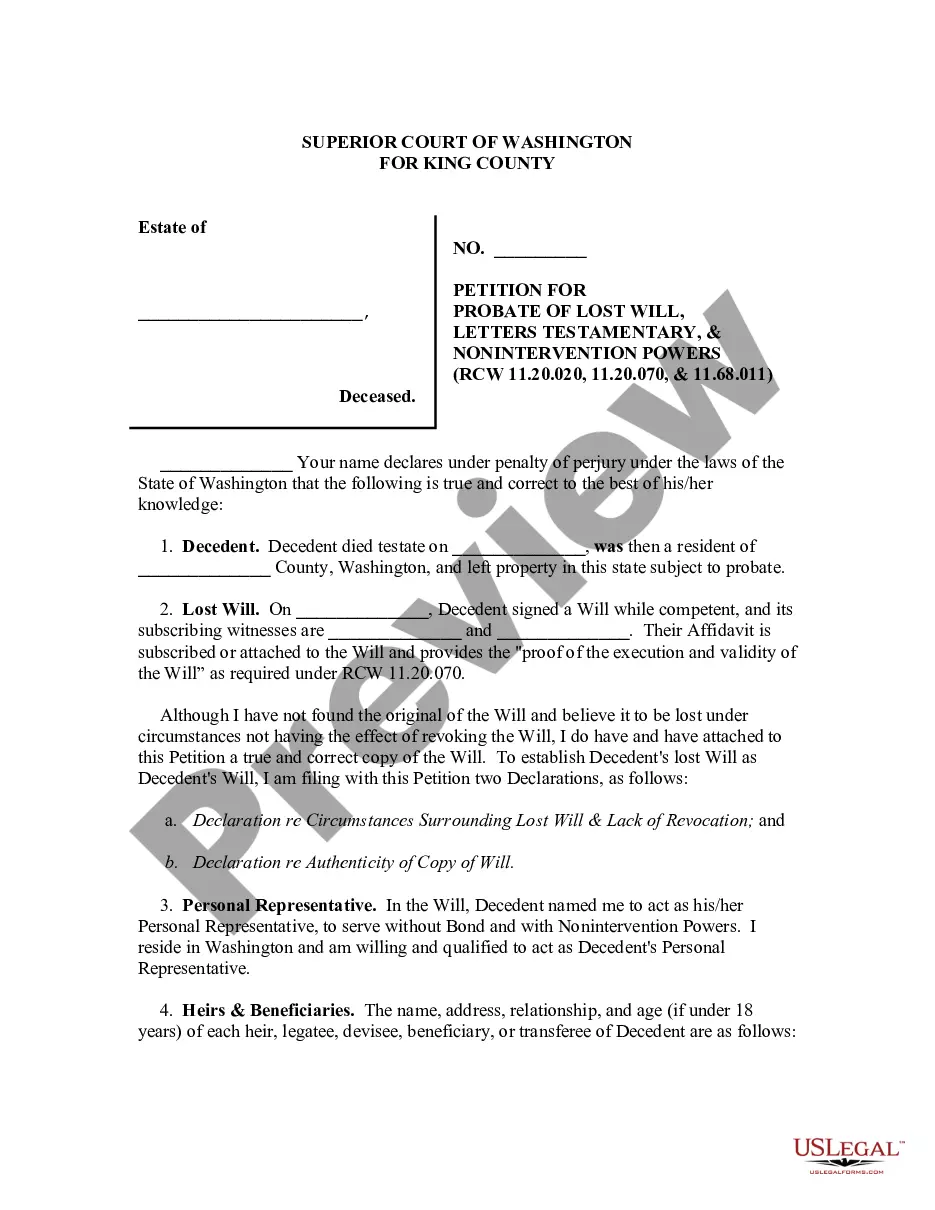
Establish a deceased person's lost will for probate with this essential legal process, ensuring proper estate management.
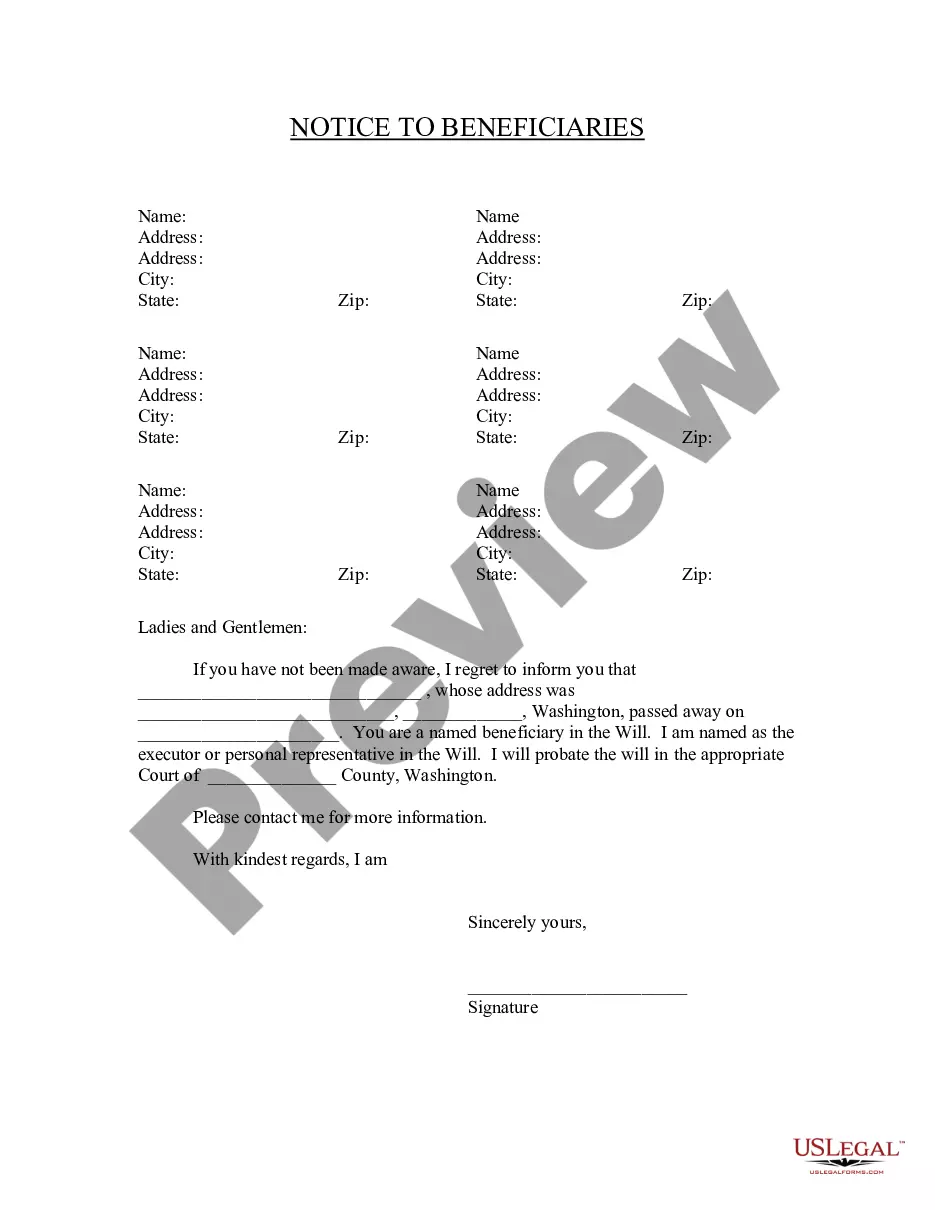
Notify beneficiaries of their inclusion in a will and provide essential details about the probate process.
Acknowledge your responsibilities as a court-appointed guardian with this essential oath, ensuring you understand your legal duties.
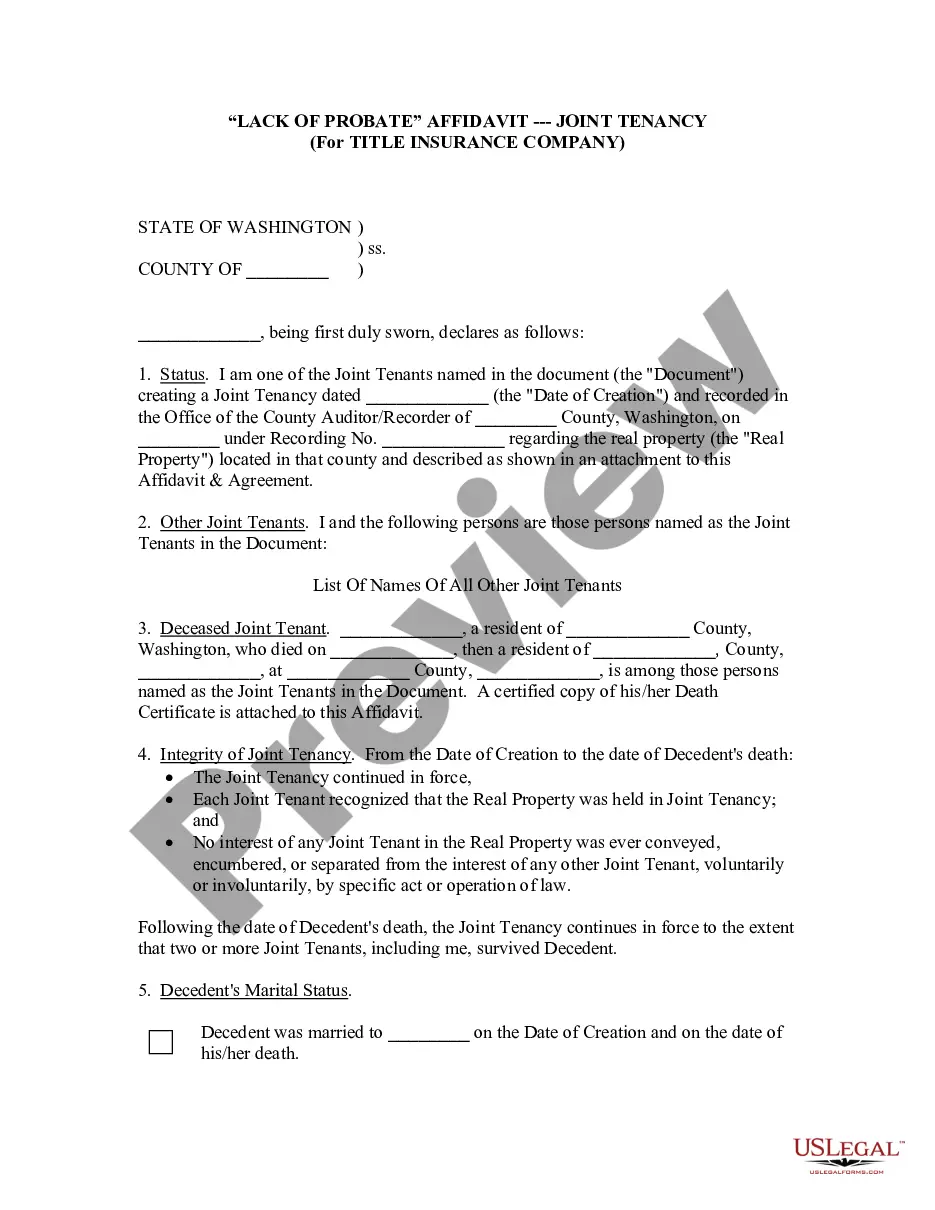
Use this affidavit to affirm joint tenancy status and avoid probate for a deceased co-owner in property transactions.
Probate is necessary to settle a deceased person's estate.
Not all assets go through probate; some pass directly to beneficiaries.
Probate can take months to years, depending on the estate's complexity.
Creditors must be paid before assets are distributed to heirs.
An executor manages the probate process, as outlined in the will.
Begin your probate journey with these simple steps.
A trust can help avoid probate and manage assets during your lifetime.
If no action is taken, the estate may go through probate, which can be lengthy.
Review your estate plan every few years or after major life events.
Beneficiary designations typically take precedence over wills and trusts.
Yes, you can appoint separate agents for financial and healthcare decisions.