What is Probate?
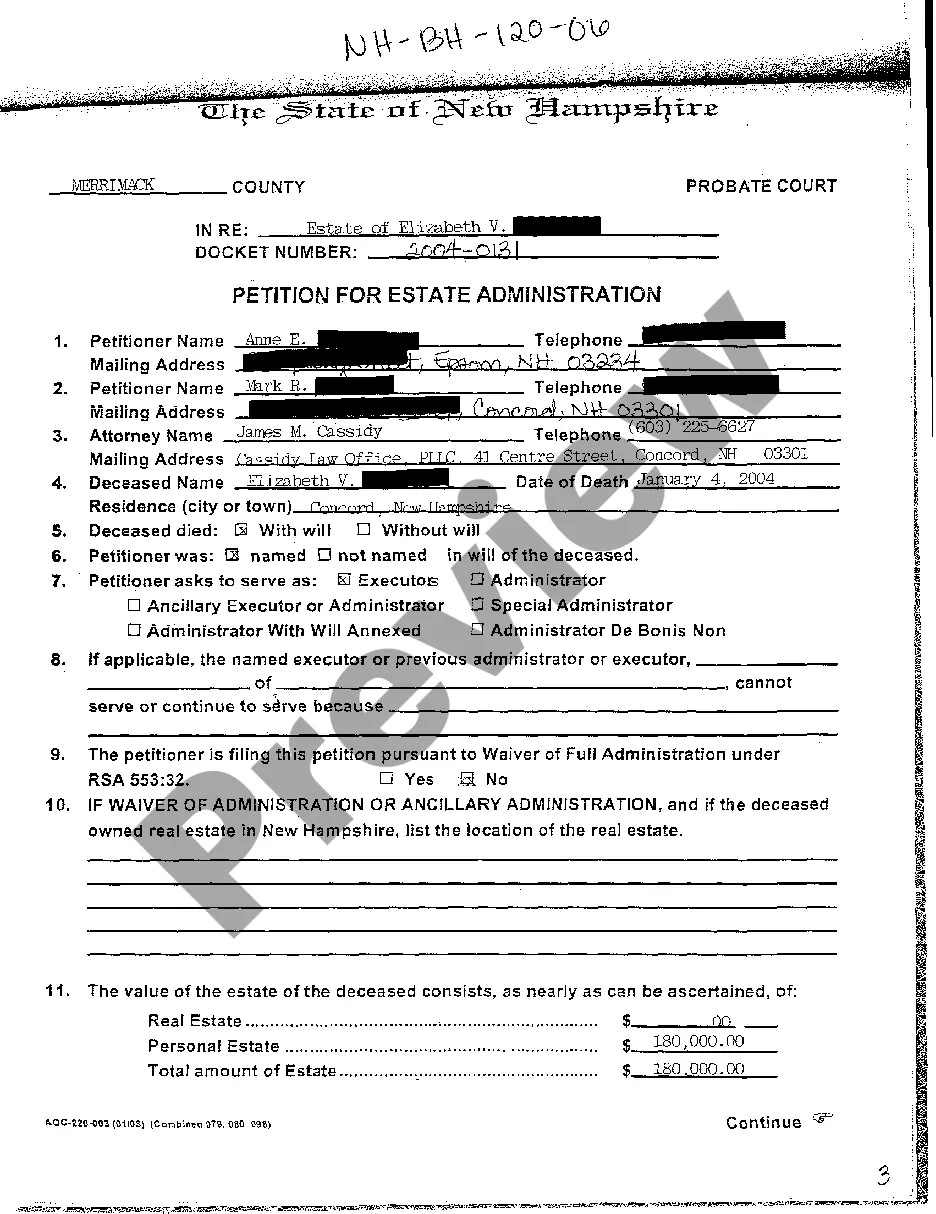
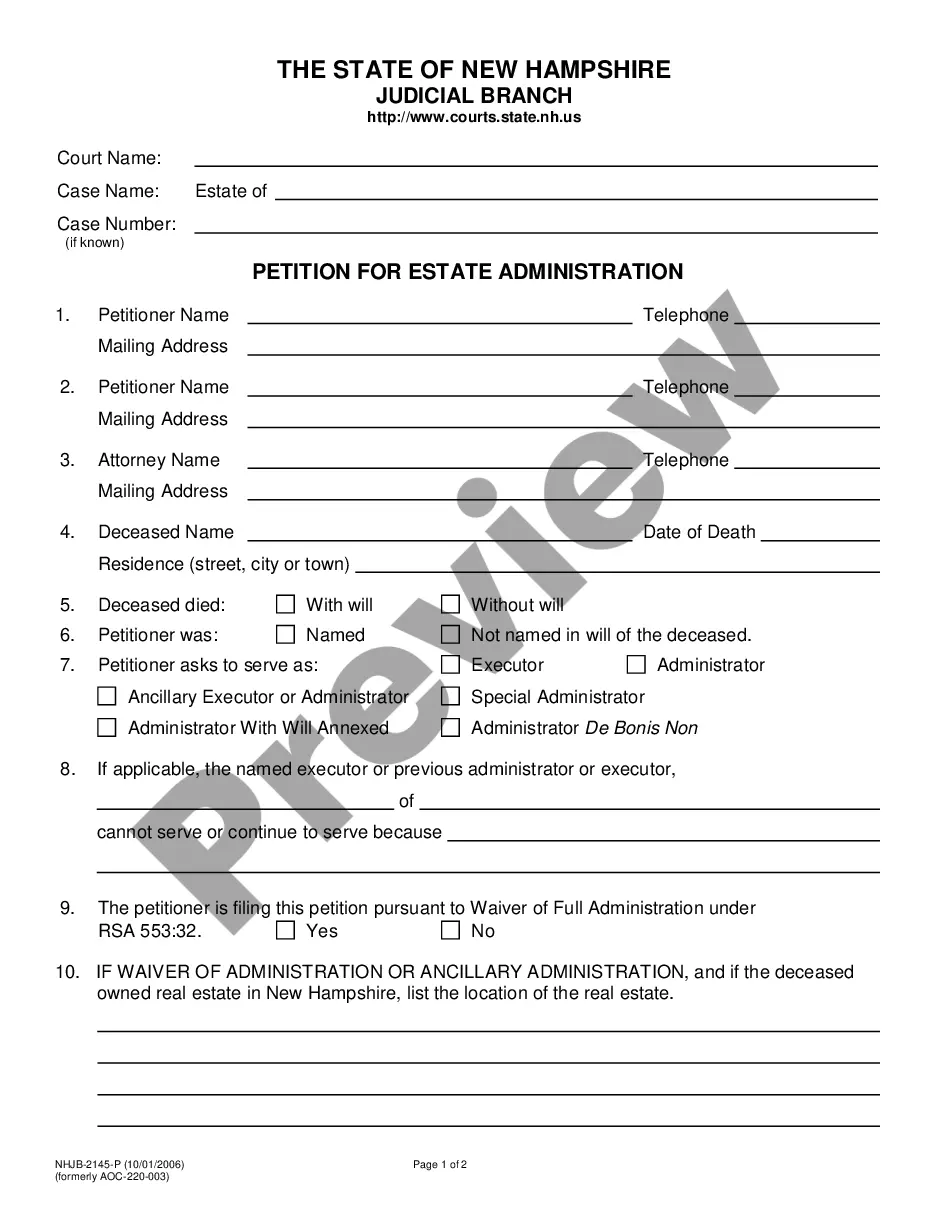
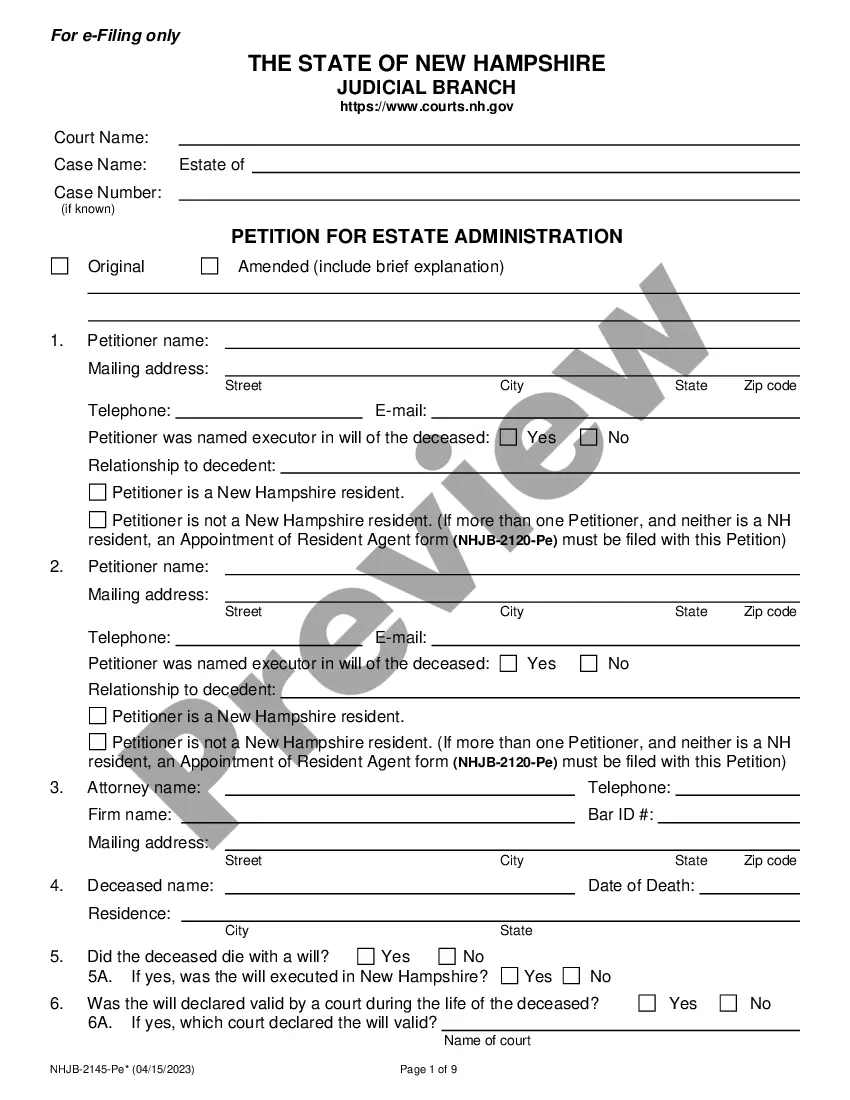
Probate is the legal process for validating a will and settling an estate. It involves collecting assets, paying debts, and distributing property. Explore state-specific templates to simplify your experience.
Probate involves managing a deceased person's estate. Attorney-drafted templates streamline the process and are easy to complete.

Use this affidavit to settle small estates valued under $10,000, allowing heirs to bypass full probate processes in New Hampshire.
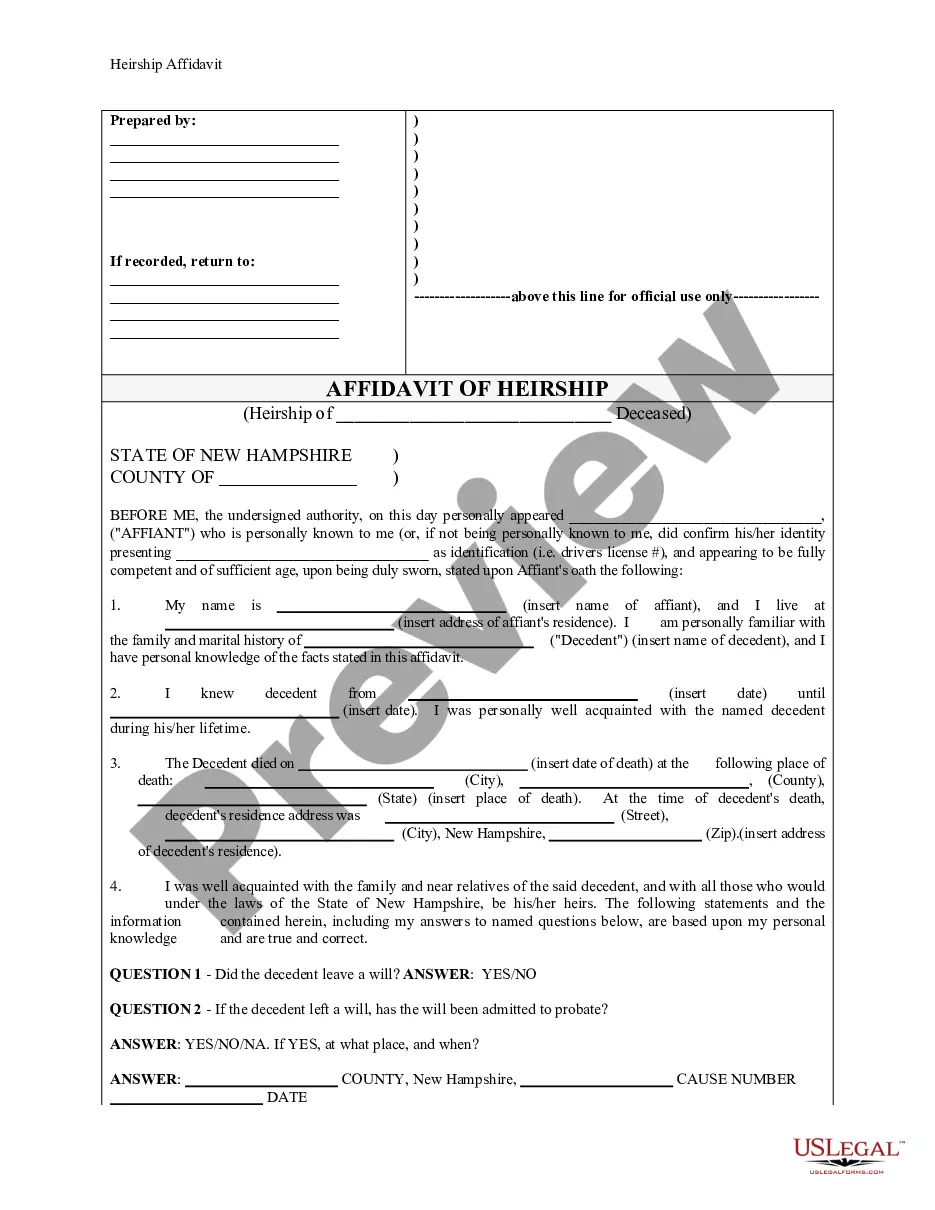
Provide proof of heirship when someone dies without a will, detailing the family relationship to the deceased.
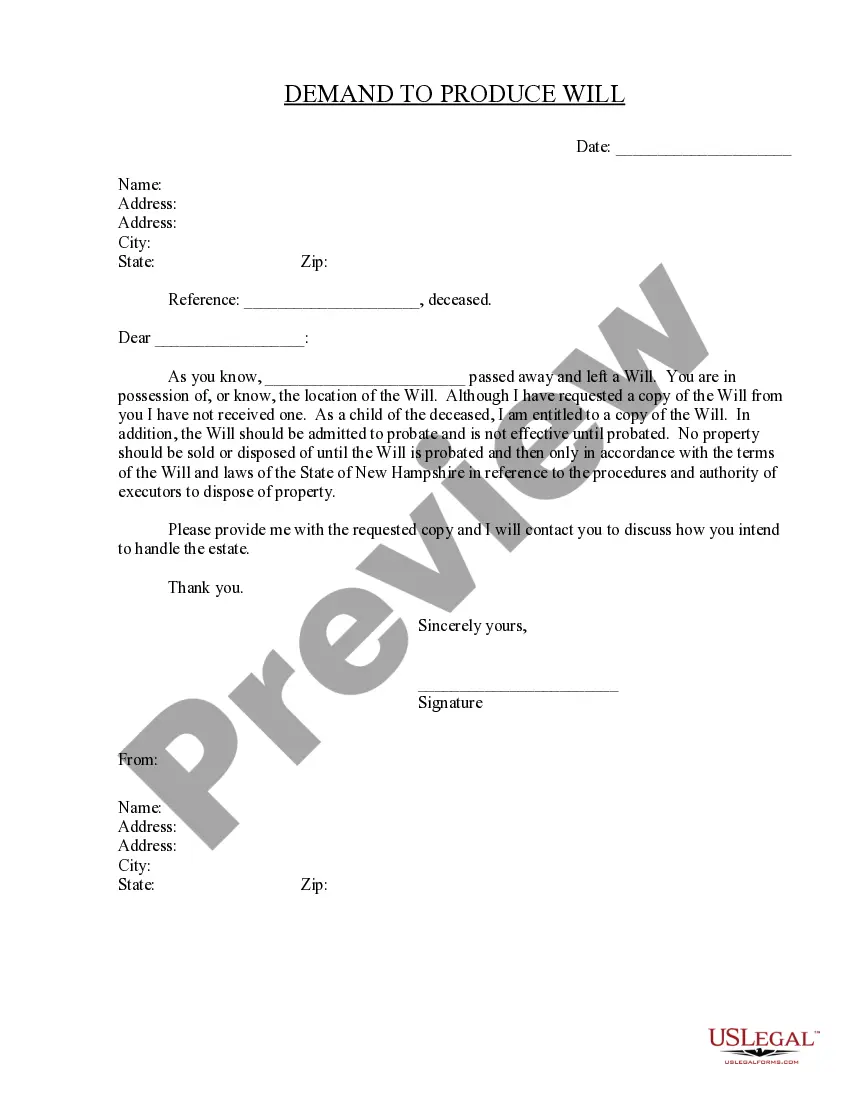
Request access to a deceased person's will to ensure proper estate handling and your legal rights as an heir.
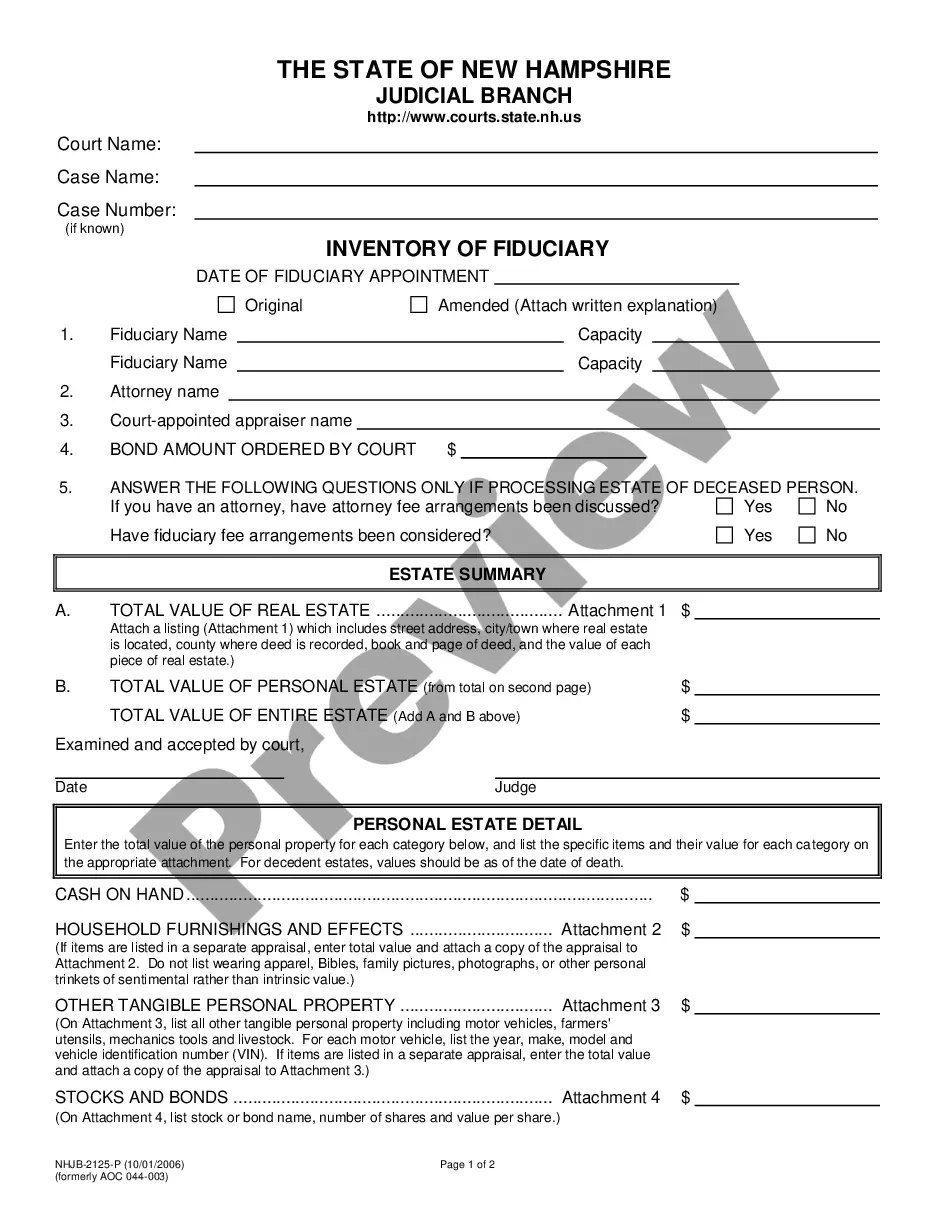
Submit regular updates on a minor's well-being and circumstances to the court.
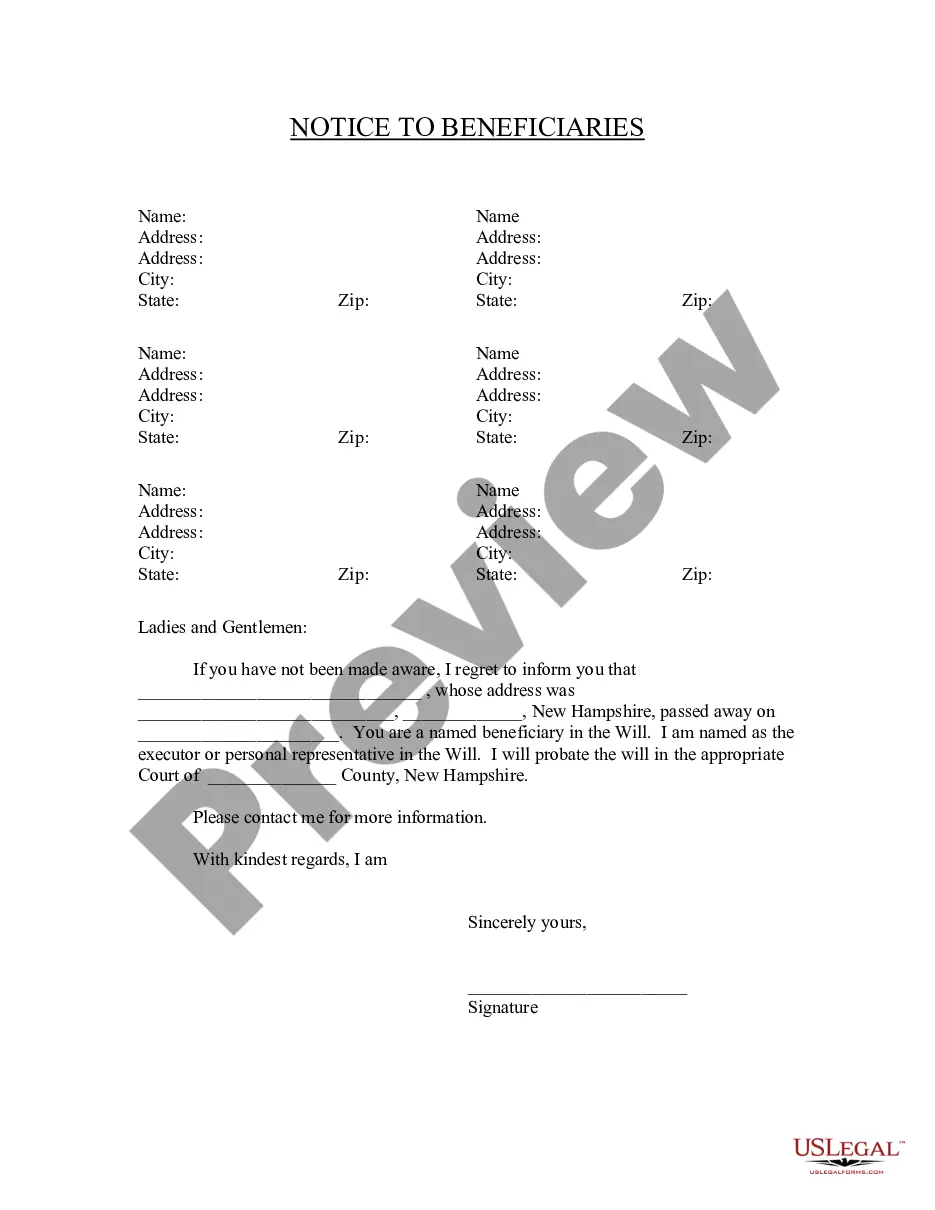
Ensure all named beneficiaries are notified of their status in a deceased person's will, essential for legal clarity and probate proceedings.
Obtain necessary consents for guardianship during court proceedings, ensuring compliance with legal requirements.
Notify the court of your email or address changes to ensure you receive important case updates promptly.
Probate is typically necessary for distributing a deceased's assets.
Wills can be contested during the probate process.
Probate may involve settling debts before distributing assets.
Not all assets are subject to probate, such as joint accounts.
Probate proceedings are generally public records.
Begin your probate journey with these easy steps.
A trust is not necessary if you have a will, but it can provide additional benefits.
If no action is taken, the state may handle the estate distribution according to intestacy laws.
It's wise to review your estate plan every few years or after major life changes.
Beneficiary designations can override instructions in a will or trust, so they should be aligned.
Yes, you can designate separate agents for financial and healthcare decisions in your estate plan.