Pennsylvania Agreement for Payment of Unpaid Rent
About this form
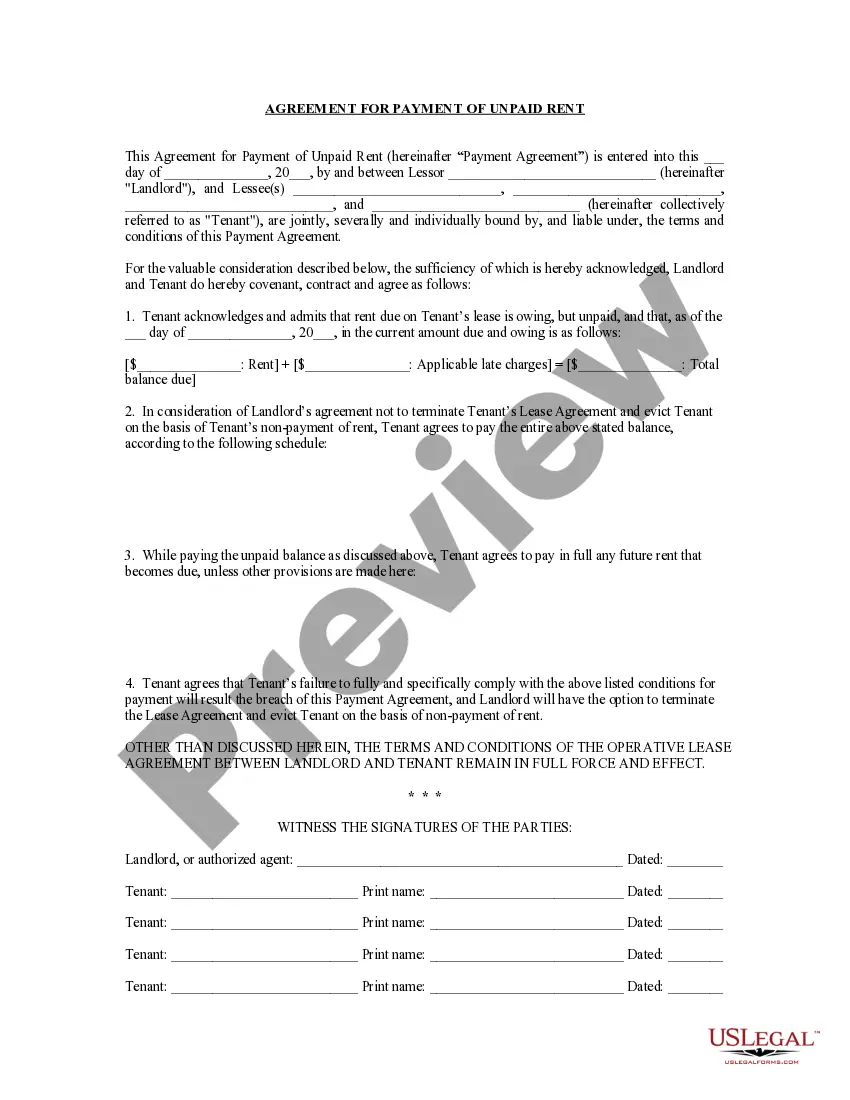
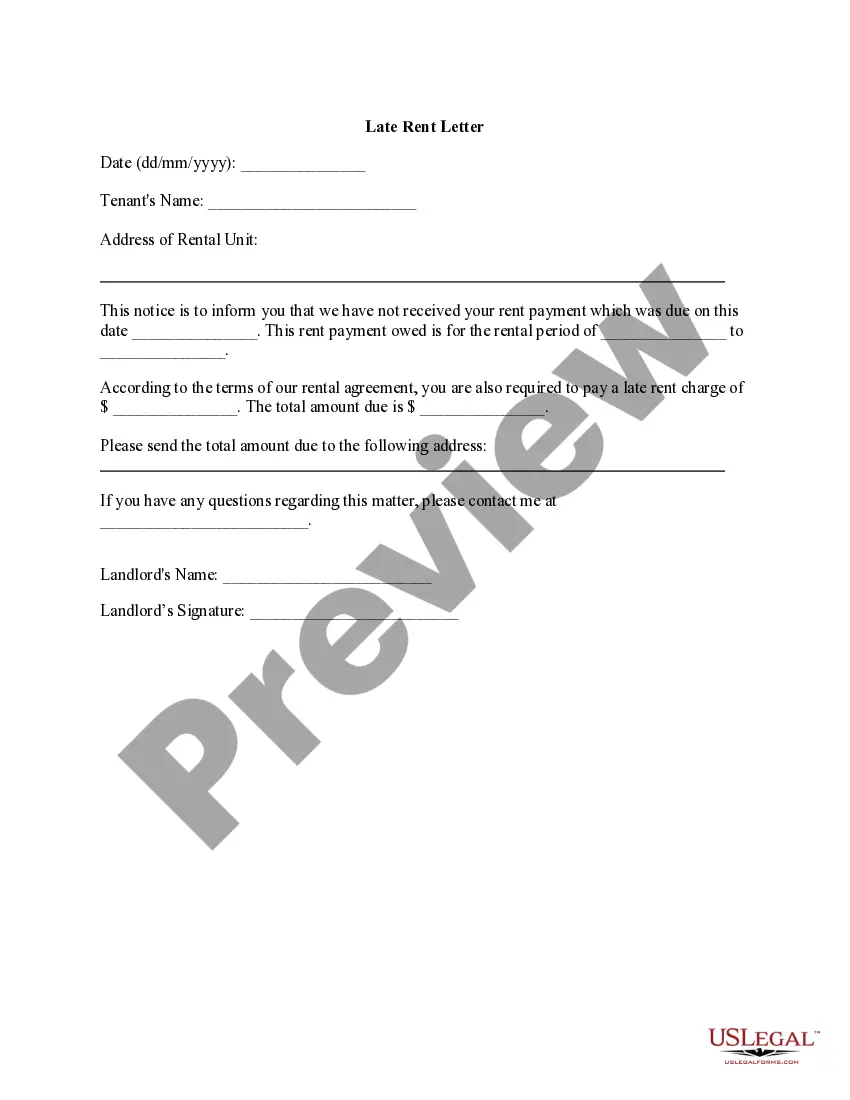
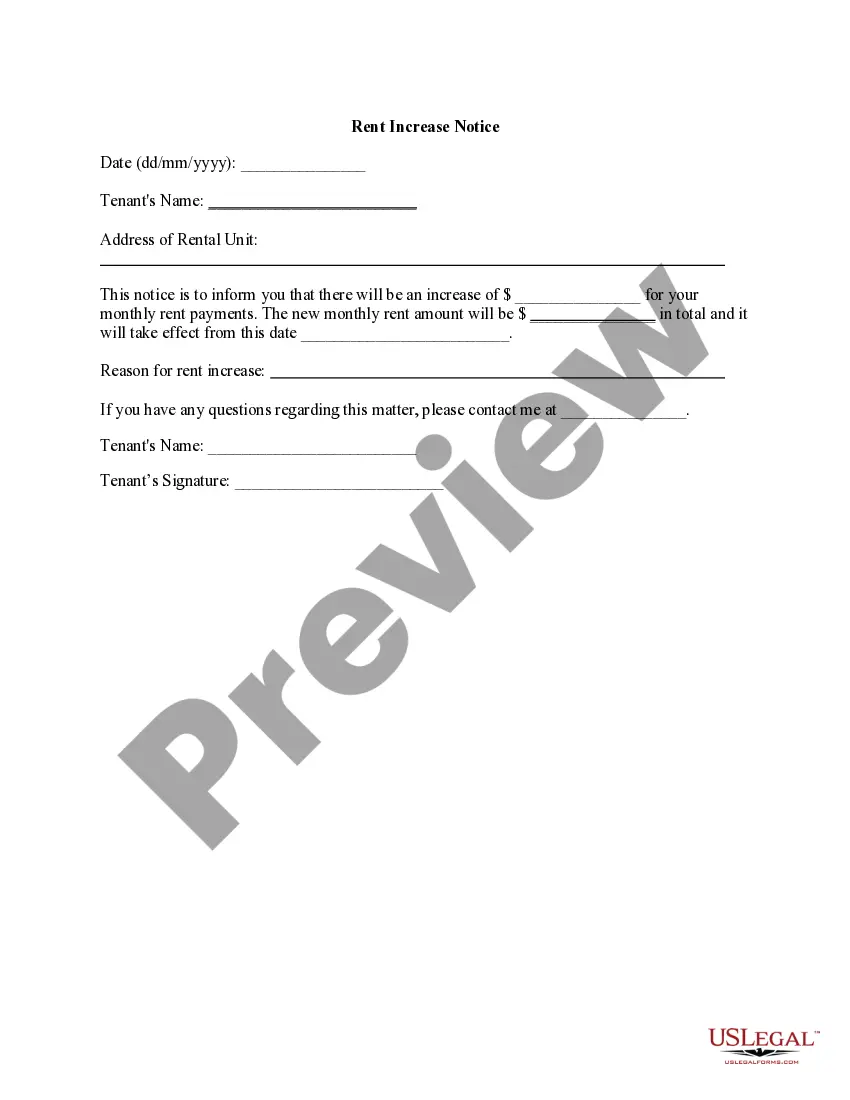
The Agreement for Payment of Unpaid Rent is a legally binding document between a landlord and tenant designed to outline the terms for the repayment of overdue rent. This agreement specifies the deadlines for payment, allowing tenants to avoid eviction by agreeing to settle their outstanding balance. It is distinct from other rental agreements as it focuses specifically on payment plans for overdue rent while maintaining the original lease terms.
Key parts of this document
- Identification of parties: Includes names of the landlord and tenants.
- Amount owed: Clearly states the total unpaid rent and any applicable late charges.
- Terms of payment: Outlines the schedule and deadlines for rent repayment.
- Retention of lease terms: Affirms that other lease provisions remain in effect.
- Signatures: Requires signatures from all parties involved for validity.

Common use cases
This form is useful when a tenant is behind on rent payments and the landlord wants to provide a structured plan for repayment. It is appropriate in situations where the landlord wishes to avoid eviction proceedings while ensuring the collection of overdue rent. Typically, this form can be used after the tenant has missed one or more payments and both parties desire a mutual agreement to resolve the situation amicably.
Who this form is for
- Landlords seeking to establish a payment plan with tenants who have overdue rent.
- Tenants who are unable to pay full rent and need to propose a structured payment arrangement.
- Property management firms managing rental properties in need of legal forms for tenant agreements.
How to complete this form
- Identify the parties involved by filling in the names of the landlord and tenants.
- Specify the date of the agreement and the total rent owed, including any late fees.
- Outline the proposed payment schedule for the overdue rent.
- Include all necessary signatures of the landlord and tenants, ensuring all parties review the terms.
- Keep a copy of the signed agreement for both parties' records.
Notarization guidance
In most cases, this form does not require notarization. However, some jurisdictions or signing circumstances might. US Legal Forms offers online notarization powered by Notarize, accessible 24/7 for a quick, remote process.
Get your form ready online
Our built-in tools help you complete, sign, share, and store your documents in one place.
Make edits, fill in missing information, and update formatting in US Legal Forms—just like you would in MS Word.
Download a copy, print it, send it by email, or mail it via USPS—whatever works best for your next step.
Sign and collect signatures with our SignNow integration. Send to multiple recipients, set reminders, and more. Go Premium to unlock E-Sign.
If this form requires notarization, complete it online through a secure video call—no need to meet a notary in person or wait for an appointment.
We protect your documents and personal data by following strict security and privacy standards.
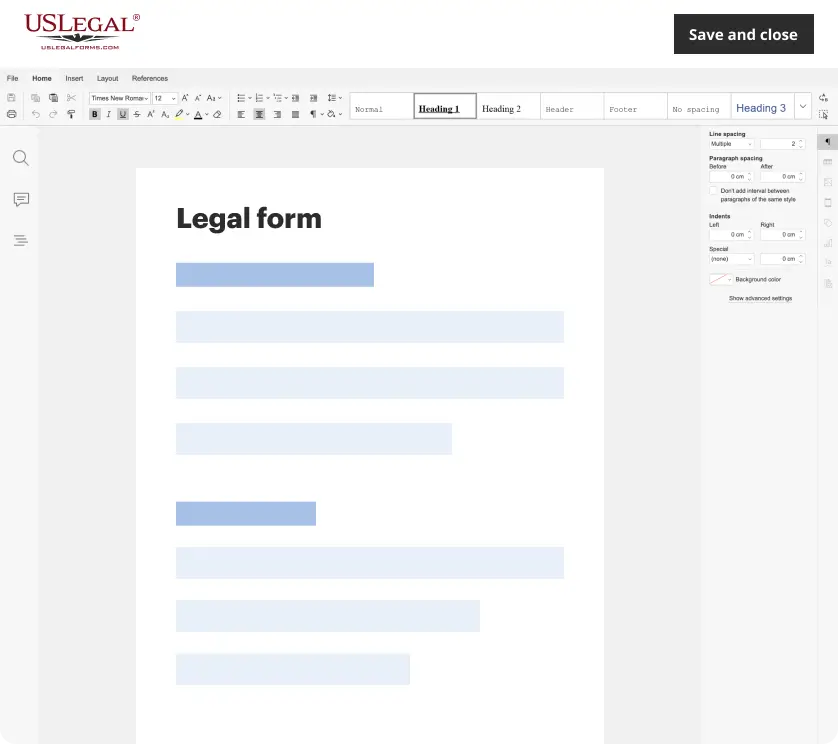
Make edits, fill in missing information, and update formatting in US Legal Forms—just like you would in MS Word.
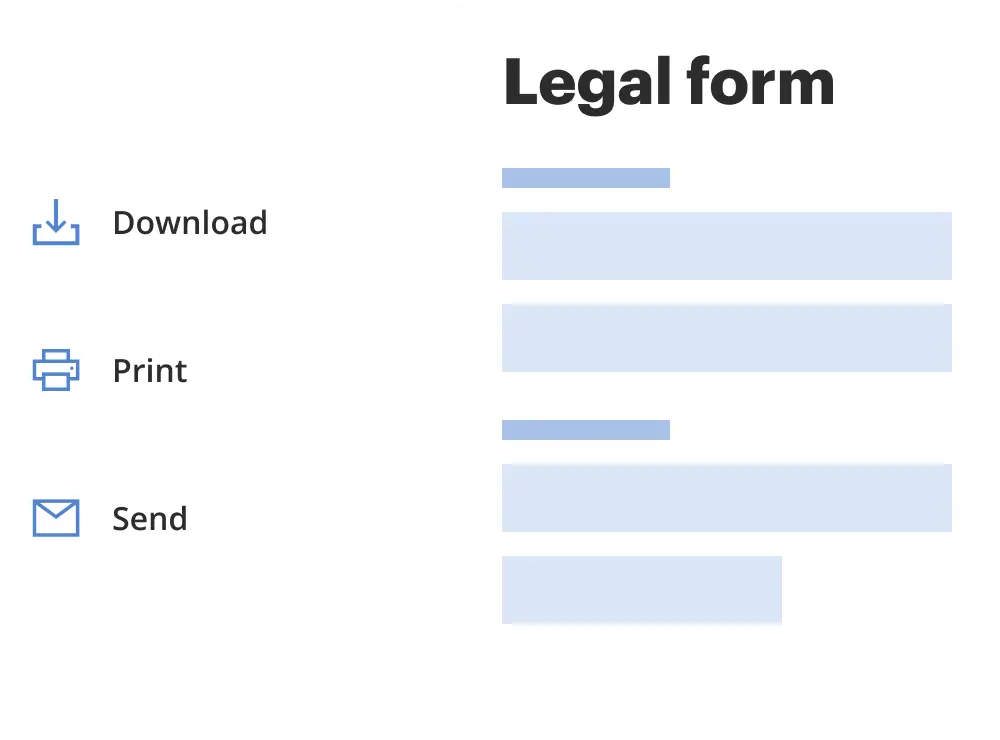
Download a copy, print it, send it by email, or mail it via USPS—whatever works best for your next step.
Sign and collect signatures with our SignNow integration. Send to multiple recipients, set reminders, and more. Go Premium to unlock E-Sign.
If this form requires notarization, complete it online through a secure video call—no need to meet a notary in person or wait for an appointment.
We protect your documents and personal data by following strict security and privacy standards.
Common mistakes to avoid
- Failing to fill out the total amount owed or the payment deadlines.
- Not having all parties sign the agreement, which may void it.
- Misunderstanding lease terms that remain effective, leading to confusion.
Benefits of using this form online
- Convenience of downloading and filling the form at your own pace.
- Editable templates that allow customization to meet specific needs.
- Access to forms drafted by licensed attorneys, ensuring legal compliance and accuracy.
Legal use & context
- This agreement serves to protect both parties' rights during the repayment period.
- It may be enforceable in court, provided all terms are clearly outlined and agreed upon by both parties.
Key takeaways
- The Agreement for Payment of Unpaid Rent helps tenants manage overdue rent while avoiding eviction.
- Key components include the total amount due and structured payment terms.
- Both landlords and tenants benefit from formalizing repayment plans through this agreement.
Looking for another form?
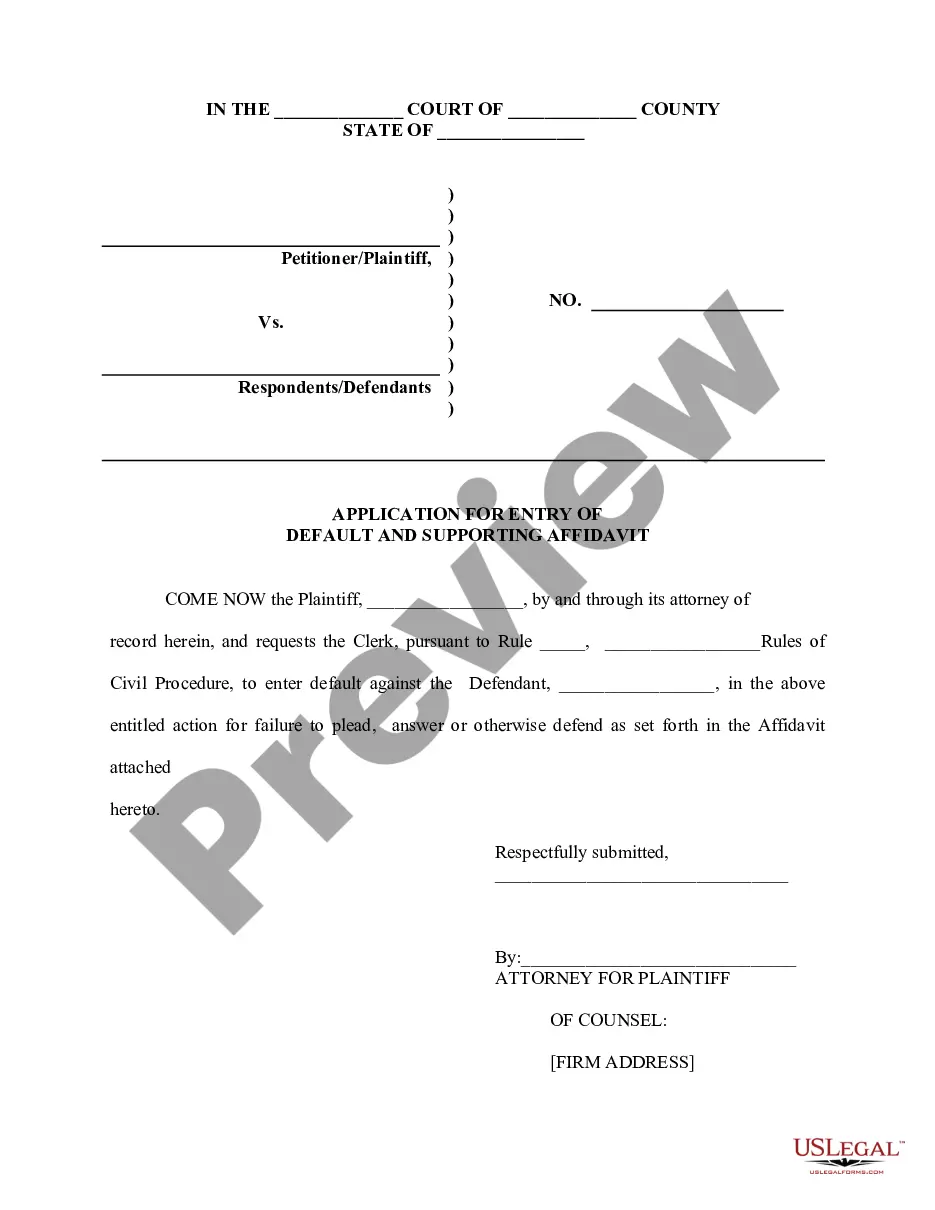







Form popularity
FAQ
When your tenant still can't pay... Let them leave, if they simply can't pay it may be your best option. Simply let them break their contract (if you're still within the fixed term period) and leave your property. Then you can get a new tenant in and not waste any more time.
The landlord can also keep the security deposit if there's any unpaid rent.In Pennsylvania, a landlord must return the security deposit within 30 days of the end of the lease and the tenant moving out. Pennsylvania also requires security deposits over $100 to be deposited into an escrow account.
Tenant Rights to Withhold Rent in PennsylvaniaTenants may withhold rent or exercise the right to repair and deduct if a landlord fails to take care of important repairs, such as a broken heater. For specifics, see Pennsylvania Tenant Rights to Withhold Rent or Repair and Deduct.
Your landlord can evict you if you fall behind with your rent - you could lose your home. Coronavirus (COVID-19) has not changed this, but there are new rules that mean your landlord must give you at least 6 months' notice if they plan to evict you, unless you owe at least 6 months' rent.
Know the Law and Document the Landlord-Tenant Relationship. Before Filing a Lawsuit, Negotiate with the Tenant. Give the Tenant a Formal Eviction Notice. File an Eviction Complaint with the Court. Get Ready for the Eviction Hearing. Evict the Tenant.
Under Pennsylvania law, a landlord may charge a tenant the equivalent of two months' rent for the security deposit for the first year of renting and the equivalent of one month's rent during all subsequent years of renting.
Step 1: Check Your Lease Documents and Payment Records. Step 2: Send a Late Rent Notice. Step 3: Make a Phone Call. Step 4: Send a Pay or Quit Notice. Step 5: Take Legal Action.
5 Times a Landlord Does Not Have to Return a Tenant's Security Deposit. Breaking or Terminating a Lease Early. Nonpayment of Rent. Damage to the Property. Cleaning Costs. Unpaid Utilities.
Your landlord is entitled to deduct any unpaid rent from your deposit. If you owe more than the value of your deposit your landlord may take court action to get the extra money back. You may decide to withhold the last month's rent in case the landlord refuses to return the deposit. This is not advisable.