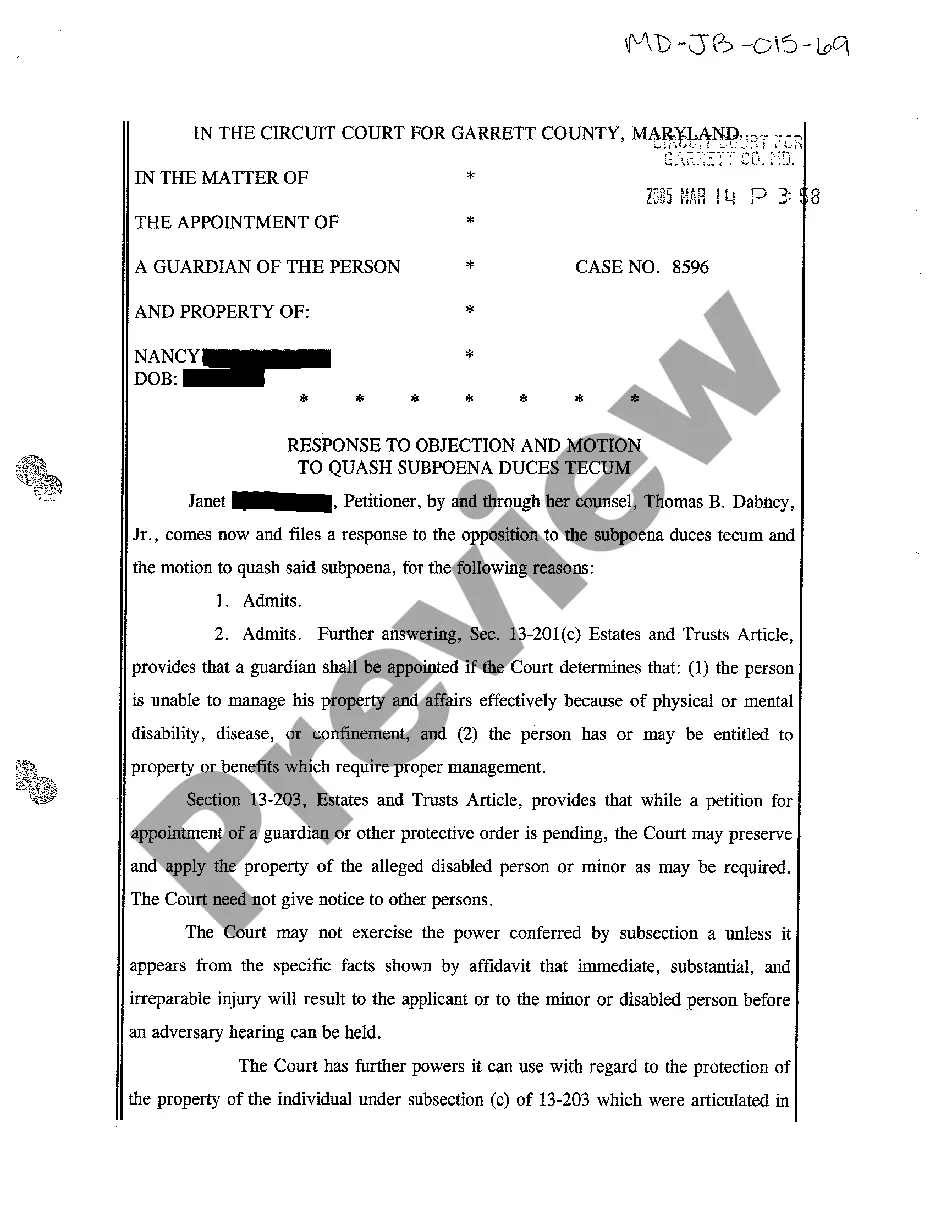
Pennsylvania Letter from Tenant to Landlord containing Notice to landlord to withdraw retaliatory rent increase
About this form
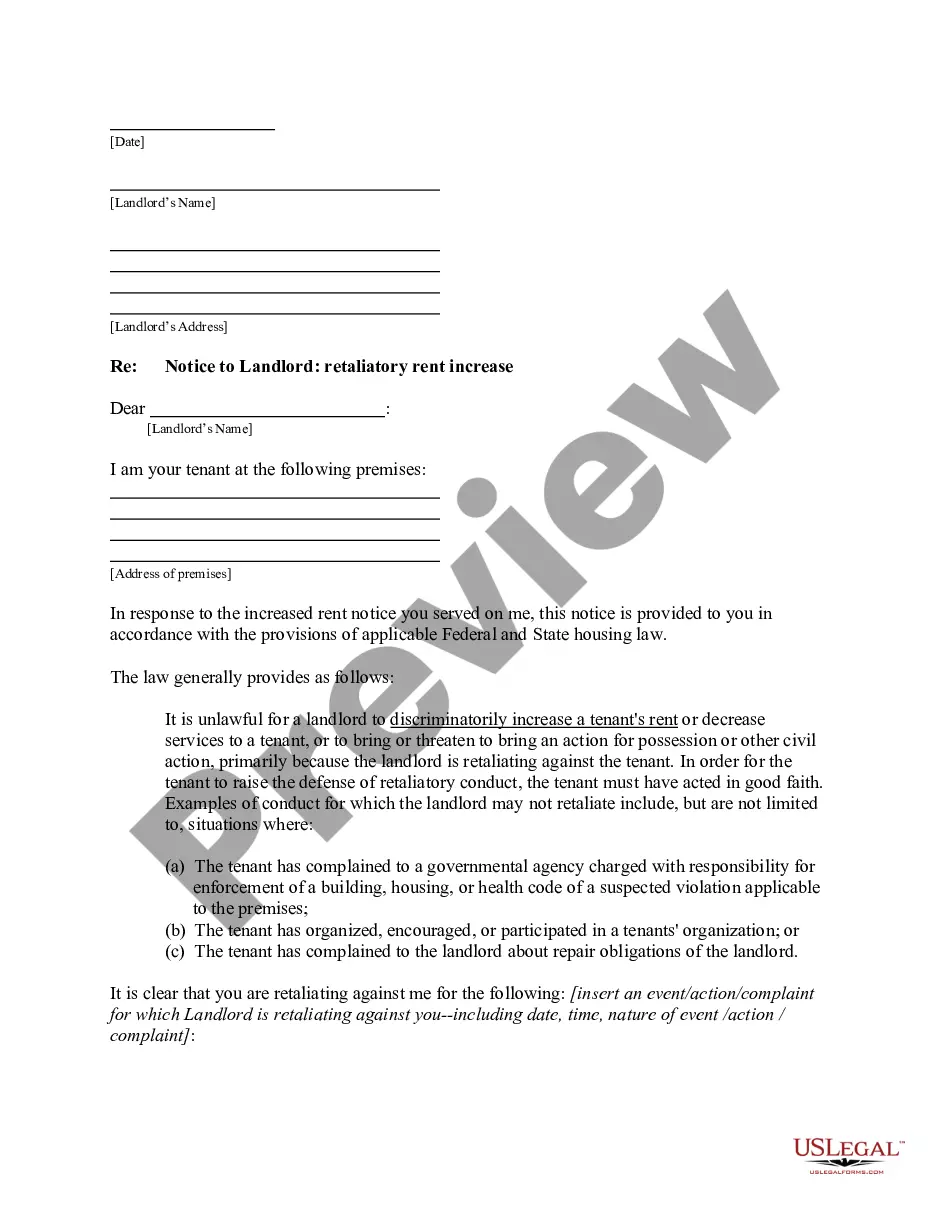
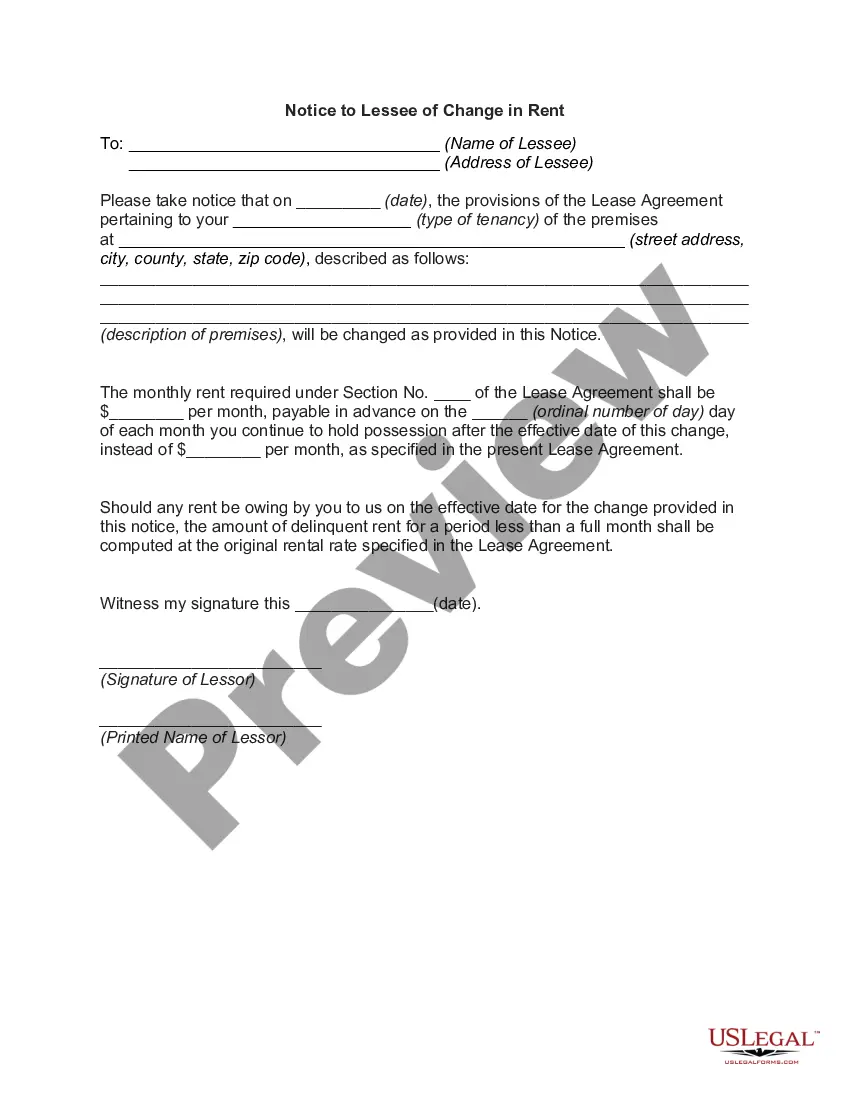
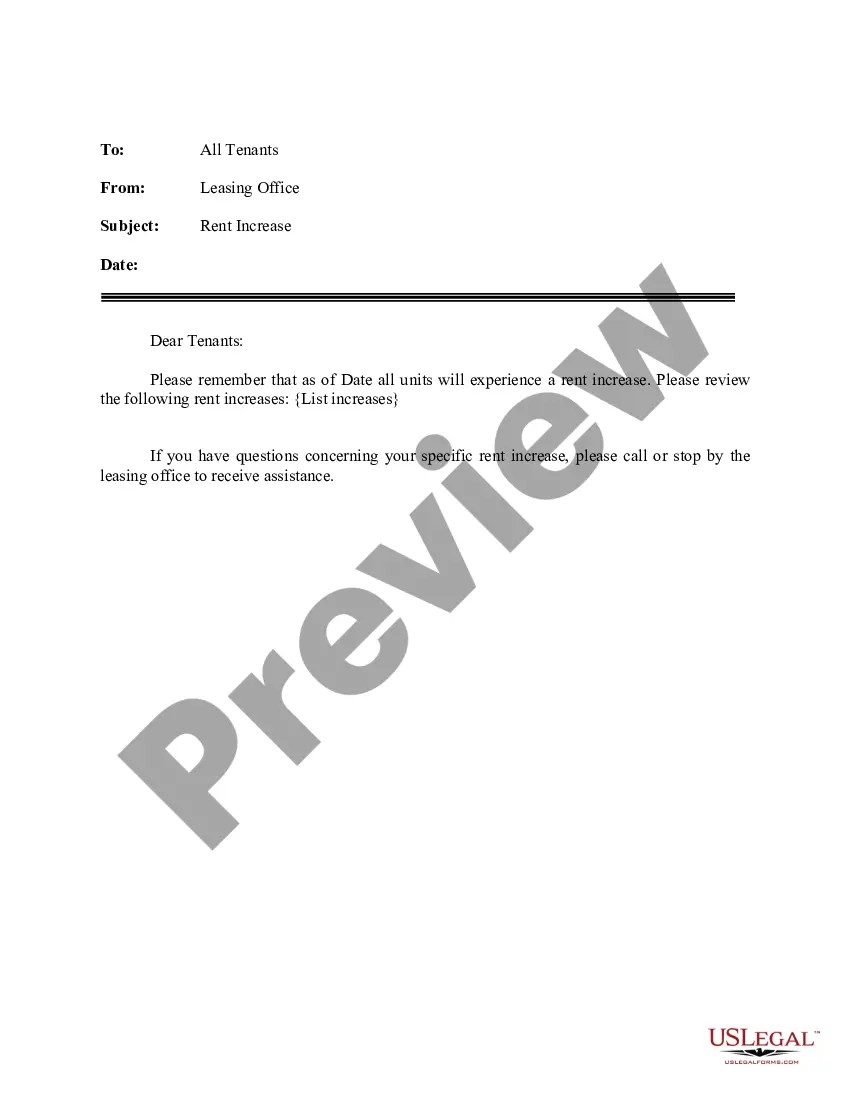
This Letter from Tenant to Landlord containing Notice to landlord to withdraw retaliatory rent increase is a formal notification that informs the landlord of the tenant's objection to a rent increase perceived as retaliatory. This form is essential to ensure that tenants are aware of their rights under state housing laws, which protect them from discriminatory actions by landlords. Unlike other rent increase notices, this letter specifically addresses situations where a landlord may be acting in reprisal against a tenant for lawful behavior, such as reporting code violations or participating in tenant organizations.
Key parts of this document
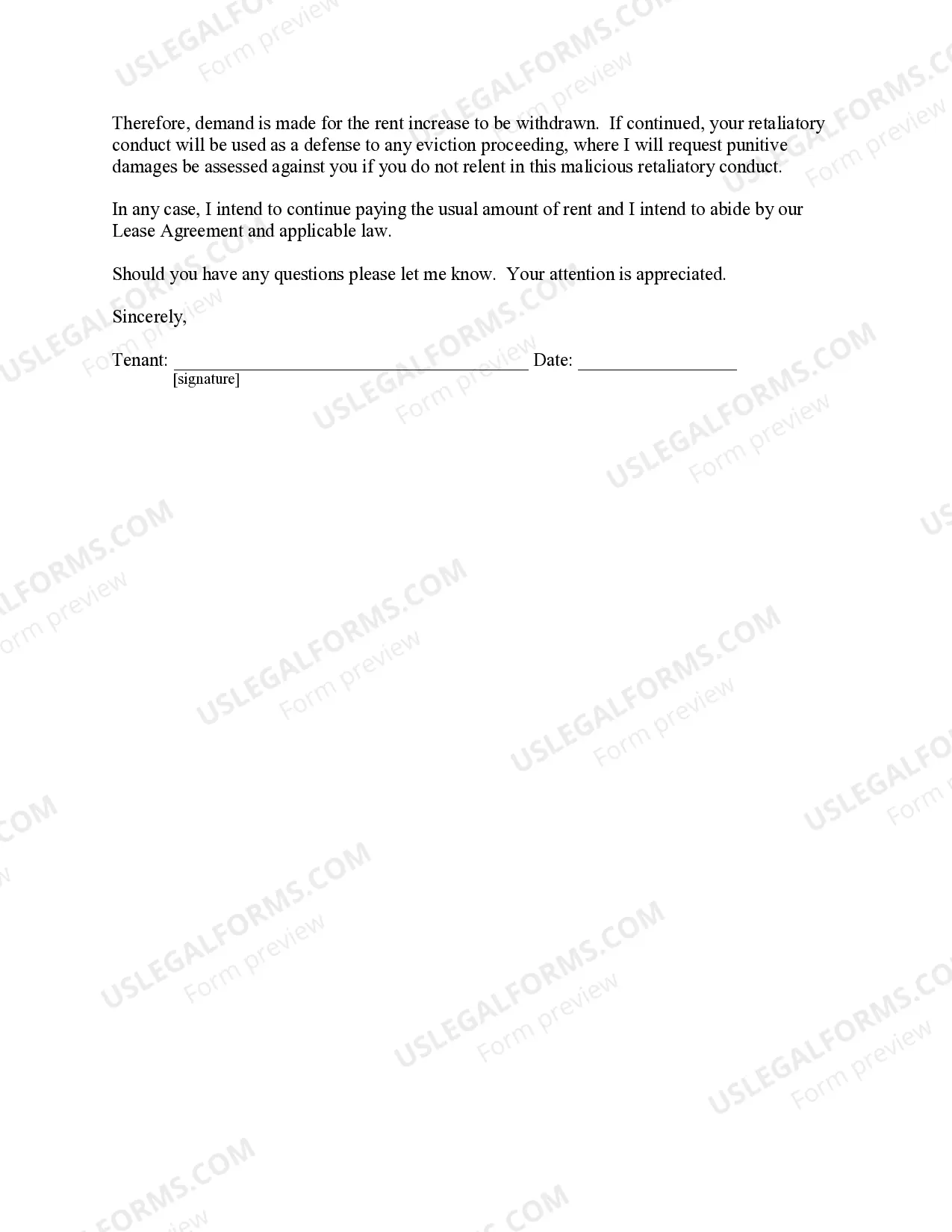
- Statement of the tenant's intent to continue paying the usual rent amount.
- Reference to applicable laws regarding retaliatory rent increases.
- Details about the tenant's good faith actions that prompted the retaliatory increase.
- Space for signatures and dates to validate the notice.
- A respectful closing statement inviting further communication.



When to use this document
This form should be used when a landlord increases rent in response to a tenant's lawful actions, such as filing complaints regarding repairs, health, or safety issues, or participating in tenant advocacy. It provides tenants with a structured way to formally object to these actions and assert their legal rights against potential retaliation.
Who this form is for
- Tenants who have experienced a rent increase shortly after taking protected actions against their landlord.
- Individuals living in rental properties who believe their landlord is violating housing laws.
- Tenants seeking to formally document their objection to retaliatory actions while maintaining open communication with their landlord.
Instructions for completing this form
- Identify the parties involved, including the tenantâs name and the landlordâs name.
- Enter the date the notice is being issued.
- Clearly state the tenant's objection to the rent increase, referencing the retaliatory action.
- Affirm the tenant's intention to continue paying the usual rent amount.
- Provide spaces for the tenant's signature and the date to formally complete the notice.
Notarization guidance
This form does not typically require notarization unless specified by local law. Tenants should always check their local regulations to confirm notarization requirements.
Get your form ready online
Our built-in tools help you complete, sign, share, and store your documents in one place.
Make edits, fill in missing information, and update formatting in US Legal Forms—just like you would in MS Word.
Download a copy, print it, send it by email, or mail it via USPS—whatever works best for your next step.
Sign and collect signatures with our SignNow integration. Send to multiple recipients, set reminders, and more. Go Premium to unlock E-Sign.
If this form requires notarization, complete it online through a secure video call—no need to meet a notary in person or wait for an appointment.
We protect your documents and personal data by following strict security and privacy standards.

Make edits, fill in missing information, and update formatting in US Legal Forms—just like you would in MS Word.

Download a copy, print it, send it by email, or mail it via USPS—whatever works best for your next step.

Sign and collect signatures with our SignNow integration. Send to multiple recipients, set reminders, and more. Go Premium to unlock E-Sign.

If this form requires notarization, complete it online through a secure video call—no need to meet a notary in person or wait for an appointment.

We protect your documents and personal data by following strict security and privacy standards.
Common mistakes to avoid
- Failing to clearly specify the retaliatory action that prompted the notice.
- Not signing or dating the notice, which can lead to validity issues.
- Using vague language that does not clearly communicate the tenantâs intentions.
Advantages of online completion
- Convenient access to legally vetted templates that save time on legal research.
- Editability allows for customization to fit individual circumstances.
- Reliability, as forms are drafted by licensed attorneys and updated for compliance with current laws.
Legal use & context
- This form serves as a formal notice to the landlord regarding the illegality of retaliatory rent increases.
- It assists tenants in documenting their claims effectively for potential future disputes.
- This notice can enhance the tenant's position in legal proceedings, should they arise.
Main things to remember
- This form serves as a vital tool for tenants facing retaliatory rent increases.
- Filling out the form accurately can strengthen a tenantâs position if disputes arise.
- Understand local laws to ensure the form meets all necessary criteria for your specific situation.
Looking for another form?

Form popularity
FAQ
State that you will be making a complaint. Explain why you are making a complaint and make sure to add your account of the event and other supporting facts. Let the management know what steps you wish to be made to address your complaint. End on a positive tone.
Remember you're a business. Do your research. Raise the rent all at once or incrementally. Don't negotiate or ask tenants what they think a fair rent increase would be. Be courteous and firm. Find a template you like. Send a formal letter by certified mail. Give the tenant notice.
If you're seeking damages for emotional distress caused by a landlord's discrimination, or punitive damages for especially blatant and intentional discrimination, a lawsuit may well be your best bet. Understand what's involved in suing your landlord. You may file a lawsuit in either federal or state court.
Tenant's name. Property address. Landlord's name and contact info. Date the letter was written. Date the rent increase will take effect. Rent increase amount. Current rental amount. Date the new rent will be due.
Respectfully state that you are making a complaint. Explain the reason behind you making the complaint, making sure to put in the various reasons why you are making the complaint. Relate to the reader what you wish to be done about your complaint. End on a positive tone.
Tenant's name. Property address. Landlord name and contact information. Date the letter is written. Date the rent increase will take effect. Amount of rent increase. Current cost of rent.
In most states, a landlord must give tenants notice at least 30 days before they'll enforce a rent increase. However, in other states like California, the notice can increase to 60 days' notice if the increase is more than 10% of the current rent rate.
There are no rent control laws that limit how much a landlord can raise your rent.There is no rent control or rent stabilization law in Pennsylvania.
Explain that you are making a complaint. Relate what the complaint is actually about and make sure to include the specific details about the complaint, especially an account of the event. Inform the management of what you wish to be done regarding the complaint that you are making. End on a positive tone.