Oregon Sale of a Business Package
Understanding this form package
The Oregon Sale of a Business Package contains essential legal documents designed to assist buyers and sellers in the sale of a business in Oregon. This comprehensive package stands out by offering a range of forms specific to both individual and corporate transactions, ensuring that you can address various aspects of the sale with confidence.
Forms provided in this package
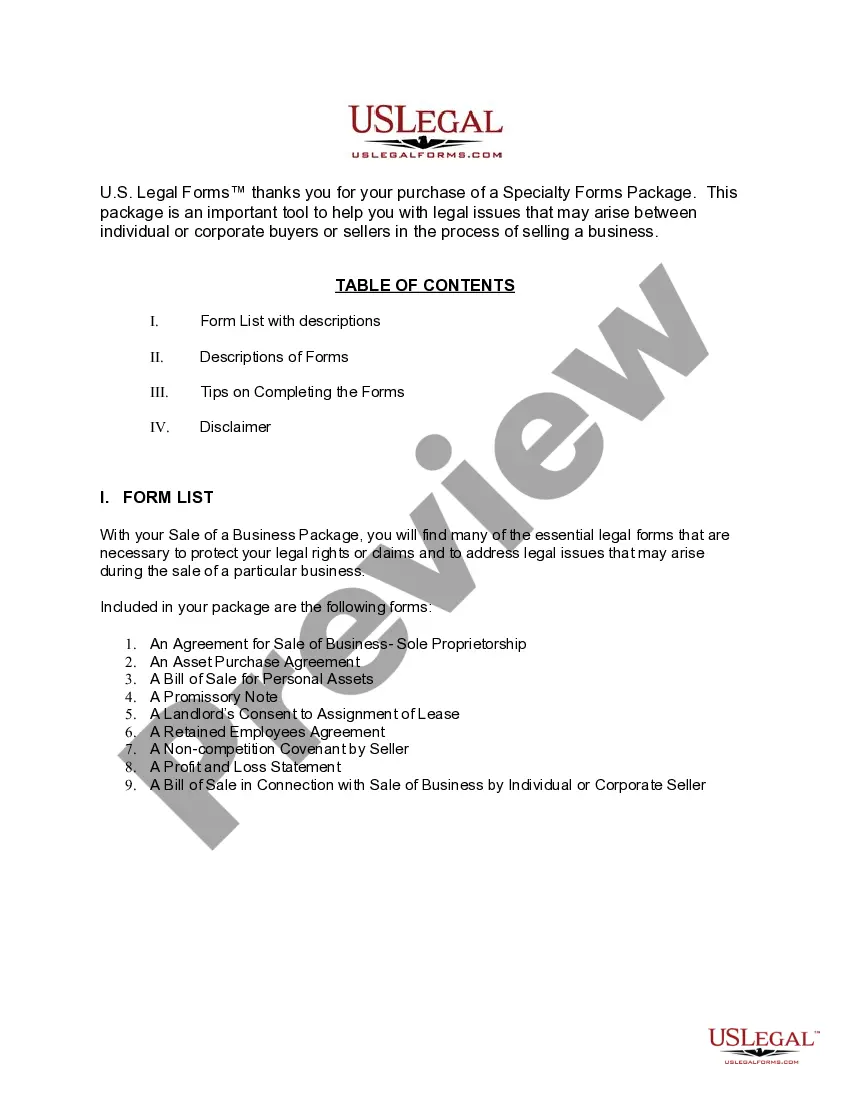
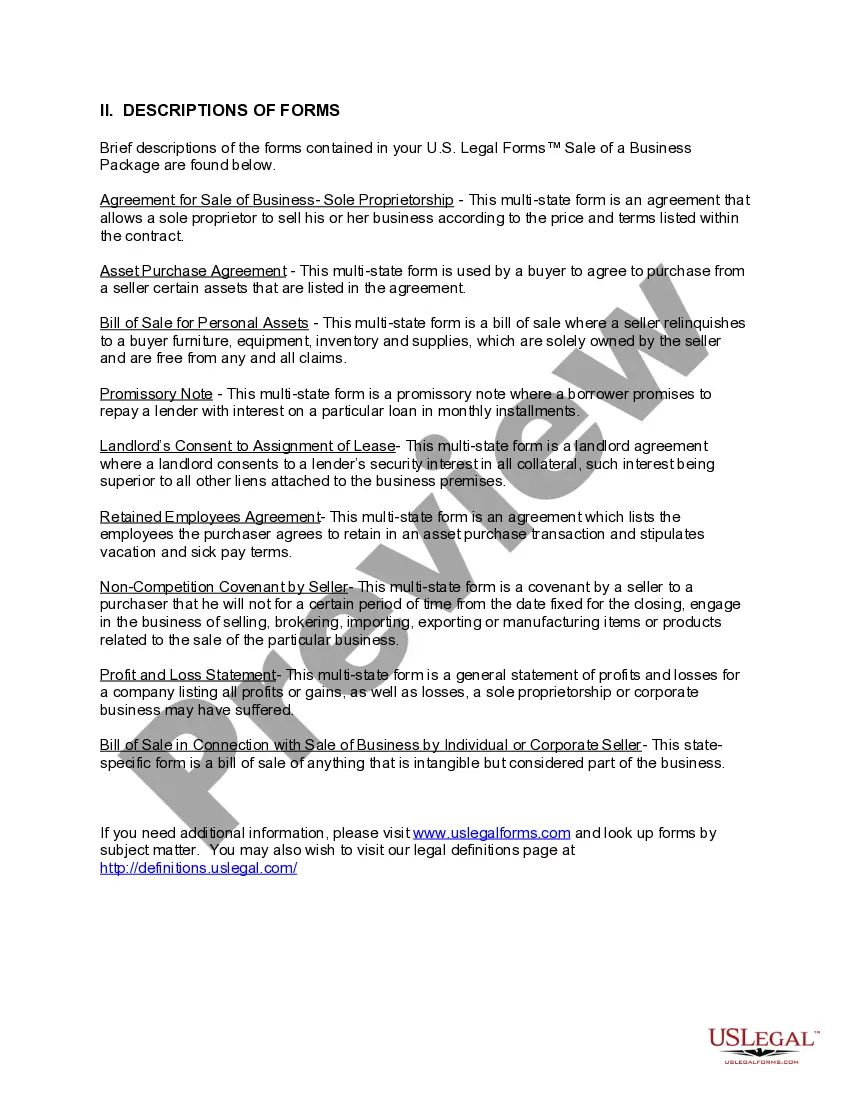
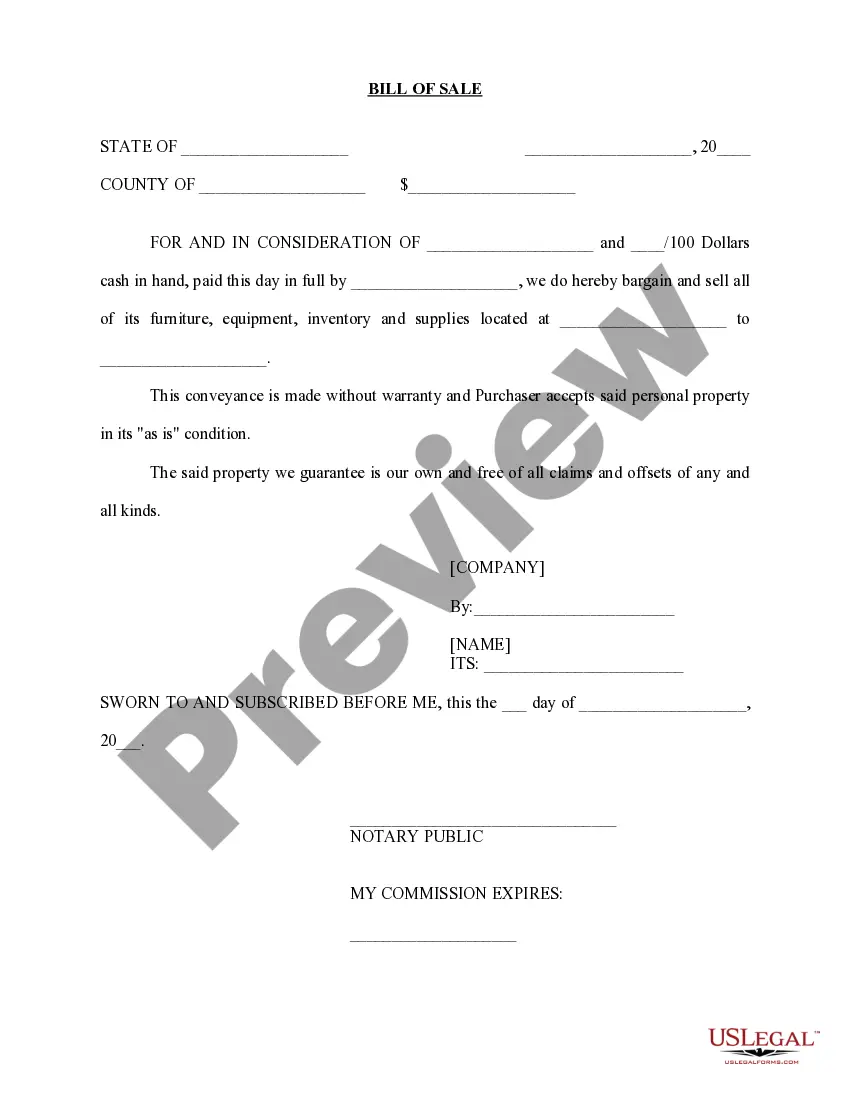
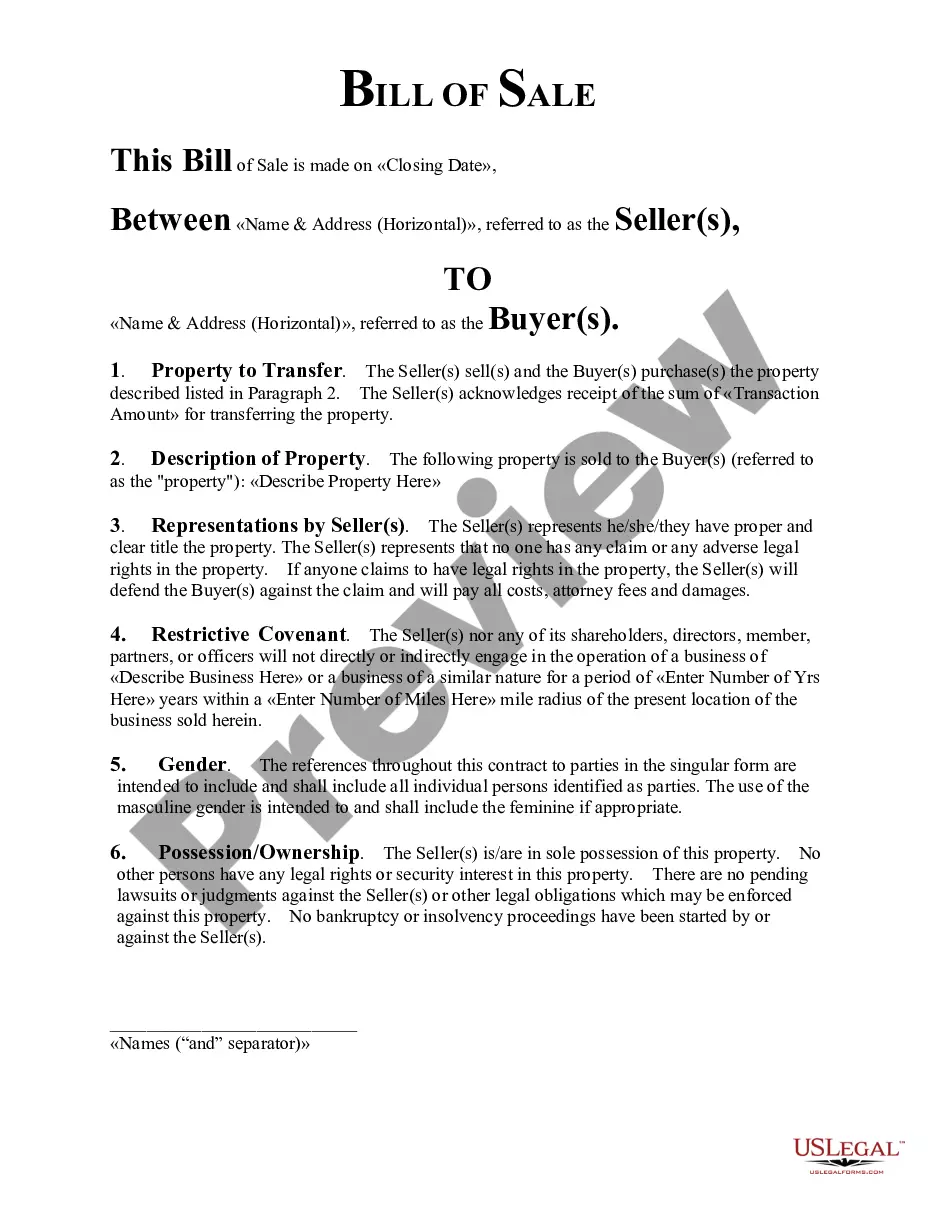
- Bill of Sale in Connection with Sale of Business by Individual or Corporate Seller
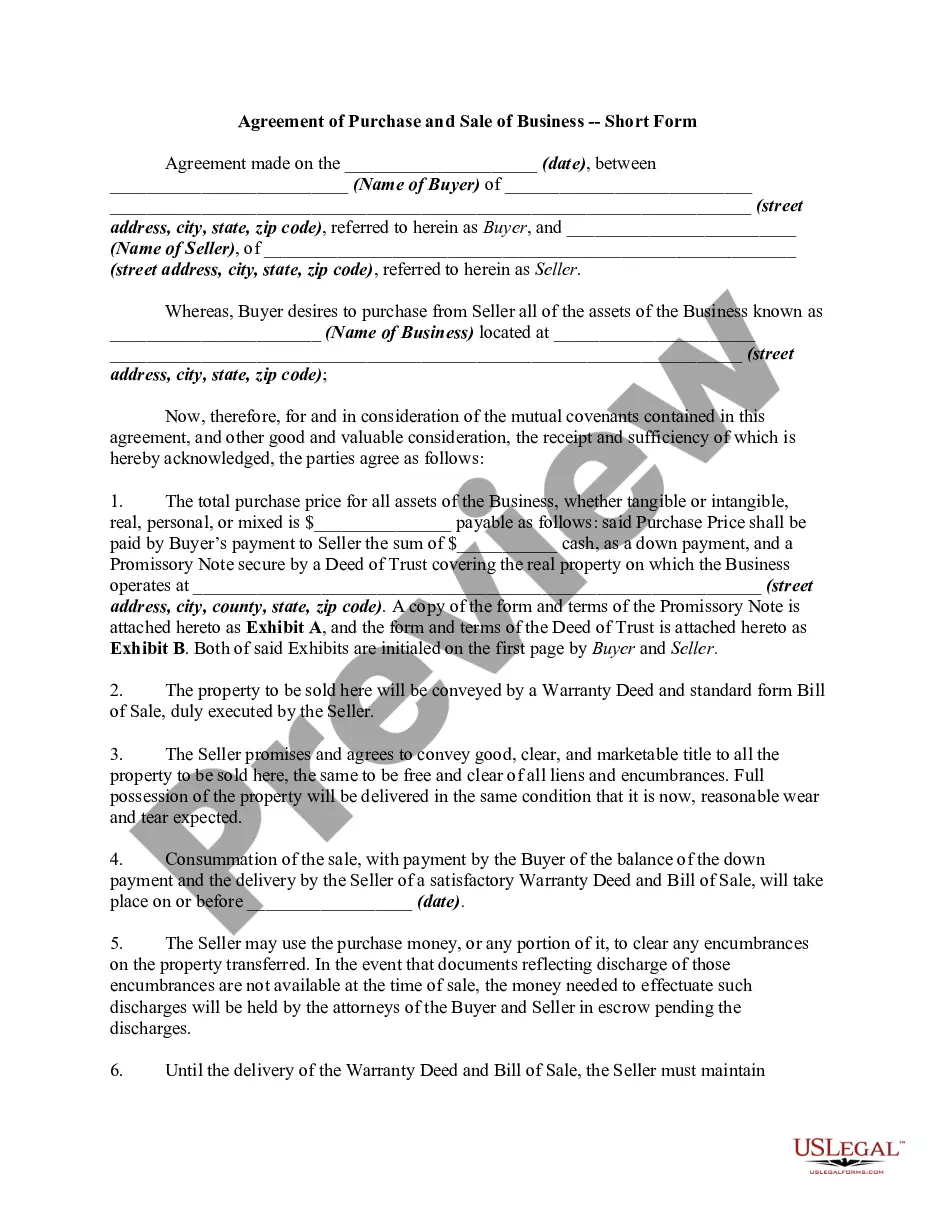
- Asset Purchase Agreement - Business Sale
- Sale of Business - Bill of Sale for Personal Assets - Asset Purchase Transaction
- Sale of Business - Landlord's Consent to Assignment of Lease - Asset Purchase Transaction
- Sale of Business - Promissory Note - Asset Purchase Transaction
- Sale of Business - Retained Employees Agreement - Asset Purchase Transaction
- Noncompetition Covenant by Seller in Sale of Business
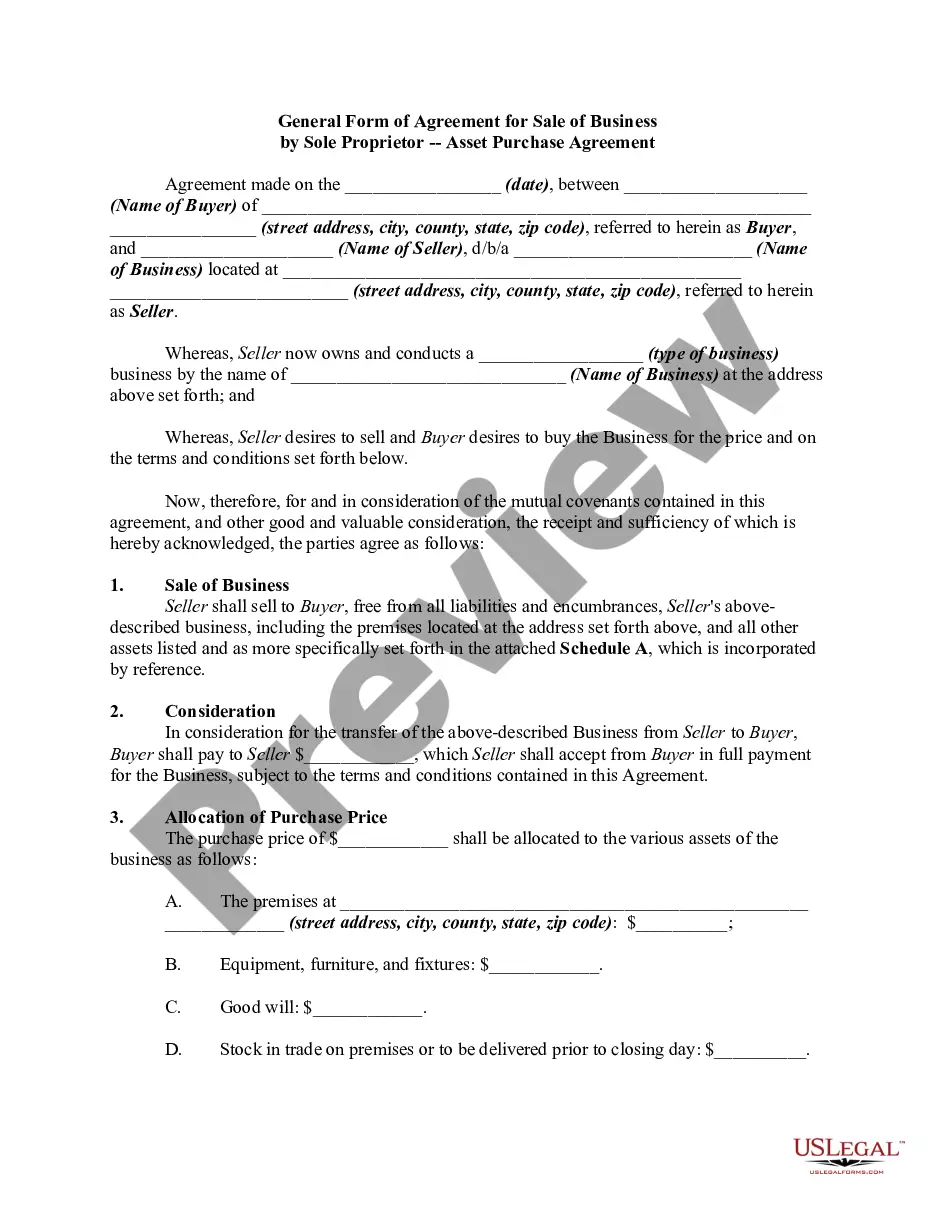
- Agreement for Sale of Business - Sole Proprietorship - Asset Purchase
- Profit and Loss Statement
Common use cases
This package is ideal when:
- You are planning to sell your business and need formal agreements to govern the transaction.
- You are purchasing a business and require legal protections during the acquisition process.
- You need to address specific issues such as transferring leases, retaining employees, or preventing competition post-sale.
Intended users of this form package
- Business owners looking to sell their business.
- Individuals or corporations planning to buy an existing business.
- Legal representatives assisting clients in business transactions.
- Entrepreneurs interested in understanding the legal aspects of business acquisitions.
Steps to complete these forms
- Begin by reviewing all forms included in the package to understand their purpose.
- Identify the parties involved in the transaction and ensure all details are accurate.
- Fill in the required information in each form, making use of provided fields.
- Have all parties sign the necessary documents in the appropriate locations.
- Store a copy of each completed form for your records.
Do forms in this package need to be notarized?
Forms in this package typically do not require notarization. However, certain states or document types may still need it. US Legal Forms provides online notarization powered by Notarize, available 24/7 for your convenience.
Get your form ready online
Our built-in tools help you complete, sign, share, and store your documents in one place.
Make edits, fill in missing information, and update formatting in US Legal Forms—just like you would in MS Word.
Download a copy, print it, send it by email, or mail it via USPS—whatever works best for your next step.
Sign and collect signatures with our SignNow integration. Send to multiple recipients, set reminders, and more. Go Premium to unlock E-Sign.
If this form requires notarization, complete it online through a secure video call—no need to meet a notary in person or wait for an appointment.
We protect your documents and personal data by following strict security and privacy standards.

Make edits, fill in missing information, and update formatting in US Legal Forms—just like you would in MS Word.

Download a copy, print it, send it by email, or mail it via USPS—whatever works best for your next step.

Sign and collect signatures with our SignNow integration. Send to multiple recipients, set reminders, and more. Go Premium to unlock E-Sign.

If this form requires notarization, complete it online through a secure video call—no need to meet a notary in person or wait for an appointment.

We protect your documents and personal data by following strict security and privacy standards.
Typical mistakes to avoid
- Failing to include all necessary details in the Agreement for Sale of Business.
- Not obtaining signatures from all parties involved.
- Overlooking specific local regulations regarding business sales.
- Using outdated forms that do not reflect current laws.
Benefits of using this package online
- Convenient access to necessary forms without the need for a legal visit.
- Editable forms that can be customized to suit your specific transaction.
- A significant cost saving of up to 40% compared to purchasing individual forms.
- Reliability in using documents reviewed by licensed attorneys.
Looking for another form?
Form popularity
FAQ
The sale of capital assets results in capital gain or loss. The sale of real property or depreciable property used in the business and held longer than 1 year results in gain or loss from a section 1231 transaction. The sale of inventory results in ordinary income or loss.
A business sale, or asset sale, refers to the sale of the business assets from the current owner to a buyer. The seller and buyer can be different entities (such as a sole trader, company or trust) but the distinctive feature of an Asset Sale is that the business assets change ownership.
List of all assets included in the sale including fixtures, furnishings, equipment, machinery, inventories, accounts receivable, business name, customer lists, goodwill, and other items; also includes assets to be excluded from the sale, such as cash and cash accounts, real estate, automobiles, etc.
Sell the inventory at discount and offer the seller a percentage of the wholesale price. Pay the seller for the inventory as it sells. Have the seller finance the inventory on terms commensurate with expected sales. Allow the seller to keep all excess inventory.
If you sell an asset that you've held for more than 12 months, the proceeds will be treated as long-term capital gains. The maximum tax rate on capital gains for most taxpayers is 15%. Proceeds treated as ordinary income are taxed at the taxpayer's individual rate.
The state of Oregon doesn't have a general business license.
Sell the inventory at discount and offer the seller a percentage of the wholesale price. Pay the seller for the inventory as it sells. Have the seller finance the inventory on terms commensurate with expected sales. Allow the seller to keep all excess inventory.
Step 1: Debit the Cash Account. Step 2: Debit the Accumulated Depreciation Account. Step 3: Credit the Property's Asset Account. Step 4: Determine the Property's Book Value. Step 5: Credit or Debit the Disposal Account.
Consider your next act first. Assess personal and business readiness. Evaluate opportunity cost against life goals. Show the true value of the business. Involve the experts. Keep empathy and perspective. Remove emotion from the deal.