Oregon Letter from Tenant to Landlord for 30 day notice to landlord that tenant will vacate premises on or prior to expiration of lease
What is this form?
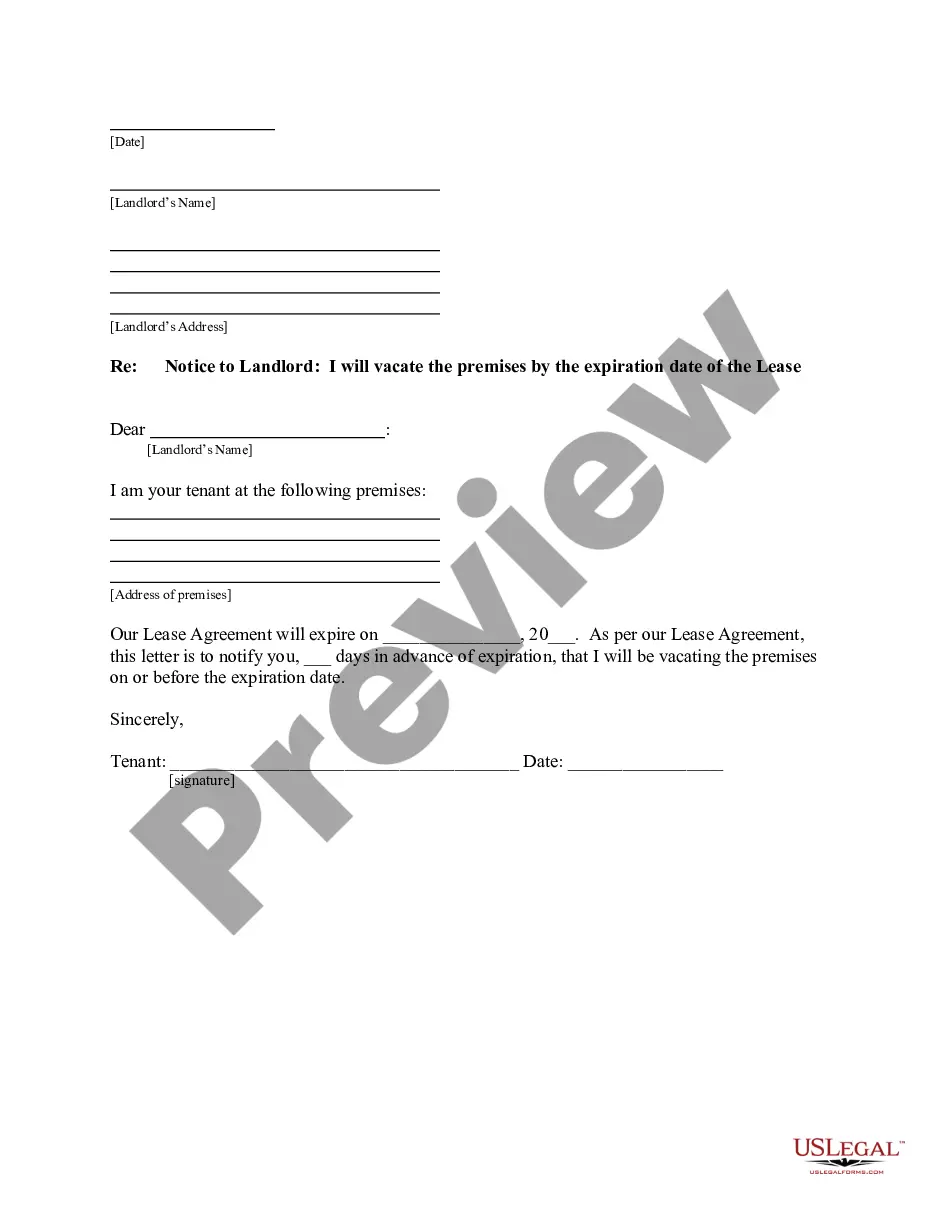
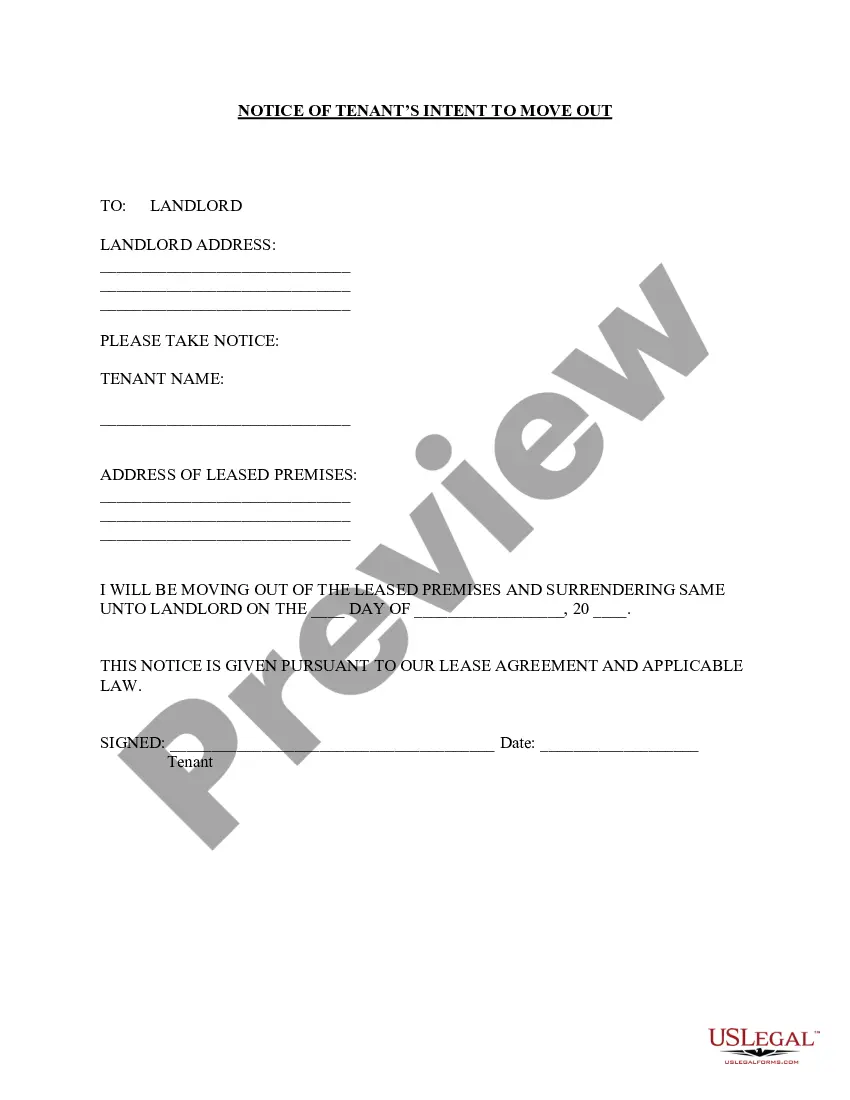
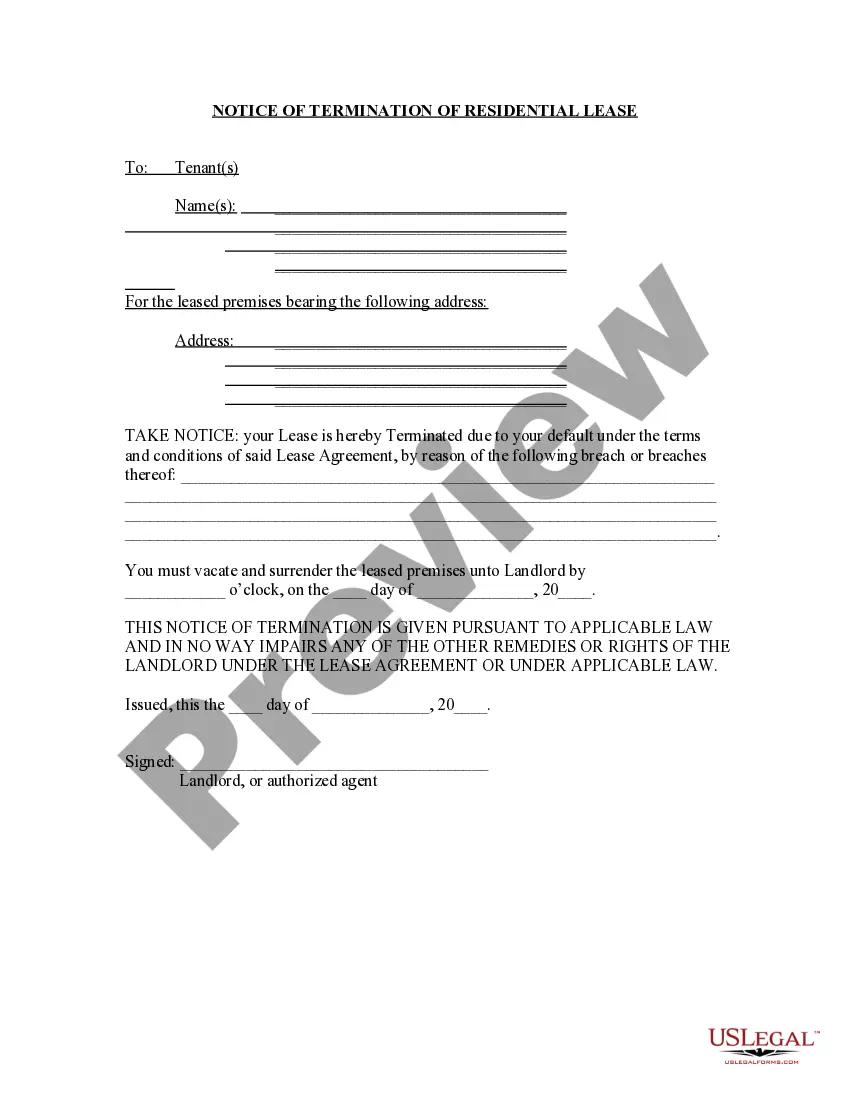
This form is a Letter from Tenant to Landlord for a 30-day notice that assures the landlord the tenant intends to vacate the premises upon lease expiration. It formalizes the tenant's intention in compliance with lease terms and state law, helping avoid potential disputes related to the end of tenancy.
Form components explained
- Tenant's signature and date to confirm intention to vacate.
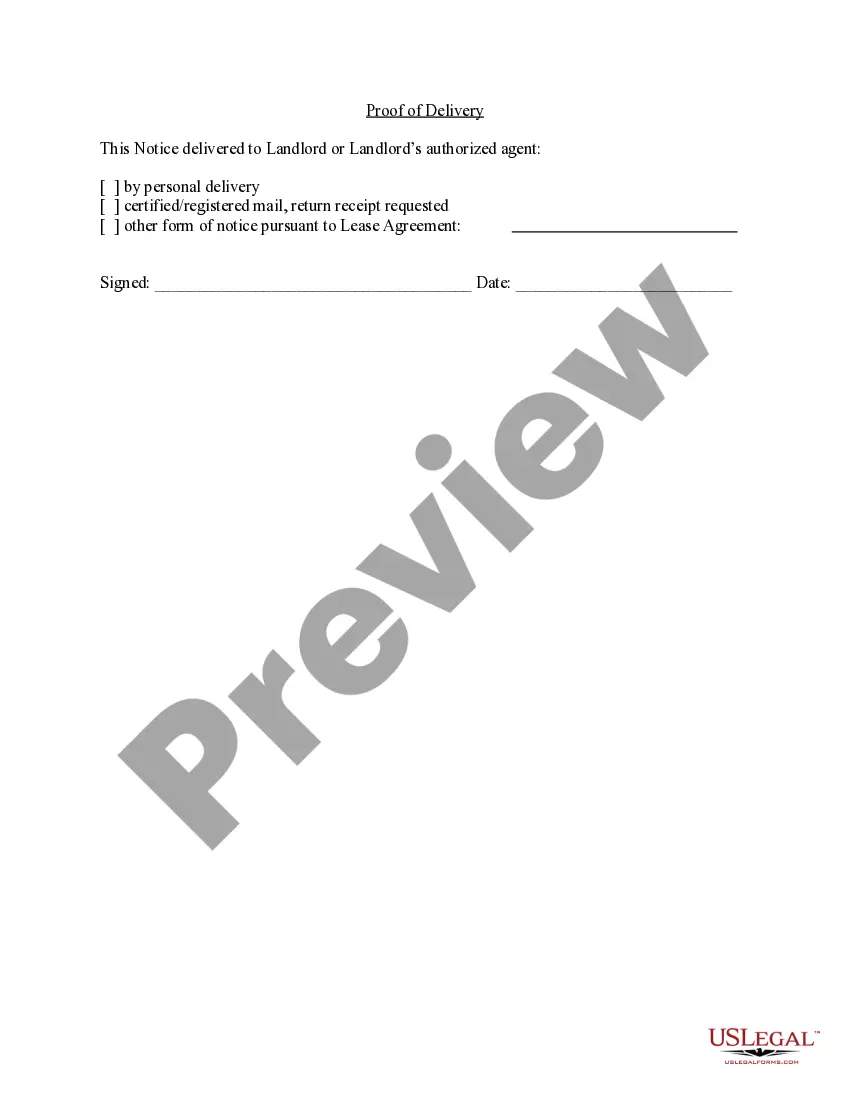
- Proof of delivery method, such as personal delivery or certified mail.
- Specification of 30 days' notice to fulfill lease obligations.

When to use this document
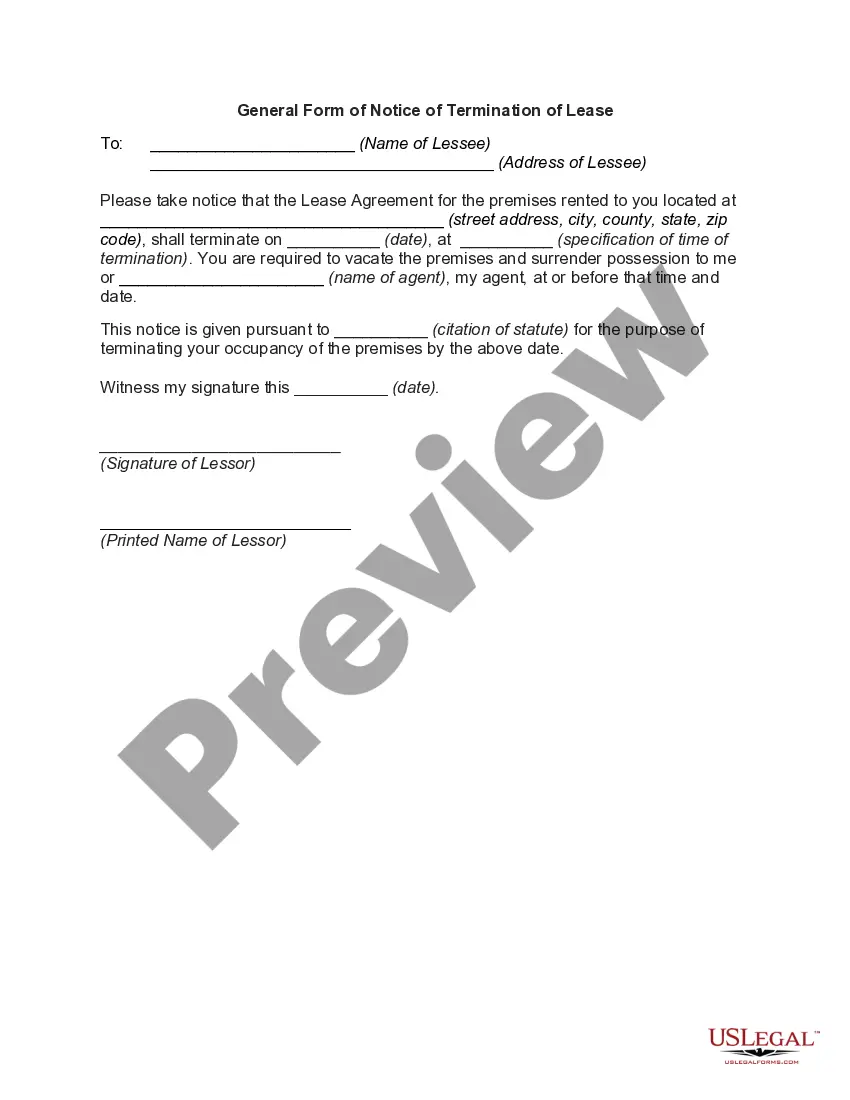
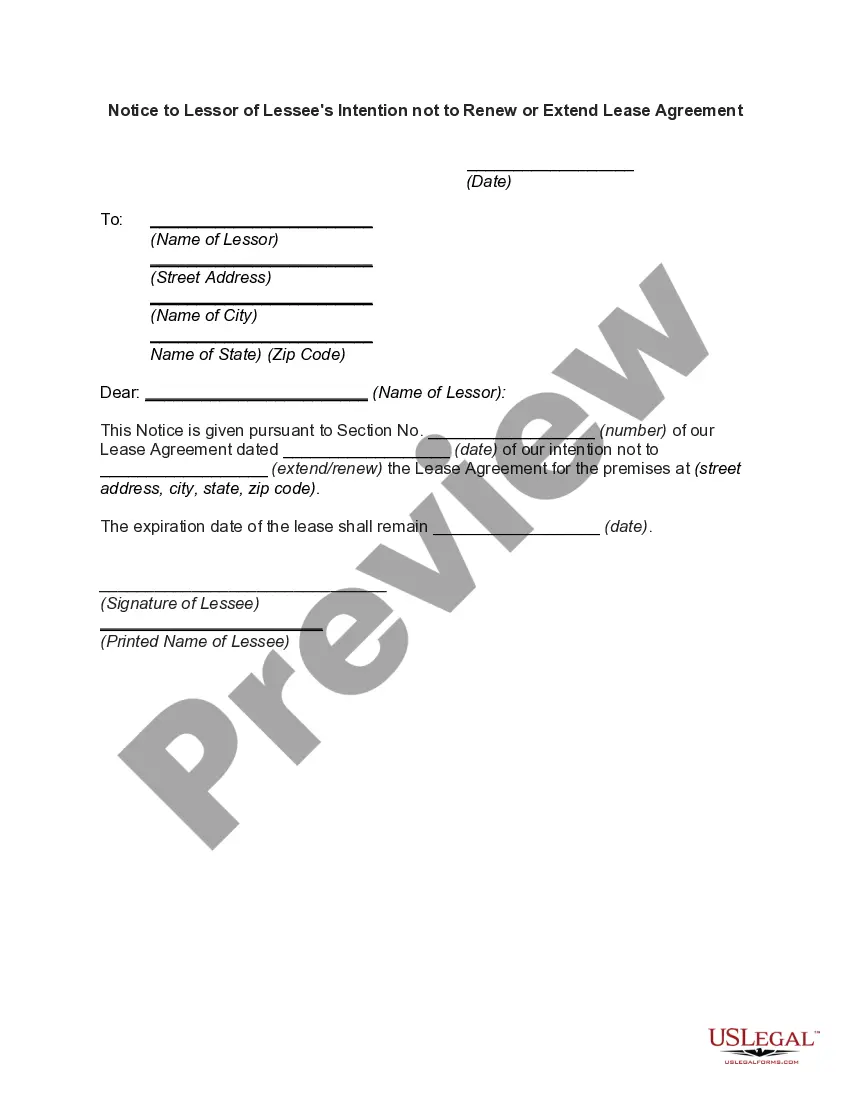
This form should be used when a tenant plans to move out of a rental property at the end of their lease term. It serves as a written notification to the landlord, ensuring that the tenant adheres to any notice requirements stipulated in the lease and state law.
Who this form is for
- Residential tenants looking to notify their landlord of their departure.
- Tenants whose lease is nearing its expiration date.
- Individuals wanting to ensure compliance with local tenancy laws.
How to prepare this document
- Identify the parties involved: tenant and landlord.
- Specify the property address where the lease is effective.
- Enter the date of the letter.
- Sign the letter to confirm your intention to vacate.
- Choose the method of delivery and complete the proof of delivery section.
Notarization requirements for this form
This form does not typically require notarization unless specified by local law. However, obtaining a notarized document can enhance credibility and ensure proper legal procedures are followed.
Get your form ready online
Our built-in tools help you complete, sign, share, and store your documents in one place.
Make edits, fill in missing information, and update formatting in US Legal Forms—just like you would in MS Word.
Download a copy, print it, send it by email, or mail it via USPS—whatever works best for your next step.
Sign and collect signatures with our SignNow integration. Send to multiple recipients, set reminders, and more. Go Premium to unlock E-Sign.
If this form requires notarization, complete it online through a secure video call—no need to meet a notary in person or wait for an appointment.
We protect your documents and personal data by following strict security and privacy standards.

Make edits, fill in missing information, and update formatting in US Legal Forms—just like you would in MS Word.

Download a copy, print it, send it by email, or mail it via USPS—whatever works best for your next step.

Sign and collect signatures with our SignNow integration. Send to multiple recipients, set reminders, and more. Go Premium to unlock E-Sign.

If this form requires notarization, complete it online through a secure video call—no need to meet a notary in person or wait for an appointment.

We protect your documents and personal data by following strict security and privacy standards.
Avoid these common issues
- Failing to sign and date the letter.
- Not sending the notice with sufficient time to meet the 30-day requirement.
- Using incorrect delivery methods not specified in the lease.
- Neglecting to keep a copy of the notice for personal records.
Why complete this form online
- Convenience of downloading and completing the form on your own schedule.
- Editability to ensure all information is accurate before submission.
- Reliability of forms prepared based on legal standards and best practices.
- Legally informs the landlord about the tenant's intention to vacate, preventing disputes.
- Can be used as evidence in case of disagreements regarding lease termination.
Main things to remember
- This form serves as a formal notice of intent to vacate, complying with lease and state laws.
- Ensuring accurate completion and timely delivery is crucial for validity.
- Using this document can help prevent legal complications when moving out.
Looking for another form?

Form popularity
FAQ
The tenant must give the landlord notice of their intention to move out within 90 days of the event causing the need to move. The notice must be given to the landlord at least 14 days before the tenant intends to move out.
In the state of Oregon, if tenants hold over, or stay in the rental unit after the rental term has expired, then the landlord must give tenants notice before evicting them. This can include tenants without a written lease and week-to-week and month-to-month tenants.
A no-cause eviction means that your landlord is not giving any reason for the eviction. The notice must clearly state the date that the tenancy will end.
The tenant will have fourteen days after receiving the thirty-day notice to fix the violation, and if the tenant fixes it, then the landlord must not proceed with the eviction. If the tenant does not fix the violation, then the landlord can proceed with the eviction after the thirty days has expired (see Ore.
I am writing to inform you I will be vacating my rental unit on date you intend to vacate. This letter meets the 30-day notice requirement outlined in my lease agreement. I will return my keys to property manager office or other address on date you intend to vacate.
Dear (Name of landlord or manager), This letter constitutes my written (number of days' notice that you need to give based on your lease agreement)-day notice that I will be moving out of my apartment on (date), the end of my current lease. I am leaving because (new job, rent increase, etc.)
Dear your landlord or property manager's name, I am writing to inform you I will be vacating my rental unit on date you intend to vacate. This letter meets the 30-day notice requirement outlined in my lease agreement.
They must give the landlord at least 21 days notice of termination. Landlord Breaches the Agreement - the tenant can terminate the tenancy if the landlord breaches the agreement. If the landlord challenges the termination in the Tribunal, the breach must be serious enough to justify termination.
For 2020, the maximum rent increase is 9.9%. Between tenants, there is no limit to how much the rent can go up (except if a short-term tenant was just evicted from the unit, a provision that discourages a revolving door of tenants for rent increases.)