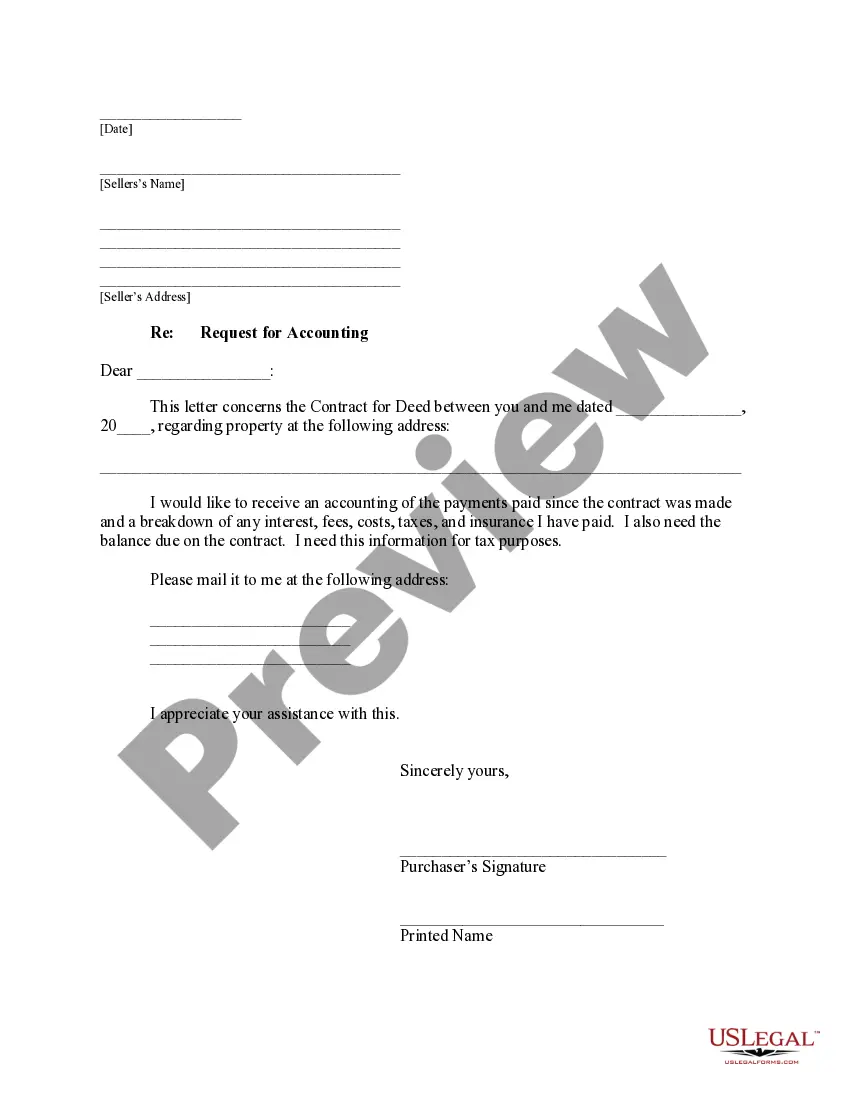
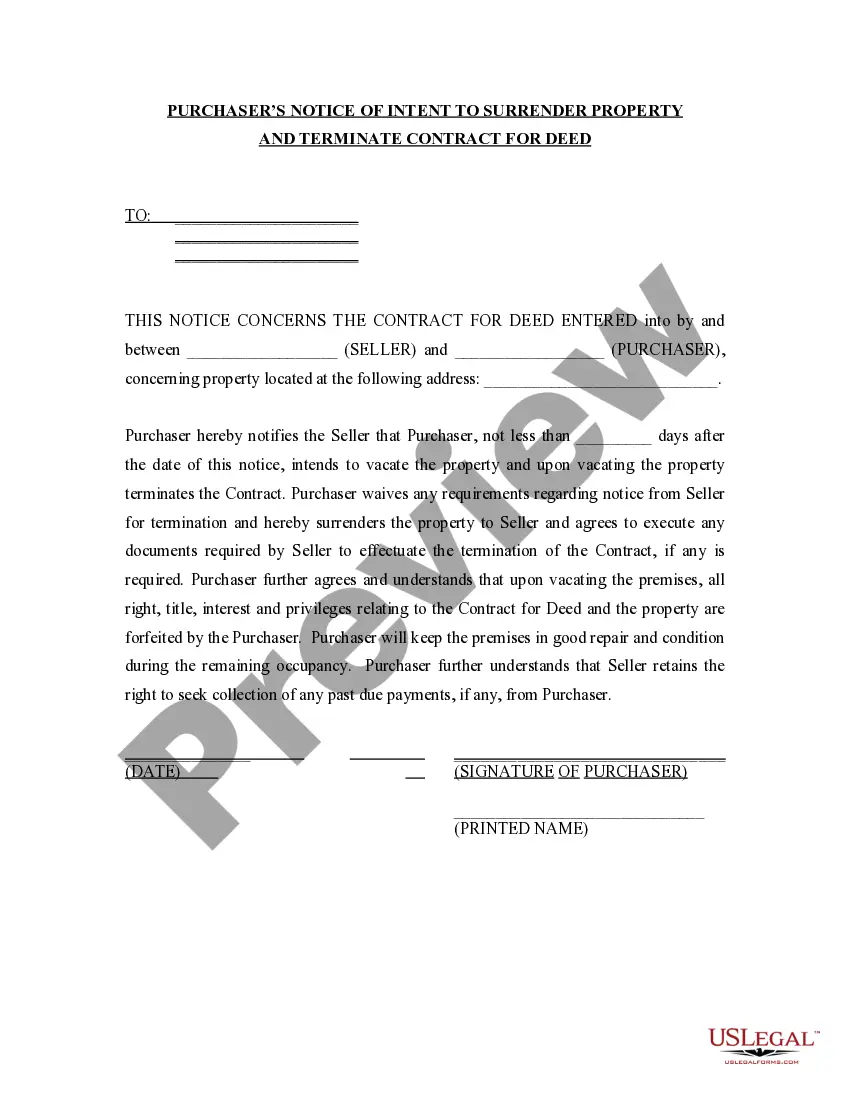
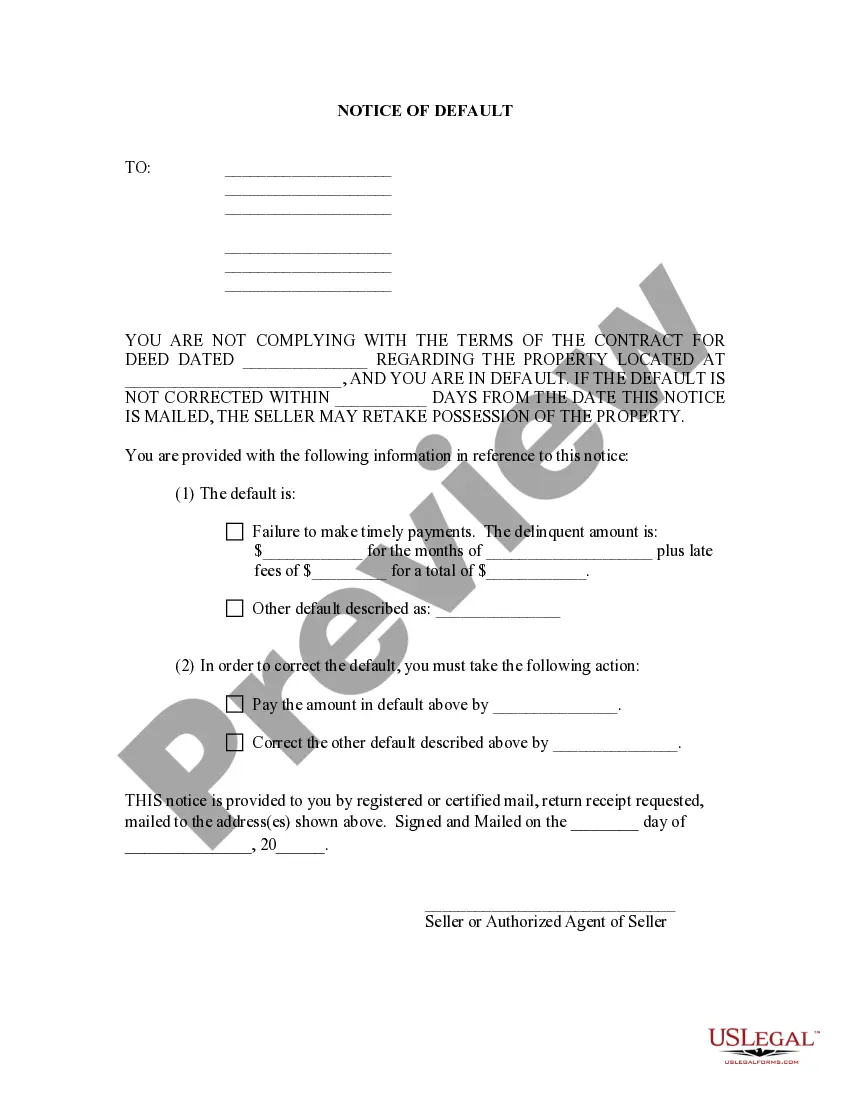
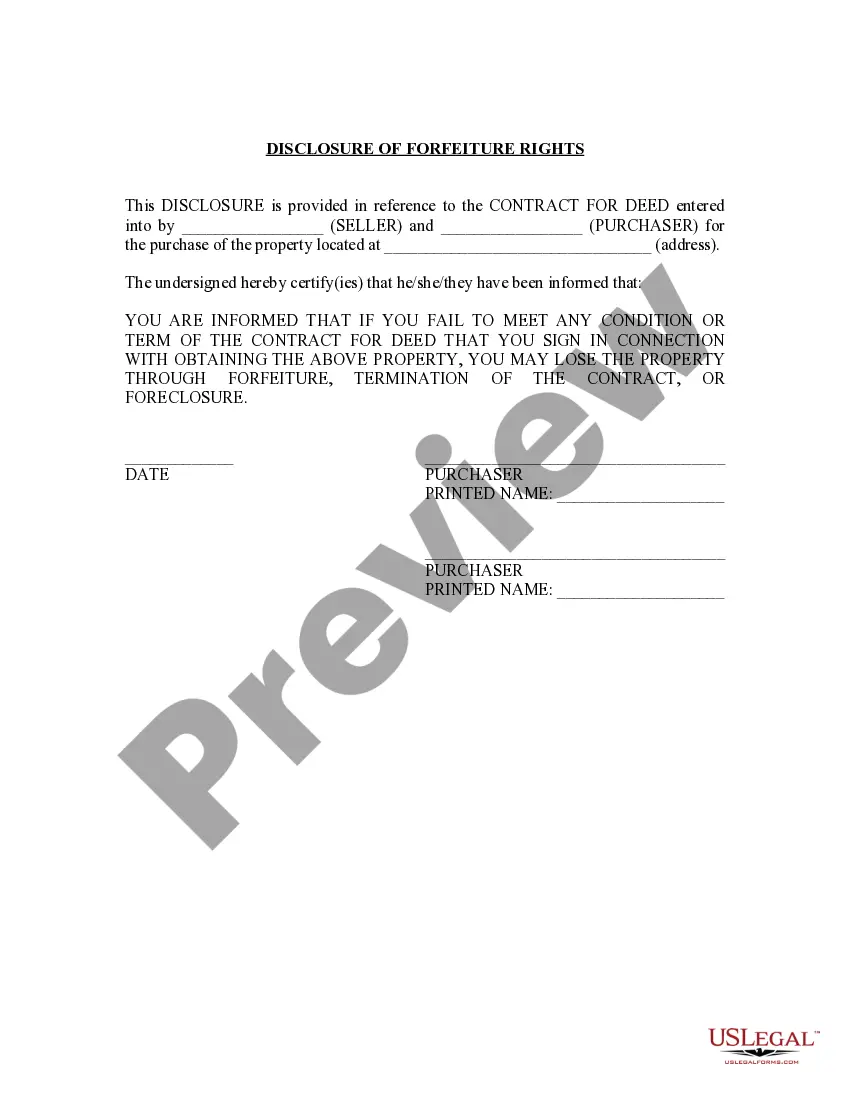
Oregon Letter from Tenant to Landlord containing Notice to landlord to withdraw improper rent increase due to violation of rent control ordinance
What this document covers
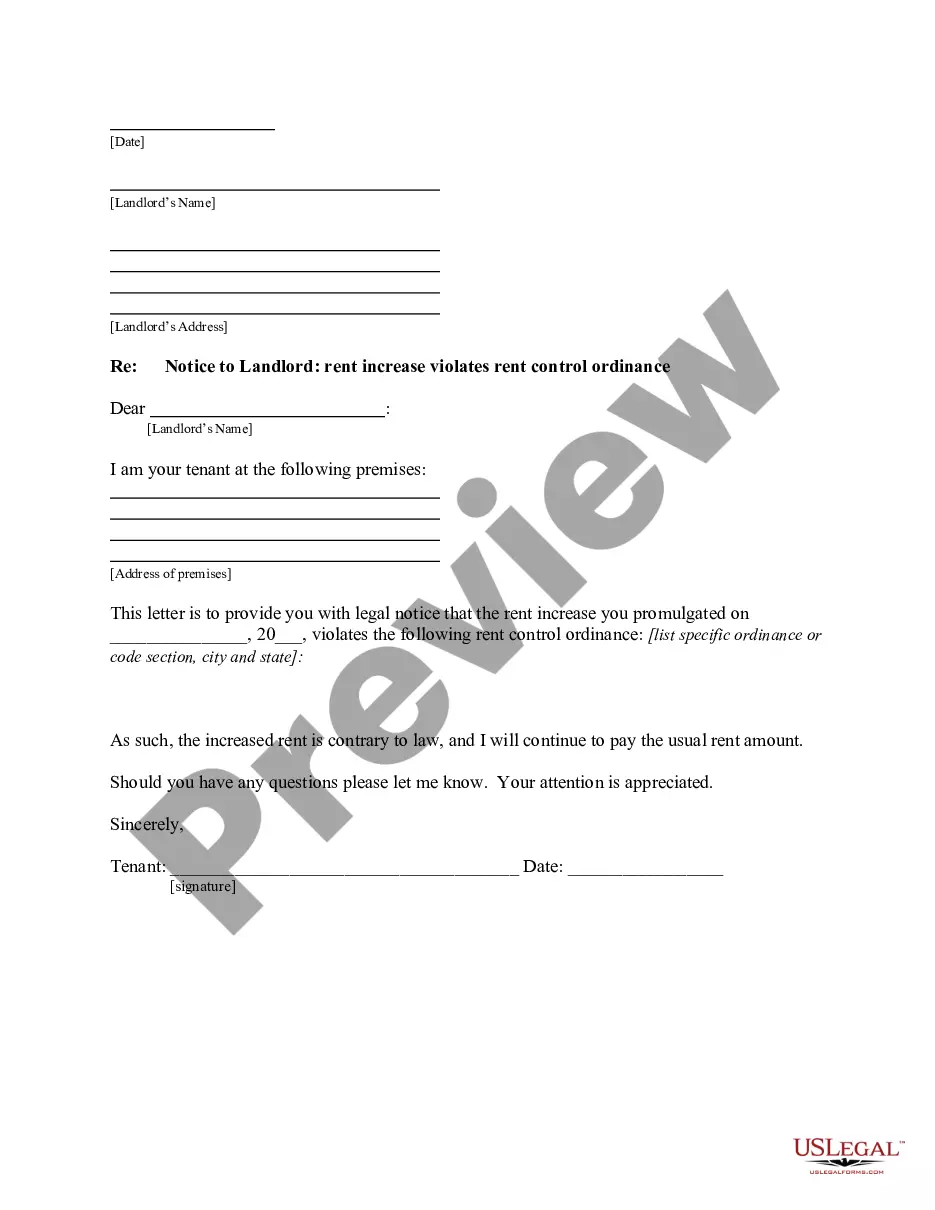
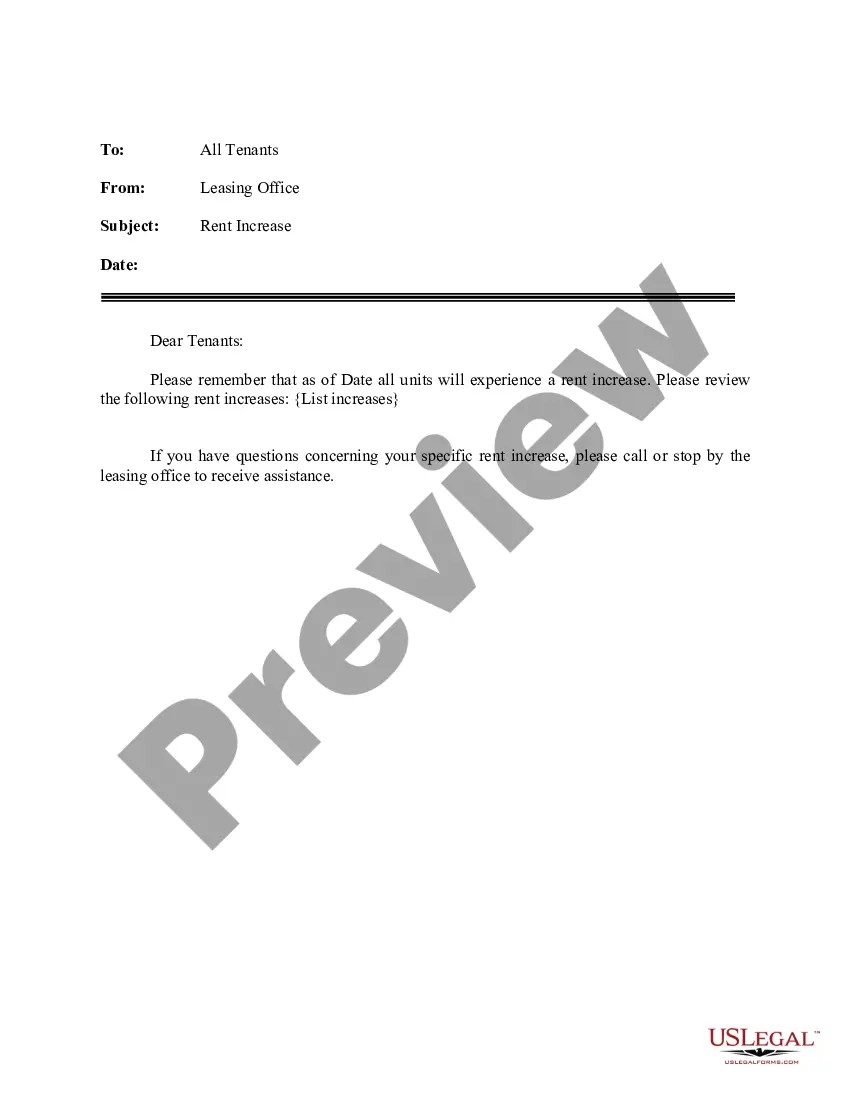
This form is a letter from a tenant to their landlord, containing a notice to withdraw an improper rent increase due to a violation of rent control ordinances. This letter serves as a formal communication to inform the landlord that the rent increase may be unlawful, thereby protecting the tenant's rights under applicable rent control laws.
Main sections of this form
- Tenant's name and contact information
- Landlord's name and address
- Statement addressing the improper rent increase
- Reference to the specific rent control ordinance violated
- Date of the notice
- Signature of the tenant
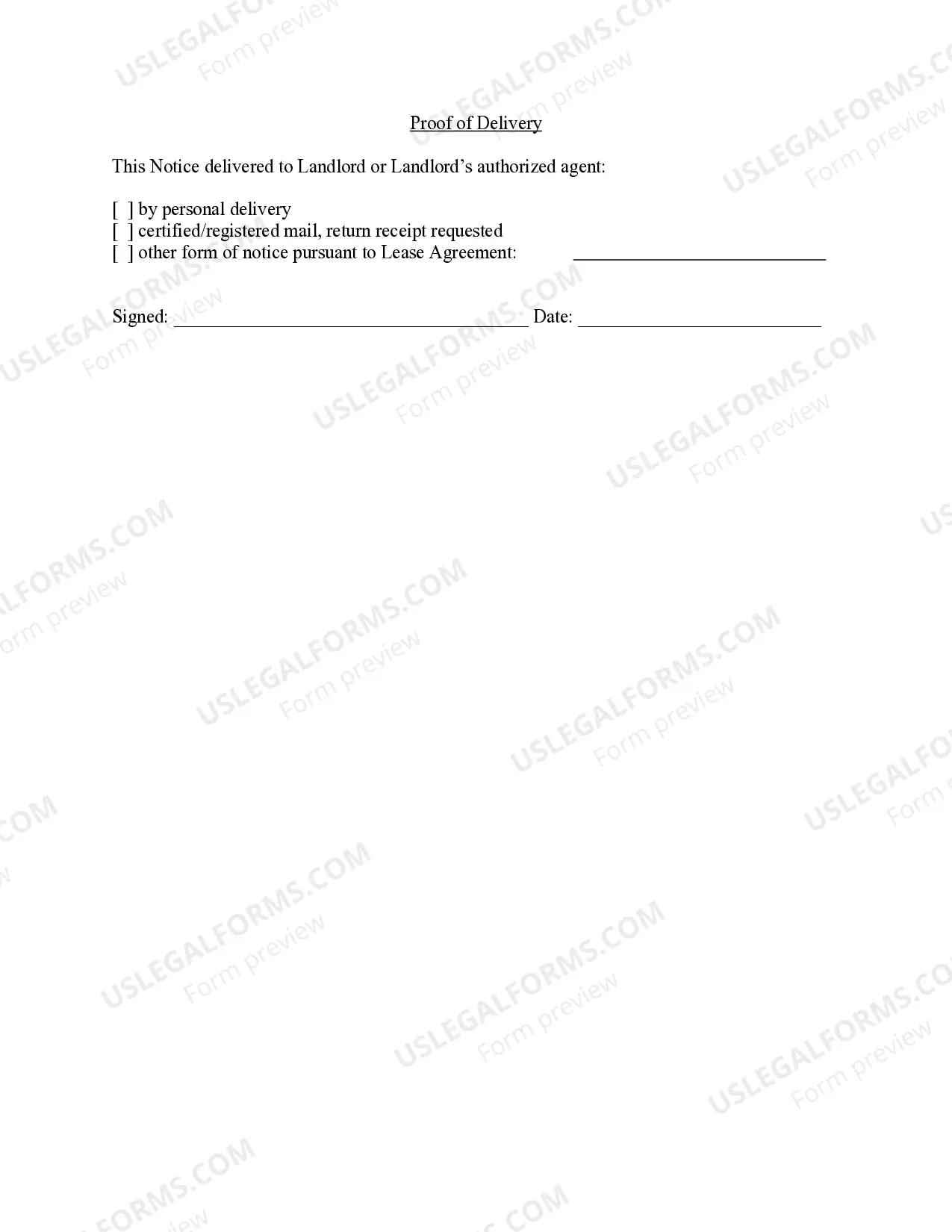
- Proof of delivery options (personal delivery or certified mail)

When to use this document
This form should be used when a tenant receives a rent increase that they believe violates local rent control laws. It serves to formally notify the landlord of the issue and request a retraction of the increase. This step is crucial in preserving the tenant's rights and can prevent further legal disputes.
Intended users of this form
This letter is intended for:
- Tenants currently renting a property under a rent control ordinance
- Tenants who have recently received a notice of rent increase
- Individuals who wish to formally contest a rent increase with their landlord
How to prepare this document
- Identify and enter your name and contact information at the top of the letter.
- Fill in the landlord's name and address to whom the notice will be sent.
- Clearly state the amount of the improper rent increase and reference the specific rent control ordinance that was violated.
- Include the date you are sending the notice in the designated area.
- Sign the letter to validate your notice.
- Choose and indicate the method of delivery for this notice (personal delivery or certified mail).
Does this document require notarization?
This form does not typically require notarization unless specified by local law. Ensure you follow any additional legal requirements specific to your jurisdiction.
Get your form ready online
Our built-in tools help you complete, sign, share, and store your documents in one place.
Make edits, fill in missing information, and update formatting in US Legal Forms—just like you would in MS Word.
Download a copy, print it, send it by email, or mail it via USPS—whatever works best for your next step.
Sign and collect signatures with our SignNow integration. Send to multiple recipients, set reminders, and more. Go Premium to unlock E-Sign.
If this form requires notarization, complete it online through a secure video call—no need to meet a notary in person or wait for an appointment.
We protect your documents and personal data by following strict security and privacy standards.

Make edits, fill in missing information, and update formatting in US Legal Forms—just like you would in MS Word.

Download a copy, print it, send it by email, or mail it via USPS—whatever works best for your next step.

Sign and collect signatures with our SignNow integration. Send to multiple recipients, set reminders, and more. Go Premium to unlock E-Sign.

If this form requires notarization, complete it online through a secure video call—no need to meet a notary in person or wait for an appointment.

We protect your documents and personal data by following strict security and privacy standards.
Typical mistakes to avoid
- Not providing specific details of the rent control ordinance violated.
- Failing to include the date of the notice.
- Not signing the letter before sending it.
- Using unclear language that might confuse the landlord about the tenant's request.
- Not delivering the notice in a documented way, like certified mail.
Benefits of completing this form online
- Convenience of completing the form at your own pace from home.
- Editable templates that allow for quick customization to fit your needs.
- Access to reliable legal forms drafted by licensed attorneys, ensuring compliance with the law.
- Immediate download capability for fast processing and delivery.
Legal use & context
- Mandatory rent control laws vary by state and locality.
- This letter can serve as documentation if further legal action is necessary.
- Understanding your local rent control ordinance is crucial for effective use.
What to keep in mind
- This form helps tenants formally contest unlawful rent increases.
- Proper completion and delivery are essential for validity.
- Review local laws to understand your rights as a tenant.
Looking for another form?
Form popularity
FAQ
In a month-to-month tenancy, the landlord need only give a 30 Day Termination Notice without any cause for eviction. If the tenant has lived in the property for more than one year, the notice is 60-days. If the property is being sold to someone who plans to live there as a primary residence, it is 30-days.
Pros of Rent Control Some rental properties can increase 10% each year, making it difficult for someone to remain in that property without getting a significant raise or a job change. Rent control can provide better financial stability for tenants as well.
House Bill 4401 extends the statewide pause on evictions for non-payment until June 30 of 2021. However, renters must fill out and sign a sworn declaration of financial hardship and give it to their landlords for those protections to apply.
On September 17th, the State of Oregon's Office of Economic Analysis debuted the maximum rent increase rate for 2021 to be 9.2%. SB 608 set the maximum rent increase formula to be 7% plus the West Coast Consumer Price Index, which changes every year. For 2020 the maximum increase was 9.9%.
While it seems like an obvious solution to the problem of high rents, rent control actually exacerbates the very cause of the affordability crisis: a lack of housing supply. As a result, rent control often does more harm than good and leaves vulnerable those which it is designed to protect.
If you do not pay the rent within the 72 hours, your landlord may immediately file a court eviction proceeding. In calculating the 7-day period, the day the rent is due counts. For example, if your rent is due on the first of the month, your landlord may give you a 72-hour notice on the eighth of the month.
The tenant must give the landlord notice of their intention to move out within 90 days of the event causing the need to move. The notice must be given to the landlord at least 14 days before the tenant intends to move out.
Pretty much every economist agrees that rent controls are bad.Research on rent control shows that many of the beneficiaries are low-income, and that controlling their rents makes it more likely that they'll stay in their apartments for a good long time.
For 2020, the maximum rent increase is 9.9%. Between tenants, there is no limit to how much the rent can go up (except if a short-term tenant was just evicted from the unit, a provision that discourages a revolving door of tenants for rent increases.)