Oklahoma Last Will and Testament for Divorced person not Remarried with Minor Children
About this form
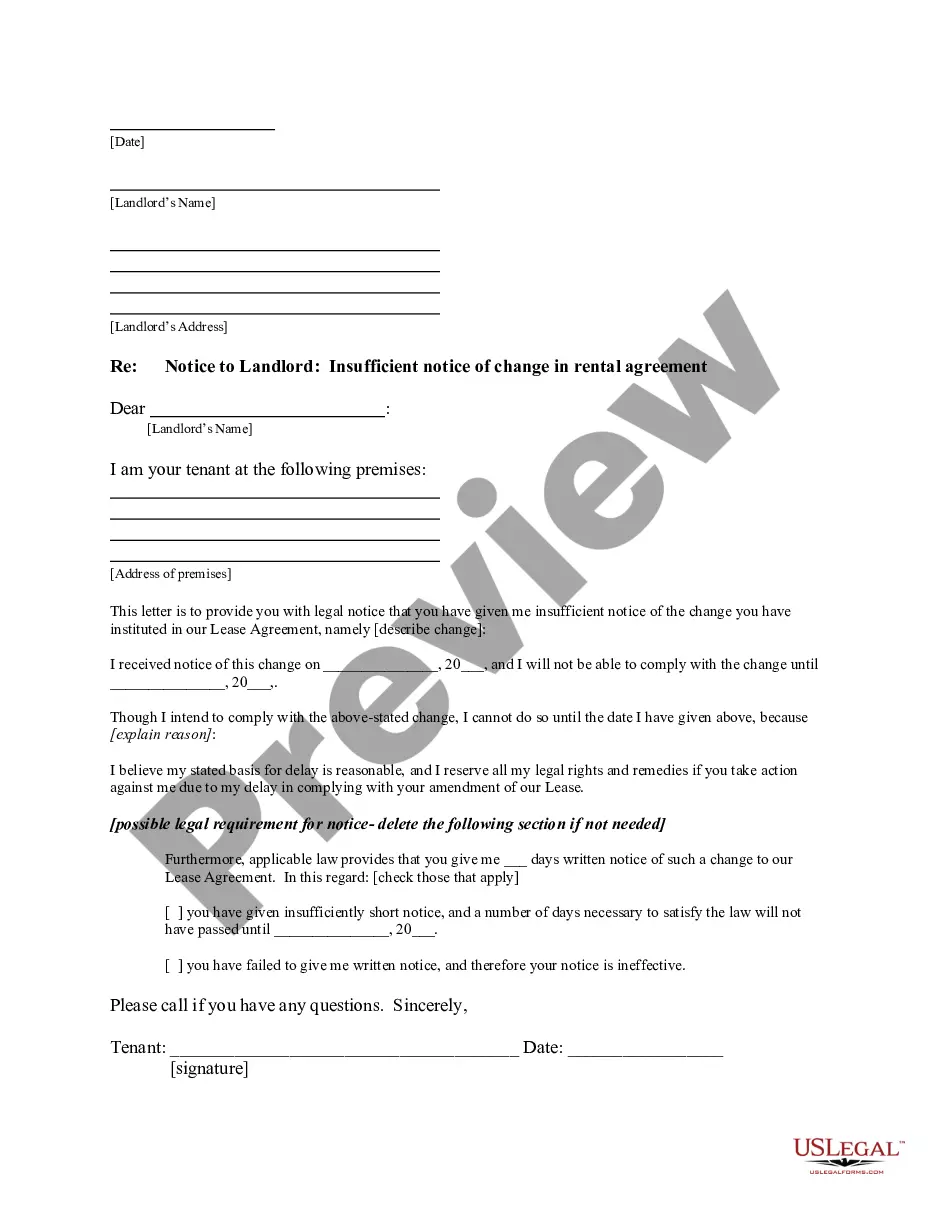
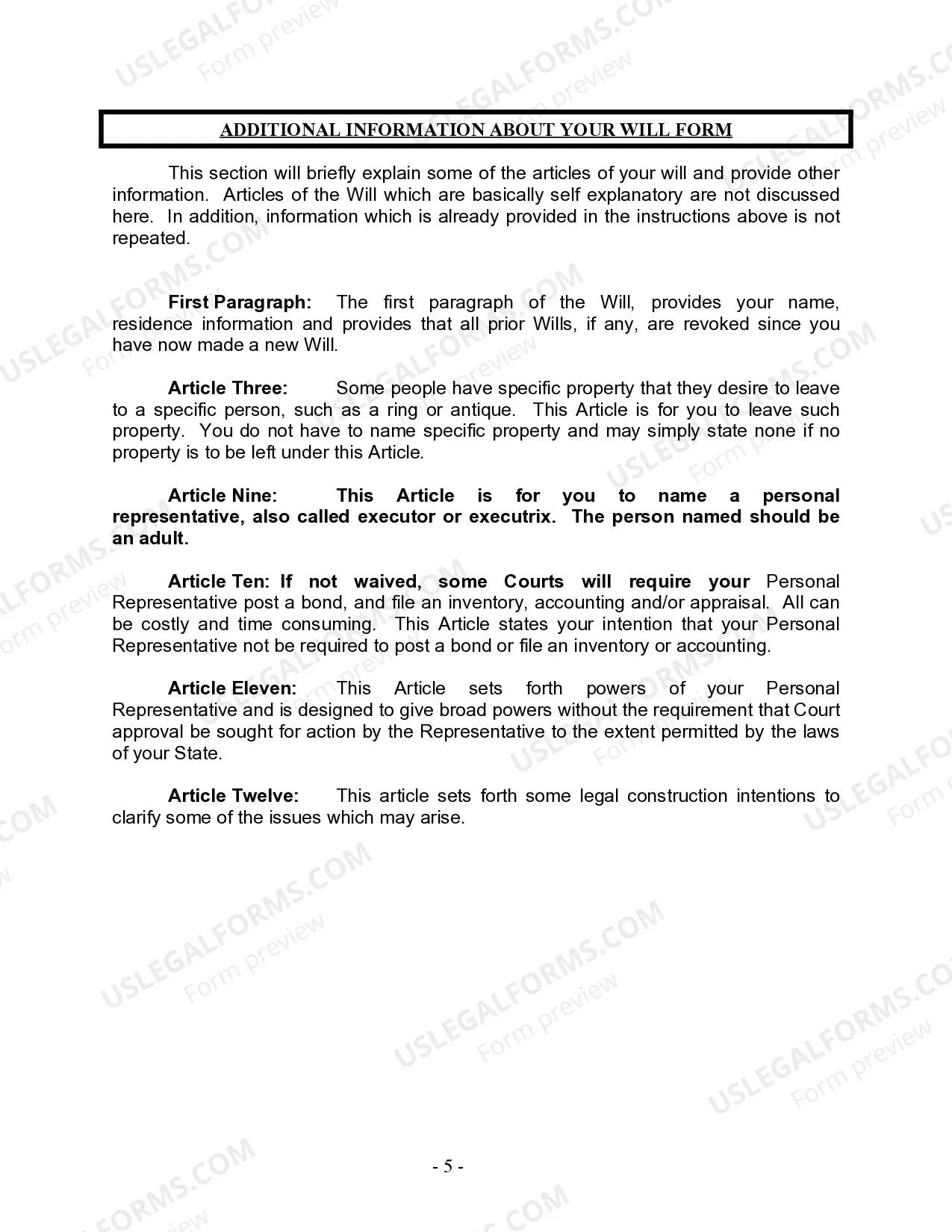
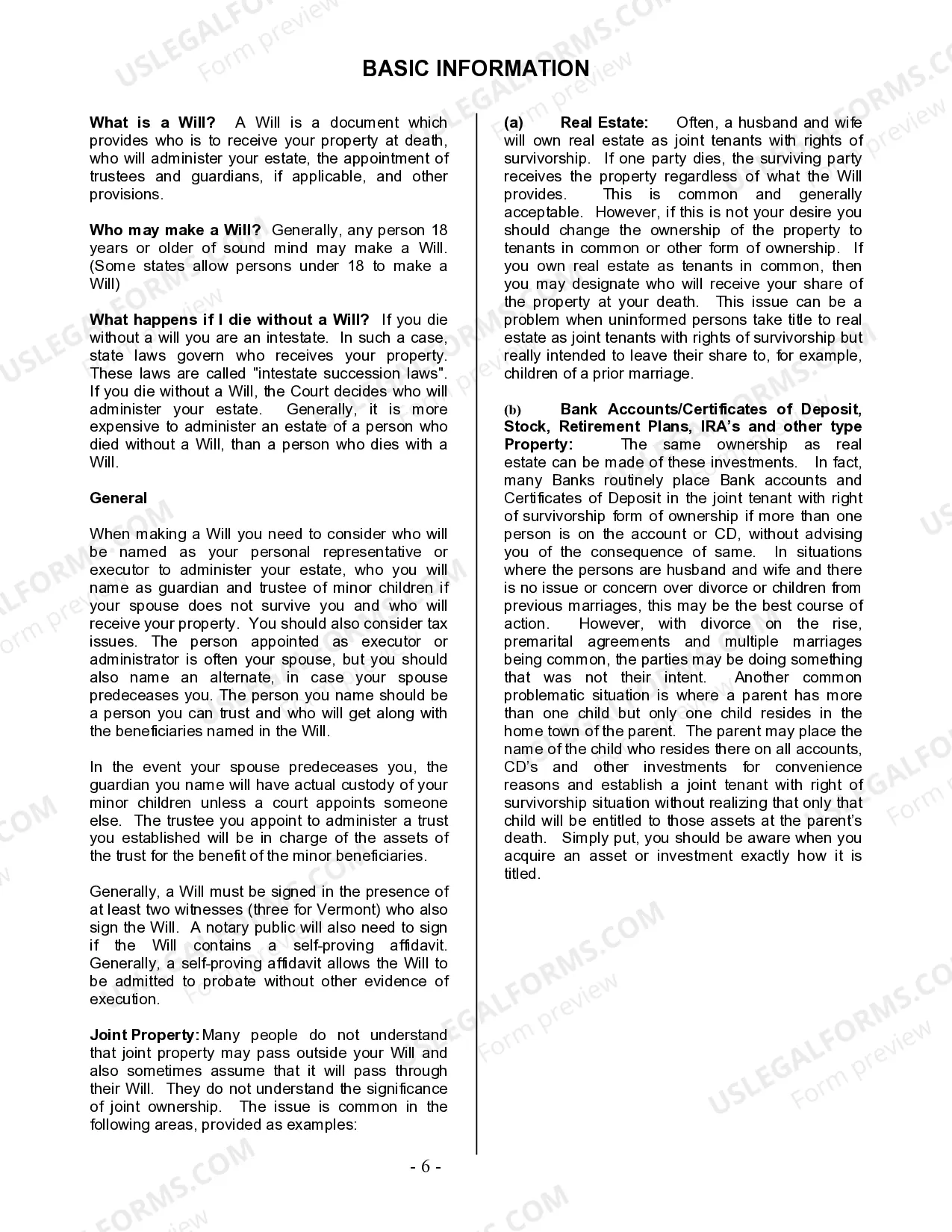
This Last Will and Testament is specifically designed for a divorced person who is not remarried and has minor children. It outlines how your assets will be distributed, who will care for your minor children, and appoints a personal representative to execute your wishes. This form is crucial for ensuring that your property is managed according to your wishes after your death, differing from other wills that may not account for the unique situation of being divorced with children.
What’s included in this form
- Article One: Personal information and details about your children.
- Article Three: Specific bequests of property to named individuals.
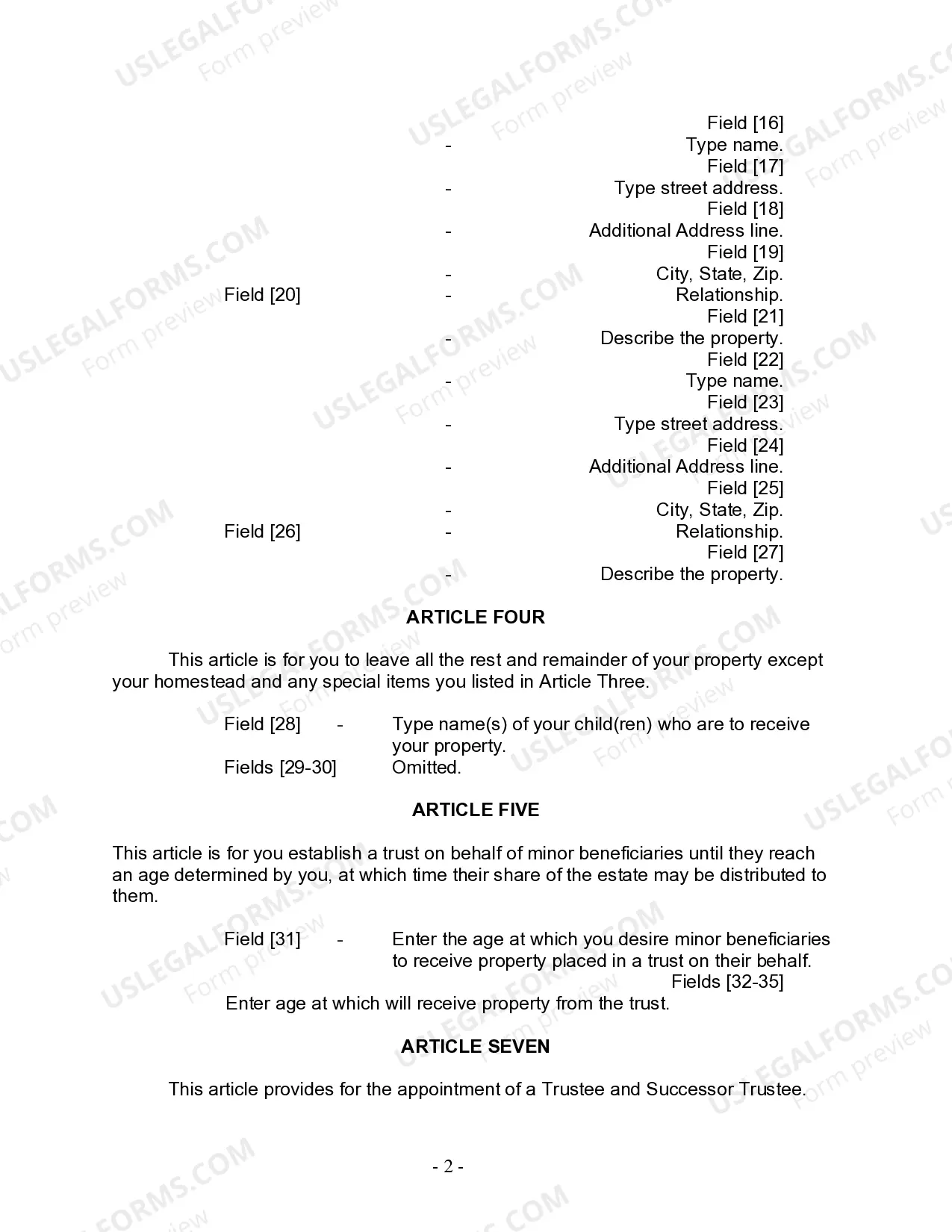
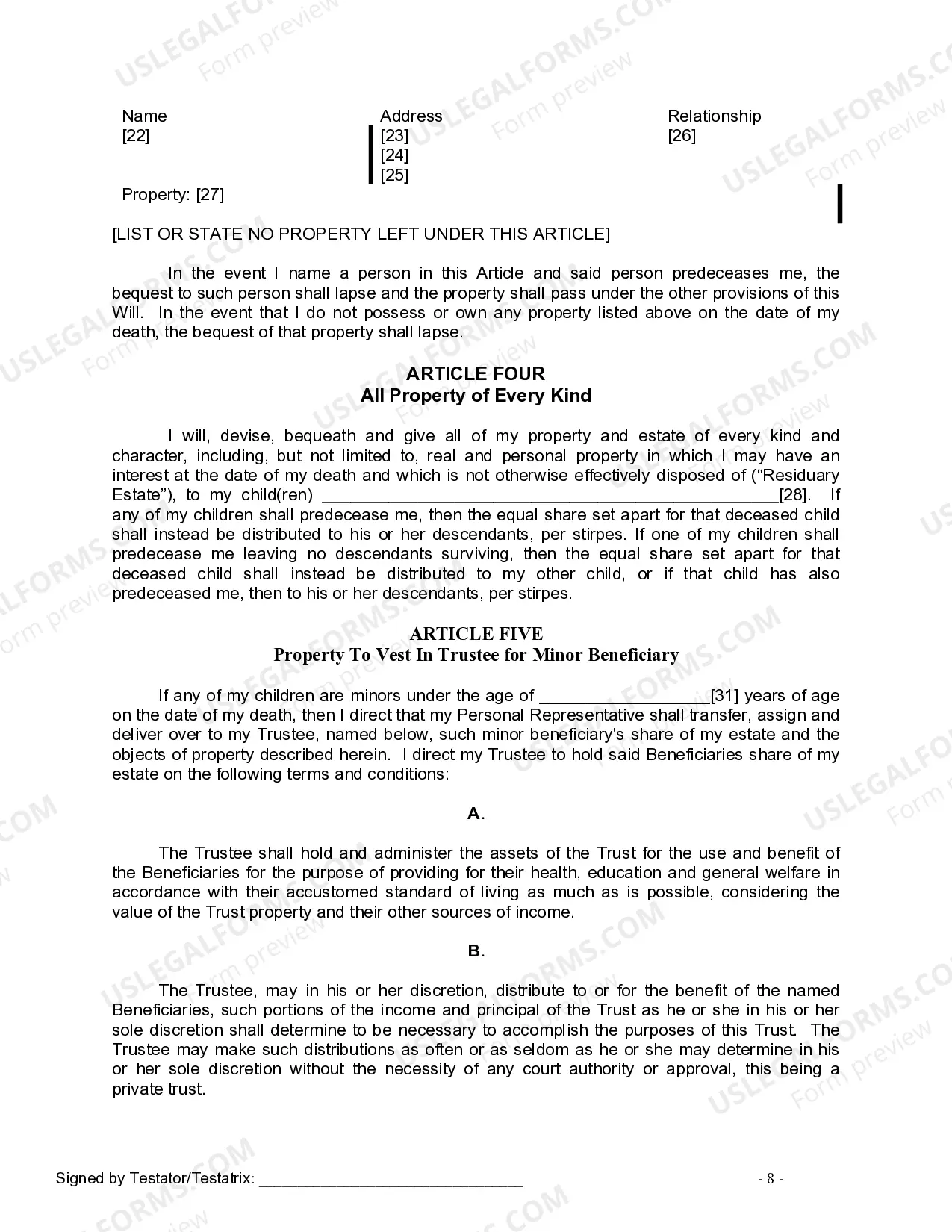
- Article Four: Distribution of the remainder of your estate to your children.
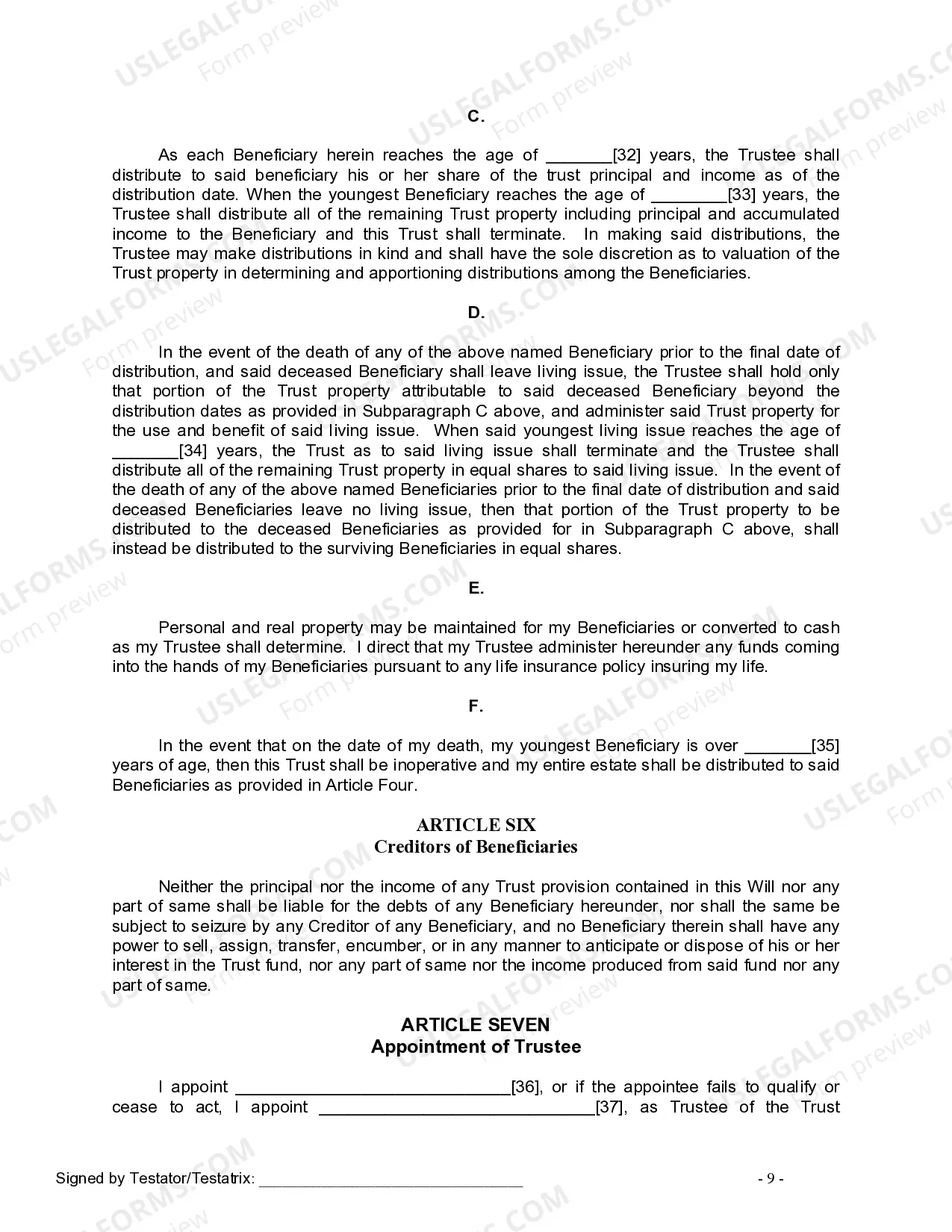
- Article Five: Establishment of a trust for your minor children's inheritance.
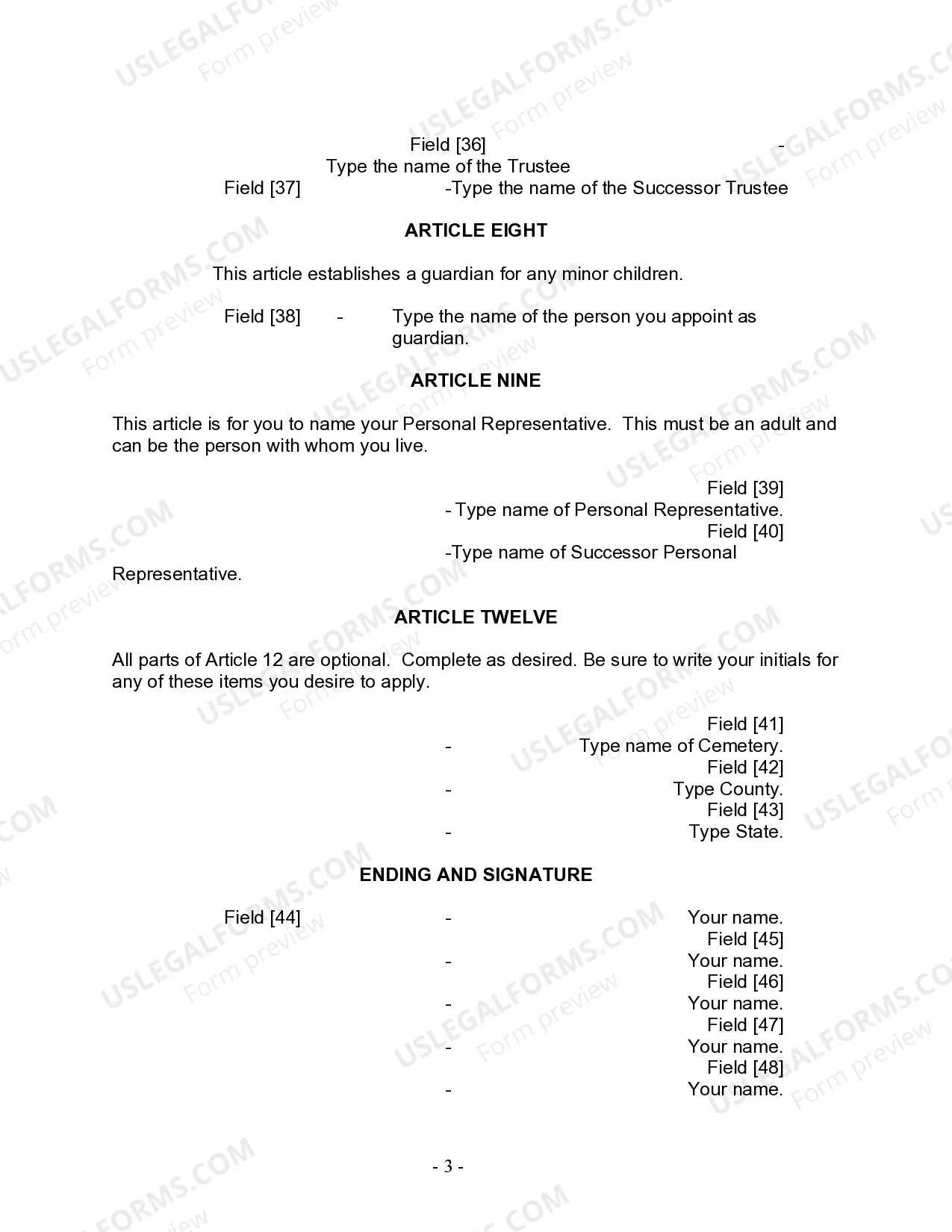
- Article Eight: Appointment of a guardian for minor children.






Situations where this form applies
This form is essential when you want to ensure that your minor children are cared for and your assets are distributed according to your wishes following your death. This will is particularly useful if you have gone through a divorce and have not remarried, as it provides clear instructions for the guardianship of your children and the management of their inheritance.
Who needs this form
- Divorced individuals who have minor children and are not remarried.
- Parents who want to protect their children's inheritance and care arrangements.
- Individuals seeking to appoint a personal representative to administer their estate.
Instructions for completing this form
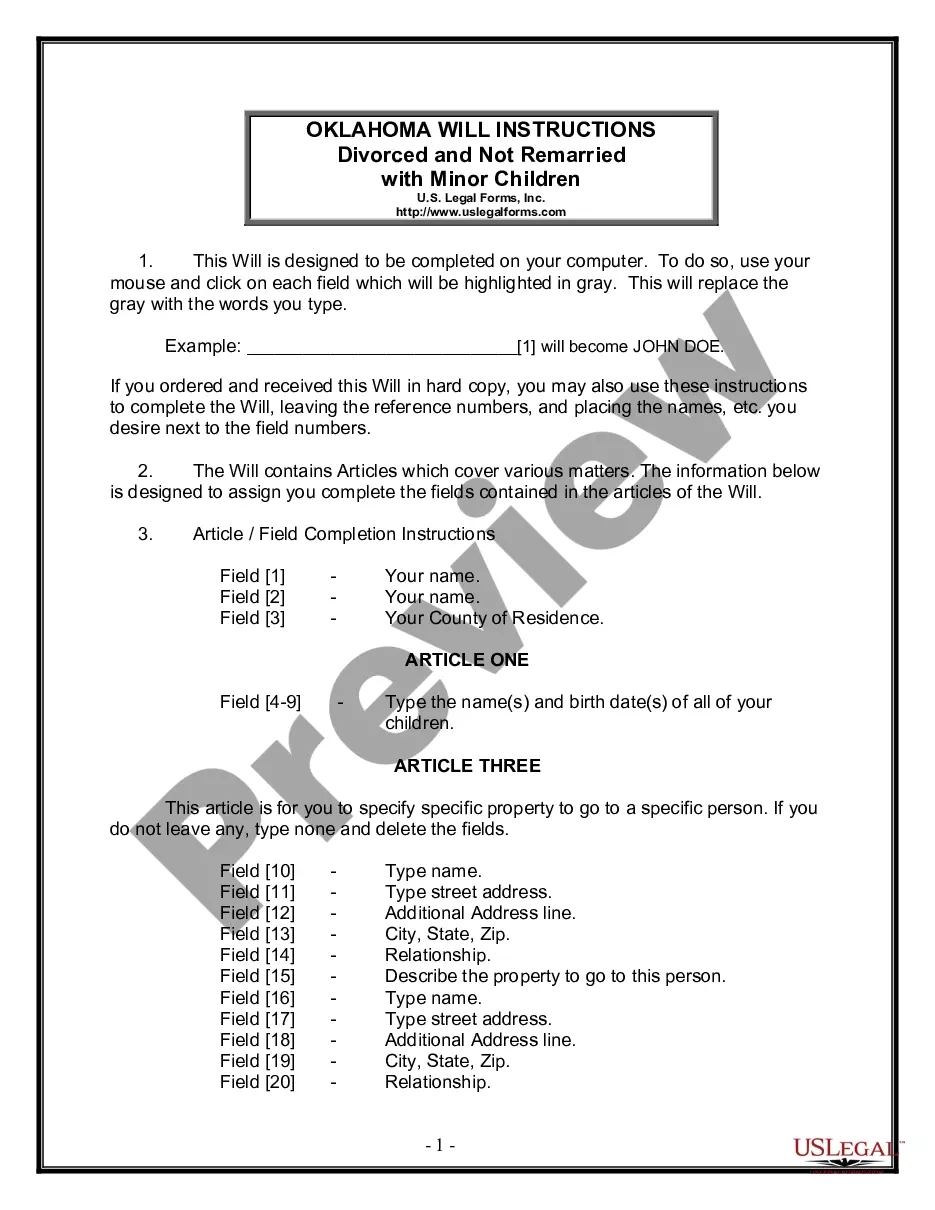
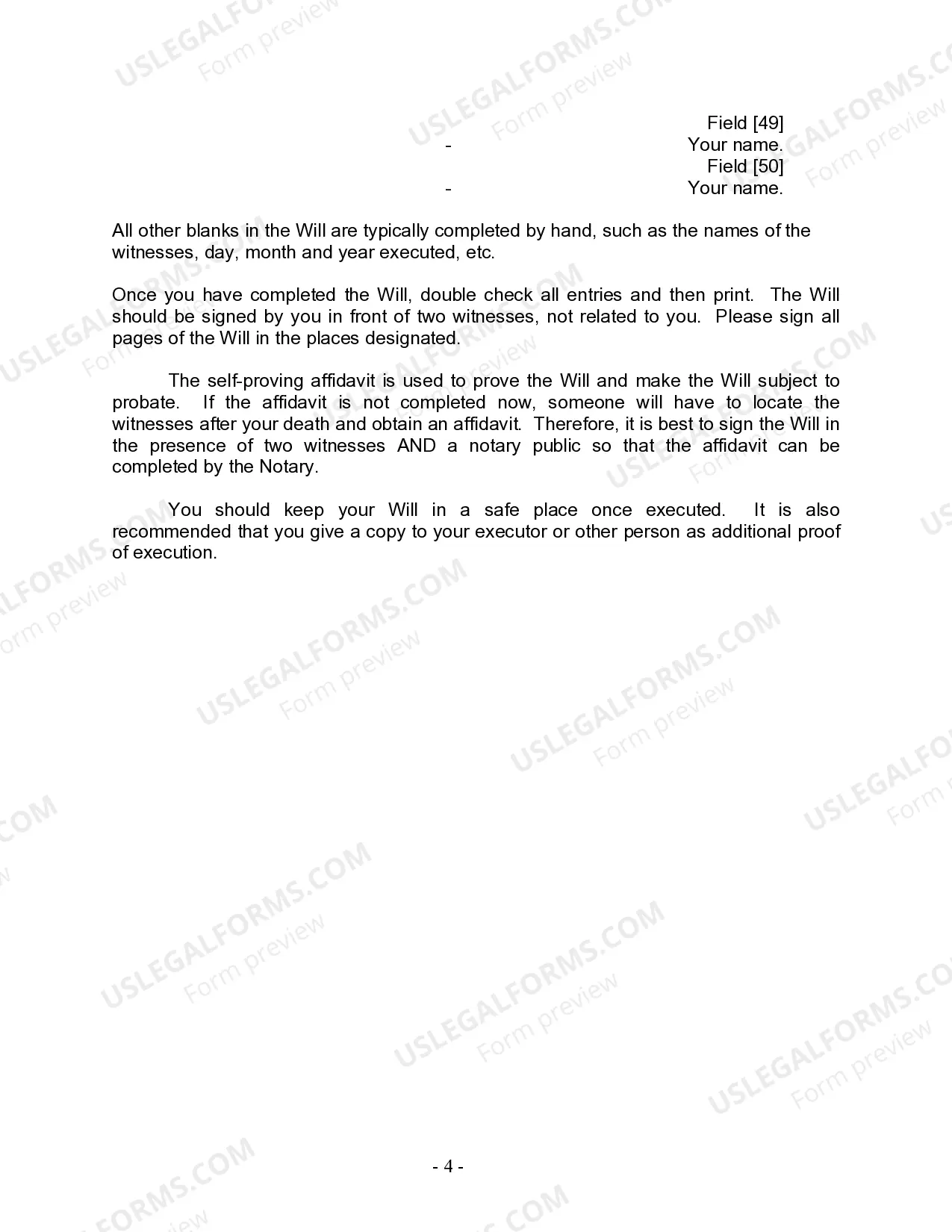
- Enter your personal information at the beginning of the document, including your name and county of residence.
- List the names and birth dates of all your minor children in Article One.
- Specify any specific bequests to individuals in Article Three, or indicate if you have none.
- Designate a guardian for your children in Article Eight, ensuring the individual is willing to accept this responsibility.
- Sign the will in the presence of two witnesses, ensuring they also sign the document.
- If applicable, have the will notarized to meet any additional requirements for probate.
Does this document require notarization?
Yes, this form must be notarized to be legally valid if you include a self-proving affidavit. This affidavit streamlines the probate process, eliminating the need for witnesses to appear in court.
Get your form ready online
Our built-in tools help you complete, sign, share, and store your documents in one place.
Make edits, fill in missing information, and update formatting in US Legal Forms—just like you would in MS Word.
Download a copy, print it, send it by email, or mail it via USPS—whatever works best for your next step.
Sign and collect signatures with our SignNow integration. Send to multiple recipients, set reminders, and more. Go Premium to unlock E-Sign.
If this form requires notarization, complete it online through a secure video call—no need to meet a notary in person or wait for an appointment.
We protect your documents and personal data by following strict security and privacy standards.

Make edits, fill in missing information, and update formatting in US Legal Forms—just like you would in MS Word.

Download a copy, print it, send it by email, or mail it via USPS—whatever works best for your next step.

Sign and collect signatures with our SignNow integration. Send to multiple recipients, set reminders, and more. Go Premium to unlock E-Sign.

If this form requires notarization, complete it online through a secure video call—no need to meet a notary in person or wait for an appointment.

We protect your documents and personal data by following strict security and privacy standards.
Common mistakes
- Failing to sign the will in the presence of the required witnesses.
- Not appointing a reliable guardian for minor children.
- Neglecting to include all children in the will.
- Forgetting to update the will after significant life events.
Benefits of using this form online
- Convenience of completing the form from home at your own pace.
- Editability allows you to make changes easily before finalizing.
- Reliable templates drafted by licensed attorneys ensure legal compliance.
- A properly executed Last Will and Testament ensures your estate is managed according to your wishes and can help avoid disputes among beneficiaries.
- Without a Will, state intestacy laws will dictate the distribution of your assets, which may not align with your preferences.
What to keep in mind
- The Last Will and Testament for Divorced Person Not Remarried with Minor Children allows you to specify asset distribution and guardianship for your children.
- Proper execution requires witnesses and perhaps notarization depending on local laws.
- Using this form helps prevent potential family disputes and ensures your wishes are observed after your passing.
Looking for another form?







Form popularity
FAQ
In fact, age 8 is so tough that the majority of the 2,000 parents who responded to the survey agreed that it was the hardest year, while age 6 was better than expected and age 7 produced the most intense tantrums.
What happens to the death benefit if you name a minor as a beneficiary? If your beneficiary is under the age of majority when you die, the death benefit will be given to a custodian of the funds to hold on to. This guardian can be court-appointed, but the court will most likely choose the surviving parent.
Statistics show that women are awarded child custody in nearly 90 percent of all cases. And while a bias against men in child custody cases has been around for decades, let's explain why this is happening from a legal perspective.
After the dissolution of a marriage, custody of a child can be given as: Joint Physical Custody: A new concept that has evolved while negotiating divorce settlements. Both parents will have legal custody, but one will have the physical custody (child resides with him or her) and will be the child's primary caretaker.
If your child was born during your marriage or registered partnership, you will usually keep joint parental responsibility after divorce.The court will decide which parent gets responsibility. If you have more than one child, the court will decide on responsibility for each child separately.
Divorce frequently contributes to depression, anxiety or substance abuse in one or both parents and may bring about difficulties in balancing work and child rearing. These problems can impair a parent's ability to offer children stability and love when they are most in need.
After the dissolution of a marriage, custody of a child can be given as: Joint Physical Custody: A new concept that has evolved while negotiating divorce settlements. Both parents will have legal custody, but one will have the physical custody (child resides with him or her) and will be the child's primary caretaker.
The answer is usually no, a parent cannot stop a child from seeing the other parent unless a court order states otherwise.The parents have an existing court order, and a parent is violating the court order by interfering with the other parent's parenting time.
Academically, kids going through divorce may earn lower grades and even face a higher dropout rate compared to their peers. These effects may be seen as early as age 6 but may be more noticeable as kids reach the ages of 13 to 18 years old.