Oklahoma Revocation of Health Care Proxy - Do Not Resuscitate form - DNR
What is this form?
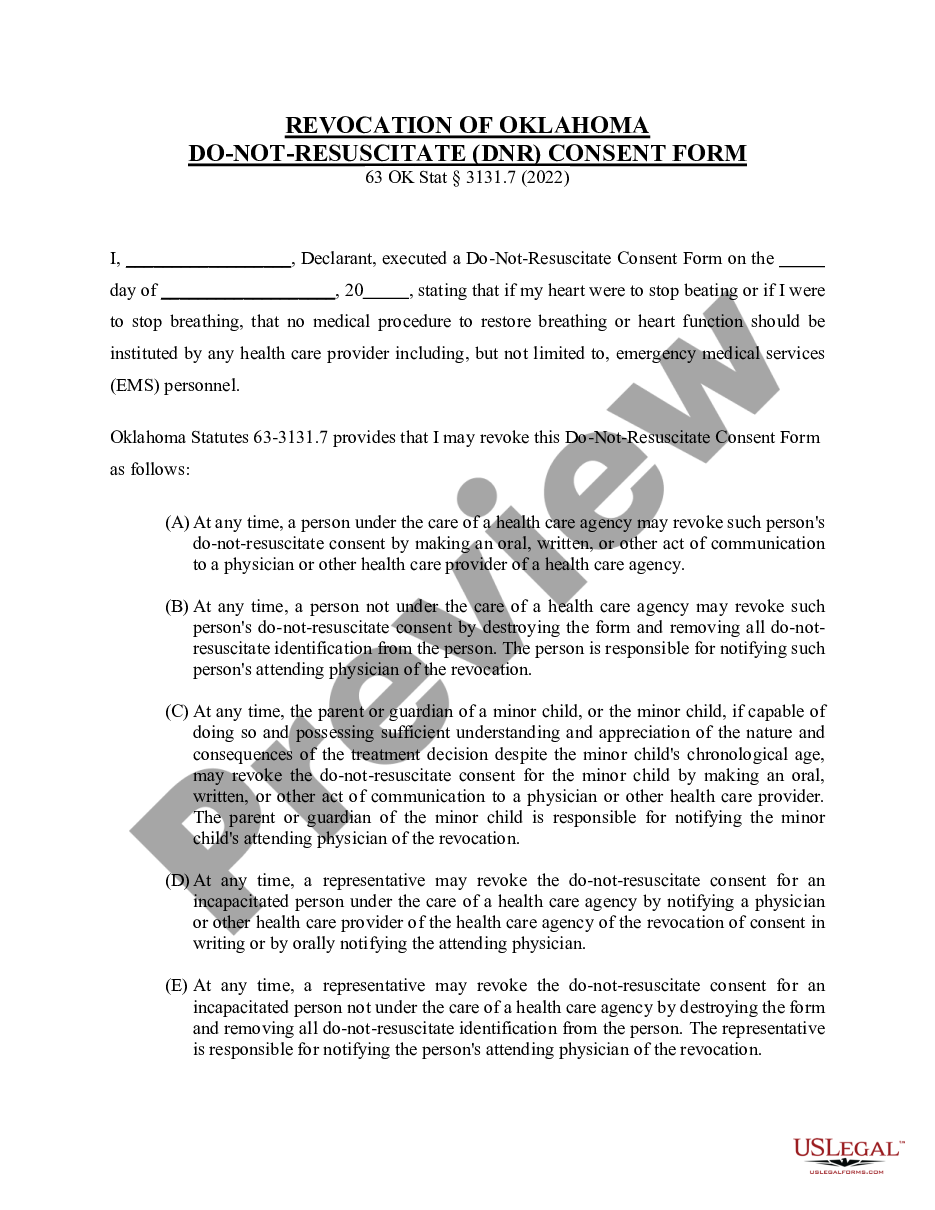
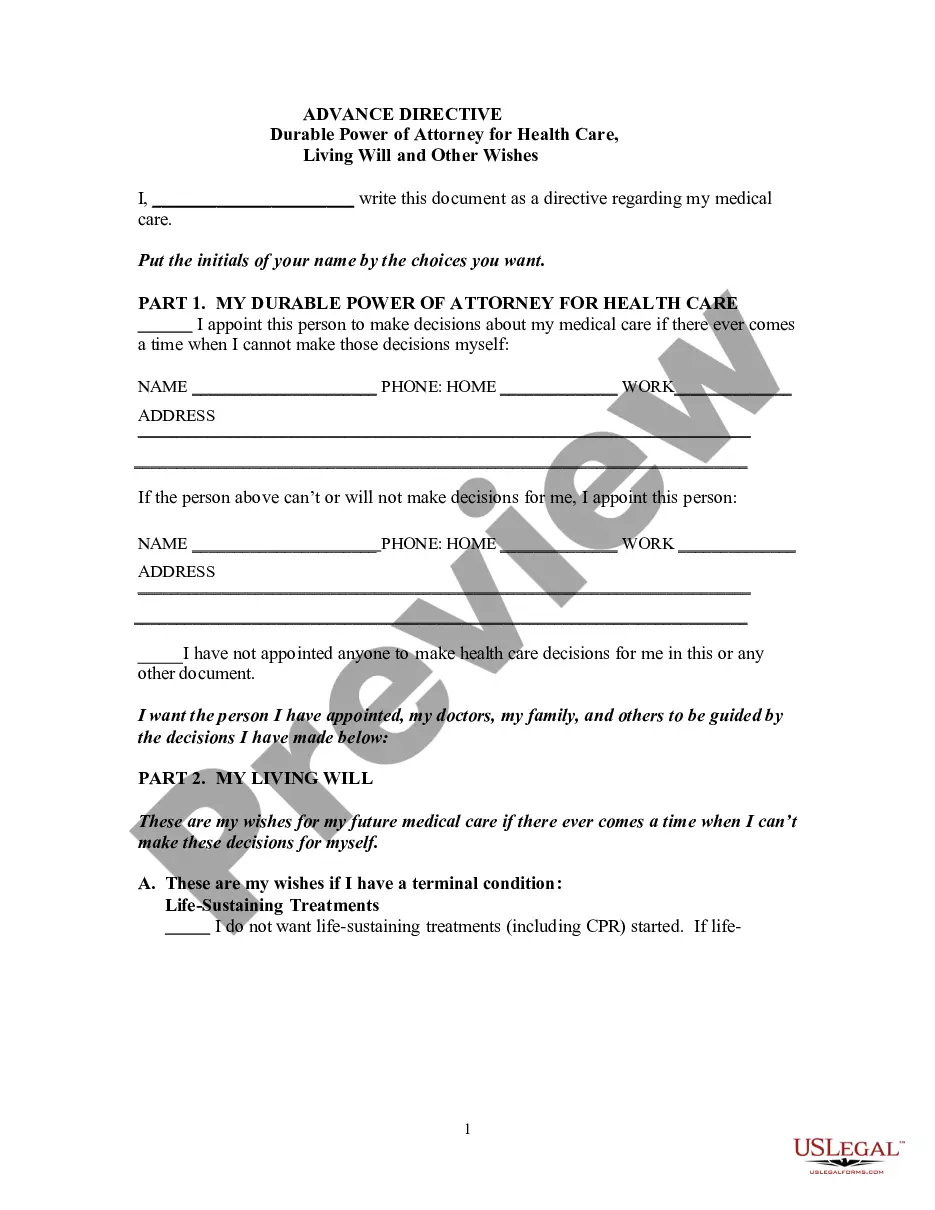
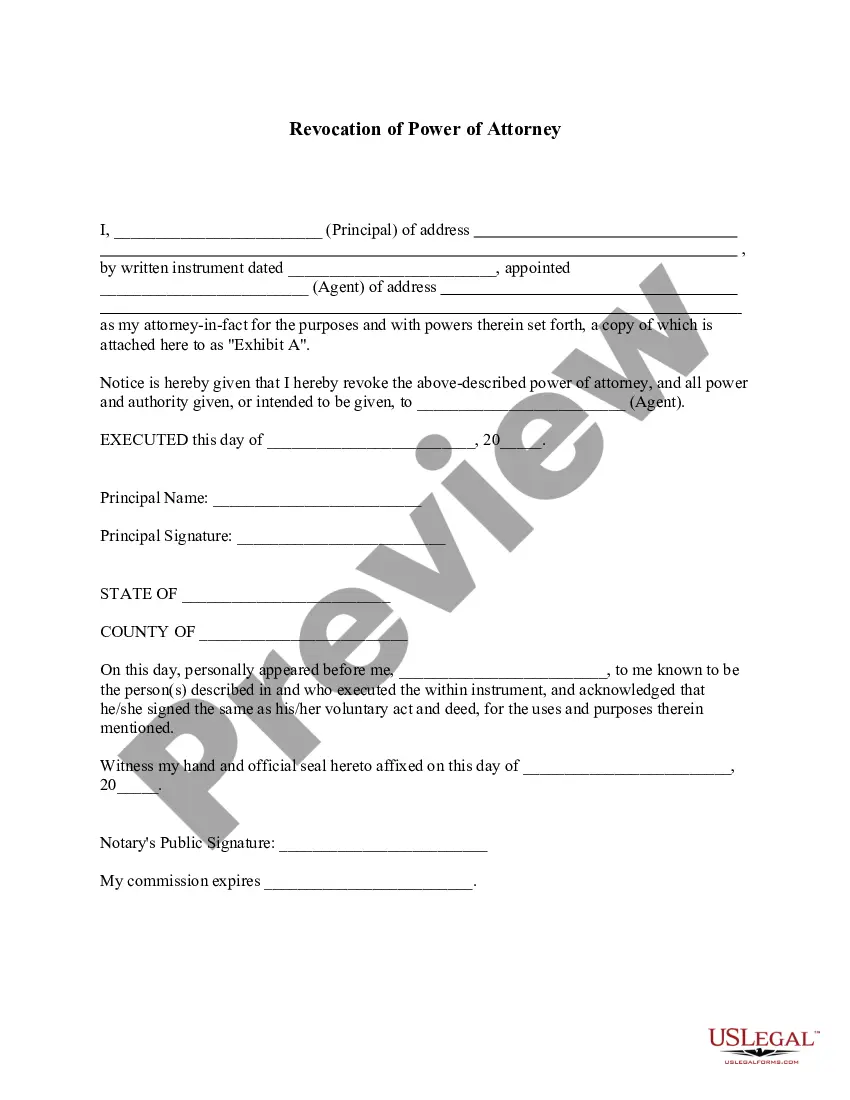
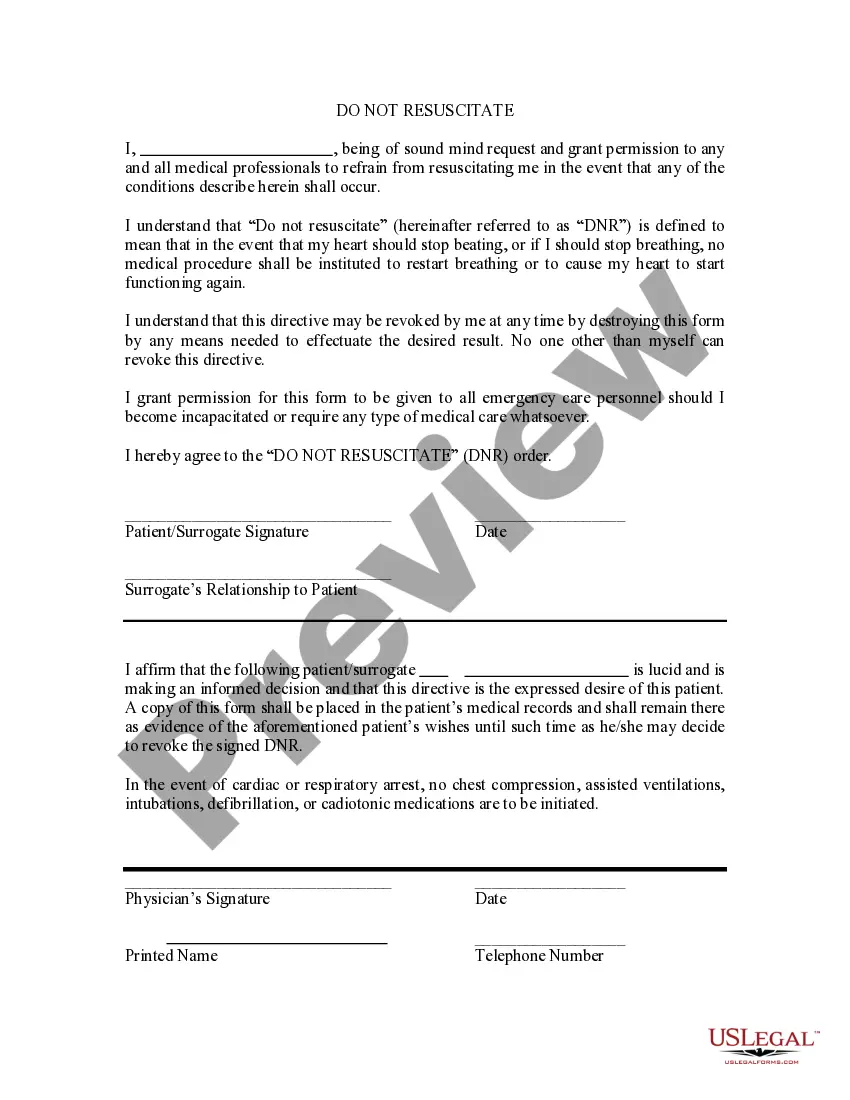
The Revocation of Health Care Proxy - Do Not Resuscitate form (DNR) allows you to officially withdraw a previously given consent for medical personnel to provide life-sustaining treatments in the event of cardiac arrest or respiratory failure. This form is crucial for individuals seeking clarity over their medical decisions and differs from other advance directives by focusing specifically on resuscitation preferences.
Form components explained
- Identification of the individual revoking the DNR consent.
- Statement indicating the intention to revoke previous consent for resuscitation.
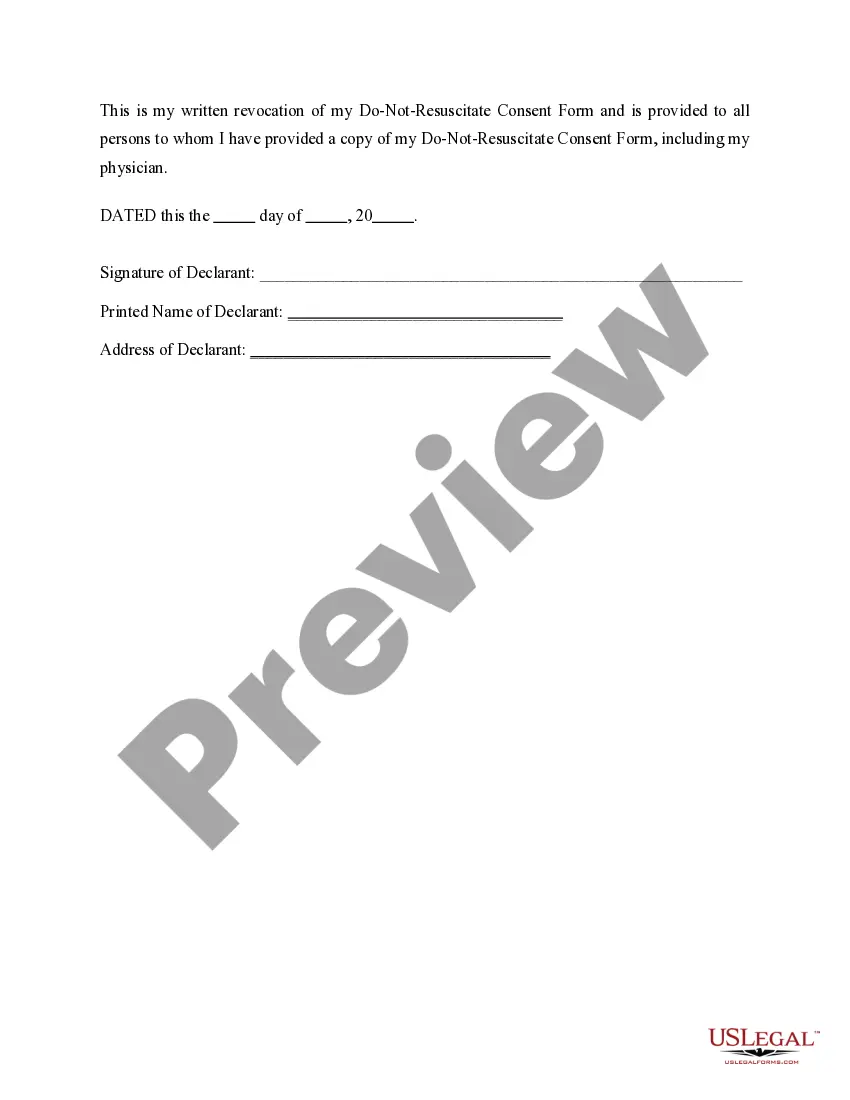
- Signature and date to authenticate the revocation.
- Contact details for the attending physician to inform of the change.
- Instructions on how to destroy the original form if not under a healthcare agency.
Common use cases
This form should be used when you have previously given consent for a Do Not Resuscitate order and later decide to revoke that consent. Common scenarios include changes in health status, wishes for different medical treatment approaches, or shifts in personal beliefs regarding end-of-life care.
Who needs this form
- Anyone who has previously completed a Do Not Resuscitate consent form.
- Patients currently under the care of a healthcare agency wishing to revoke their DNR order.
- Parents or guardians revoking consent on behalf of minor children.
- Representatives acting on behalf of incapacitated individuals who wish to withdraw consent.
Completing this form step by step
- Clearly identify yourself as the individual revoking the DNR order.
- Explicitly state that you wish to revoke the previous Do Not Resuscitate consent.
- Sign and date the document to confirm your decision.
- If applicable, inform your attending physician of the revocation verbally or in writing.
- Destroy any existing DNR identification materials, especially if you are not under a healthcare agency's care.
Does this document require notarization?
This form usually doesn’t need to be notarized. However, local laws or specific transactions may require it. Our online notarization service, powered by Notarize, lets you complete it remotely through a secure video session, available 24/7.
Get your form ready online
Our built-in tools help you complete, sign, share, and store your documents in one place.
Make edits, fill in missing information, and update formatting in US Legal Forms—just like you would in MS Word.
Download a copy, print it, send it by email, or mail it via USPS—whatever works best for your next step.
Sign and collect signatures with our SignNow integration. Send to multiple recipients, set reminders, and more. Go Premium to unlock E-Sign.
If this form requires notarization, complete it online through a secure video call—no need to meet a notary in person or wait for an appointment.
We protect your documents and personal data by following strict security and privacy standards.

Make edits, fill in missing information, and update formatting in US Legal Forms—just like you would in MS Word.

Download a copy, print it, send it by email, or mail it via USPS—whatever works best for your next step.

Sign and collect signatures with our SignNow integration. Send to multiple recipients, set reminders, and more. Go Premium to unlock E-Sign.

If this form requires notarization, complete it online through a secure video call—no need to meet a notary in person or wait for an appointment.

We protect your documents and personal data by following strict security and privacy standards.
Typical mistakes to avoid
- Failing to notify the attending physician after revocation.
- Not signing and dating the form, which may invalidate the revocation.
- Misunderstanding how to properly destroy previous DNR identification.
- Inadvertently leaving old DNR forms accessible, which can lead to confusion for medical staff.
Benefits of completing this form online
- Convenience of accessing and completing the form from home.
- Easy edits can be made to ensure your wishes are accurately stated.
- Reliable templates drafted by licensed attorneys to ensure legal compliance.
Legal use & context
- This form serves as a legally recognized document to communicate your healthcare preferences.
- Revocation of a DNR order should be communicated clearly to all involved medical personnel to prevent any misunderstandings.
- Each state may have variations in the process, making it important to adhere to Oklahoma's specific laws as it relates to DNR orders.
Looking for another form?



Form popularity
FAQ
Changing a POLST form or removing a DNR bracelet is fairly straightforward and free.Twelve states, including California and New York, recognize the POLST form as legally binding orders to forego CPR and other resuscitation measures.
DNR stands for Do Not Resuscitate and tells health care providers and emergency medical personnel not to do CPR on your older adult if they stop breathing or if their heart stops beating. The DNR is only a decision about CPR (cardiopulmonary resuscitation).
Once a DNR order is in place, doctors, nurses and other providers will not attempt emergency CPR if the patient's breathing or heartbeat stops.A valid DNR order from a licensed health care facility will not be honored by EMS personnel outside of the facility.
A do-not-resuscitate (DNR) order placed in a person's medical record by a doctor informs the medical staff that cardiopulmonary resuscitation (CPR) should not be attempted.
It is legal but it may not be ethical, said Craig Klugman, a professor of bioethics at DePaul University in Chicago. It is done out of fear of harming patients and the liability. He notes that several medical associations have concluded that asking patients to sign blanket DNR overrides is not appropriate.
Although they may or may not follow the directions set out in the Power of Attorney for Personal Care, first responders will listen to a DNR (also known as a Do Not Resuscitate Confirmation Form).Advanced resuscitation drugs such as, but not limited to, vasopressors, antiarrhythmic agents and opioid antagonists.
A Do Not Attempt Resuscitation form is a document issued and signed by a doctor, which tells your medical team not to attempt cardiopulmonary resuscitation (CPR).It's not a legally binding document.
A person's Agent under a healthcare power of attorney may execute a DNR or OHDNR on behalf of the person; if a person has failed to execute a healthcare power of attorney and does not have a court-appointed guardian, the person's spouse or other family member may not execute a DNR or OHDNR on behalf of the person.
The doctors should have considered the individual, their health and what is in their best interests. This is a medical decision about whether resuscitation would be successful and how much additional harm it would cause the person.