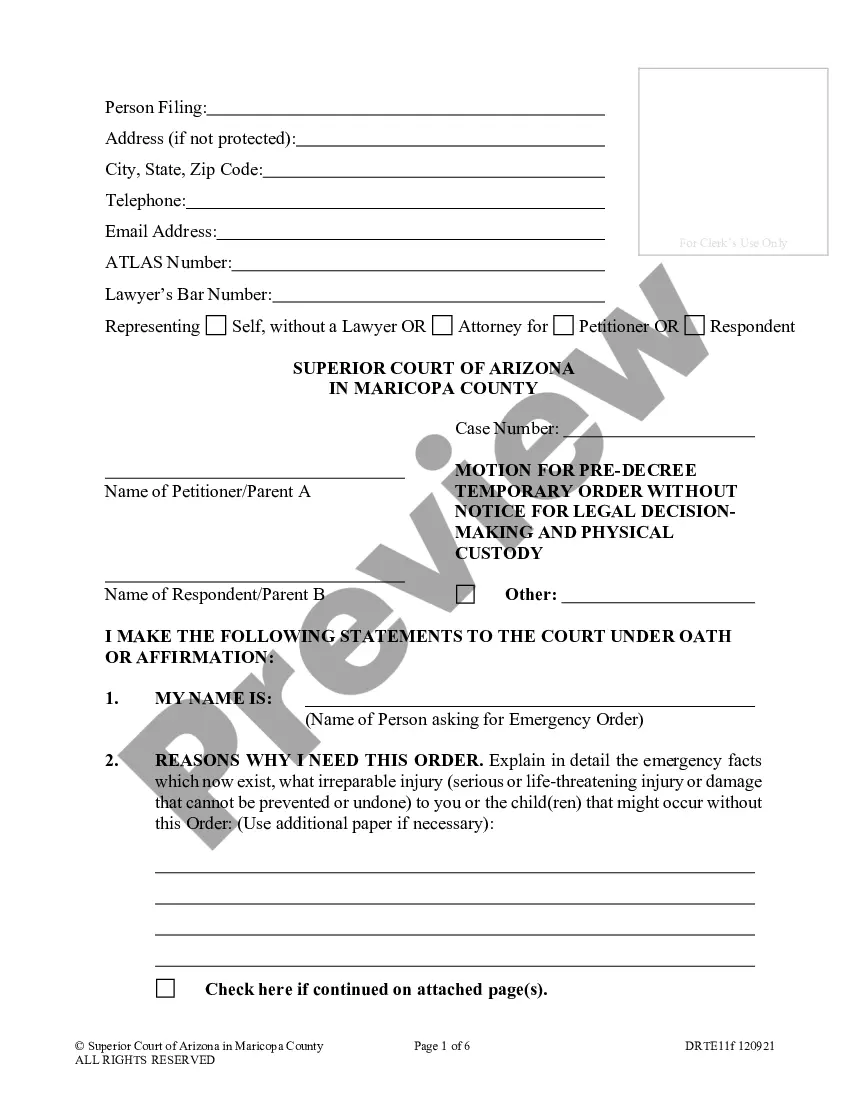
Oklahoma Assignment of Lease and Rent from Borrower to Lender
What is this form?
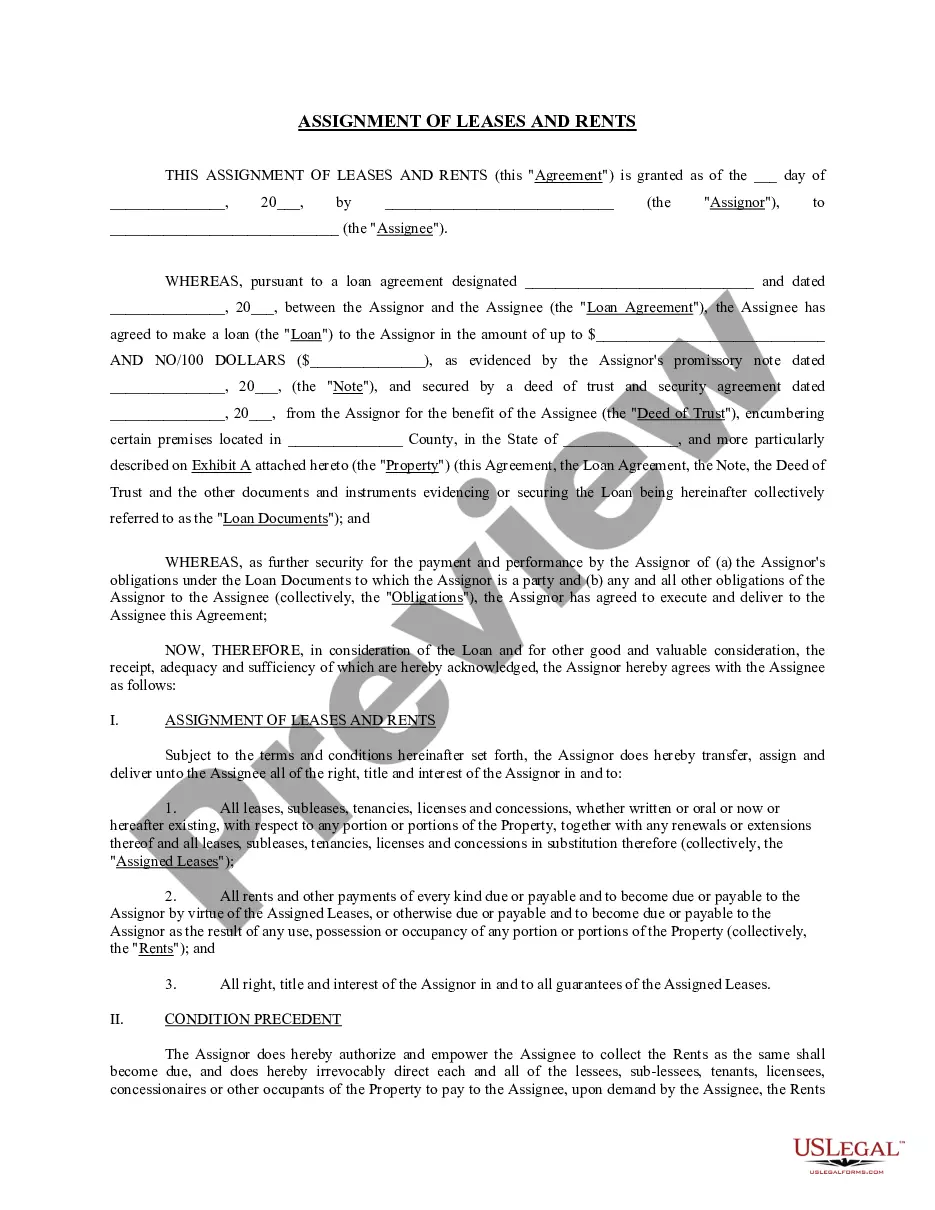
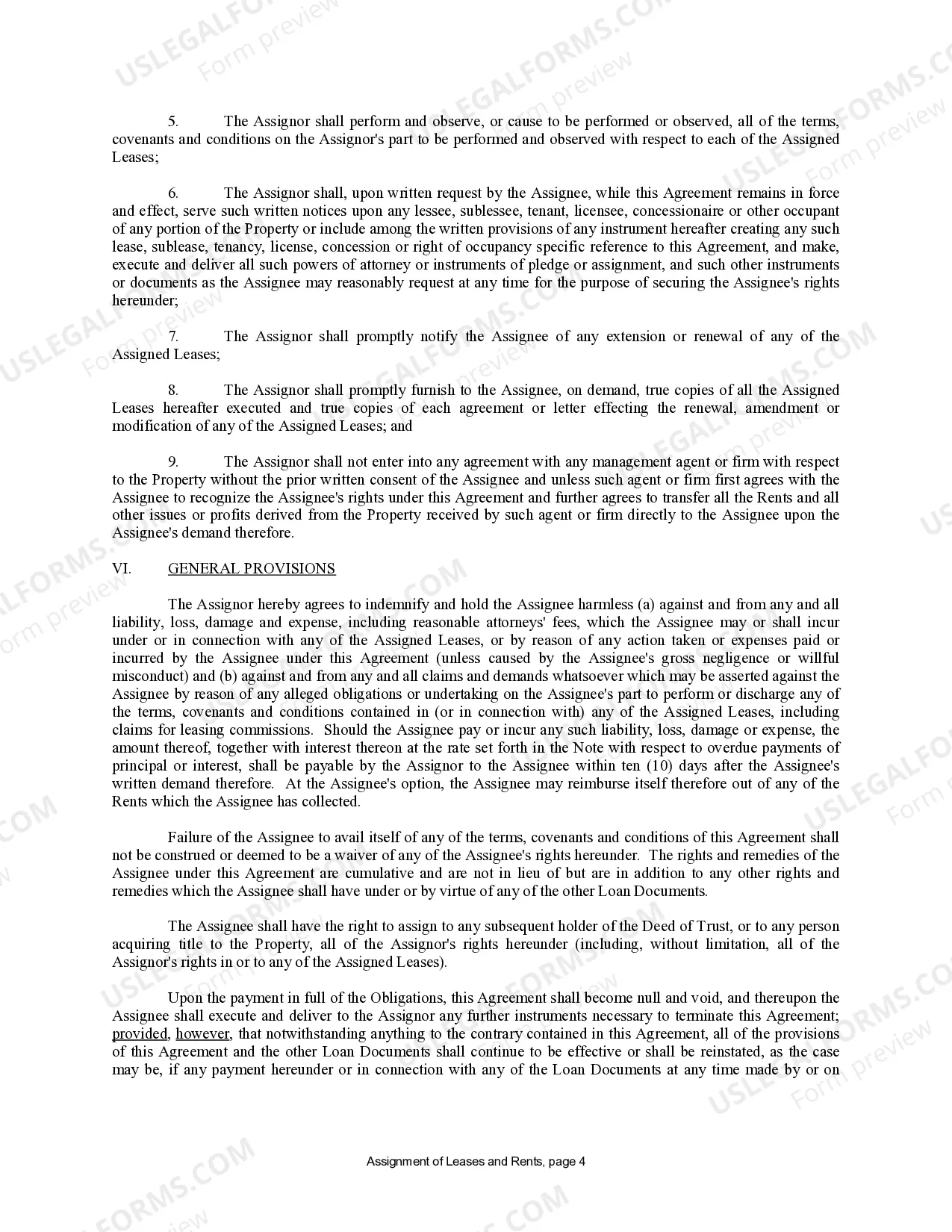
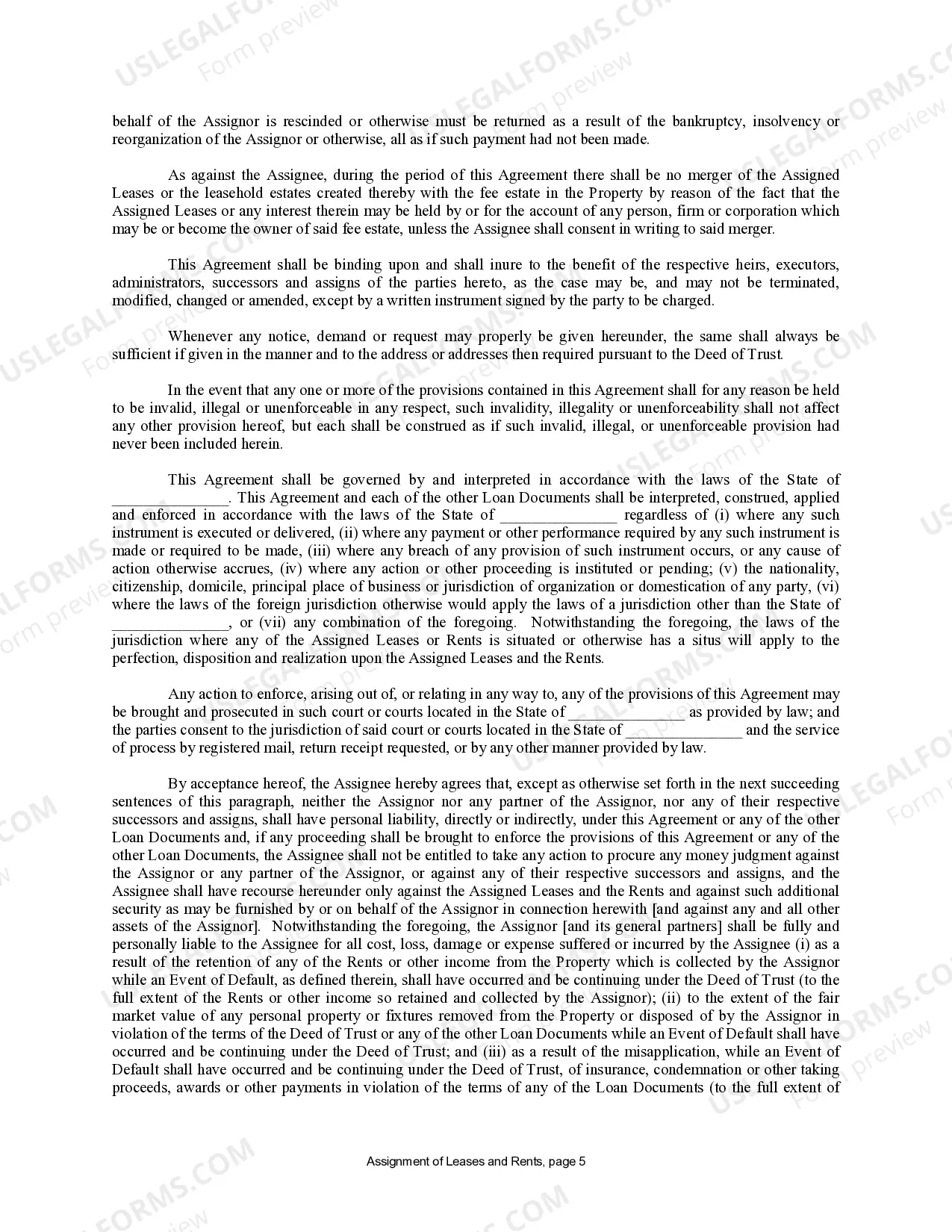
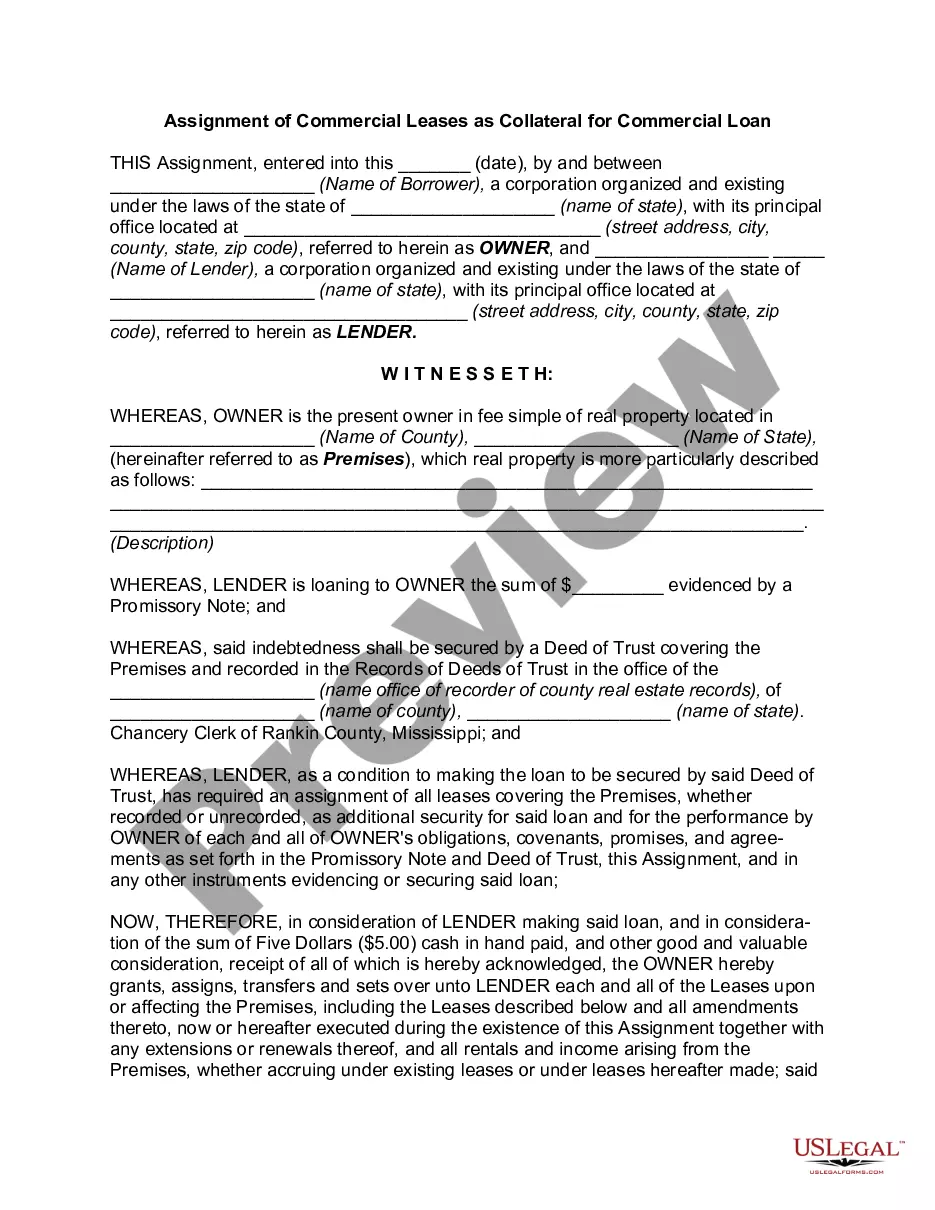
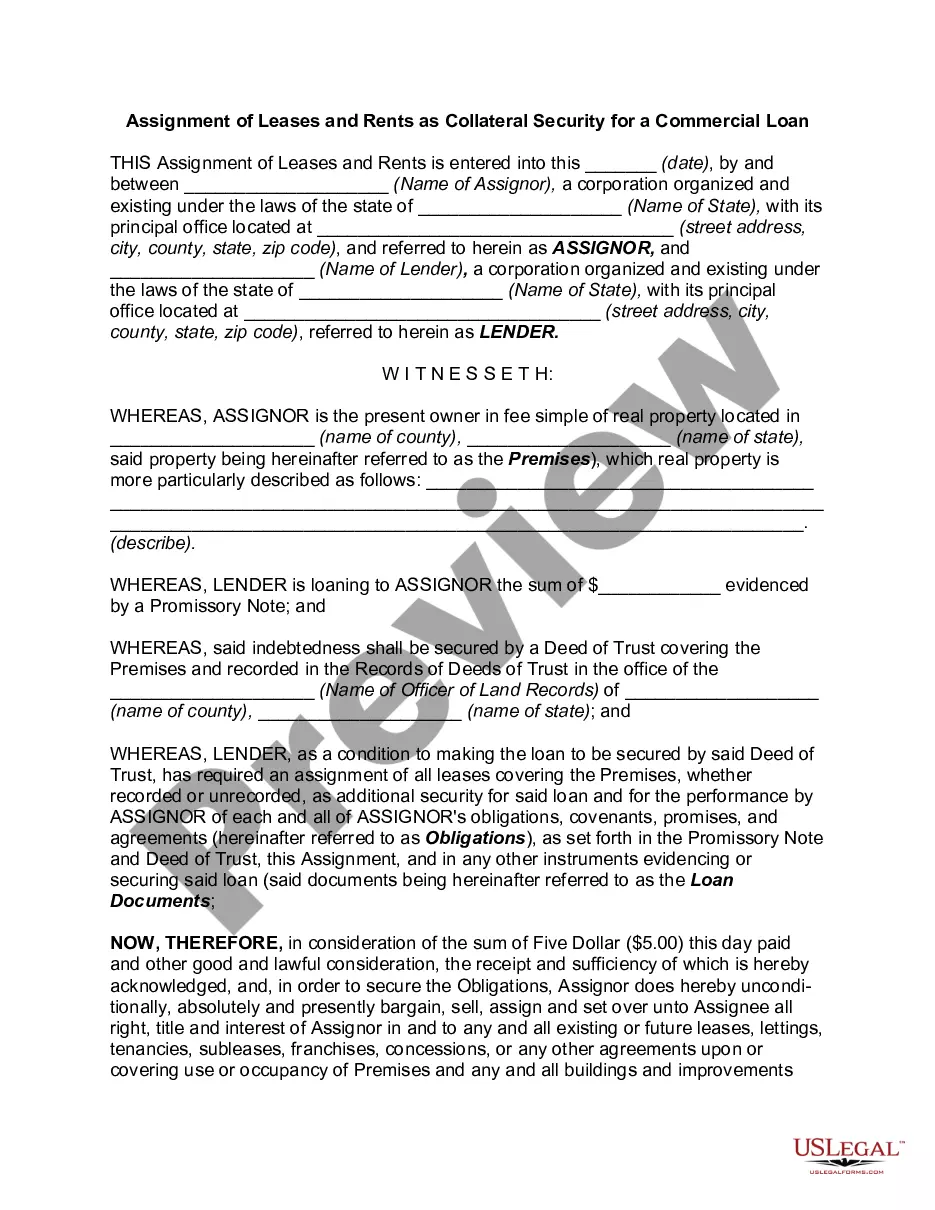
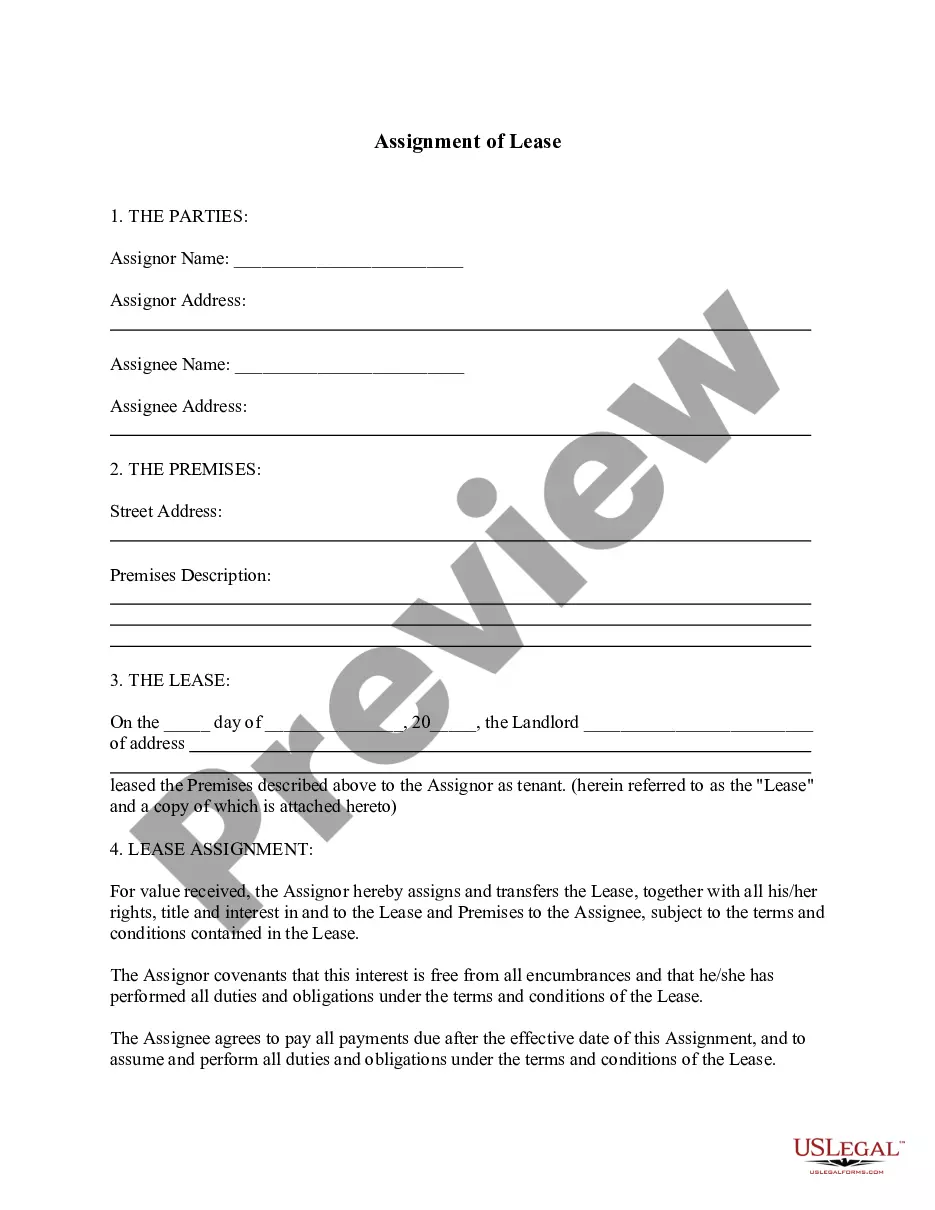
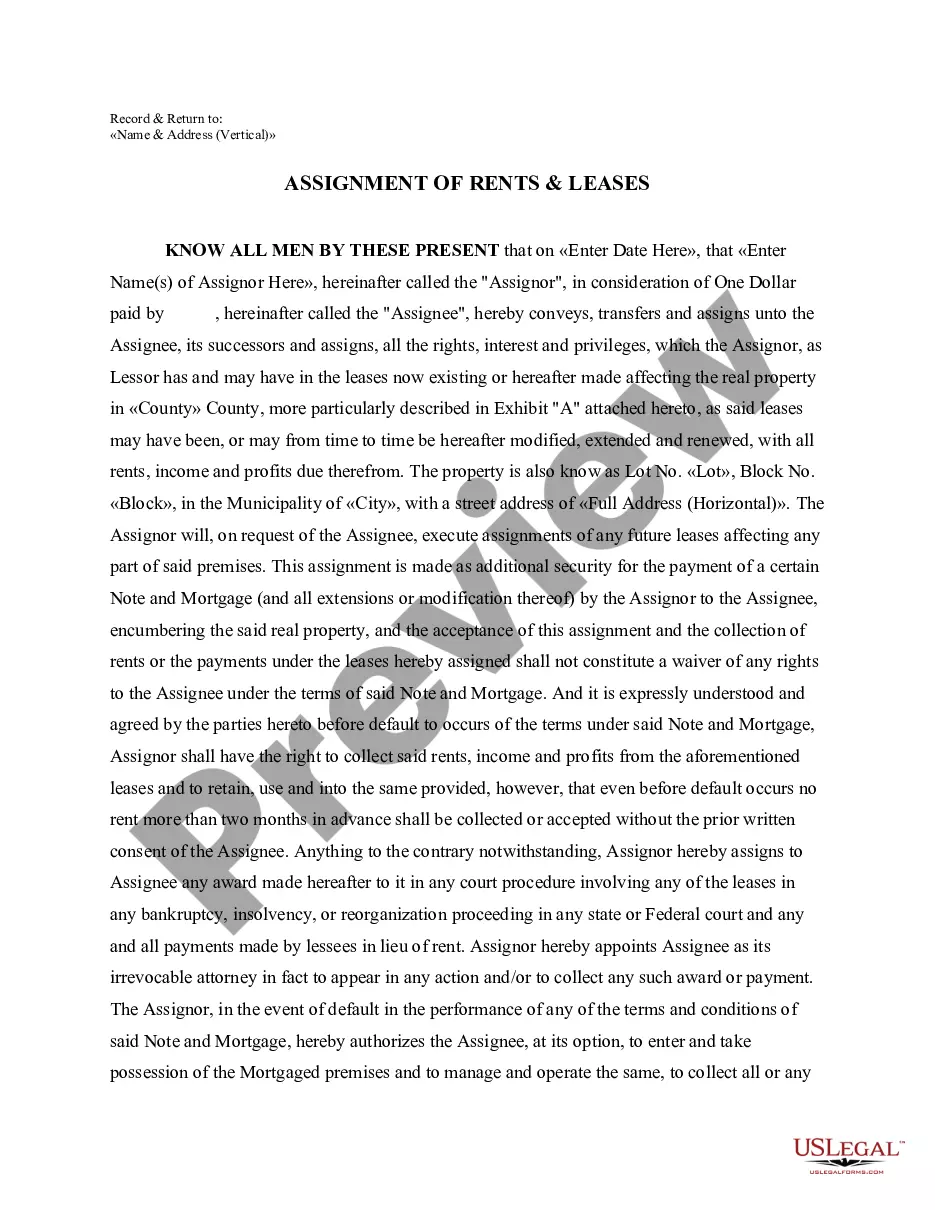
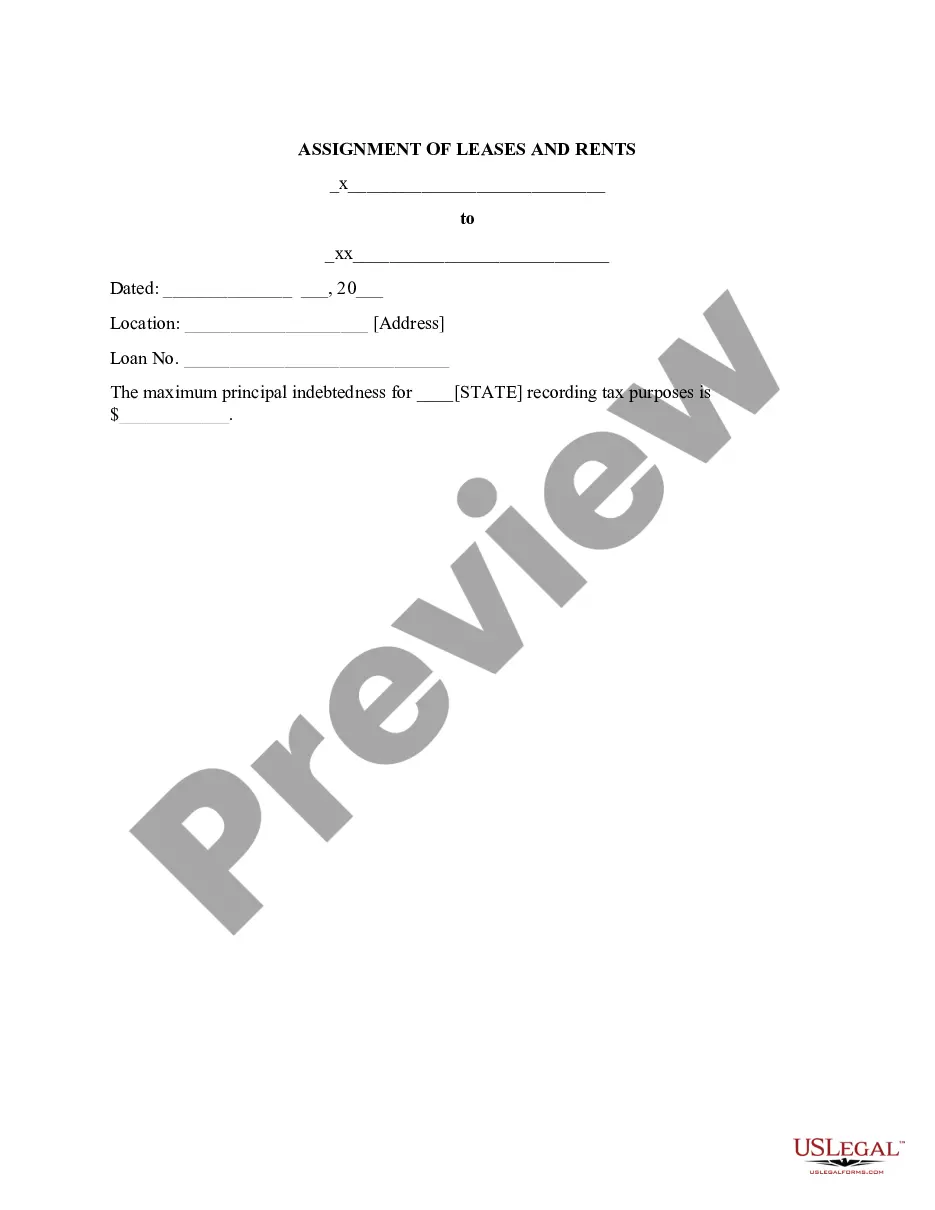
The Assignment of Lease and Rent from Borrower to Lender is a legal document used to transfer the rights of leases and rental payments from a borrower (the Assignor) to a lender (the Assignee). This form serves the primary purpose of ensuring that rental income from a property is assigned to the lender as collateral for a loan, thus aiding in the repayment of the borrower's debt. Unlike other lease agreements, this form focuses on the assignment of rights rather than the transfer of property itself.
Form components explained
- Identification of the Assignor and Assignee.
- Details of the Loan Agreement, including the loan amount and terms.
- Transfer of rights to all leases and rental payments associated with the property.
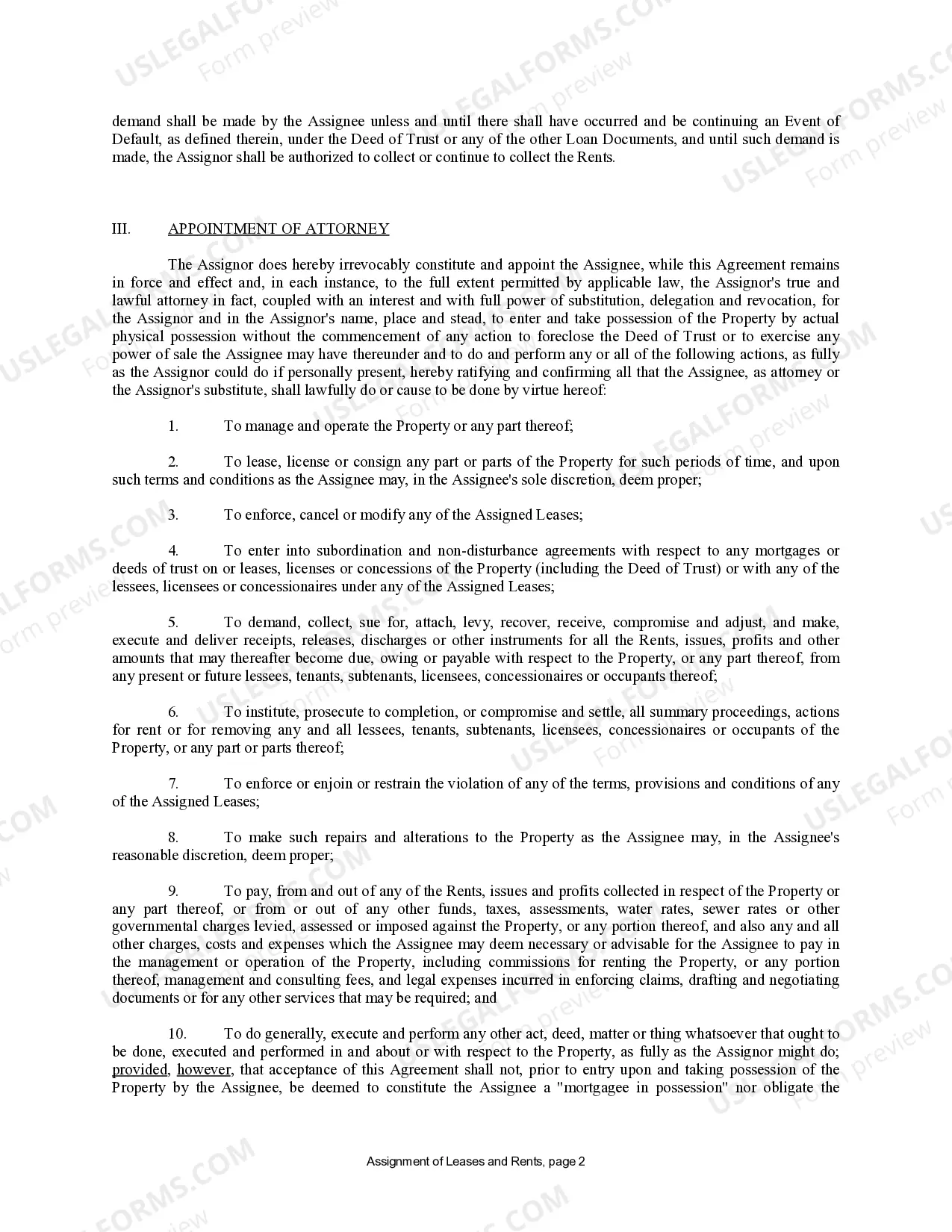
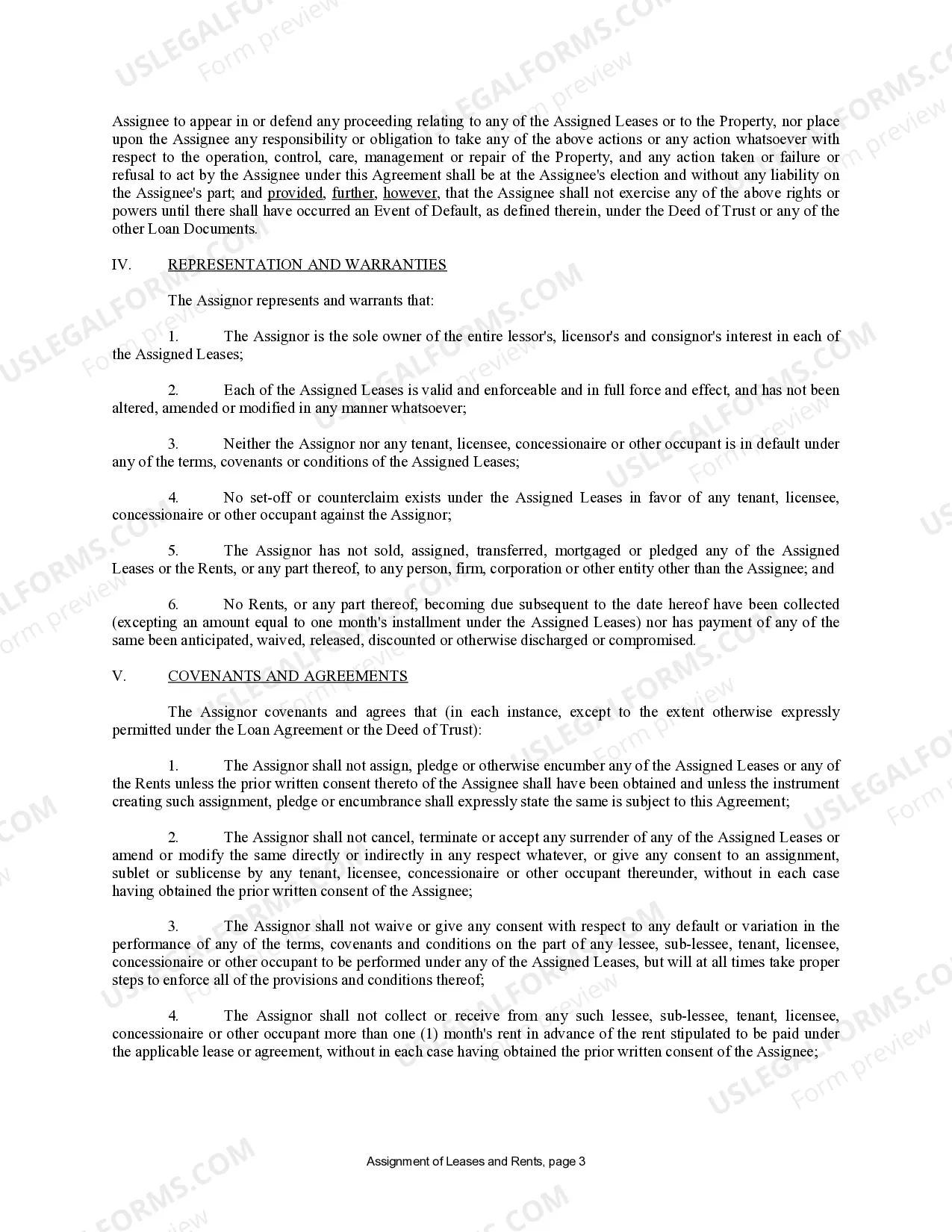
- Conditions under which the Assignee may collect rents and manage the property.
- Representation and warranties made by the Assignor regarding the current leases.

When to use this form
This form is useful when a borrower seeks to secure a loan against the rental income of a property. Situations include refinancing existing debts, consolidating loans, or seeking a new loan where the lender requires additional security through the assignment of leases and rents.
Who can use this document
- Property owners or borrowers who need to secure a loan from a lender.
- Lenders who require assurance of rental income as collateral for loan agreements.
- Real estate investors managing multiple rental properties.
Completing this form step by step
- Identify the parties involved: Enter the names of the Assignor (borrower) and Assignee (lender).
- Specify the terms of the loan: Fill in the details of the loan agreement, including the date and amount.
- Outline property details: Provide a description of the property covered by the leases.
- Enter any necessary conditions: Include terms regarding how and when the Assignee can collect rents.
- Sign and date the form: Ensure all parties sign and date the form for it to be legally binding.
Does this document require notarization?
This form must be notarized to be legally valid. US Legal Forms provides secure online notarization powered by Notarize, allowing you to complete the process through a verified video call.
Get your form ready online
Our built-in tools help you complete, sign, share, and store your documents in one place.
Make edits, fill in missing information, and update formatting in US Legal Forms—just like you would in MS Word.
Download a copy, print it, send it by email, or mail it via USPS—whatever works best for your next step.
Sign and collect signatures with our SignNow integration. Send to multiple recipients, set reminders, and more. Go Premium to unlock E-Sign.
If this form requires notarization, complete it online through a secure video call—no need to meet a notary in person or wait for an appointment.
We protect your documents and personal data by following strict security and privacy standards.

Make edits, fill in missing information, and update formatting in US Legal Forms—just like you would in MS Word.

Download a copy, print it, send it by email, or mail it via USPS—whatever works best for your next step.

Sign and collect signatures with our SignNow integration. Send to multiple recipients, set reminders, and more. Go Premium to unlock E-Sign.

If this form requires notarization, complete it online through a secure video call—no need to meet a notary in person or wait for an appointment.

We protect your documents and personal data by following strict security and privacy standards.
Typical mistakes to avoid
- Failing to provide accurate property descriptions can lead to disputes.
- Not all parties signing the document can invalidate the assignment.
- Omitting important loan details, which can affect legal enforceability.
Why complete this form online
- Immediate access to a legally vetted template drafted by licensed attorneys.
- Easy to fill out and customize to meet specific needs without needing to start from scratch.
- Convenient and secure download options allow for quick assembly of necessary documents.
Key takeaways
- The Assignment of Lease and Rent is essential for securing a loan with rental income as collateral.
- Accurate completion of the form is critical to avoid legal issues.
- Both borrowers and lenders should carefully review their rights and obligations under this agreement.
- Ensure to check state-specific regulations that may apply to this form.
Looking for another form?



Form popularity
FAQ
The landlord's lawyer usually prepares the agreement. However, the outgoing tenant or the incoming tenant pays these costs, not the landlord.
If the lease is silent on the point, an assignment of part will be permitted.
Simply put, it is a transfer of an existing lease by the current tenant to a new tenant with the consent of the landlord.The Assignee is the crucial factor that makes Assignment work. He or it is the newcomer to whom the existing lease will be assigned or passed or transferred to.
A lease assignment, often called a lease takeover or a lease transfer, is the legal term for when your landlord allows you to pass responsibility for your apartment to another tenant. The new tenant, your assignee, becomes the tenant under the lease agreement instead of you.
An assignment is the transfer of the a party's entire interest in a lease. When a tenant assigns its lease, the assignee takes over the tenant's obligations under the lease and deals directly with the landlord.A sublease is the transfer of all or a portion of the premises for less than the entire term of the lease.
The assignor normally remains liable unless there is an agreement to the contrary by the other party to the contract.No specific language is required to create an assignment so long as the assignor makes clear his/her intent to assign identified contractual rights to the assignee.
An assignment is when the tenant transfers their lease interest to a new tenant using a Lease Assignment. The assignee takes the assignor's place in the landlord-tenant relationship, although the assignor may remain liable for damages, missed rent payments, and other lease violations.
This might include financial statements, business history and professional references; and. there is an agreement about who is liable for the costs of the deed of assignment. The landlord's lawyer usually prepares the agreement. However, the outgoing tenant or the incoming tenant pays these costs, not the landlord.