Ohio Letter from Tenant to Landlord about Inadequacy of heating resources insufficient heat
What this document covers
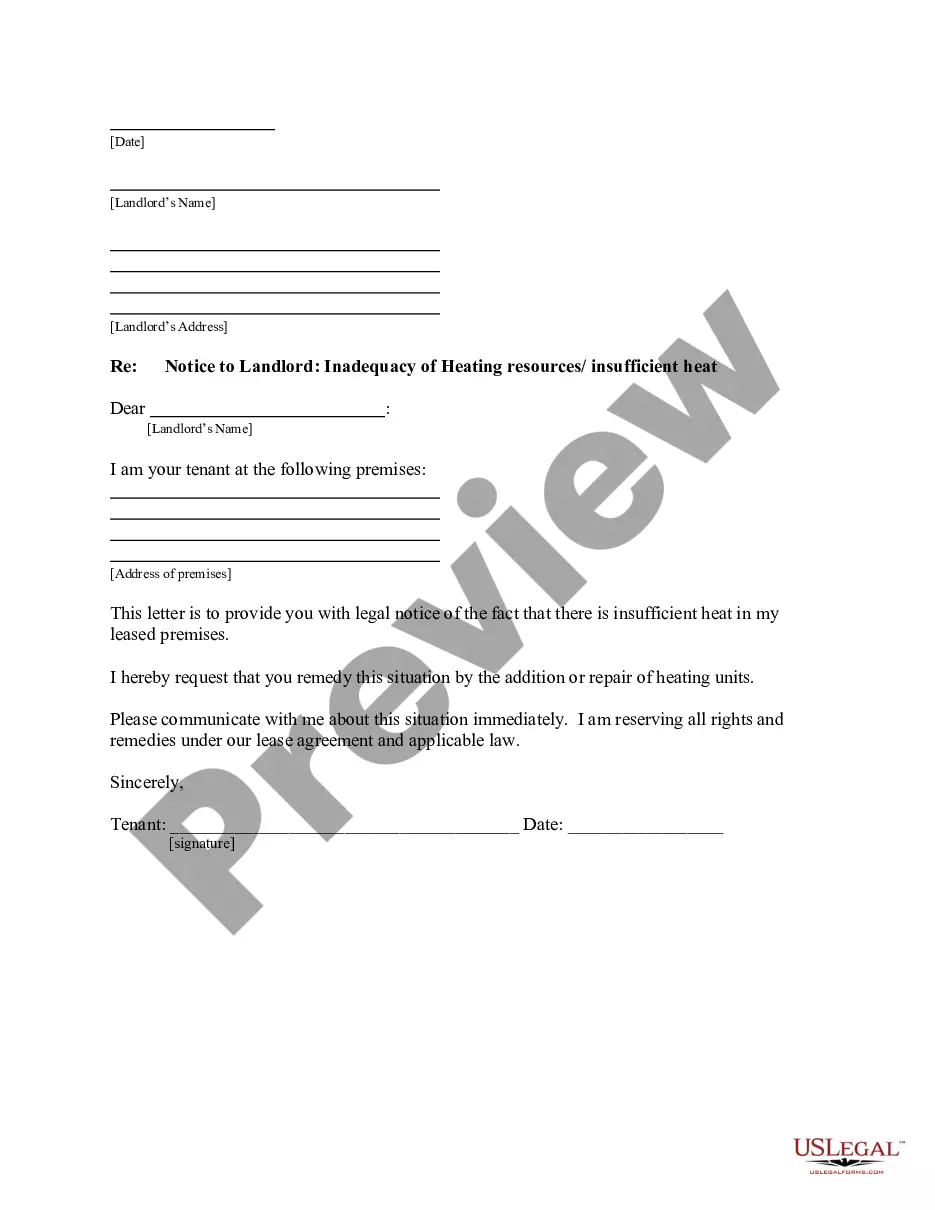
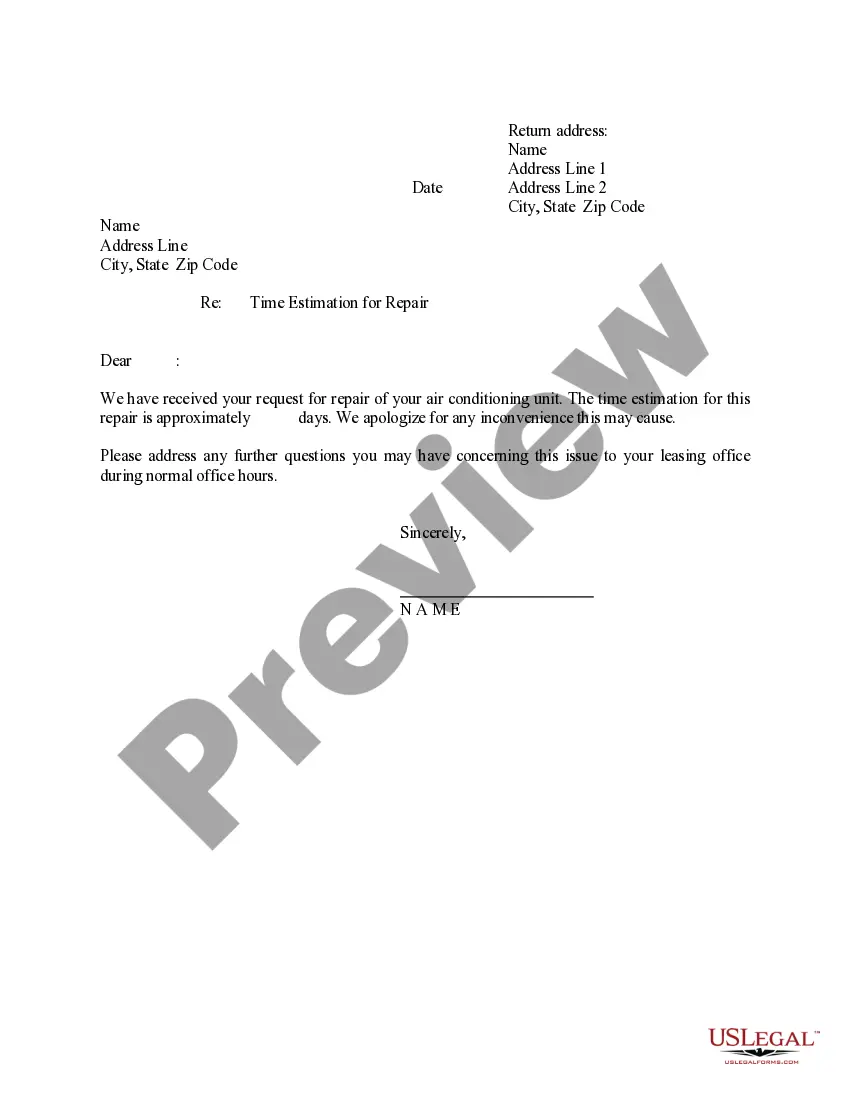
This form is a letter from the tenant to the landlord addressing inadequate heating resources in a rental property. It serves as legal notice that the current heating situation is insufficient and requests the landlord to take corrective action. Unlike general maintenance requests, this form specifically highlights the lack of heat, ensuring that the landlord is officially informed and obligated to respond.
What’s included in this form
- Identification of the tenant and landlord.
- Description of the heating inadequacy.
- Request for immediate communication and remedy.
- Statement of reserved rights under the lease agreement.
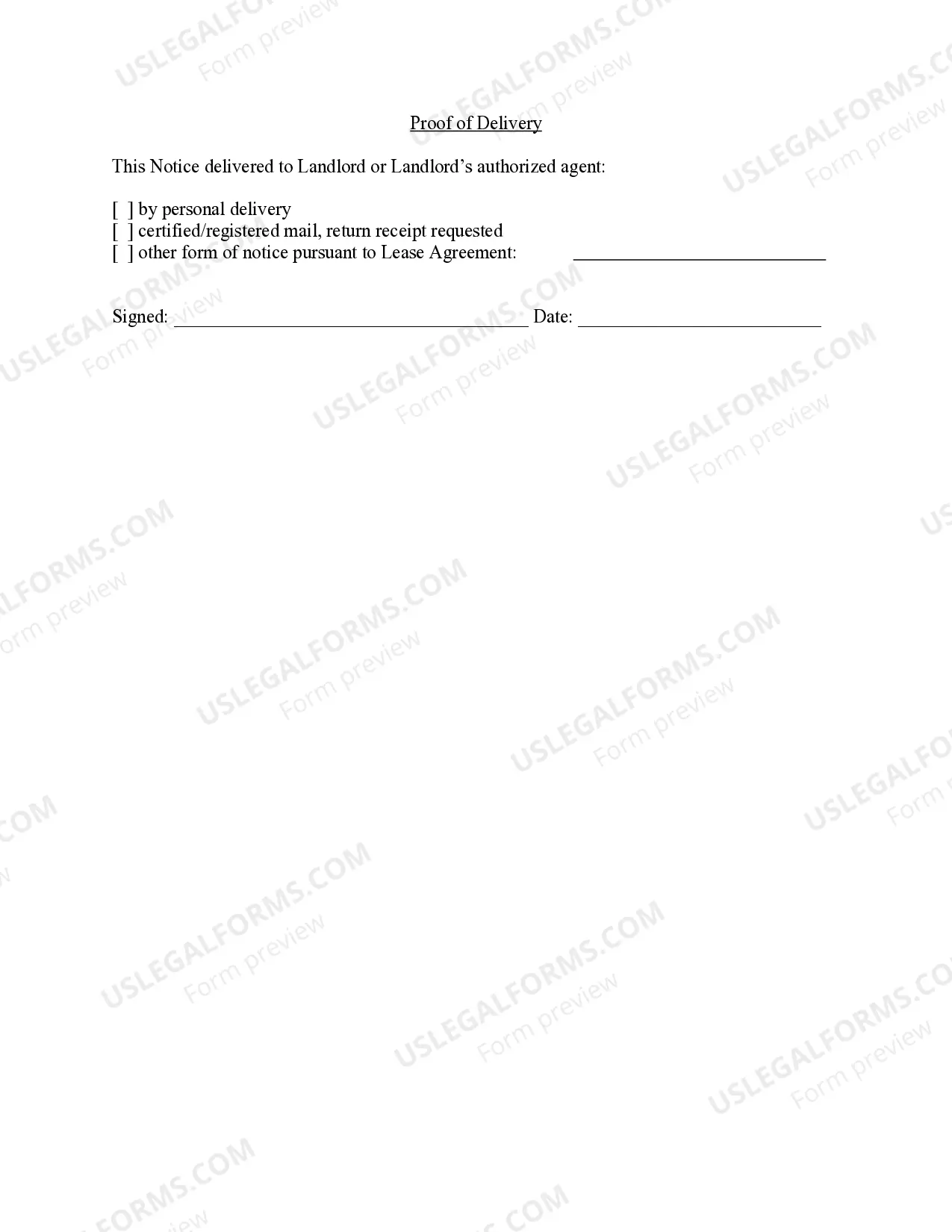
- Signature and date for verification of delivery.



Common use cases
This form should be used when a tenant experiences insufficient heat in their rental unit and needs to notify their landlord formally. It may be necessary during colder months when heating issues can significantly impact comfort and safety. Using this letter can help document the issue, preserving the tenant's rights under the lease agreement.
Who can use this document
- Tenants experiencing inadequate heating in their rental property.
- Any renter who has already communicated heating issues verbally without resolution.
- Individuals who wish to formally document the heating problem for legal purposes.
How to complete this form
- Identify yourself as the tenant and provide your contact information.
- Clearly state the landlord's name and address.
- Describe the heating issue in detail to convey the urgency.
- Make your request for the landlord to address the issue immediately.
- Sign and date the letter to finalize your notice.
Does this document require notarization?
This form does not typically require notarization to be legally valid. However, some jurisdictions or document types may still require it. US Legal Forms provides secure online notarization powered by Notarize, available 24/7 for added convenience.
Get your form ready online
Our built-in tools help you complete, sign, share, and store your documents in one place.
Make edits, fill in missing information, and update formatting in US Legal Forms—just like you would in MS Word.
Download a copy, print it, send it by email, or mail it via USPS—whatever works best for your next step.
Sign and collect signatures with our SignNow integration. Send to multiple recipients, set reminders, and more. Go Premium to unlock E-Sign.
If this form requires notarization, complete it online through a secure video call—no need to meet a notary in person or wait for an appointment.
We protect your documents and personal data by following strict security and privacy standards.

Make edits, fill in missing information, and update formatting in US Legal Forms—just like you would in MS Word.

Download a copy, print it, send it by email, or mail it via USPS—whatever works best for your next step.

Sign and collect signatures with our SignNow integration. Send to multiple recipients, set reminders, and more. Go Premium to unlock E-Sign.

If this form requires notarization, complete it online through a secure video call—no need to meet a notary in person or wait for an appointment.

We protect your documents and personal data by following strict security and privacy standards.
Common mistakes to avoid
- Failing to provide specific details about the heating issue.
- Not including a clear deadline for when the landlord should respond.
- Neglecting to keep a copy of the notice for personal records.
Benefits of completing this form online
- Convenience of immediate download from any location.
- Editability to customize the letter based on personal circumstances.
- Reliability of using attorney-drafted templates for legal documentation.
Main things to remember
- This form is essential for formally notifying your landlord of heating issues.
- Ensure all fields are fully completed to maintain the letter's effectiveness.
- Promptly deliver the letter to your landlord to address the heating issue efficiently.
Looking for another form?
Form popularity
FAQ
24 hours. Under Section 11 of the Landlord and Tenant Act 1985, you have the right to expect your landlord to carry out repairs in a 'reasonable time'. If it's an emergency repair as you've got no heating or hot water, your landlord should fix this in 24 hours.
Your landlord has up to 30 days to make requested repairs. Emergency repairs (like no heat in the winter) must be finished faster.
Your rented home requires a reliable source of hot water and heating. It is the landlord's legal responsibility to provide this. This is included in every tenancy agreement and is a critical requirement for landlords and property owners.
To obey all laws regarding housing, building, health and safety codes. to make all required repairs and keep the premises in a fit and habitable condition.
There are no statutory grace periods in Ohio. Therefore, landlords may charge late fees the day after rent is due.
Your landlord has up to 30 days to make requested repairs. Emergency repairs (like no heat in the winter) must be finished faster.
In Ohio, it's legal for you to withhold rent until your landlord makes a major repair. However, you're required to pay that money to your local municipal or county court, which will then hold your rent in escrow until the problem is fixed.
Tenants in the state of Ohio are granted certain rights by the state's landlord-tenant code, including the right to fair housing, the right to a return of the security deposit, and the right to notice before landlord entry.
If the landlord locks you out or cuts off heat, water, gas, or electricity without a court order, you can call your local sheriff or police for help. You can also sue your landlord to get back into your home and get utilities turned back on.