Ohio Amendment to Prenuptial or Premarital Agreement
About this form
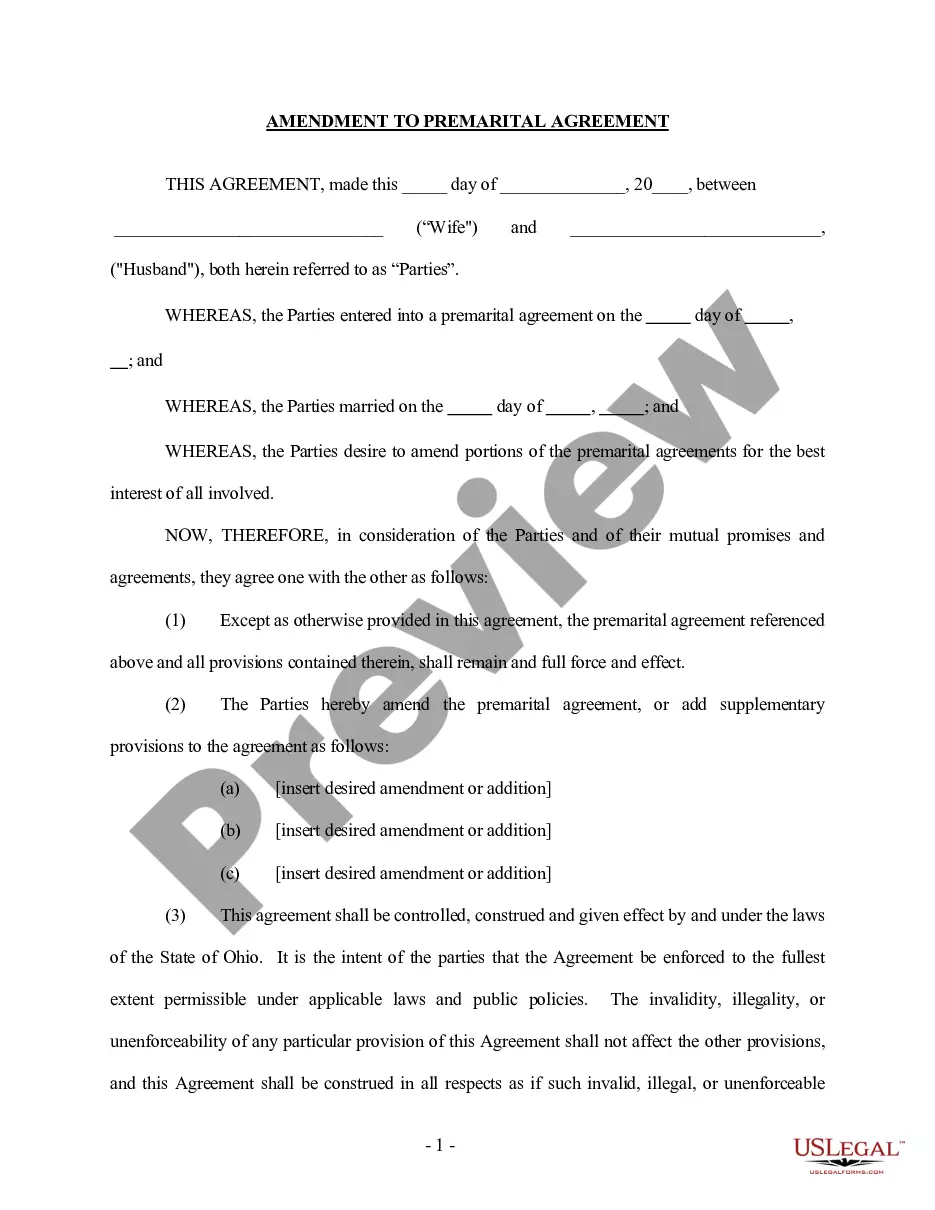
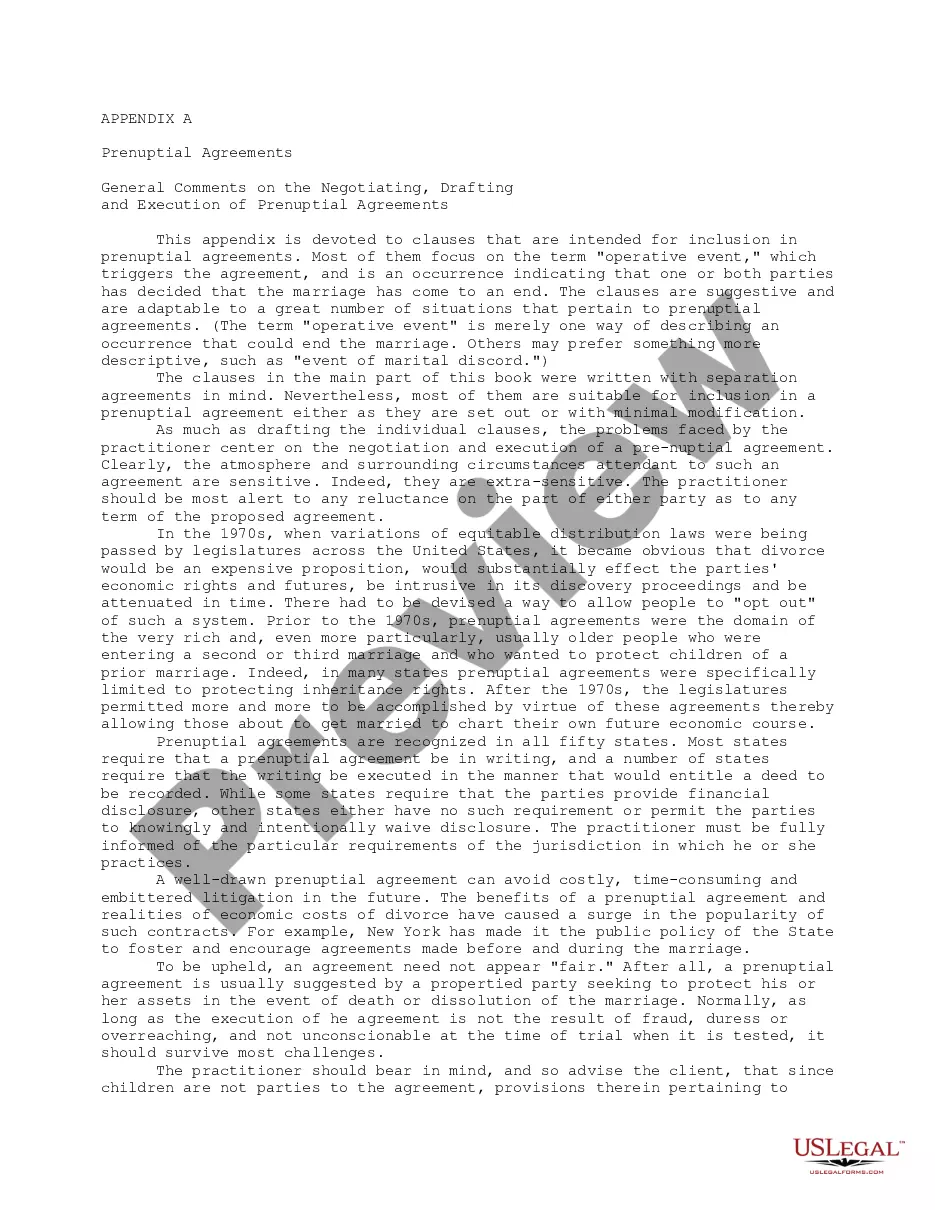
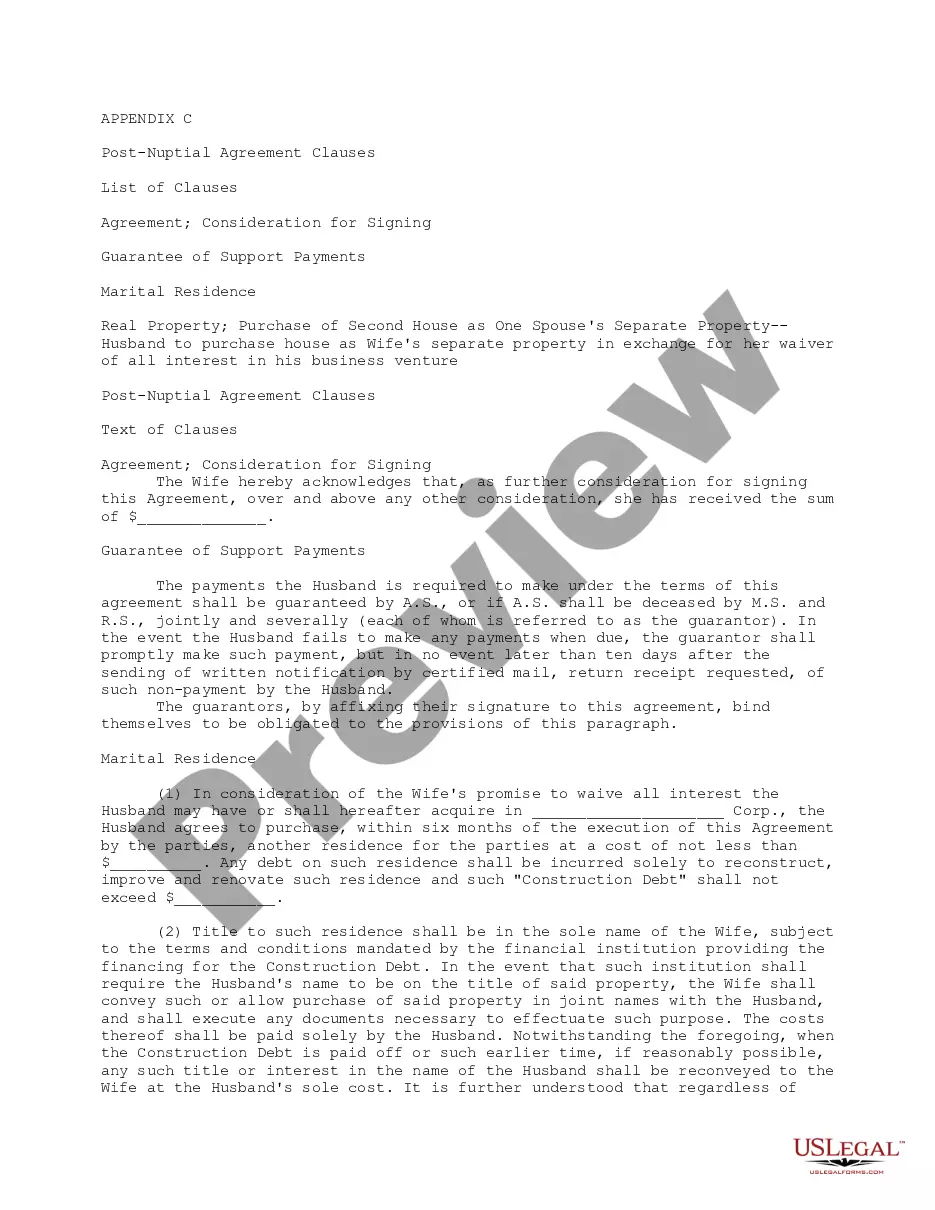
The Amendment to Prenuptial or Premarital Agreement is a legal document designed for couples in Ohio to modify or add to an existing prenuptial agreement. This form allows both parties to officially acknowledge changes, ensuring that any amendments are made in accordance with mutual consent. Unlike a standard premarital agreement, this amendment specifically focuses on adjustments rather than establishing a new agreement from scratch.
Key parts of this document
- The names of both parties (Wife and Husband).
- The date the amendment is made.
- The specific amendments or additions to the original agreement.
- Clauses regarding the enforcement under Ohio law.
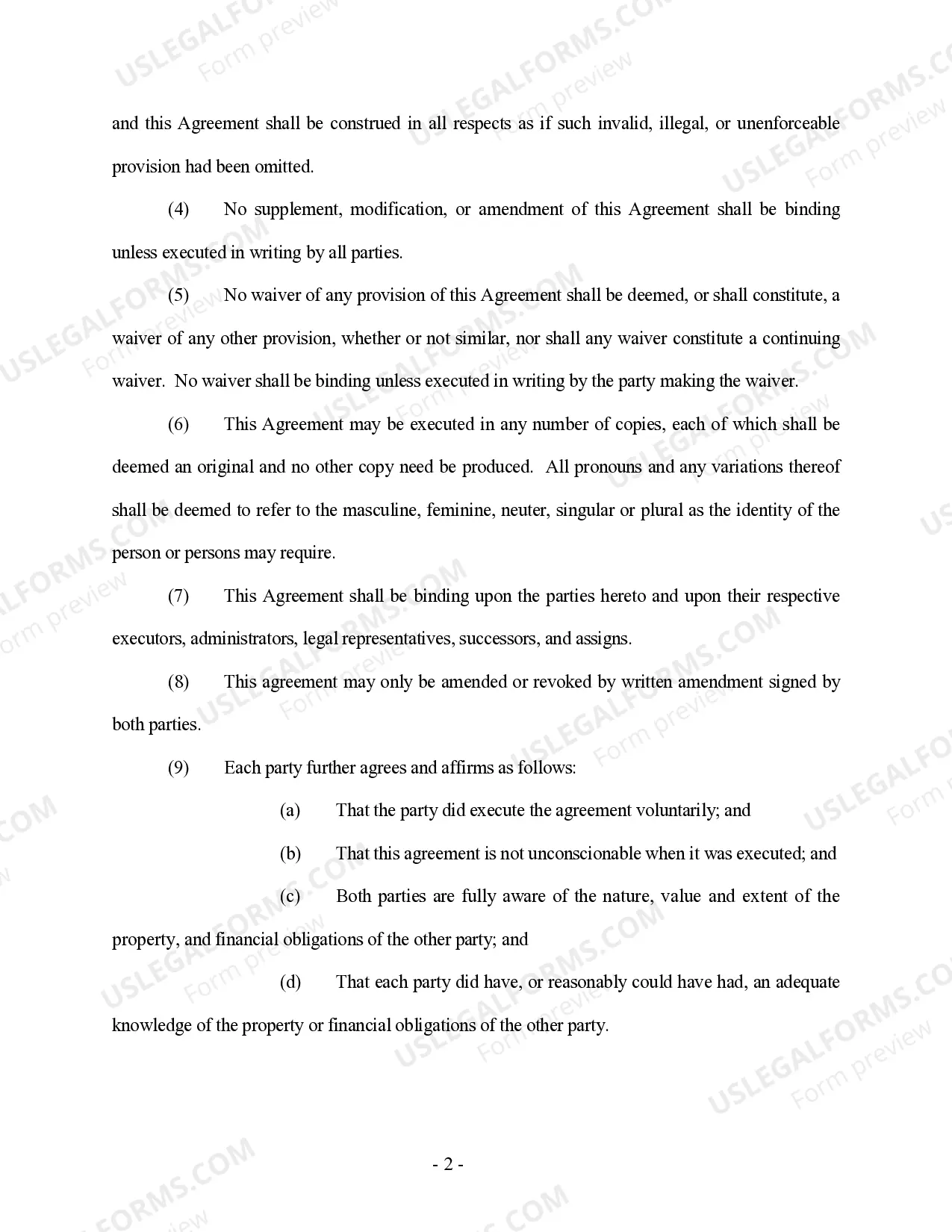
- Provisions related to waivers, modifications, and binding effects.
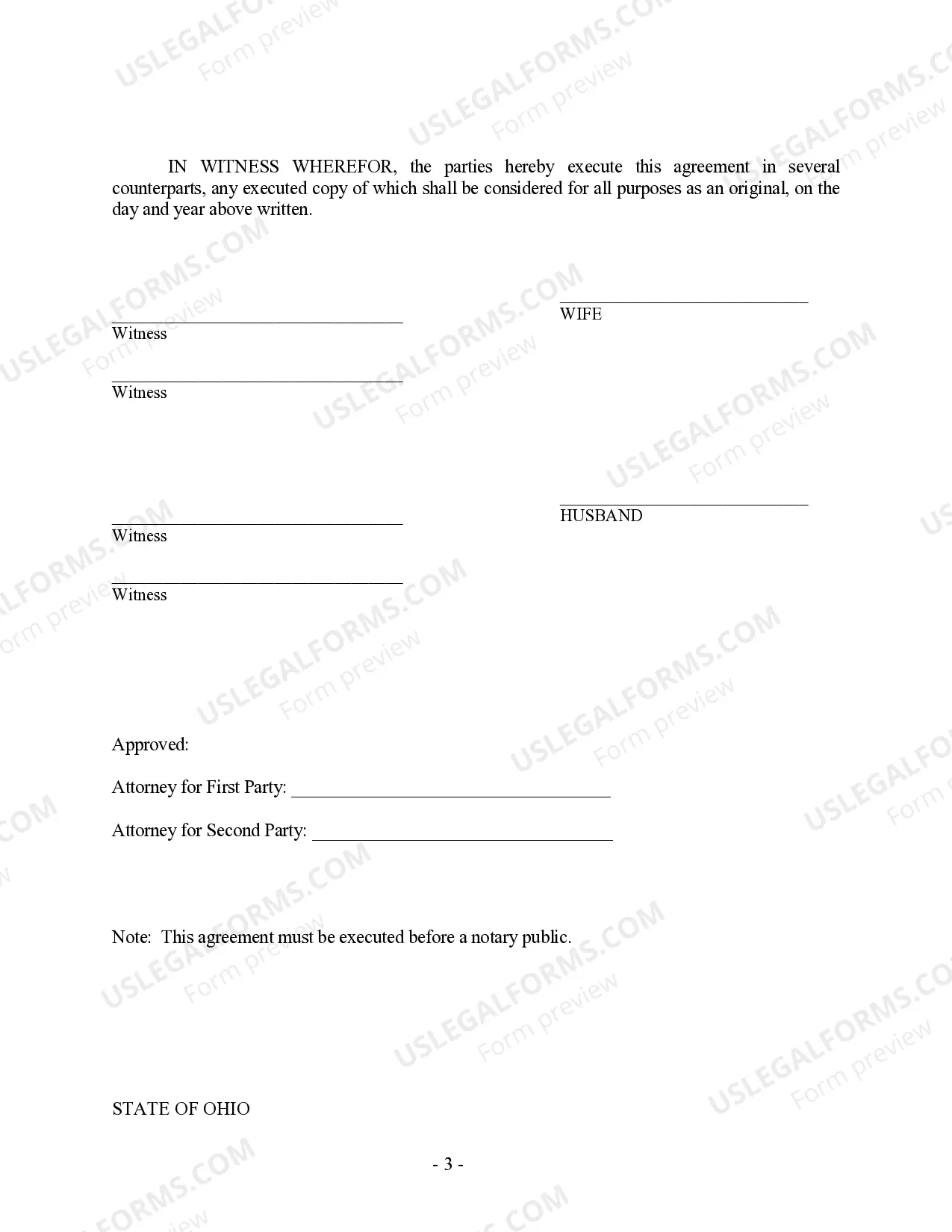
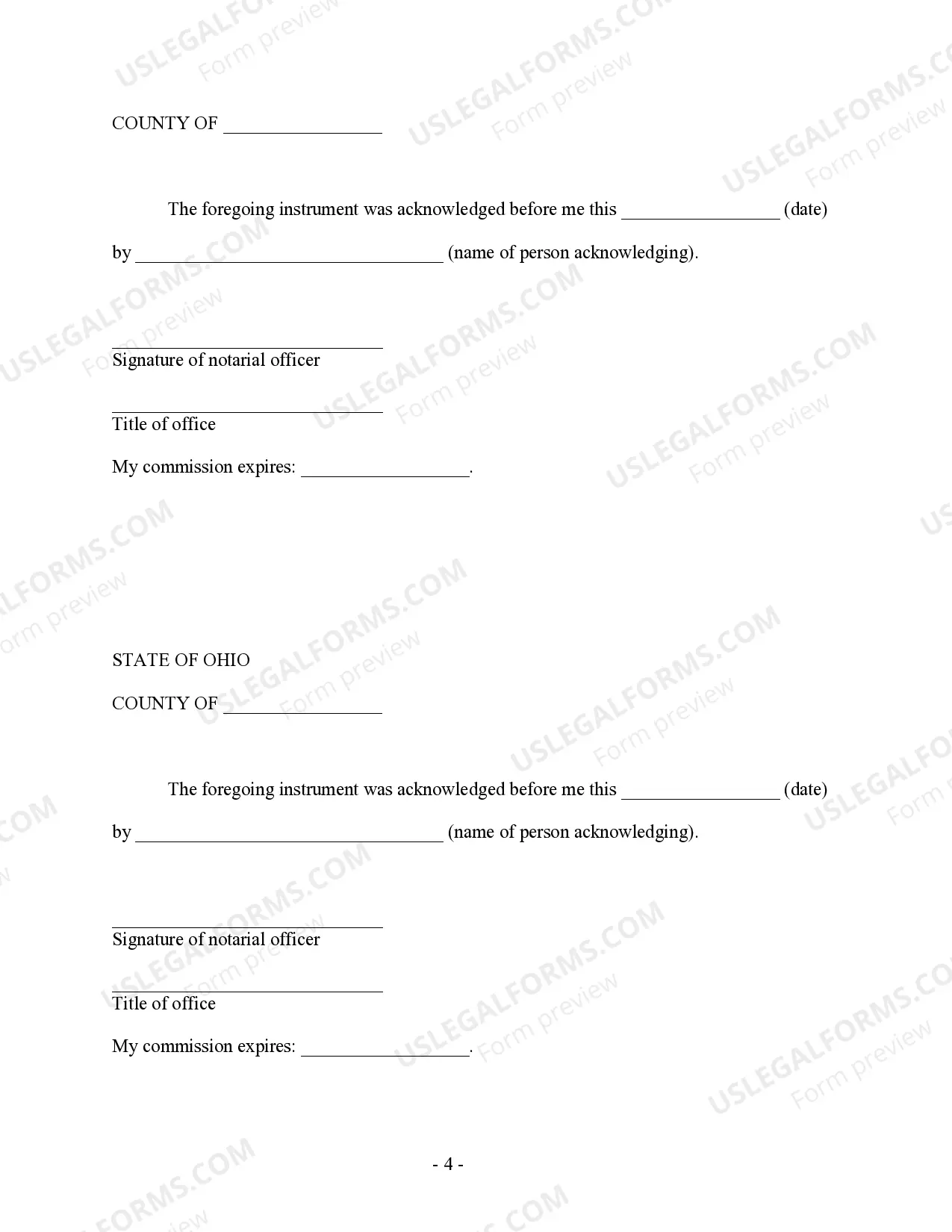
- Signature lines for both parties and witnesses.
When to use this document
This form should be used when either spouse wishes to make modifications to an existing premarital agreement. Common scenarios include changes in financial situations, new property acquisitions, or shifts in the couple's personal circumstances that need to be reflected in the agreement. Utilizing this amendment form ensures that both parties are legally protected and in agreement with the new terms.
Intended users of this form
This form is intended for:
- Couples in Ohio with an existing prenuptial or premarital agreement seeking to make amendments.
- Individuals who have experienced significant life changes affecting their financial or property situations.
- Couples wishing to clarify or add specific conditions to their initial agreement.
How to complete this form
- Identify the parties involved in the agreement and enter their names on the appropriate lines.
- Insert the current date in the designated field where the amendment is being made.
- Clearly state the specific amendments or additions to the original prenuptial agreement in the provided sections.
- Ensure both parties sign the document, acknowledging their agreement to the modifications.
- Have the signatures notarized to finalize the amendment.
Notarization requirements for this form
Notarization is not commonly needed for this form. However, certain documents or local rules may make it necessary. Our notarization service, powered by Notarize, allows you to finalize it securely online anytime, day or night.
Get your form ready online
Our built-in tools help you complete, sign, share, and store your documents in one place.
Make edits, fill in missing information, and update formatting in US Legal Forms—just like you would in MS Word.
Download a copy, print it, send it by email, or mail it via USPS—whatever works best for your next step.
Sign and collect signatures with our SignNow integration. Send to multiple recipients, set reminders, and more. Go Premium to unlock E-Sign.
If this form requires notarization, complete it online through a secure video call—no need to meet a notary in person or wait for an appointment.
We protect your documents and personal data by following strict security and privacy standards.

Make edits, fill in missing information, and update formatting in US Legal Forms—just like you would in MS Word.

Download a copy, print it, send it by email, or mail it via USPS—whatever works best for your next step.

Sign and collect signatures with our SignNow integration. Send to multiple recipients, set reminders, and more. Go Premium to unlock E-Sign.

If this form requires notarization, complete it online through a secure video call—no need to meet a notary in person or wait for an appointment.

We protect your documents and personal data by following strict security and privacy standards.
Typical mistakes to avoid
- Not including all relevant details of the amendments.
- Failing to notarize the form, making it legally unenforceable.
- Not having both parties sign the agreement.
Why use this form online
- Convenient access to a professionally drafted legal document tailored to your specific needs.
- Editable fields that allow you to customize the agreement effortlessly.
- Reliable source, ensuring that your form meets current legal standards and is enforceable in court.
What to keep in mind
- This form allows modifications to existing premarital agreements in Ohio.
- Both parties must sign and notarize the amendment for it to be valid.
- Clearly specify any changes to avoid disputes in the future.
Looking for another form?


Form popularity
FAQ
Find an attorney. consult with the attorney. potentially negotiate the terms of the agreement. make all modifications as needed (some attorneys are pretty busy!) arrange to sign the agreement in front of witnesses and a notary. get back to the business of getting married!
The three most common grounds for nullifying a prenup are unconscionability, failure to disclose, or duress and coercion. Unconscionability may be present if the agreement is patently unfair to one party.
Be in writing. Be signed by both parties of their own free will. They cannot be under duress or be pressured into signing the prenup. Be presented with full disclosure. Be fair and reasonable. Be signed by both parties before a witness and a notary.
As long as you and your spouse agree, your prenuptial agreement can be changed. To create an amendment to a prenup, you can either add to the original contract or sign a separate contract that modifies the terms of the initial agreement.
Prenuptial agreements are not set in stone: Parties may be able to renegotiate the terms, so long as the renegotiation is legal and valid.
Saving and Spending Strategies A prenuptial agreement should address the couple's future financial plans, including investment and retirement strategies. It should also cover how much income is to be paid into joint and/or separate bank accounts, and whether or not their will be any specific spending allowances.
You cannot amend your prenuptial agreement after marriage. What you can do is prepare a post-nuptial agreement to make the necessary amendments. A post-nuptial agreement requires similar disclosure so you again will need to exchange full financial disclosures with your husband.
Prenuptial agreements help couples determine what will happen to the parties' assets in the event of a divorce or a spouse's death. The law states that couples cannot revoke prenuptial agreements unless both parties agree to it.
Putting the Agreement in Writing. Identify the parties and the document. After titling the document something like Premarital Agreement, you want to identify the two parties by full, legal names and state that they are both willingly entering into the agreement. State the intent of marriage.