Nevada Letter from Landlord to Tenant for Failure to use electrical, plumbing, sanitary, heating, ventilating, air conditioning and other facilities in a reasonable manner
Overview of this form
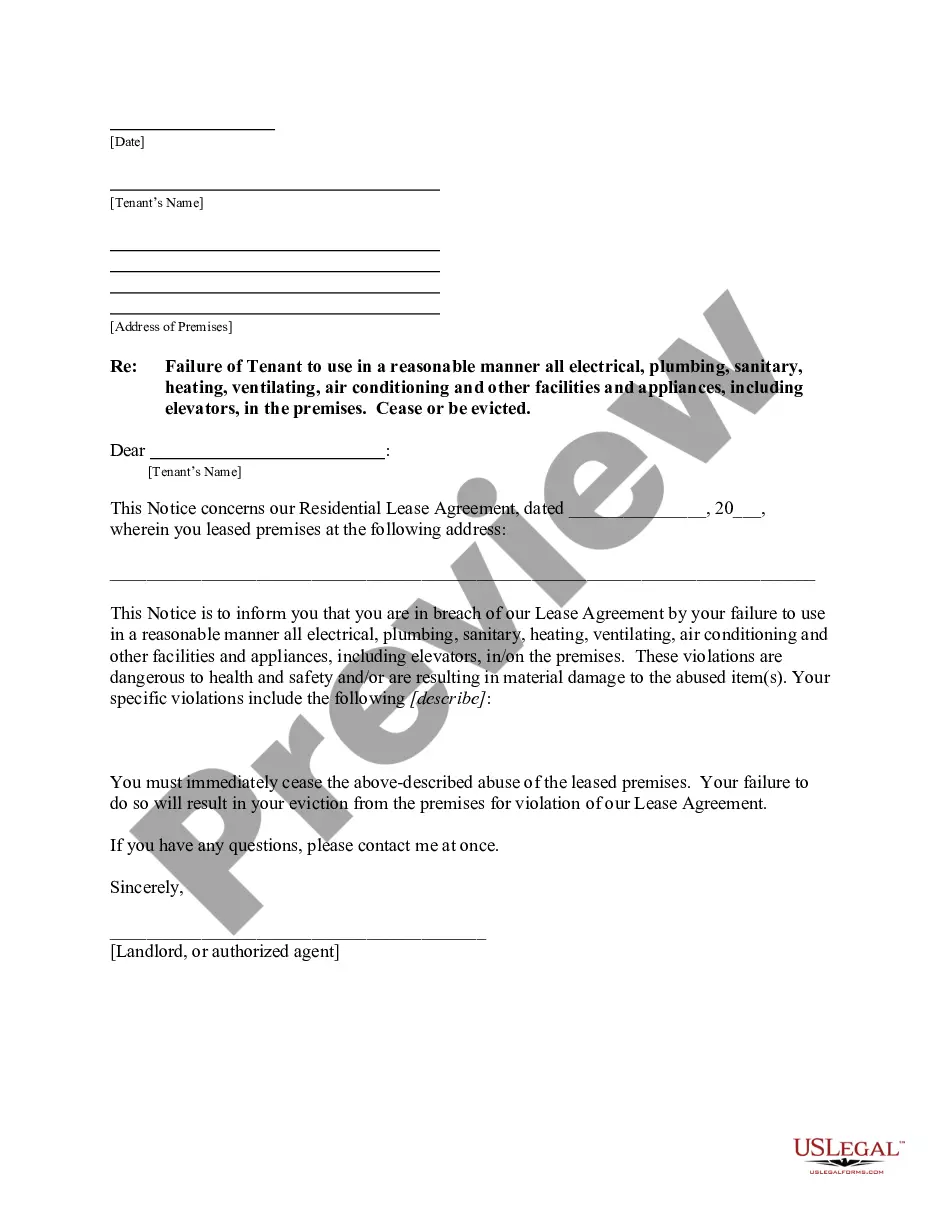
This form serves as a notice from the landlord to the tenant when the tenant fails to use electrical, plumbing, sanitary, heating, ventilating, air conditioning, and other facilities in a reasonable manner. Unlike other notices, this form specifically addresses misuse of utilities and appliances, potentially leading to eviction if the issues are not resolved.
What’s included in this form
- Identification of the landlord and tenant
- Detailed reasons for the notice, highlighting the misuse of facilities
- Consequences of continued misuse, including potential eviction
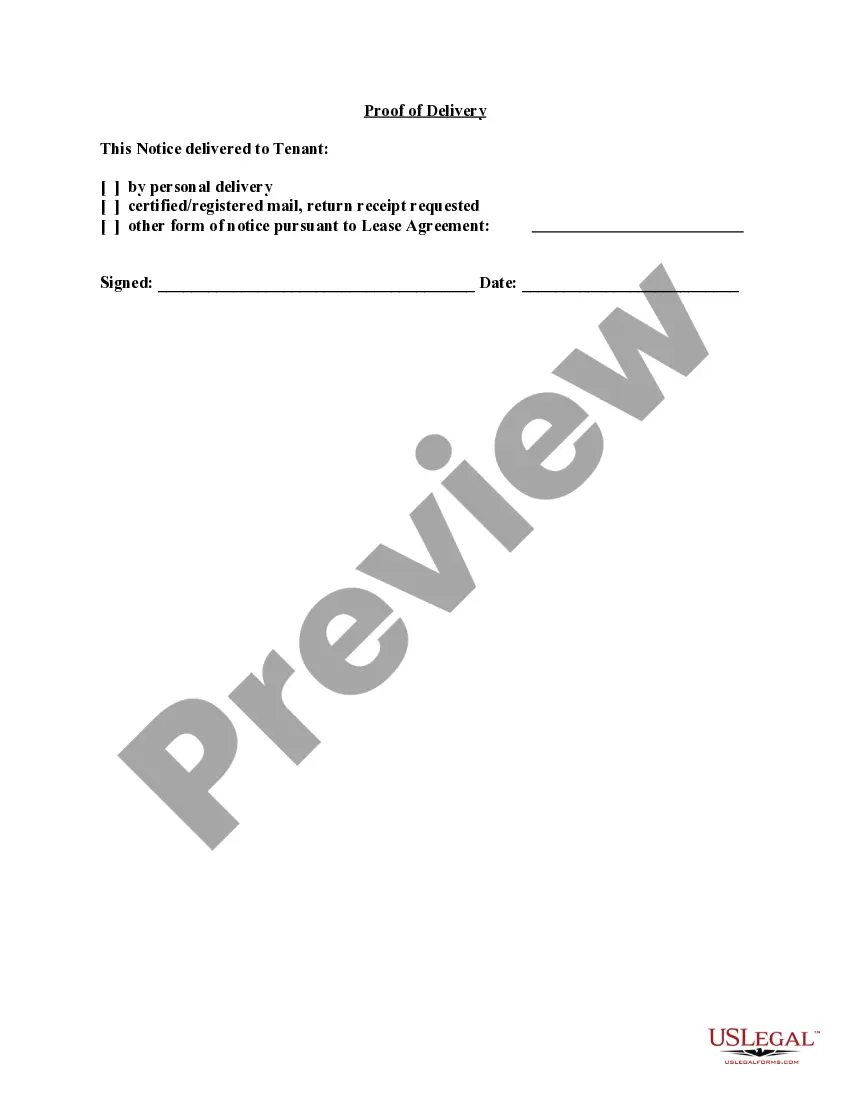
- Proof of delivery options, ensuring tenants receive the notice



When this form is needed
Use this form when a tenant is consistently misusing the provided utilities in a way that violates the lease agreement. This can include failing to maintain proper usage of plumbing, electrical, and HVAC systems, which could impact the safety and comfort of the property. It acts as a formal warning before any eviction proceedings may begin.
Intended users of this form
Use this form if you are:
- A landlord needing to formally notify a tenant about misuse of facilities
- A property manager acting on behalf of the landlord
- Any authorized agent of the landlord responsible for lease enforcement
How to complete this form
- Identify and enter the full names of the landlord and tenant.
- Specify the property address related to the lease agreement.
- List the specific facilities that the tenant is misusing.
- Include the date of this notice and the deadline for compliance.
- Add your signature as the landlord or authorized agent at the bottom of the form.
Notarization guidance
Notarization is not commonly needed for this form. However, certain documents or local rules may make it necessary. Our notarization service, powered by Notarize, allows you to finalize it securely online anytime, day or night.
Get your form ready online
Our built-in tools help you complete, sign, share, and store your documents in one place.
Make edits, fill in missing information, and update formatting in US Legal Forms—just like you would in MS Word.
Download a copy, print it, send it by email, or mail it via USPS—whatever works best for your next step.
Sign and collect signatures with our SignNow integration. Send to multiple recipients, set reminders, and more. Go Premium to unlock E-Sign.
If this form requires notarization, complete it online through a secure video call—no need to meet a notary in person or wait for an appointment.
We protect your documents and personal data by following strict security and privacy standards.

Make edits, fill in missing information, and update formatting in US Legal Forms—just like you would in MS Word.

Download a copy, print it, send it by email, or mail it via USPS—whatever works best for your next step.

Sign and collect signatures with our SignNow integration. Send to multiple recipients, set reminders, and more. Go Premium to unlock E-Sign.

If this form requires notarization, complete it online through a secure video call—no need to meet a notary in person or wait for an appointment.

We protect your documents and personal data by following strict security and privacy standards.
Avoid these common issues
- Failing to provide clear examples of the misuse.
- Not delivering the notice properly, risking lack of acknowledgement.
- Leaving out important deadlines for compliance.
- Not signing the notice before delivery.
Advantages of online completion
- Convenience of immediate access and download.
- Editable template tailored to meet specific needs.
- Ensures compliance with legal standards ready for use.
Legal use & context
- This notice is enforceable in a court of law if properly completed and delivered.
- Each state may have different requirements for tenant notice periods.
- Ensure all lease terms are reviewed in conjunction with issuing this form.
What to keep in mind
- This form is crucial for landlords wanting to address tenant misuse of essential facilities.
- It provides a clear method of communication that may help prevent future misuse.
- Always consider local laws that may affect how this form is used.
- Keep a copy of the completed notice for your records after delivery.
Looking for another form?






Form popularity
FAQ
When you rent, your landlord is responsible for maintaining the functional aspects of your home such as plumbing, electricity, and heating. Landlords must also generally take action when flooding, a clogged pipe, pest infestation, or other problems occur.
Nevada Revised Statutes require a seven-day notice to the tenant, instructing the tenant to either pay the rent or "quit" (leave) the rental property. To evict a tenant for nonpayment of rent, the landlord must "serve" (deliver) a Seven-Day Notice to Pay Rent or Quit to the tenant.
State law regulates several rent-related issues, including late and bounced-check fees, the amount of notice (at least 45 days in Nevada) landlords must give tenants to raise the rent, and how much time (five days in Nevada) a tenant has to pay overdue rent or move before a landlord can file for eviction.
The NSW tenant factsheet states that urgent repairs, including blocked toilets, are the responsibility of the landlord. When urgent repairs are required, the tenant must notify the landlord as soon as possible - preferably in writing.
Nevada Revised Statutes require a seven-day notice to the tenant, instructing the tenant to either pay the rent or "quit" (leave) the rental property. To evict a tenant for nonpayment of rent, the landlord must "serve" (deliver) a Seven-Day Notice to Pay Rent or Quit to the tenant.
If there is a problem, such as a burst pipe resulting from the landlord's failure to maintain the property, the tenant cannot be held responsible. If a tenant has detected a problem and reported it to the landlord, it is the owner's responsibility to fix them.
As stated in the Landlord and Tennant Act 1985, it is the landlord's responsibility to maintain their drainage, pipes and other areas of plumbing. If a drain becomes blocked through tenant misuse however, then the tenant is liable for the cost of repairs.
The answer to this question is yes, air conditioning is considered to be an essential right in the state of Nevada.