Nevada Seller's Disclosure of Financing Terms for Residential Property in connection with Contract or Agreement for Deed a/k/a Land Contract
About this form
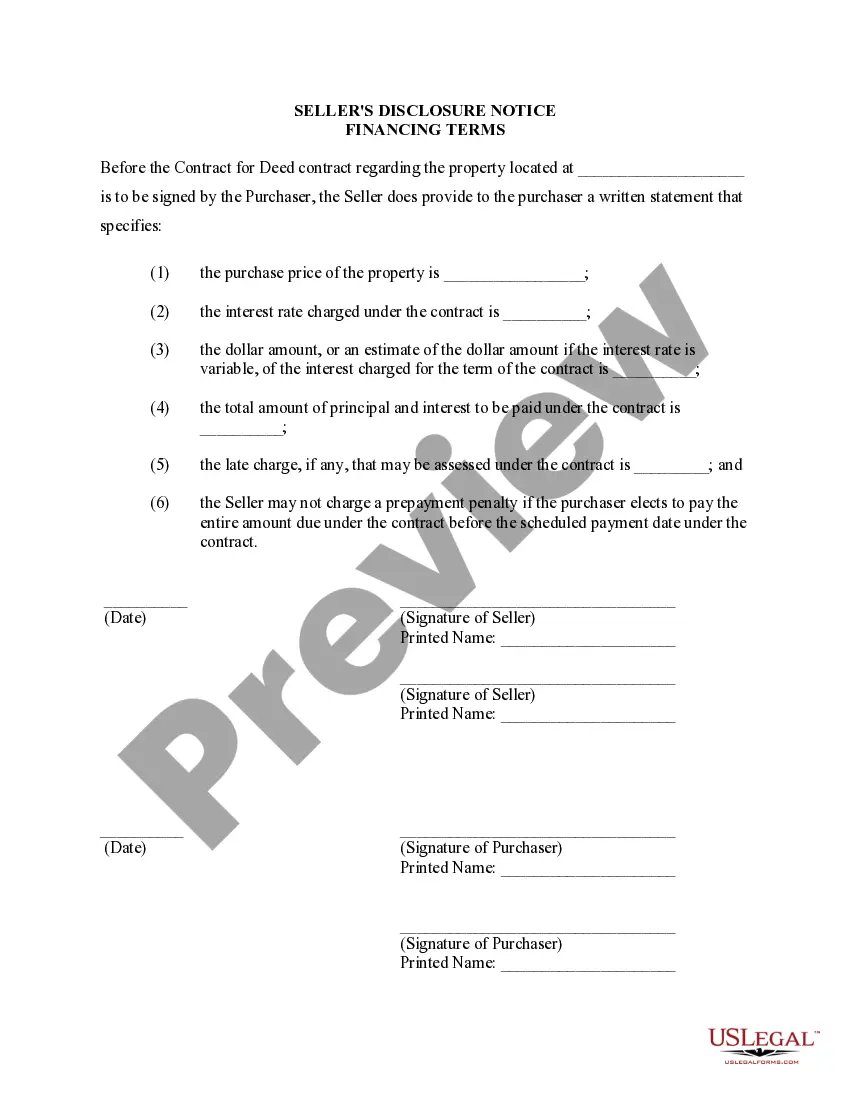
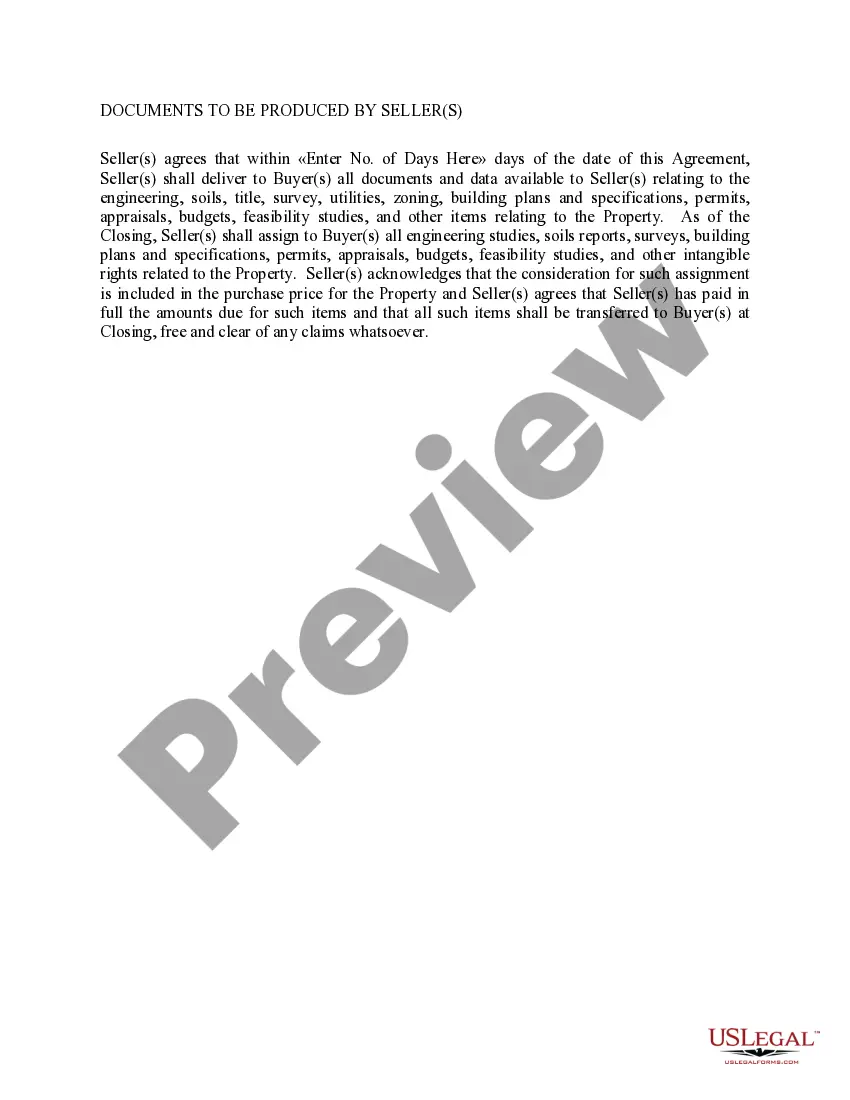
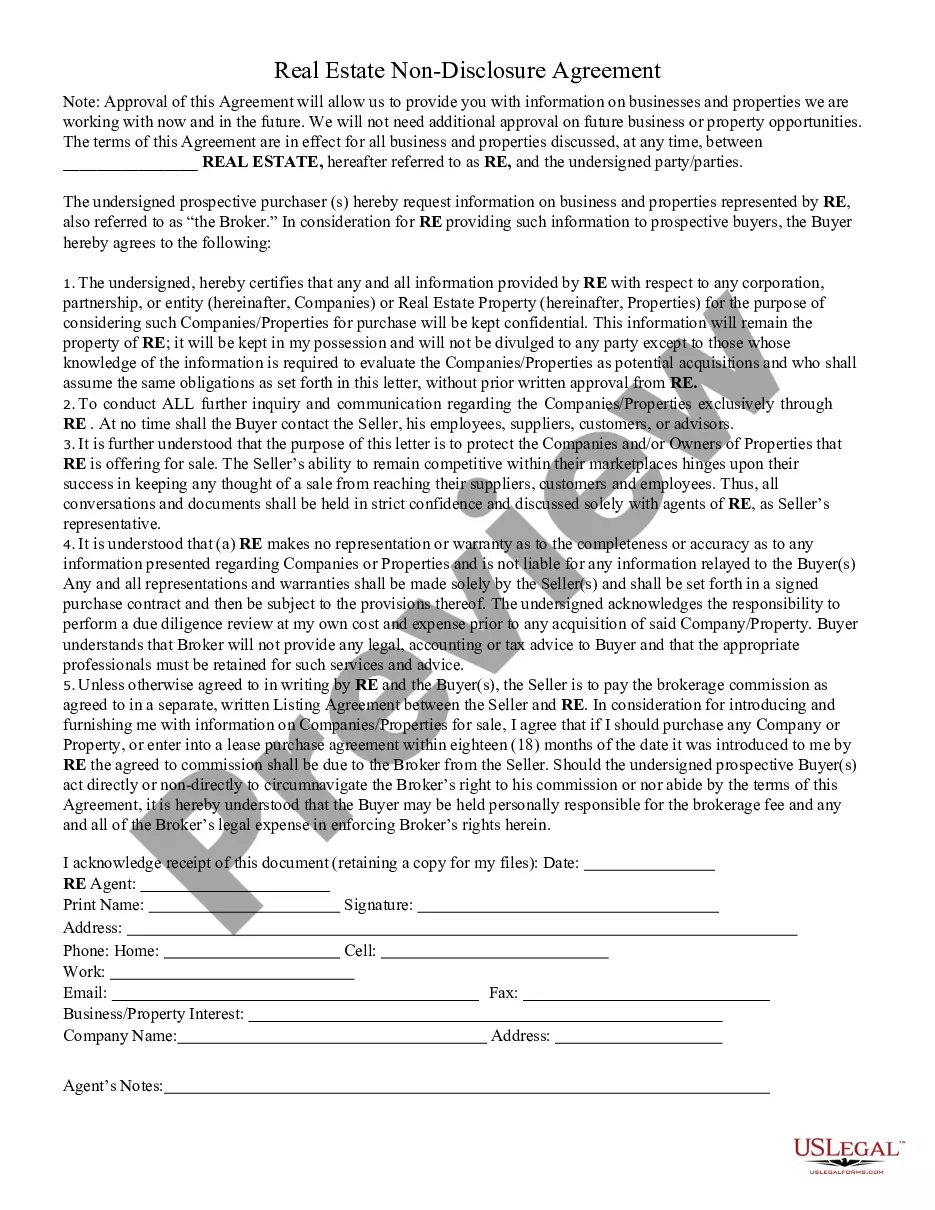
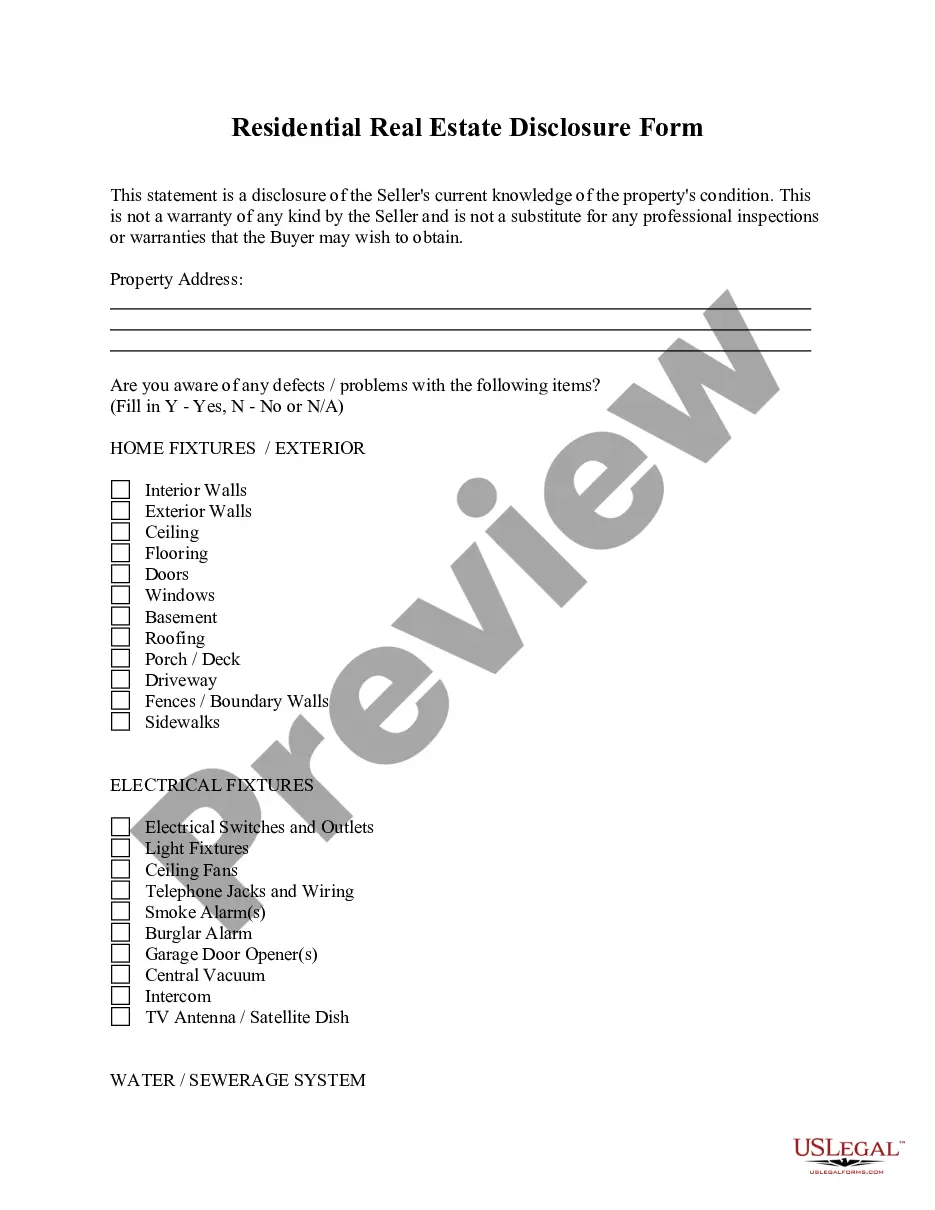
The Seller's Disclosure of Financing Terms for Residential Property provides crucial information regarding the sale of property under a contract for deed (also known as a land contract). This form outlines the purchase price, payment schedule, interest rate, and any late fees that apply, ensuring that the buyer is fully informed of the financing terms prior to signing the contract for deed. This document is vital for transparency and serves as a clear communication tool between the seller and the purchaser, differing from typical purchase agreements that may not detail these specific financing terms.
Form components explained
- Property description: Identifies the specific property being sold.
- Purchase price: Specifies the total amount the buyer is agreeing to pay.
- Payment terms: Details the schedule and amount of payments to be made by the purchaser.
- Interest rate: Indicates the interest charged on the unpaid balance.
- Late charges: Outlines any penalties for late payments.
- Signatures: Requires both parties to sign and date the document to indicate their agreement.
When this form is needed
This form should be used whenever a seller and buyer enter into a contract for deed for residential property. It is particularly relevant when alternative financing is involved, allowing the seller to provide direct financing to the buyer rather than going through traditional mortgage routes. This transparency benefits both parties, ensuring the purchaser understands the obligations before committing to the contract.
Who this form is for
- Sellers of residential property who are offering financing terms directly to buyers.
- Buyers who are considering a purchase through a contract for deed and need a clear understanding of the financing terms.
- Real estate agents and brokers facilitating transactions involving contract for deed agreements.
Completing this form step by step
- Identify the parties involved: Include names and contact information for both the seller and the buyer.
- Specify the property: Provide a precise description of the residential property being sold.
- Fill in the purchase price: Clearly state the total price the buyer will pay for the property.
- Detail payment terms: Outline the payment schedule, including amounts and due dates.
- Indicate interest rate: Specify the interest that will apply on the unpaid balance of the purchase price.
- Include late charges: Describe any penalties that will be imposed for late payments.
Notarization guidance
This form needs to be notarized to ensure legal validity. US Legal Forms provides secure online notarization powered by Notarize, allowing you to complete the process through a verified video call, available anytime.
Get your form ready online
Our built-in tools help you complete, sign, share, and store your documents in one place.
Make edits, fill in missing information, and update formatting in US Legal Forms—just like you would in MS Word.
Download a copy, print it, send it by email, or mail it via USPS—whatever works best for your next step.
Sign and collect signatures with our SignNow integration. Send to multiple recipients, set reminders, and more. Go Premium to unlock E-Sign.
If this form requires notarization, complete it online through a secure video call—no need to meet a notary in person or wait for an appointment.
We protect your documents and personal data by following strict security and privacy standards.

Make edits, fill in missing information, and update formatting in US Legal Forms—just like you would in MS Word.

Download a copy, print it, send it by email, or mail it via USPS—whatever works best for your next step.

Sign and collect signatures with our SignNow integration. Send to multiple recipients, set reminders, and more. Go Premium to unlock E-Sign.

If this form requires notarization, complete it online through a secure video call—no need to meet a notary in person or wait for an appointment.

We protect your documents and personal data by following strict security and privacy standards.
Common mistakes to avoid
- Failing to provide complete and accurate property descriptions.
- Neglecting to specify all payment terms clearly.
- Omitting required signatures or dates, making the form unenforceable.
- Not updating interest rates or late charges according to local regulations.
Benefits of completing this form online
- Convenience: Easily download and complete the form online without needing a lawyer's office visit.
- Editability: Make quick adjustments to the form to suit specific transaction details.
- Reliability: Access a professionally drafted template that meets legal standards.
Looking for another form?


Form popularity
FAQ
California mainly uses two types of deeds: the grant deed and the quitclaim deed. Most other deeds you will see, such as the common interspousal transfer deed, are versions of grant or quitclaim deeds customized for specific circumstances.
By law, you must receive a copy of your Closing Disclosure three business days prior to closing. Contact your lender or closing agent (title company, escrow officer, or attorney) at least a week before closing to find out how you will receive your Closing Disclosure.
What happens once I sign the Closing Disclosure? Once you sign the Closing Disclosure, your mortgage paperwork will be prepared and all involved parties should prepare for the loan to close in 3 business days at the earliest.
To comply with the TILA-RESPA Integrated Disclosures rule, both the buyer and seller must receive Closing Disclosures that provide details of the transaction.If a lender decides to provide the seller's Closing Disclosure, the settlement agent must be aware of this process and ensure accuracy.
The Closing Disclosure is a five-page form that a lender provides to a home buyer at least 3 business days before their loan closes. It outlines the final terms and costs of the mortgage. It's one of the most important pieces of paperwork you'll receive, so check it over carefully.
Just two closing documents among many Lots and lots of them. But these two legally binding and required documents bookend the loan process: The Loan Estimate comes after you submit an application with a lender, and the Closing Disclosure form arrives when you're nearing the get-a-mortgage finish line.
Quitclaim Deed. Deed of Trust. Warranty Deed. Grant Deed. Bargain and Sale Deed. Mortgage Deed.
There are three instances where a change can trigger the issuance of a revised Closing Disclosure and a new three-day waiting period: A change in the annual percentage rate the APR for your loan.Switching your loan product; for example, moving from a fixed to an adjustable-rate mortgage.
When committing to a general warranty deed, the seller is promising there are no liens against the property, and if there were, the seller would compensate the buyer for those claims. Mainly for this reason, general warranty deeds are the most commonly used type of deed in real estate sales.