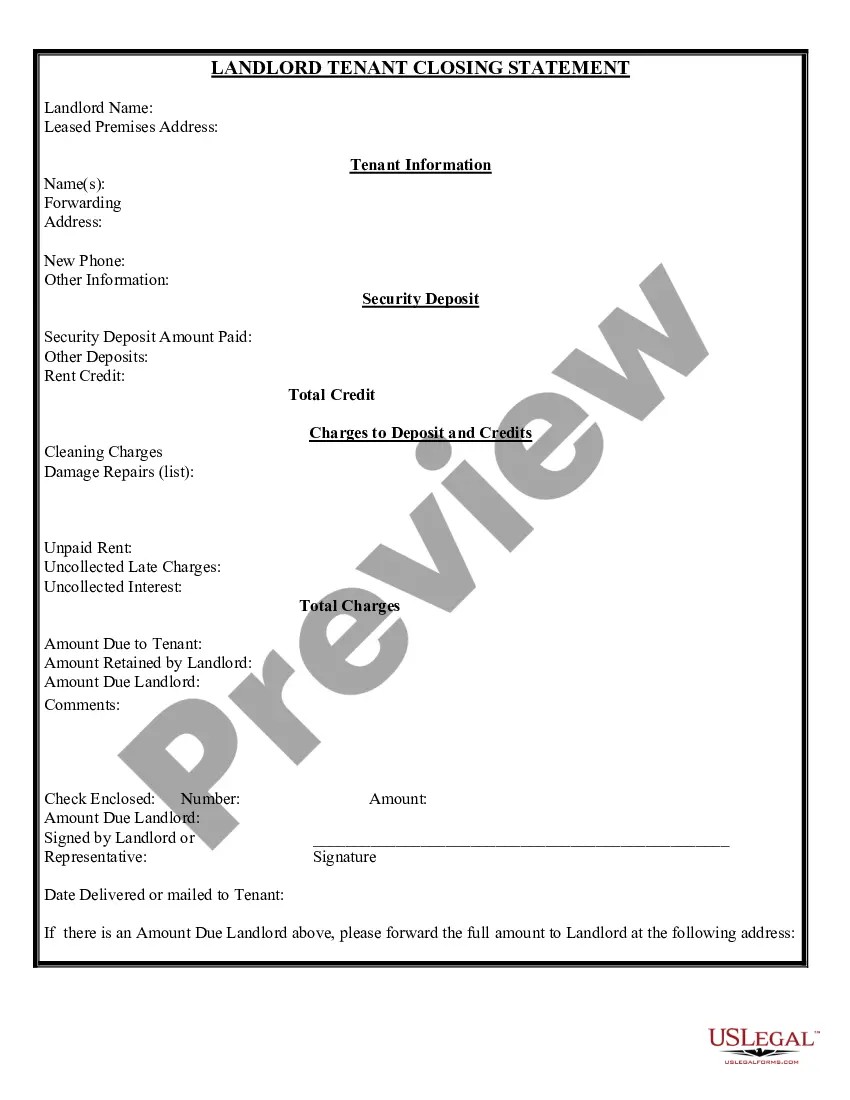
New Jersey Landlord Tenant Closing Statement to Reconcile Security Deposit
Understanding this form
The Landlord Tenant Closing Statement to Reconcile Security Deposit is a legal document that allows landlords to summarize the security deposit transactions with their tenants. This form helps landlords track the deposits made by tenants, any credits applied, and deductions for damages beyond normal wear and tear. It is essential for ensuring clarity and accountability regarding the security deposit, distinguishing it from rent payments, which are separate and non-refundable. This closing statement is vital for both landlords and tenants, offering a documented account of financial dealings related to the security deposit.
Form components explained
- Landlord and tenant identification details
- Record of the security deposit amount collected
- List of credits and deductions made from the deposit
- Total balance due to the landlord or tenant
- Signatures of both parties for agreement on the statement
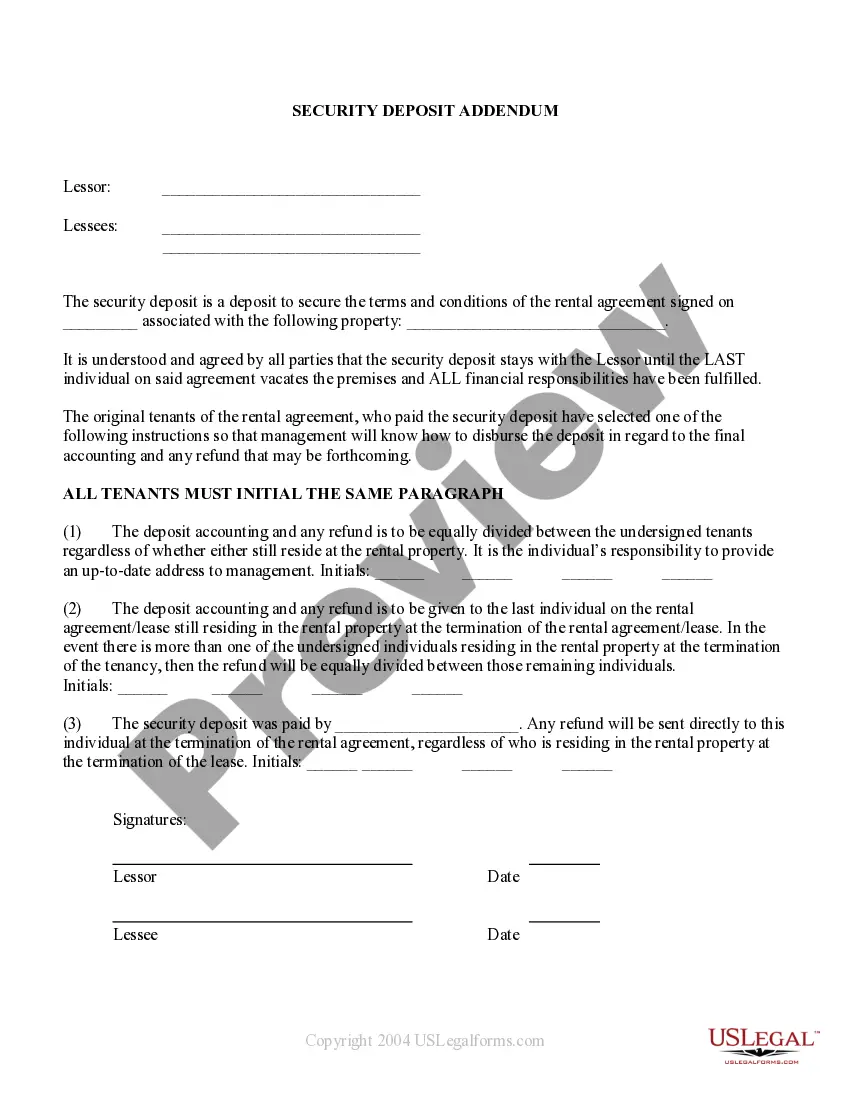
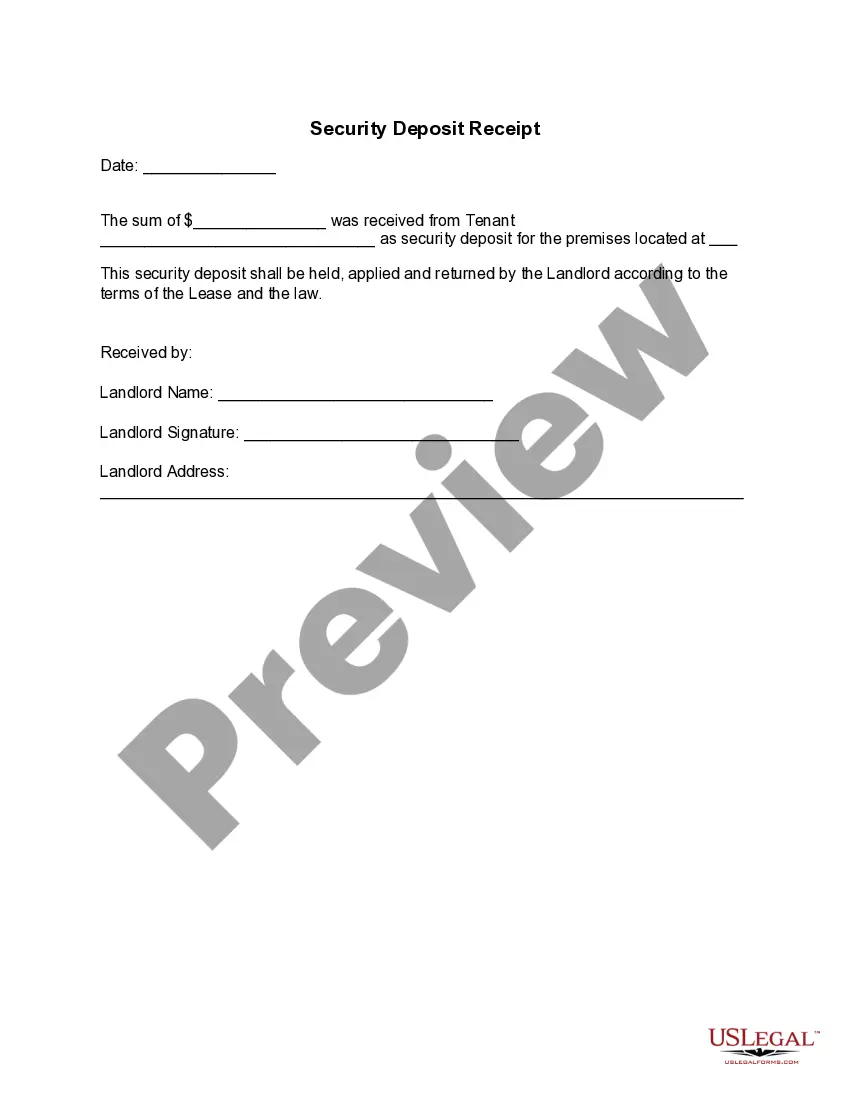
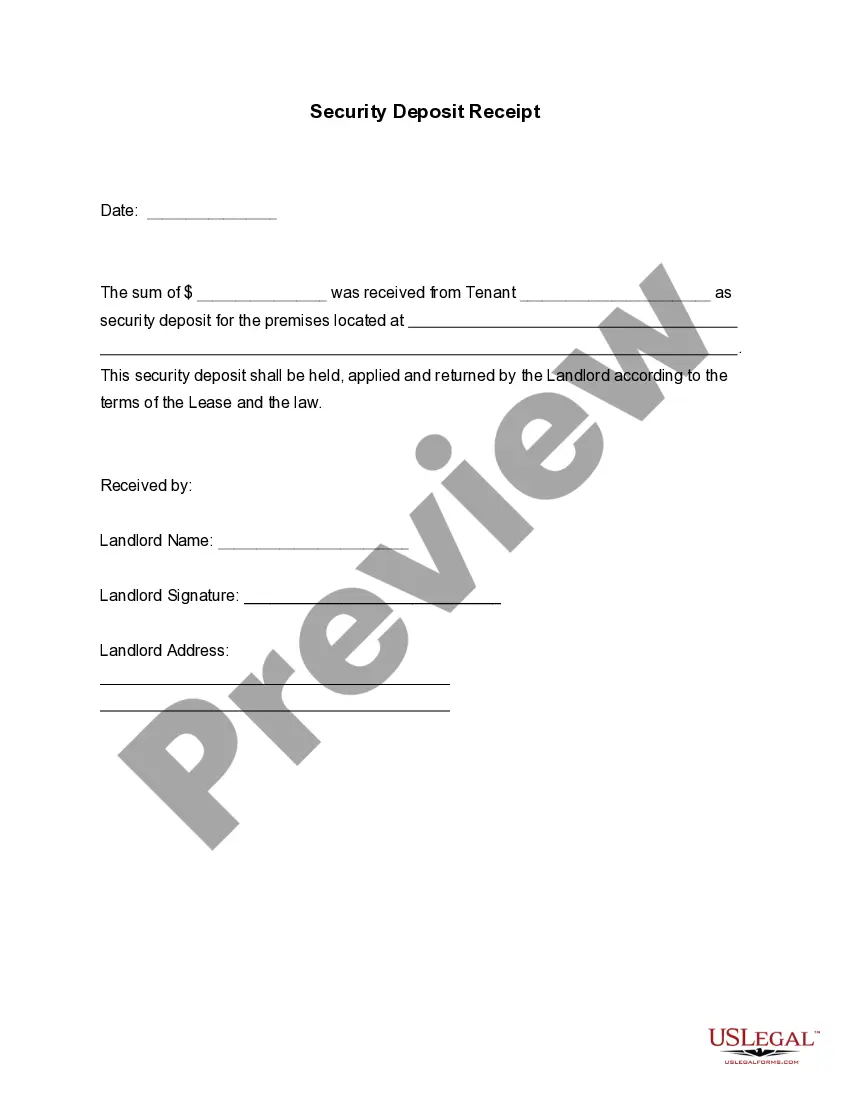
Common use cases
This form should be used when a tenant is vacating a rental property and the landlord is reconciling the security deposit account. It clearly outlines any deductions for repairs or damages, as well as providing a summary of any credits that may apply, ensuring both parties have a mutual understanding of the financial outcomes related to the security deposit.
Intended users of this form
- Landlords looking to formalize the return or retention of a tenant's security deposit
- Tenants who want to understand how their security deposit is being handled
- Real estate professionals managing landlord-tenant transactions
How to prepare this document
- Identify the landlord and tenant by providing their names and contact information.
- Specify the total amount of the security deposit that was collected from the tenant.
- List all deductions made from the security deposit, including reasons for these deductions.
- Calculate and display any credits that the tenant may have, if applicable.
- Ensure both parties sign the closing statement to acknowledge agreement on the details outlined.
Does this form need to be notarized?
This form does not typically require notarization unless specified by local law. However, it is essential to check state requirements to ensure compliance.
Get your form ready online
Our built-in tools help you complete, sign, share, and store your documents in one place.
Make edits, fill in missing information, and update formatting in US Legal Forms—just like you would in MS Word.
Download a copy, print it, send it by email, or mail it via USPS—whatever works best for your next step.
Sign and collect signatures with our SignNow integration. Send to multiple recipients, set reminders, and more. Go Premium to unlock E-Sign.
If this form requires notarization, complete it online through a secure video call—no need to meet a notary in person or wait for an appointment.
We protect your documents and personal data by following strict security and privacy standards.

Make edits, fill in missing information, and update formatting in US Legal Forms—just like you would in MS Word.

Download a copy, print it, send it by email, or mail it via USPS—whatever works best for your next step.

Sign and collect signatures with our SignNow integration. Send to multiple recipients, set reminders, and more. Go Premium to unlock E-Sign.

If this form requires notarization, complete it online through a secure video call—no need to meet a notary in person or wait for an appointment.

We protect your documents and personal data by following strict security and privacy standards.
Avoid these common issues
- Failing to provide accurate names or contact details of both parties.
- Not itemizing deductions clearly, which can lead to disputes.
- Missing important signatures on the closing statement.
- Not keeping a copy of the finalized document for records.
Why use this form online
- Convenience of downloading and completing the form at any time from anywhere.
- Editable templates that allow for customization to suit specific situations.
- Assurance of reliability with forms drafted by licensed attorneys.
Legal use & context
- This closing statement serves as a formal record of the financial interactions surrounding the security deposit between landlords and tenants.
- Ensuring both parties have agreed upon the deductions and credits helps prevent future legal disputes.
- This form is a crucial element of tenant rights and landlord responsibilities under state housing laws.
Quick recap
- The Landlord Tenant Closing Statement is essential for reconciling the security deposit.
- Clear itemization of deposits, deductions, and credits helps prevent disputes.
- Understanding state-specific requirements is crucial for compliance.
Looking for another form?
Form popularity
FAQ
Security deposits are assets or liabilities, so you cannot deduct them as expenses as a tenant and you need not declare them as income on income tax returns as a landlord until you use them.
Security Deposit Received: $1,000. Interest on Deposit (if required by lease or law): $N/A. TOTAL CREDIT (sum of lines 1 and 2): $1,000. Itemized Repairs and Related Losses: Necessary Cleaning: Total Cleaning & Repair (sum of lines 4 and 5) $400. Amount Owed (line 3 minus the sum of line 6)
Request deposit back You will need to request your deposit back in writing and give your landlord 10 days to respond to the request. An editable PDF letter for you to complete and send to your landlord or letting agent at the end of the tenancy in order to formally request the return of your deposit.
The cost of fixing any damages to the property caused by the tenant or the tenant's guests. The cost of cleaning the unit when the tenant moves out, but only to make the unit as clean as it was when the tenant first moved in (less reasonable wear and tear).
Tenant's name and new address, or address he gave for return of the security deposit. Commencement date of the lease and date it ended. Amount of the security deposit when the tenant moved in. Amount of interest accrued.
Dear Name: I am writing to provide notice of my request that you refund the security deposit paid in the amount of $1500.00 for the rental of Address, City, State Zip Code. I vacated the residence on 00/00/00 without any damages beyond oridnary wear and tear.
Security deposits are assets or liabilities, so you cannot deduct them as expenses as a tenant and you need not declare them as income on income tax returns as a landlord until you use them.
Security Deposit Deductions in New Jersey A landlord may be able to keep all or a part of a tenant's security deposit for the following reasons: Unpaid rent. Damage to the property more than normal wear and tear.
Mail your landlord a letter requesting that she return your deposit. Be polite and simply inform the landlord that you have vacated the property and would appreciate the return of your deposit once she has had a chance to complete any checks and paperwork.