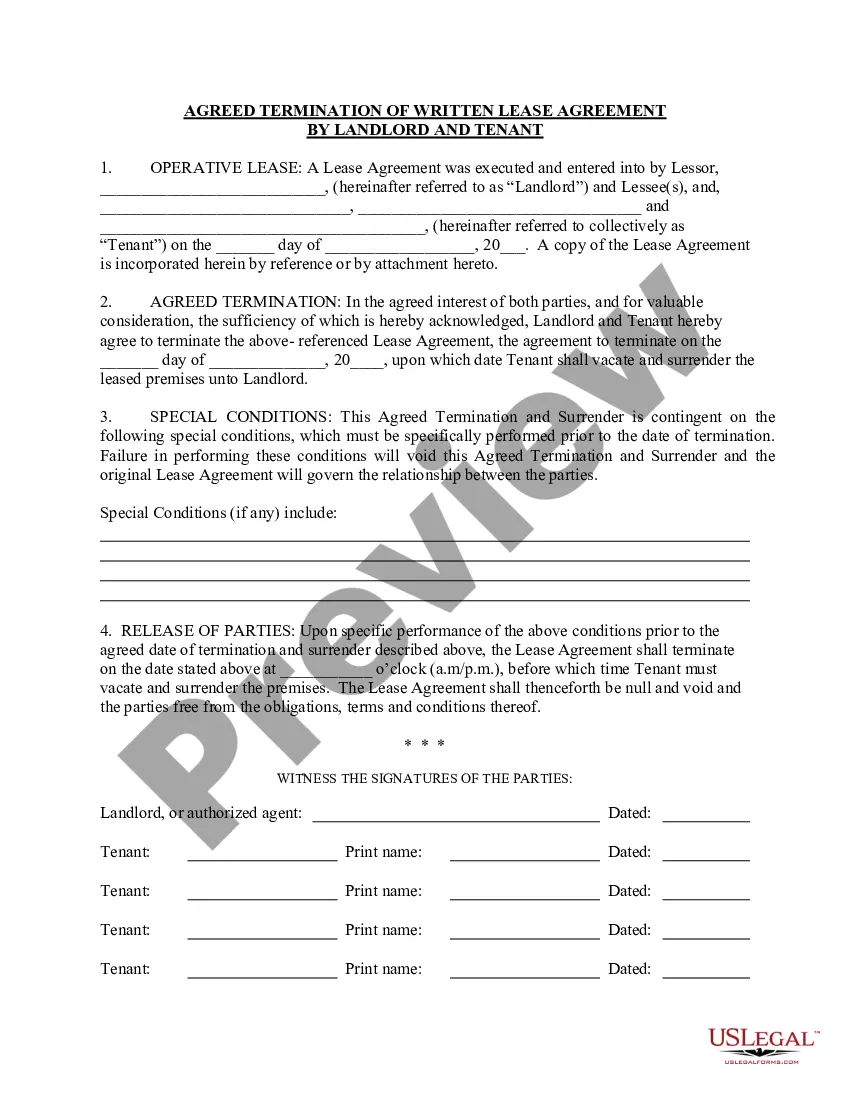
New Jersey Letter from Landlord to Tenant that Sublease granted - Rent Paid by Subtenant, Old Tenant Released from Liability for Rent
About this form
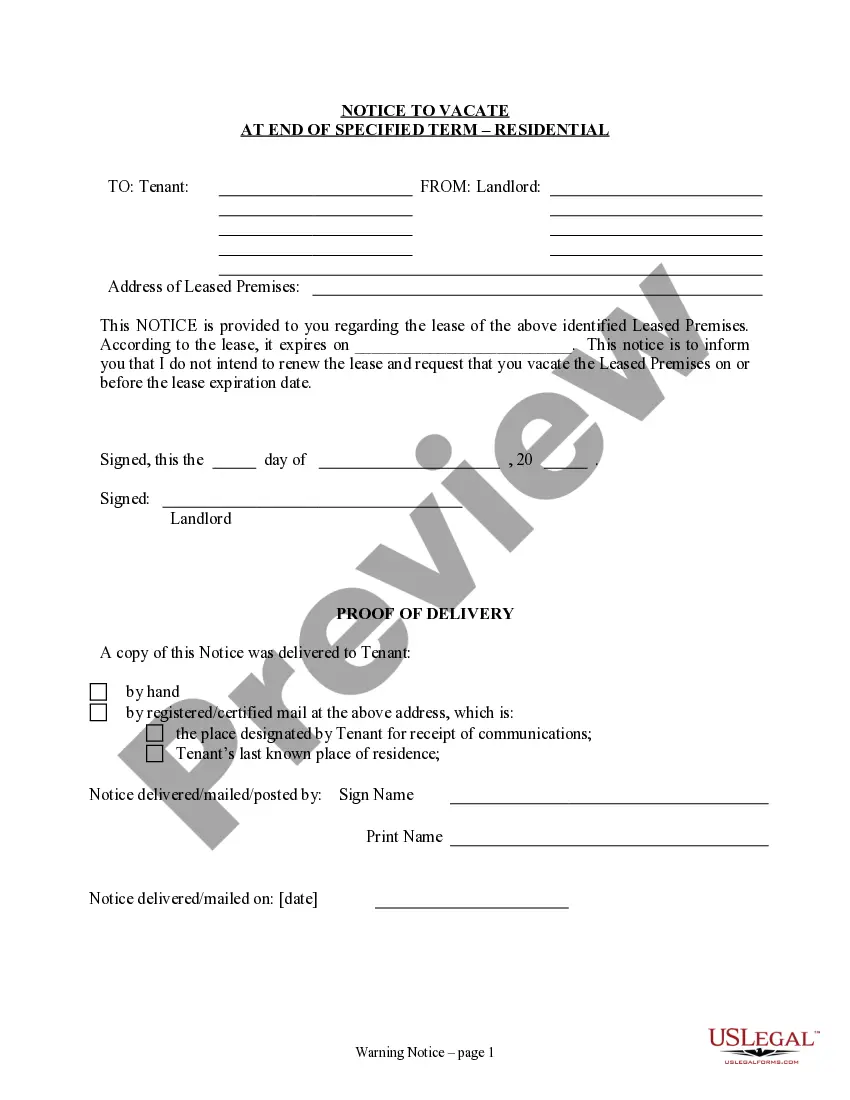
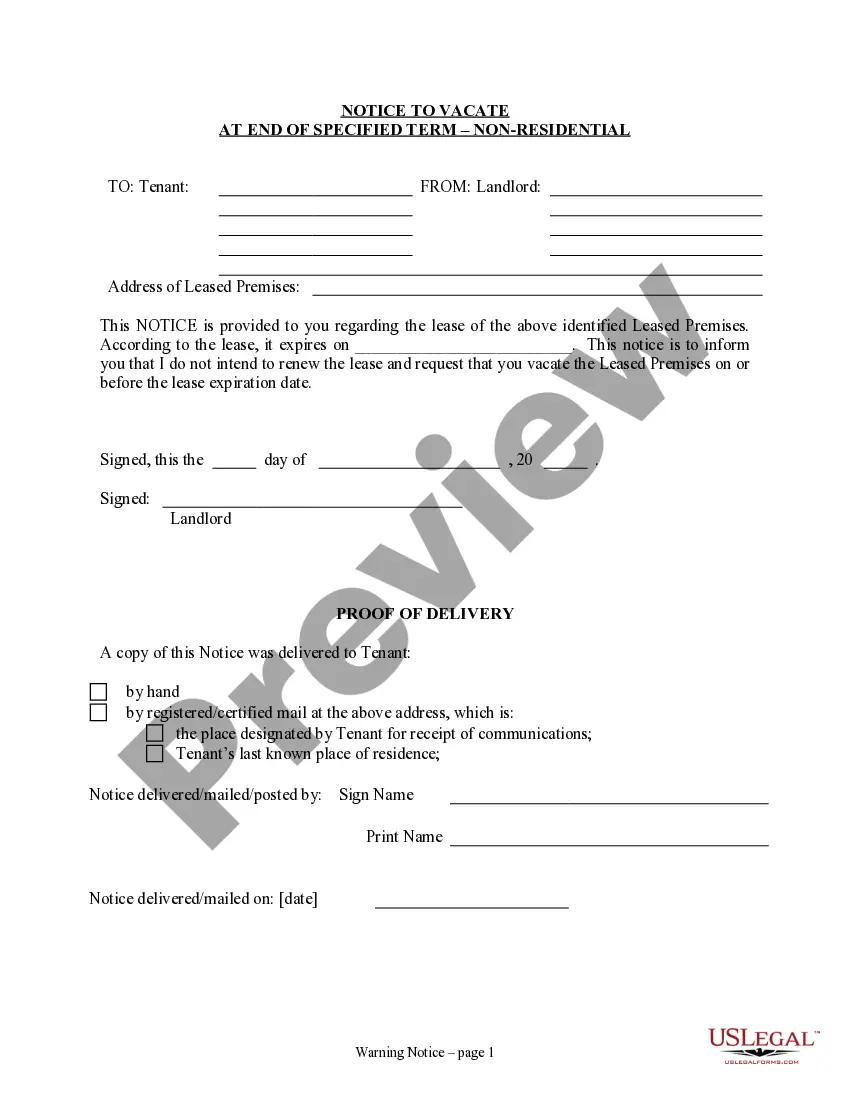
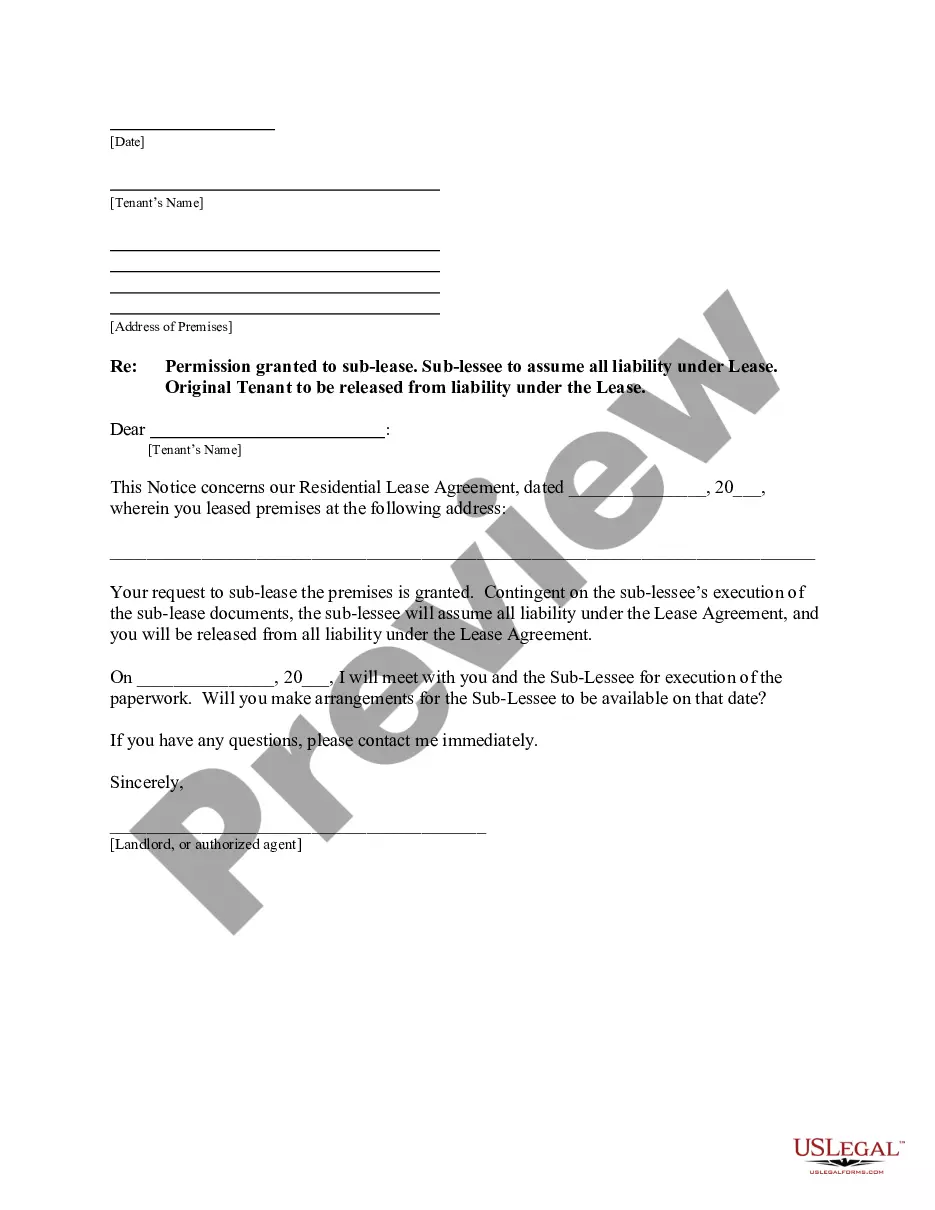
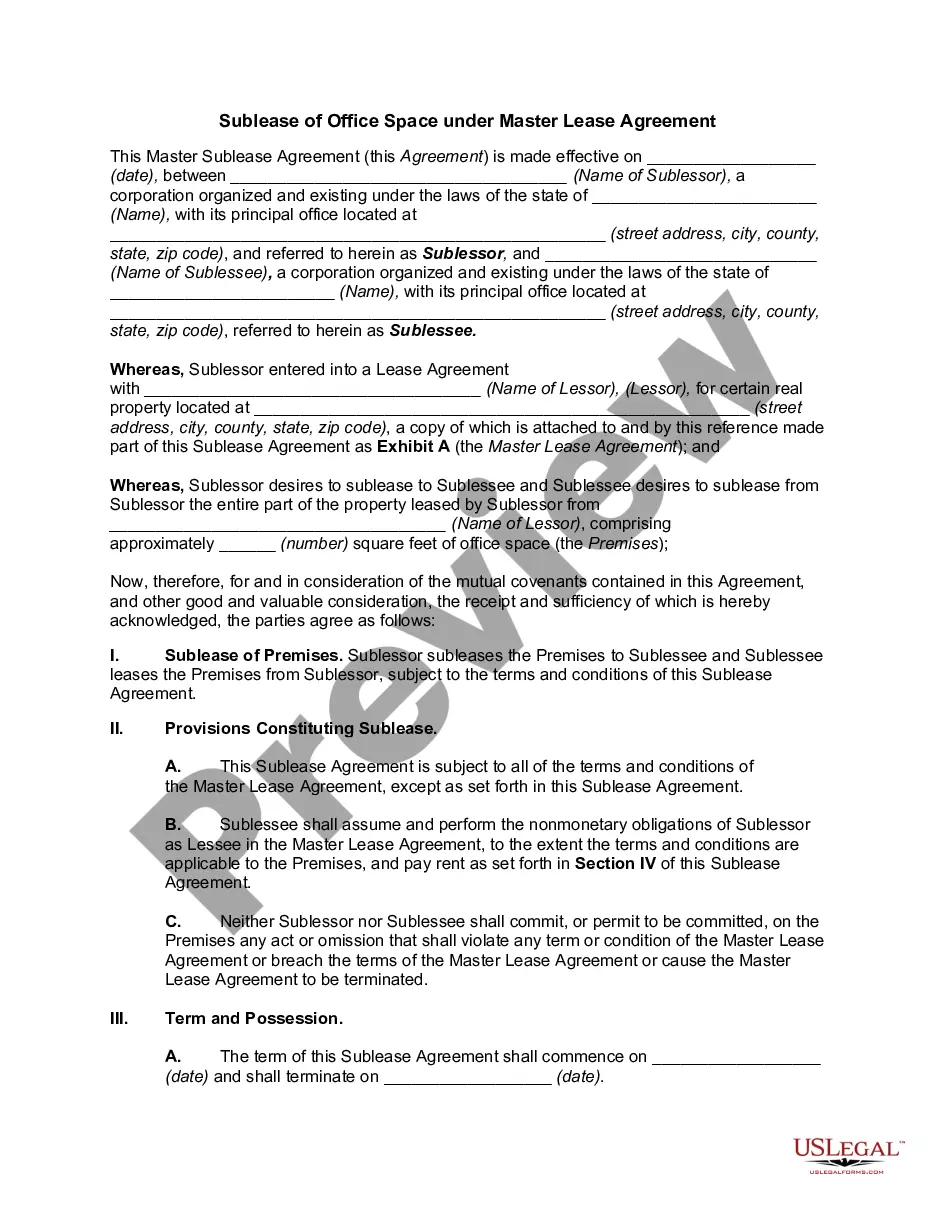
This Letter from Landlord to Tenant that Sublease has been granted is a legal document confirming that a sublease arrangement has been approved. The subtenant will pay the rent, and the original tenant will be released from financial liability under the lease agreement. This ensures clarity in the landlord-tenant relationship and protects the interests of all parties involved. It is essential for formalizing subletting arrangements while providing legal protection for the landlord and tenant.
Main sections of this form
- Granting of sublease: Confirms the approval of the sublease request.
- Liability release: Indicates that the original tenant is released from rent obligations.
- Sub-lessee acknowledgment: Outlines that the sub-lessee will assume responsibilities as per the lease agreement.
- Meeting arrangement: Specifies a date for paperwork execution between the landlord, tenant, and sub-lessee.
- Proof of delivery: Confirms how the notice is delivered to the tenant.


Common use cases
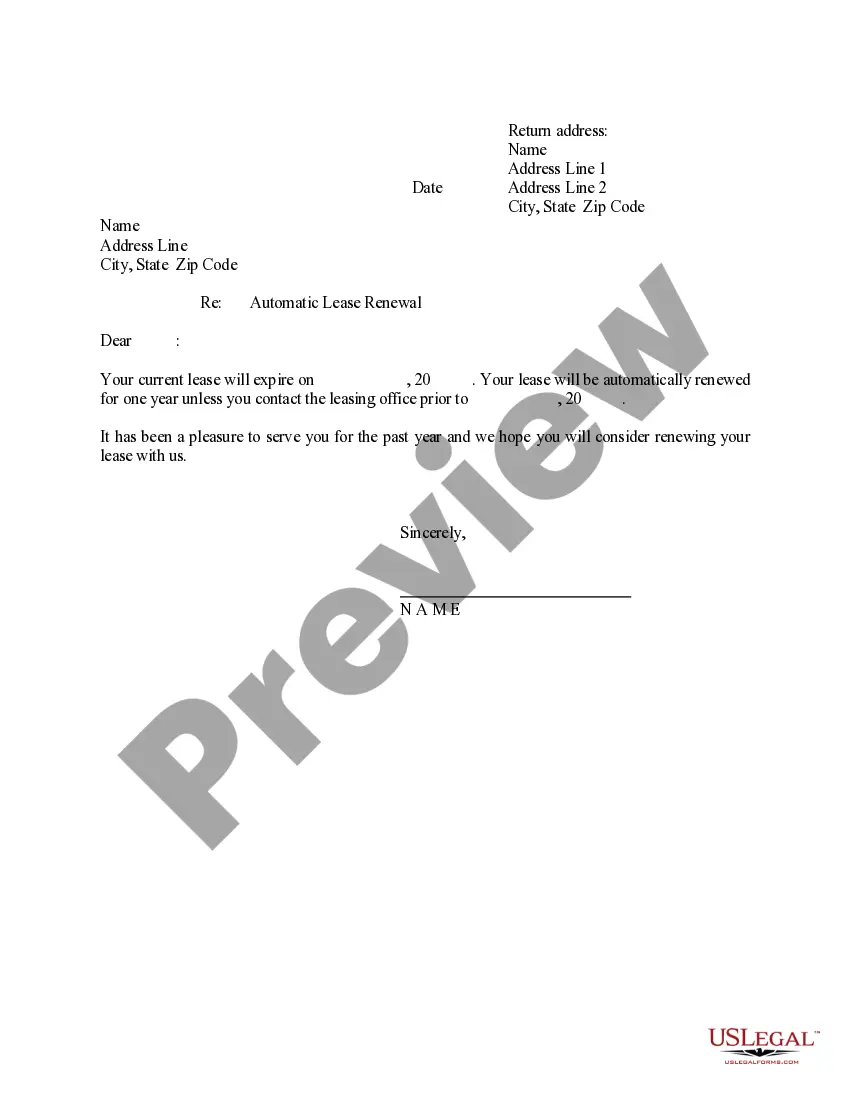
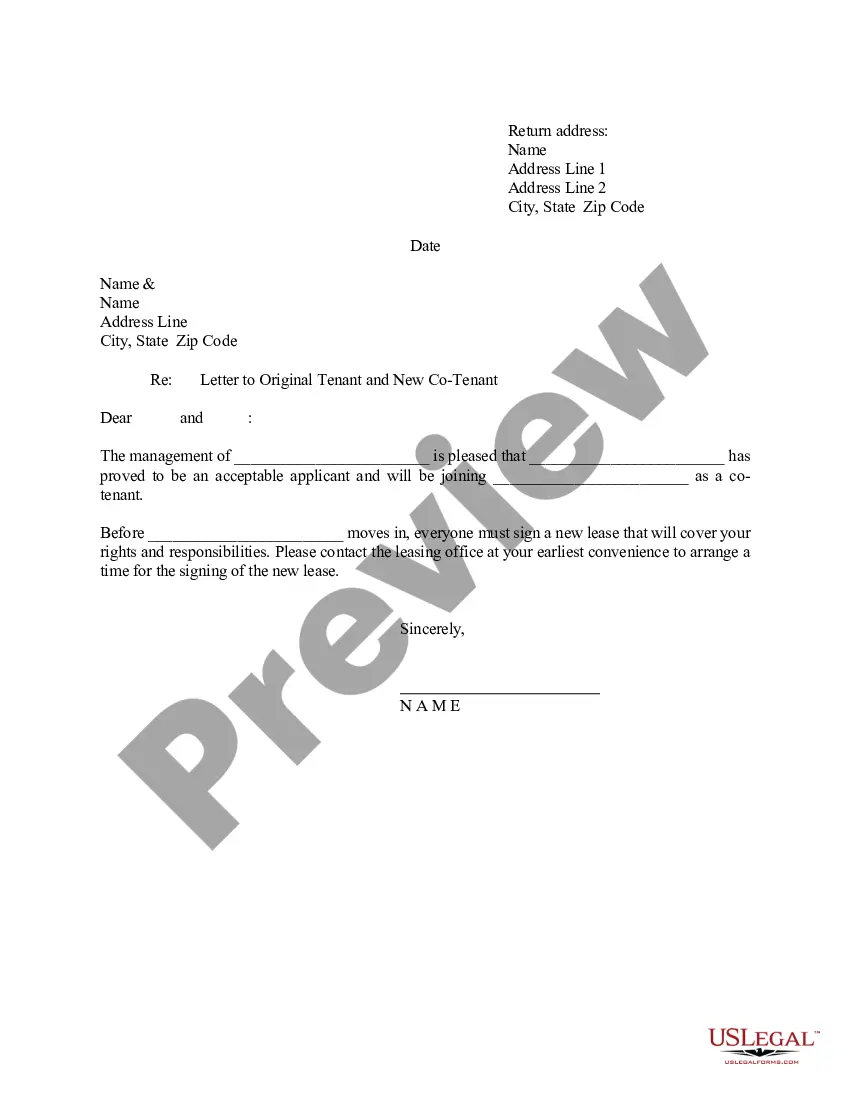
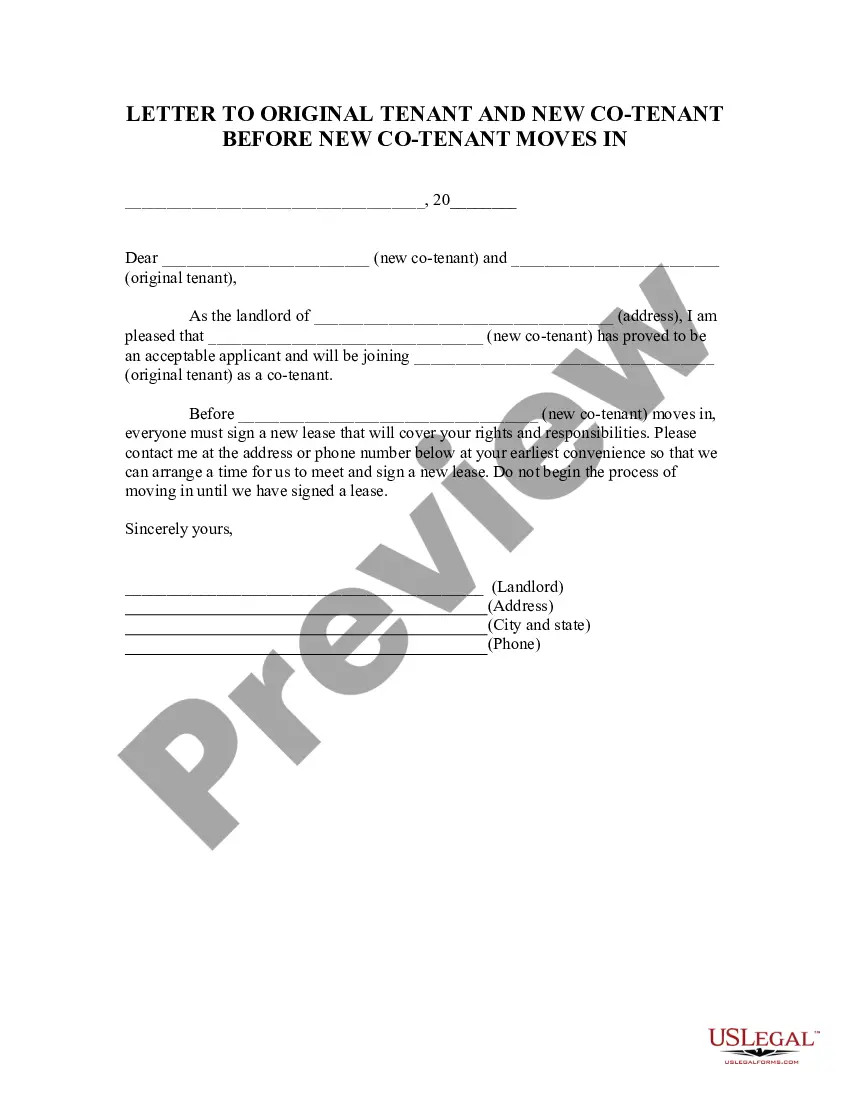
This form is necessary when a tenant wants to sublease their rental property and seeks official approval from the landlord. It is particularly important when the original tenant wants to ensure that they are no longer responsible for rent payments and other obligations related to the lease. For example, it may be used when a tenant is relocating temporarily and needs someone to cover rent during their absence or when the tenant can no longer fulfill their lease obligations and wants to find a subtenant.
Intended users of this form
- Landlords looking to formalize a subleasing agreement.
- Tenants seeking to sublease their rental property.
- Subtenants who need assurance regarding lease obligations and payments.
Instructions for completing this form
- Identify the parties: Clearly state the names of the landlord, original tenant, and sub-lessee.
- Specify the property: Include the address of the premises being subleased.
- Enter dates: Fill in relevant dates, including the date of the sublease and the meeting time.
- Include signatures: Ensure all parties sign to validate the agreement.
- Proof of delivery: Indicate how the notice is delivered to the tenant.
Notarization requirements for this form
This form does not typically require notarization unless specified by local law. However, having a witness can enhance its legal standing.
Get your form ready online
Our built-in tools help you complete, sign, share, and store your documents in one place.
Make edits, fill in missing information, and update formatting in US Legal Forms—just like you would in MS Word.
Download a copy, print it, send it by email, or mail it via USPS—whatever works best for your next step.
Sign and collect signatures with our SignNow integration. Send to multiple recipients, set reminders, and more. Go Premium to unlock E-Sign.
If this form requires notarization, complete it online through a secure video call—no need to meet a notary in person or wait for an appointment.
We protect your documents and personal data by following strict security and privacy standards.

Make edits, fill in missing information, and update formatting in US Legal Forms—just like you would in MS Word.

Download a copy, print it, send it by email, or mail it via USPS—whatever works best for your next step.

Sign and collect signatures with our SignNow integration. Send to multiple recipients, set reminders, and more. Go Premium to unlock E-Sign.

If this form requires notarization, complete it online through a secure video call—no need to meet a notary in person or wait for an appointment.

We protect your documents and personal data by following strict security and privacy standards.
Avoid these common issues
- Failing to include all necessary parties' signatures.
- Omitting important dates or details about the property.
- Not confirming local regulations on subleasing requirements.
Benefits of using this form online
- Convenience: Access and download the form anytime, from anywhere.
- Editability: Easily customize the form to meet specific needs.
- Reliability: Legal forms are prepared by licensed attorneys, ensuring accuracy.
Legal use & context
- Properly documenting the sub-lease protects all parties involved.
- The letter serves as evidence of the landlord's consent and the terms agreed upon.
- Failure to use this letter may result in disputes over responsibilities in the future.
Summary of main points
- This letter formalizes the agreement for subleasing and releases the original tenant from financial obligation.
- It is essential for maintaining clear communication between all parties.
- Using this form helps prevent misunderstandings and potential legal issues down the road.
Looking for another form?
Form popularity
FAQ
A Temporary Certificate of Occupancy (TCO) may be issued if the work is substantially complete, there are no outstanding health or safety issues and the building or space can be occupied safely. A TCO is issued for a defined period of time during which any remaining items are to be completed.
An assignment is the complete transfer of one party's interest in an agreement to a third party. In this case, the original tenant is giving all of his or her interest to a new tenant.
A Certificate of Occupancy is the document which is given at the completion of the project. The Certificate of Occupancy, issued by the Construction Official, permits occupancy of a building or structure.
Unlike the Landlord Registration Statement, a Certificate of Occupancy is not a requirement for evicting a tenant in New Jersey.In towns where certificates of occupancy are required, a dwelling rented without a certificate of occupancy constitutes an illegal contract.
Once the certificate of occupancy is written and issued, it is good for 90 days.
The Subtenant or Sublessee is the person who is entering into a lease for some or all of the Landlord's property from the Sublandlord (the original tenant).The Master/Original lease is the lease that the Sublandlord (the original tenant) entered into with the Landlord.
However, it's important to know that even without a lease your landlord is still required to give you a 30-day notice for ending your lease or for increasing your rent. If you refuse to pay the increase in your rent, the landlord has the right to legally begin the eviction process.
Oftentimes, sub-tenants have the right to be presented with an eviction notice in advance of having to move out and, in some jurisdictions, may be able to bring a lawsuit against the landlord.
A tenant has signed a lease or rental agreement with a landlord. A subtenant, on the other hand, is someone who subleases or rents all or part of the rental property from a tenant, and does not sign a lease or rental agreement with the landlord.