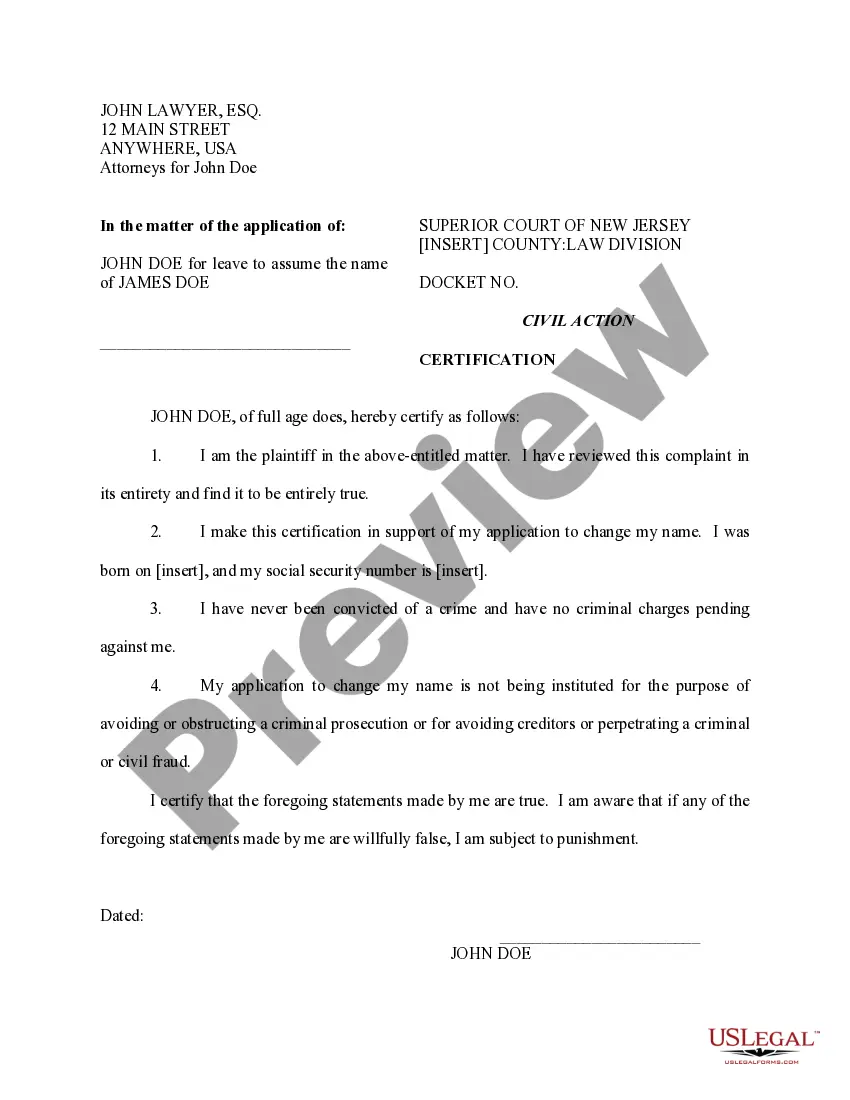
New Hampshire Letter from Landlord to Tenant about time of intent to enter premises
Understanding this form
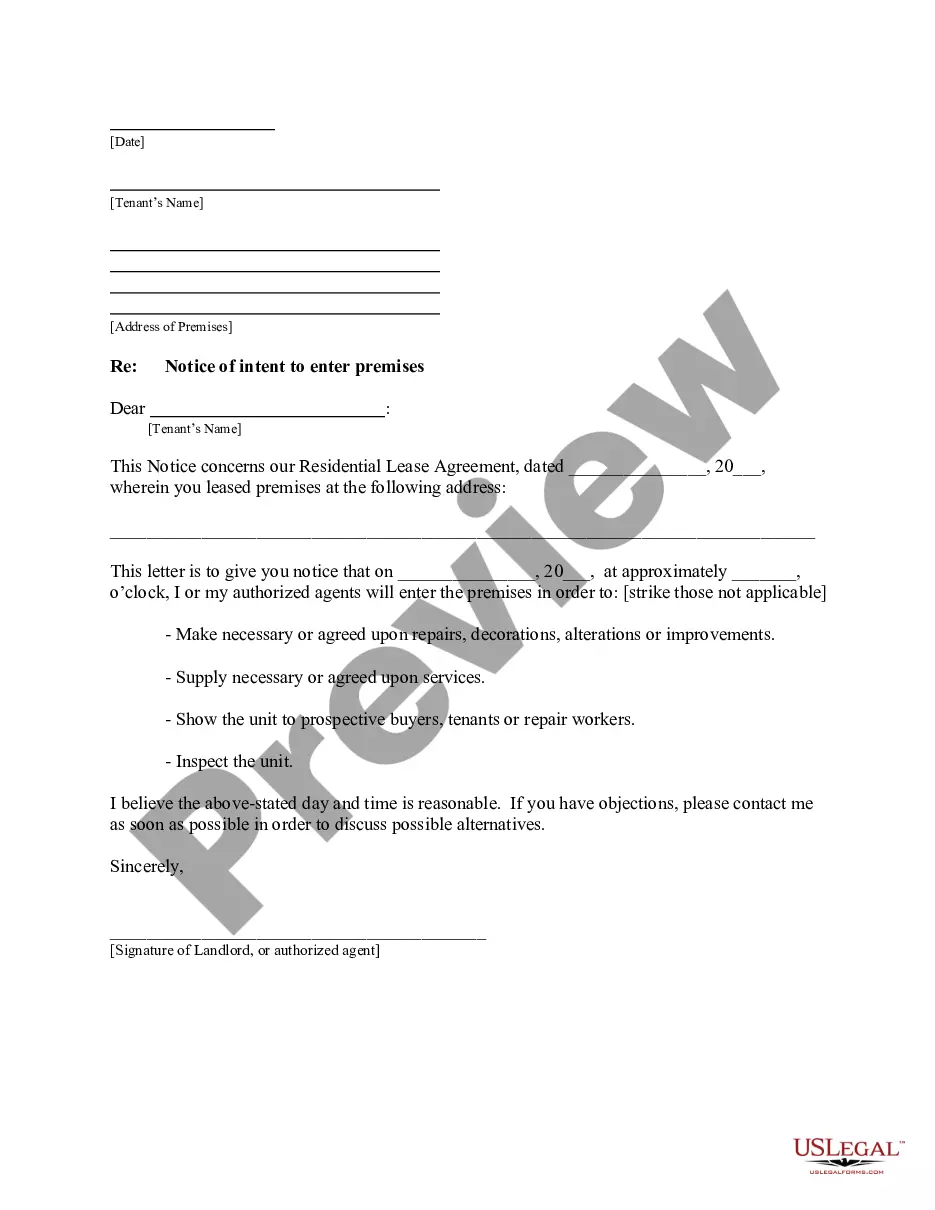
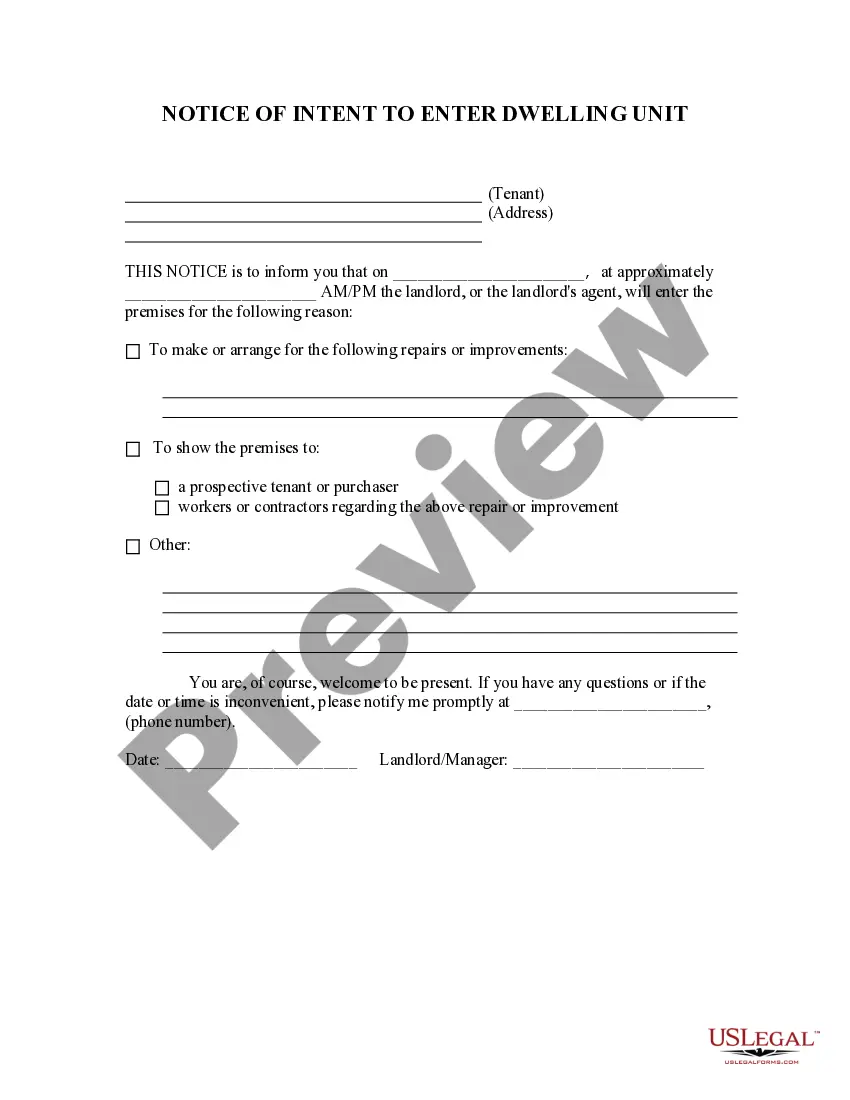
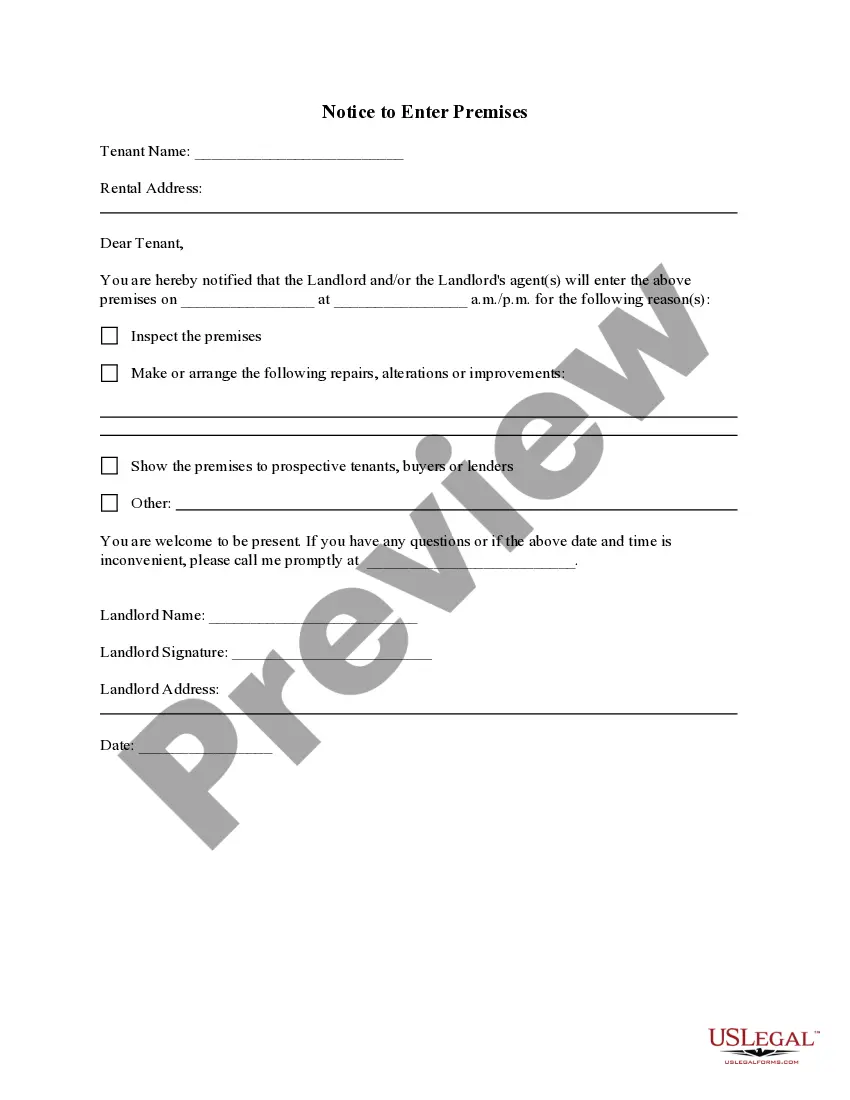
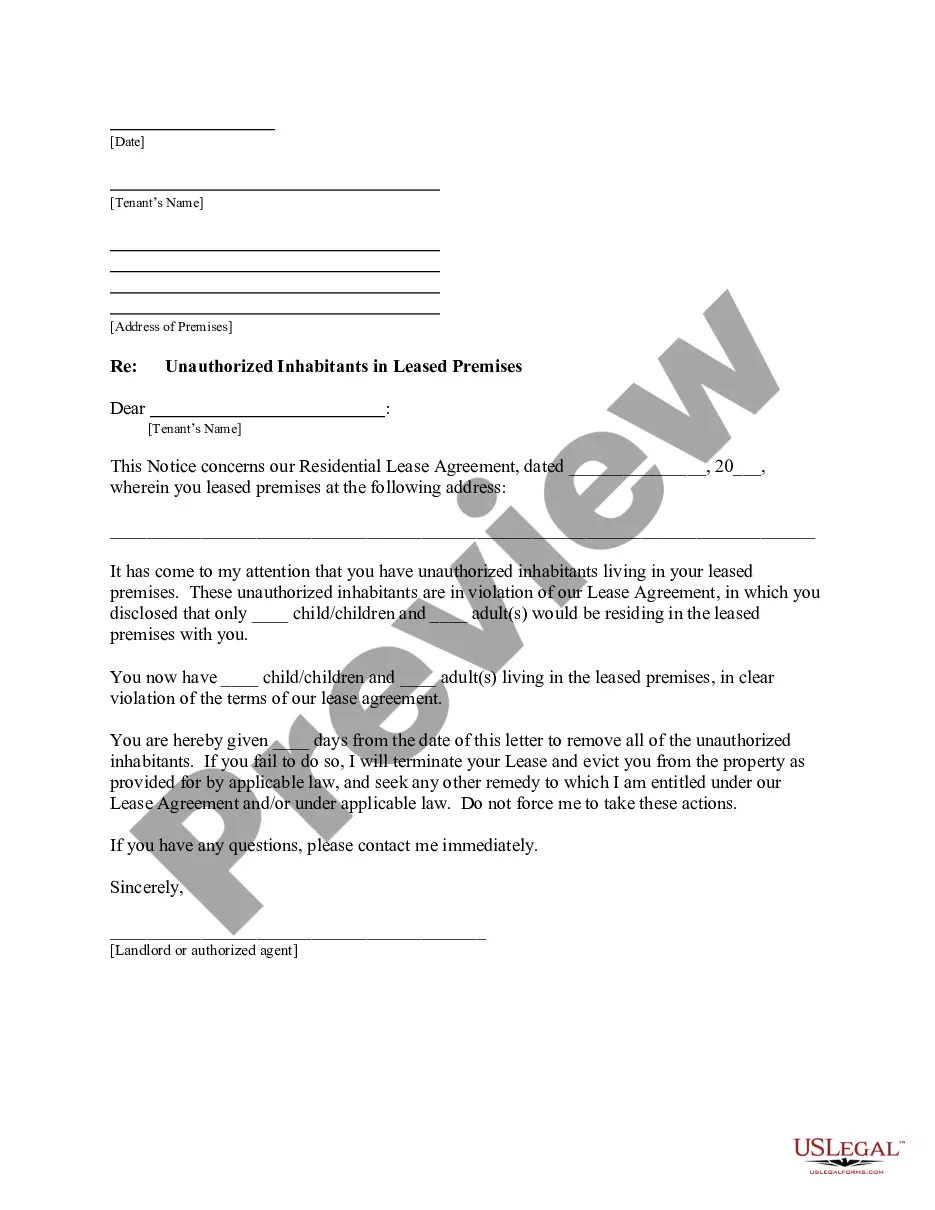
This form is a notice letter from a landlord to a tenant regarding the planned entry into the rental premises. It serves to inform the tenant of the landlord's intent to enter, outlining specific reasons such as repairs, inspections, or showing the property to prospective buyers or tenants. This letter distinguishes itself from general notices by specifying the timing and purpose of the landlord's visit, ensuring compliance with landlord-tenant laws.
Main sections of this form
- Identification of the residential lease agreement including the date and address.
- Specific date and time when the landlord or authorized agents plan to enter the premises.
- Reason for entry such as repairs, inspections, or showing the unit.
- Contact information for the tenant to voice objections.
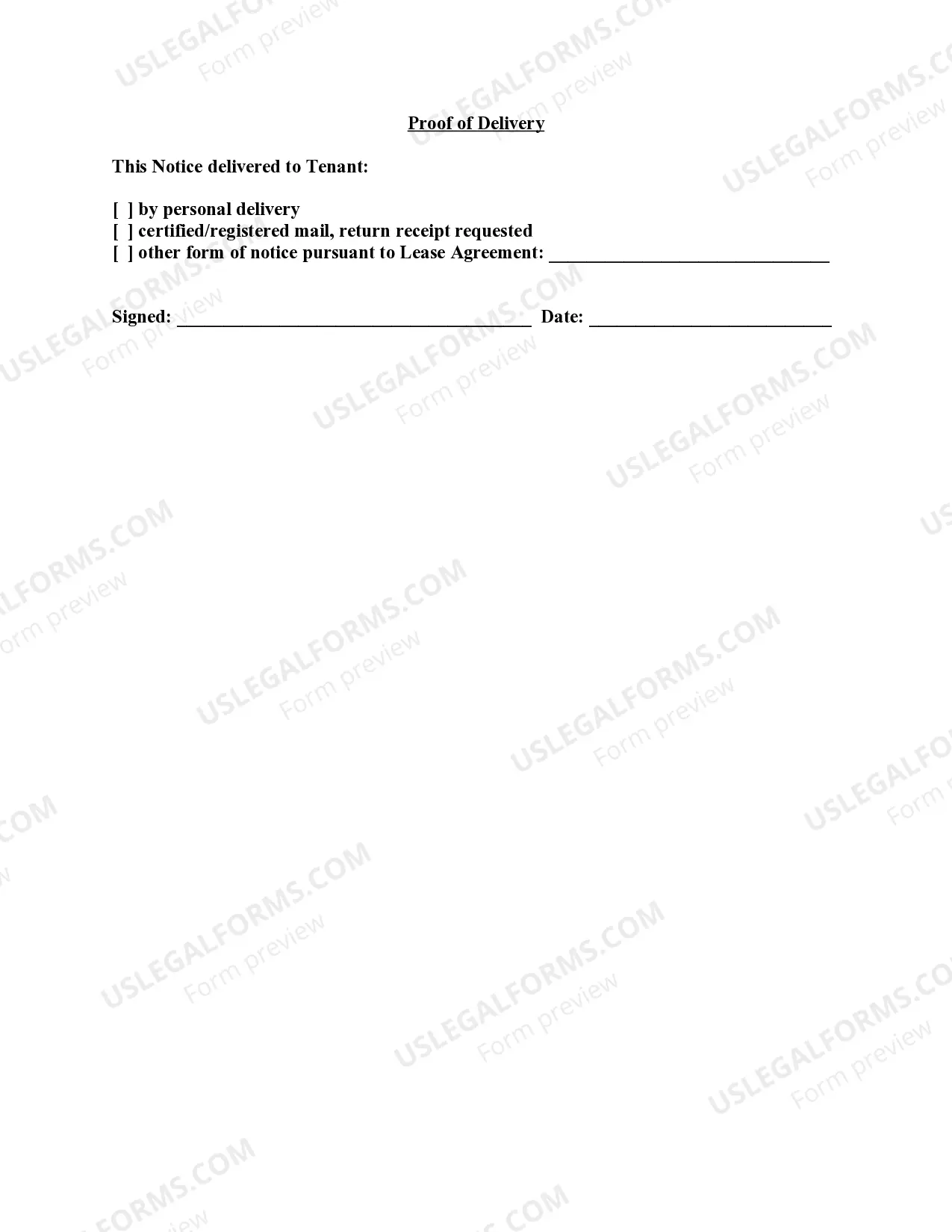
- Proof of delivery method used to notify the tenant.
When to use this document
This form should be used when a landlord needs to inform a tenant about an upcoming entry into the leased property. It is particularly relevant for situations such as initiating repairs, conducting routine inspections, or showing the property to potential buyers or new tenants. Ensuring timely and appropriate notice helps avoid misunderstandings between landlords and tenants.
Who can use this document
- Residential landlords looking to access their properties for legitimate reasons.
- Property management companies acting on behalf of landlords.
- Tenants who wish to understand their rights regarding landlord entry into their premises.
Steps to complete this form
- Start by entering the date of the original lease agreement.
- Specify the exact address of the leased premises.
- Fill in the date and time of entry for the planned visit.
- Select the applicable reasons for entry by striking through any that do not apply.
- Provide your name and signature as the landlord or authorized agent.
- Choose the delivery method and document it as proof of delivery to the tenant.
Does this document require notarization?
This form does not typically require notarization unless specified by local law. It is important to verify local regulations to ensure compliance.
Get your form ready online
Our built-in tools help you complete, sign, share, and store your documents in one place.
Make edits, fill in missing information, and update formatting in US Legal Forms—just like you would in MS Word.
Download a copy, print it, send it by email, or mail it via USPS—whatever works best for your next step.
Sign and collect signatures with our SignNow integration. Send to multiple recipients, set reminders, and more. Go Premium to unlock E-Sign.
If this form requires notarization, complete it online through a secure video call—no need to meet a notary in person or wait for an appointment.
We protect your documents and personal data by following strict security and privacy standards.

Make edits, fill in missing information, and update formatting in US Legal Forms—just like you would in MS Word.

Download a copy, print it, send it by email, or mail it via USPS—whatever works best for your next step.

Sign and collect signatures with our SignNow integration. Send to multiple recipients, set reminders, and more. Go Premium to unlock E-Sign.

If this form requires notarization, complete it online through a secure video call—no need to meet a notary in person or wait for an appointment.

We protect your documents and personal data by following strict security and privacy standards.
Mistakes to watch out for
- Failing to provide sufficient notice to the tenant as required by law.
- Not clearly stating the reasons for entry, leading to confusion.
- Omitting the exact time of entry, which may cause misunderstandings.
- Not keeping a record of the delivery method used to notify the tenant.
Benefits of using this form online
- Convenience of completing the form from any location and at any time.
- Editability to customize the content according to specific needs and circumstances.
- Reliability of using professionally drafted forms tailored to your state's laws.
Quick recap
- The form serves as a formal notice from the landlord to the tenant regarding property entry.
- It outlines the required notice period and reasons for entry, aiding legal compliance.
- Utilizing this form benefits both landlords and tenants by promoting clear communication.
Looking for another form?


Form popularity
FAQ
Apply to the Tribunal for orders: to stop the landlord/agent entering the premises. (Apply within 3 months after you become aware of the landlord's/agent's breach.) report trespass to the police. complain to NSW Fair Trading.
Put cameras everywhere (Nest Cam is a good brand), make sure you put signs "Premises secured by video surveillance" and you will be good to go. While it won't prevent the landlord from entering, it will prevent the landlord from doing anything funky, and who knows, with time even stop.
Begin the letter with the date on which you mail or deliver the letter in person. Include your name, address and phone number, followed by the tenant's name and address. You can also insert a subject line that summarizes the reason for the letter to vacate. Start with a salutation, followed by your tenant's name.
Your landlord or their representatives may be allowed reasonable access to carry out inspections or repairs, but must first get your permission. According to Section 11, from The Landlord and Tenant Act 1985, your landlord needs to give you at least 24 hour notice before they come around and visit for any reason.
It is against the law RSA 540-A for a landlord to:Enter your residence without permission, except to make emergency repairs. (You should not refuse your landlord's reasonable request to enter with enough notice); Take any other action to force you out of your home without going through the eviction process.
If your landlord enters your home without permission You have the right to live in your home without being disturbed unreasonably.If your landlord keeps turning up unannounced, or enters your home without notice or permission it could be harassment.
In all states, a landlord can enter the property in an emergency without notice or permission.Even if your landlord gives you notice, he or she must have a good reason to enter the property. In most cases, your landlord can enter your home: In an emergency.
The big take-away is that in most circumstances a landlord cannot enter a property without agreement from the tenant. And If the landlord ignores the law and enters the property without permission, the tenant may be able to claim damages or gain an injunction to prevent the landlord doing it again.
The first sentence should explain who is writing the letter and why. It should also give the name of the tenant, so the purpose of the letter is clear. The writer may be a property manager or the owner of the property. The landlord can include, if applicable, a statement on the character of the tenant.