Nebraska Letter from Landlord to Tenant as Notice to remove unauthorized pets from premises
Understanding this form
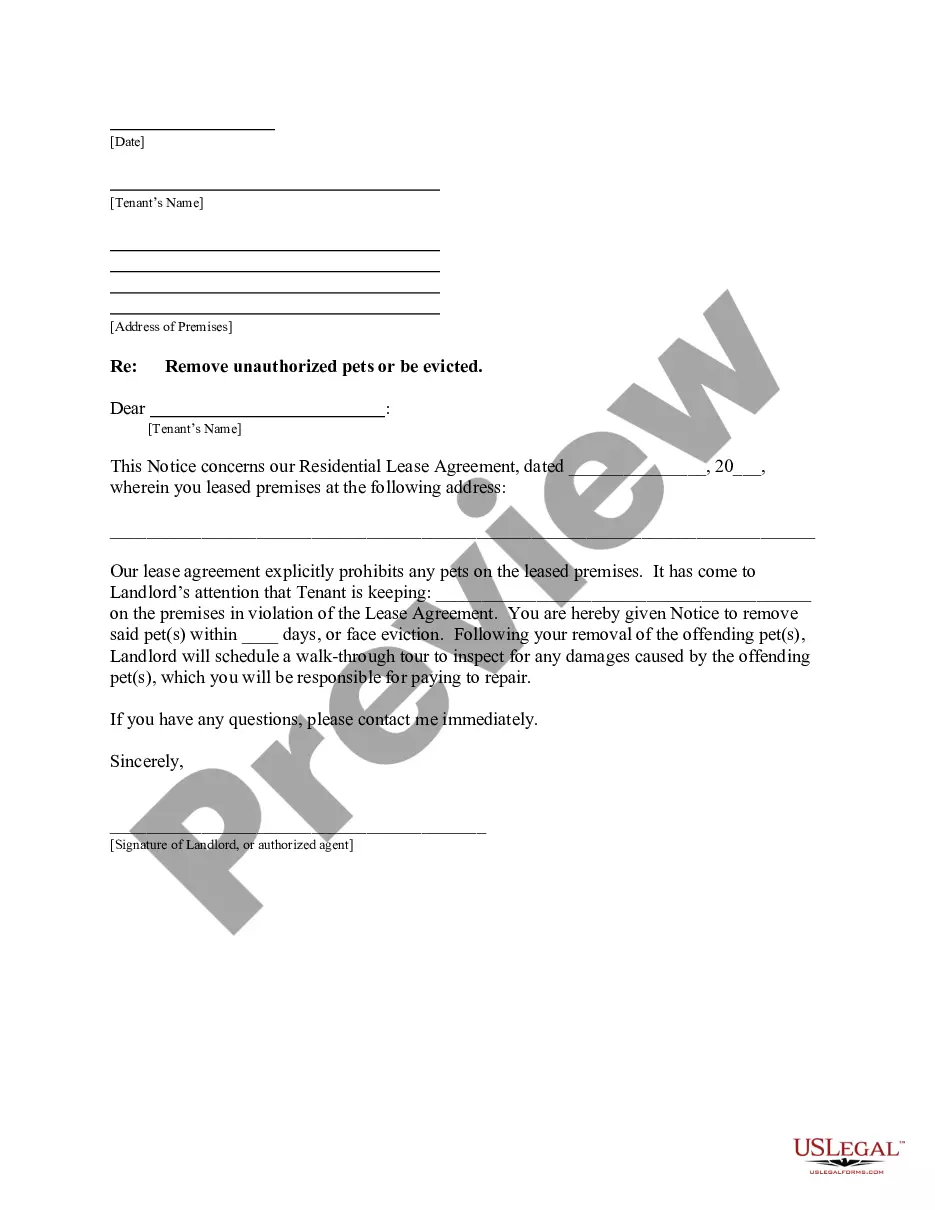
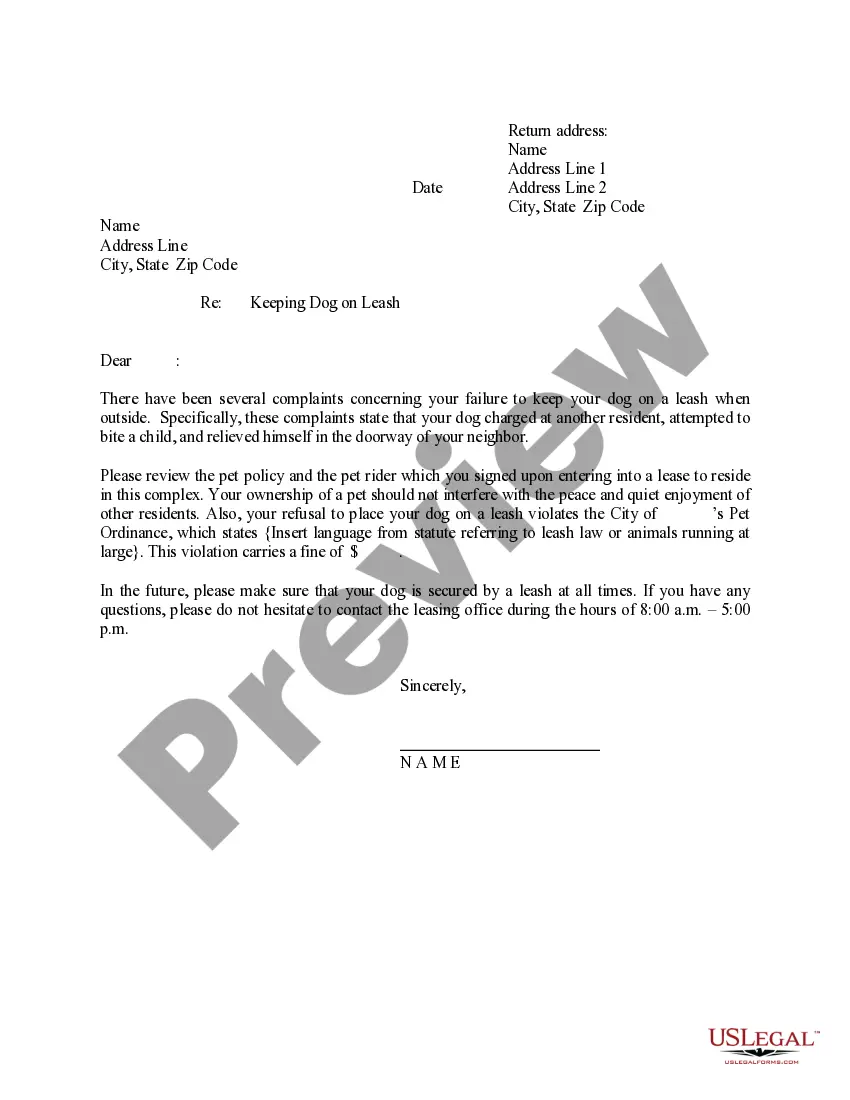
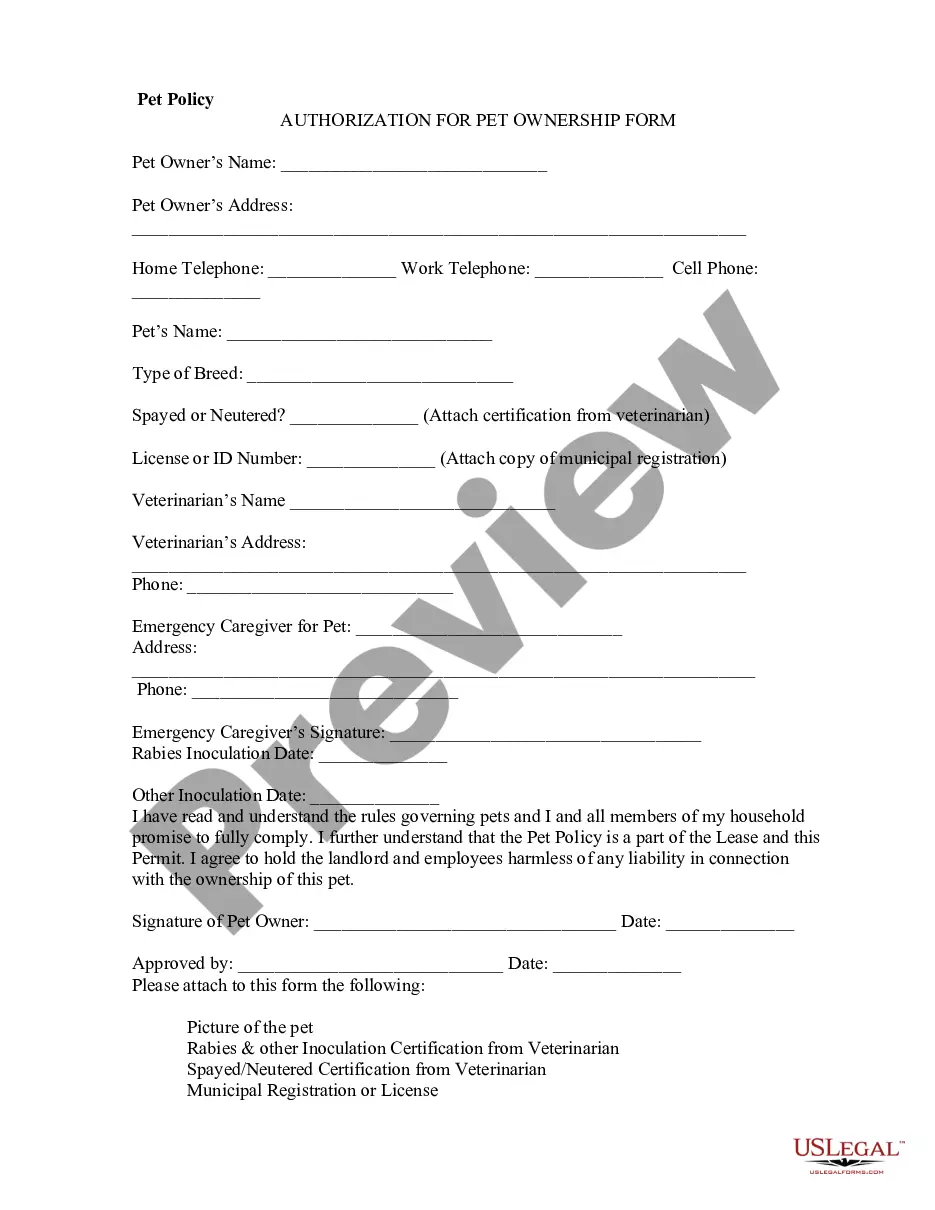
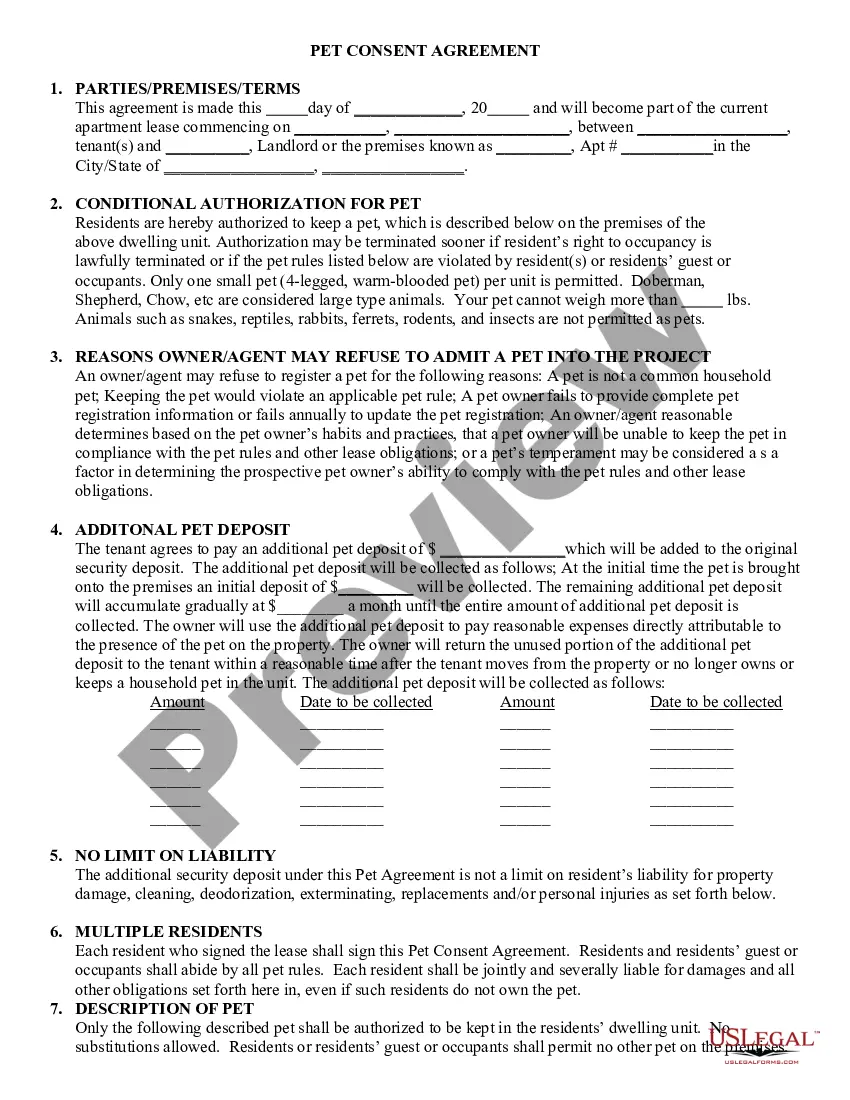
This form is a letter from a landlord to a tenant that officially requests the removal of unauthorized pets from the rental premises. The letter serves as formal notice that keeping these pets violates the terms of the lease agreement. It is essential for landlords who need to inform tenants of a breach of contract regarding unauthorized pets and to outline potential legal actions, including eviction, should the tenant fail to comply.
Form components explained
- Date of the original residential lease agreement.
- Address of the leased premises.
- Description of the unauthorized pets being kept on the premises.
- Deadline for the removal of pets, typically in days.
- Details on scheduled inspection for potential damages caused by the pets.
- Landlord's contact information for any questions.
When this form is needed
Who should use this form
- Landlords who have rental agreements that prohibit pets.
- Property managers representing landlords in enforcing lease agreements.
- Anyone in a landlord-tenant relationship where unauthorized pets are present.
Instructions for completing this form
- Fill in the date of the original lease agreement.
- Specify the full address of the rental property.
- Identify the unauthorized pets being kept on the premises.
- Indicate the number of days the tenant has to remove the pets.
- Provide your contact information for follow-up communication.
- Sign the letter as the landlord or authorized agent.
Notarization guidance
In most cases, this form does not require notarization. However, some jurisdictions or signing circumstances might. US Legal Forms offers online notarization powered by Notarize, accessible 24/7 for a quick, remote process.
Get your form ready online
Our built-in tools help you complete, sign, share, and store your documents in one place.
Make edits, fill in missing information, and update formatting in US Legal Forms—just like you would in MS Word.
Download a copy, print it, send it by email, or mail it via USPS—whatever works best for your next step.
Sign and collect signatures with our SignNow integration. Send to multiple recipients, set reminders, and more. Go Premium to unlock E-Sign.
If this form requires notarization, complete it online through a secure video call—no need to meet a notary in person or wait for an appointment.
We protect your documents and personal data by following strict security and privacy standards.

Make edits, fill in missing information, and update formatting in US Legal Forms—just like you would in MS Word.

Download a copy, print it, send it by email, or mail it via USPS—whatever works best for your next step.

Sign and collect signatures with our SignNow integration. Send to multiple recipients, set reminders, and more. Go Premium to unlock E-Sign.

If this form requires notarization, complete it online through a secure video call—no need to meet a notary in person or wait for an appointment.

We protect your documents and personal data by following strict security and privacy standards.
Common mistakes
- Failing to clearly specify the unauthorized pets.
- Not providing an adequate timeframe for compliance.
- Neglecting to include contact information for questions.
- Overlooking the need for a follow-up inspection detail.
- Leaving the signature line blank or unsigned.
Benefits of completing this form online
- Convenient access to customized legal forms at any time.
- Editable templates that you can quickly tailor to your needs.
- Peace of mind knowing forms are drafted by licensed attorneys.
- Immediate downloadable access for speedy use in tenant communications.
Legal use & context
- This notice serves as a formal communication to the tenant regarding lease violations.
- Proper completion and delivery can strengthen the landlord's position in possible eviction proceedings.
- The form outlines the landlord's rights to inspect for damages related to unauthorized pets.
Summary of main points
- This form is essential for landlords addressing unauthorized pets in rental units.
- Clear communication can prevent further legal issues or tenant disputes.
- Timely action in notifying tenants protects the landlord's rights under the lease agreement.
Looking for another form?







Form popularity
FAQ
Most landlords are willing to work with their tenants, even if you do break the lease, but some landlords won't. If you're caught sneaking in a pet, your landlord may have the right to evict you. If you're evicted, your landlord may sue you for the remainder of your lease payment.
Today's Date. Landlord's Name. Property Address and Unit Number. State Your Desire to Move Out of the Apartment. Include Desired Move-Out Date. That You Expect the Return of Your Security Deposit Under State Law. A Forwarding Address Where Your Security Deposit Can Be Sent.
Dear (Name of landlord or manager), This letter constitutes my written (number of days' notice that you need to give based on your lease agreement)-day notice that I will be moving out of my apartment on (date), the end of my current lease. I am leaving because (new job, rent increase, etc.)
If you think that the landlord is discriminating against you for one of these reasons, call the Nebraska Fair Housing Center at 1-800-639-6675, or 402-934-6675 in Omaha. You may also file a complaint with the Nebraska Equal Opportunity Commission at 1-800-642-6112. 3.
So, for over 90 percent of landlords, a blanket ban on pets of any kind was included in their contract. If a tenancy agreement included a ban on pets, getting one was reasonable grounds for eviction. This has, in reality, torn families apart, and some have even had to leave their dear pets behind.
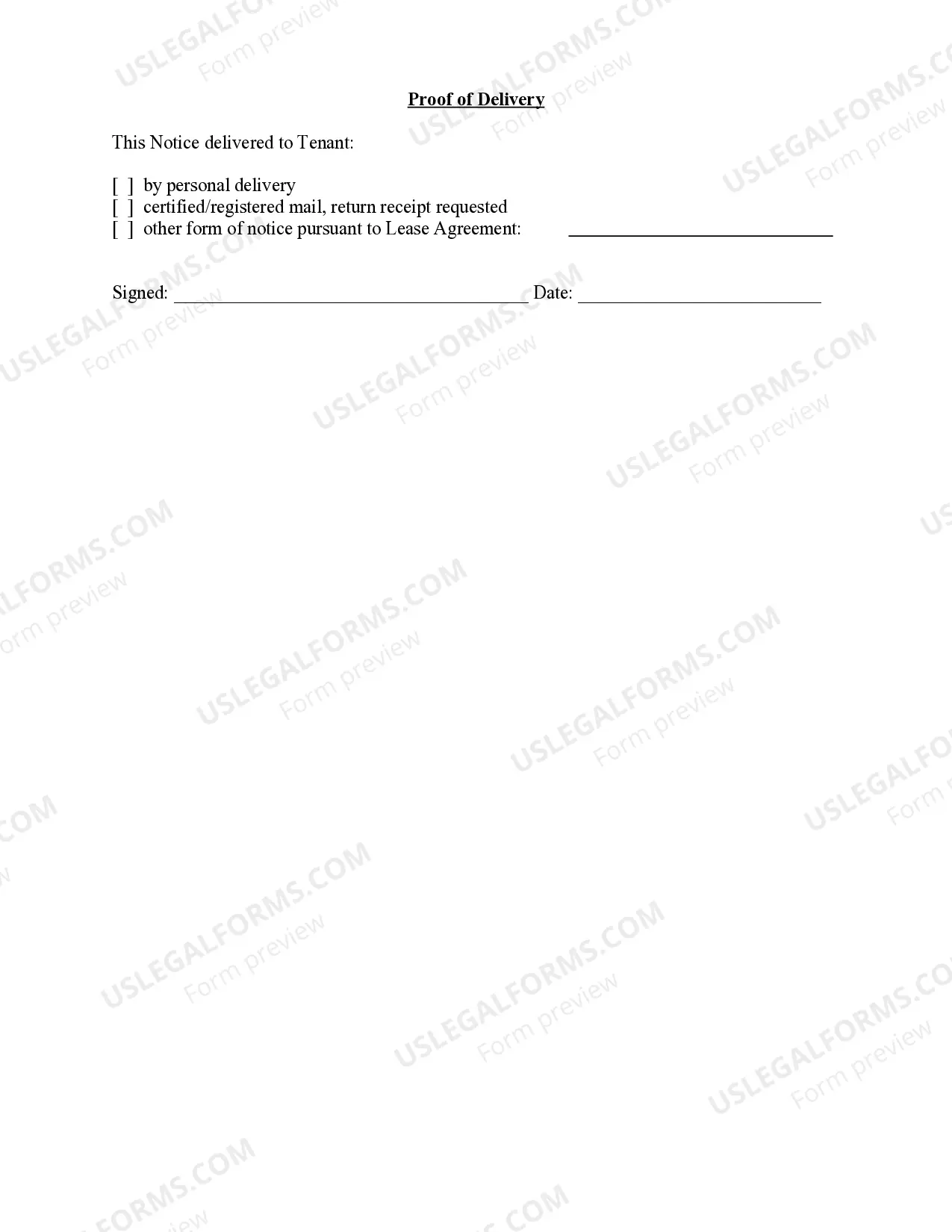
Addresses. Date. Tenant names. Status and date of the lease. Why the eviction notice is served (clear and concise explanation) Date tenant must vacate the property. Proof of service or delivery of notice.
Nebraska Eviction is 3 Days or 30 Days. An eviction notice to a tenant must state that it is either a 3-day or 30-day notice (see details below). 3-Day Notice to Quit. 30-Day Notice to Quit. Service of Notice. Petition for Restitution. Summons and Complaint. Court Trial. Writ of Restitution.
Dear your landlord or property manager's name, I am writing to inform you I will be vacating my rental unit on date you intend to vacate. This letter meets the 30-day notice requirement outlined in my lease agreement.
Write down your name and the name of your tenant. Confirm your intention to evict the individual named in the lease. State the date the eviction will take place.