North Dakota Commercial Rental Lease Application Questionnaire
About this form
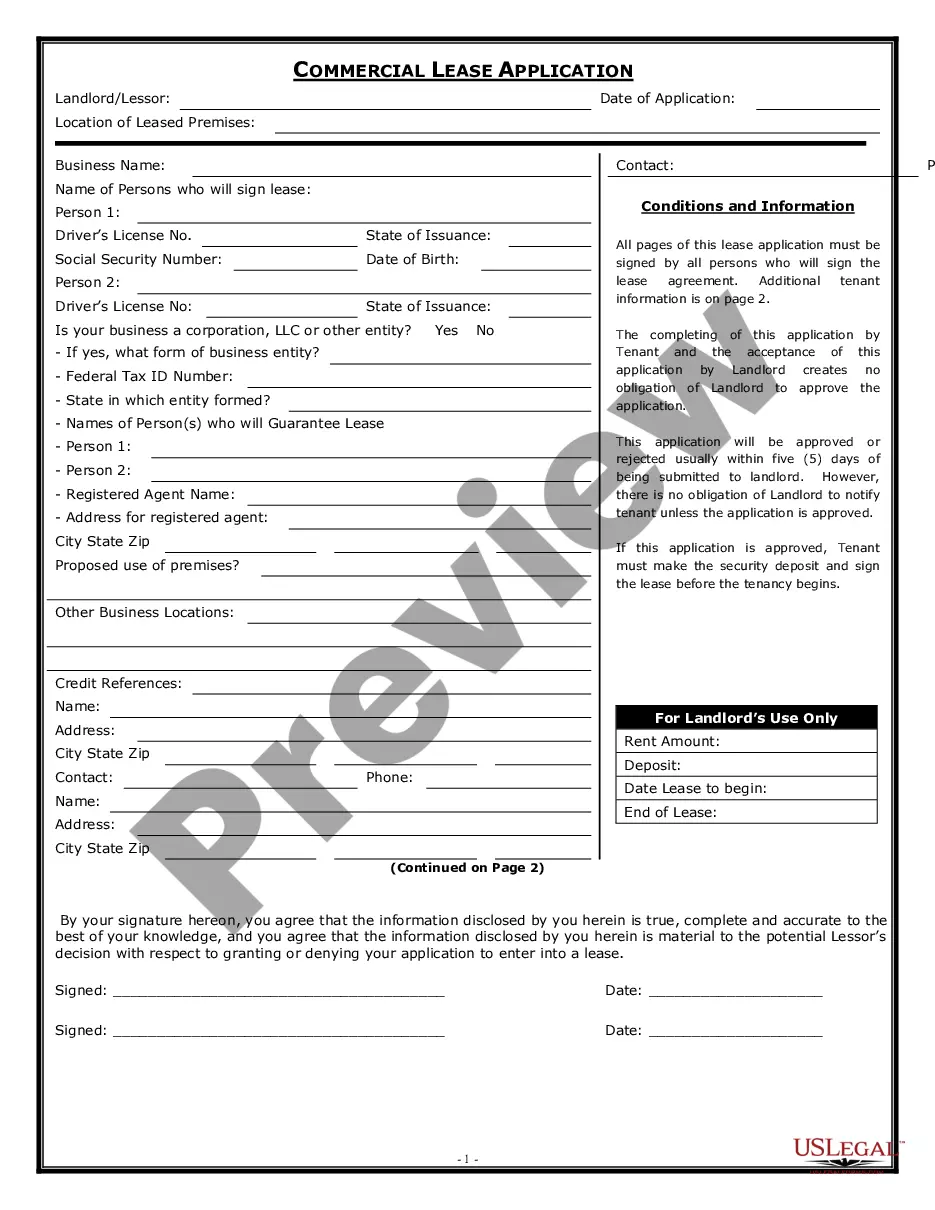
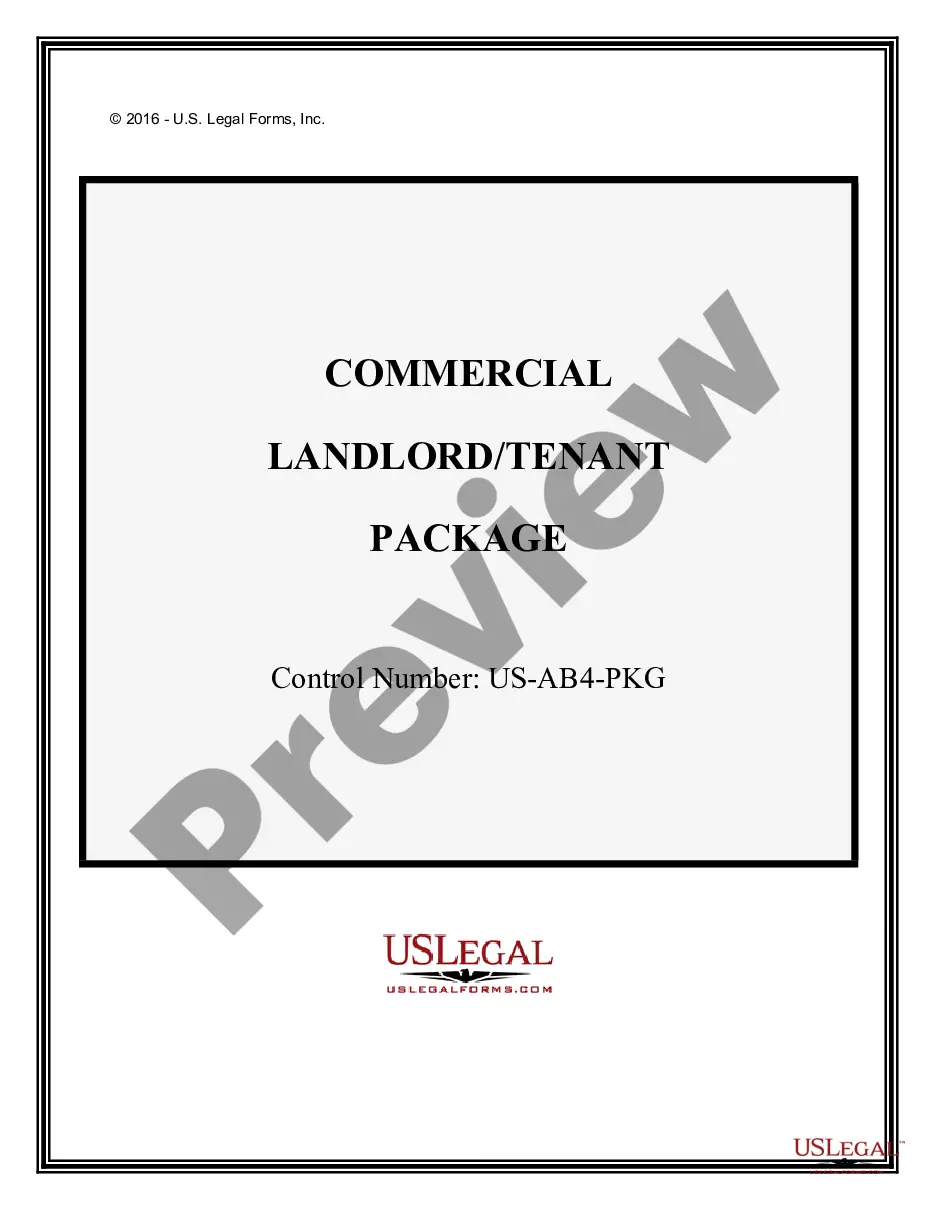
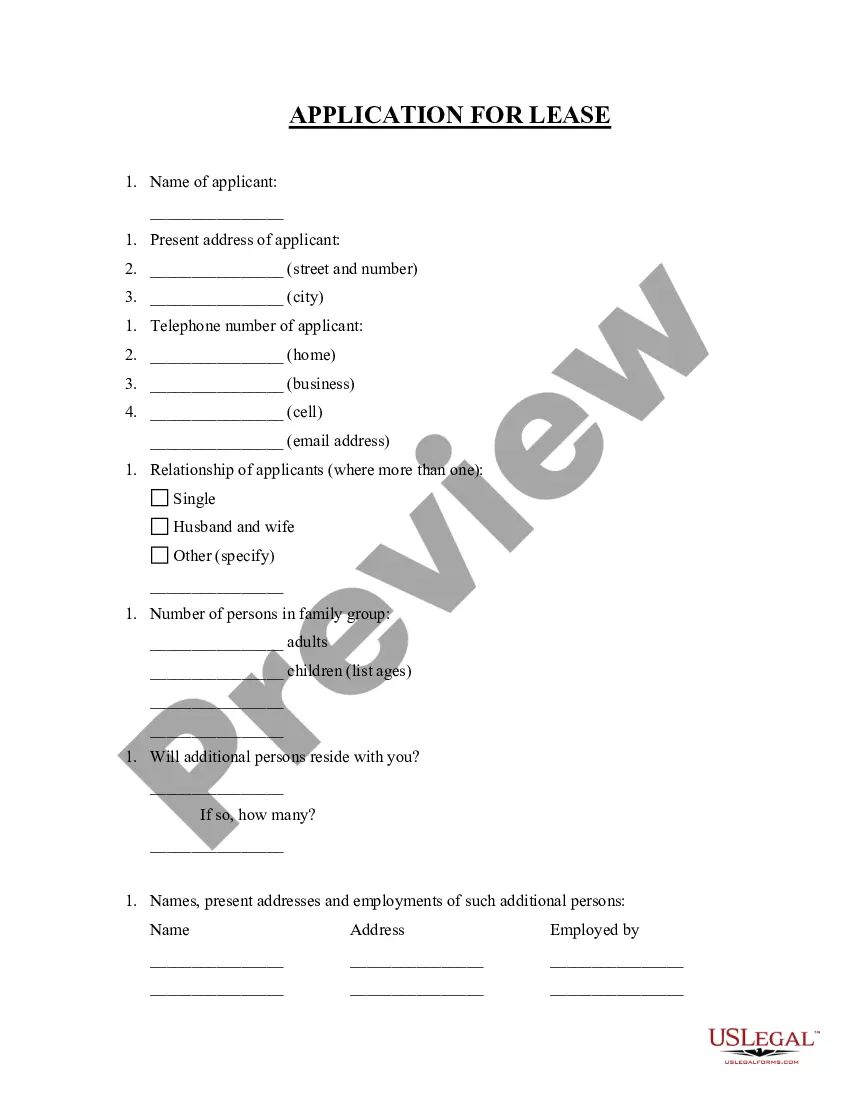
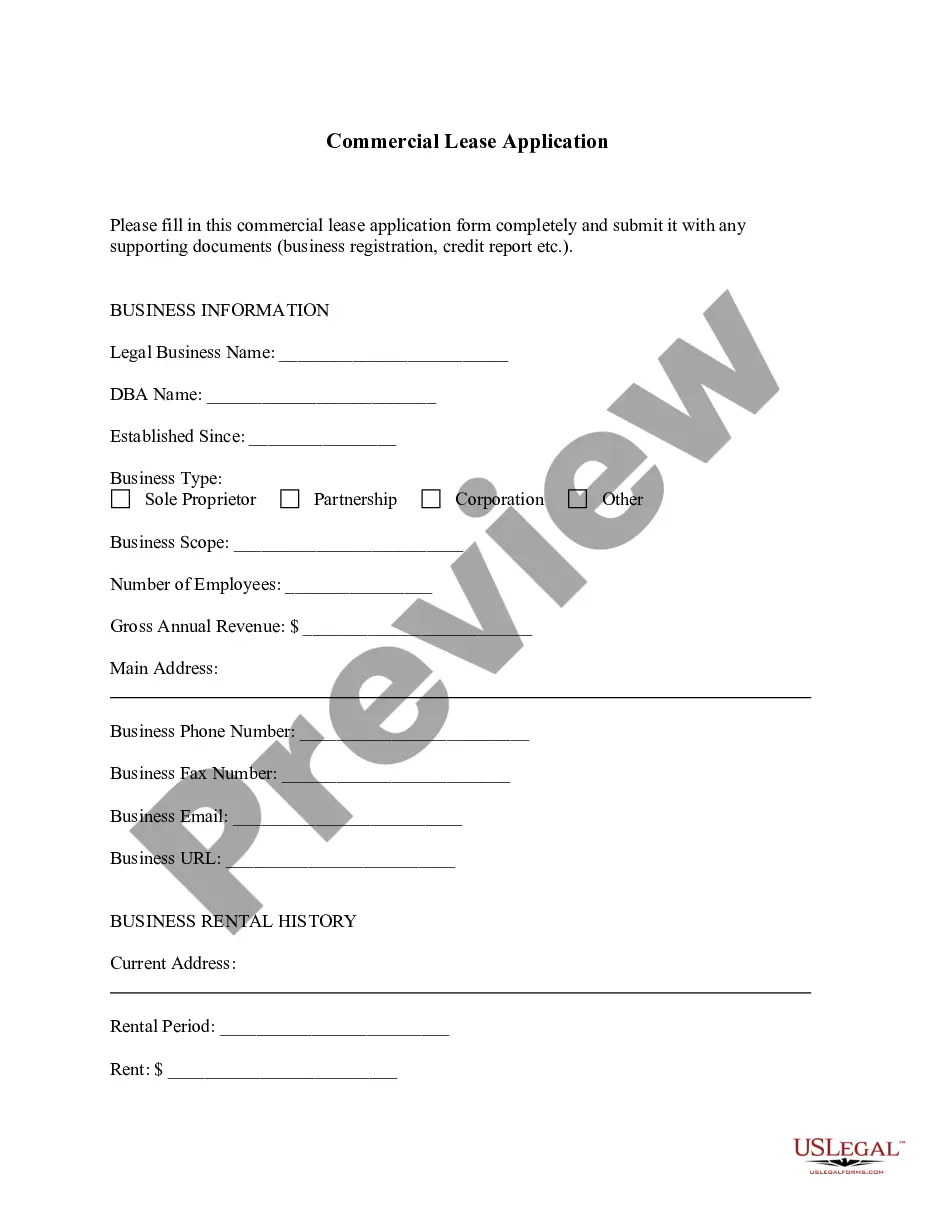
The Commercial Rental Lease Application Questionnaire is a crucial document that landlords use to collect essential information from potential tenants who wish to lease commercial property. Unlike residential leases, which are typically simpler, commercial leases are more complex, often involving longer terms and varied payment structures. This form not only gathers necessary disclosures from the prospective lessee but also includes an authorization for the landlord to perform background checks, ensuring that they can assess the tenant's suitability for their commercial space.
Key components of this form
- Identification of all parties involved in the lease.
- Conditions for application acceptance and security deposit requirements.
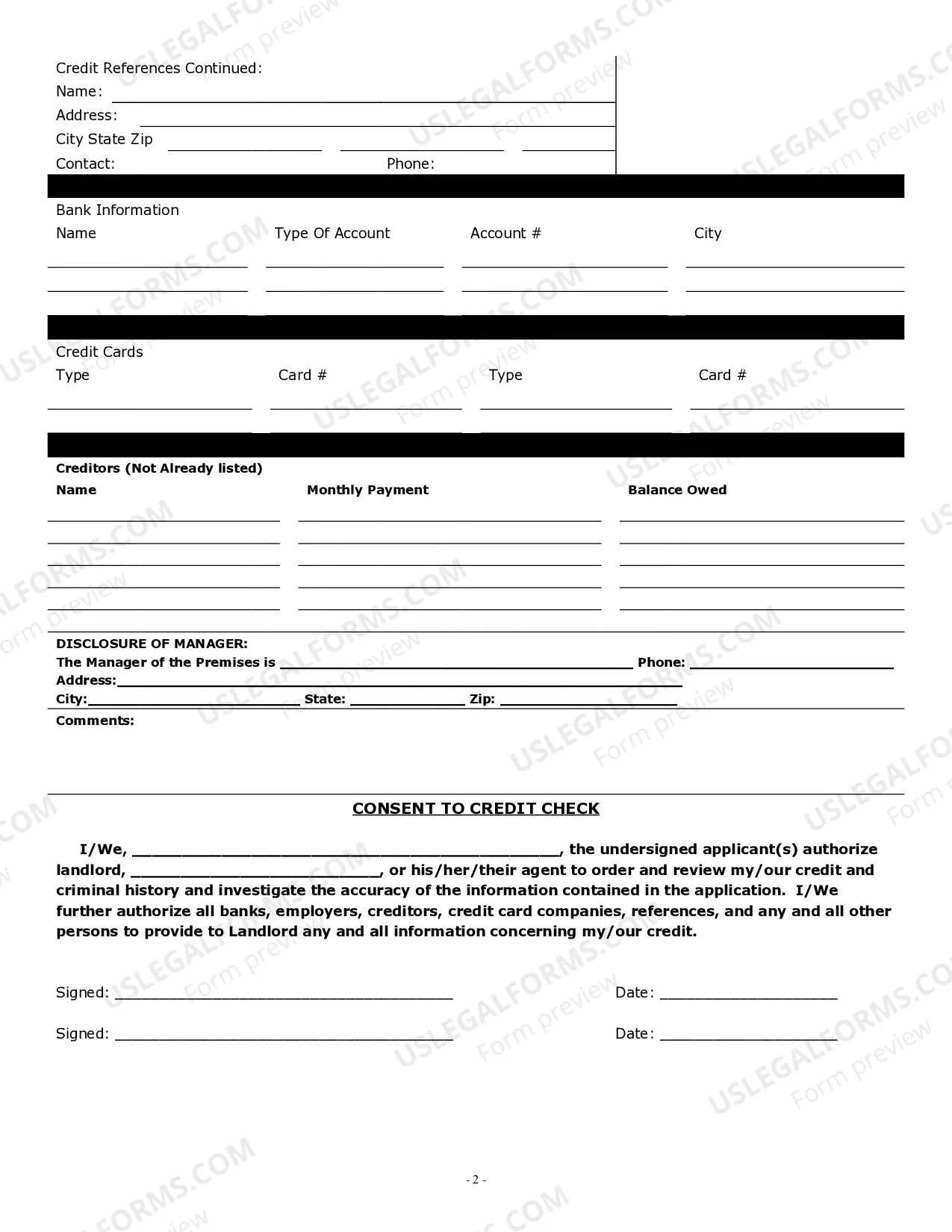
- Disclosure of manager contact information for the property.
- Authorization for a credit and criminal history check.
- Space for providing credit references and bank information.

Common use cases
This questionnaire should be used when a potential tenant wishes to apply for a lease on commercial property. It is typically utilized in situations where a business seeks to establish operations in a rented space, and the landlord needs to vet applicants to ensure they are financially and operationally sound. Using this form can expedite the selection process for landlords while ensuring that all necessary information is gathered upfront.
Who should use this form
- Landlords seeking to lease commercial property.
- Potential lessees looking to rent a commercial space.
- Real estate agents facilitating commercial property transactions.
- Businesses in need of rental space for operations.
How to complete this form
- Identify all parties involved by filling in their names and contact details.
- Complete the property information section, including the desired rental terms.
- Provide necessary disclosures, including credit and bank information.
- Sign the application to affirm the truth and accuracy of the provided information.
- Submit the application to the landlord for review, typically within five days of application submission.
Does this form need to be notarized?
In most cases, this form does not require notarization. However, some jurisdictions or signing circumstances might. US Legal Forms offers online notarization powered by Notarize, accessible 24/7 for a quick, remote process.
Get your form ready online
Our built-in tools help you complete, sign, share, and store your documents in one place.
Make edits, fill in missing information, and update formatting in US Legal Forms—just like you would in MS Word.
Download a copy, print it, send it by email, or mail it via USPS—whatever works best for your next step.
Sign and collect signatures with our SignNow integration. Send to multiple recipients, set reminders, and more. Go Premium to unlock E-Sign.
If this form requires notarization, complete it online through a secure video call—no need to meet a notary in person or wait for an appointment.
We protect your documents and personal data by following strict security and privacy standards.

Make edits, fill in missing information, and update formatting in US Legal Forms—just like you would in MS Word.

Download a copy, print it, send it by email, or mail it via USPS—whatever works best for your next step.

Sign and collect signatures with our SignNow integration. Send to multiple recipients, set reminders, and more. Go Premium to unlock E-Sign.

If this form requires notarization, complete it online through a secure video call—no need to meet a notary in person or wait for an appointment.

We protect your documents and personal data by following strict security and privacy standards.
Avoid these common issues
- Failing to provide complete and accurate information.
- Not signing all necessary sections of the application.
- Overlooking the submission deadlines set by the landlord.
- Neglecting to inform the landlord of significant credit issues upfront.
Advantages of online completion
- Easy access to the form for immediate use without needing to visit an office.
- Editable fields for customization to meet specific requirements.
- Reliable templates drafted by licensed attorneys, ensuring legal compliance.
- Quick submission via email or other electronic means reduces processing time.
What to keep in mind
- Essential for landlords and tenants in commercial leasing.
- Offers a structured method for collecting important tenant information.
- Helps landlords make informed decisions regarding potential tenants.
Looking for another form?


Form popularity
FAQ
ESSENTIAL ELEMENTS OF A VALID LEASE AGREEMENT. Competent Parties. Legal Purpose. Statute of Frauds. Reversionary Right. Property Description. Mutual Assent (Offer and Acceptance) Consideration.
The Letter of Intent should include the names of the parties negotiating, such as the name of the Tenant and the Property Owner/Landlord, and a list of industry standard list items. You should also include items that are important to your business when leasing commercial real estate.
Settle ahead of time on your budget, your must-haves, and your nice-to-haves. Get an agent or lawyer to negotiate for you. Do negotiate on more than one location at the same time. Don't pay asked base rent. Check the square footage yourself.
The Person Liable for the Lease. Your Business Structure. How Long You Have Been in Business. The Nature of Your Business. Contact Information. Your Proposed Terms (or, Counter Offer) The Length of the Lease. Condition of the Property.
Justify Why You Need Free Office Rent. Don't just ask for it for no reason. Build-Out Period. Base Rent Free OR Base Rent & Operating Expenses? Early Occupancy. Ask For More Free Rent Than You Need. Consider Adding More Term to The Lease. Offer to Spread The Free Rent Out Over a Period of Time.
Names of all tenants. Limits on occupancy. Term of the tenancy. Rent. Deposits and fees. Repairs and maintenance. Entry to rental property. Restrictions on tenant illegal activity.
Inspect the Property and Record Any Current Damages. Know What's Included in the Rent. Can You Make Adjustments and Customizations? Clearly Understand the Terms Within the Agreement and Anticipate Problems. Communicate with Your Landlord About Your Expectations.
Step 1: Write a Cover Letter. Step 2: Provide a Summary of the Proposal. Step 3: Specify the Operations of the Tenant. Step 4: Present the Cost Summary. Step 5: List the Terms of the Contract. Step 6: Mention the Benefits. >