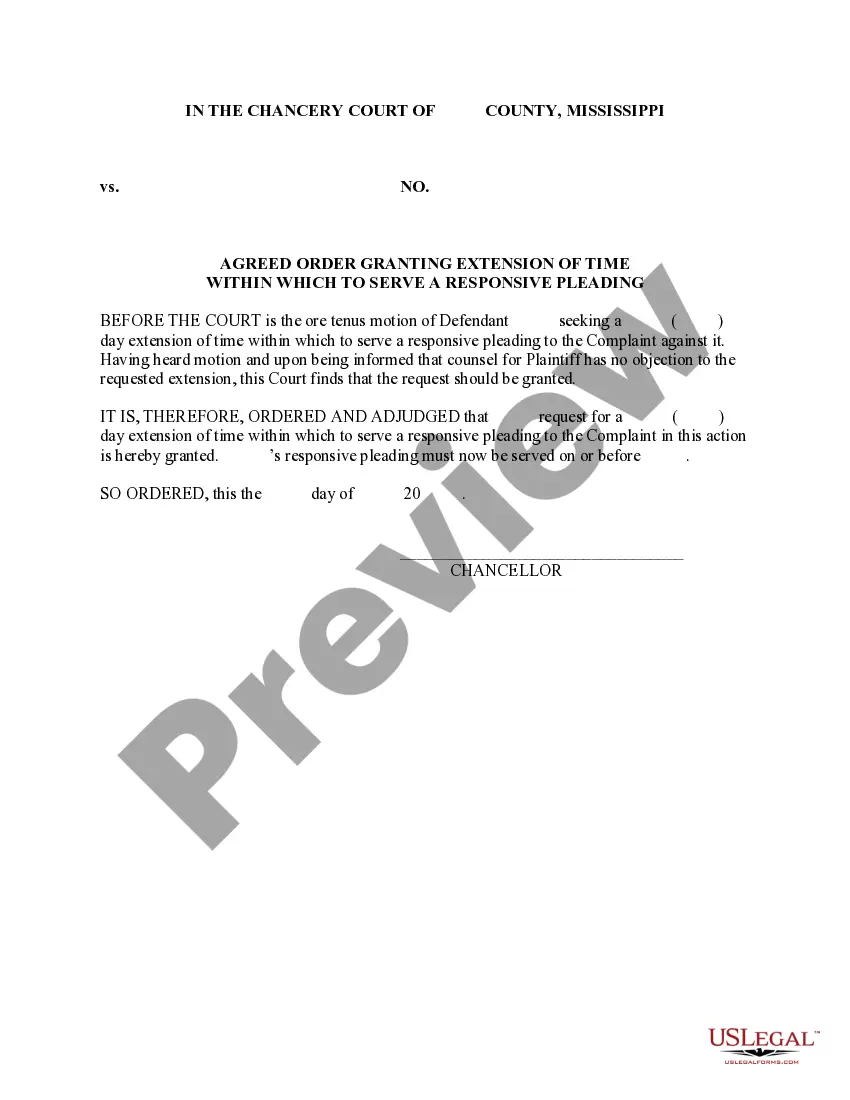
North Dakota Prenuptial Premarital Agreement with Financial Statements

About this form
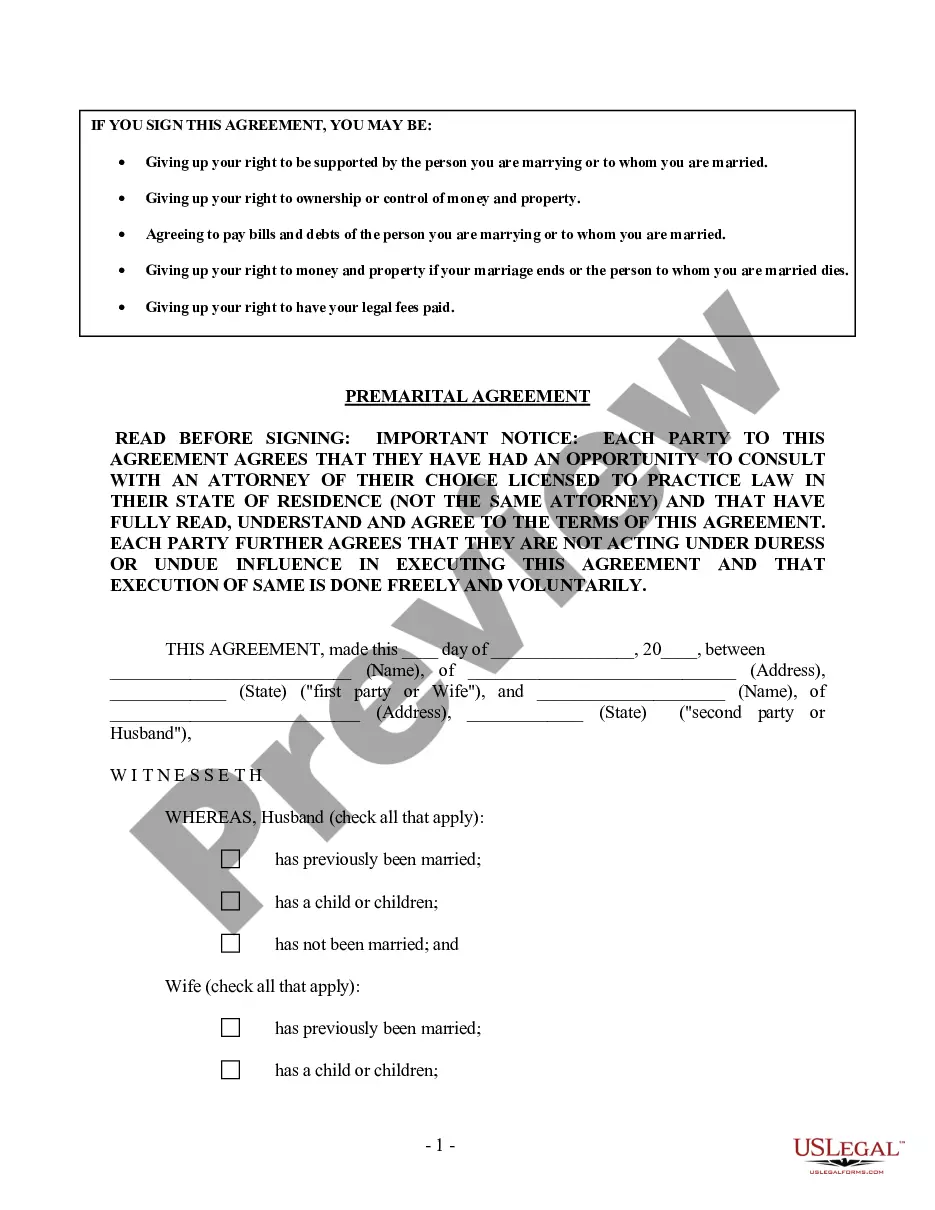
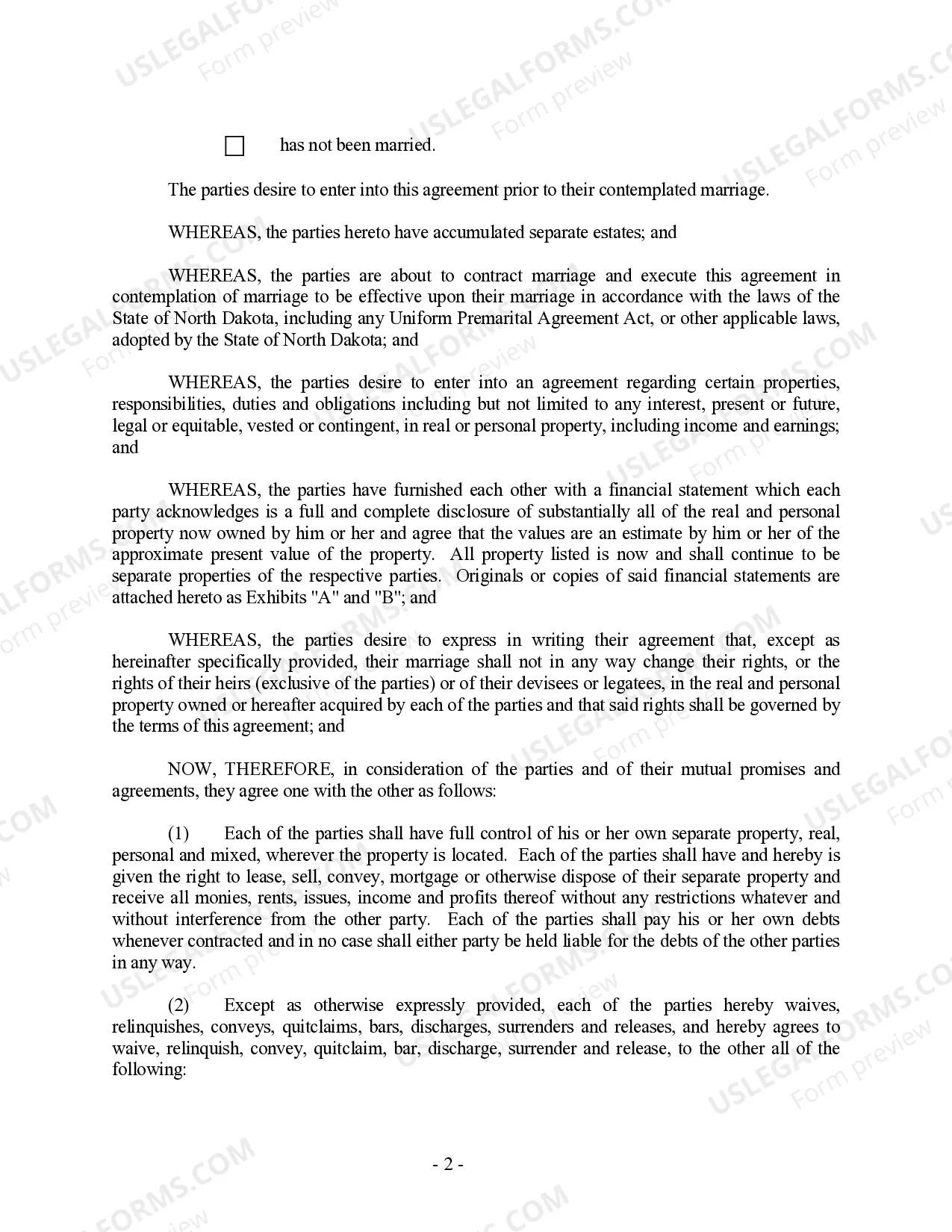
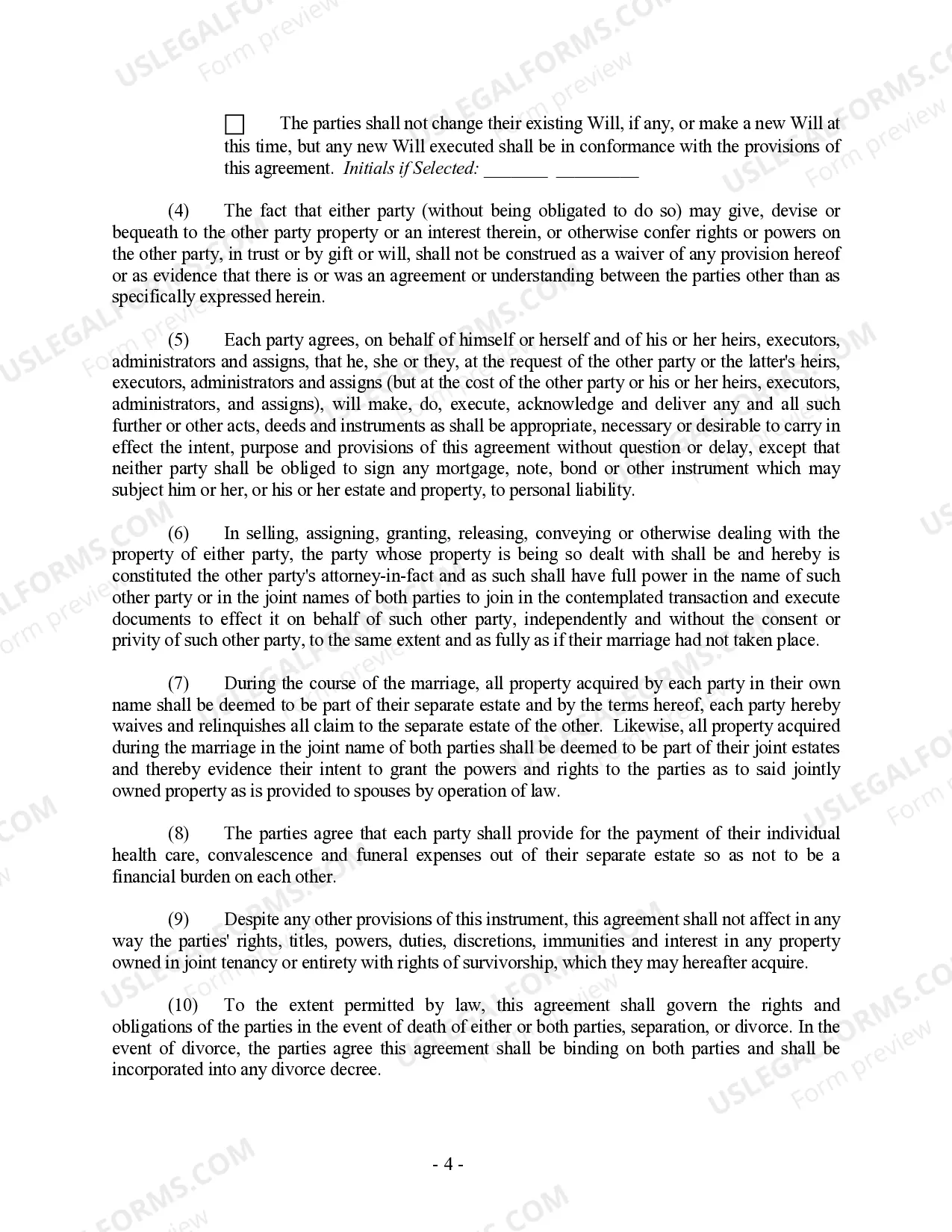
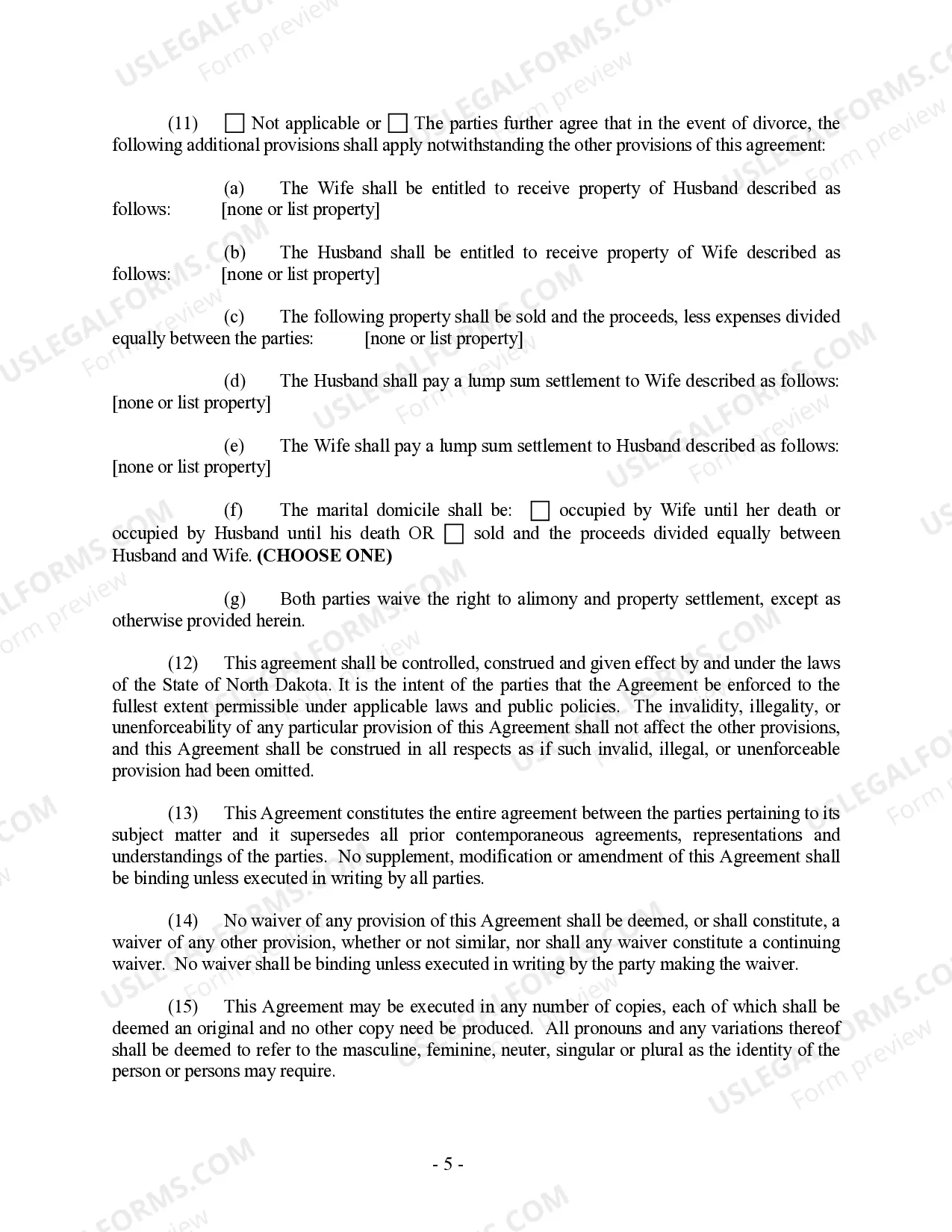
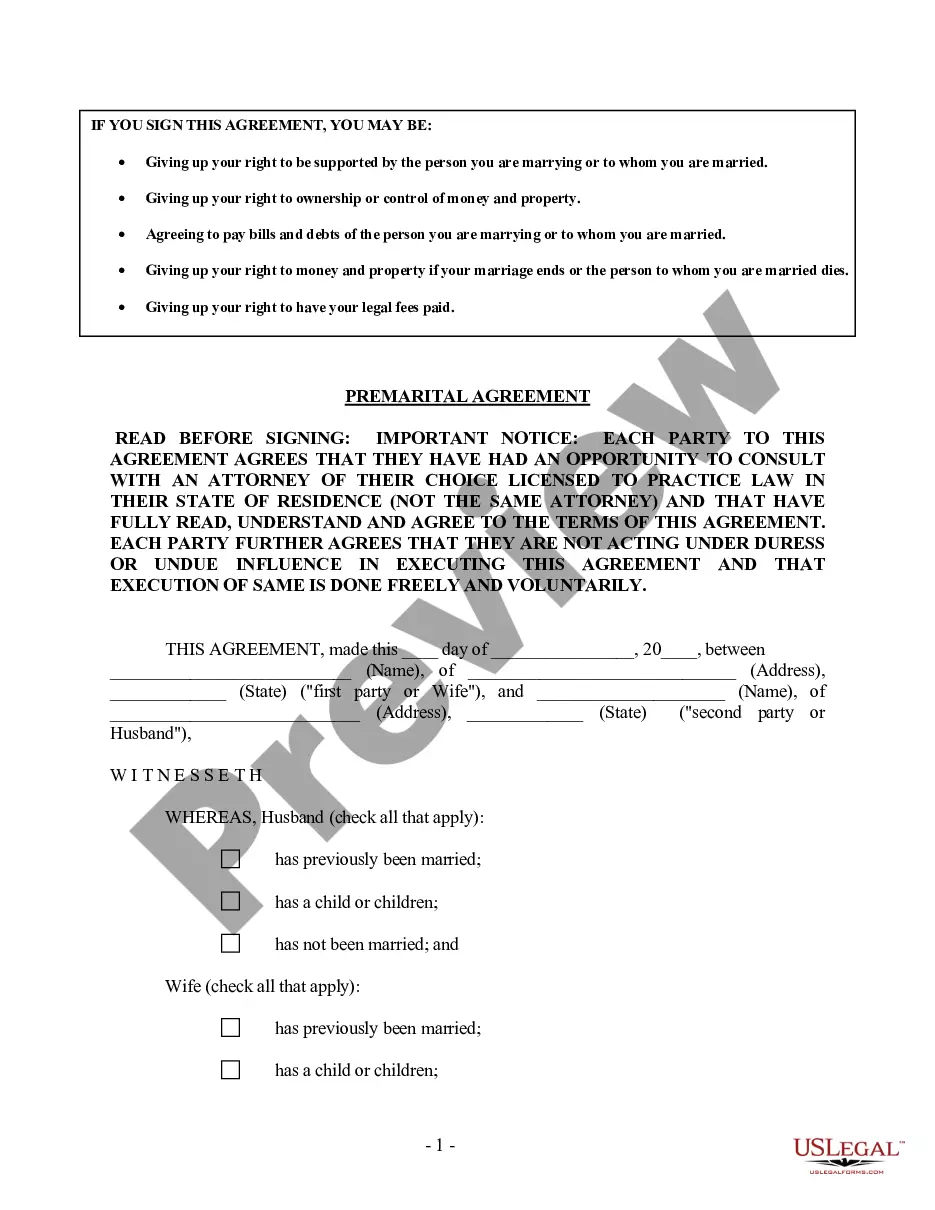
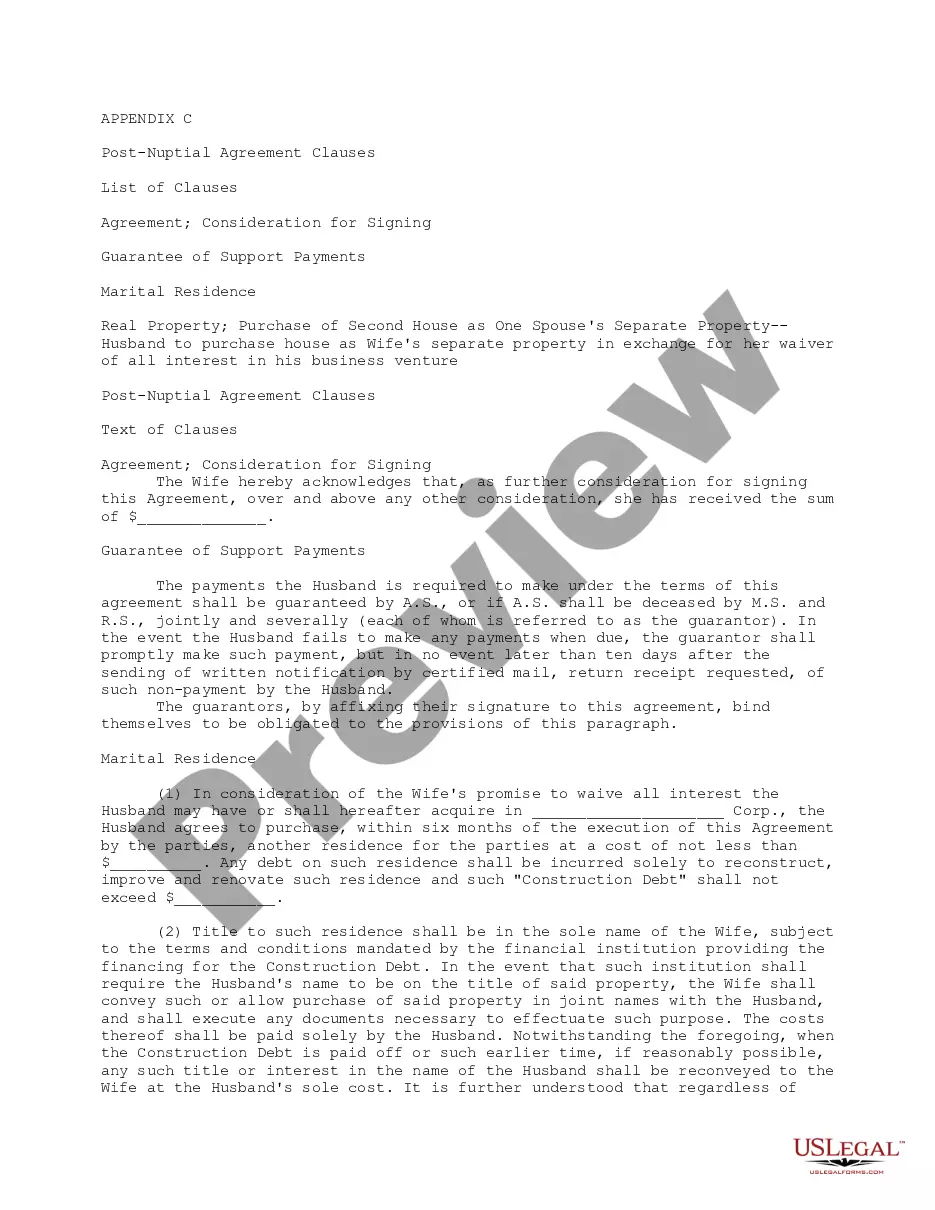
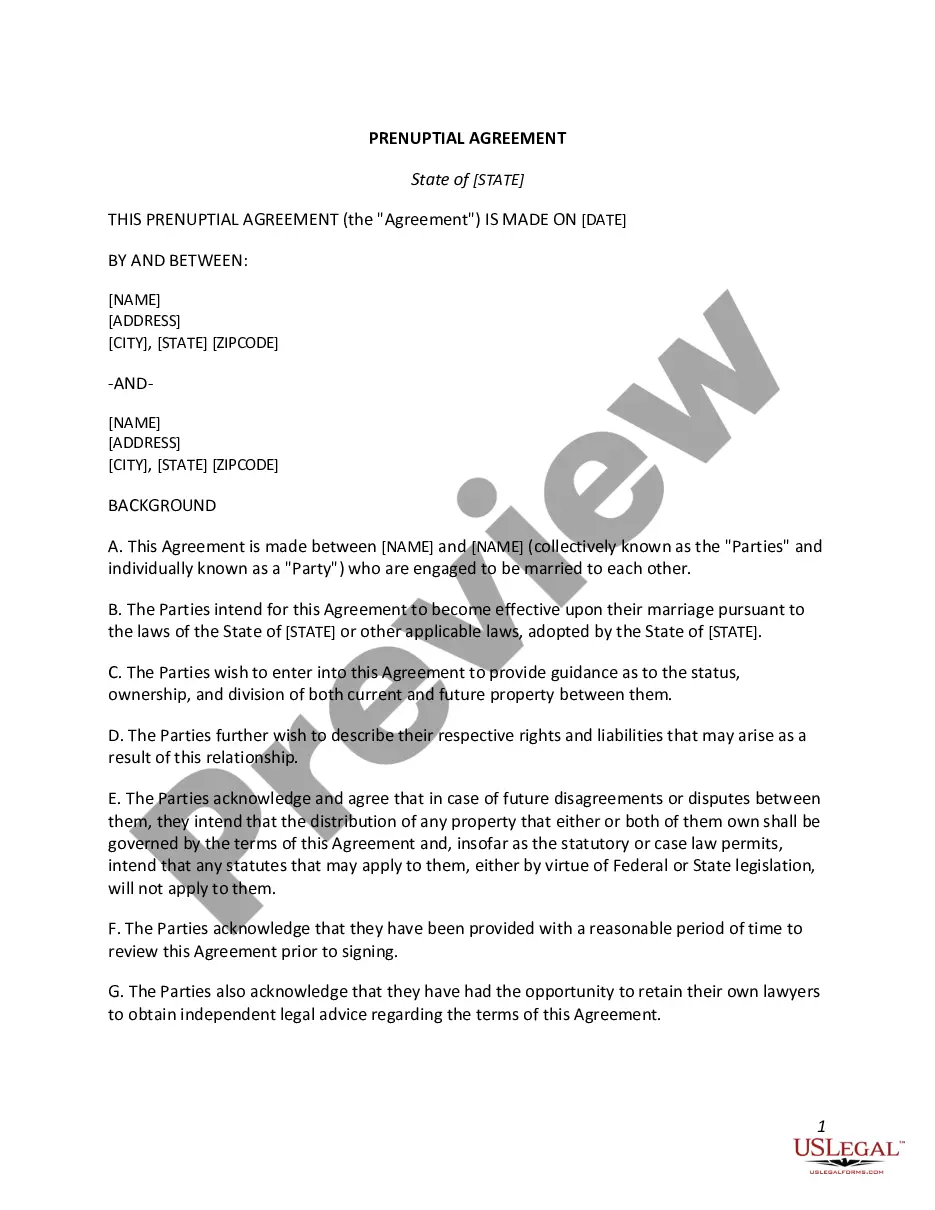
The North Dakota Prenuptial Premarital Agreement with Financial Statements is a legal document that allows couples to outline their financial rights and responsibilities before marriage. This agreement is essential for individuals who want to protect their assets and define property rights in case of divorce or death. Unlike standard marriage contracts, this agreement includes specific financial disclosures from both parties, providing a clear understanding of each partner's finances. It helps prevent disputes over marital property and ensures a smoother legal process if needed in the future.
Form components explained
- Identification of both parties involved in the agreement.
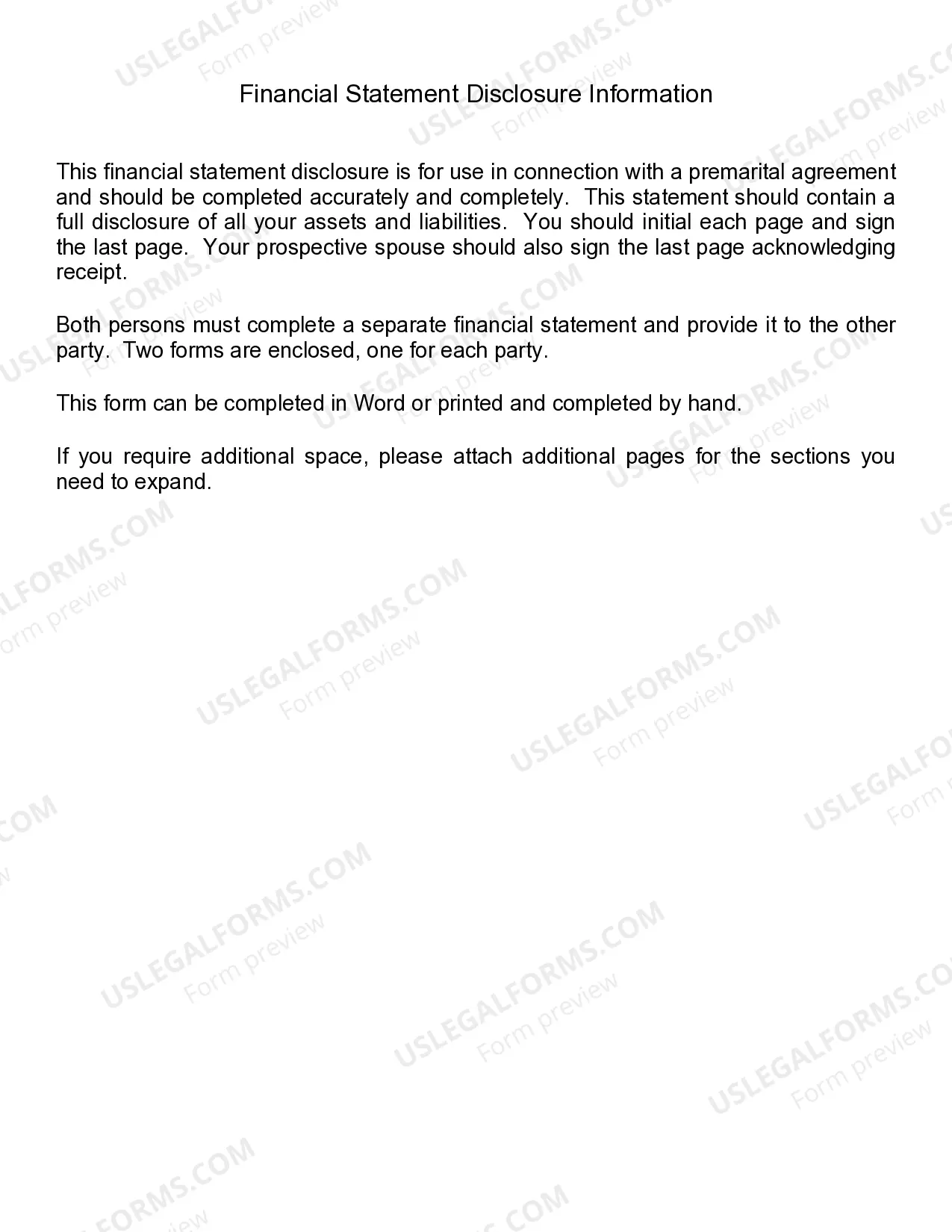
- Disclosure of assets and debts by each party through financial statements.
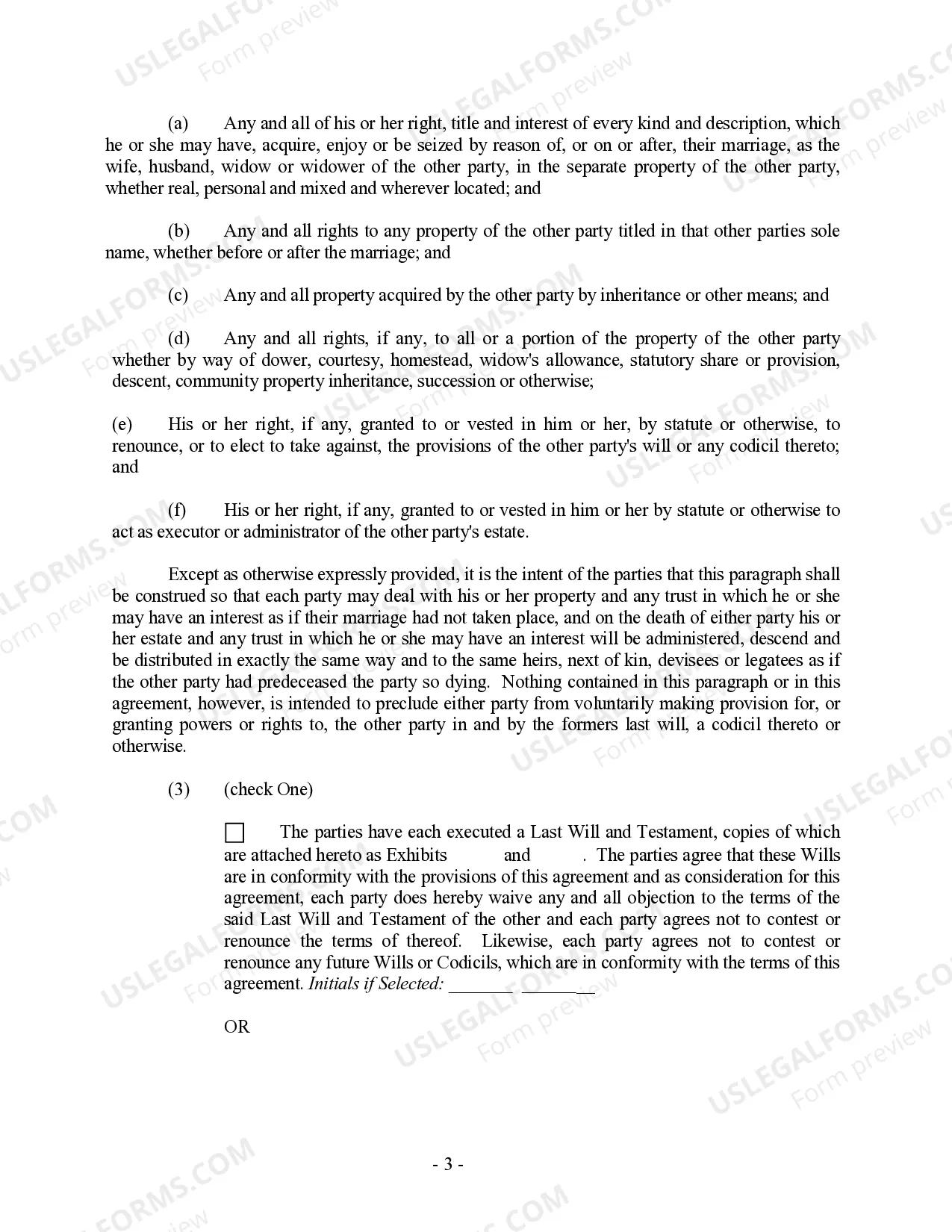
- Definitions of separate and joint property rights during the marriage.
- Provisions for handling debts incurred by either party.
- Legal terms governing the agreement, including its enforceability under North Dakota law.



When to use this document
This form is used when couples wish to establish a clear understanding of their financial arrangements before marrying. It is particularly important for individuals who have significant assets, debts, or children from previous relationships. Using this agreement can help prevent conflicts related to property division should the marriage end in divorce or one spouse passes away.
Who can use this document
- Couples planning to marry who want to protect their financial interests.
- Individuals with substantial assets or business interests.
- People entering a marriage with children from previous relationships.
- Those who have been previously married and want to formalize their financial arrangements again.
Steps to complete this form
- Identify both parties by entering their names and addresses at the beginning of the document.
- Complete the financial statements, disclosing all assets and debts each party possesses.
- Review the specific rights and responsibilities outlined in the agreement, ensuring both parties understand the terms.
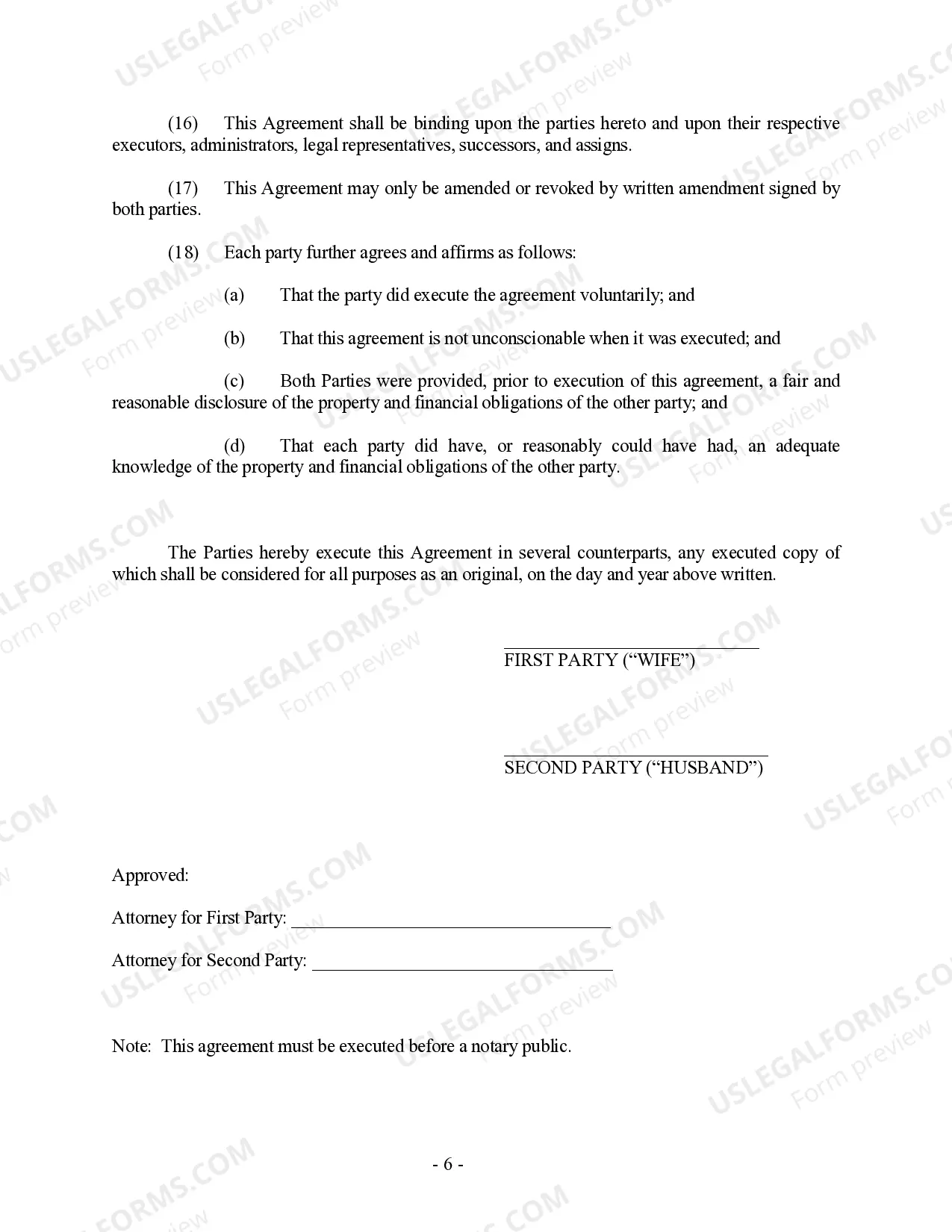
- Both parties must read, sign, and date the agreement in front of a notary public.
- Attach copies of the financial statements as exhibits and ensure each party receives a signed copy of the agreement.
Is notarization required?
Yes, this form must be notarized to be legally valid. The presence of a notary public ensures that both parties have voluntarily signed the document and are aware of its contents. US Legal Forms offers integrated online notarization services, allowing you to notarize documents securely via video call.
Get your form ready online
Our built-in tools help you complete, sign, share, and store your documents in one place.
Make edits, fill in missing information, and update formatting in US Legal Forms—just like you would in MS Word.
Download a copy, print it, send it by email, or mail it via USPS—whatever works best for your next step.
Sign and collect signatures with our SignNow integration. Send to multiple recipients, set reminders, and more. Go Premium to unlock E-Sign.
If this form requires notarization, complete it online through a secure video call—no need to meet a notary in person or wait for an appointment.
We protect your documents and personal data by following strict security and privacy standards.

Make edits, fill in missing information, and update formatting in US Legal Forms—just like you would in MS Word.

Download a copy, print it, send it by email, or mail it via USPS—whatever works best for your next step.

Sign and collect signatures with our SignNow integration. Send to multiple recipients, set reminders, and more. Go Premium to unlock E-Sign.

If this form requires notarization, complete it online through a secure video call—no need to meet a notary in person or wait for an appointment.

We protect your documents and personal data by following strict security and privacy standards.
Typical mistakes to avoid
- Failing to provide complete financial disclosures.
- Not having the agreement notarized when required.
- Ignoring to read the document thoroughly before signing.
- Forgetting to retain copies of the signed agreement for personal records.
Why use this form online
- Convenient access to legal documents from anywhere at any time.
- Editable templates that allow customization to fit specific needs.
- Drafted by licensed attorneys to ensure legal compliance and effectiveness.
- Easy and safe download options for record-keeping and sharing.
- Cost-effective solution to obtaining legal agreements without the expense of a lawyer's office visit.
Main things to remember
- Establishes clear financial rights and obligations before marriage.
- Helps in avoiding disputes regarding property division after divorce or death.
- Requires full financial disclosure from both parties.
- Must comply with North Dakota laws for enforceability.
Looking for another form?


Form popularity
FAQ
The three most common grounds for nullifying a prenup are unconscionability, failure to disclose, or duress and coercion.Duress and coercion can also invalidate a prenup. If the prenup was signed the day before your wedding, it may appear that the parties didn't have much time to fully review the agreement.
In the event of divorce, a prenup can protect a spouse from being liable for any debt the other spouse brought into the marriage.A prenup can also protect any income or assets you earn during the marriage, as well as unearned income from a bequest or a trust distribution.
One formality that many do not realize the importance of is a full and fair disclosure of assets and debts prior to the prenuptial agreement being signed. In other words, both parties are supposed to disclosure all the assets and debts that they are bringing into the marriage.
In common law states, debt taken on after marriage is usually treated as being separate and belonging only to the spouse that incurred them. The exception is those debts that are in the spouse's name only but benefit both partners.
2. Prenups make you think less of your spouse. And at their root, prenups show a lack of commitment to the marriage and a lack of faith in the partnership.Ironically, the marriage becomes more concerned with money after a prenup than it would have been without the prenup.
Just as a future asset can be protected by a prenup if adequately described, future income can also be treated as belonging to one partner but not both.
Prenuptial agreements:Can reaffirm that premarital debts are separate, establish that debts incurred after the marriage are separate and specify whose income will pay for specific debts.
Prenuptial agreements can also protect each party from being responsible for any debts that existed prior to the marriage. Without an agreement, these debts can become marital property in some states if there's nothing that defines them otherwise.
Typically a prenuptial agreement can cover the following: Each spouse's right to separate and marital property. Each spouse's right to buy, sell, transfer, spend, or manage property and assets during the marriage. Each spouse's entitlement to spousal support.