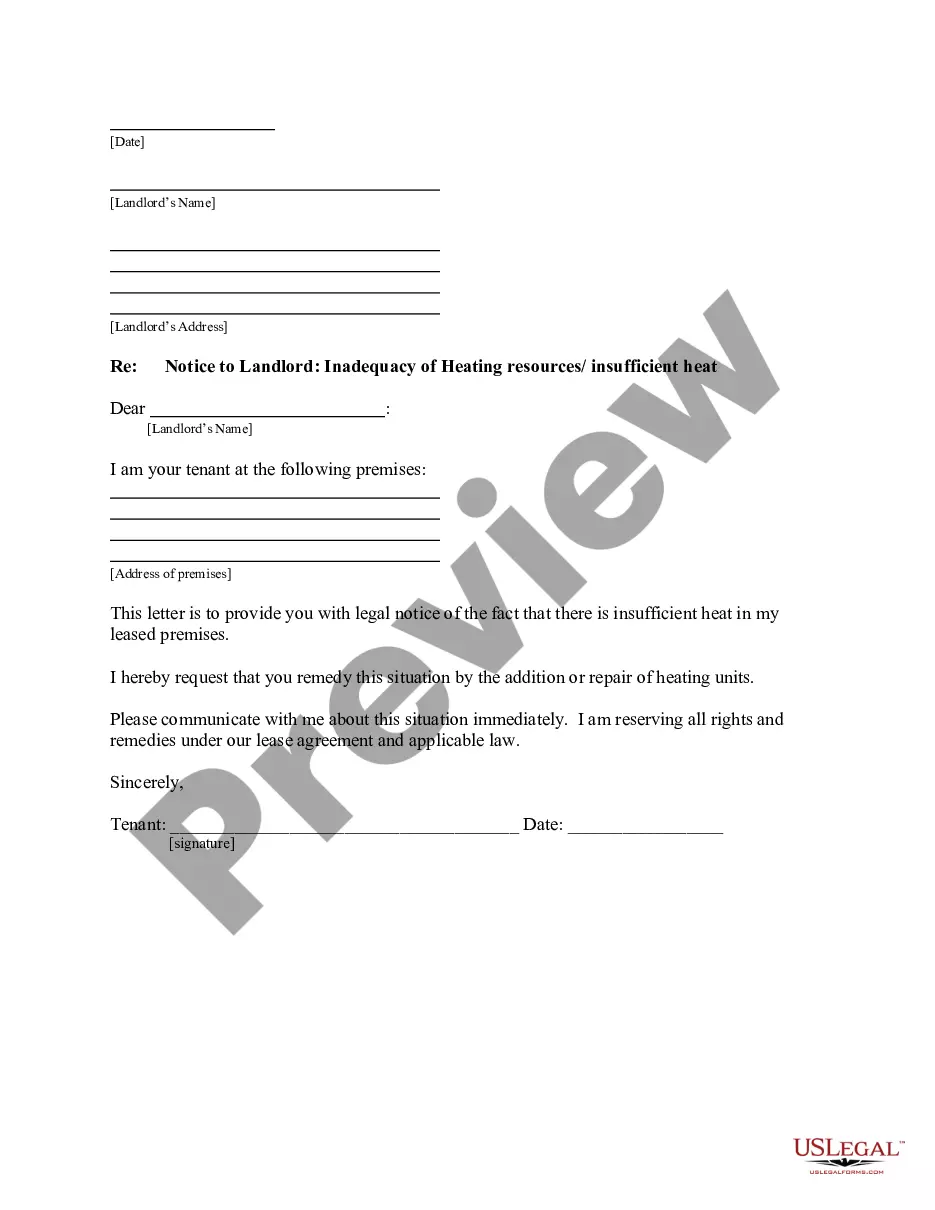
North Carolina Letter from Tenant to Landlord about Insufficient Notice of Change in Rental Agreement for other than rent increase
What this document covers
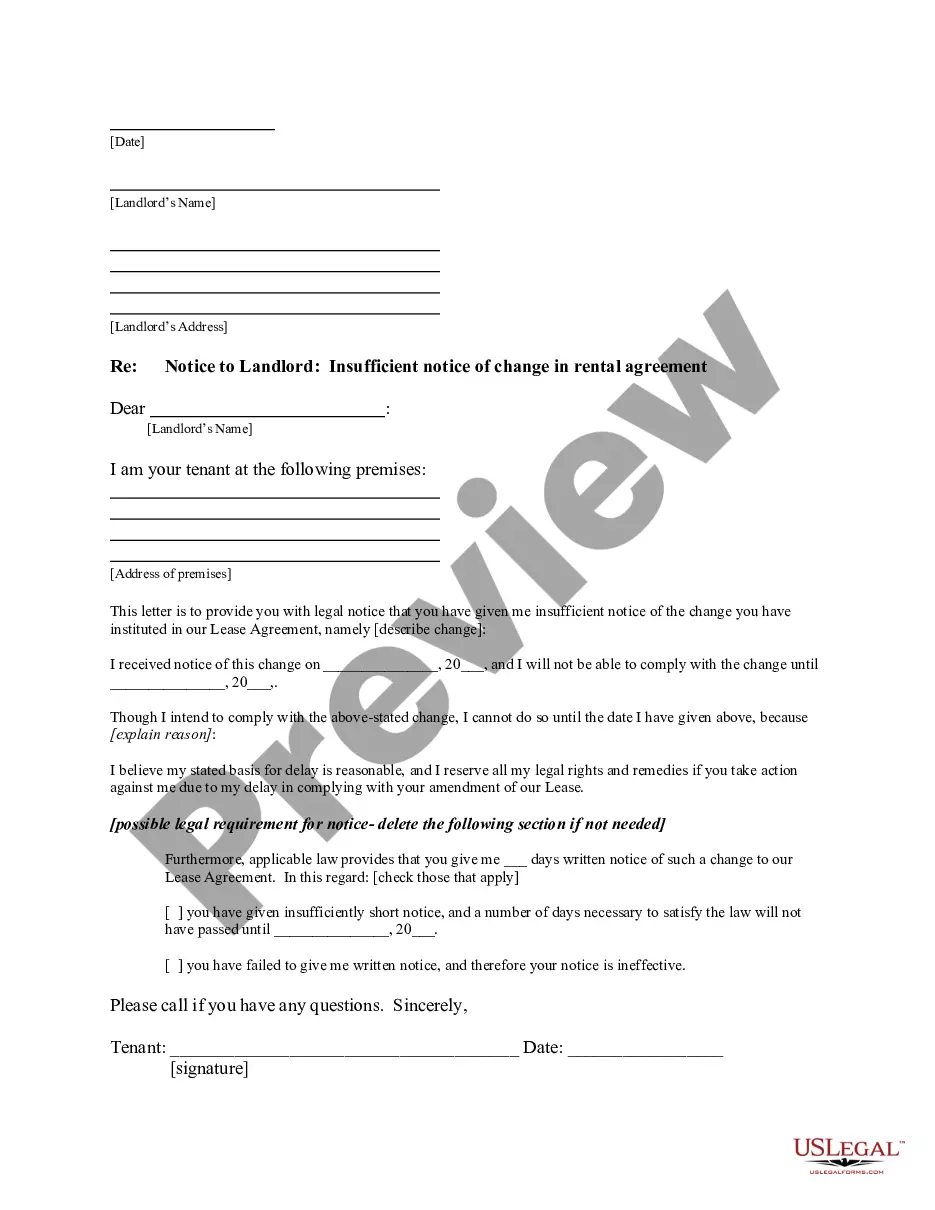
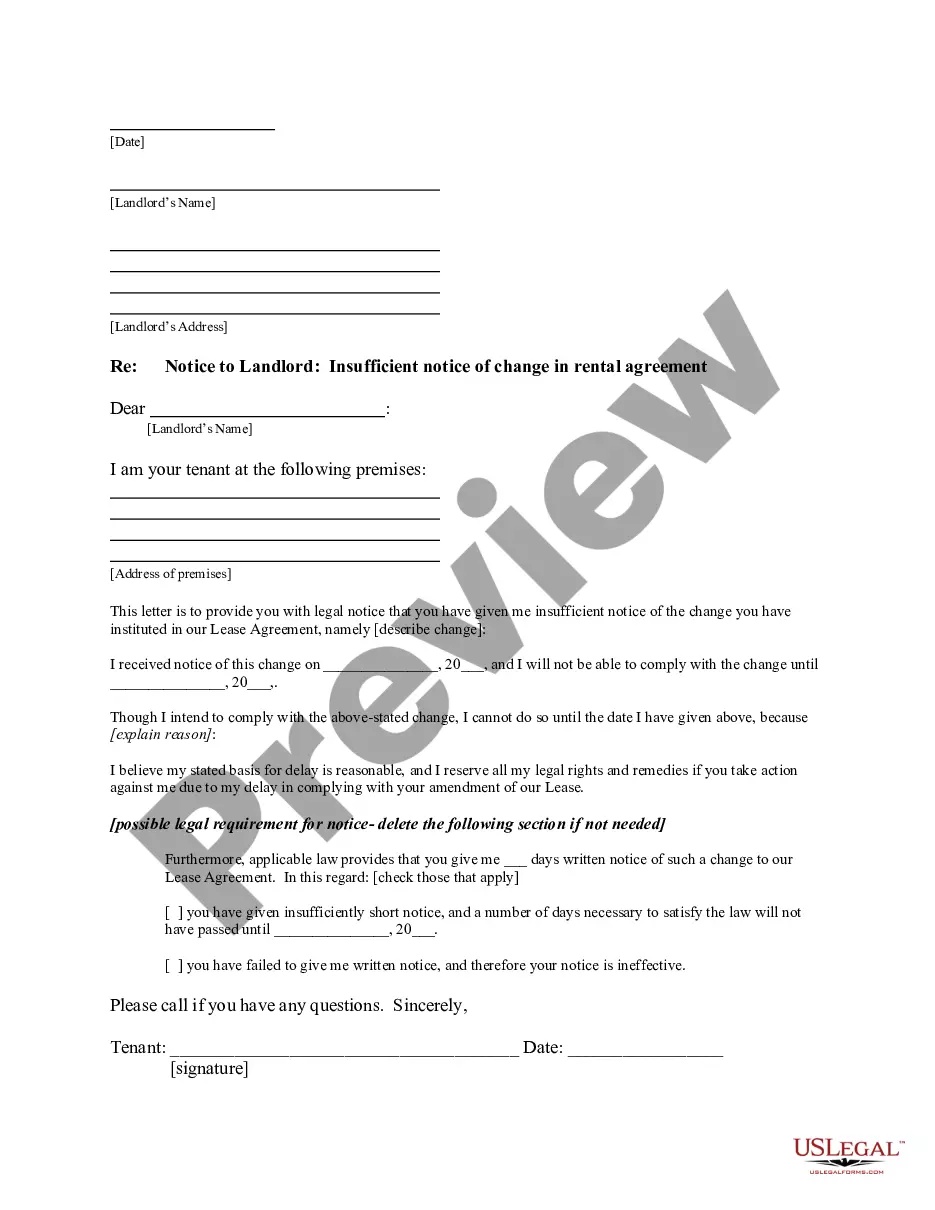
This form is a Letter from Tenant to Landlord about Insufficient Notice of Change in Rental Agreement for other than rent increase. It serves as a formal notice to the landlord, indicating that the tenant has received insufficient notice regarding changes made to the lease agreement. Unlike other types of lease-related notices, this letter specifically addresses changes that do not involve rent increases, empowering tenants to assert their rights based on proper notification procedures.
Main sections of this form
- Identification of the tenant and landlord.
- Statement regarding insufficient notice provided.
- Reference to applicable legal requirements regarding notice periods.
- Specification of the required compliance date.
- Signature of the tenant and date of delivery.
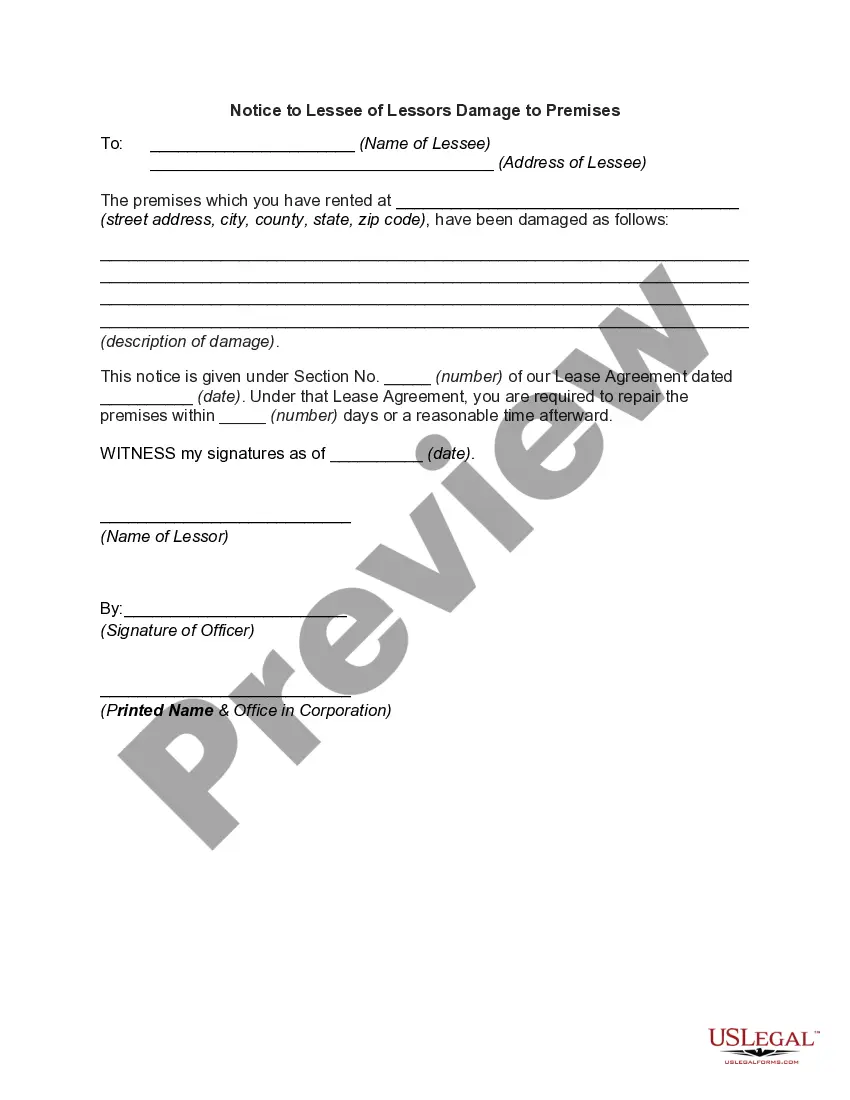

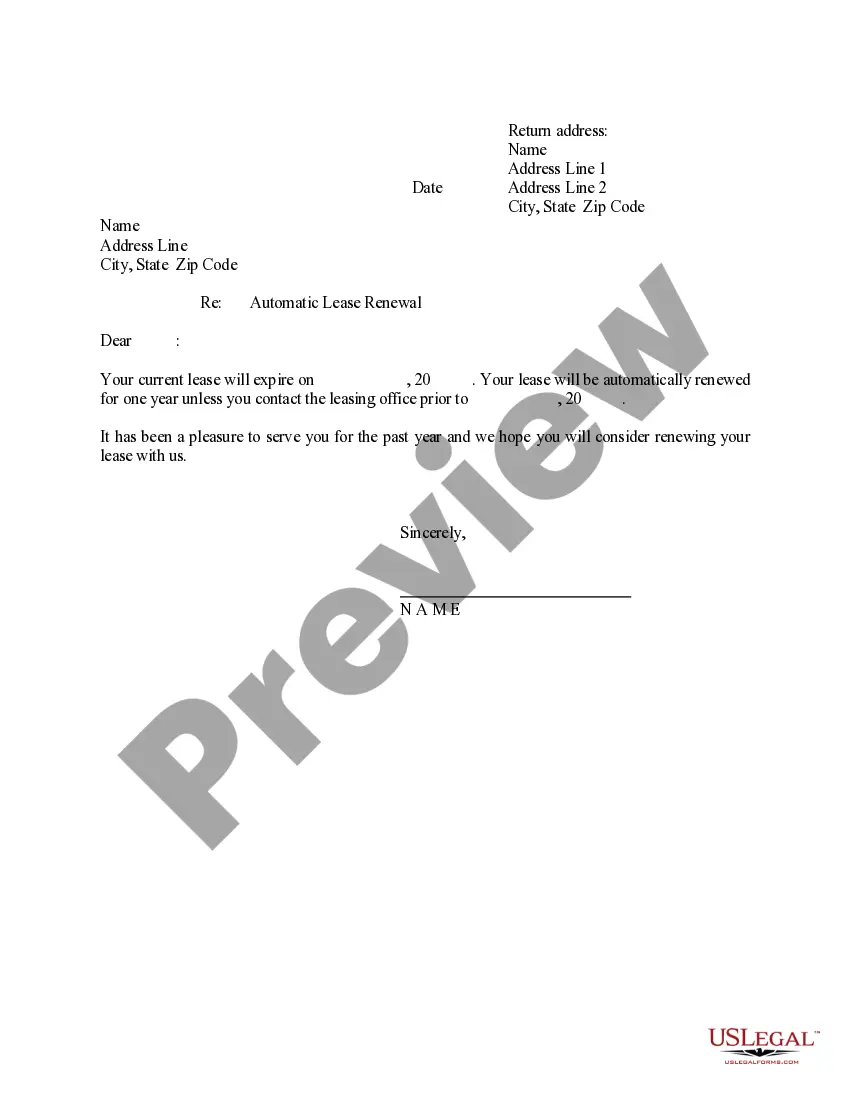

When to use this form
This form should be used when a landlord notifies a tenant of changes to the rental agreement, but fails to give adequate notice as stipulated by law. It is essential for tenants to communicate formally about insufficient notice, particularly when the changes may affect their tenancy without proper time to adjust.
Who this form is for
- Tenants who have received notice of changes in their rental agreement.
- Individuals seeking to assert their rights regarding lease revisions.
- People who wish to document their concerns in writing for legal purposes.
How to prepare this document
- Identify yourself and the landlord in the designated sections.
- Clearly state the nature of the insufficient notice received.
- Include the number of days you assert should have been provided for notice.
- Specify the date by which the landlord's changes will not be complied with.
- Sign and date the letter, ensuring to keep a copy for your records.
Does this form need to be notarized?
This form does not typically require notarization to be legally valid. However, some jurisdictions or document types may still require it. US Legal Forms provides secure online notarization powered by Notarize, available 24/7 for added convenience.
Get your form ready online
Our built-in tools help you complete, sign, share, and store your documents in one place.
Make edits, fill in missing information, and update formatting in US Legal Forms—just like you would in MS Word.
Download a copy, print it, send it by email, or mail it via USPS—whatever works best for your next step.
Sign and collect signatures with our SignNow integration. Send to multiple recipients, set reminders, and more. Go Premium to unlock E-Sign.
If this form requires notarization, complete it online through a secure video call—no need to meet a notary in person or wait for an appointment.
We protect your documents and personal data by following strict security and privacy standards.

Make edits, fill in missing information, and update formatting in US Legal Forms—just like you would in MS Word.

Download a copy, print it, send it by email, or mail it via USPS—whatever works best for your next step.

Sign and collect signatures with our SignNow integration. Send to multiple recipients, set reminders, and more. Go Premium to unlock E-Sign.

If this form requires notarization, complete it online through a secure video call—no need to meet a notary in person or wait for an appointment.

We protect your documents and personal data by following strict security and privacy standards.
Typical mistakes to avoid
- Failing to specify the exact date of the insufficient notice.
- Not providing accurate contact information for the landlord.
- Assuming oral notices are sufficient without documenting in writing.
Benefits of using this form online
- Convenient access to a legally drafted template.
- Edit the form to suit your specific situation effortlessly.
- Downloadable for immediate use, ensuring timely communication.
Legal use & context
Using this form properly can help protect your rights as a tenant by ensuring you have documented communication regarding lease changes. It also establishes a clear timeline for compliance and reiterates the landlord's obligation to follow the law regarding notice periods.
Key takeaways
- Use this letter to address insufficient notice from your landlord about lease changes.
- Clearly state your position and the applicable notice requirements.
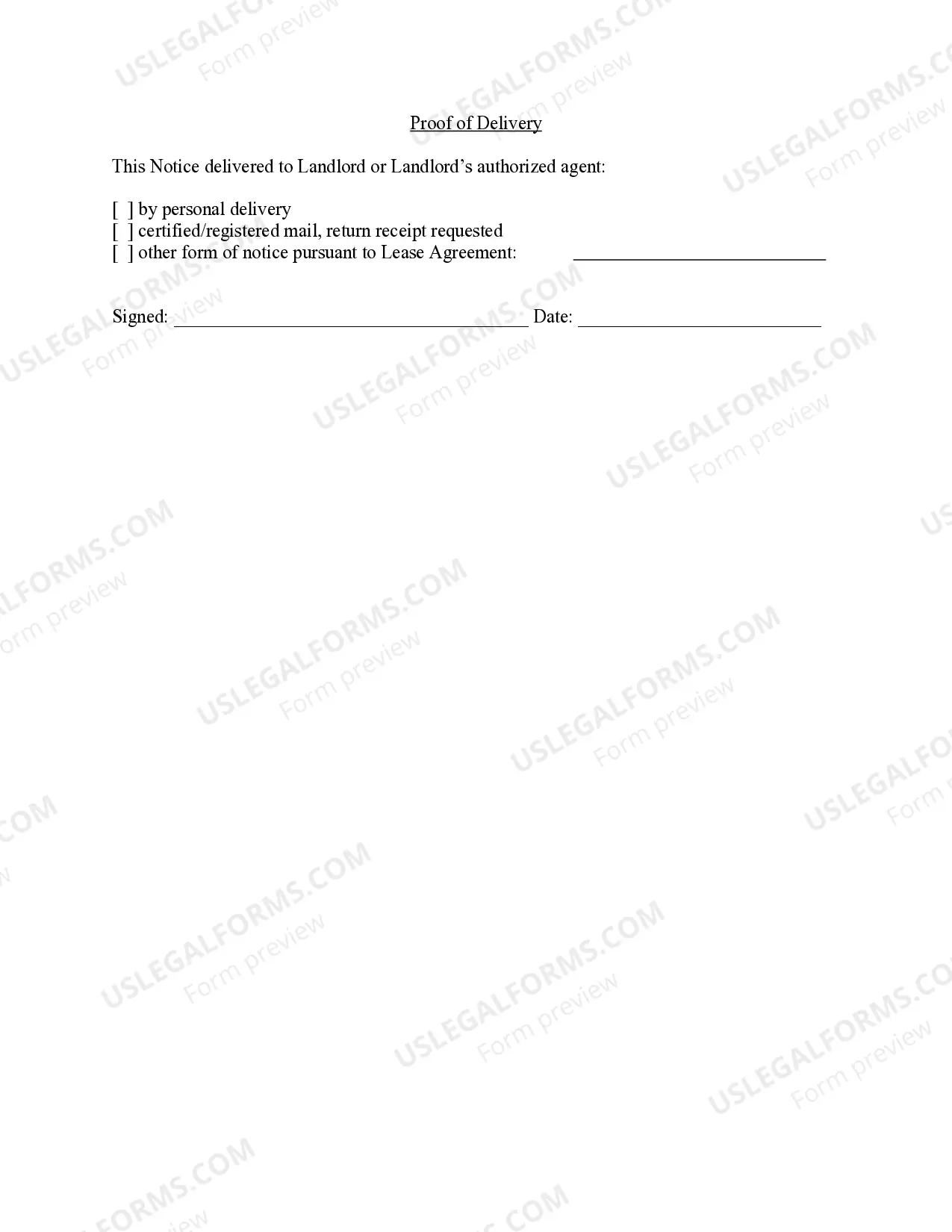
- Ensure proof of delivery to keep a proper record of your correspondence.
Legal terms and meanings
- Landlord: The owner of the rental property who leases it to tenants.
- Tenant: An individual who rents and occupies a rental property.
- Lease Agreement: A contract between the landlord and tenant outlining terms of rental.
- Notice period: The minimum time required for notifying one party of changes or intentions, according to law.
Looking for another form?
Form popularity
FAQ
In North Carolina, nonpayment of rent is the most common ground for eviction. In this case, you are required to give the tenant a 10-day "notice to quit." The notice informs the tenant that they need to pay the rent due within 10 days. Otherwise, they will be evicted.
In short, nothing in the CARES Act or Governor Cooper's Order prohibits evictions for reasons other than late payment or nonpayment of rent, such as evictions related to health, safety, or criminal activity. These types of evictions by a landlord would not violate the Order.
If the landlord/agent wants to end your agreement at the end of the fixed term, they must give you at least 30 days notice that includes the last day of the term. If the landlord/agent applies for a termination order, the Tribunal must terminate the agreement.
North Carolina law says that your landlord must keep your housing fit and safe. It also says that you, the tenant, must pay your rent, keep your home clean, and not damage your home. To make the law work, both the tenant and the landlord must do their part.
The landlord verification form is a document used by a landlord when verifying the previous rental information of an applicant for tenancy. The requesting landlord must send the form to the applicant's current or past landlord in order to obtain all details related to the tenancy of the individual.
Notice Requirements for North Carolina Landlords A landlord can simply give you a written notice to move, allowing you seven days as required by North Carolina law and specifying the date on which your tenancy will end.
Leaving without giving notice Your tenancy won't have ended and you'll still have to pay your rent until you end your tenancy in the right way. You might also have to pay other bills - for example, council tax. Your landlord can get a court order to make you pay the rent you owe.
If you don't move out by the day in the notice, the landlord can ask the NSW Civil and Administrative Tribunal (NCAT) for a termination order. A termination order means the rental agreement is ended. The order will state the day when you must give vacant possession that is, you move out and return the keys.
Answer. Tenants have the right to "quiet enjoyment" of their home. Unless there is an emergency, your landlord or their agent must give you at least 24 hours' notice if they intend to visit.Apart from genuine emergencies, landlords cannot enter a tenant's home without their consent unless they have a court order.