North Carolina General Warranty Deed from Individual to LLC
Overview of this form
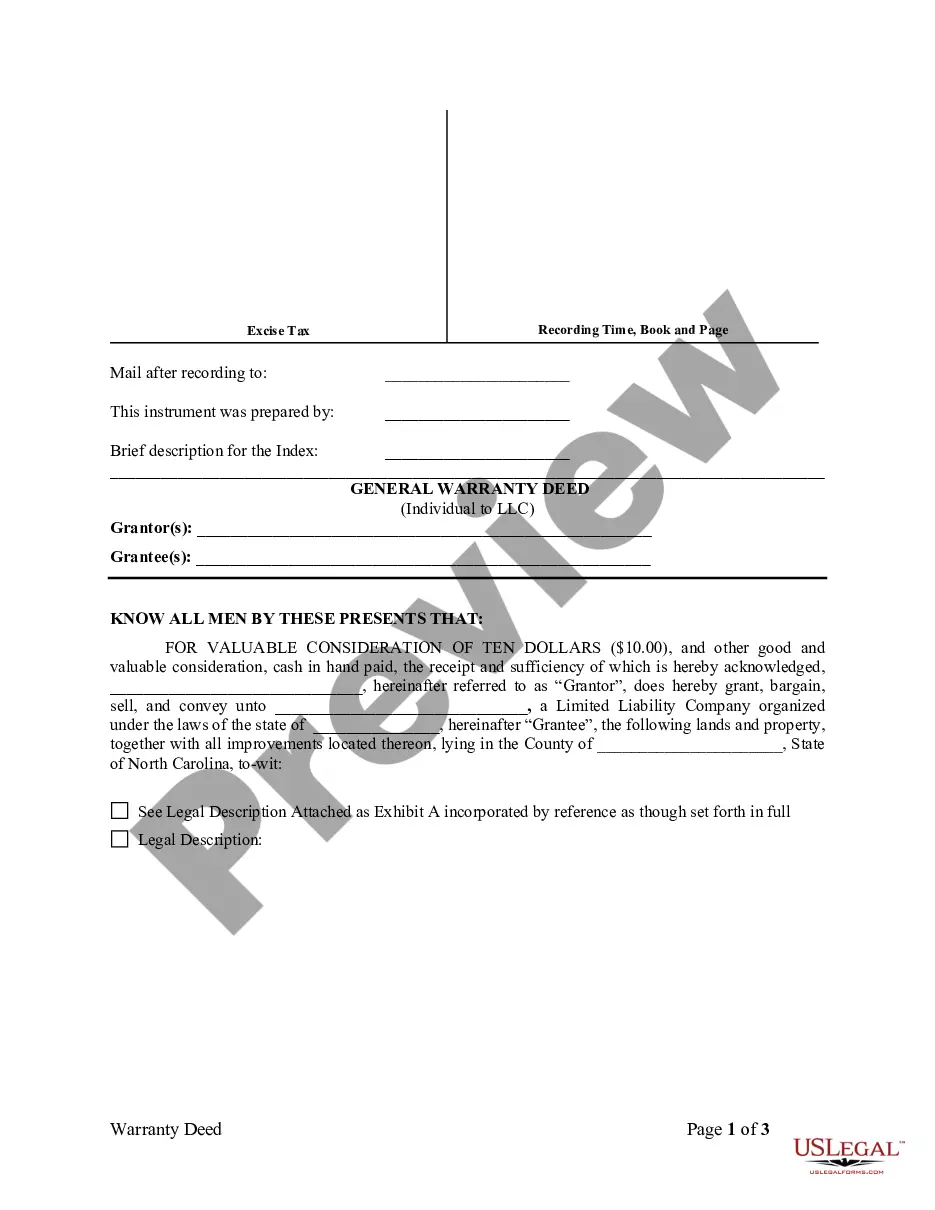
The General Warranty Deed from Individual to LLC is a legal document that allows an individual (the grantor) to transfer property ownership to a limited liability company (the grantee). This type of warranty deed provides assurance that the grantor has clear title to the property and warrants against any claims. Unlike a quitclaim deed, a general warranty deed offers additional protections and guarantees regarding the property title, making it a more secure option for real estate transactions.
Main sections of this form
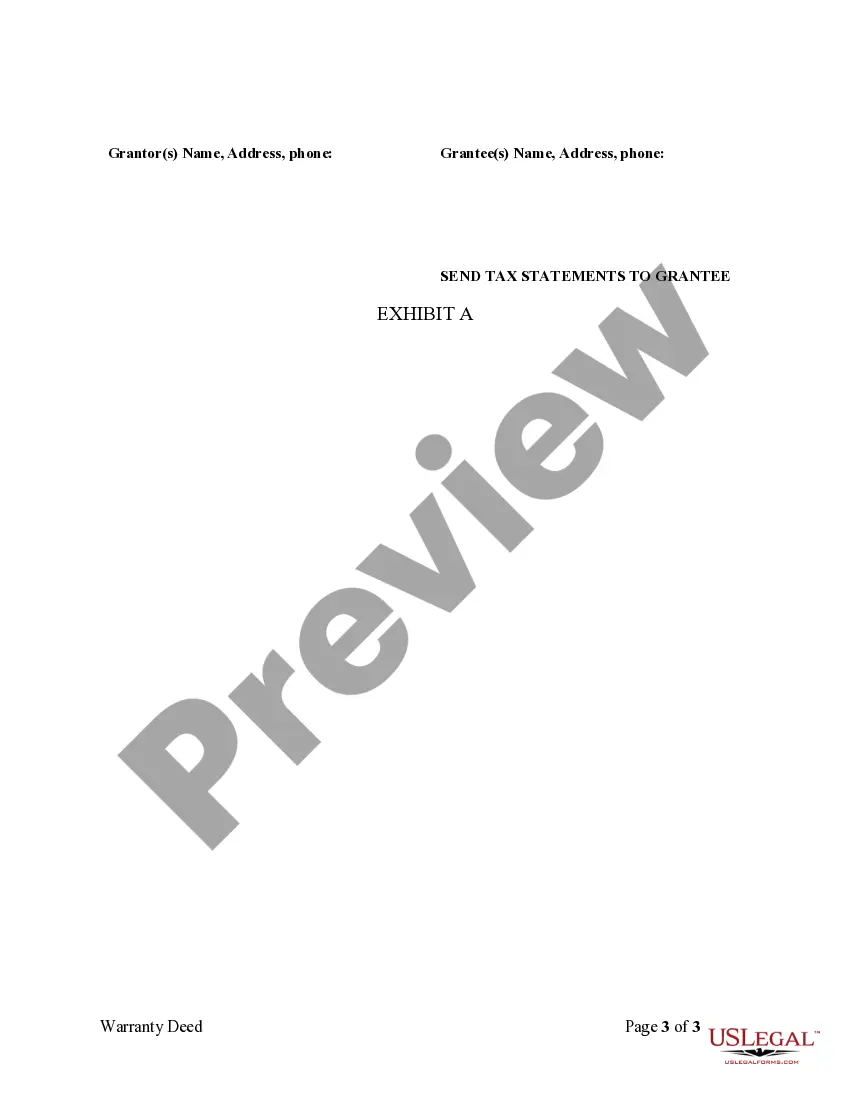
- Grantor and Grantee Information: Sections to fill out the names and details of both the individual transferring the property and the LLC receiving it.
- Property Description: A detailed description of the property being conveyed, specifying its location and boundaries.
- Consideration: A statement acknowledging the payment for the property, often a nominal sum like ten dollars.
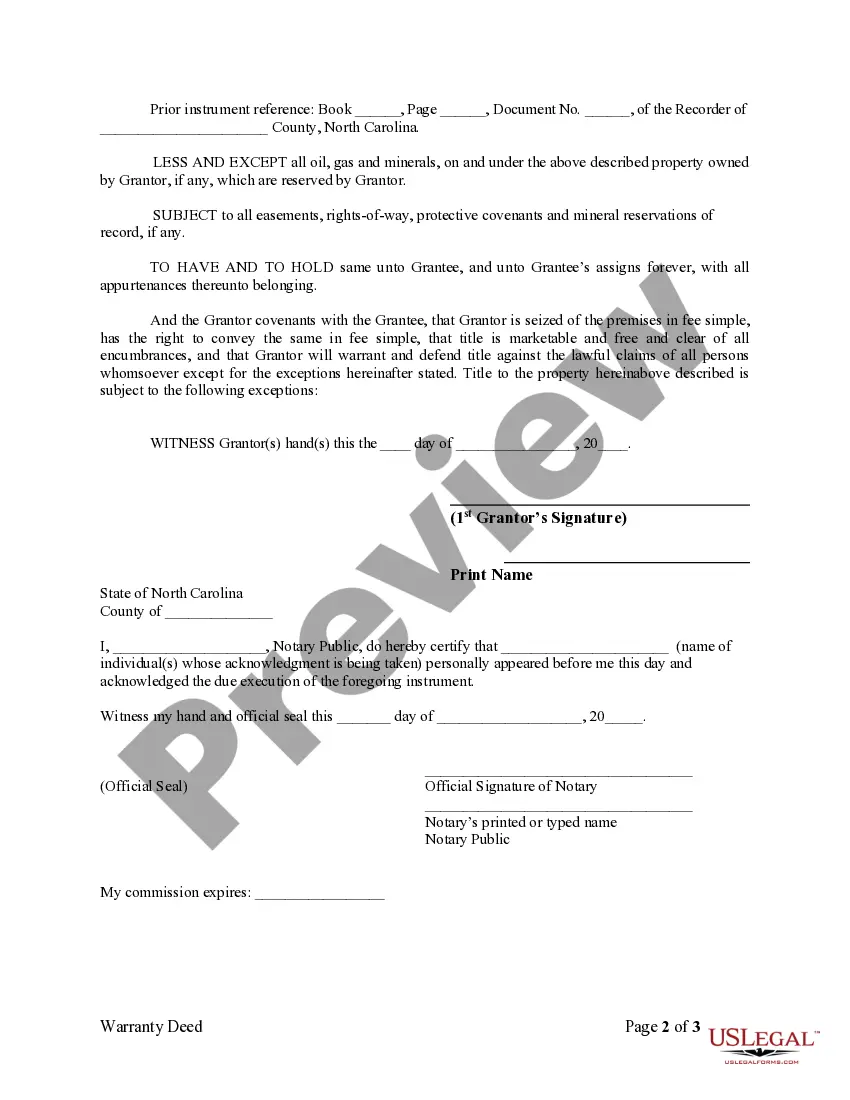
- Covenants of Grantor: Assurance from the grantor that they have legal ownership of the property and the right to sell it.
- Exceptions and Reservations: Any easements, mineral rights, or other limitations on the title that may apply to the property.
- Notary Acknowledgment: A space for the notary public to confirm the identities of the signatories and witness the signing of the document.





Common use cases
This form is commonly used when an individual wants to transfer real property into a limited liability company for various reasons, such as asset protection or ease of management. It is appropriate in situations involving property investment, business structuring, or when an individual wishes to formally separate personal assets from business obligations.
Who needs this form
- Individuals who own real property and wish to transfer it to an LLC.
- Real estate investors seeking to protect their personal assets.
- Business owners wanting to organize their property under a business structure.
- Legal representatives assisting clients with property transactions.
Completing this form step by step
- Identify the grantor and grantee by entering their full legal names and addresses.
- Provide a detailed property description that includes location and boundaries.
- Complete the section regarding consideration, noting any payment for the property.
- Specify any exceptions or reservations related to the property title.
- Have the grantor sign the document in front of a notary public to ensure its validity.
Notarization requirements for this form
Notarization is required for this form to take effect. Our online notarization service, powered by Notarize, lets you verify and sign documents remotely through an encrypted video session, available 24/7.
Get your form ready online
Our built-in tools help you complete, sign, share, and store your documents in one place.
Make edits, fill in missing information, and update formatting in US Legal Forms—just like you would in MS Word.
Download a copy, print it, send it by email, or mail it via USPS—whatever works best for your next step.
Sign and collect signatures with our SignNow integration. Send to multiple recipients, set reminders, and more. Go Premium to unlock E-Sign.
If this form requires notarization, complete it online through a secure video call—no need to meet a notary in person or wait for an appointment.
We protect your documents and personal data by following strict security and privacy standards.

Make edits, fill in missing information, and update formatting in US Legal Forms—just like you would in MS Word.

Download a copy, print it, send it by email, or mail it via USPS—whatever works best for your next step.

Sign and collect signatures with our SignNow integration. Send to multiple recipients, set reminders, and more. Go Premium to unlock E-Sign.

If this form requires notarization, complete it online through a secure video call—no need to meet a notary in person or wait for an appointment.

We protect your documents and personal data by following strict security and privacy standards.
Typical mistakes to avoid
- Failing to include a complete and accurate property description.
- Not having the document notarized, which can lead to issues in enforceability.
- Leaving out important covenants or exceptions, which might misrepresent the title status.
- Using outdated forms that do not comply with current state laws.
Benefits of completing this form online
- Convenience of accessing the form from anywhere, at any time.
- Easy editability to customize the form as needed for your specific transaction.
- Reliable templates drafted by licensed attorneys, ensuring legal compliance.
- Instant downloads allow for quick action on your property transfer.
Looking for another form?

Form popularity
FAQ
A warranty deed, also known as a general warranty deed, is a legal real estate document between the seller (grantor) and the buyer (grantee). The deed protects the buyer by pledging that the seller holds clear title to the property and there are no encumbrances, outstanding liens, or mortgages against it.
The North Carolina general warranty deed is used to transfer property in North Carolina from one person to another legally. A warranty deed comes with a guarantee from the seller that the property has clear title.
The name and address of the seller (called the grantor) The name and address of the buyer (called the grantee) A legal description of the property (found on the previous deed) A statement that the grantor is transferring the property to the grantee.
The original deed is returned to the owner of the property from the office of the recorder after proper entry. The office of the Recorder of Deeds maintains a set of indexes about each deed recorded, for an easy search. Almost all states have a grantor-grantee index including a reference to all documents recorded.
A general warranty deed covers the property's entire history. It guarantees the property is free-and-clear from defects or encumbrances, no matter when they happened or under whose ownership.With a special warranty deed, the guarantee covers only the period when the seller held title to the property.
They are (1) covenant for seisin; (2) covenant of the right to convey; (3) covenant against encumbrances; (4) covenant for QUIET ENJOYMENT; (5) covenant of general WARRANTY; and (6) covenant for further assurances.
However, there are substantial downsides associated with transferring your primary home into an LLC.If you are using your personal residence for estate planning purposes, a qualified personal residence trust (QPRT) may be more effective than transferring your property to a limited liability company.
Typically, the lender will provide you with a copy of the deed of trust after the closing. The original warranty deeds are often mailed to the grantee after they are recorded. These are your original copies and should be kept in a safe place, such as a fireproof lockbox or a safe deposit box at a financial institution.
A special warranty deed to real estate offers protection to the buyer through the seller's guarantee that the title has been free and clear of encumbrances during their ownership of the property. It does not guarantee clear title beyond their ownership.