Montana Assumption Agreement of Deed of Trust and Release of Original Mortgagors
Understanding this form
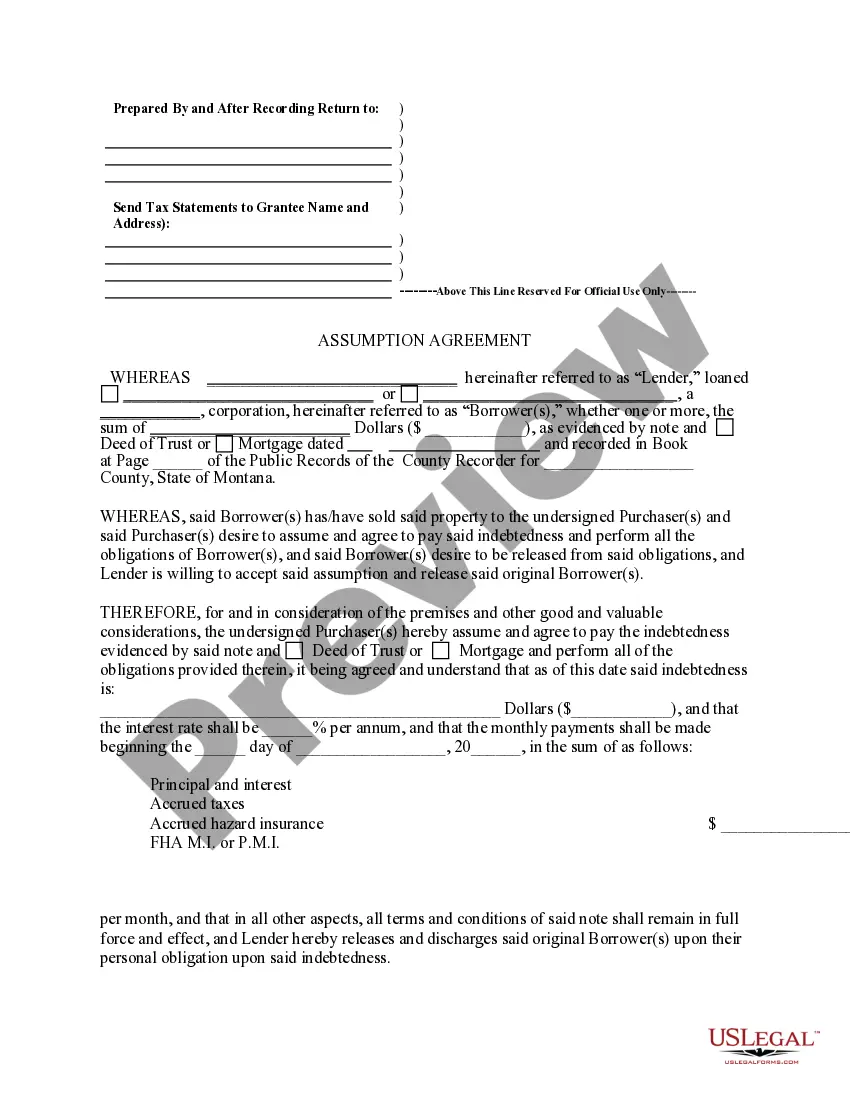
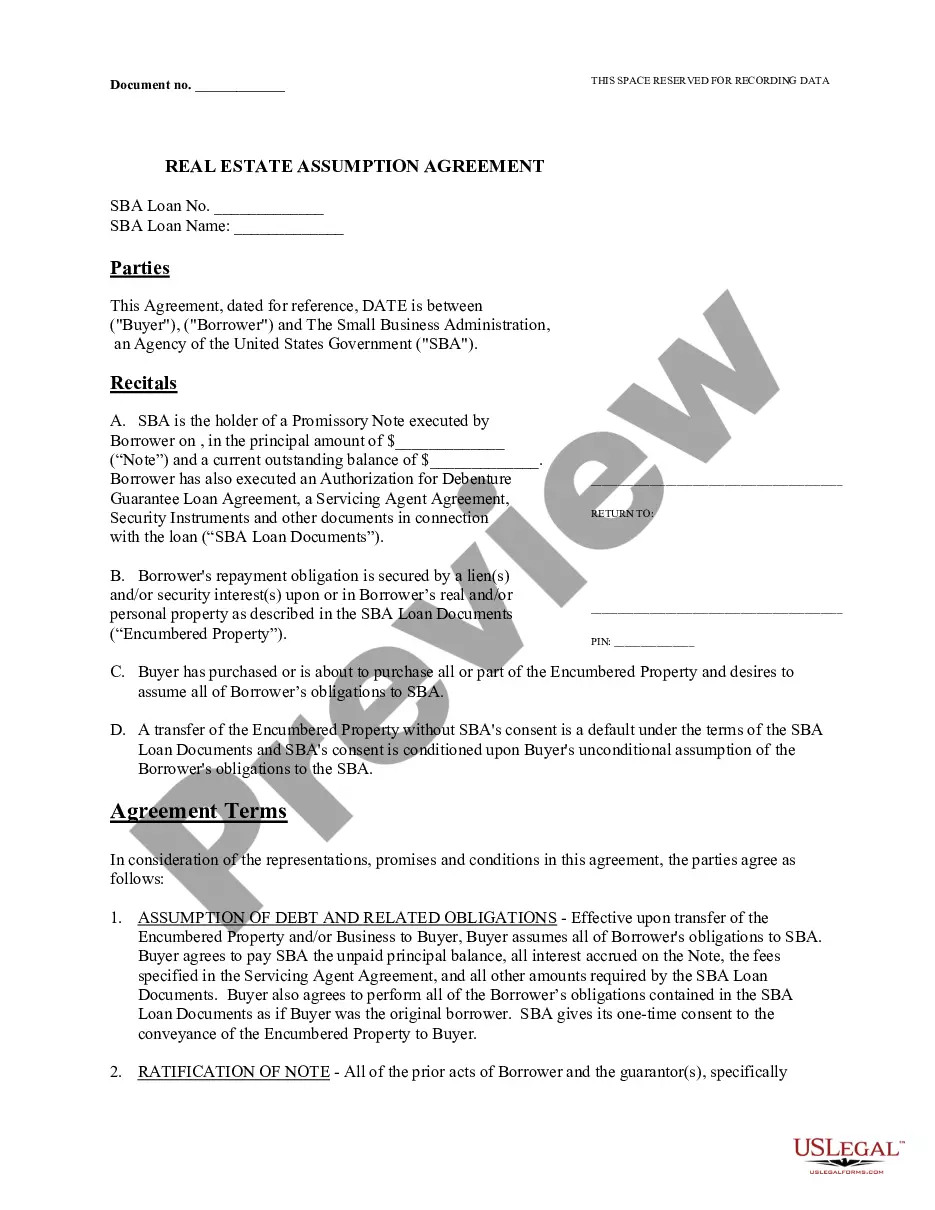
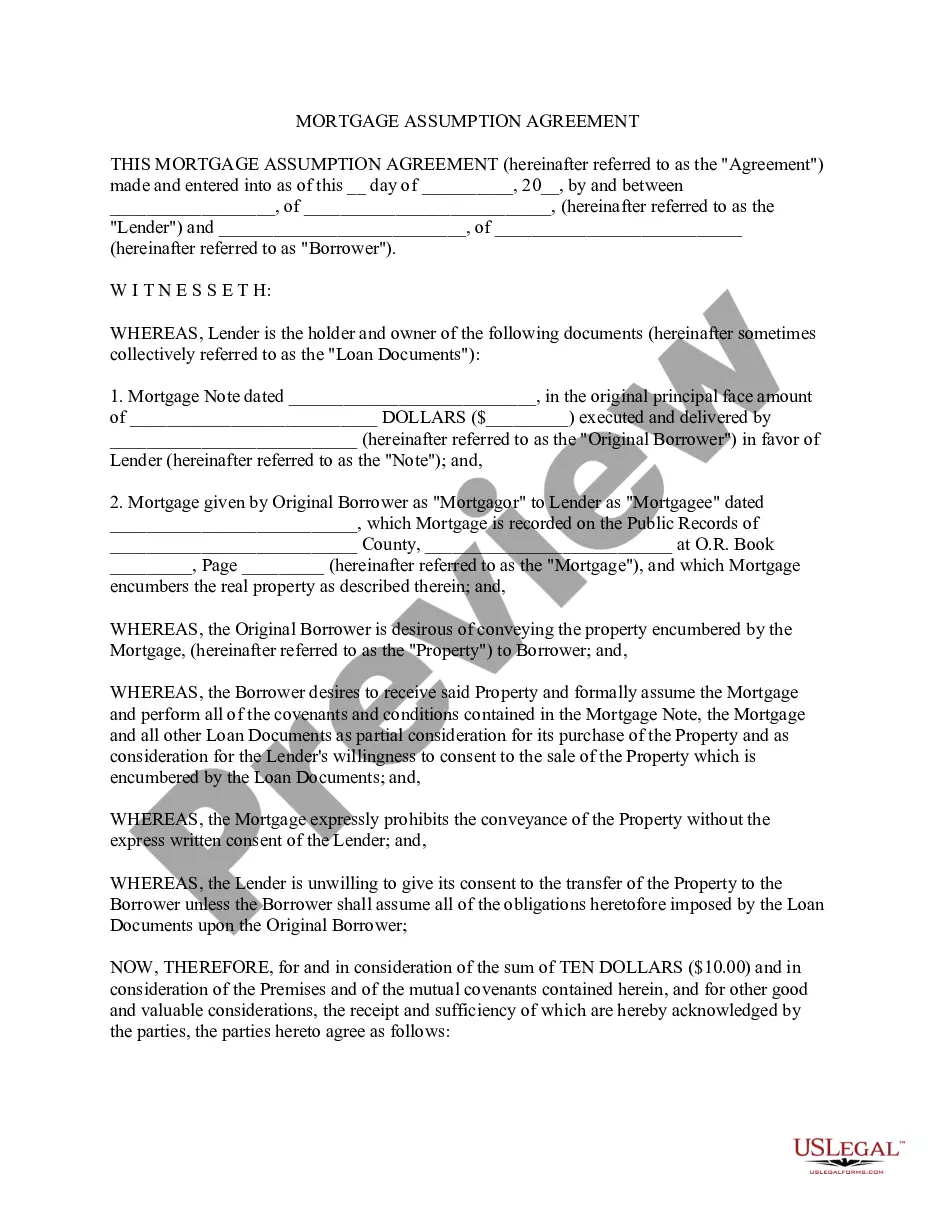
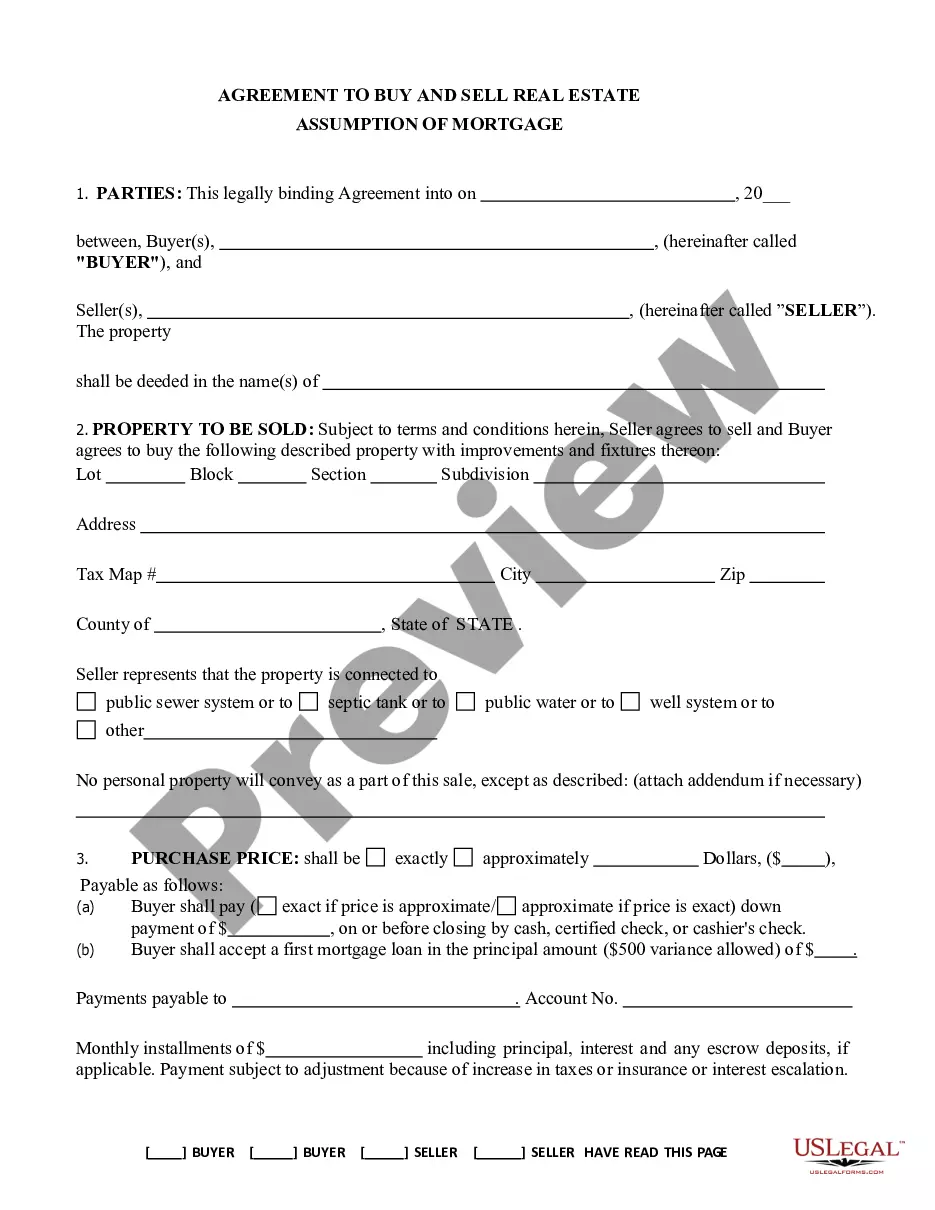
The Assumption Agreement of Deed of Trust and Release of Original Mortgagors is a legal document that allows new purchasers of a property to assume an existing mortgage. This ensures that the new owners become responsible for the mortgage payments, while the lender releases the original borrowers from any future obligations. This form differs from other mortgage-related forms by formalizing the assumption of the loan and relieving the original mortgagors of their liability.
Key parts of this document
- Identification of the original mortgagors and new purchasers.
- Details of the mortgage, including total indebtedness and interest rate.
- Monthly payment breakdown, including principal, interest, taxes, and insurance.
- Release clause discharging original mortgagors from future loan obligations.
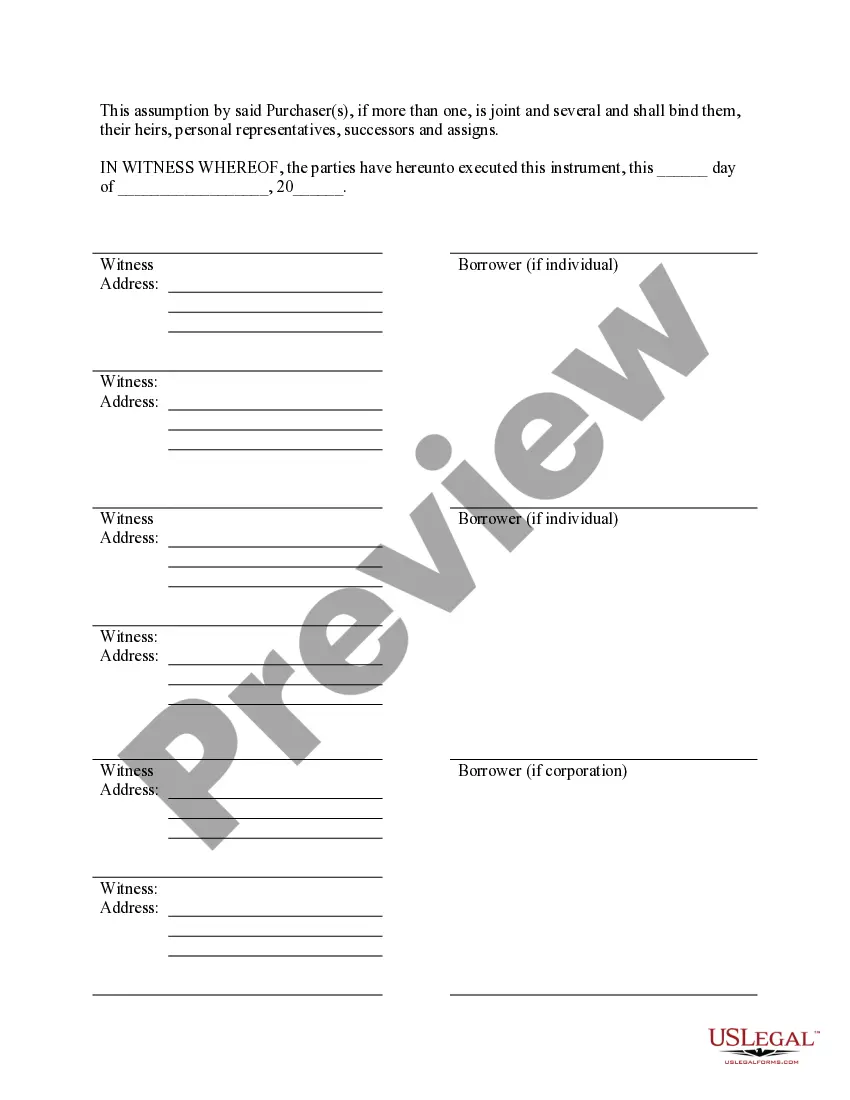
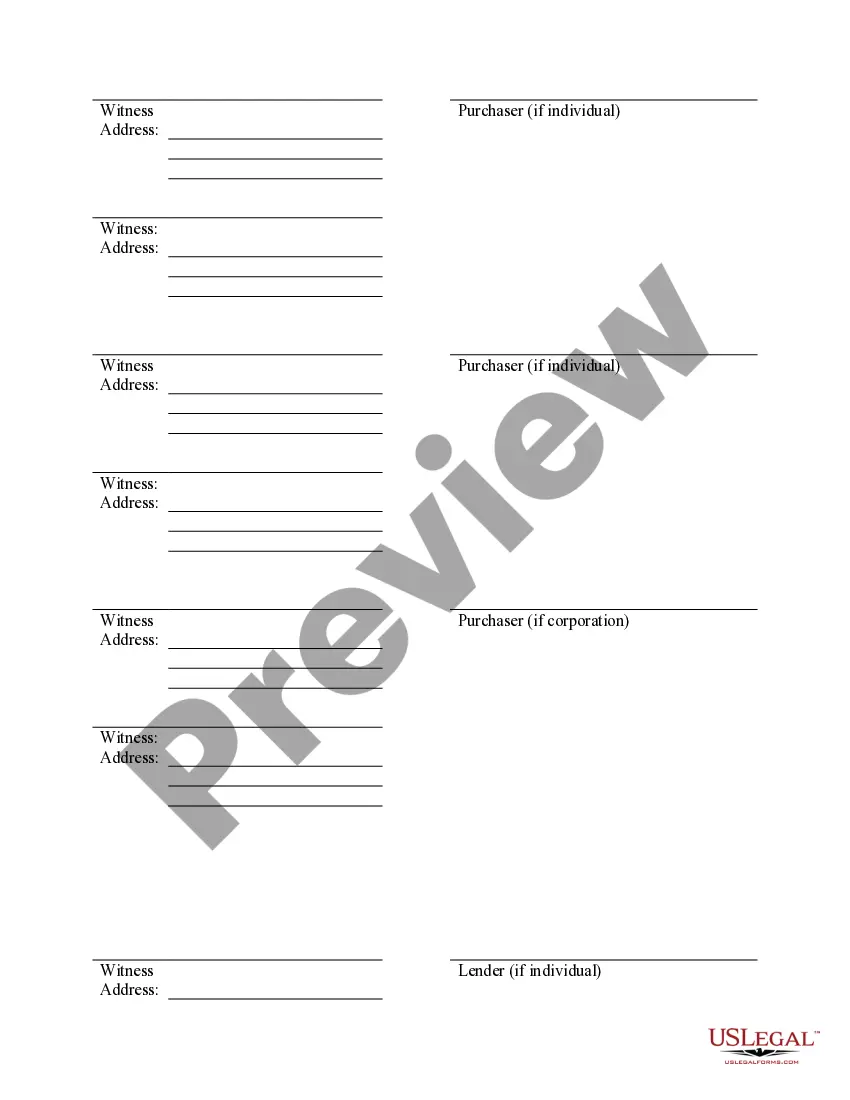
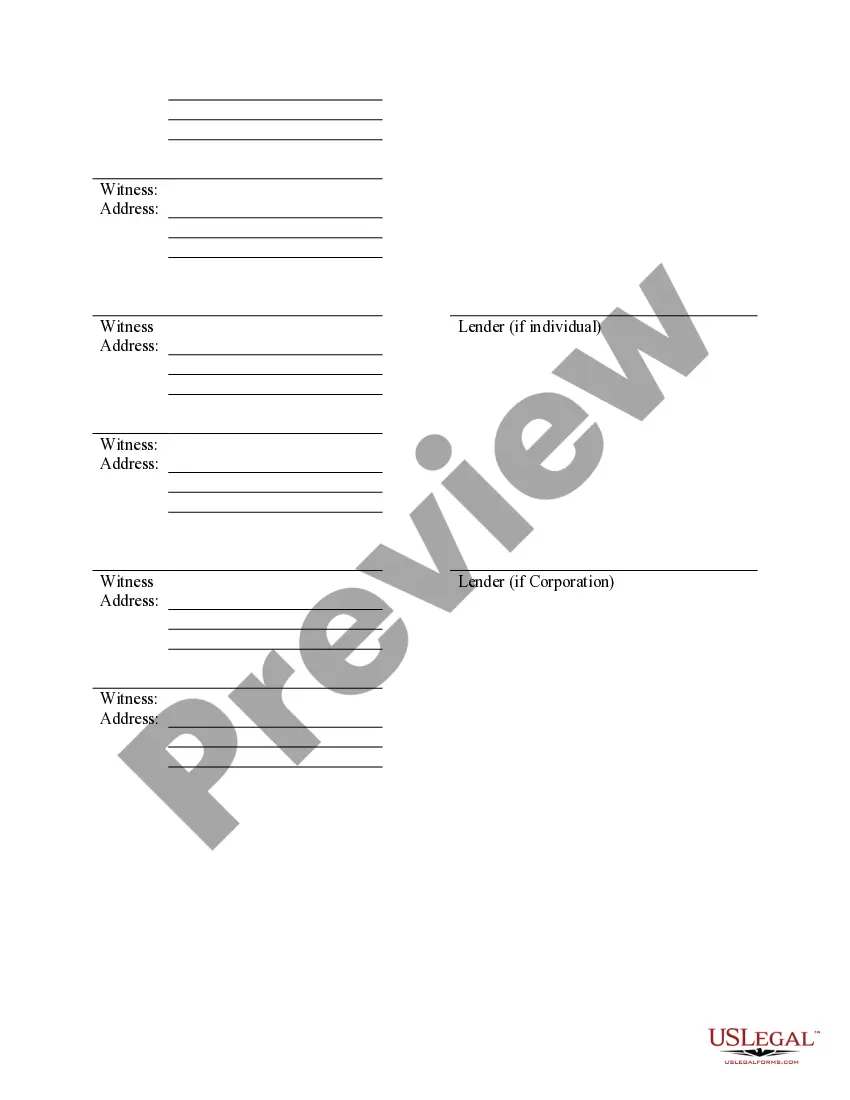
- Signature lines for all parties involved.



When this form is needed
This form is typically used when a buyer purchases a property with an existing mortgage and wishes to take over that loan. It is crucial when the lender agrees to the transfer of the mortgage liability from the original borrowers to the new buyers. This situation may arise during property sales where the new owners need to assume the outstanding mortgage balance as part of the sale agreement.
Who should use this form
This form is intended for:
- New purchasers of a property who want to assume an existing mortgage.
- Lenders or mortgagees looking to formalize the assumption of the mortgage.
- Original mortgagors who wish to be released from liability on the loan.
Completing this form step by step
- Identify all parties involved: original mortgagors, new purchasers, and the lender.
- Specify the property and include its legal description.
- Enter the total mortgage amount, interest rate, and payment details.
- Sign and date the document in the presence of a notary if required.
- Ensure that the lender releases the original mortgagors from liability upon completion.
Notarization requirements for this form
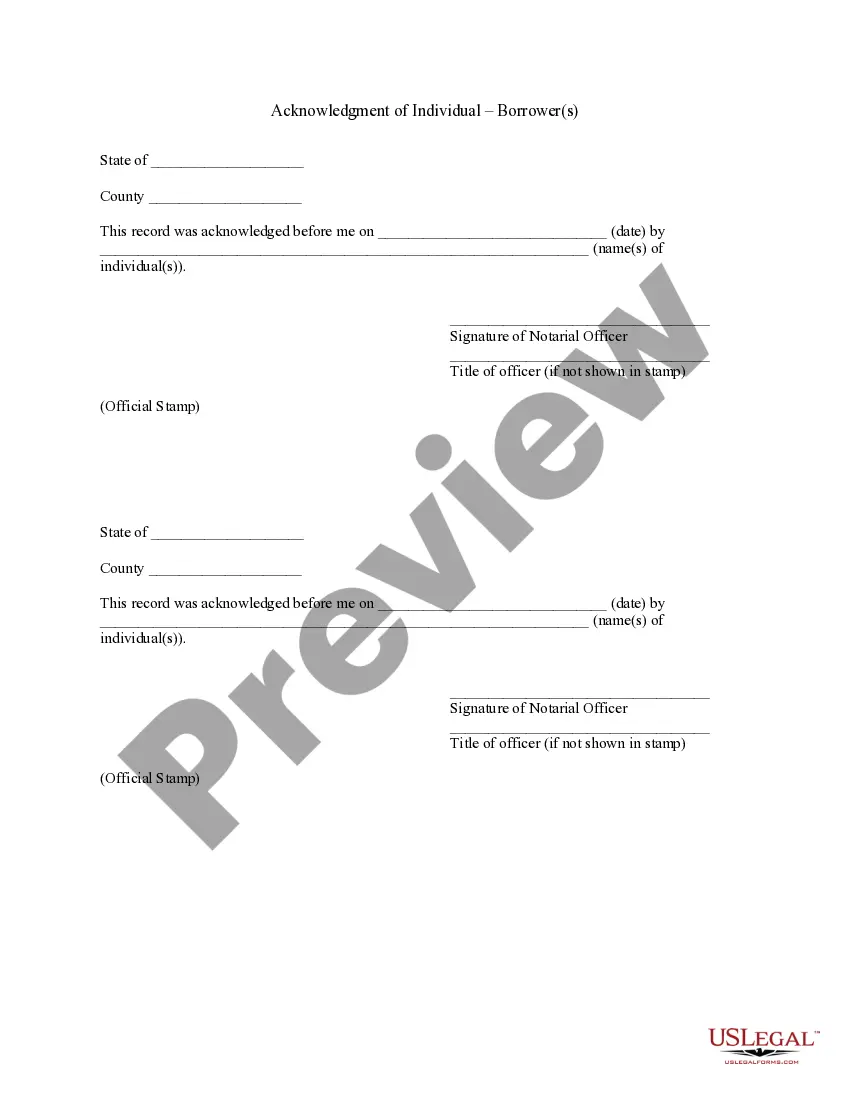
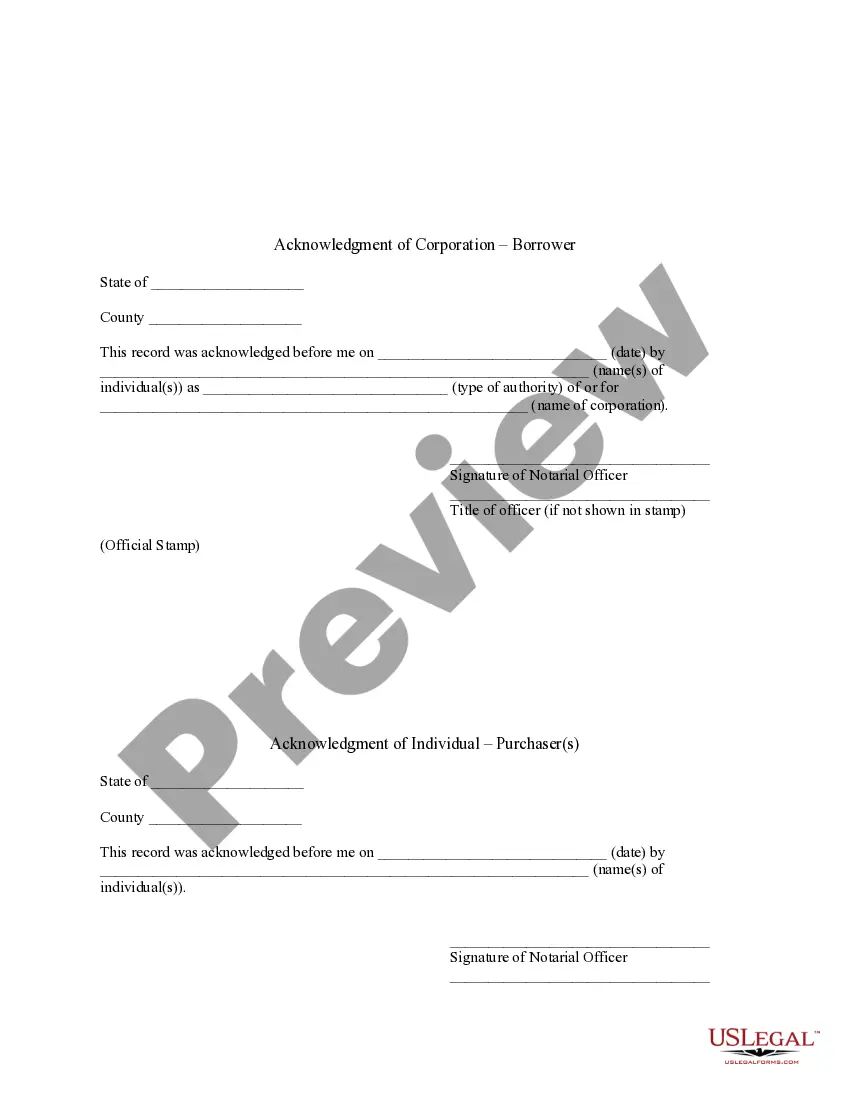
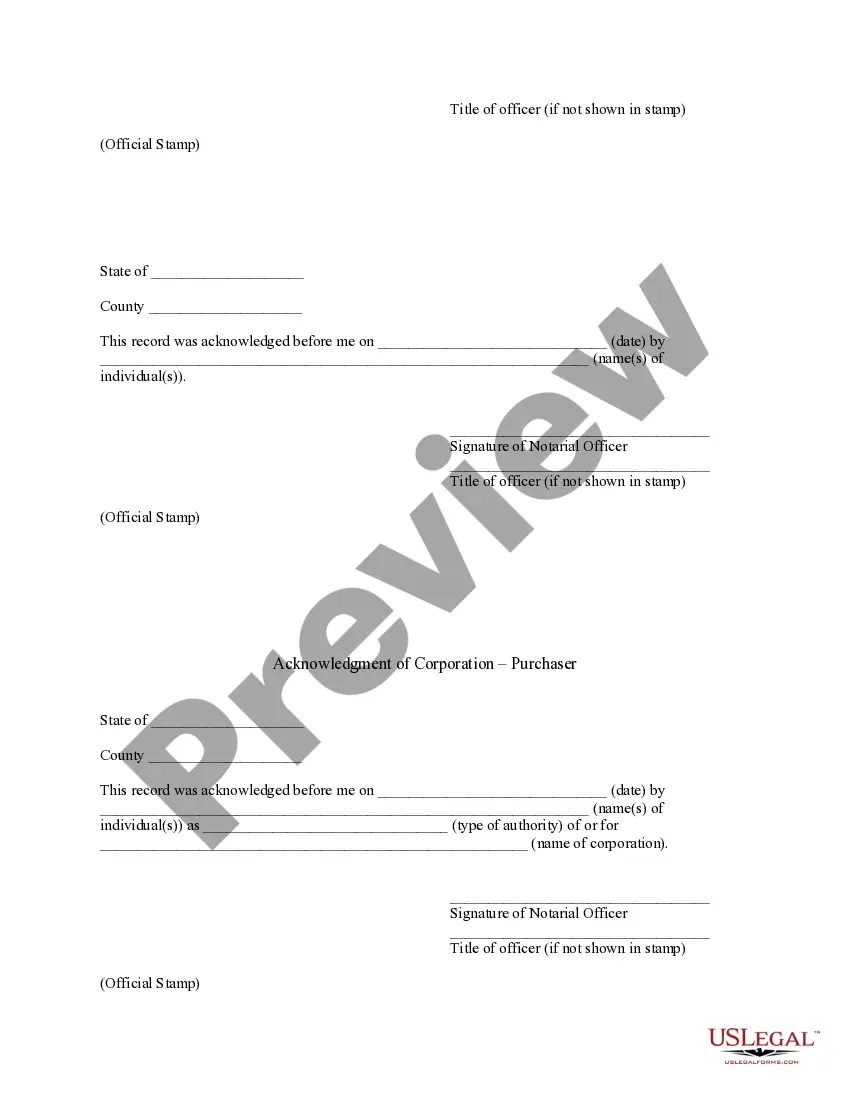
Notarization is required for this form to take effect. Our online notarization service, powered by Notarize, lets you verify and sign documents remotely through an encrypted video session, available 24/7.
Get your form ready online
Our built-in tools help you complete, sign, share, and store your documents in one place.
Make edits, fill in missing information, and update formatting in US Legal Forms—just like you would in MS Word.
Download a copy, print it, send it by email, or mail it via USPS—whatever works best for your next step.
Sign and collect signatures with our SignNow integration. Send to multiple recipients, set reminders, and more. Go Premium to unlock E-Sign.
If this form requires notarization, complete it online through a secure video call—no need to meet a notary in person or wait for an appointment.
We protect your documents and personal data by following strict security and privacy standards.

Make edits, fill in missing information, and update formatting in US Legal Forms—just like you would in MS Word.

Download a copy, print it, send it by email, or mail it via USPS—whatever works best for your next step.

Sign and collect signatures with our SignNow integration. Send to multiple recipients, set reminders, and more. Go Premium to unlock E-Sign.

If this form requires notarization, complete it online through a secure video call—no need to meet a notary in person or wait for an appointment.

We protect your documents and personal data by following strict security and privacy standards.
Mistakes to watch out for
- Failing to clearly identify all parties involved in the agreement.
- Not including the complete payment details, such as taxes and insurance.
- Neglecting to have the document notarized when required.
- Forgetting to obtain consent from the lender before assuming the mortgage.
Benefits of using this form online
- The form is easily accessible and can be completed conveniently from home.
- It allows for direct editing to customize details specific to your situation.
- Online forms are regularly updated to comply with current legal standards.
Looking for another form?
Form popularity
FAQ
The following states may use either Mortgage Agreements or Deed of Trusts: Colorado, Idaho, Illinois, Iowa, Maryland, Montana, Nebraska, Oklahoma, Oregon, Tennessee, Texas, Utah, Wyoming, Washington, and West Virginia.
Whether you have a deed of trust or a mortgage, they both serve to assure that a loan is repaid, either to a lender or an individual person. A mortgage only involves two parties the borrower and the lender. A deed of trust adds an additional party, a trustee, who holds the home's title until the loan is repaid.
Name of the trust. Address of the trust. Objects of the trust (Charitable or Religious) One settlor of the trust. Two trustees of the trust (minimum)
Can I make a declaration of trust myself? Some owners are put off using solicitors duke to the deed of trust cost. Individuals can write out their own, and use someone else as a witness. However, this may have errors or not be a legally binding document.
Some owners are put off using solicitors duke to the deed of trust cost. Individuals can write out their own, and use someone else as a witness. However, this may have errors or not be a legally binding document. The investment of getting a deed of trust when buying a property is often worth it in the long term.
Based on information compiled by the National Consumer Law Center (NCLC), at least 10 states can be generally classified as non-recourse for residential mortgages: Alaska, Arizona, California, Hawaii, Minnesota, Montana, North Dakota, Oklahoma, Oregon, and Washington.
Yes, there are key differences between the two. With a deed, you transfer the ownership of the property to one party. In contrast, a deed of trust does not mean the holder owns the property. In an arrangement involving a deed of trust, the borrower signs a contract with the lender with details regarding the loan.
The lender is the person or legal entity providing the loan to the borrower. The trustee is a neutral third-party who holds the legal title to a property until the borrower pays off the loan in full. They're called a trustee because they hold the property in trust for the lender.
Deed: This is the document that proves ownership of a property. It transfers ownership of the property to the grantee, also known as the buyer.Mortgage: This is the document that gives the lender a security interest in the property until the Note is paid in full.