Montana Assignment of Lease and Rent from Borrower to Lender
About this form
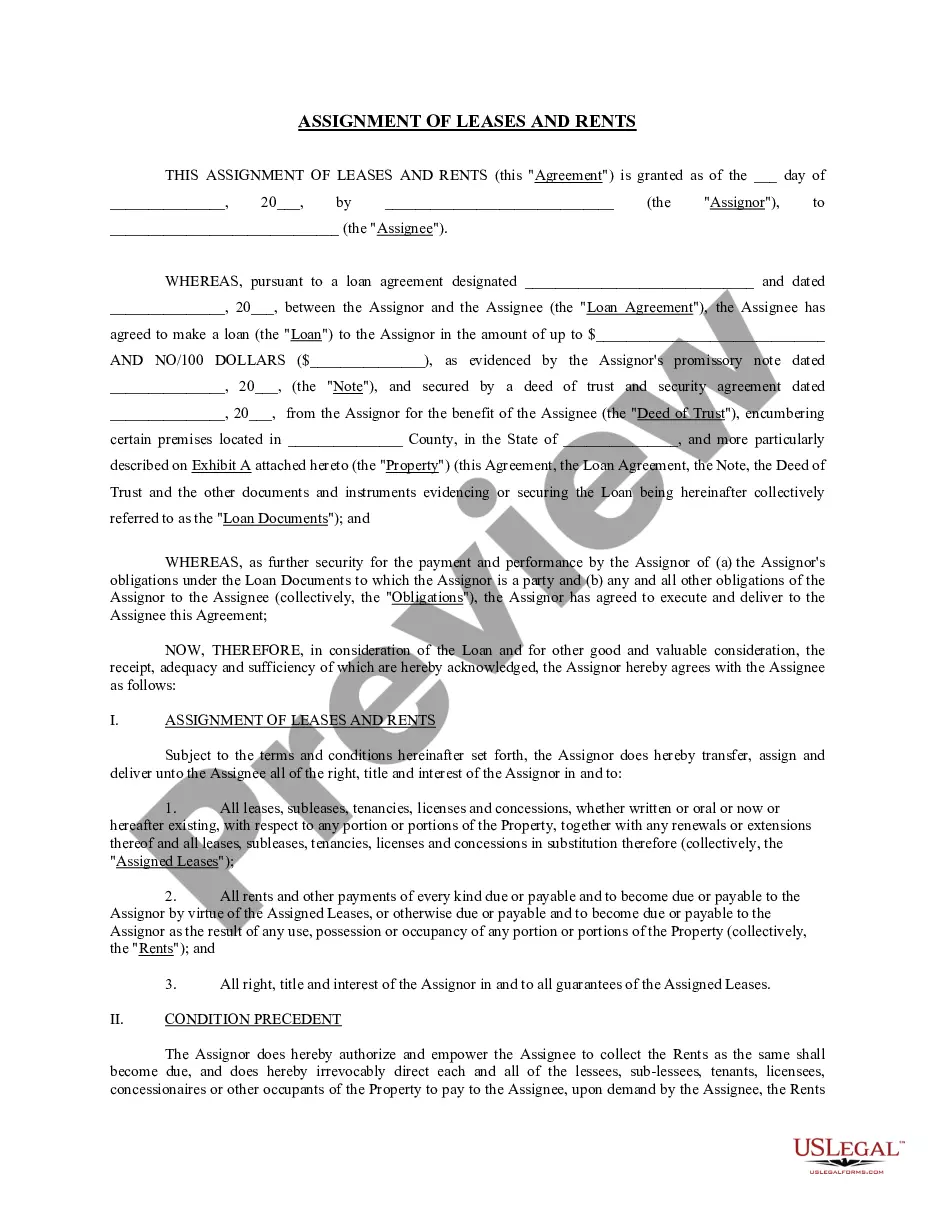
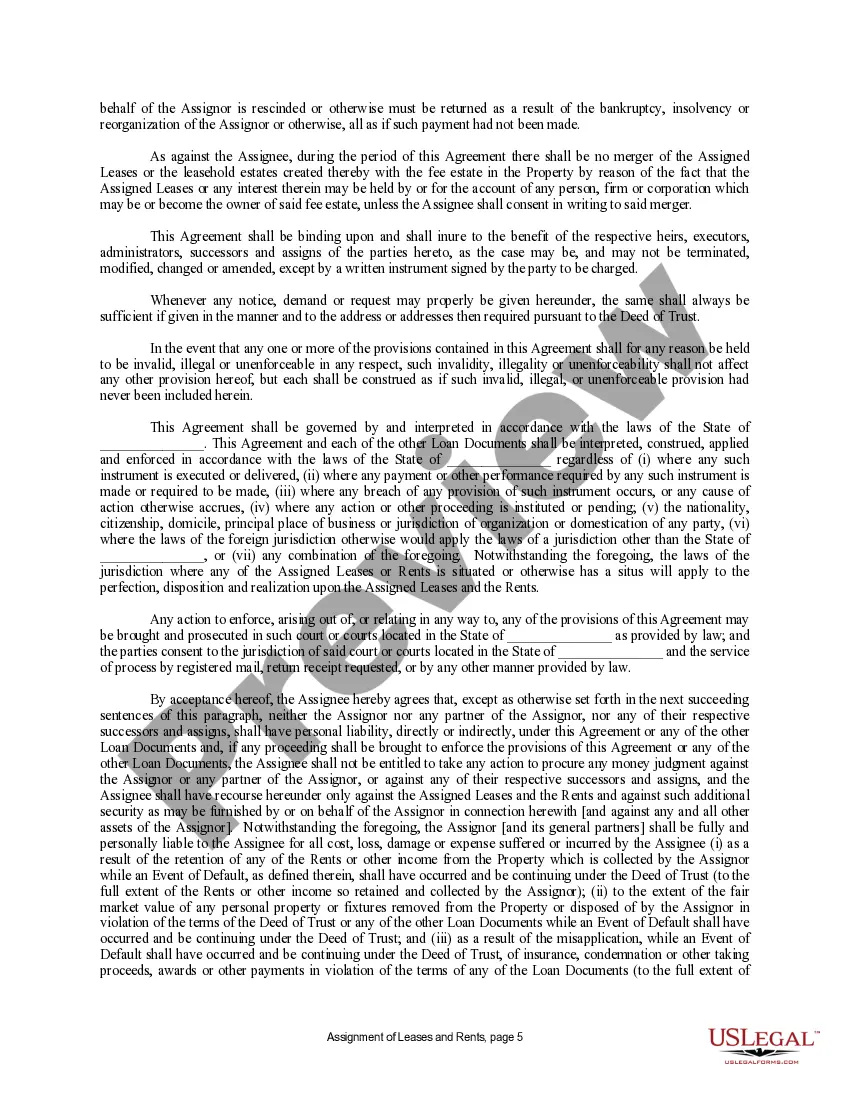
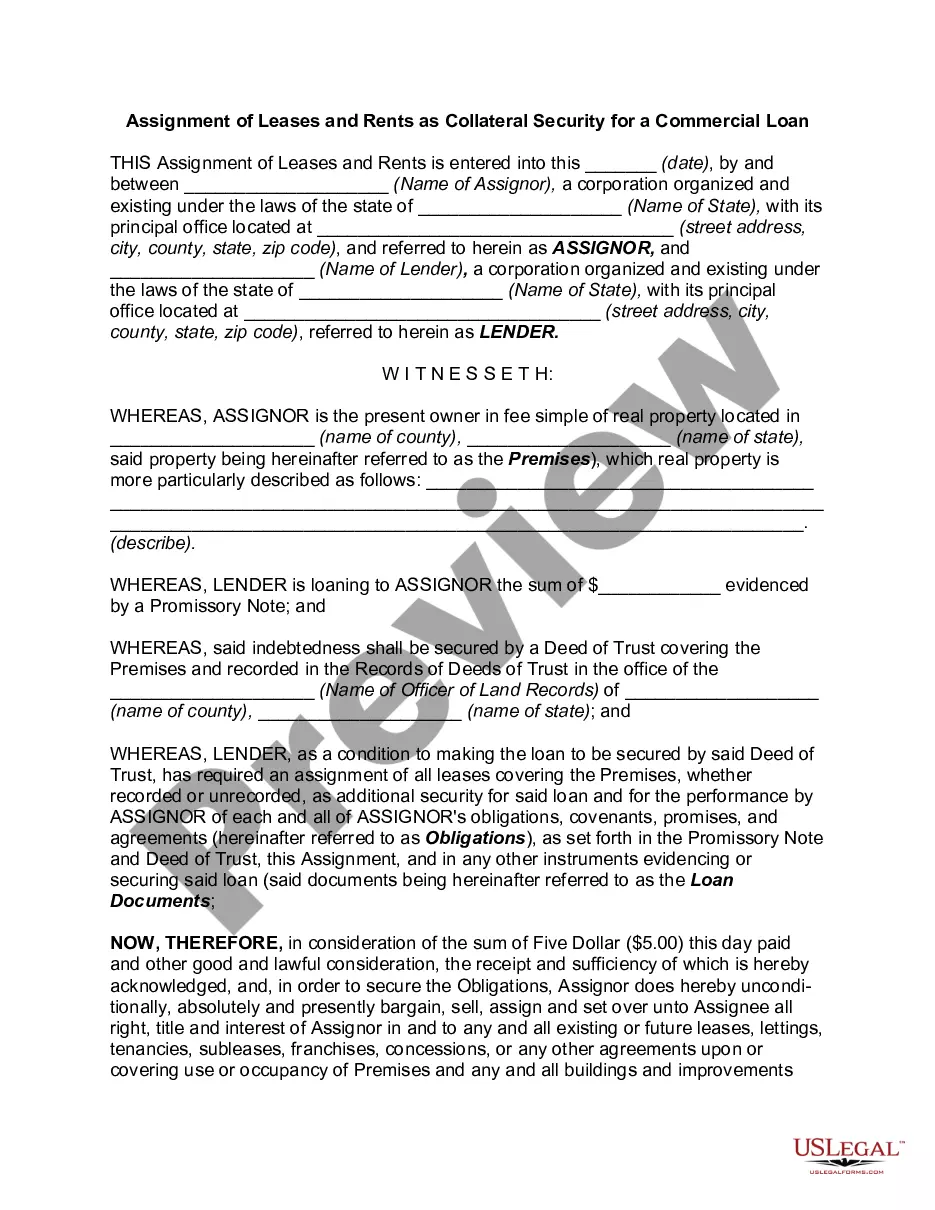
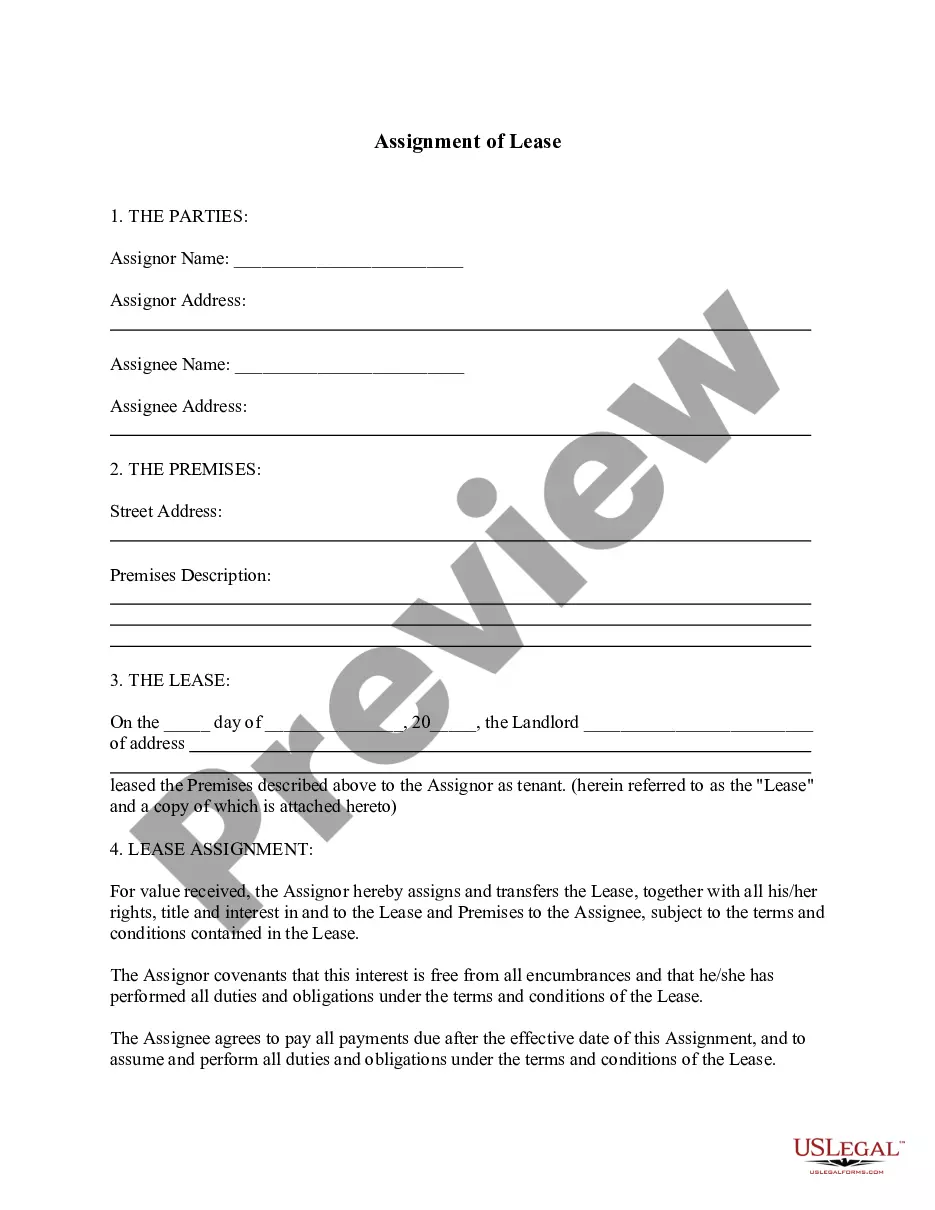
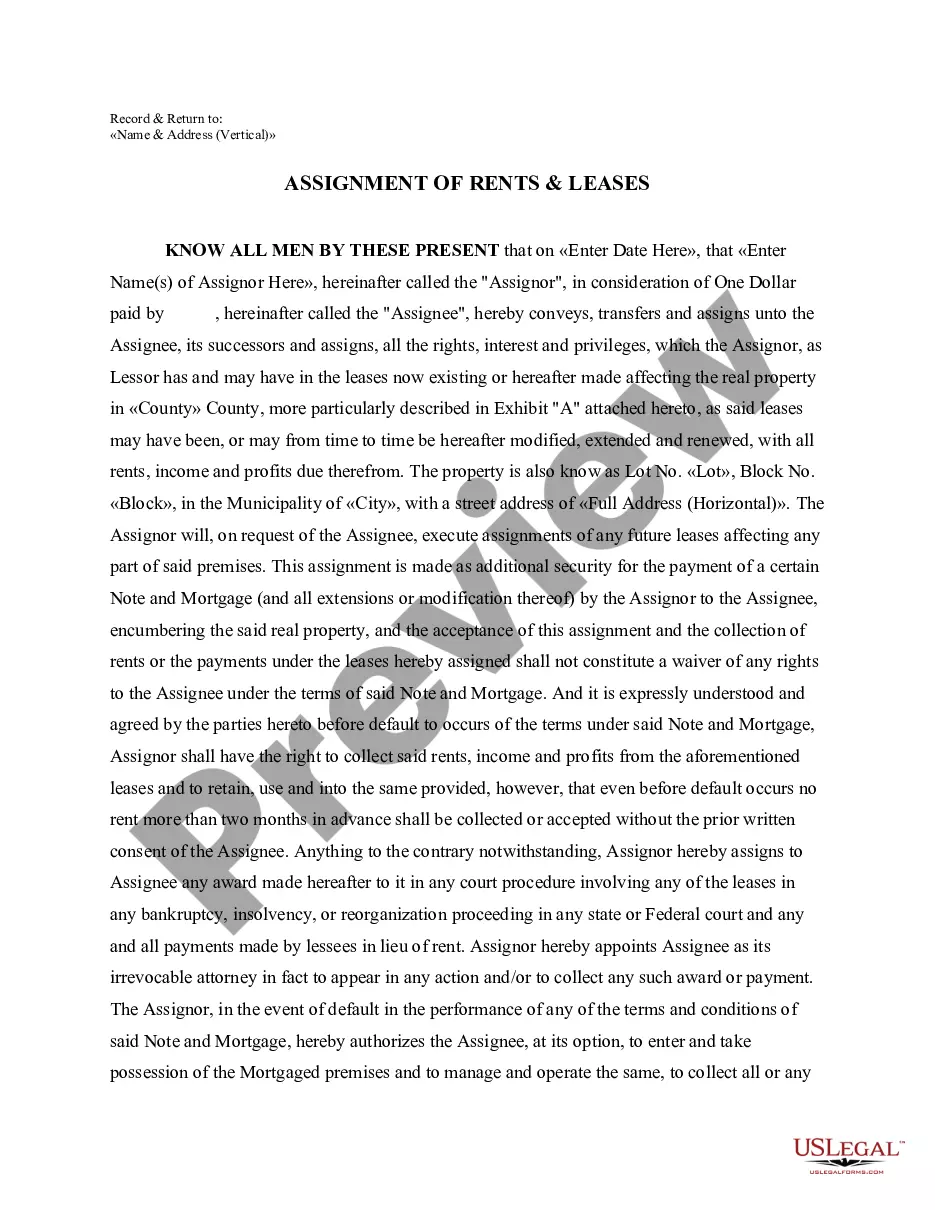
The Assignment of Lease and Rent from Borrower to Lender is a legal document that facilitates the transfer of lease rights and rent payments from a borrower (the Assignor) to a lender (the Assignee) in order to secure a loan. This agreement allows the lender to collect rent directly from tenants if the borrower defaults on their loan obligations, providing an additional layer of security for the lender. Unlike similar forms, this document specifically addresses both leases and rent assignments and includes provisions pertinent to loan agreements and security interests.
Key components of this form
- Identifies the Assignor and Assignee along with related loan agreements.
- Details the property being leased and the rights being assigned.
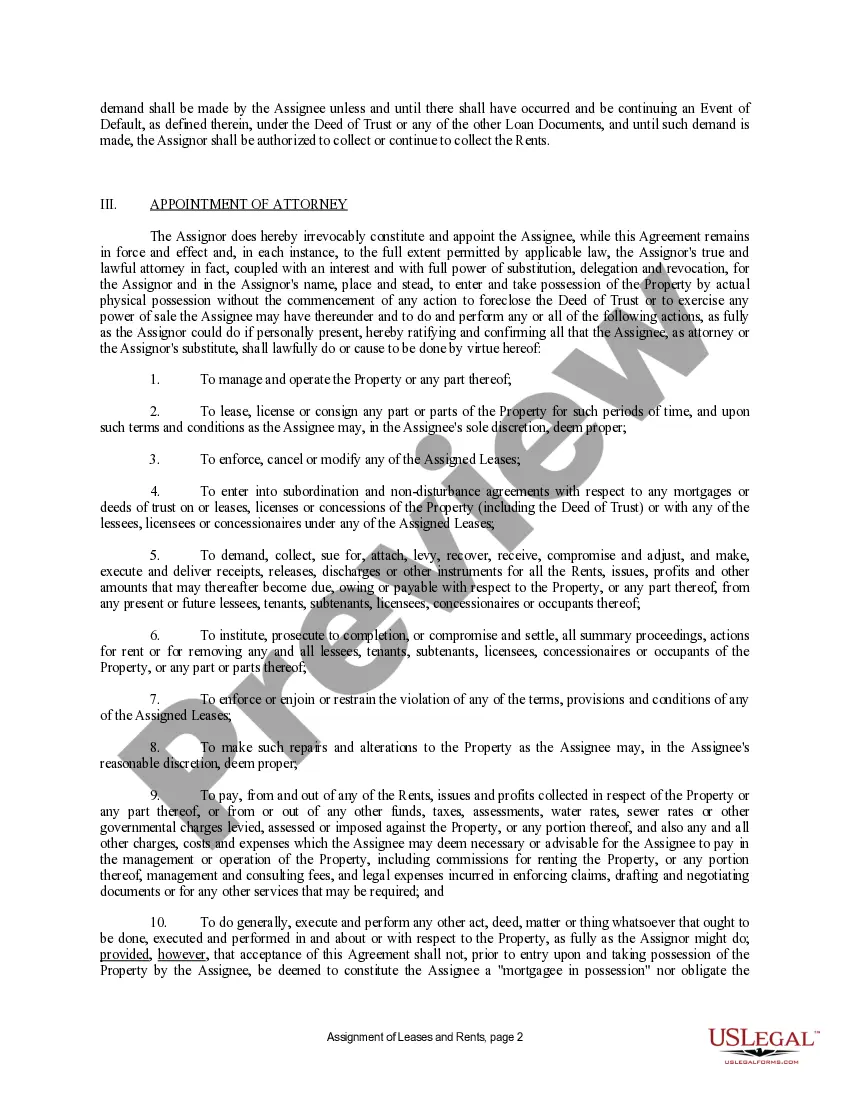
- Establishes conditions under which the lender can collect rents directly.
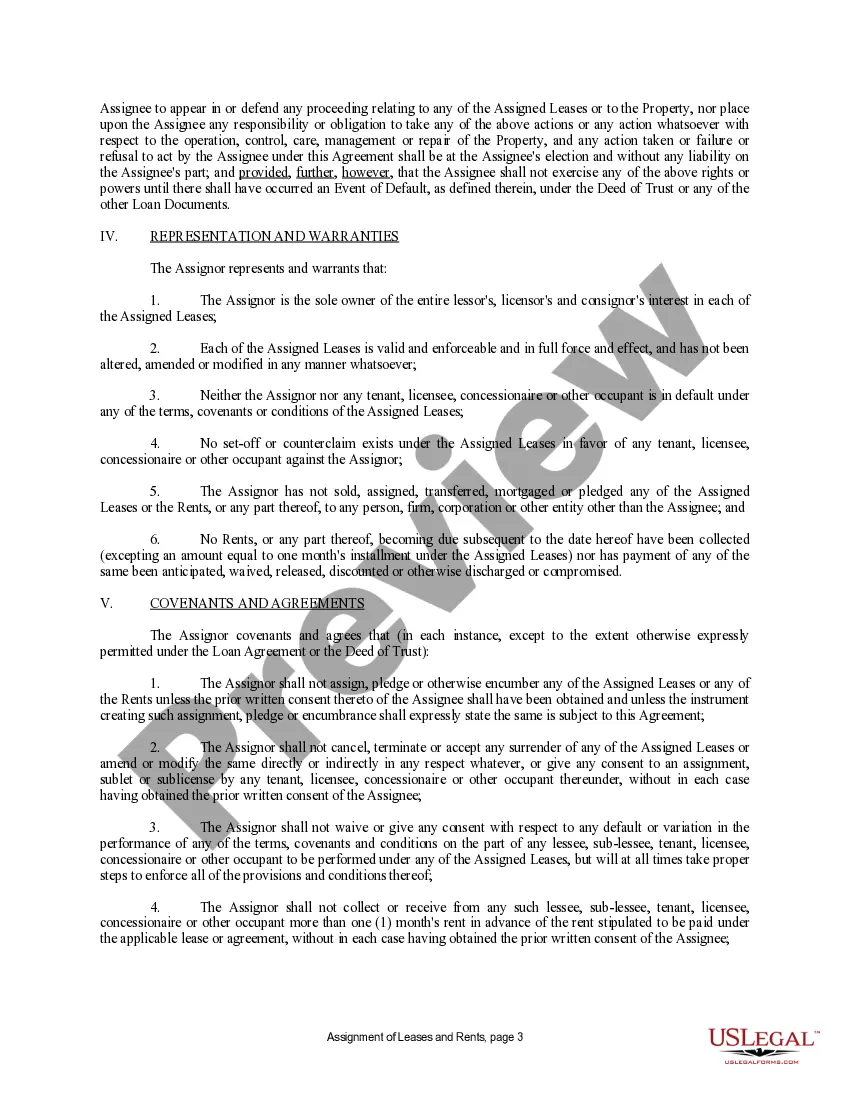
- Includes representation and warranties from the Assignor about the leases.
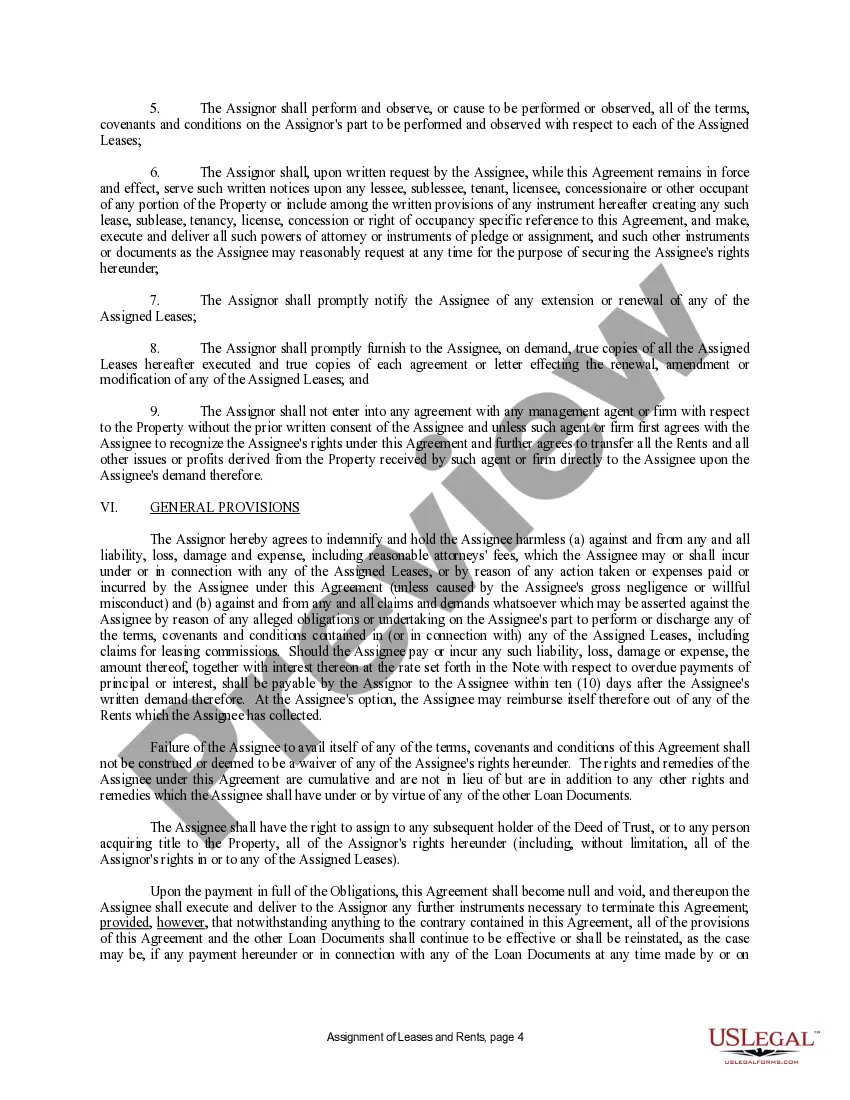
- Outlines covenants and agreements the Assignor commits to uphold.

Situations where this form applies
This form is used when a borrower wants to secure a loan with their rental property by assigning the rights to collect rent to the lender. It can be beneficial in scenarios where the borrower anticipates possible financial difficulties and wants to provide the lender with assurance regarding repayment. Additionally, landlords may find this form useful when negotiating loan terms that require additional securities.
Who can use this document
- Borrowers (property owners) seeking financing against their rental income.
- Lenders who wish to secure loans with rental properties.
- Real estate investors wanting to clarify rental income guarantees.
Instructions for completing this form
- Identify the parties involved, including the Assignor and Assignee.
- Specify the property address and details of the underlying loan.
- Fill in the loan amount and date of the loan agreement.
- Clearly describe the leases and rents being assigned.
- Make sure to sign and date the document, and include notary information if required.
Notarization guidance
This form needs to be notarized to ensure legal validity. US Legal Forms provides secure online notarization powered by Notarize, allowing you to complete the process through a verified video call, available anytime.
Get your form ready online
Our built-in tools help you complete, sign, share, and store your documents in one place.
Make edits, fill in missing information, and update formatting in US Legal Forms—just like you would in MS Word.
Download a copy, print it, send it by email, or mail it via USPS—whatever works best for your next step.
Sign and collect signatures with our SignNow integration. Send to multiple recipients, set reminders, and more. Go Premium to unlock E-Sign.
If this form requires notarization, complete it online through a secure video call—no need to meet a notary in person or wait for an appointment.
We protect your documents and personal data by following strict security and privacy standards.

Make edits, fill in missing information, and update formatting in US Legal Forms—just like you would in MS Word.

Download a copy, print it, send it by email, or mail it via USPS—whatever works best for your next step.

Sign and collect signatures with our SignNow integration. Send to multiple recipients, set reminders, and more. Go Premium to unlock E-Sign.

If this form requires notarization, complete it online through a secure video call—no need to meet a notary in person or wait for an appointment.

We protect your documents and personal data by following strict security and privacy standards.
Typical mistakes to avoid
- Failing to accurately describe the property or rental agreements.
- Not including all necessary signatures, including that of a notary if required.
- Overlooking specific state regulations that may impact the validity of the assignment.
Why use this form online
- Quick and easy access to legal templates created by attorneys.
- Editability to personalize the form to your specific needs.
- Instant download allows for immediate use without delays.
- Reliable formatting that meets legal standards.
Looking for another form?
Form popularity
FAQ
COLLATERAL ASSIGNMENTS. OF LEASE. Separate from a traditional as- signment of lease is a collateral assignment and assumption of lease whereby a landlord and ten- ant agree that a certain third party has a security interest in the lease pursuant to a separate agreement.
Sometimes called Assignment of Leases, Rents and Profits or simply Assignment of Rents, this is a document attached to a mortgage loan agreement which entitles the lender to any income (from leases, rents, etc.) derived from the property once the owner defaults on the loan.
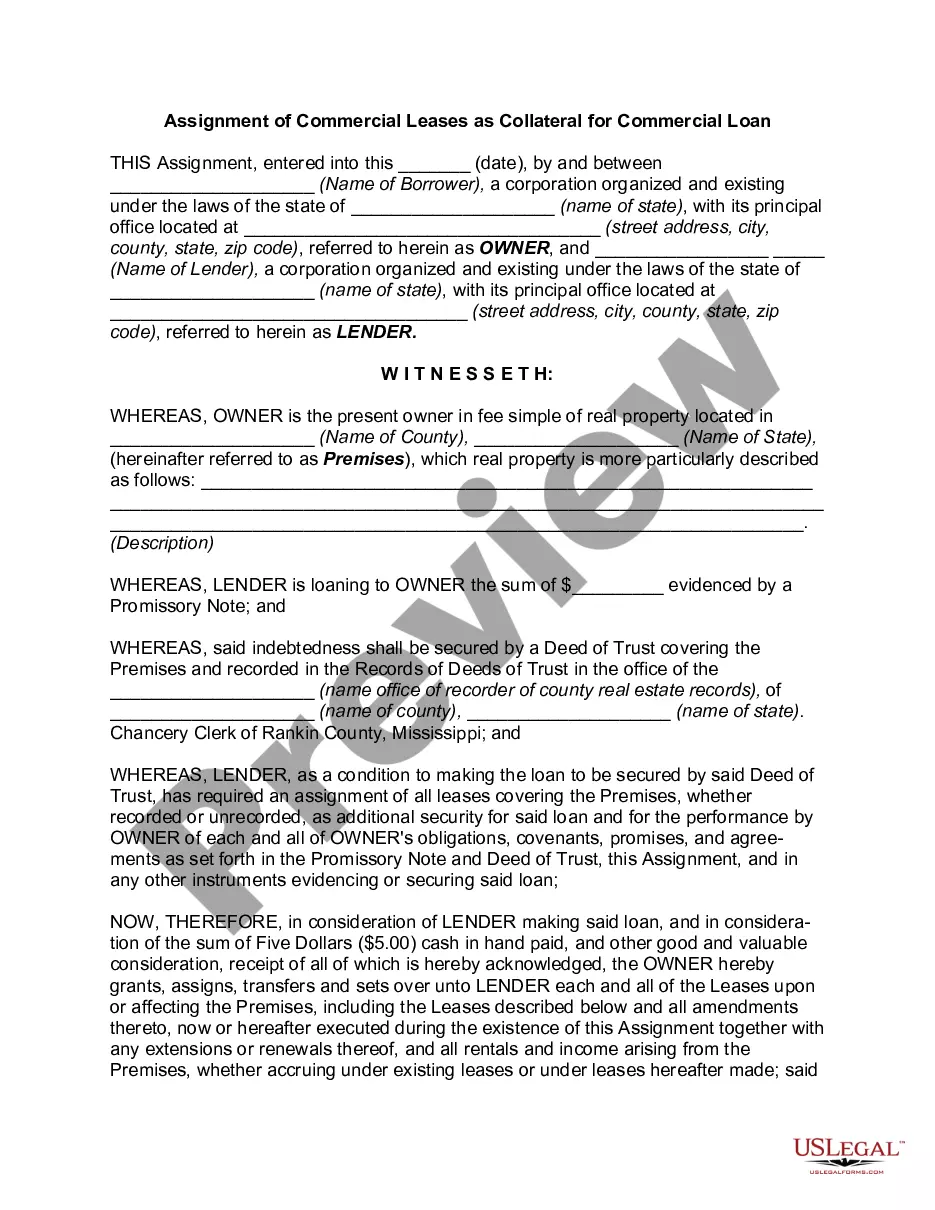
For commercial lending purposes, an assignment of leases assigns the debtor's rights, as landlord under a lease or leases, to the creditor for the collection of rent as additional security for a debt or other obligation.
Definition of "Assignment of Rent" An Assignment of Rent is a document needed when a mortgaged property is being rented. It enables the lender to collect the rent if the mortgage is defaulted upon.
An assignment of mortgage gives the loan seller's rights under the mortgage, including the right to foreclose if the borrower doesn't make payments, to the new owner of the loan.
A deed of trust with assignment of rents acts as extra security for the lender. It gives the lender the right to collect any rents that the property generates if you don't make your loan payments.Without your permission, your lender would be unable to collect the rents from the tenants to pay off the mortgage default.
Definition of "Assignment of Rent" An Assignment of Rent is a document needed when a mortgaged property is being rented. It enables the lender to collect the rent if the mortgage is defaulted upon.