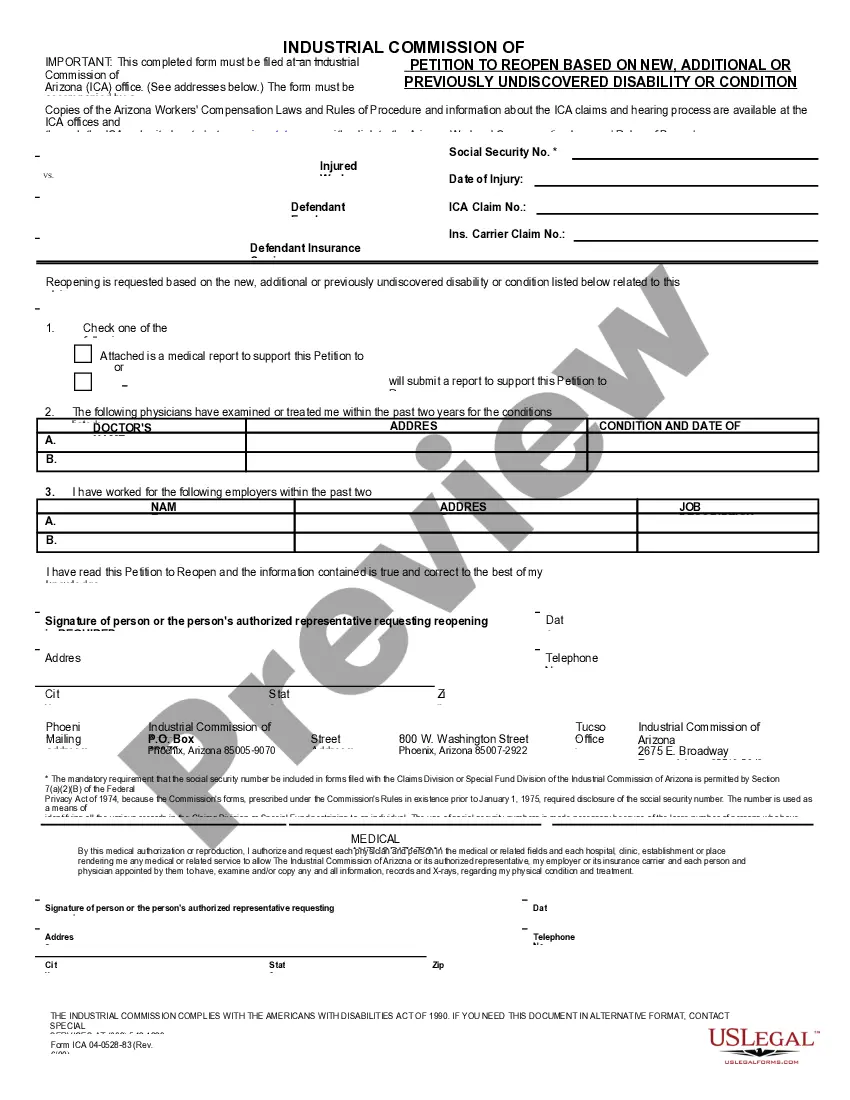
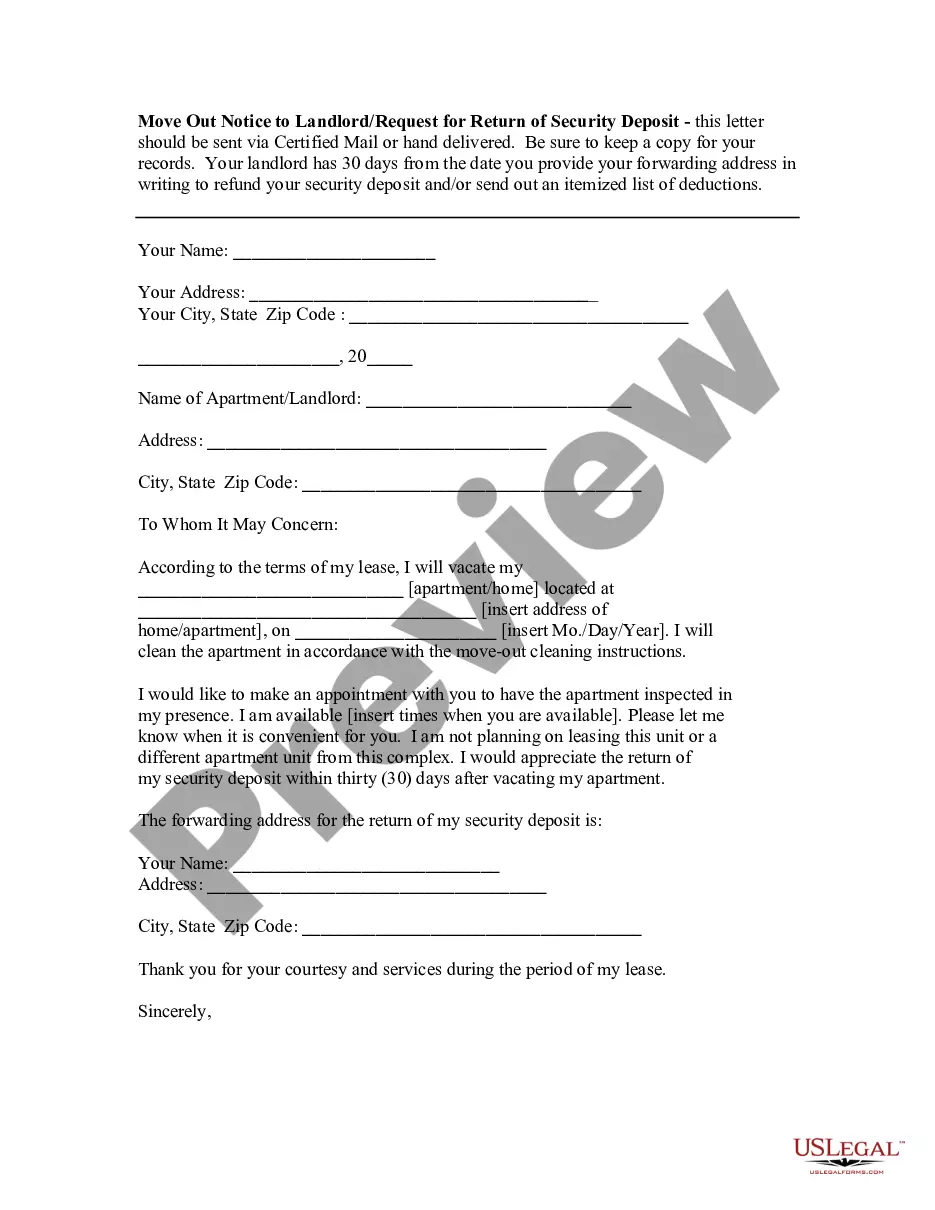
Mississippi Letter from Tenant to Landlord containing Notice of wrongful deductions from security deposit and demand for return
Understanding this form
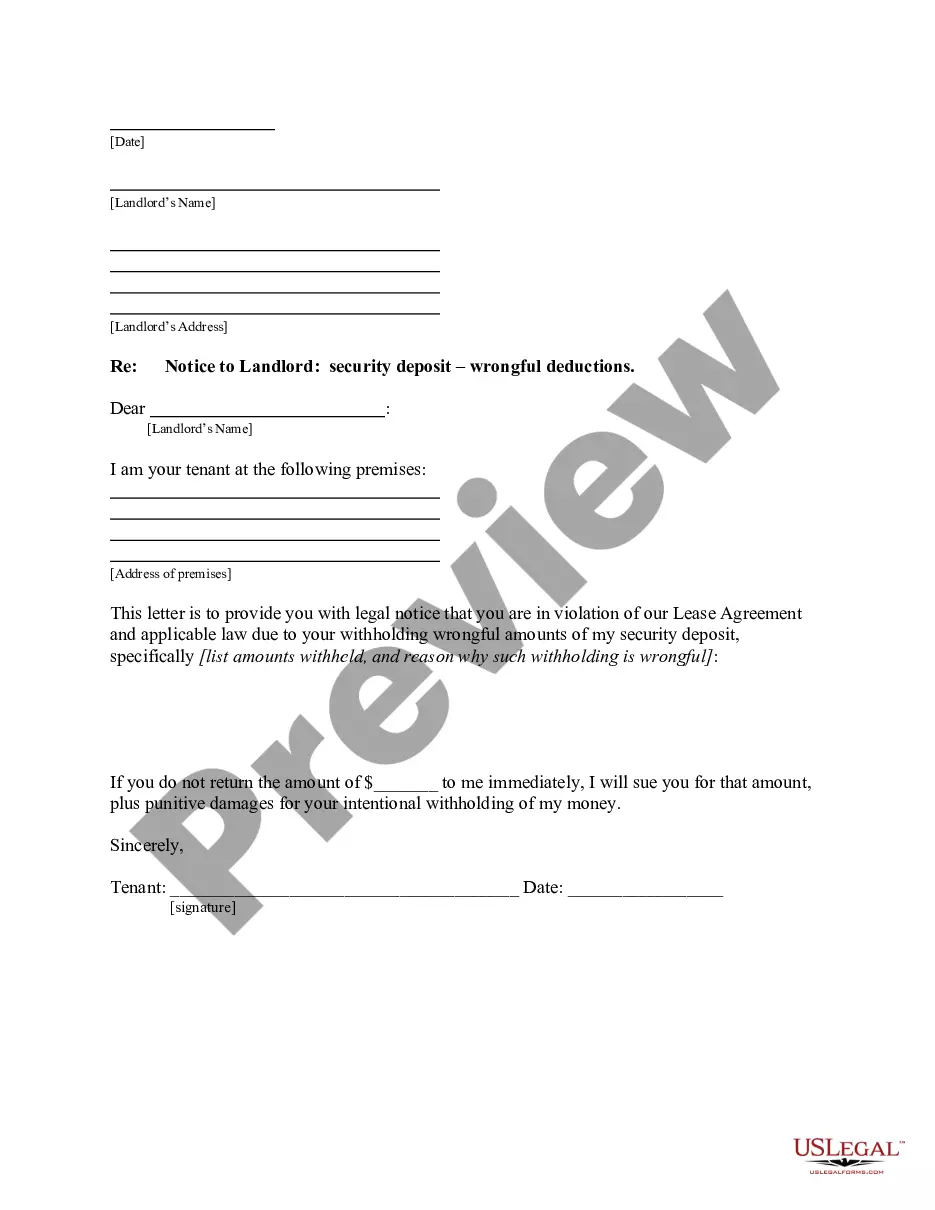
This letter from tenant to landlord serves as a formal notice regarding wrongful deductions made from a tenant's security deposit. It demands the return of those funds in compliance with state statutory law. This form is tailored specifically to ensure tenants understand their rights and take appropriate action when they believe their security deposit has been improperly reduced. It stands apart from other tenant-landlord communication tools by focusing specifically on security deposit disputes.
Key parts of this document
- Tenant's name and contact information
- Landlord's name and contact information
- Description of the specific deductions in question
- Demand for the return of the disputed amount
- Signature of the tenant and date of signing
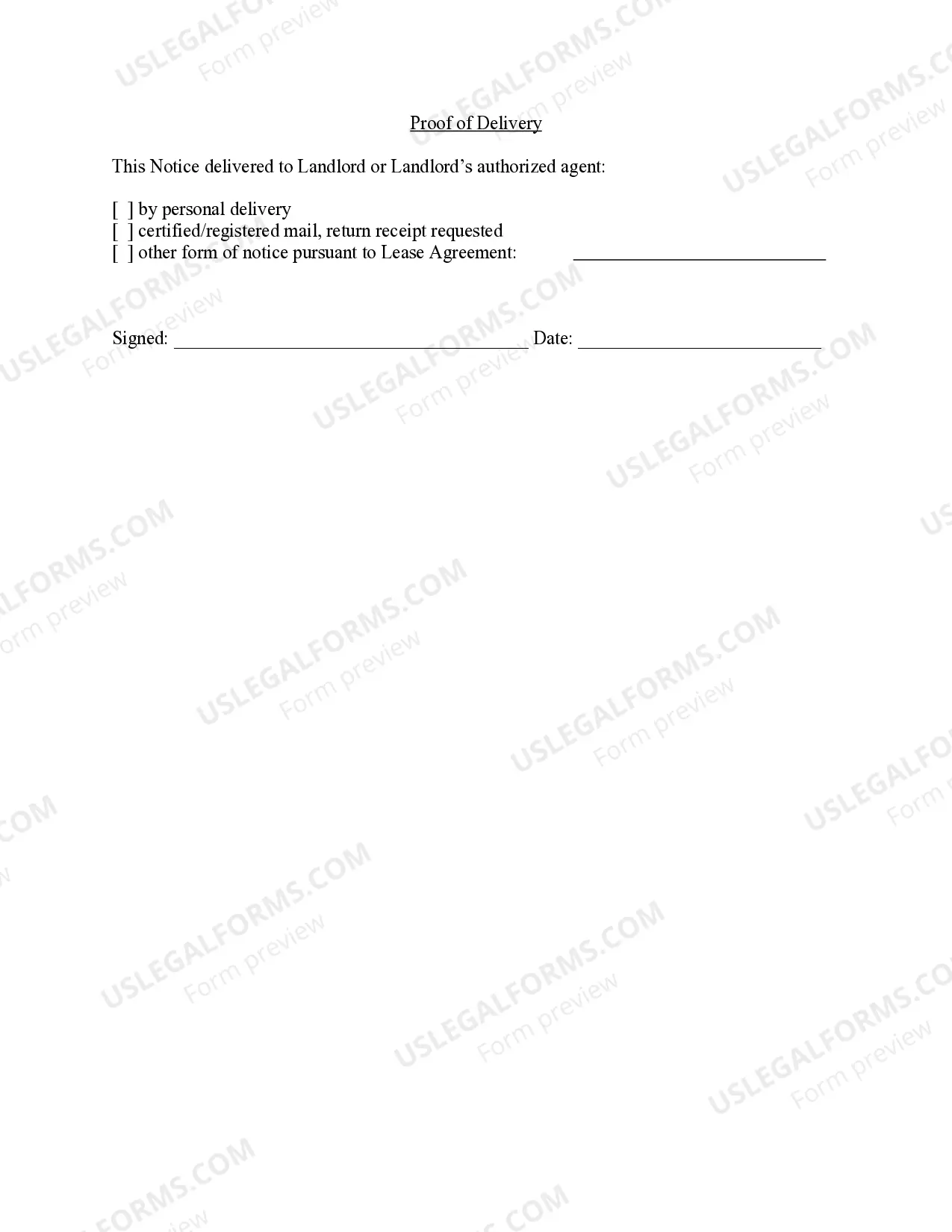
- Proof of delivery section to confirm receipt by the landlord



When to use this form
Use this form when you notice unauthorized deductions from your security deposit after moving out of a rental property. It is essential to address these discrepancies formally to initiate a resolution process with your landlord. This form helps document your concern and pushes for the return of your funds, ensuring you take the necessary steps in a legal manner.
Who should use this form
- Tenants who believe their landlord has made incorrect deductions from their security deposit
- Individuals preparing to move out and wanting to ensure proper handling of their security deposit refund
- Renters seeking to assert their rights regarding the return of security deposits under state law
How to complete this form
- Identify the parties by entering your name as the tenant and your landlord's name.
- Clearly describe the deductions you are disputing from your security deposit.
- State the exact amount you believe is owed and request its return.
- Sign and date the letter to authenticate it.
- Choose a method of delivery and complete the proof of delivery section.
Does this form need to be notarized?
Notarization is generally not required for this form. However, certain states or situations might demand it. You can complete notarization online through US Legal Forms, powered by Notarize, using a verified video call available anytime.
Get your form ready online
Our built-in tools help you complete, sign, share, and store your documents in one place.
Make edits, fill in missing information, and update formatting in US Legal Forms—just like you would in MS Word.
Download a copy, print it, send it by email, or mail it via USPS—whatever works best for your next step.
Sign and collect signatures with our SignNow integration. Send to multiple recipients, set reminders, and more. Go Premium to unlock E-Sign.
If this form requires notarization, complete it online through a secure video call—no need to meet a notary in person or wait for an appointment.
We protect your documents and personal data by following strict security and privacy standards.

Make edits, fill in missing information, and update formatting in US Legal Forms—just like you would in MS Word.

Download a copy, print it, send it by email, or mail it via USPS—whatever works best for your next step.

Sign and collect signatures with our SignNow integration. Send to multiple recipients, set reminders, and more. Go Premium to unlock E-Sign.

If this form requires notarization, complete it online through a secure video call—no need to meet a notary in person or wait for an appointment.

We protect your documents and personal data by following strict security and privacy standards.
Avoid these common issues
- Failing to specify all disputed deductions clearly.
- Navigating the delivery without proper confirmation of receipt.
- Not signing or dating the letter appropriately.
- Using ambiguous language that may weaken your demand.
Benefits of using this form online
- Convenience of downloading and completing the form at your own pace.
- Editability allows you to tailor the letter to your specific situation.
- Reliability from trusted templates drafted by licensed attorneys, minimizing legal errors.
Legal use & context
- This letter serves as a notification and demand according to tenant rights laws.
- It documents the tenant's position regarding security deposit disputes.
- Failure to use this notice may weaken a tenant's position in any legal claim.
Quick recap
- This form helps tenants assert their rights regarding security deposit deductions.
- It is important to clearly communicate disputes to landlords.
- Proper completion and delivery can facilitate a smoother return of the security deposit.
Looking for another form?
Form popularity
FAQ
Before you go to court, a number of states require you to send a demand letter to your opposing party. An attorney is usually not necessary at this point and you can write a demand letter on your own. To write one, gather necessary documents, draft your letter, and send the letter to your opposing party.
The landlord verification form is a document used by a landlord when verifying the previous rental information of an applicant for tenancy. The requesting landlord must send the form to the applicant's current or past landlord in order to obtain all details related to the tenancy of the individual.
Start by simply saying the date and the tenants name and address. Make sure all the data is accurate, as this can serve as a written notice should you go to court. The letter should inform the tenant that they are late on the rent and by how many days.
Tenant's name and new address, or address he gave for return of the security deposit. Commencement date of the lease and date it ended. Amount of the security deposit when the tenant moved in. Amount of interest accrued.
Type your letter. Concisely review the main facts. Be polite. Write with your goal in mind. Ask for exactly what you want. Set a deadline. End the letter by stating you will promptly pursue legal remedies if the other party does not meet your demand. Make and keep copies.
Type your letter. Concisely review the main facts. Be polite. Write with your goal in mind. Ask for exactly what you want. Set a deadline. End the letter by stating you will promptly pursue legal remedies if the other party does not meet your demand. Make and keep copies.
The date of the letter and the landlord's full name and address. The address of the residence you rented and the date you moved in. A statement that you've been paying your rent timely and that you are current with your payments.