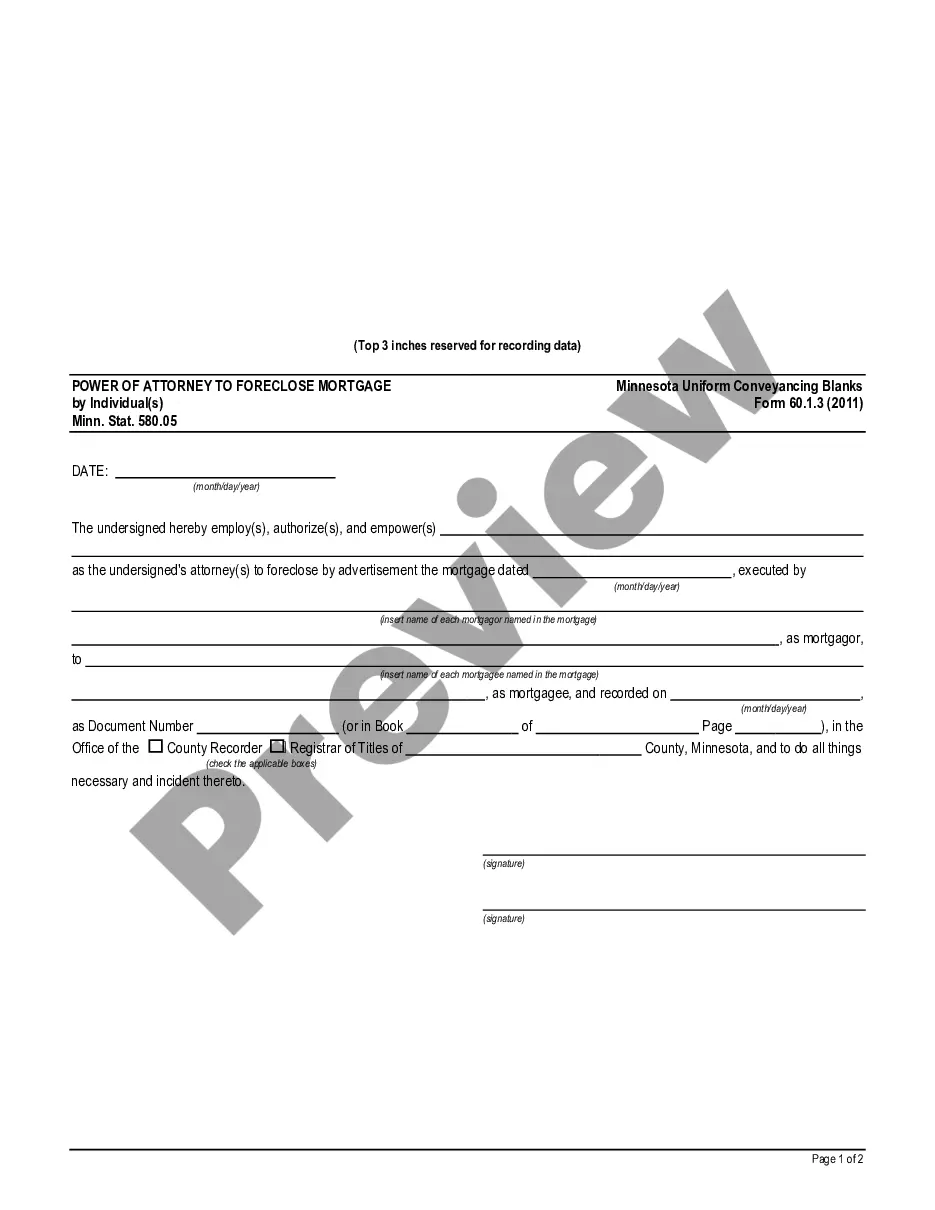
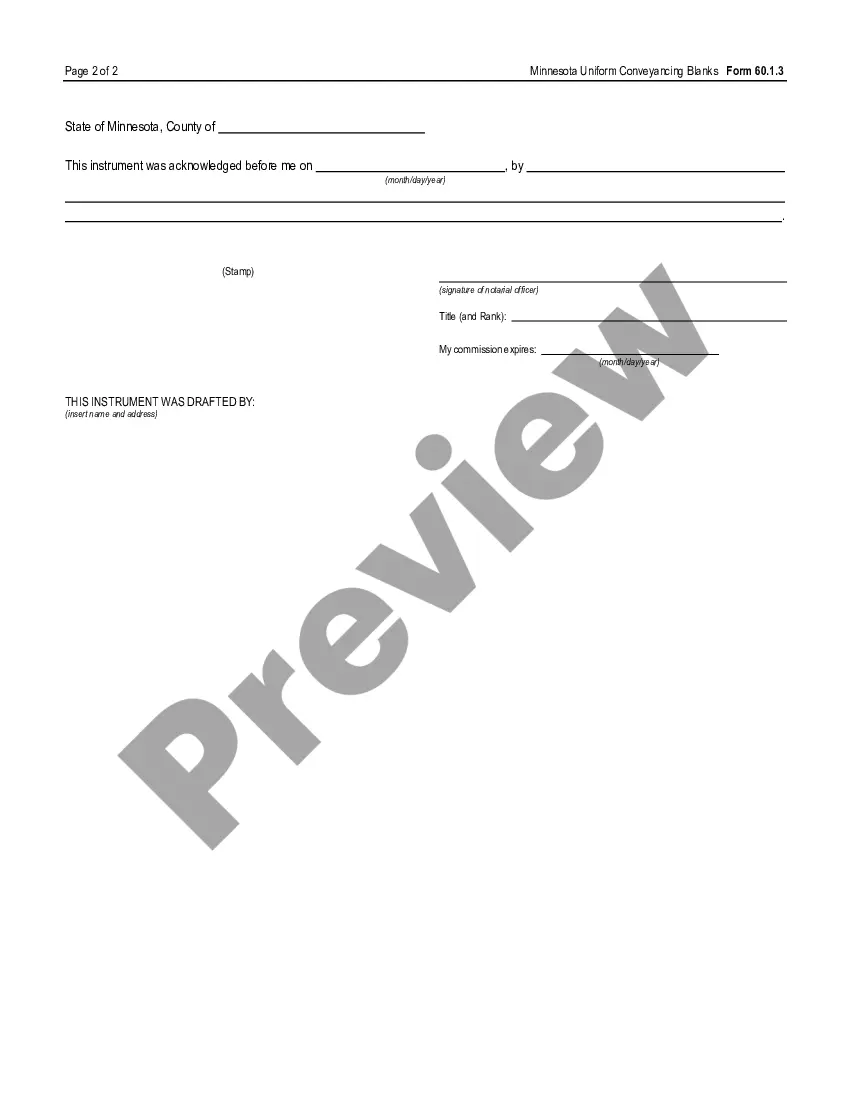
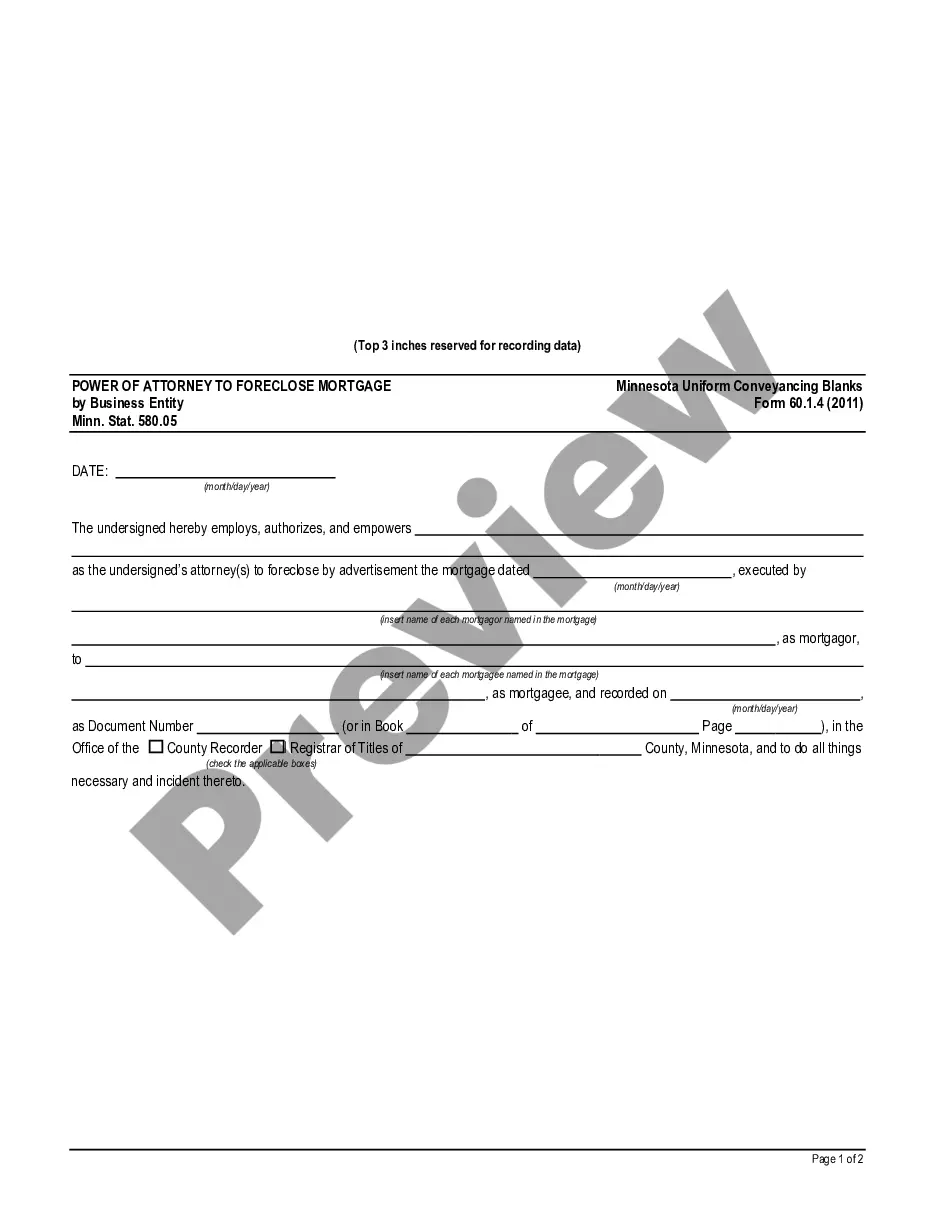
Minnesota Power of Attorney to Foreclose Mortgage by Individuals - Minn. Stat. 580.05
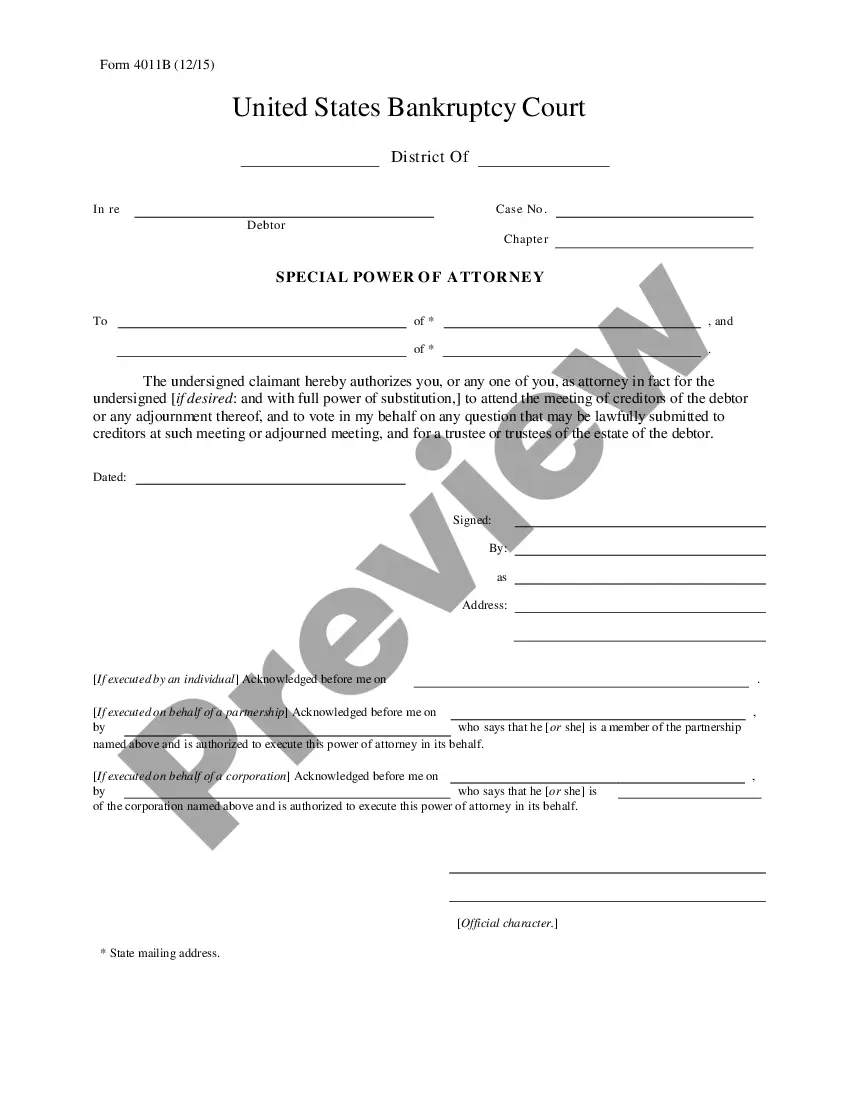
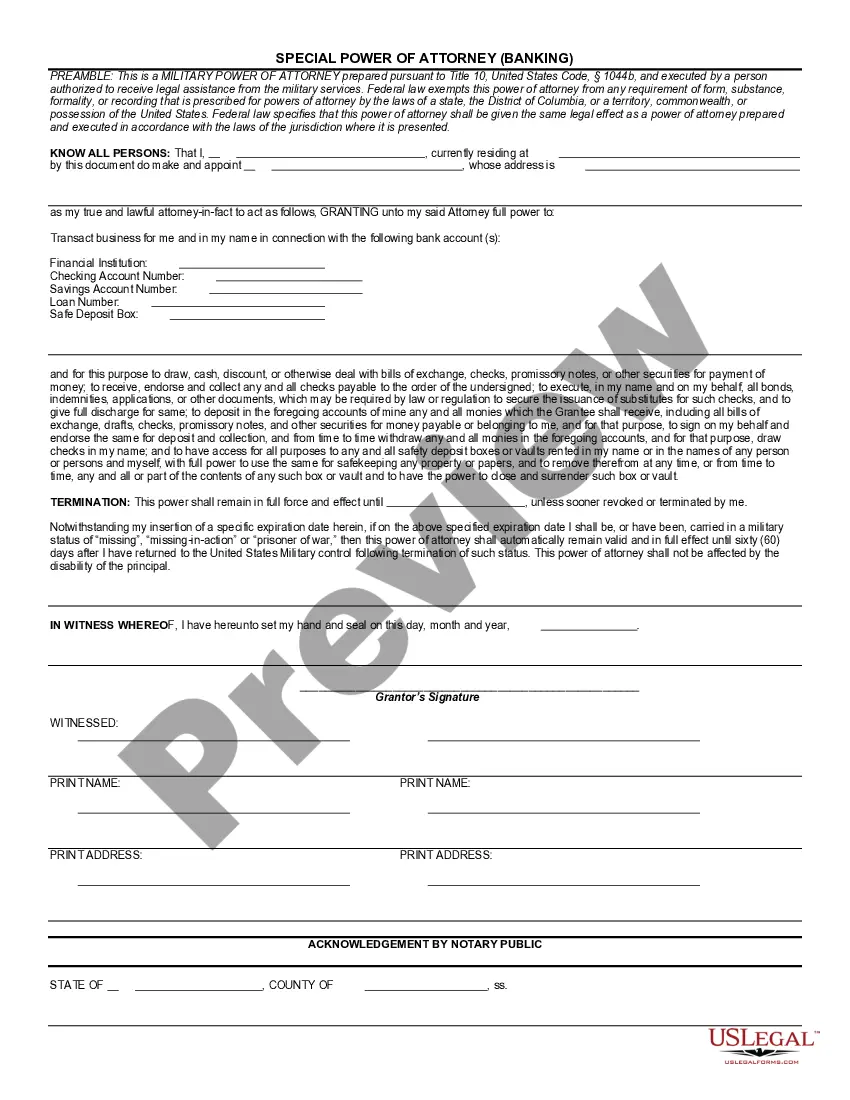
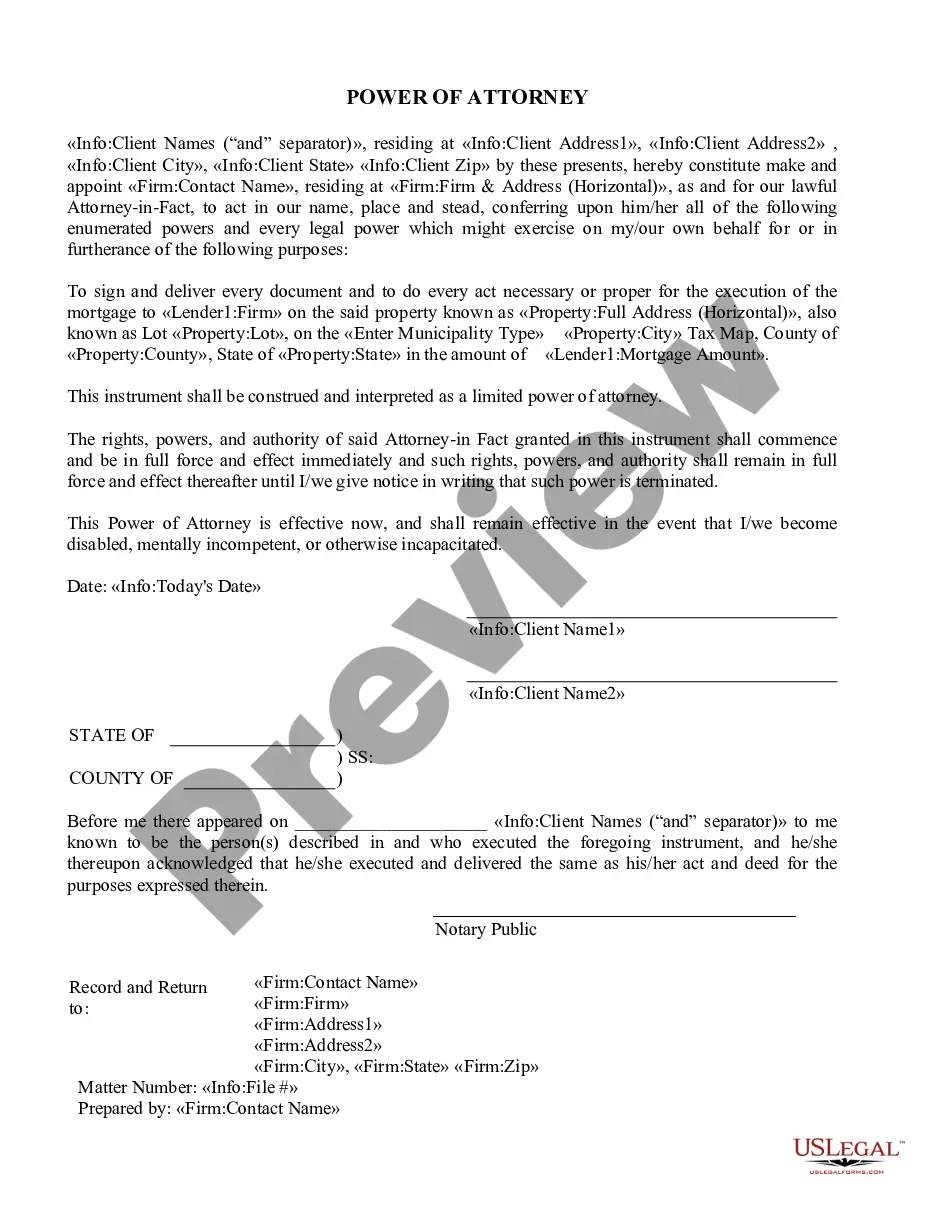
Is notarization required?
This form usually doesn’t need to be notarized. However, local laws or specific transactions may require it. Our online notarization service, powered by Notarize, lets you complete it remotely through a secure video session, available 24/7.
Get your form ready online
Our built-in tools help you complete, sign, share, and store your documents in one place.
Make edits, fill in missing information, and update formatting in US Legal Forms—just like you would in MS Word.
Download a copy, print it, send it by email, or mail it via USPS—whatever works best for your next step.
Sign and collect signatures with our SignNow integration. Send to multiple recipients, set reminders, and more. Go Premium to unlock E-Sign.
If this form requires notarization, complete it online through a secure video call—no need to meet a notary in person or wait for an appointment.
We protect your documents and personal data by following strict security and privacy standards.

Make edits, fill in missing information, and update formatting in US Legal Forms—just like you would in MS Word.

Download a copy, print it, send it by email, or mail it via USPS—whatever works best for your next step.

Sign and collect signatures with our SignNow integration. Send to multiple recipients, set reminders, and more. Go Premium to unlock E-Sign.

If this form requires notarization, complete it online through a secure video call—no need to meet a notary in person or wait for an appointment.

We protect your documents and personal data by following strict security and privacy standards.
Looking for another form?

Form popularity
FAQ
A statutory short form power of attorney (POA) in Minnesota is a simplified document that grants a person the authority to act on your behalf in various matters. This form is particularly useful for transactions like the Minnesota Power of Attorney to Foreclose Mortgage by Individuals - Minn. Stat. 580.05, as it streamlines the process. It allows you to specify the powers granted without extensive legal jargon, making it easier for individuals to understand and use. You can find templates for this form on platforms like USLegalForms, which offer user-friendly solutions.
To properly fill out a power of attorney, start by selecting the correct form for your situation. Be precise in detailing the powers you are granting, and make sure to include any necessary state-specific language, particularly for the Minnesota Power of Attorney to Foreclose Mortgage by Individuals - Minn. Stat. 580.05. After completing the document, sign it in the presence of a notary public to validate it. This step is essential for ensuring that your power of attorney is recognized by financial institutions.
Filling out power of attorney papers involves several steps. First, choose the appropriate form that meets your needs, such as the Minnesota Power of Attorney to Foreclose Mortgage by Individuals - Minn. Stat. 580.05. Next, clearly identify the principal and agent, specify the powers granted, and sign the document in front of a notary public. Remember, accurate information is crucial to ensure that the document is legally binding.
In Indiana, to create a power of attorney, you need to be at least 18 years old and of sound mind. The document must clearly state the powers granted and be signed in the presence of a notary public. Additionally, if you are considering a Minnesota Power of Attorney to Foreclose Mortgage by Individuals - Minn. Stat. 580.05, ensure that you follow specific state requirements for validity.
To give someone power of attorney in Minnesota, you need to complete a power of attorney form that clearly outlines the powers you are granting. After filling out the form, you must sign it in front of a notary public to ensure its validity. If you are looking to create a Minnesota Power of Attorney to Foreclose Mortgage by Individuals - Minn. Stat. 580.05, using a reliable service like US Legal Forms can simplify the process and provide the necessary documentation you need.
The signature of the person granting the power of attorney, known as the principal, must be notarized. This is crucial in establishing the legitimacy of the document. In the context of a Minnesota Power of Attorney to Foreclose Mortgage by Individuals - Minn. Stat. 580.05, the notarization acts as a safeguard against disputes regarding the authority granted. It's best to consult with a legal professional or use platforms like US Legal Forms for guidance.
In Minnesota, a power of attorney must be notarized to be valid. This requirement ensures that the document is authentic and the intentions of the person granting power are clear. If you are considering a Minnesota Power of Attorney to Foreclose Mortgage by Individuals - Minn. Stat. 580.05, having it notarized adds an extra layer of security. You can easily find notary services at banks, law offices, or through online platforms like US Legal Forms.
A deed in lieu of foreclosure is a legal process in Minnesota where a homeowner voluntarily transfers their property to the lender to avoid foreclosure. This option can be beneficial for individuals facing financial difficulties and seeking to simplify the process of dealing with their mortgage. Understanding this option can complement the use of the Minnesota Power of Attorney to Foreclose Mortgage by Individuals - Minn. Stat. 580.05, as it provides an alternative route to foreclosure.
Yes, a Power of Attorney in Minnesota is valid even if it is not recorded. However, without recording, there may be challenges in proving the agent's authority in certain situations. When dealing with significant matters such as the Minnesota Power of Attorney to Foreclose Mortgage by Individuals - Minn. Stat. 580.05, it is advisable to consider recording the document for clarity and protection.
While a Power of Attorney does not need to be recorded in Minnesota to be valid, recording it can provide additional legal standing. Recording the POA can help establish its existence and authority in real estate transactions, particularly for the Minnesota Power of Attorney to Foreclose Mortgage by Individuals - Minn. Stat. 580.05. This step can prevent disputes and clarify the agent's powers.