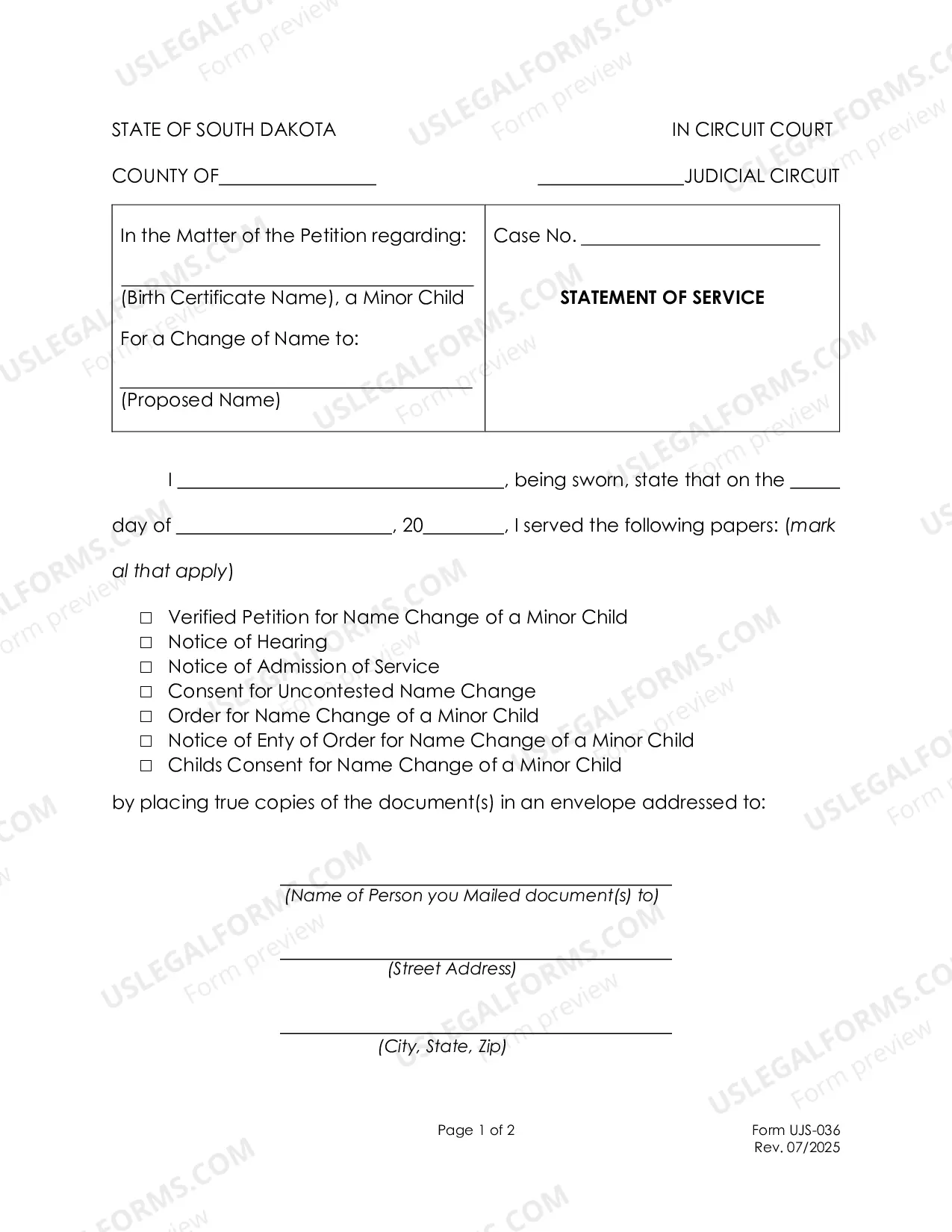
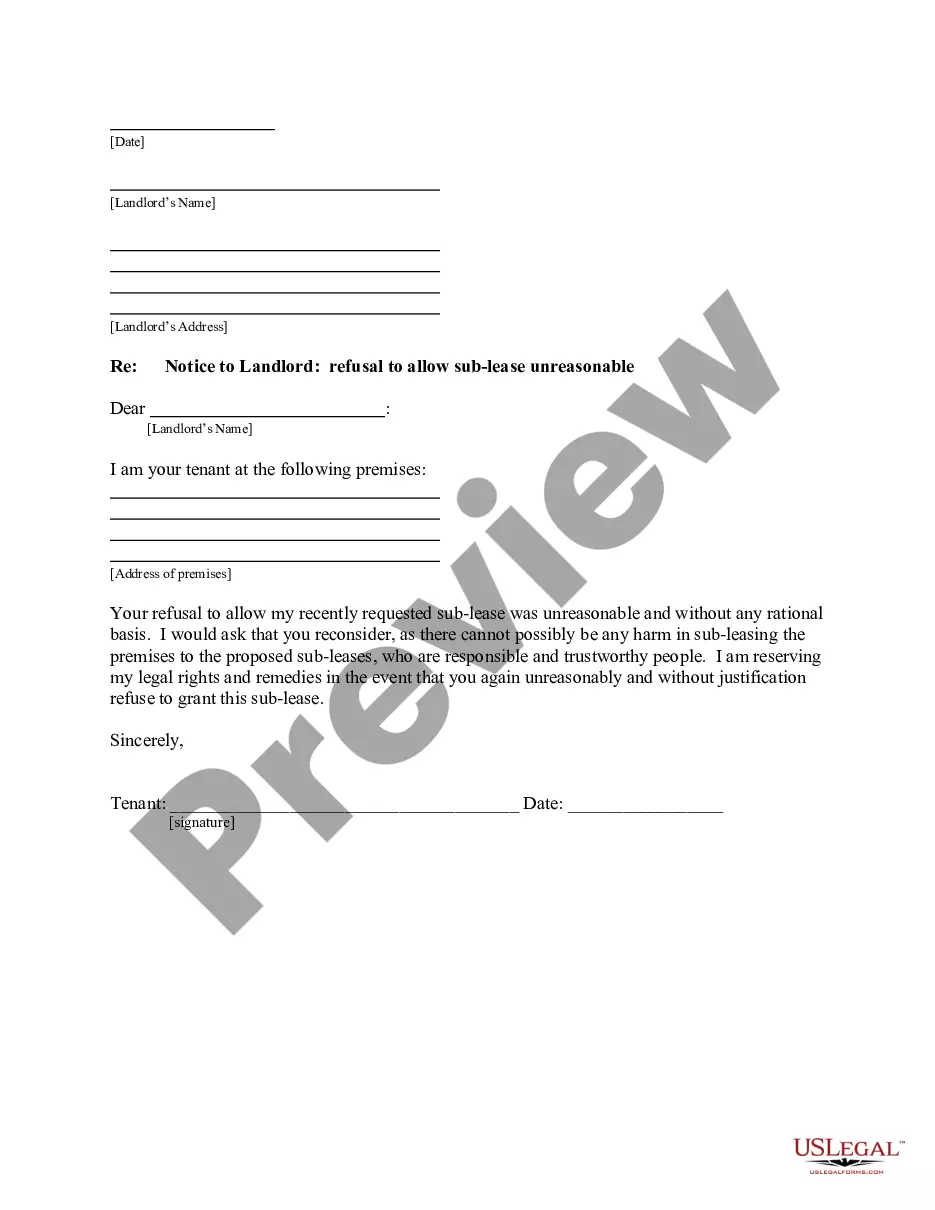
Michigan Letter from Tenant to Landlord about Landlord's refusal to allow sublease is unreasonable
Overview of this form
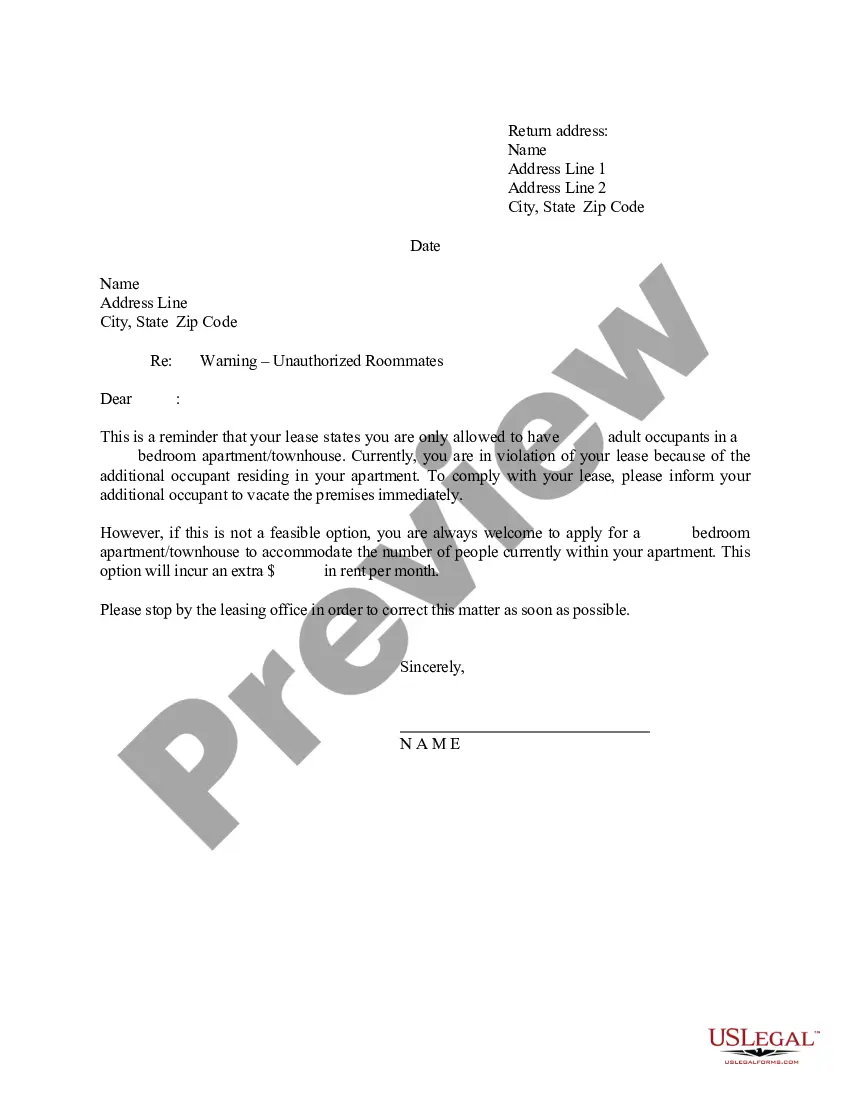
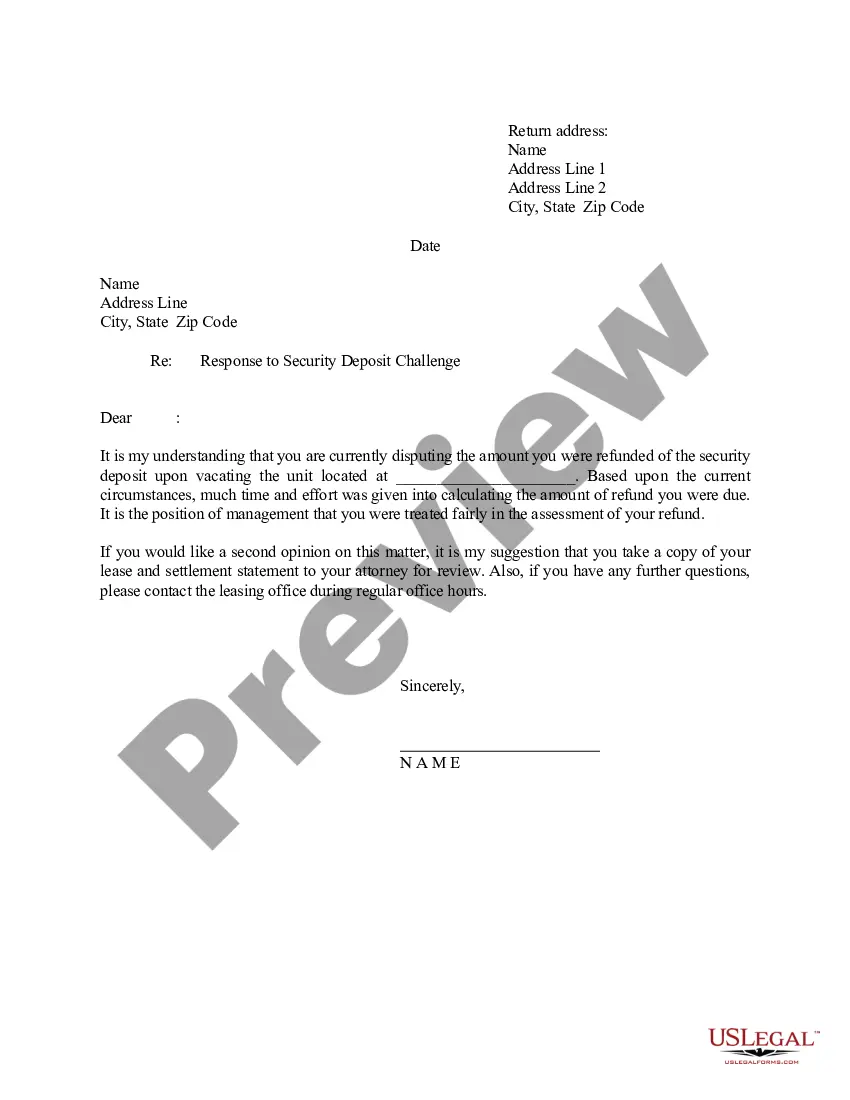
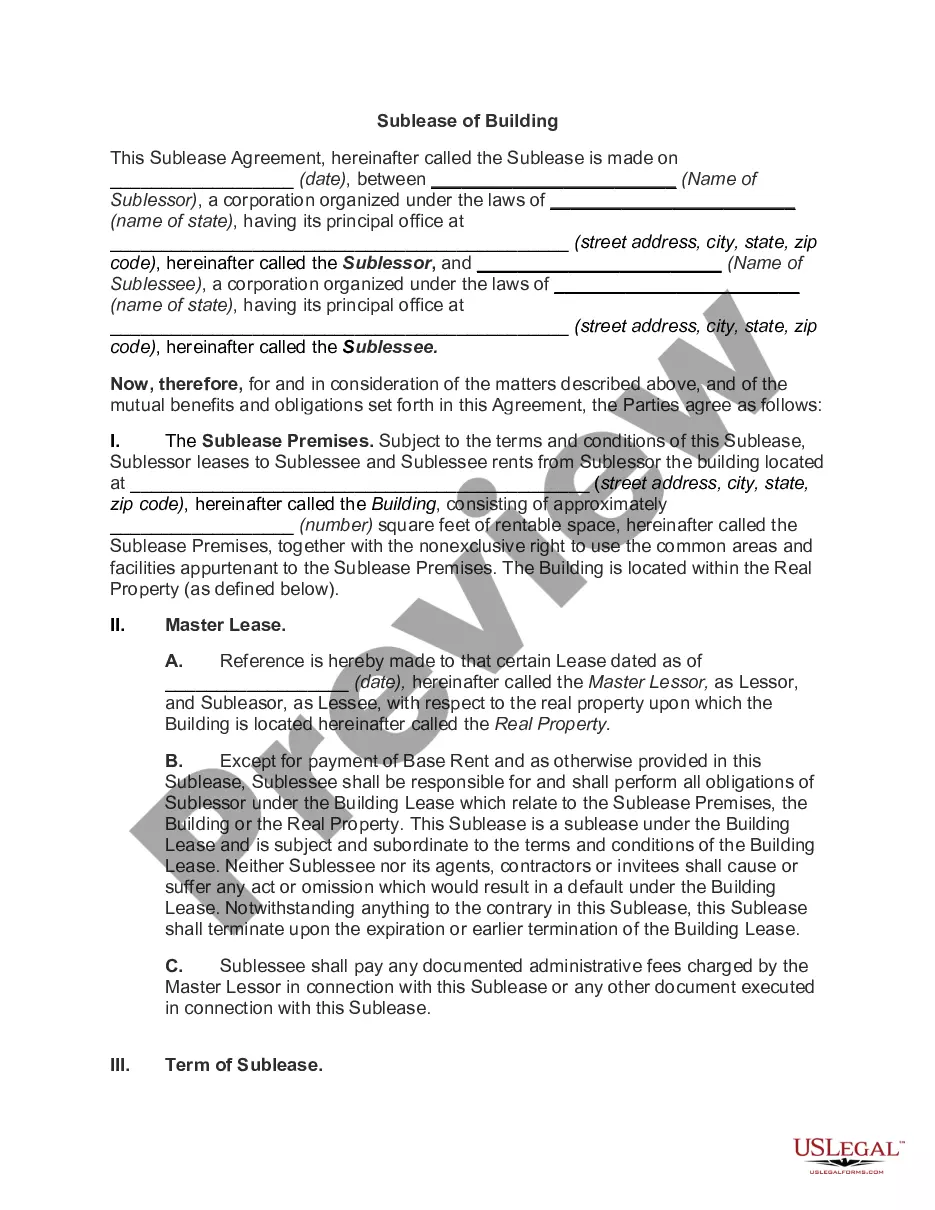
This form is a letter from a tenant to a landlord expressing concern regarding the landlord's refusal to allow a sublease. It serves to inform the landlord that the tenant believes this refusal is unreasonable and that the tenant reserves legal rights if the matter is not resolved. This letter is essential as it formally documents the tenant's position and can provide a basis for legal action if necessary. It is different from other tenant-landlord communication forms, as it specifically addresses subleasing issues.
Key parts of this document
- Tenant's name and contact information
- Landlord's name and contact information
- Statement of the landlord's refusal to allow subleasing
- Tenant's legal rights reservation regarding the sublease
- Date and signature of the tenant

Common use cases
This form should be used when a tenant wishes to sublease their rented premises but faces unreasonable refusal from the landlord. It is important to document this refusal to establish a record of communication and intent, especially if the tenant plans to pursue legal options or needs clarification on their rights under the lease agreement.
Who this form is for
- Current tenants seeking to sublease their rental unit.
- Tenants experiencing disagreement with their landlord over subleasing permissions.
- Individuals wanting to document their position formally for potential legal needs.
How to complete this form
- Identify and enter the names and addresses of both the tenant and the landlord.
- Clearly state the landlord's refusal to allow the sublease.
- Express your belief that the refusal is unreasonable and state your intent to reserve legal rights.
- Date the letter and provide space for your signature.
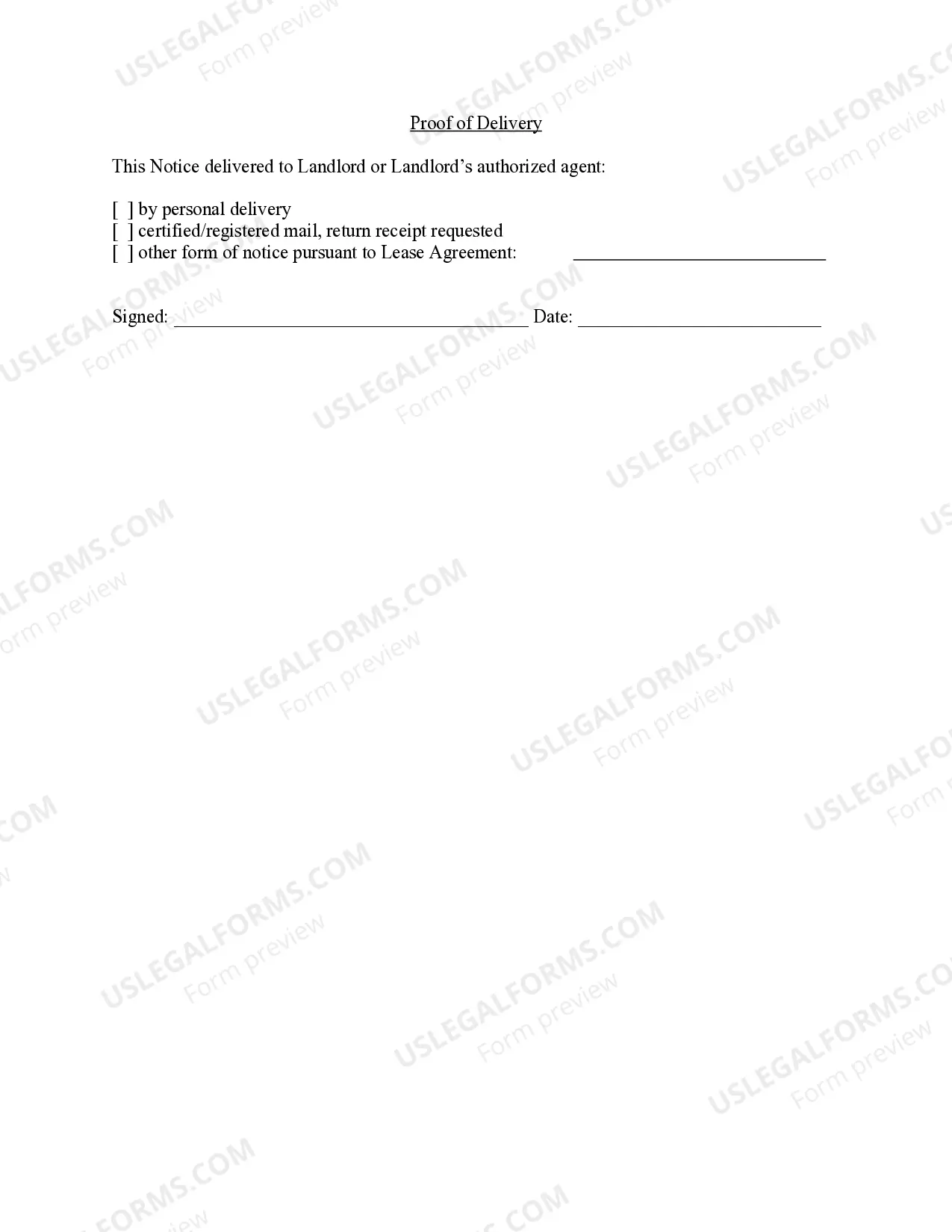
- Consider how you will deliver this letter to ensure proof of receipt.
Notarization requirements for this form
This form does not typically require notarization unless specified by local law. However, having the signature notarized may provide additional legal credibility in certain situations.
Get your form ready online
Our built-in tools help you complete, sign, share, and store your documents in one place.
Make edits, fill in missing information, and update formatting in US Legal Forms—just like you would in MS Word.
Download a copy, print it, send it by email, or mail it via USPS—whatever works best for your next step.
Sign and collect signatures with our SignNow integration. Send to multiple recipients, set reminders, and more. Go Premium to unlock E-Sign.
If this form requires notarization, complete it online through a secure video call—no need to meet a notary in person or wait for an appointment.
We protect your documents and personal data by following strict security and privacy standards.

Make edits, fill in missing information, and update formatting in US Legal Forms—just like you would in MS Word.

Download a copy, print it, send it by email, or mail it via USPS—whatever works best for your next step.

Sign and collect signatures with our SignNow integration. Send to multiple recipients, set reminders, and more. Go Premium to unlock E-Sign.

If this form requires notarization, complete it online through a secure video call—no need to meet a notary in person or wait for an appointment.

We protect your documents and personal data by following strict security and privacy standards.
Common mistakes to avoid
- Failing to include both parties' contact details.
- Not clearly stating the reasons why the landlord's refusal is unreasonable.
- Omitting the date or signature from the letter.
- Using vague language that does not clearly communicate the tenant's position.
Benefits of using this form online
- Convenient download and ability to customize for your needs.
- Access to templates prepared by licensed attorneys.
- Simple, user-friendly interface for filling out legal forms.
- Ability to save and modify your letter prior to sending.
Legal use & context
- The letter serves as formal documentation of the tenant's concerns regarding subleasing.
- This form can help protect tenant rights under local landlord-tenant laws.
- Understanding your rights in subleasing scenarios can help avoid potential disputes.
Quick recap
- This form is essential for tenants who want to communicate issues regarding subleasing to their landlords.
- Properly documenting the landlordâs refusal can help safeguard tenantsâ rights.
- Understanding local laws is critical when dealing with subletting issues.
Looking for another form?



Form popularity
FAQ
Step 1: make a formal complaint. You can make a formal complaint by writing a letter to your landlord. Step 2: complain to your local council. If making a formal complaint to your landlord doesn't solve your problem you might be able to complain to your local council.
A subtenant is not a cotenant and does not have a direct relationship with your landlord. As their landlord, you can (and should) require them to pay rent directly to you and evict them if they fail to follow through. This differs from a cotenant, who can be evicted only by your landlord.
If your landlord won't let you sublet, you can apply to the Landlord and Tenant Board for permission to sublet or to end your tenancy agreement. You may also be able to apply to the Human Rights Tribunal of Ontario.
The Bottom Line: According to the Michigan law you should obtain written approval from your landlord prior to subletting. However, if your lease says no sublets, then that means no sublets.
The landlord cannot refuse the assignment or sublet unless there is a good reason, such as the proposed tenant's inability to pay the rent or problematic behavior of this tenant. This is the case no matter what your lease or the building rules say.
If you're seeking damages for emotional distress caused by a landlord's discrimination, or punitive damages for especially blatant and intentional discrimination, a lawsuit may well be your best bet. Understand what's involved in suing your landlord. You may file a lawsuit in either federal or state court.
The landlord cannot unreasonably refuse to give consent. Usually, the only reason the landlord can refuse consent is if the sub-tenancy would result in overcrowding of the premises or a breach of the tenancy agreement with the head-tenant.
Why Is Subletting Not Allowed At Some Properties? The most common reason for not allowing subletting at a property is the increased risk of financial loss, property damage, or misleading tenants. Adding more tenants or switching tenants through a sublease during a tenancy adds work and risk for the landlord.