Michigan Letter from Tenant to Landlord for Failure of Landlord to comply with building codes affecting health and safety or resulting in untenantable condition - demand for remedy
What is this form?
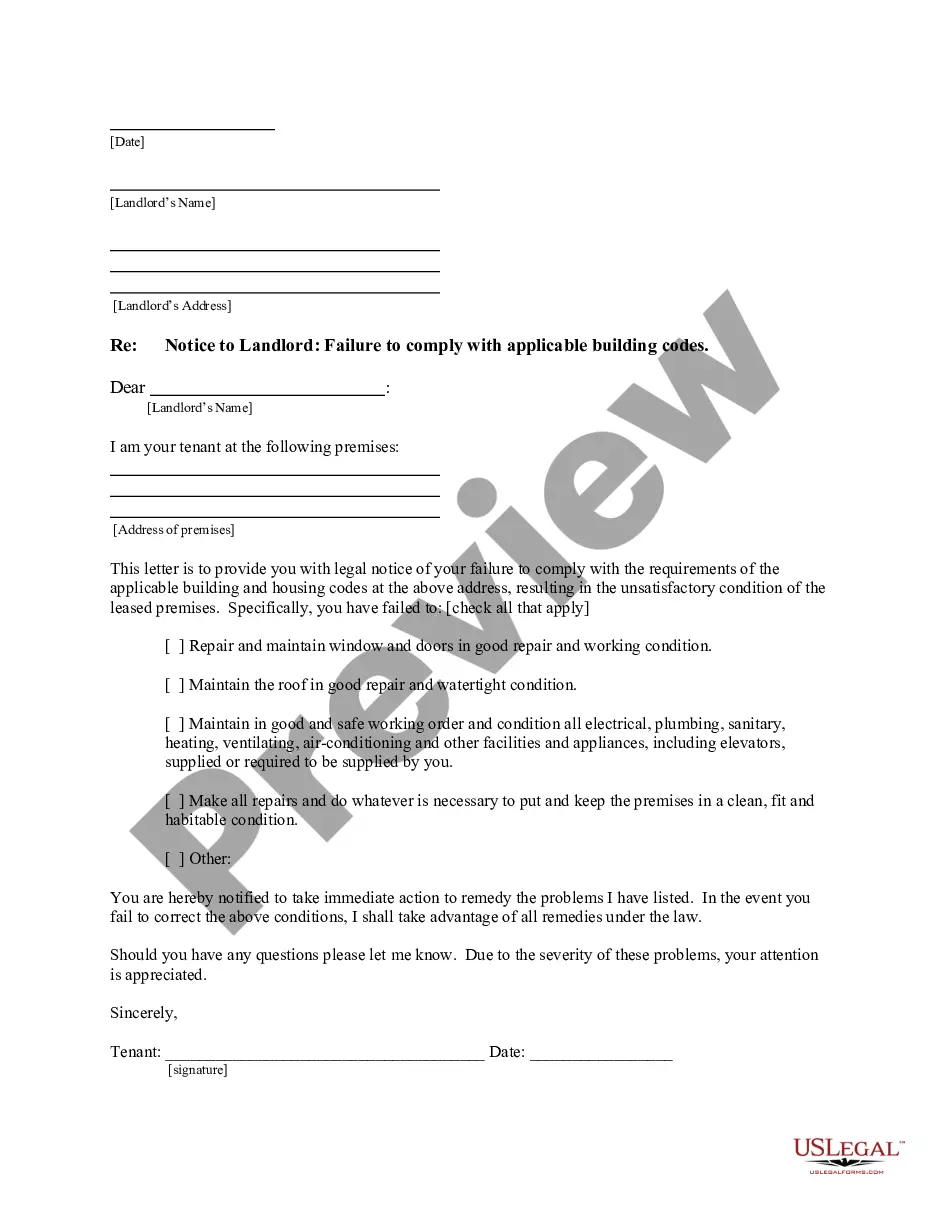
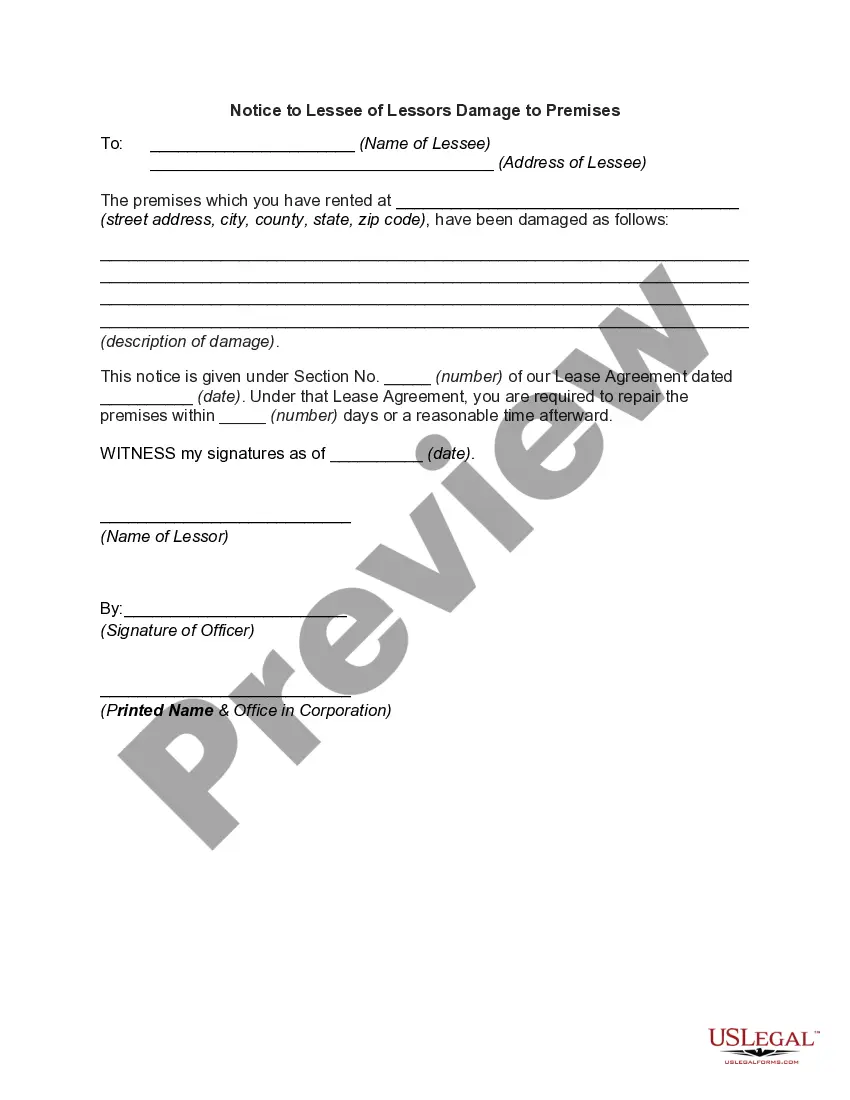
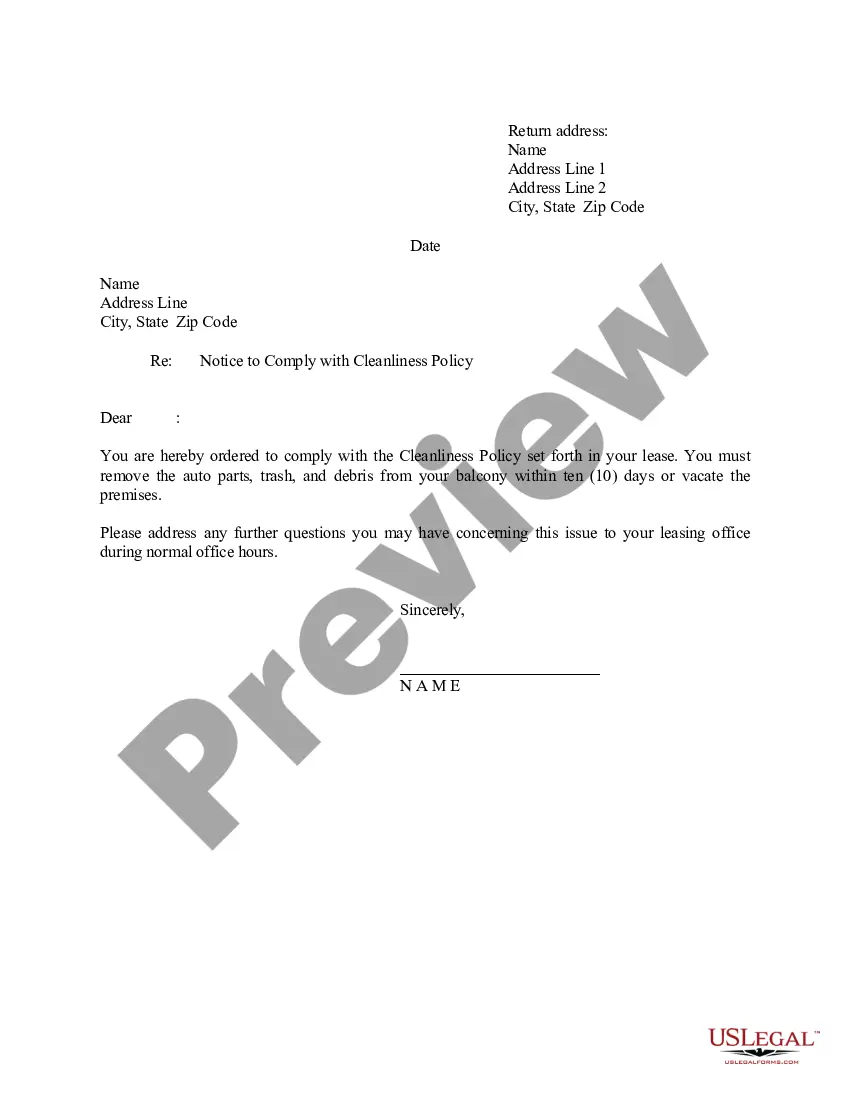
This form is a demand letter from a tenant to a landlord regarding the failure to comply with building codes affecting health and safety, potentially leading to untenantable conditions. Its primary purpose is to formally request necessary repairs within a specified timeframe. Unlike other general complaint letters, this document specifically addresses serious safety concerns and the legal obligations of landlords under local building codes.
Key components of this form
- Identification of the tenant and landlord.
- Description of the specific building code violations.
- Demand for repairs to be made within ten days.
- Reference to the untenantable condition of the leased premises.
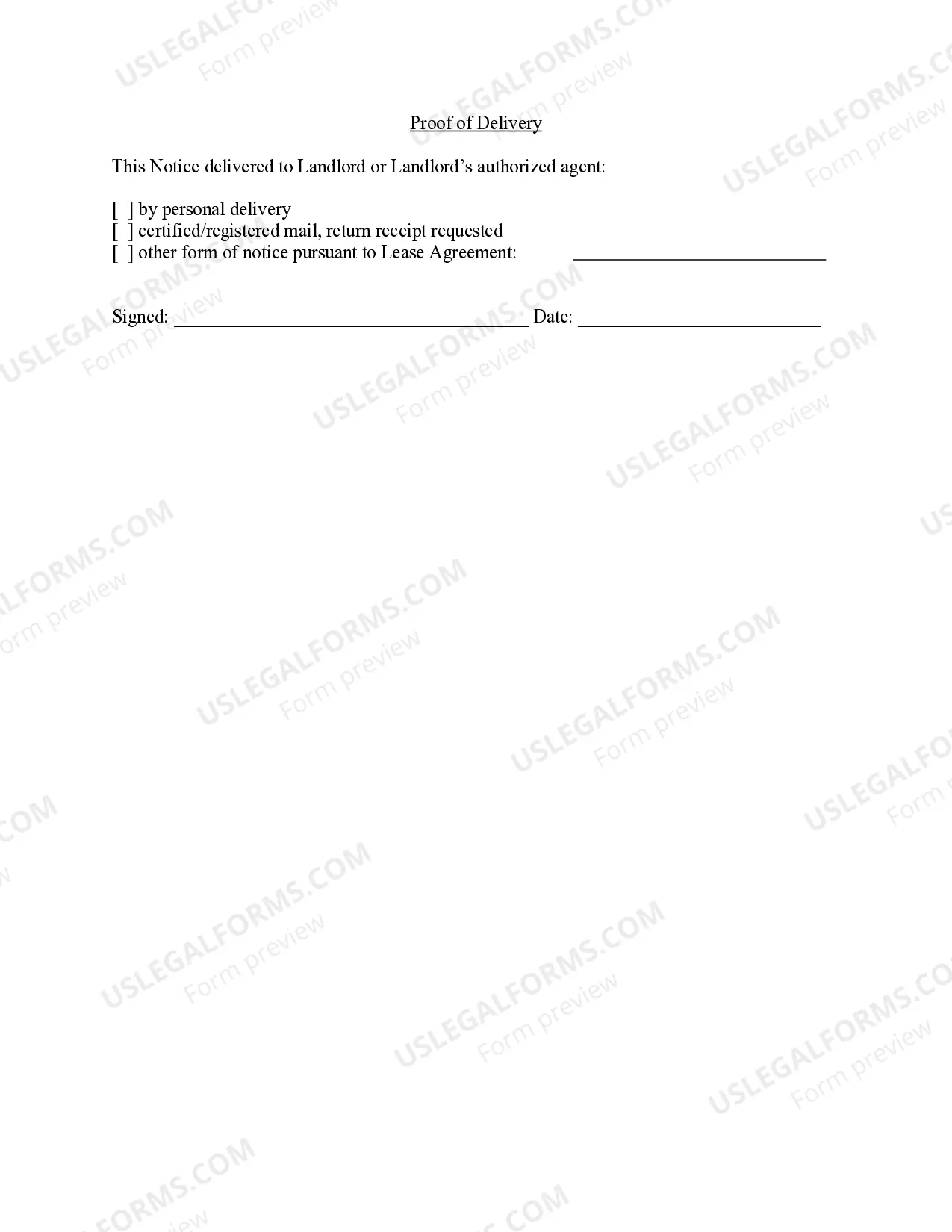
- Proof of delivery options.



When to use this document
This form should be used by tenants when their landlord fails to address critical health and safety issues in a rental unit. It is applicable in situations where the conditions make the property unsafe or unhealthy, thereby violating building codes. Utilizing this letter can help prompt a timely response from the landlord before escalating the issue further.
Who can use this document
- Tenants experiencing unsafe or unhealthy living conditions.
- Individuals who have already notified their landlord about issues but received no response.
- Renters seeking to document their complaints formally for legal purposes.
Instructions for completing this form
- Identify the parties involved by entering the tenant's and landlord's names and contact information.
- Specify the property address to accurately denote the location of the lease.
- Detail the specific building code violations and unsafe conditions that need addressing.
- Include a demand for the landlord to remedy the situation within ten days.
- Sign and date the letter after completion.
- Choose a method of delivery for the notice, ensuring proof of delivery is obtained.
Is notarization required?
In most cases, this form does not require notarization. However, some jurisdictions or signing circumstances might. US Legal Forms offers online notarization powered by Notarize, accessible 24/7 for a quick, remote process.
Get your form ready online
Our built-in tools help you complete, sign, share, and store your documents in one place.
Make edits, fill in missing information, and update formatting in US Legal Forms—just like you would in MS Word.
Download a copy, print it, send it by email, or mail it via USPS—whatever works best for your next step.
Sign and collect signatures with our SignNow integration. Send to multiple recipients, set reminders, and more. Go Premium to unlock E-Sign.
If this form requires notarization, complete it online through a secure video call—no need to meet a notary in person or wait for an appointment.
We protect your documents and personal data by following strict security and privacy standards.

Make edits, fill in missing information, and update formatting in US Legal Forms—just like you would in MS Word.

Download a copy, print it, send it by email, or mail it via USPS—whatever works best for your next step.

Sign and collect signatures with our SignNow integration. Send to multiple recipients, set reminders, and more. Go Premium to unlock E-Sign.

If this form requires notarization, complete it online through a secure video call—no need to meet a notary in person or wait for an appointment.

We protect your documents and personal data by following strict security and privacy standards.
Common mistakes to avoid
- Failing to provide specific details about the violations.
- Not including a deadline for repairs.
- Using vague language instead of clear demands.
- Neglecting to sign the document or failing to date it properly.
Benefits of completing this form online
- Convenient access to a professionally drafted template that ensures legal compliance.
- Editable format that allows you to customize the letter for your specific situation.
- Immediate downloads provide a swift solution to urgent tenant issues.
Legal use & context
- This form serves as a formal notification that can be used as evidence if legal proceedings become necessary.
- It upholds tenant rights under state law related to building safety and conditions.
- Using this form properly can expedite the landlord's responsibility to address lease violations.
What to keep in mind
- A timely demand letter can prompt landlords to make necessary repairs.
- Documenting issues formally protects tenant rights.
- Each state may have specific rules, so ensure the form complies with local laws.
Looking for another form?

Form popularity
FAQ
If you think your landlord is violating the Fair Housing Act, you can get that landlord in trouble by filing a complaint at HUD.gov. Your remedy for breach of quiet enjoyment is to terminate the lease and move or sue in small claims court.
Landlord Maintenance Responsibilities provide a safe and habitable dwelling; comply with state and local housing codes, where applicable; carry out repairs that are not the fault of the tenant; maintain any part of the dwelling, grounds, appliances, equipment, utilities as mutually agreed to in a lease.
Review Your Lease Before You Sign. Research Local Laws. Keep Records. Pay Your Rent. Maintain Respectful Communication. Seek an Agreeable Solution. Request Repairs in Writing. What Do You Think?
Introduce the problem clearly. Begin your letter by stating specifically why you are writing. Provide a brief description of the specific problem, then detail any efforts you have made prior to the letter to notify your landlord of the problem or to fix the problem yourself.
Persons who have complaints against landlords/property owners can file a complaint with the Michigan Attorney General's Consumer Protection Division at 517-373-1140.
Tenant Rights to Withhold Rent in MichiganTenants may withhold rent or exercise the right to repair and deduct if a landlord fails to take care of important repairs, such as a broken heater. For specifics, see Michigan Tenant Rights to Withhold Rent or Repair and Deduct.
Injury at Rental Property: You could have a case for a lawsuit against your landlord if you are injured at the rental property due to a landlord's neglect. Filing an Illegal Eviction: You can countersue your landlord if you feel your landlord is trying to evict you illegally.
If you're seeking damages for emotional distress caused by a landlord's discrimination, or punitive damages for especially blatant and intentional discrimination, a lawsuit may well be your best bet. Understand what's involved in suing your landlord. You may file a lawsuit in either federal or state court.