Michigan Letter from Landlord to Tenant as Notice to remove unauthorized pets from premises
Understanding this form
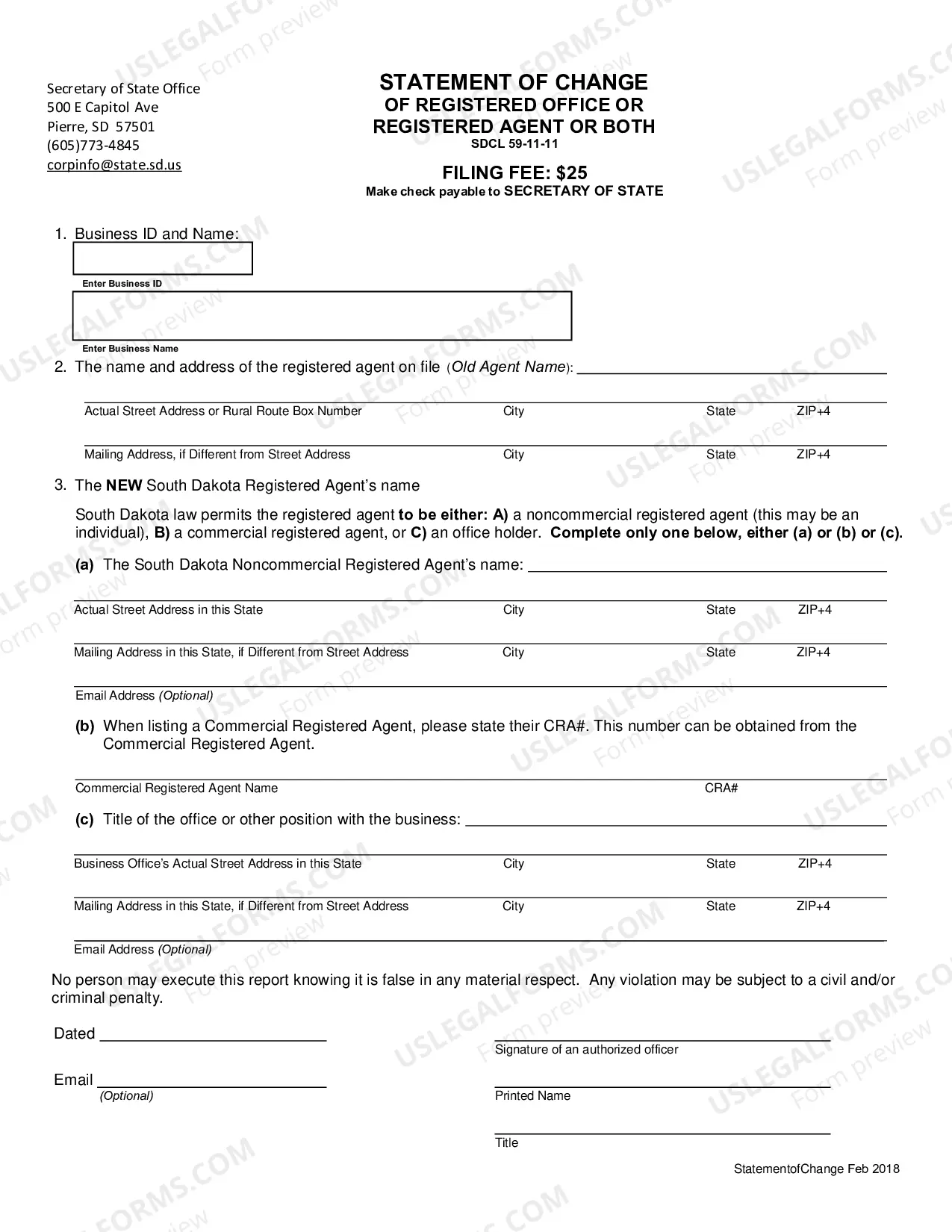
This form is a Letter from Landlord to Tenant as Notice to remove unauthorized pets from premises. It is a legal document used to formally notify tenants that they are keeping pets on the rental property in violation of the lease agreement. This letter communicates the landlord's demand for the tenant to remove the pets, outlining potential consequences if they do not comply, such as eviction or legal action. Unlike other notices, this specific letter focuses solely on unauthorized pets and the breach of contract that results from having them on the premises.
Form components explained
- Date of the residential lease agreement.
- Property address where the lease agreement applies.
- Description of the unauthorized pet(s) being kept by the tenant.
- Deadline for the tenant to remove the unauthorized pet(s).
- Warning of possible eviction or further legal action for non-compliance.
- Signature section for the landlord or authorized agent.
When this form is needed
This form should be used when a landlord has discovered that their tenant is housing pets on the property in violation of the lease agreement. It is an essential step for landlords to formally notify tenants about the breach of contract and request compliance regarding pet policies outlined in the lease. This notice serves to protect the landlord's rights while giving the tenant an opportunity to rectify the situation.
Intended users of this form
- Landlords who have a no-pets policy in their lease agreement.
- Property managers responsible for enforcing lease terms.
- Tenants who need to be informed about non-compliance regarding unauthorized pets.
Completing this form step by step
- Review the residential lease agreement for the original terms regarding pets.
- Fill in the date when the lease agreement was signed.
- Specify the complete address of the rental property.
- Clearly describe the unauthorized pet(s) currently on the premises.
- Set a specific number of days for the tenant to remove the pet(s).
- Sign the letter as the landlord or authorized agent before delivering it to the tenant.
Notarization guidance
In most cases, this form does not require notarization. However, some jurisdictions or signing circumstances might. US Legal Forms offers online notarization powered by Notarize, accessible 24/7 for a quick, remote process.
Get your form ready online
Our built-in tools help you complete, sign, share, and store your documents in one place.
Make edits, fill in missing information, and update formatting in US Legal Forms—just like you would in MS Word.
Download a copy, print it, send it by email, or mail it via USPS—whatever works best for your next step.
Sign and collect signatures with our SignNow integration. Send to multiple recipients, set reminders, and more. Go Premium to unlock E-Sign.
If this form requires notarization, complete it online through a secure video call—no need to meet a notary in person or wait for an appointment.
We protect your documents and personal data by following strict security and privacy standards.

Make edits, fill in missing information, and update formatting in US Legal Forms—just like you would in MS Word.

Download a copy, print it, send it by email, or mail it via USPS—whatever works best for your next step.

Sign and collect signatures with our SignNow integration. Send to multiple recipients, set reminders, and more. Go Premium to unlock E-Sign.

If this form requires notarization, complete it online through a secure video call—no need to meet a notary in person or wait for an appointment.

We protect your documents and personal data by following strict security and privacy standards.
Avoid these common issues
- Failing to provide sufficient notice period for the tenant to comply.
- Not referring to the specific section of the lease agreement that prohibits pets.
- Omitting the property's address or incorrect lease details.
- Not signing the document before delivery.
Benefits of using this form online
- Convenient access to downloadable and customizable templates.
- Drafted by licensed attorneys, ensuring legal compliance.
- Easily editable to fit specific circumstances and regional requirements.
- Quickly generate forms that can be printed or sent electronically.
Legal use & context
- This letter is legally valid as a formal communication of a lease breach.
- It may serve as evidence if eviction proceedings become necessary.
- Landlords should retain a copy for their records after delivery to the tenant.
Quick recap
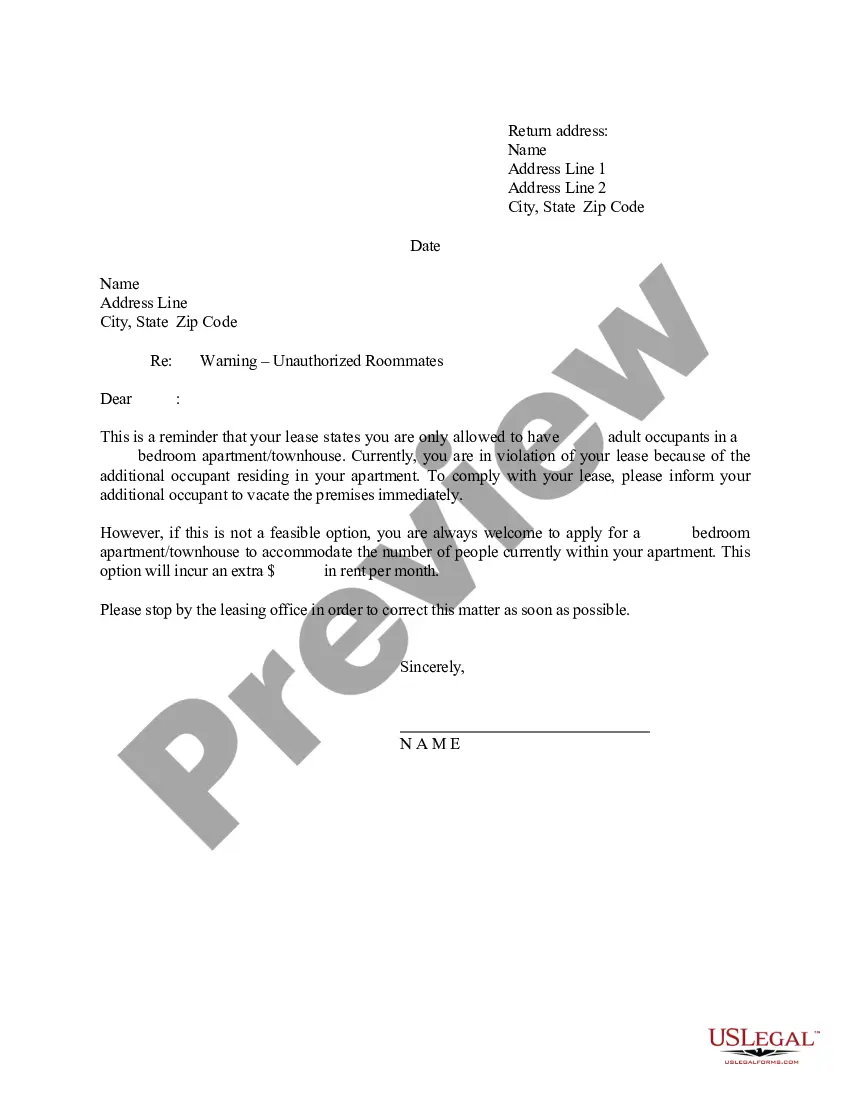
- A proper notice is essential for enforcing lease provisions regarding unauthorized pets.
- Timely communication helps avoid future conflicts and potential legal issues.
- Being clear and explicit in the notice protects landlords' rights under the lease agreement.
Looking for another form?
Form popularity
FAQ
Send a 3-day notice to fix or quit. If the tenant doesn't follow through with a fix, visit your local courthouse and begin a filing for eviction. In some states, you can file to only evict the unauthorized tenant. In others, you'll have the option to evict your tenant as well as the unauthorized occupant.
Landlord Maintenance Responsibilities provide a safe and habitable dwelling; comply with state and local housing codes, where applicable; carry out repairs that are not the fault of the tenant; maintain any part of the dwelling, grounds, appliances, equipment, utilities as mutually agreed to in a lease.
The date that the tenant warning letter was written. The name and the basic personal information of the tenant. The name of the landlord or the owner of the property. The reason why a tenant warning letter has been written.
There is no written agreement When your roommate has month-to-month tenancy, California state law says that you can evict them by serving 30 or 60 days' notice without any reasoning.
Fundamental responsibilities of landlords include: providing and maintaining the property in a clean and reasonable standard; giving proper receipts and maintaining records of all transactions pertaining to the tenancy; paying council rates and taxes; maintaining locks to ensure the property's security; and lodging the
The terms, tenant and, occupant aren't interchangeable when leasing property, as each has a different standing in a rental transaction.The lease agreement is between the landlord and tenant only. Occupants are authorized to reside in the property with the landlord's permission.
Address the Tenant(s) Named in the Residential Lease. List the Lease Information. Notify the Tenant of the Eviction. Give a Reason for the Eviction. Serve the Eviction Notice to the Tenant(s)
If a lodger in California refuses to leave after 30 days, they can be kicked out without going through a court-ordered eviction process, because after the 30-day mark, they are officially trespassing. At this point, you could call the police.
Any guest residing on the property for more than 14 days in a six-month period or spending more than 7 nights consecutively will be considered a tenant. Anyone living on the property must be listed and sign the lease agreement.